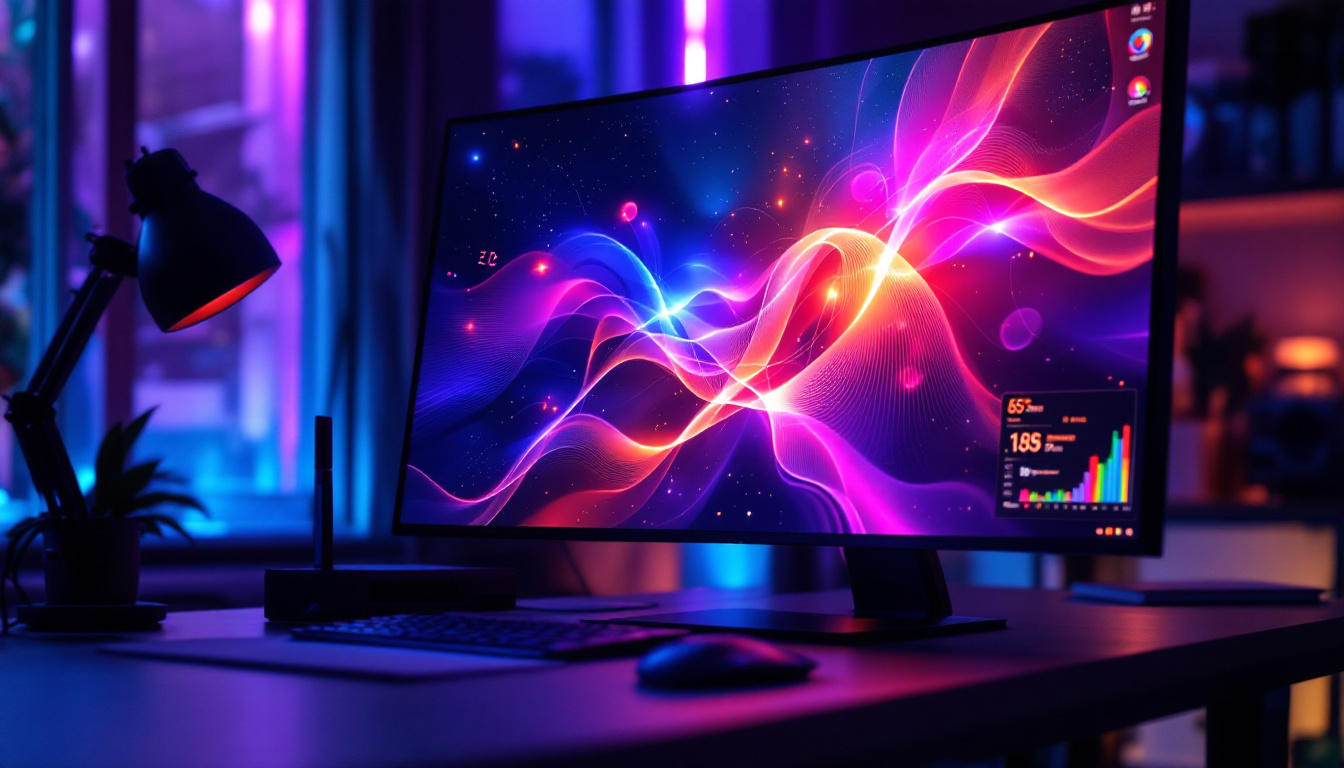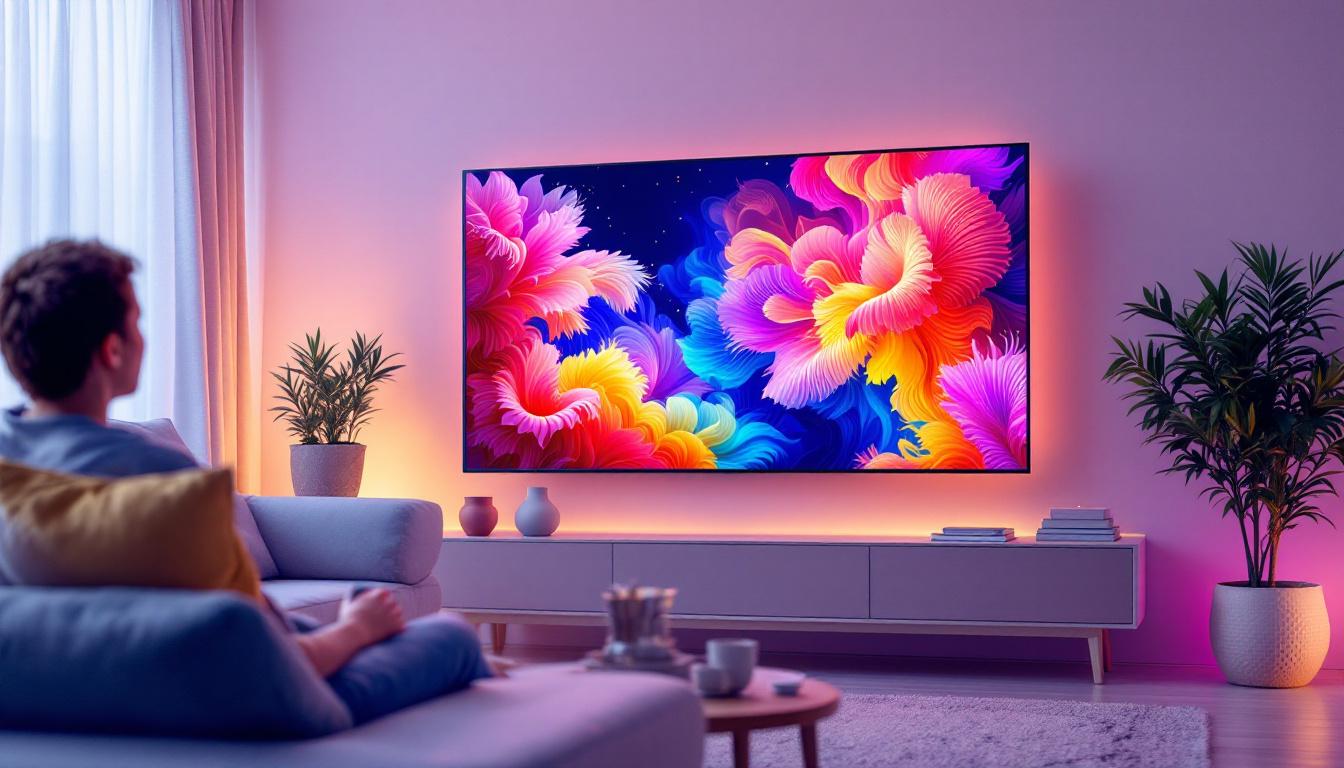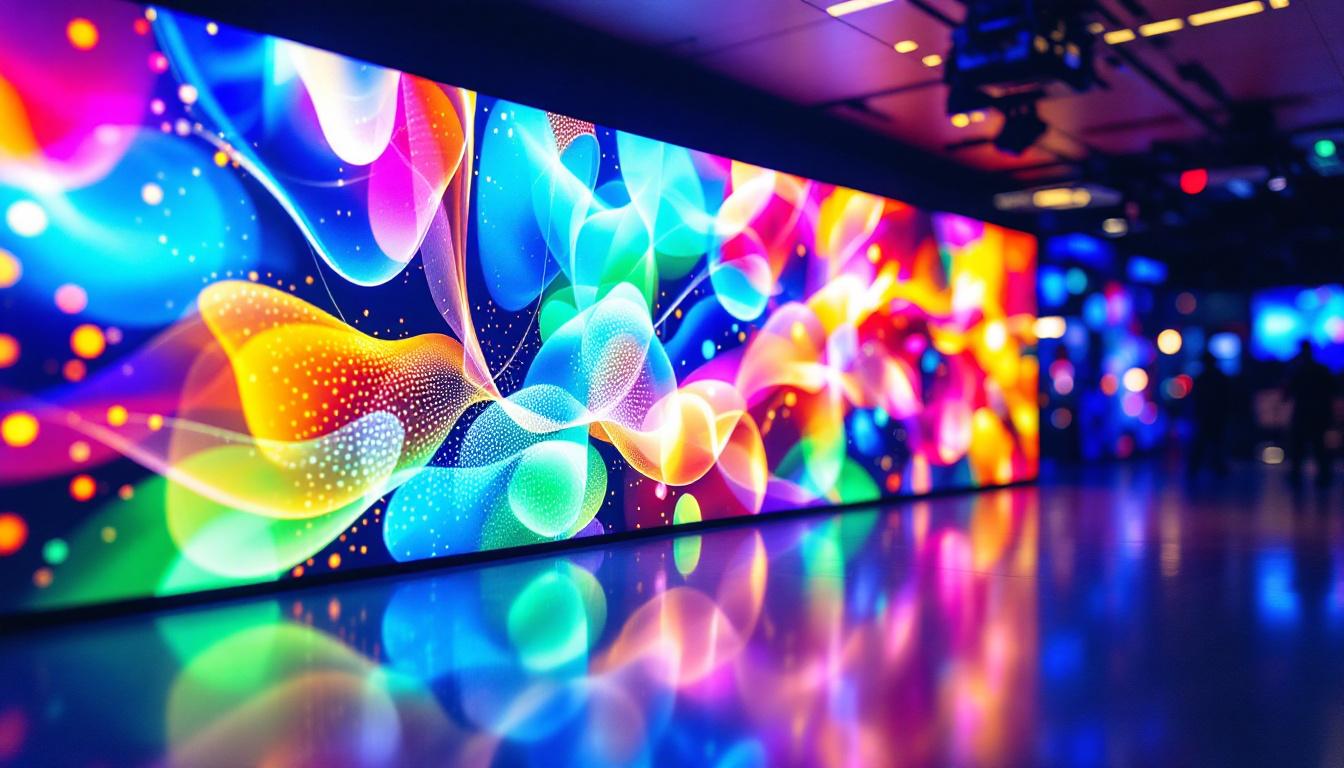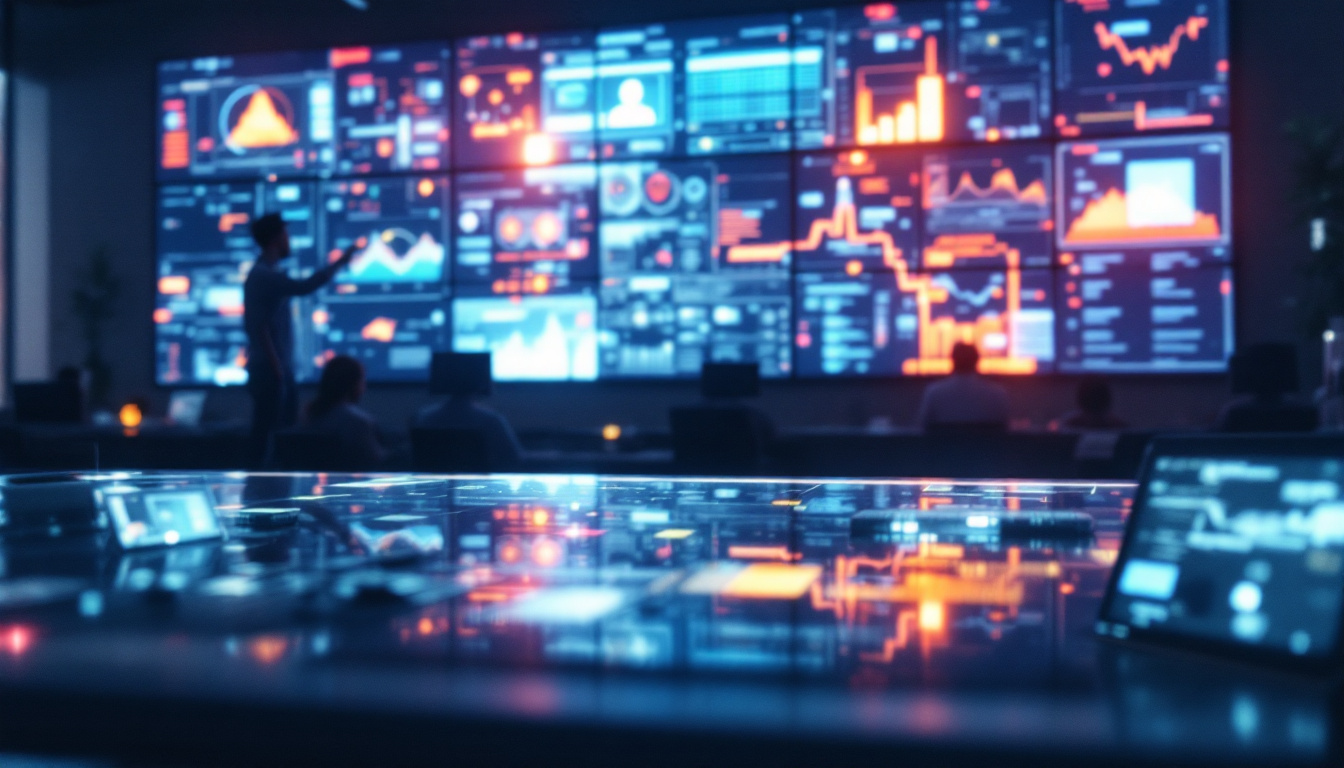
In today’s fast-evolving digital landscape, LED displays have become a cornerstone of visual communication, transforming how businesses, artists, and advertisers engage with their audiences. Art Display Co, a leader in innovative display solutions, specializes in leveraging LED technology to create vibrant, dynamic, and impactful visual experiences. This article delves into the fundamentals of LED displays, their applications, benefits, and why they are an essential tool for modern visual storytelling.
Understanding LED Display Technology
LED, short for Light Emitting Diode, is a semiconductor device that emits light when an electric current passes through it. Unlike traditional display technologies such as LCD or plasma, LED displays use tiny diodes to produce bright, vivid images with exceptional clarity and energy efficiency. This technology has revolutionized the way we perceive visual media, providing not only enhanced brightness but also a wider color gamut, which allows for more vibrant and lifelike images.
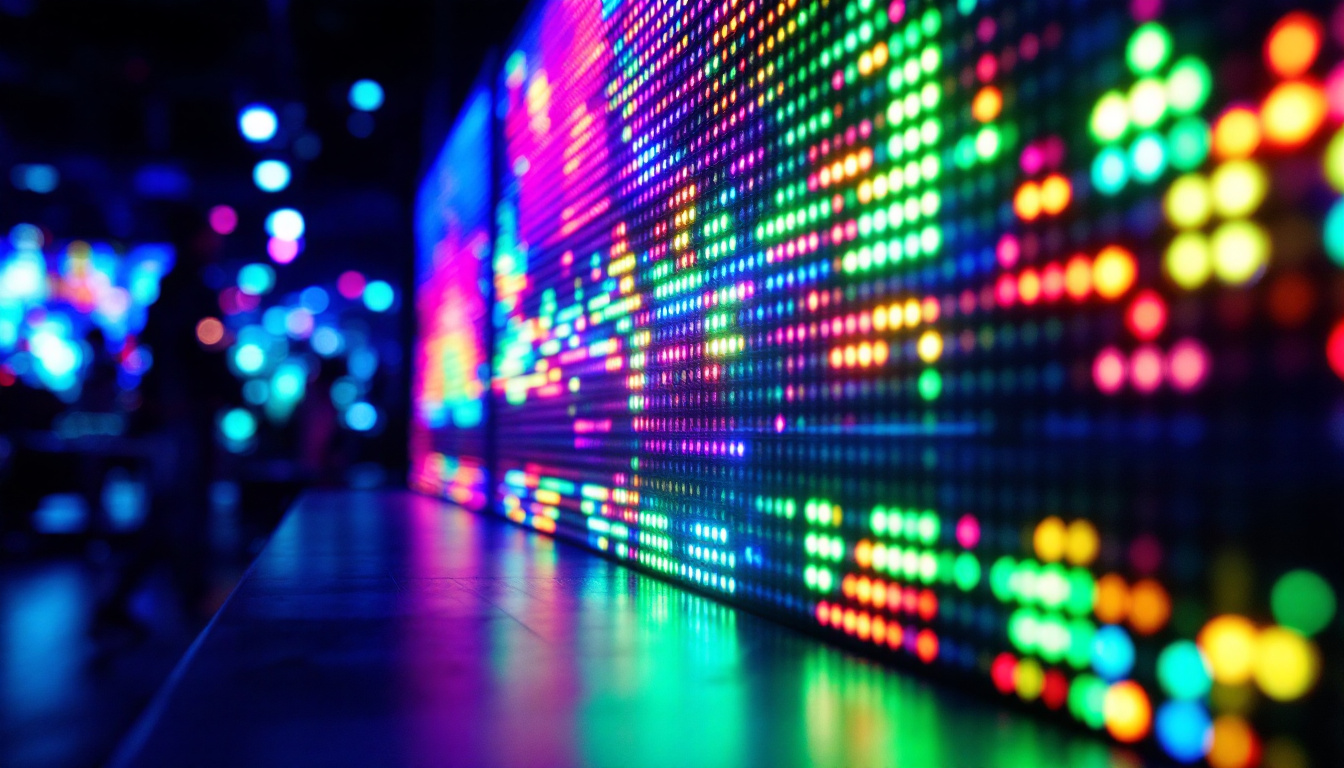
The core of an LED display consists of thousands to millions of these tiny diodes arranged in a matrix. Each diode acts as a pixel, and by controlling the intensity and color of each pixel, the display can render detailed images, videos, and animations. This modular design allows LED displays to be scaled to virtually any size, from small indoor panels to massive outdoor billboards. Furthermore, the longevity of LED technology means that these displays can operate for tens of thousands of hours, significantly reducing maintenance costs over time.
Types of LED Displays
LED displays come in several forms, each suited for different environments and purposes:
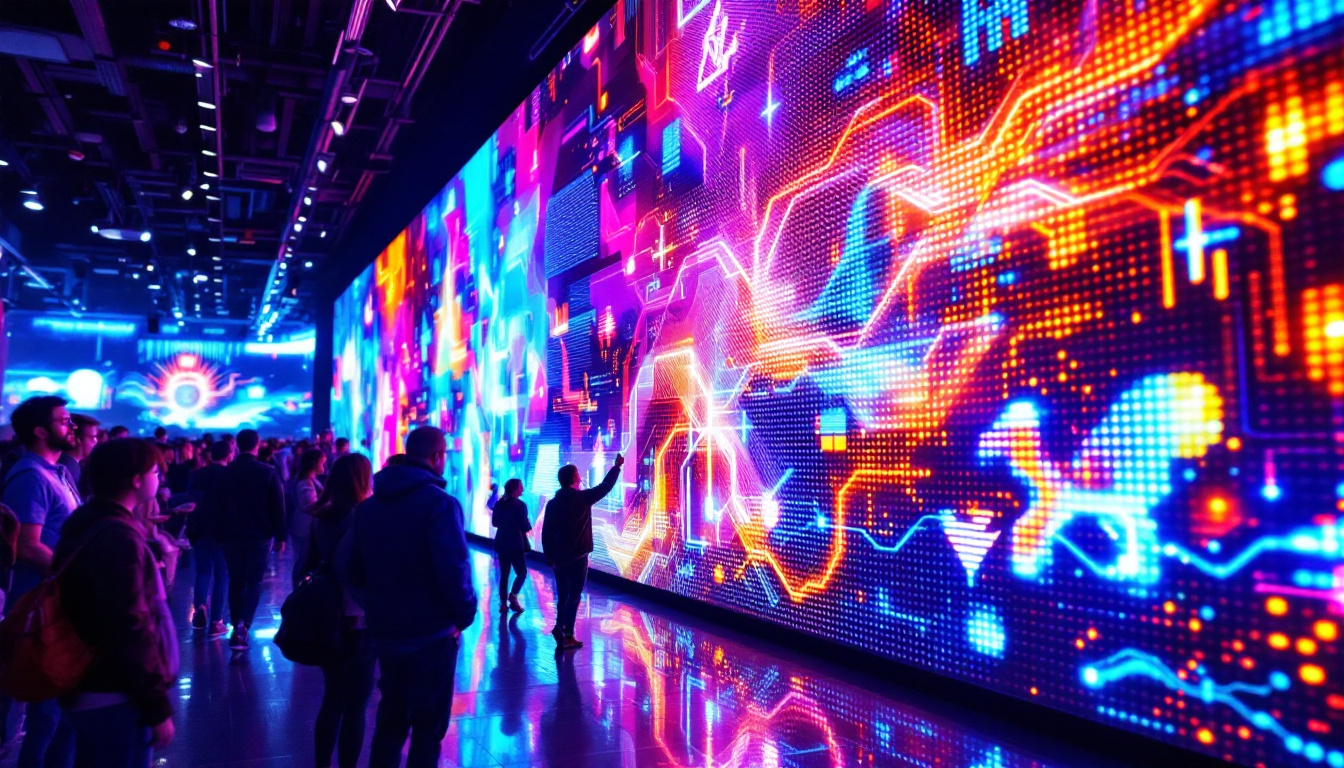
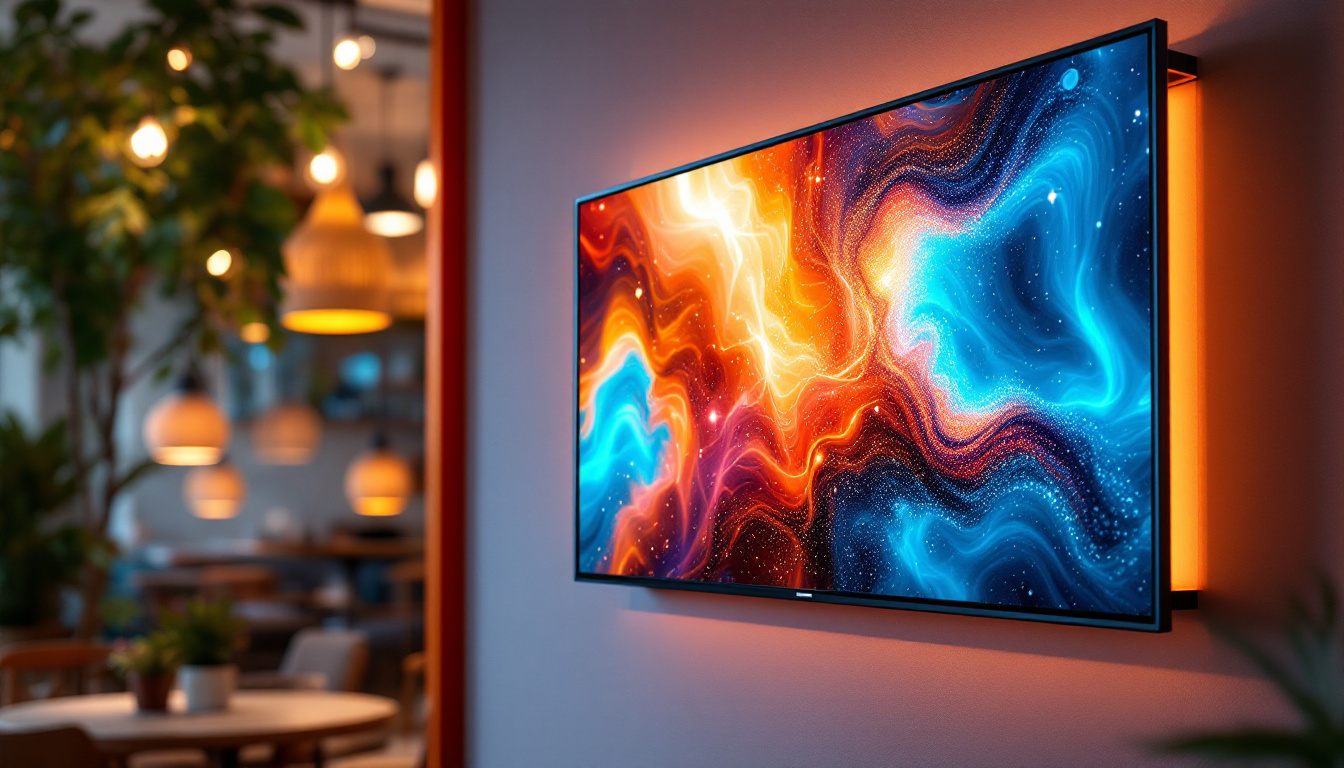
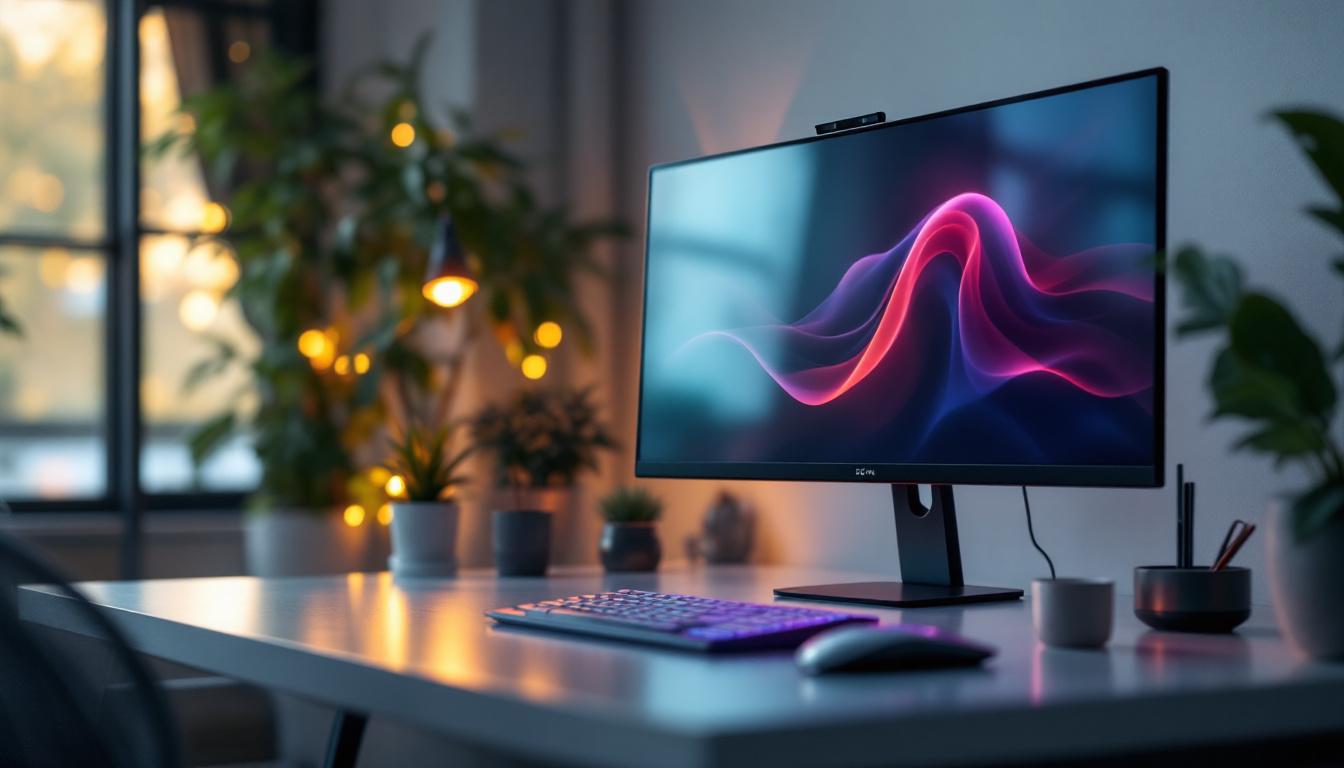
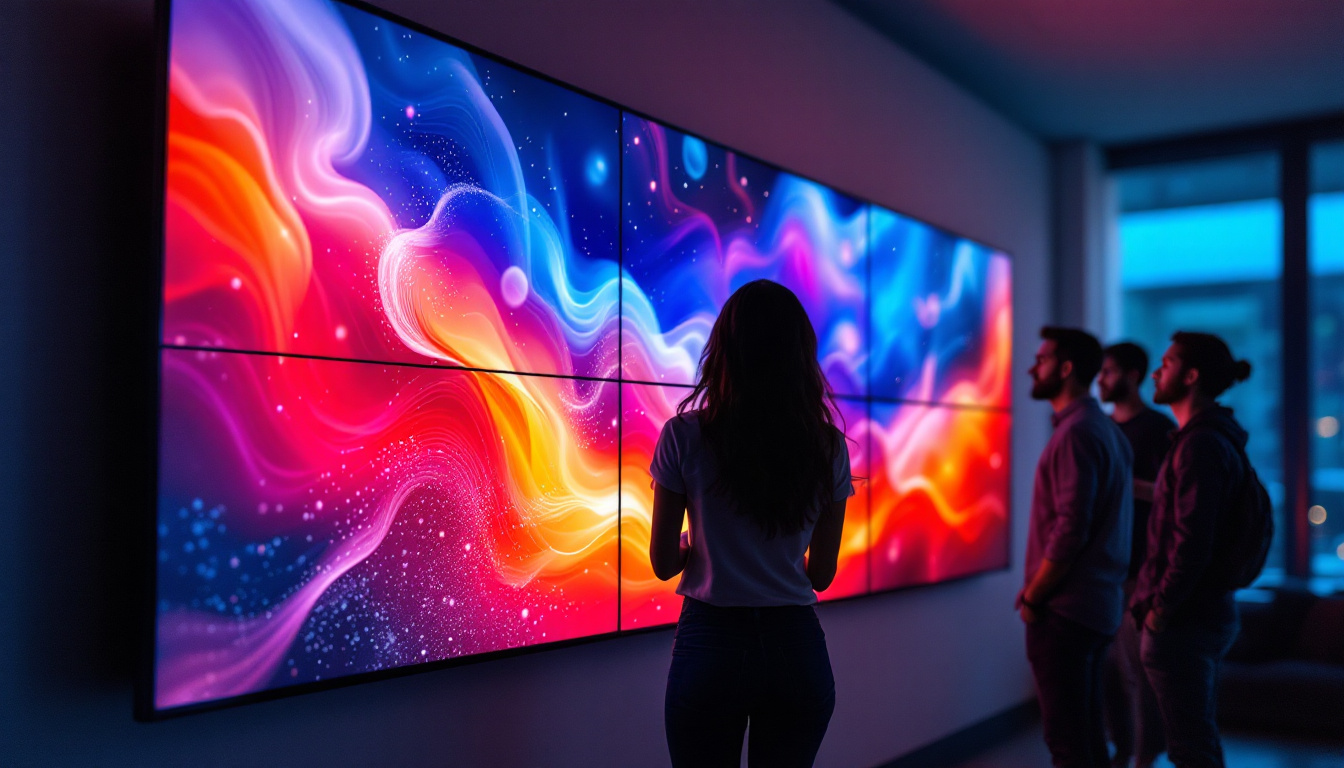
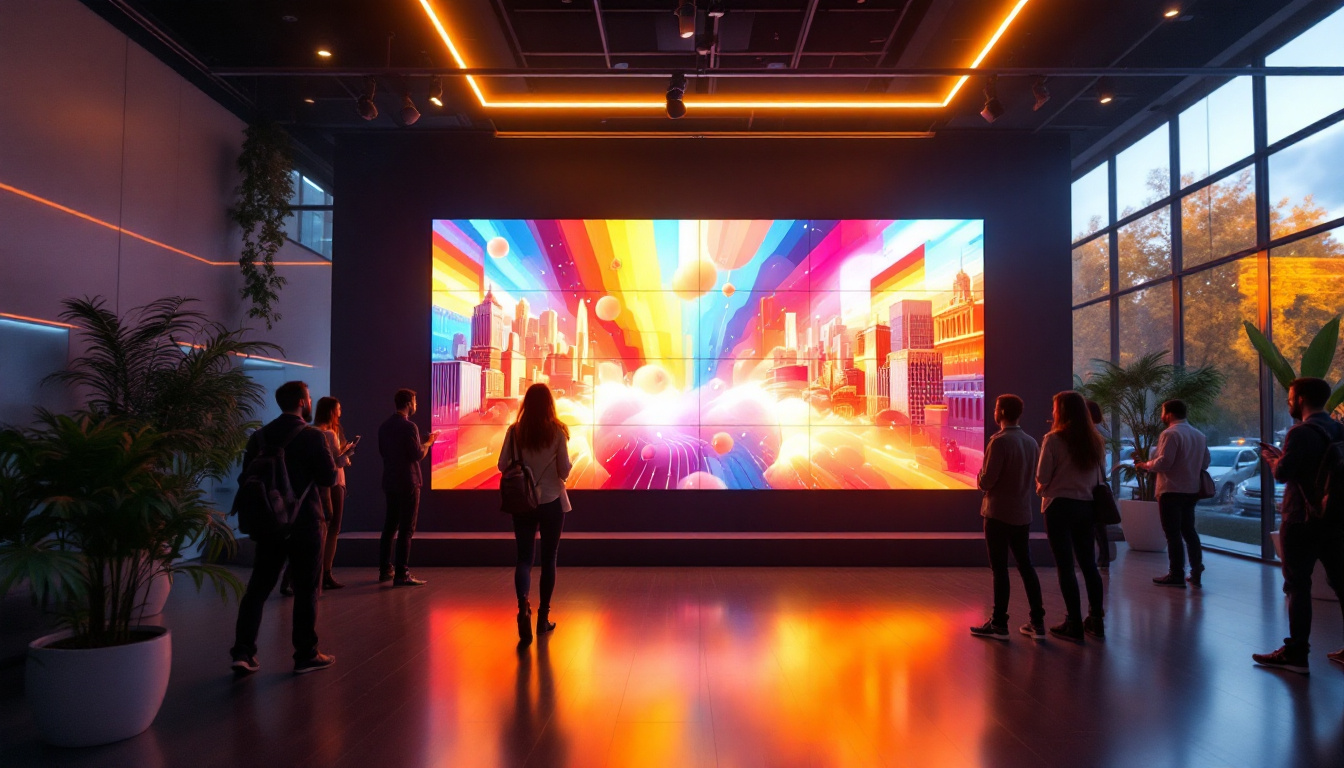
- Indoor LED Displays: Designed for controlled lighting conditions, these displays offer high resolution and color accuracy, making them ideal for retail spaces, conference rooms, and art installations. Their ability to deliver sharp images even from close viewing distances makes them a favorite in environments where detail is paramount.
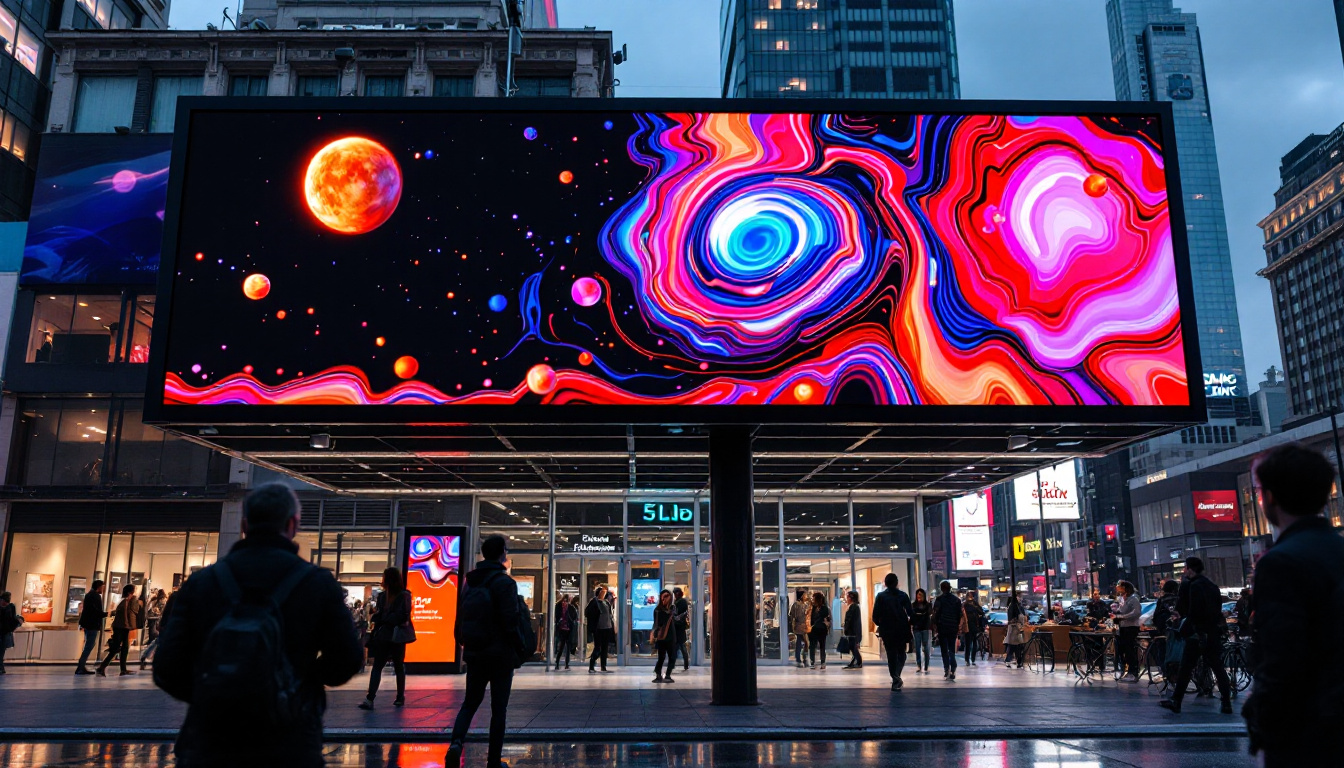
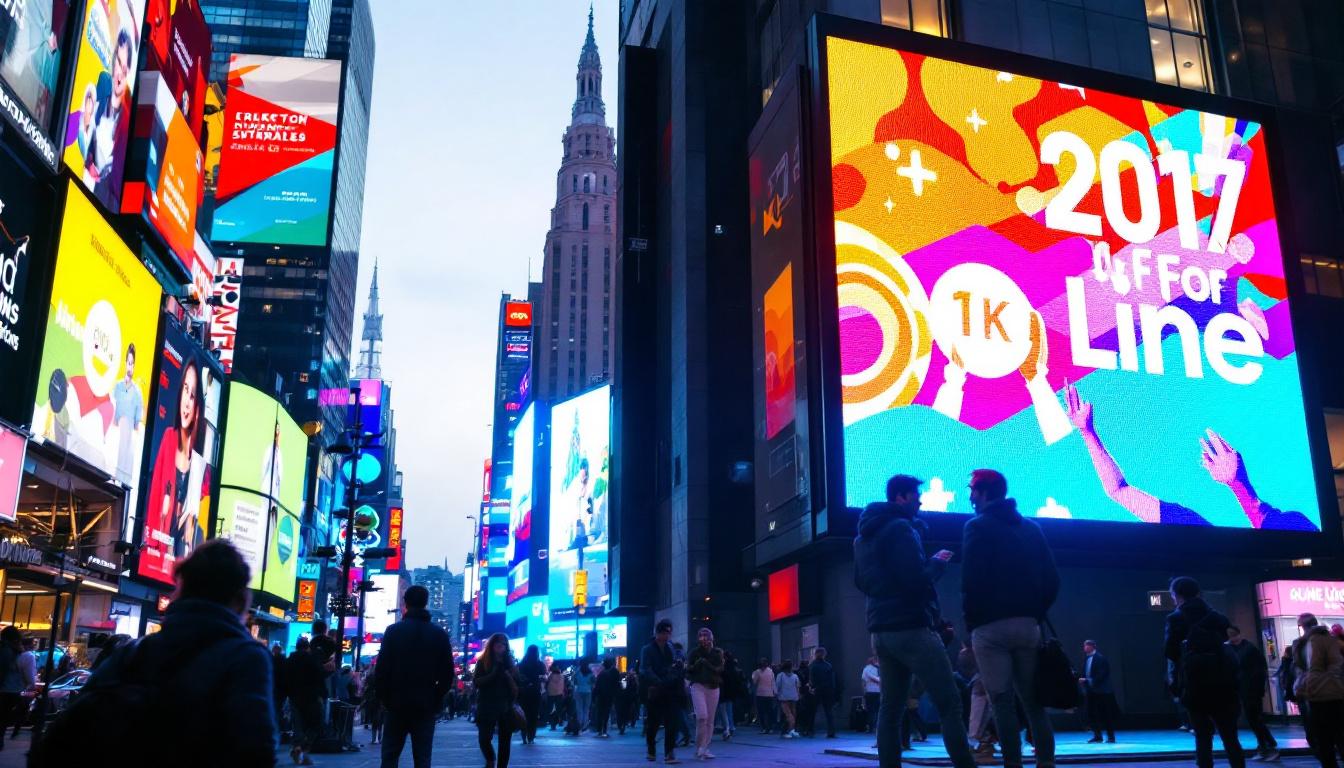
- Outdoor LED Displays: Built to withstand weather elements and direct sunlight, these are commonly used for advertising billboards, stadium screens, and public information boards. The brightness of outdoor LEDs is specifically engineered to combat sunlight glare, ensuring that messages remain visible even in bright daylight.
- Flexible and Transparent LED Displays: Innovations in LED technology have led to flexible screens that can curve around surfaces and transparent panels that integrate seamlessly into windows or glass walls, expanding creative possibilities. These displays open new avenues for advertising and design, allowing brands to create immersive experiences that blend seamlessly with their surroundings.
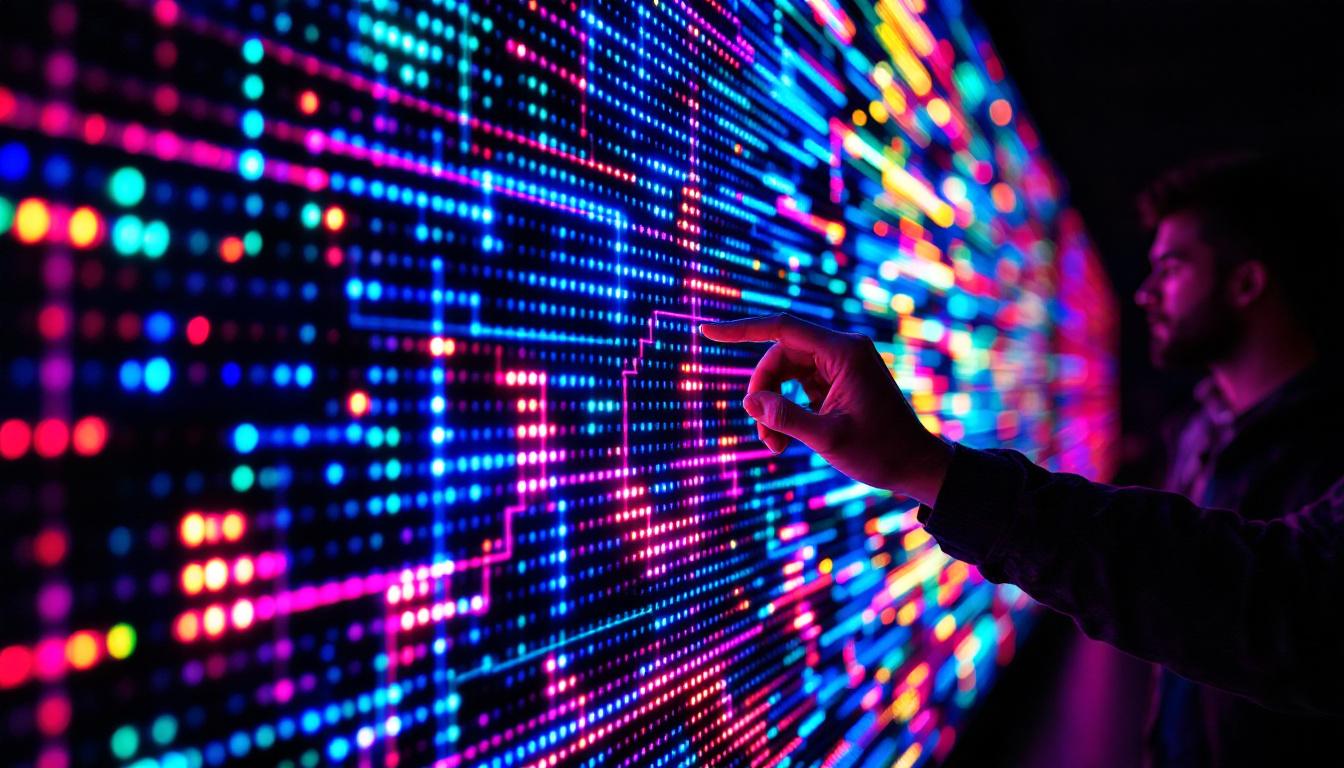
In addition to the physical types of LED displays, there are also various technologies that enhance their functionality. For instance, some LED displays utilize advanced pixel mapping techniques, which allow for dynamic content that can change based on viewer interaction or environmental factors. This adaptability makes LED displays not just a medium for static content but an interactive platform that can engage audiences in innovative ways. Moreover, with the rise of smart technology, many LED displays can now connect to the internet, enabling real-time updates and remote management, which is particularly beneficial for businesses looking to keep their messaging current and relevant.
The Advantages of LED Displays in Art and Advertising
LED displays offer numerous benefits that make them a preferred choice for both artistic expression and commercial advertising. Their versatility, durability, and visual impact create unique opportunities for engagement.
Unmatched Visual Impact
One of the most significant advantages of LED displays is their brightness and color vibrancy. Unlike traditional print or projection methods, LED screens deliver crisp, luminous images that remain visible even in bright daylight. This attribute is crucial for outdoor advertising and public art installations, where visibility can directly influence effectiveness.
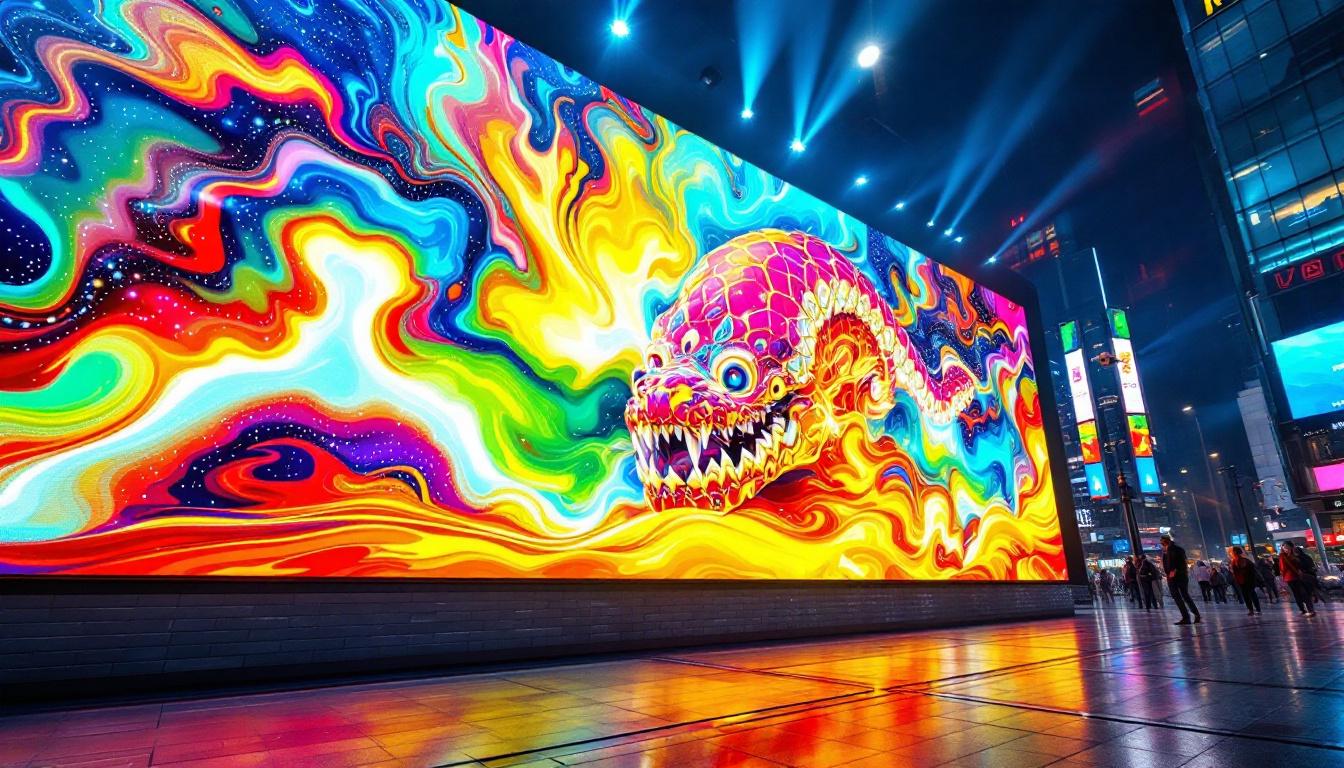
Moreover, LED displays support dynamic content, enabling the presentation of videos, animations, and interactive elements. This capability allows advertisers and artists to tell stories in more compelling ways, capturing audience attention and evoking emotional responses. For instance, a vibrant LED mural can transform a dull urban space into an engaging visual narrative, drawing in passersby and encouraging them to interact with the artwork. The ability to change content frequently also means that the same display can serve multiple purposes, showcasing different campaigns or artworks throughout the year.
Energy Efficiency and Longevity
Modern LED technology is highly energy-efficient compared to older display types. LEDs consume less power while providing superior brightness, which translates to lower operational costs and reduced environmental impact. Additionally, LED displays boast a long lifespan, often exceeding 100,000 hours of continuous use, making them a cost-effective investment over time. This longevity not only reduces the frequency of replacements but also minimizes waste, aligning with the growing demand for sustainable practices in both art and advertising industries.
Flexibility and Customization
LED displays can be customized in size, shape, and resolution to fit specific needs. For example, Art Display Co offers bespoke solutions that integrate LED panels into architectural elements, creating immersive environments that blend technology with design. This flexibility is invaluable for artists seeking to push creative boundaries or brands aiming to craft unique customer experiences. Furthermore, the modular nature of LED technology allows for creative installations that can adapt to various settings, from large-scale festivals to intimate gallery spaces. Artists can experiment with different configurations, creating an evolving dialogue between the artwork and its audience, while businesses can tailor their advertising strategies to align with specific events or seasonal themes.
In addition, the integration of smart technology with LED displays enhances their functionality. Features such as remote management, real-time content updates, and audience analytics enable advertisers to optimize their campaigns based on viewer engagement and preferences. This data-driven approach not only maximizes the effectiveness of advertising efforts but also empowers artists to understand their audience better, fostering a deeper connection through their work. As technology continues to evolve, the potential applications for LED displays in both art and advertising are boundless, paving the way for innovative experiences that captivate and inspire.
Applications of LED Displays Across Industries
The versatility of LED displays has led to their adoption across a wide range of sectors. Understanding these applications helps clarify why LED technology is a critical asset for modern communication.
Retail and Commercial Spaces
Retailers use LED displays to attract customers, showcase products, and provide real-time promotions. Interactive LED walls in stores can enhance the shopping experience by offering personalized content or wayfinding assistance. According to a 2023 report by the Digital Signage Federation, businesses that utilize dynamic digital displays see an average sales increase of 30%, underscoring the commercial value of LED technology.
Public Art and Cultural Installations
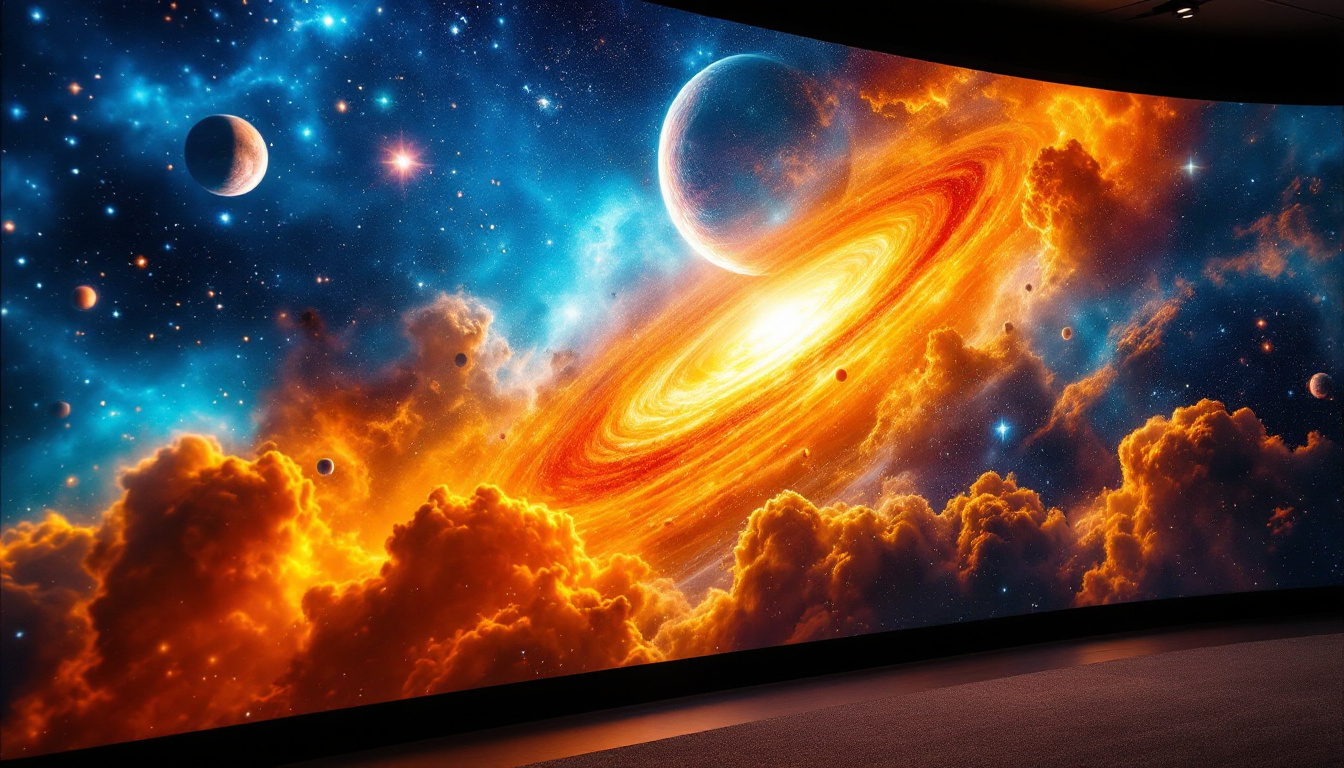
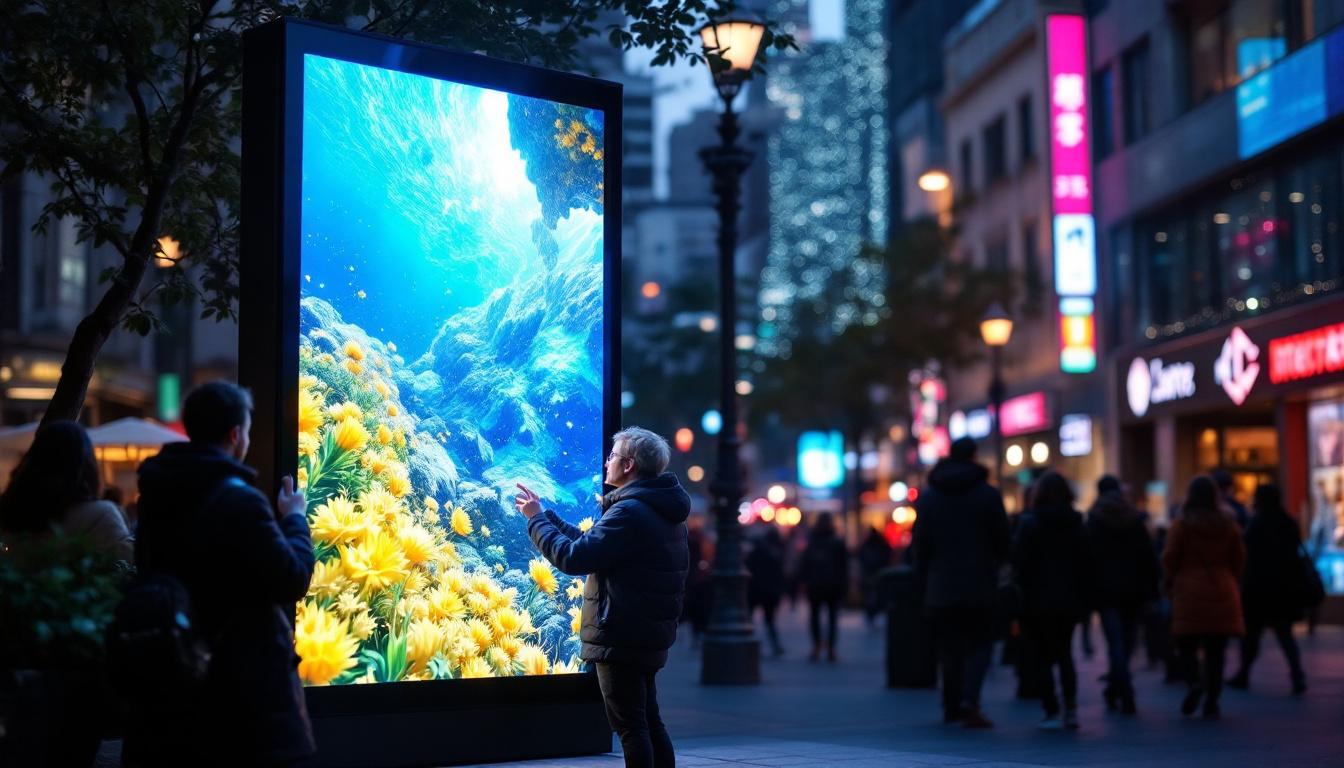
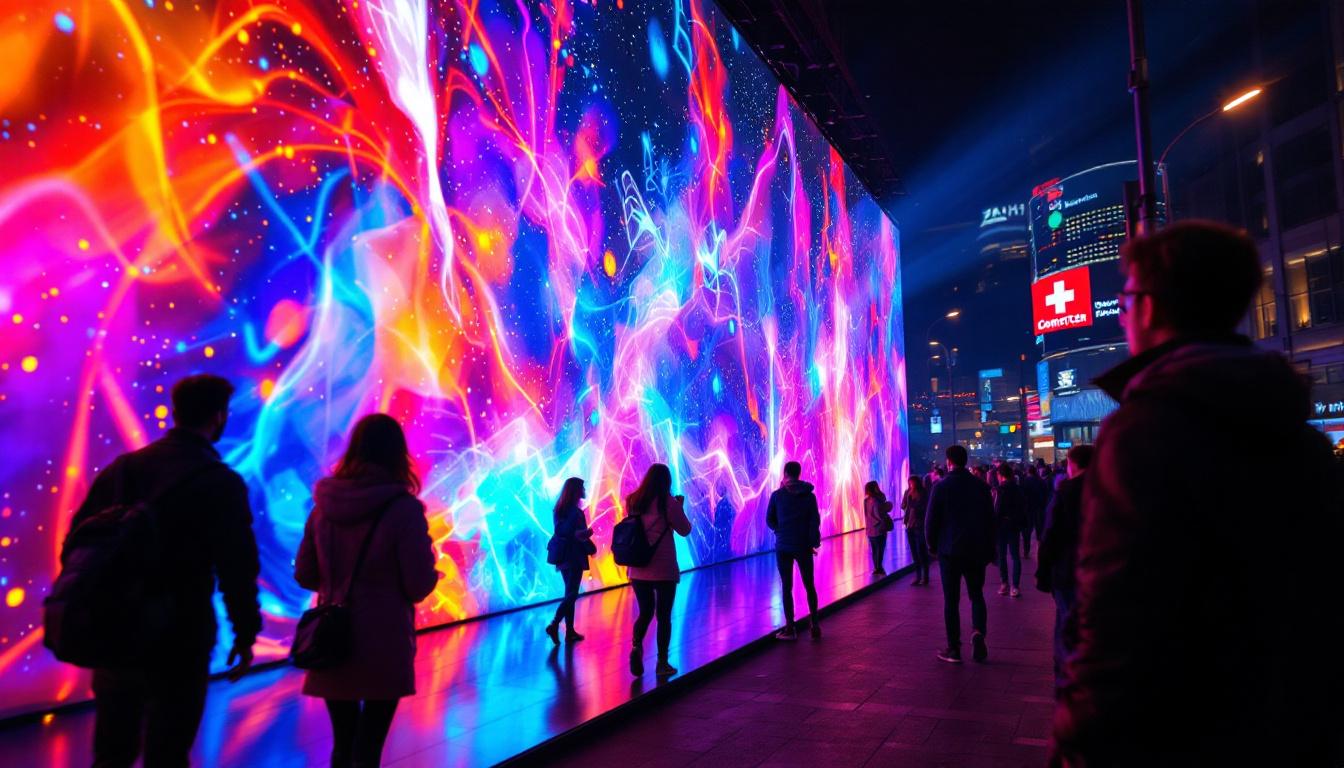
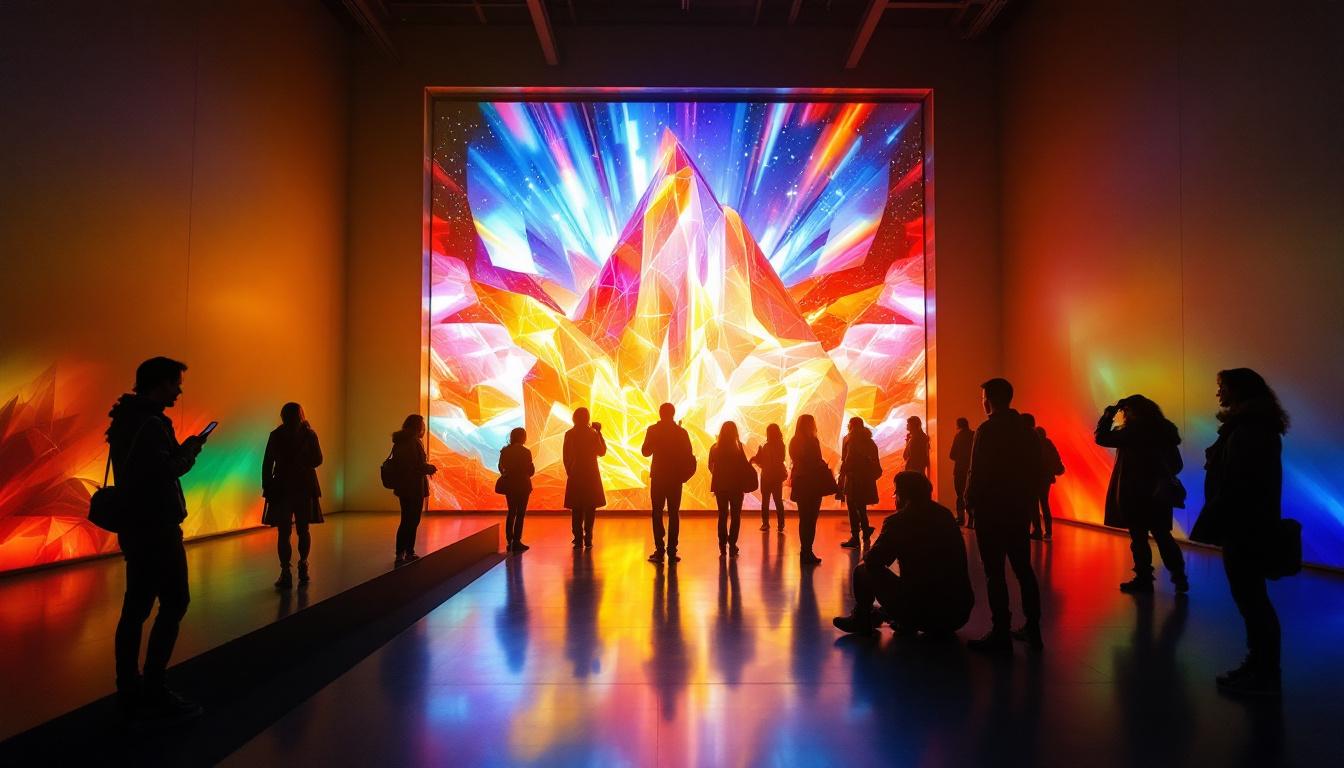
Art Display Co collaborates with artists and cultural institutions to create LED-based installations that engage communities and enrich public spaces. LED displays enable large-scale, vibrant artworks that can change over time or respond to environmental stimuli, offering a fresh dimension to traditional art forms.
Sports and Entertainment Venues
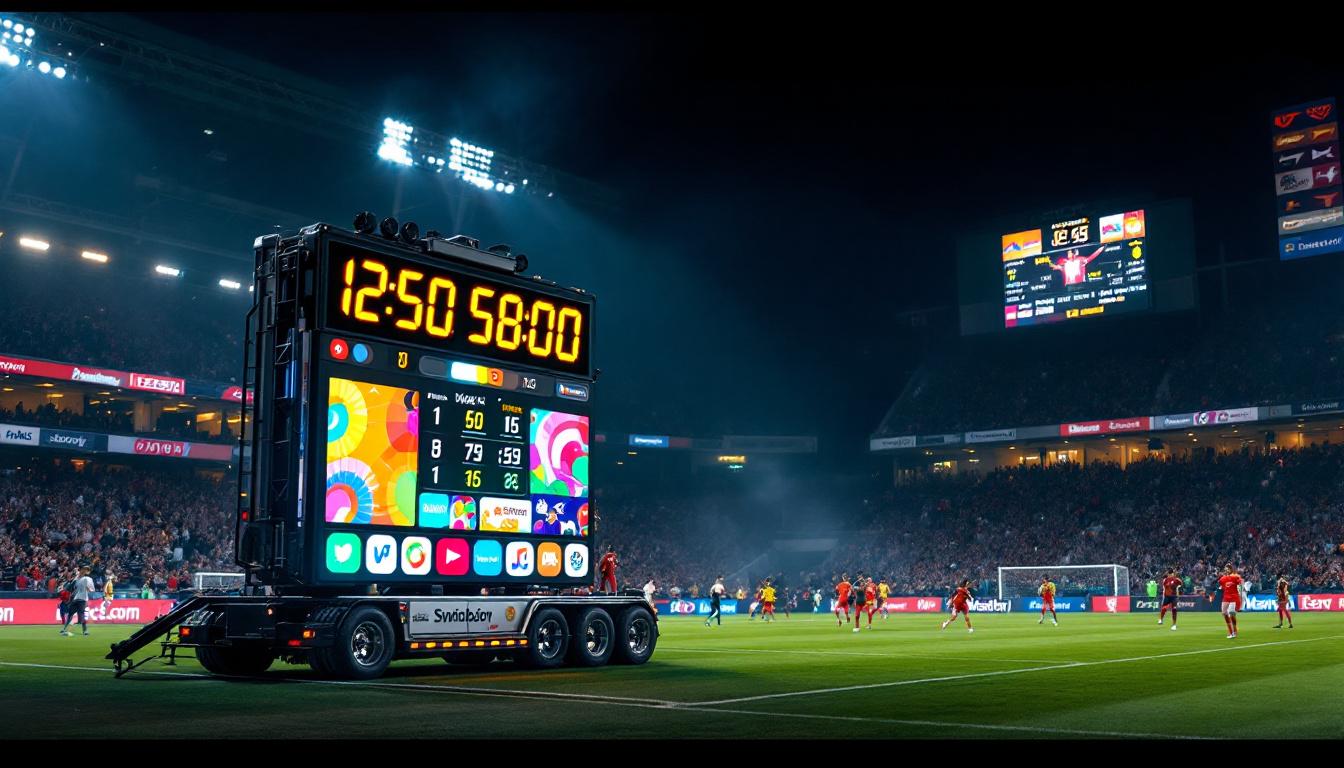
Stadiums and concert halls rely on massive LED screens to enhance spectator experience by broadcasting live action, replays, and interactive content. The ability to deliver high-definition visuals to large audiences makes LED displays indispensable in these settings.
Key Considerations When Choosing an LED Display
Selecting the right LED display involves evaluating several technical and practical factors to ensure optimal performance and return on investment.
Resolution and Pixel Pitch
Resolution refers to the number of pixels in the display, while pixel pitch is the distance between individual pixels. A smaller pixel pitch results in higher resolution and sharper images, which is essential for close-viewing environments like indoor galleries. Conversely, larger pixel pitches are suitable for outdoor displays viewed from a distance.
Brightness and Contrast Ratio
Brightness is measured in nits, with outdoor displays typically requiring 5,000 nits or more to remain visible in sunlight. Contrast ratio affects image depth and color richness, contributing to the overall viewing experience. Art Display Co ensures that each installation is tailored to the ambient lighting conditions of its environment.
Durability and Maintenance
Outdoor LED displays must be weatherproof and resistant to dust, moisture, and temperature fluctuations. Maintenance accessibility is also crucial to minimize downtime. Art Display Co’s products are designed with robust materials and modular components, facilitating easy repairs and upgrades.
The Future of LED Displays: Trends to Watch
As technology advances, LED displays continue to evolve, opening new frontiers for creativity and communication.
MicroLED and MiniLED Innovations
Emerging microLED and miniLED technologies promise even higher resolution, improved energy efficiency, and thinner form factors. These advances will enable more immersive and flexible display solutions, particularly for wearable devices and augmented reality applications.
Integration with AI and IoT
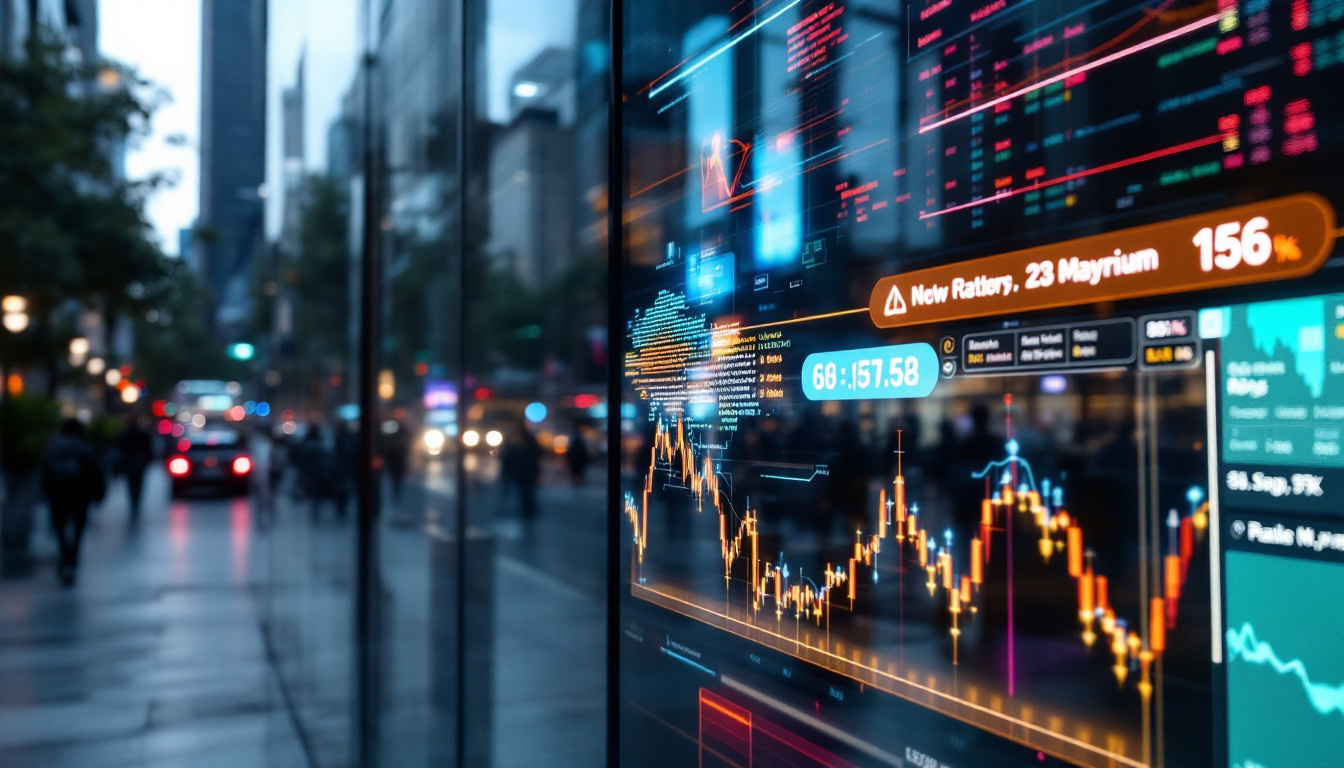
Artificial intelligence and the Internet of Things are increasingly integrated with LED displays to enable smart content delivery, audience analytics, and interactive experiences. For instance, AI-driven displays can adapt content in real-time based on viewer demographics or environmental factors, enhancing relevance and engagement.
Sustainability and Eco-Friendly Design
With growing emphasis on sustainability, manufacturers and companies like Art Display Co are focusing on eco-friendly materials, energy-saving technologies, and recyclable components to reduce the environmental footprint of LED displays.
Conclusion
LED display technology stands at the intersection of art, commerce, and innovation, offering unparalleled opportunities for impactful visual communication. Art Display Co’s expertise in crafting tailored LED solutions highlights the transformative potential of this technology across diverse applications. Whether enhancing brand presence, enriching public spaces, or pushing the boundaries of artistic expression, LED displays are an indispensable tool in the modern visual landscape.
As LED technology continues to advance, embracing these displays will be essential for organizations and creators aiming to captivate audiences and convey messages with clarity and creativity.
Illuminate Your Vision with LumenMatrix
Ready to elevate your visual storytelling and captivate your audience with stunning clarity? Discover LumenMatrix’s innovative LED display solutions, where artistry meets cutting-edge technology. From vibrant Indoor LED Walls to robust Outdoor Displays and beyond, LumenMatrix tailors to every creative need, ensuring your message shines bright. Don’t just communicate—mesmerize. Check out LumenMatrix LED Display Solutions today and transform your space into a canvas of light and imagination.