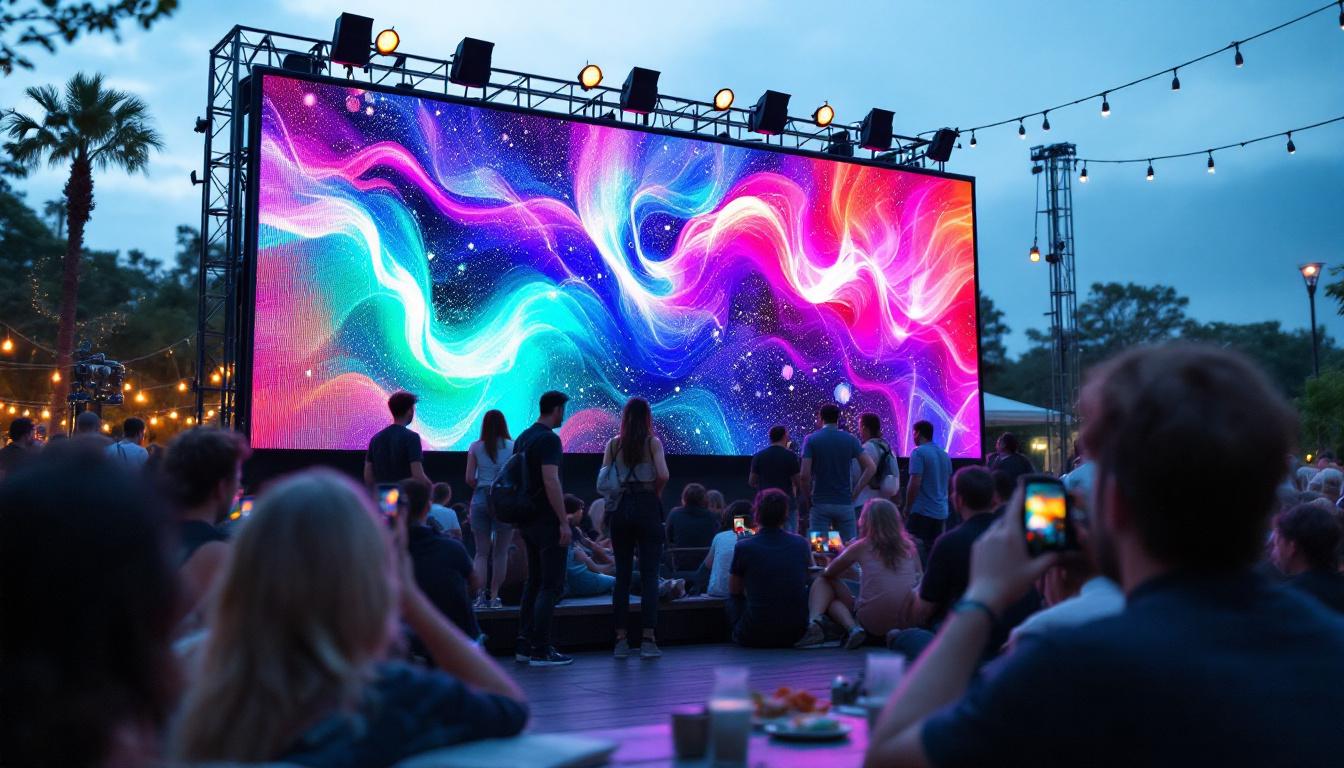
Outdoor wall screens have become a prominent feature in urban landscapes, transforming blank building facades into vibrant canvases for advertising, information dissemination, and public art. At the heart of these installations lies LED display technology, a powerful medium that combines brightness, durability, and flexibility to captivate audiences in all weather conditions. This article delves into the essentials of outdoor LED wall screens, exploring how they work, their key advantages, and considerations for selecting and maintaining these impressive digital displays.
Understanding Outdoor LED Wall Screens
What Is an Outdoor LED Wall Screen?
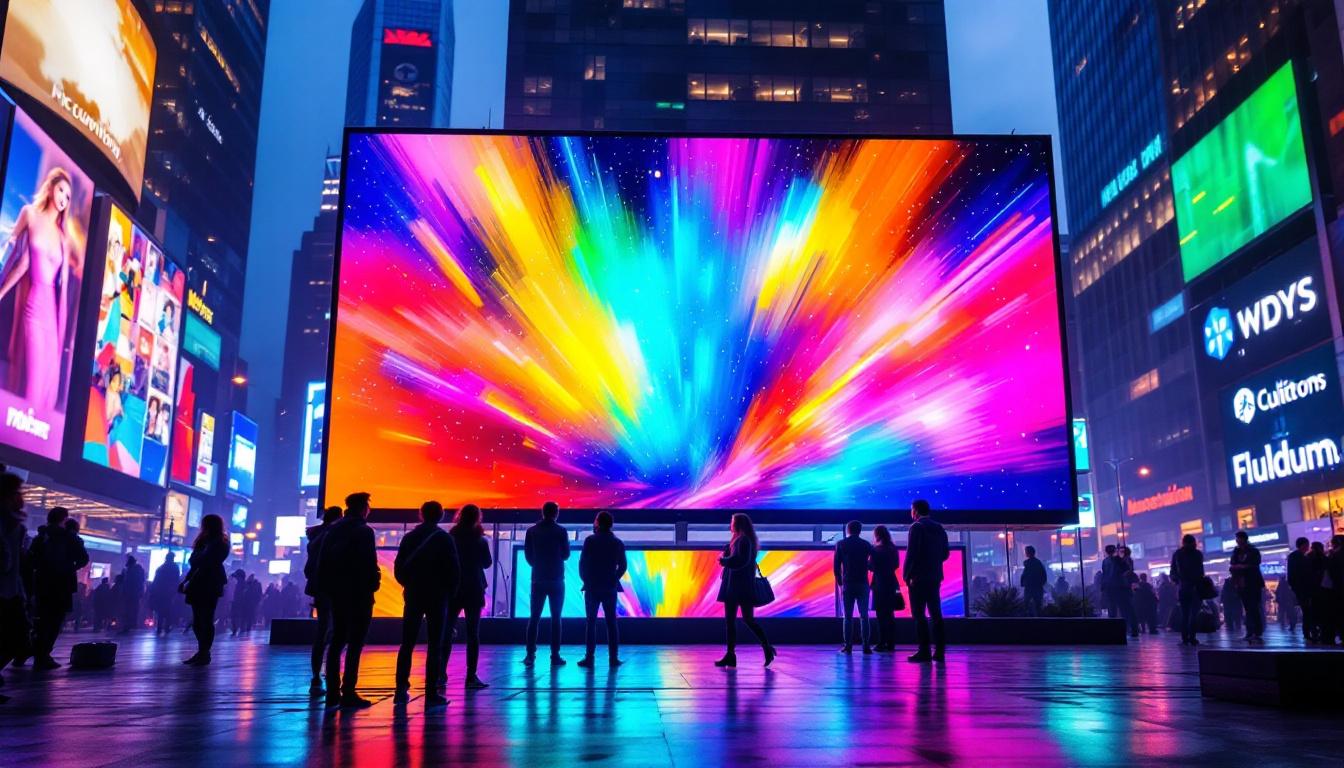
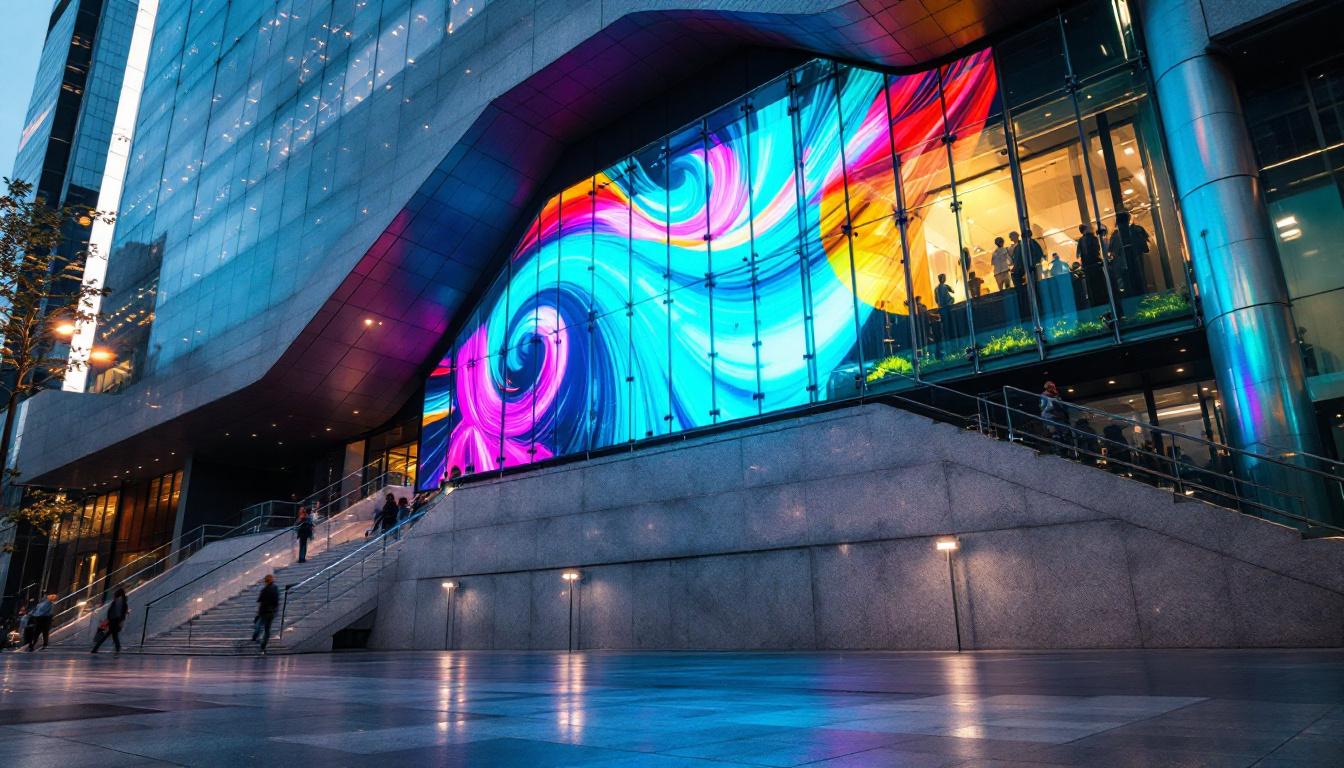
An outdoor LED wall screen is a large-scale digital display composed of numerous light-emitting diodes (LEDs) arranged in a grid. These screens are installed on the exterior walls of buildings, stadiums, transportation hubs, and other public spaces to deliver dynamic visual content. Unlike traditional billboards or painted murals, LED wall screens offer the ability to show videos, animations, live feeds, and interactive content with exceptional brightness and clarity.
These displays are designed specifically for outdoor use, meaning they are built to withstand harsh environmental conditions such as rain, wind, dust, and extreme temperatures. Their robust construction and advanced technology ensure consistent performance regardless of the weather or time of day. Furthermore, many outdoor LED wall screens are equipped with protective coatings that shield them from UV radiation, ensuring that colors remain vibrant and do not fade over time. This durability makes them an ideal choice for long-term installations in high-traffic areas.
How Do Outdoor LED Displays Work?
Each pixel on an LED wall screen consists of tiny red, green, and blue LEDs. By varying the intensity of these individual LEDs, the display can produce a full spectrum of colors. The pixels are controlled by sophisticated electronics that process input signals—such as video streams or images—and translate them into precise light patterns.
Outdoor LED screens utilize high-brightness LEDs, often exceeding 5,000 nits (candelas per square meter), to remain clearly visible even in direct sunlight. Additionally, these displays incorporate sensors and automatic brightness adjustment systems to optimize visibility while conserving energy during nighttime or low-light conditions. The technology behind these screens also allows for seamless integration with various content management systems, enabling operators to schedule and update content remotely, ensuring that the information displayed is always fresh and relevant. This capability is particularly beneficial for advertising campaigns, event promotions, or public service announcements, allowing for real-time updates that can engage viewers effectively.
Key Advantages of Outdoor LED Wall Screens
Exceptional Visibility and Brightness
One of the most significant benefits of outdoor LED displays is their unparalleled brightness. Traditional LCD or projection-based screens struggle to maintain image quality under direct sunlight. In contrast, LED technology offers vivid colors and sharp images that remain legible from long distances and in bright daylight.
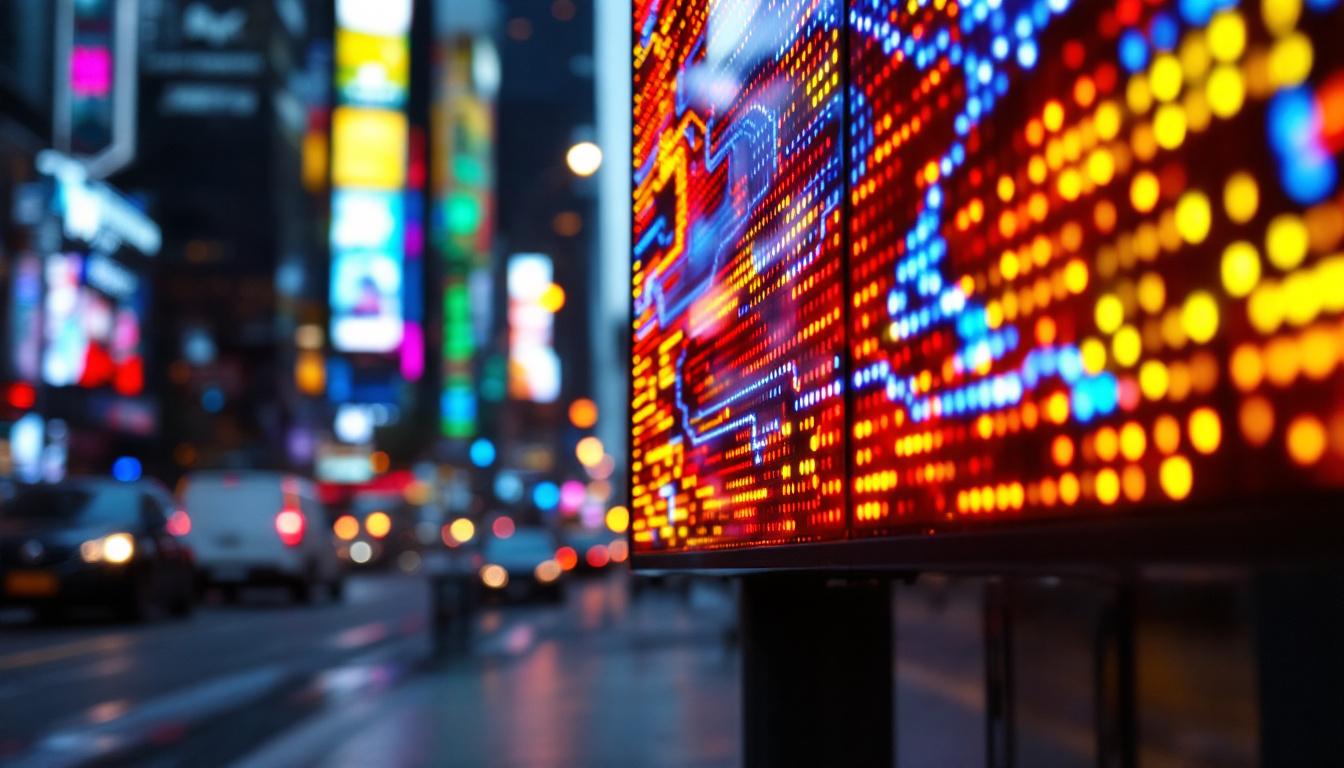
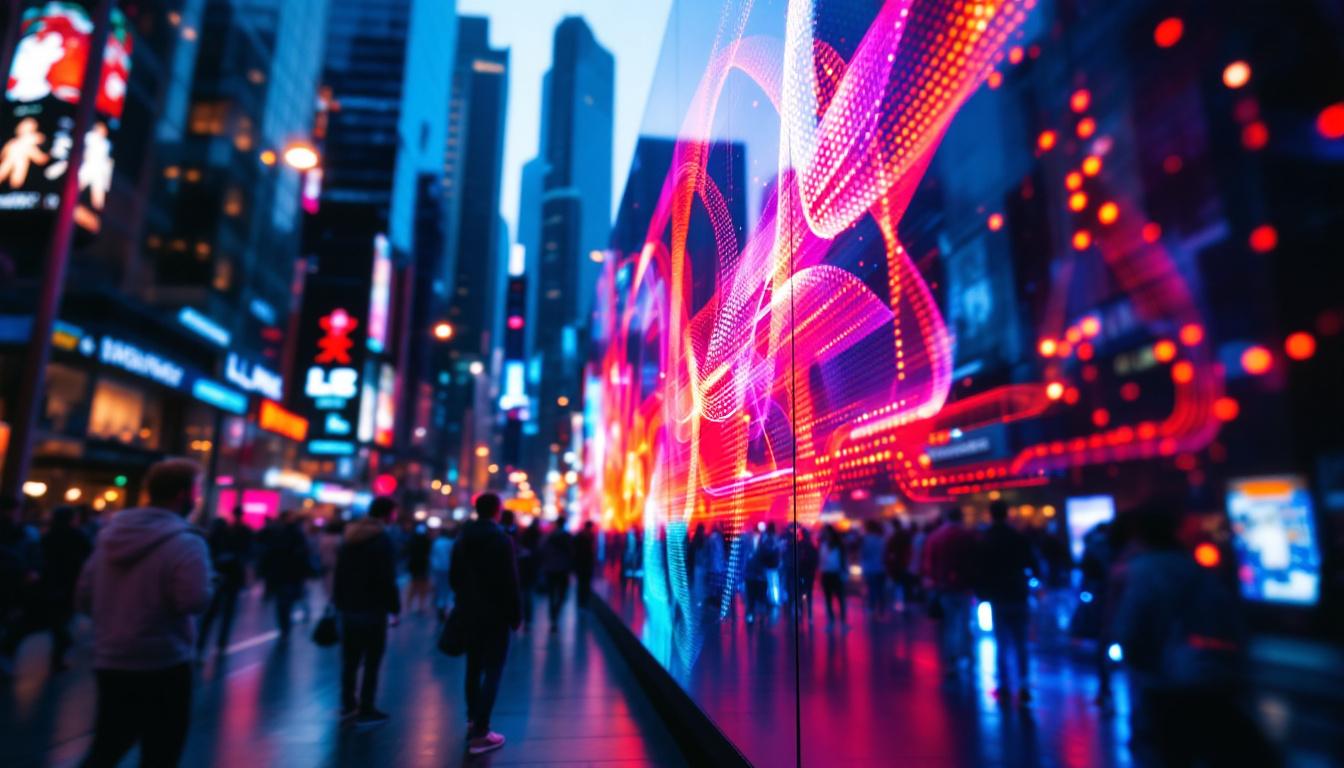
This high visibility makes LED wall screens ideal for advertising campaigns, public announcements, and event promotions where capturing attention quickly is crucial. For example, Times Square in New York City relies heavily on LED displays to deliver eye-catching advertisements to millions of pedestrians and drivers daily.
Durability and Weather Resistance
Outdoor LED screens are engineered to endure challenging environmental conditions. They typically feature IP65 or higher ratings, indicating resistance to dust ingress and water jets. This ensures the display continues functioning during rainstorms or dusty winds without damage.
Moreover, the modular design of LED panels allows for easy maintenance and repair. If a section of the screen malfunctions, technicians can replace or service individual modules without dismantling the entire installation, minimizing downtime and maintenance costs.
Energy Efficiency and Longevity
Compared to other lighting technologies, LEDs consume significantly less power while delivering superior brightness. This energy efficiency translates into lower operating costs for large-scale outdoor displays, which often run for many hours each day.
Additionally, LED displays have a long lifespan, typically rated between 50,000 and 100,000 hours of operation. This durability reduces the frequency of replacements and contributes to a lower total cost of ownership over time.
Design Considerations for Outdoor LED Wall Screens
Pixel Pitch and Resolution
Pixel pitch refers to the distance between the centers of adjacent pixels on an LED screen, usually measured in millimeters. It directly affects the display’s resolution and viewing distance. A smaller pixel pitch means more pixels per unit area, resulting in higher resolution and sharper images.
For outdoor wall screens, pixel pitch typically ranges from 4mm to 20mm or more. Choosing the right pixel pitch depends on the intended viewing distance. For example, a 4mm pitch is suitable for close-up viewing, such as on a building facade viewed from a nearby street, while a 16mm or 20mm pitch is better for displays seen from hundreds of meters away, like stadium screens or highway billboards.
Screen Size and Aspect Ratio
The physical size of an outdoor LED wall screen is often dictated by the available wall space and the content requirements. Larger screens can display more detailed content and attract greater attention, but they also require more power and structural support.
Aspect ratio—the proportional relationship between width and height—should align with the content format. Common ratios like 16:9 or 4:3 are preferred for video content, but custom ratios can be designed to fit architectural constraints or specific creative visions.
Installation and Structural Support
Installing an outdoor LED wall screen involves careful planning to ensure the building wall can support the weight and wind load of the display. Structural engineers often assess the site to recommend mounting solutions, such as steel frames, brackets, or tension cables.
Additionally, considerations for ventilation and heat dissipation are critical, as LED modules generate heat during operation. Proper airflow prevents overheating and extends the lifespan of the display components.
Applications of Outdoor LED Wall Screens
Advertising and Marketing
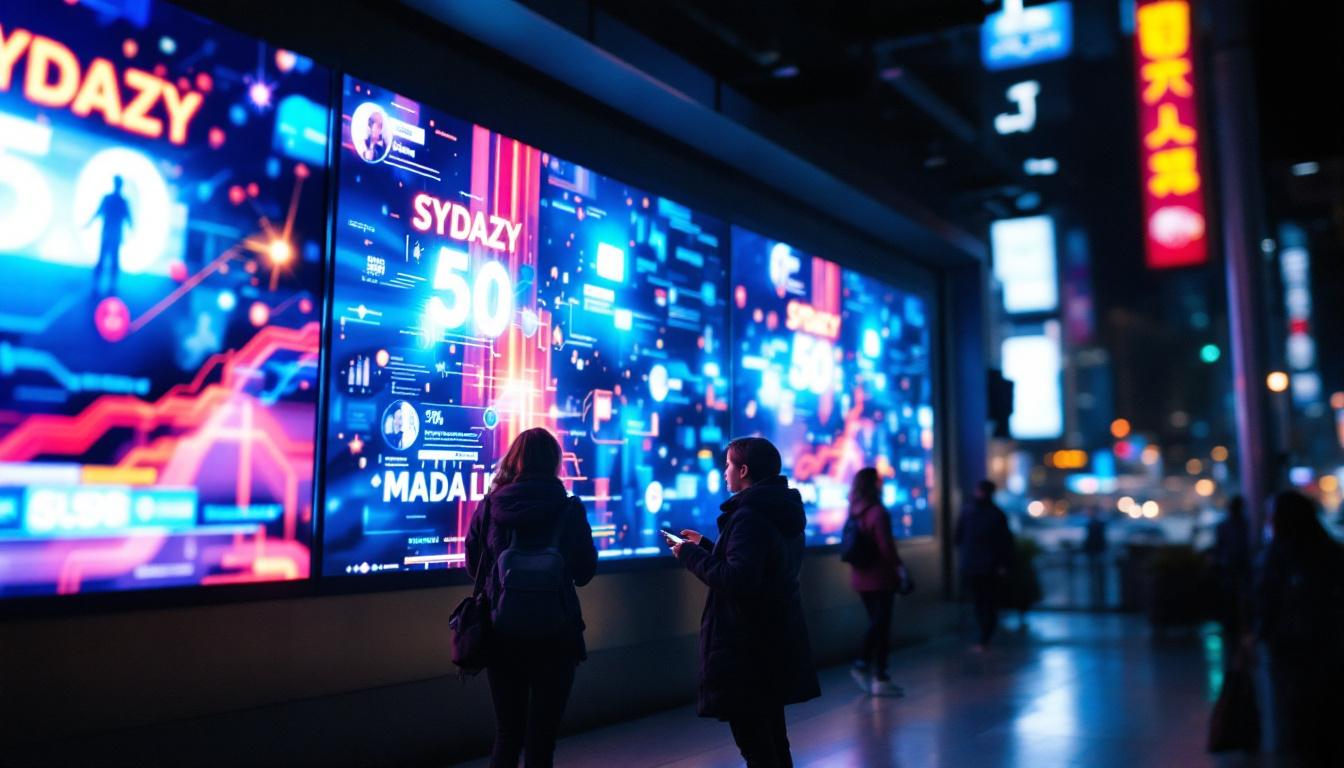
Outdoor LED screens have revolutionized advertising by enabling brands to deliver dynamic, eye-catching campaigns that can be updated in real time. This flexibility allows advertisers to tailor messages based on time of day, weather conditions, or special events.
For instance, retail stores can promote flash sales or new product launches instantly, while event organizers can broadcast live updates or interactive content to engage audiences. The ability to schedule and automate content also enhances operational efficiency.
Public Information and Safety
Municipalities and transportation authorities use outdoor LED wall screens to disseminate important information such as traffic updates, weather alerts, emergency notifications, and public health messages. The high visibility and real-time update capability make LED screens an effective communication tool during crises or large public gatherings.
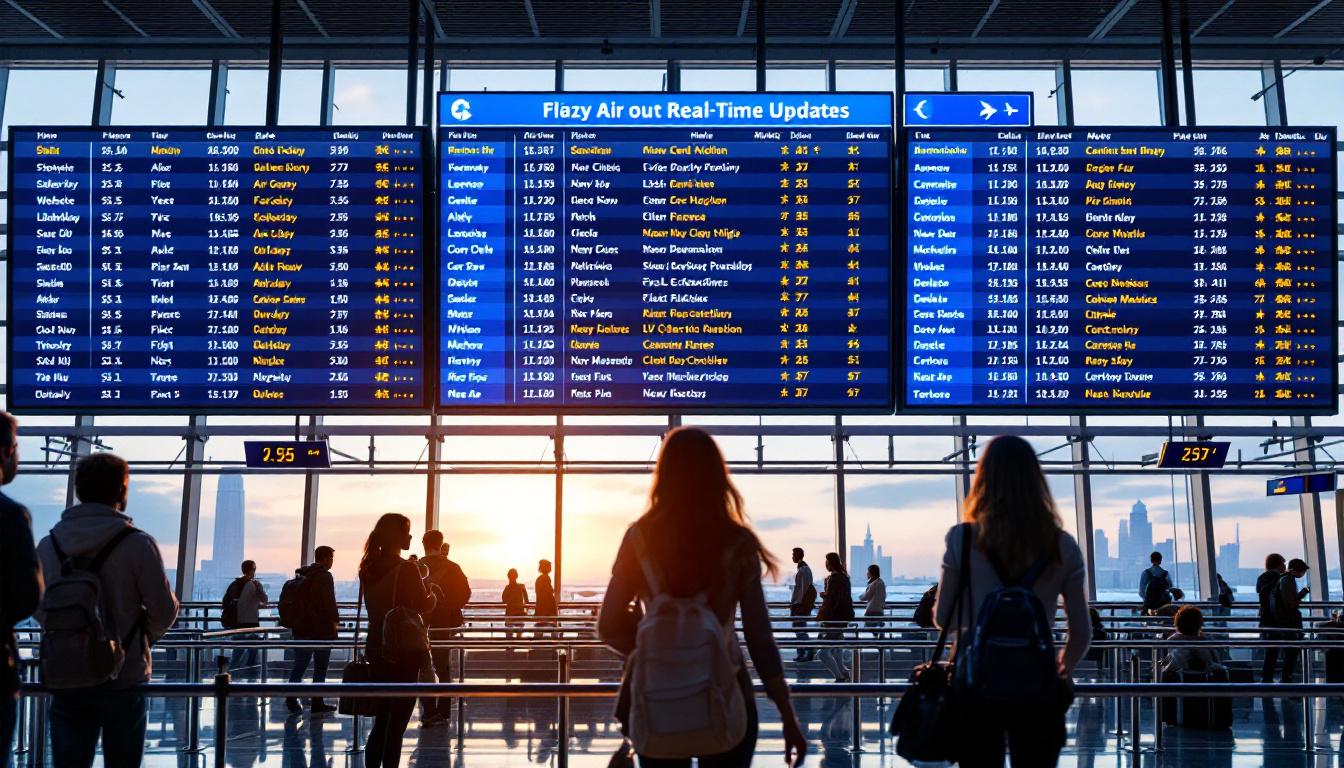
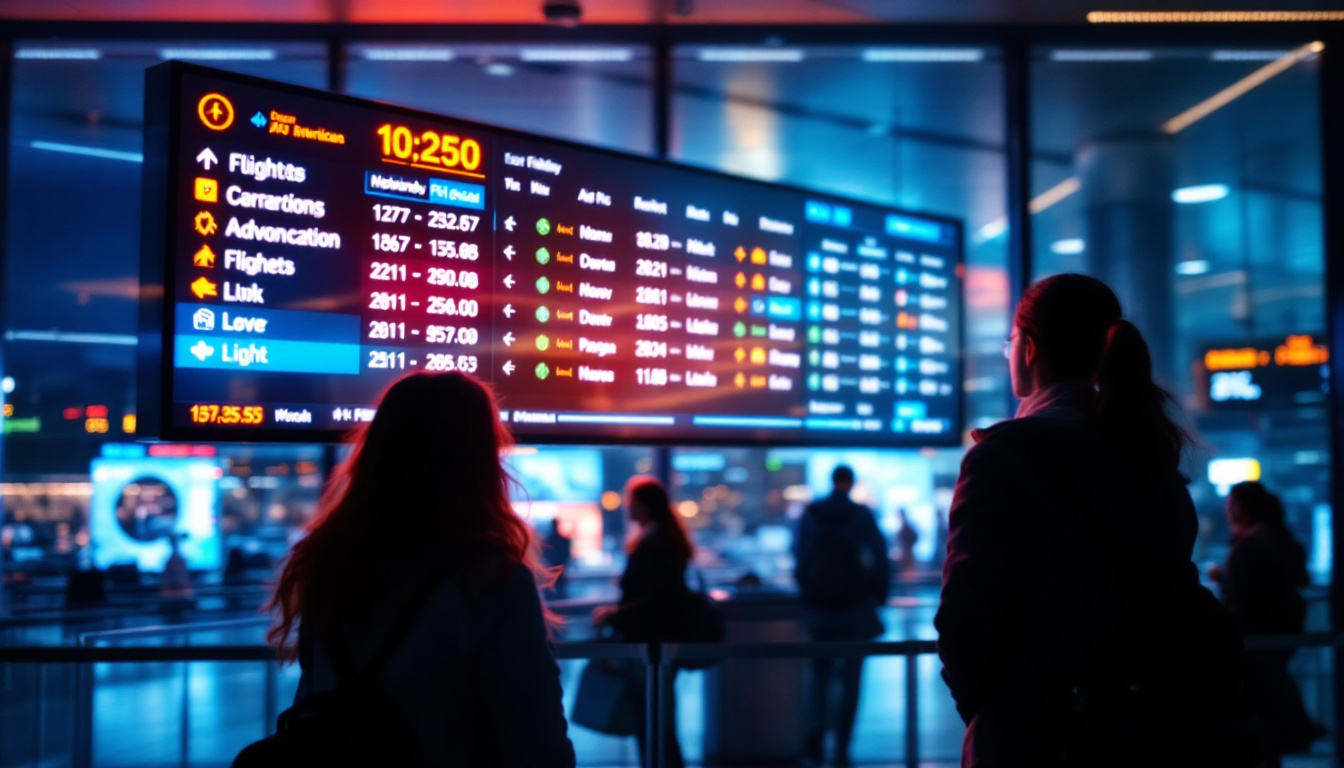
Examples include digital signage at airports displaying flight information or highway-mounted LED boards warning drivers about road conditions and accidents ahead.
Entertainment and Art Installations
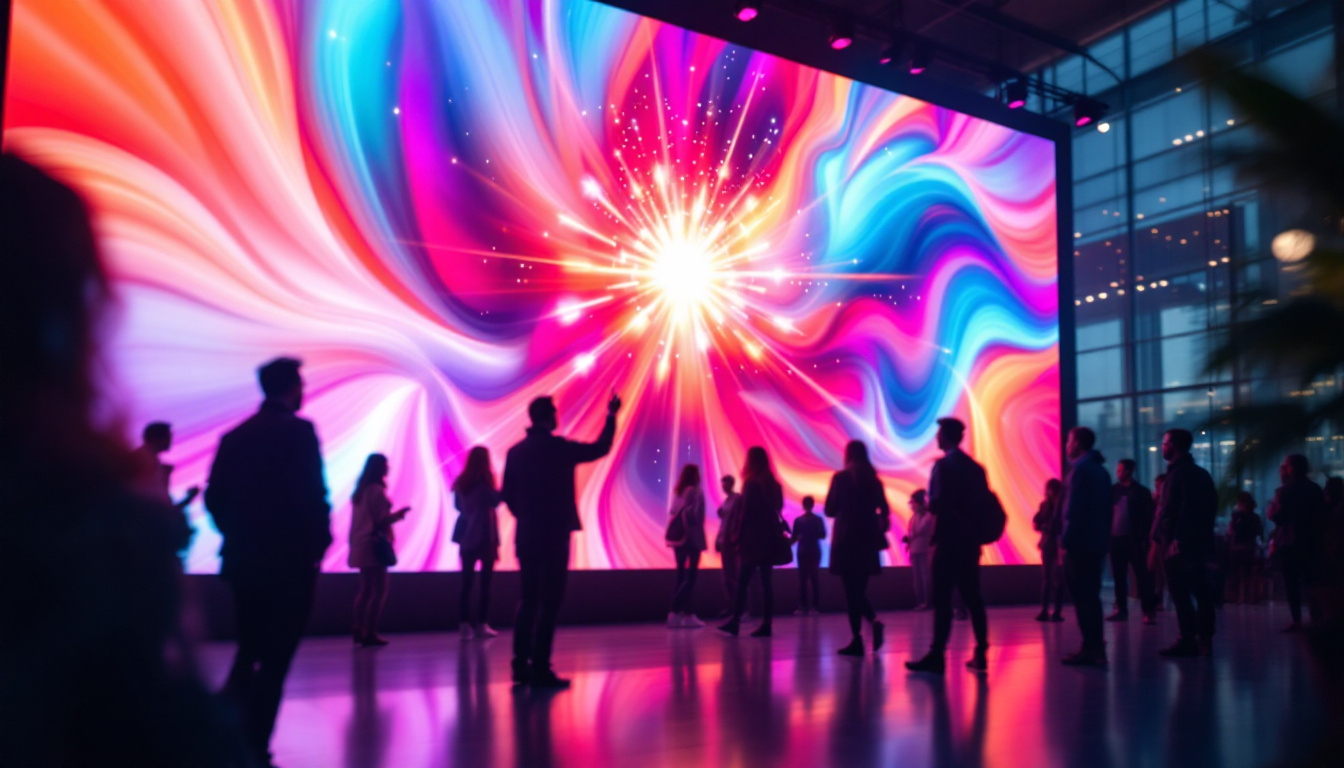
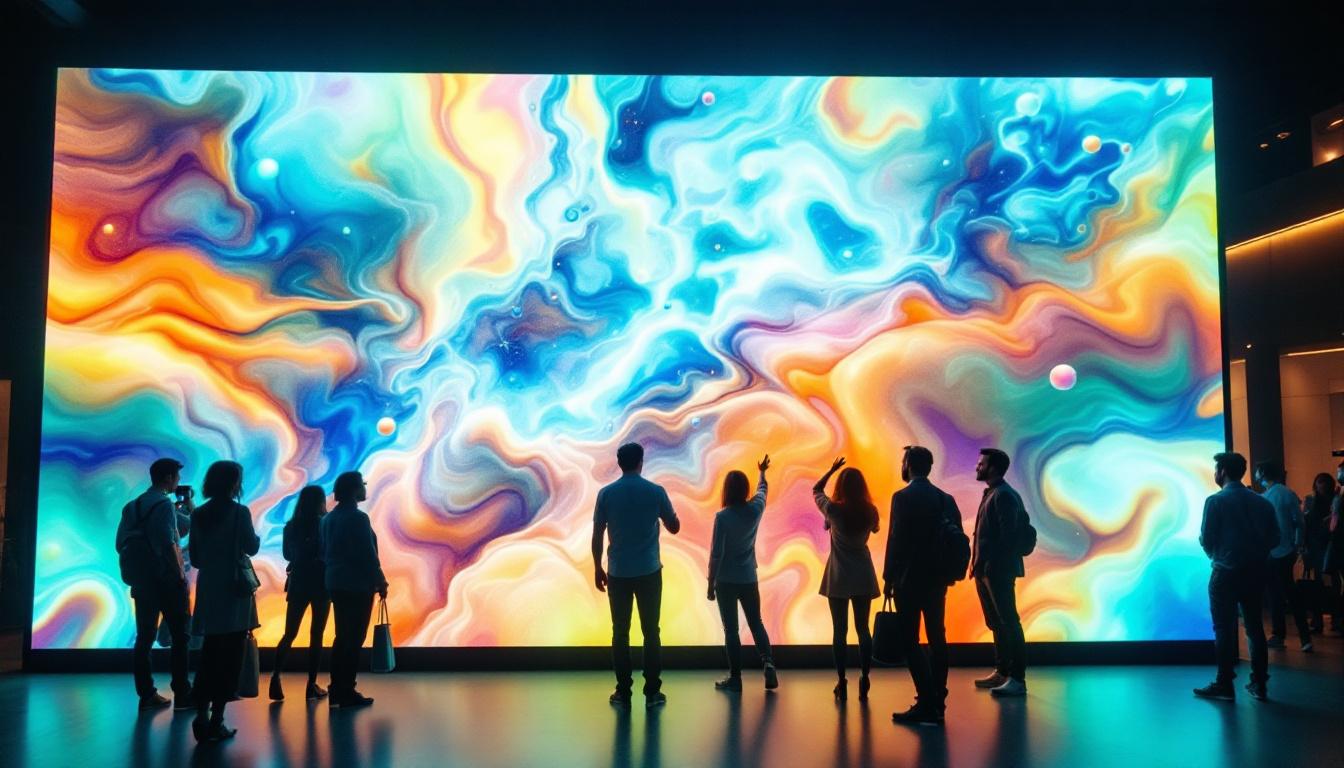
Beyond commercial and informational uses, outdoor LED wall screens serve as platforms for public art and entertainment. Cities worldwide have embraced LED facades to showcase digital murals, interactive light shows, and live event broadcasts, enriching urban culture and tourism.
Notable examples include the Burj Khalifa’s LED facade in Dubai and the interactive LED walls in Seoul’s digital media districts, which blend technology and creativity to enhance public spaces.
Maintenance and Operational Best Practices
Routine Cleaning and Inspection
Maintaining optimal performance of outdoor LED wall screens requires regular cleaning to remove dust, dirt, and pollutants that can accumulate on the surface. Cleaning schedules depend on the local environment; urban areas with heavy pollution may necessitate more frequent attention.
Visual inspections help identify damaged modules, loose connections, or moisture ingress early, preventing more significant failures. Employing trained technicians familiar with LED technology is essential to avoid accidental damage during maintenance.
Software and Content Management
Modern LED displays are controlled via sophisticated software platforms that manage content scheduling, brightness adjustment, and diagnostics. Keeping the software up to date ensures compatibility with new media formats and security against cyber threats.
Content management systems (CMS) allow operators to remotely update and monitor the display, reducing the need for on-site intervention and enabling rapid response to changing communication needs.
Addressing Common Challenges
Outdoor LED wall screens may face challenges such as pixel failure, color calibration drift, or weather-related damage. Proactive maintenance, including periodic recalibration and timely replacement of faulty modules, helps maintain image quality and viewer satisfaction.
Additionally, protecting the display from vandalism and unauthorized access through physical barriers and cybersecurity measures is vital for uninterrupted operation.
Future Trends in Outdoor LED Display Technology
Advancements in MicroLED and MiniLED
Emerging technologies like MicroLED and MiniLED promise even higher resolution, improved energy efficiency, and thinner form factors for outdoor displays. These innovations could enable more seamless integration with architectural elements and enhanced visual experiences.
Integration with Smart City Infrastructure
Outdoor LED wall screens are increasingly becoming part of smart city ecosystems, connected to sensors and data networks. This integration allows for adaptive content that responds to environmental conditions, pedestrian flow, or public safety needs, creating more interactive and context-aware urban environments.
Enhanced Interactivity and Immersive Experiences
Future outdoor LED displays may incorporate augmented reality (AR), gesture recognition, and other interactive technologies to engage audiences more deeply. Such capabilities open new possibilities for advertising, entertainment, and public engagement on urban walls.
Conclusion
Outdoor LED wall screens represent a dynamic fusion of technology, design, and communication, reshaping how cities convey messages and captivate audiences. Their brightness, durability, and versatility make them indispensable tools for advertisers, city planners, and artists alike. By understanding the technical aspects, design considerations, and maintenance requirements, stakeholders can maximize the impact and longevity of these impressive digital installations. As LED technology continues to evolve, outdoor wall screens will undoubtedly become even more integral to the fabric of modern urban life.
Illuminate Your Space with LumenMatrix
Ready to elevate your urban landscape with unparalleled LED display solutions? LumenMatrix is at the forefront of transforming environments through innovative LED technology. From vibrant outdoor wall displays that withstand the elements to interactive indoor experiences that engage and inspire, our extensive range of products, including Vehicle LED Displays, LED Sports Displays, and Custom LED Solutions, are designed to meet your unique needs. Discover how LumenMatrix can revolutionize your visual communication and create unforgettable visual experiences. Check out LumenMatrix LED Display Solutions today and bring your vision to light.