Flat Screen TV Cabinet: LED Display Explained
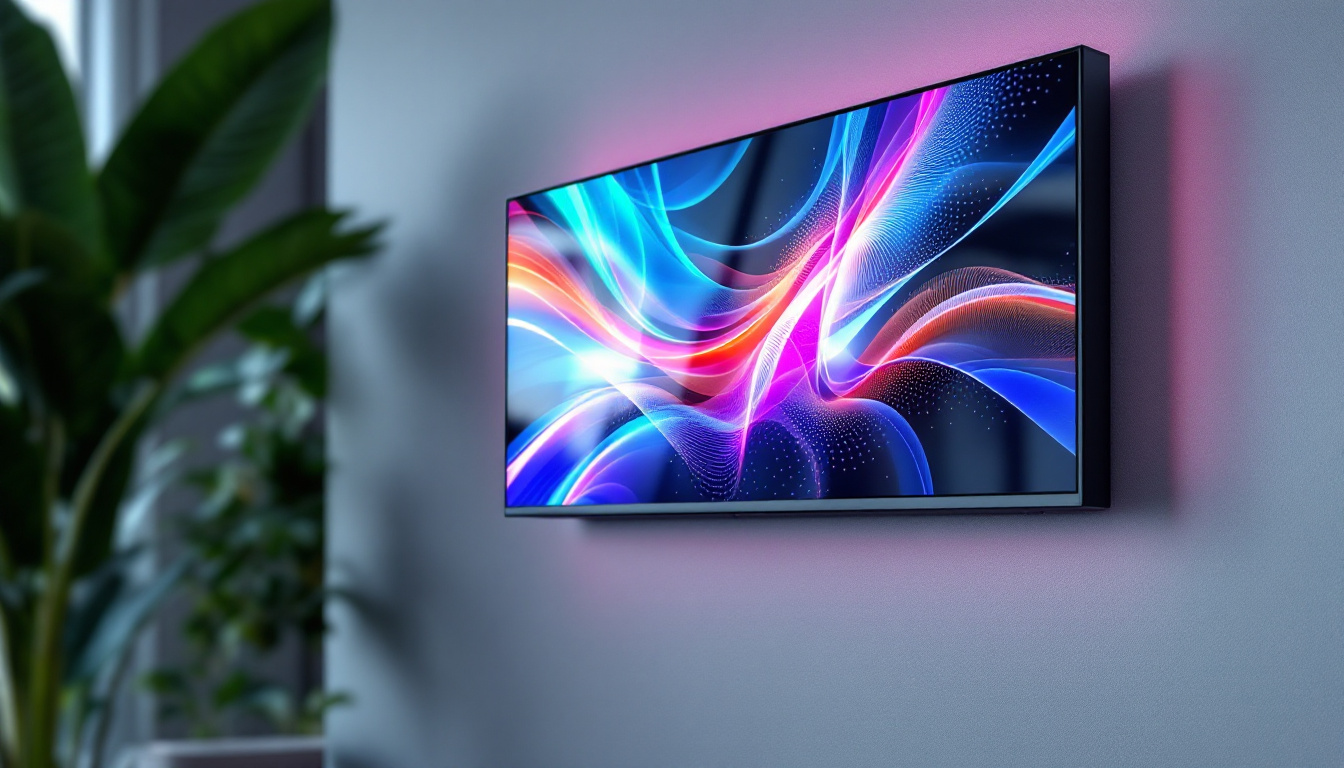
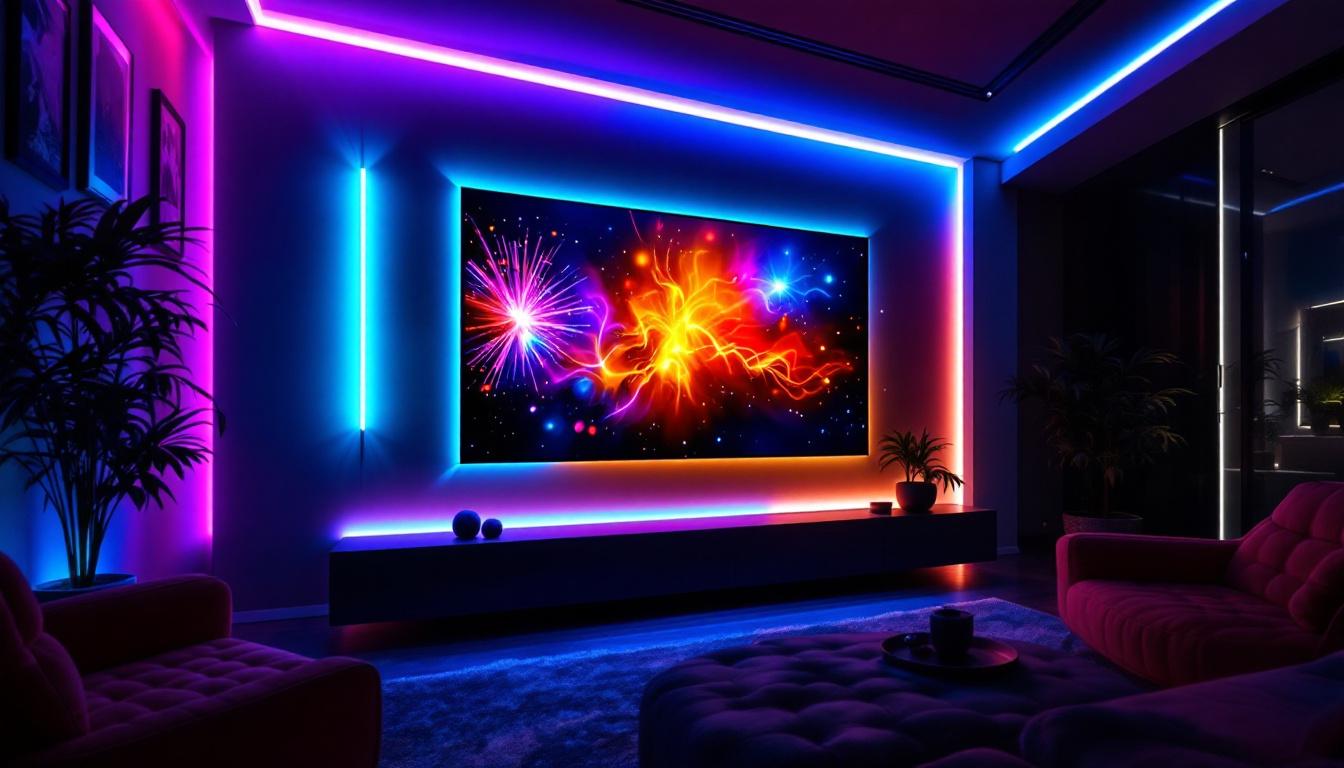
In today’s world of home entertainment, the flat screen TV has become a centerpiece in many living rooms. With the rise of LED technology, these televisions offer stunning picture quality, energy efficiency, and sleek designs that complement modern interiors. However, to truly appreciate and optimize your viewing experience, understanding the LED display technology and how to integrate your TV within a cabinet setup is essential. This article delves into the fundamentals of LED displays, the advantages they bring, and practical considerations when choosing a flat screen TV cabinet.
Understanding LED Display Technology
What is an LED Display?
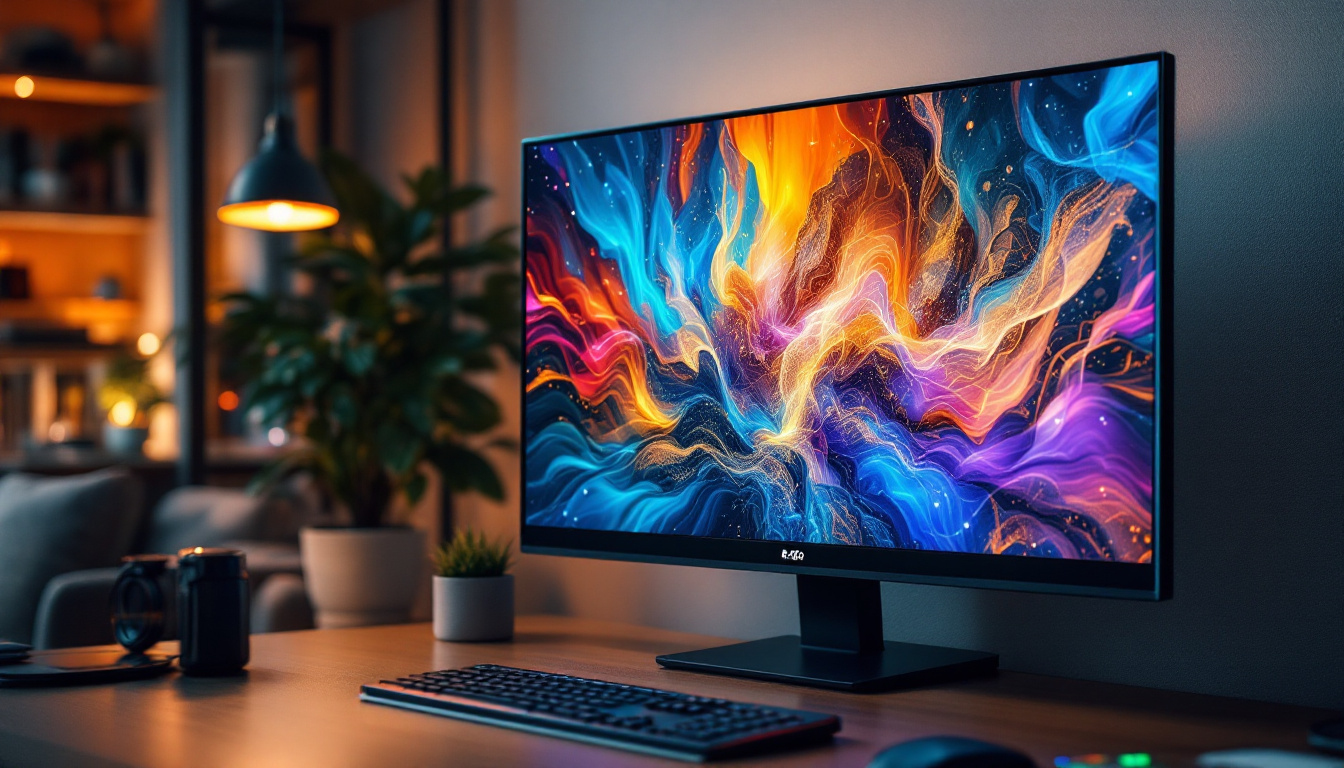
LED stands for Light Emitting Diode, a semiconductor device that emits light when an electric current passes through it. In the context of television screens, LED displays use these diodes as a backlighting source for LCD (Liquid Crystal Display) panels. Unlike older LCD TVs that relied on cold cathode fluorescent lamps (CCFLs) for backlighting, LED TVs use an array of LEDs to illuminate the screen.
This shift to LED backlighting has revolutionized display technology by enabling thinner panels, better brightness control, and improved color accuracy. While the screen itself remains an LCD panel, the LED backlighting enhances the overall picture quality, making LED TVs a popular choice among consumers worldwide. Additionally, the energy efficiency of LED technology contributes to lower electricity bills and a reduced environmental footprint, making it an attractive option for eco-conscious consumers.
Types of LED Backlighting
There are primarily two types of LED backlighting used in flat screen TVs: edge-lit and full-array (direct-lit).
- Edge-lit LED: In this design, LEDs are placed along the edges of the screen. Light is spread across the display using light guides. Edge-lit TVs are typically thinner and lighter, making them ideal for wall mounting and integration into slim cabinets. However, they may exhibit uneven brightness or less precise local dimming compared to full-array models.
- Full-array LED: This method involves placing LEDs directly behind the entire screen. It allows for better control of brightness and contrast through local dimming zones, where specific areas of the screen can be dimmed or brightened independently. Full-array LED TVs often provide superior picture quality but tend to be thicker and heavier.
Understanding these types helps consumers make informed decisions based on their viewing preferences and room setup. Furthermore, advancements in LED technology have led to the emergence of mini-LED and micro-LED displays. Mini-LEDs utilize smaller diodes, allowing for even more precise control over local dimming and enhancing HDR (High Dynamic Range) performance. Micro-LED technology takes this a step further by using microscopic LEDs that can create self-emissive pixels, promising unparalleled contrast ratios and color vibrancy. These innovations are paving the way for the next generation of displays, pushing the boundaries of what consumers can expect from their viewing experiences.
Advantages of LED TVs in Home Entertainment
Superior Picture Quality
LED TVs boast several picture quality benefits compared to older display technologies. The LED backlighting allows for higher brightness levels, which enhances visibility in well-lit rooms. Additionally, LED TVs can achieve deeper blacks and more vibrant colors, especially when combined with advanced features like HDR (High Dynamic Range).
HDR technology takes advantage of the LED’s ability to produce a wider range of brightness and color, resulting in lifelike images that reveal more detail in shadows and highlights. This makes LED TVs particularly appealing to movie enthusiasts and gamers who seek immersive visual experiences.
Energy Efficiency and Longevity
Compared to CCFL-backlit LCDs and plasma TVs, LED TVs consume less power. According to the U.S. Department of Energy, LED-backlit LCD TVs use approximately 30-50% less energy than plasma TVs of similar screen sizes. This efficiency not only reduces electricity bills but also contributes to environmental sustainability.
Moreover, LEDs have a longer lifespan, often exceeding 60,000 hours of use. This durability means fewer replacements and maintenance concerns over the TV’s lifetime, making LED TVs a cost-effective investment.
Sleek Design and Versatility
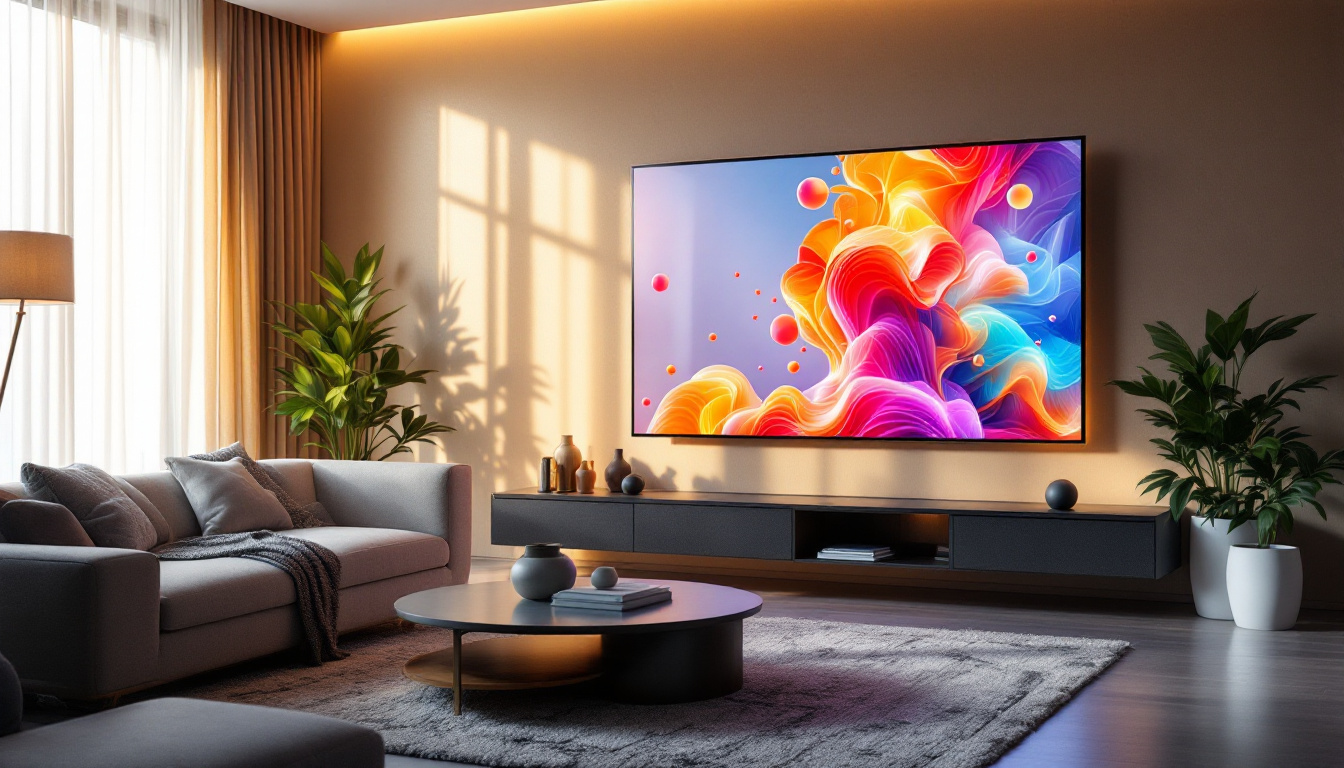
The compact size of LED backlighting enables manufacturers to produce ultra-thin TV panels. These slim profiles are easier to mount on walls or fit into modern flat screen TV cabinets without consuming excessive space. The minimalist aesthetic of LED TVs complements contemporary décor, creating a seamless integration between technology and interior design.
Choosing the Right Flat Screen TV Cabinet
Functionality Meets Style
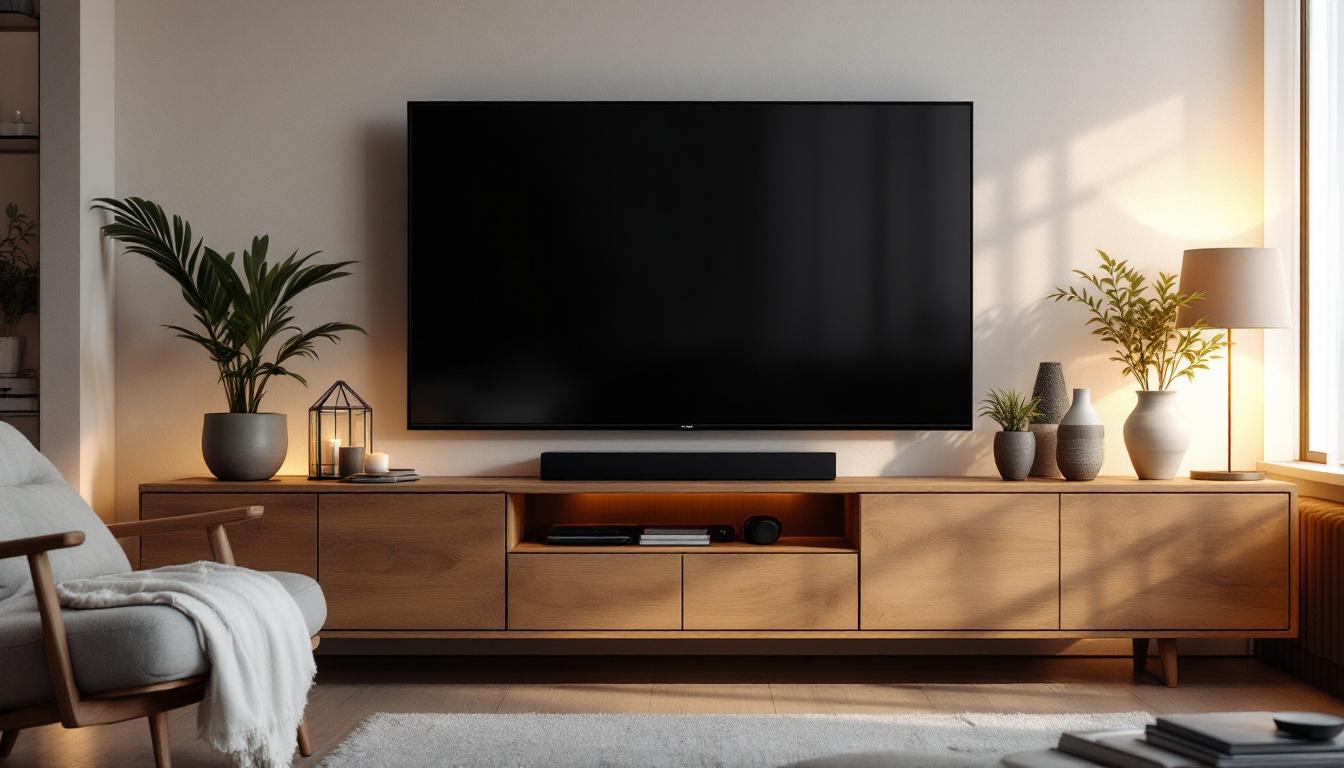
A flat screen TV cabinet is more than just a piece of furniture; it serves multiple purposes including housing the TV, organizing media devices, and enhancing the room’s ambiance. When selecting a cabinet, it’s important to consider both functional and aesthetic factors.
Functionally, the cabinet should accommodate the size and weight of the LED TV, provide adequate ventilation to prevent overheating, and offer storage for accessories such as gaming consoles, streaming devices, and remote controls. A well-designed cabinet also helps manage cable clutter, contributing to a tidy and organized entertainment area.
Material and Build Quality
Cabinets come in a variety of materials including wood, metal, glass, and engineered composites. Solid wood cabinets offer durability and a classic look, while metal and glass options provide a modern, sleek appearance. Consider the room’s existing décor and the cabinet’s durability to make the best choice.
Additionally, ensure that the cabinet’s construction supports the TV’s mounting requirements. Some cabinets feature built-in mounts or adjustable shelves to accommodate different TV sizes and styles.
Ventilation and Heat Management
LED TVs generate less heat than older models, but proper ventilation remains crucial to maintain optimal performance and longevity. Cabinets should have open backs or ventilation holes to allow air circulation. Avoid completely enclosed cabinets without airflow, as heat buildup can degrade electronic components over time.
Some modern TV cabinets incorporate fans or passive cooling designs to enhance airflow. These features are especially beneficial in smaller rooms or setups where space is limited.
Size and Placement Considerations
When choosing a cabinet, measure the TV’s dimensions carefully, including width, height, and depth. The cabinet should be slightly larger than the TV to provide stability and prevent accidental tipping. Also, consider the viewing height; the center of the TV screen should be at eye level when seated for comfortable viewing.
Placement of the cabinet within the room affects lighting and viewing angles. Avoid placing the TV opposite bright windows to reduce glare, and consider the distance between the seating area and the screen. For LED TVs, a viewing distance of approximately 1.5 to 2.5 times the diagonal screen size is recommended to optimize picture clarity.
Enhancing Your LED TV Experience
Calibration and Picture Settings
To get the best image quality from an LED TV, proper calibration is essential. Most LED TVs come with preset picture modes like Standard, Cinema, Dynamic, and Game. While these presets offer convenience, fine-tuning settings such as brightness, contrast, color temperature, and sharpness can significantly improve viewing quality.
Professional calibration tools and services are available for enthusiasts seeking the highest fidelity. However, even basic adjustments using test patterns and calibration discs can enhance color accuracy and reduce eye strain.
Integrating Smart Features
Modern LED TVs often include smart capabilities, enabling access to streaming services, apps, and voice control. When selecting a TV cabinet, consider how it will accommodate smart devices such as streaming sticks, soundbars, or smart speakers.
Ensuring easy access to USB ports, HDMI inputs, and power outlets helps maintain a clean and functional setup. Additionally, organizing devices within the cabinet can prevent overheating and improve signal reception for wireless remotes or voice assistants.
Sound Optimization
While LED TVs offer excellent picture quality, their built-in speakers may not provide the best audio experience. Many users enhance sound by adding external soundbars, home theater systems, or wireless speakers.
A flat screen TV cabinet should have enough space to house these audio components without obstructing speakers or airflow. Some cabinets come with dedicated compartments or cable management systems designed specifically for audio equipment.
Future Trends in LED Display and TV Cabinet Design
Advancements in LED Technology
LED display technology continues to evolve, with innovations like Mini-LED and Micro-LED pushing the boundaries of picture quality. Mini-LED TVs use thousands of tiny LEDs for backlighting, offering improved contrast and brightness control similar to OLED displays but with higher peak brightness and longer lifespan.
Micro-LED technology, still emerging in consumer markets, replaces traditional LCD panels entirely with microscopic LEDs that emit their own light. This promises perfect blacks, infinite contrast, and exceptional color accuracy without the burn-in risks associated with OLED.
Smart and Modular TV Cabinets
As home entertainment systems become more complex, TV cabinet designs are adapting to incorporate smart features and modular configurations. Future cabinets may include built-in wireless charging pads, integrated speakers, and customizable storage solutions that can be reconfigured as technology changes.
Materials and finishes are also evolving, with sustainable and eco-friendly options gaining popularity. These trends reflect a growing consumer demand for furniture that is both functional and environmentally responsible.
Conclusion
Understanding LED display technology is key to appreciating the capabilities of modern flat screen TVs. LED backlighting enhances picture quality, energy efficiency, and design flexibility, making these TVs a popular choice for home entertainment. Selecting the right flat screen TV cabinet complements the technology by providing functional storage, proper ventilation, and aesthetic appeal.
By considering factors such as cabinet size, material, ventilation, and integration with smart devices, homeowners can create an optimized viewing environment that enhances both comfort and style. As LED technology and cabinet designs continue to advance, staying informed will help consumers make the best choices for their entertainment spaces.
Investing time in understanding these elements ensures a satisfying and immersive TV experience that will delight viewers for years to come.
Explore Cutting-Edge LED Display Solutions
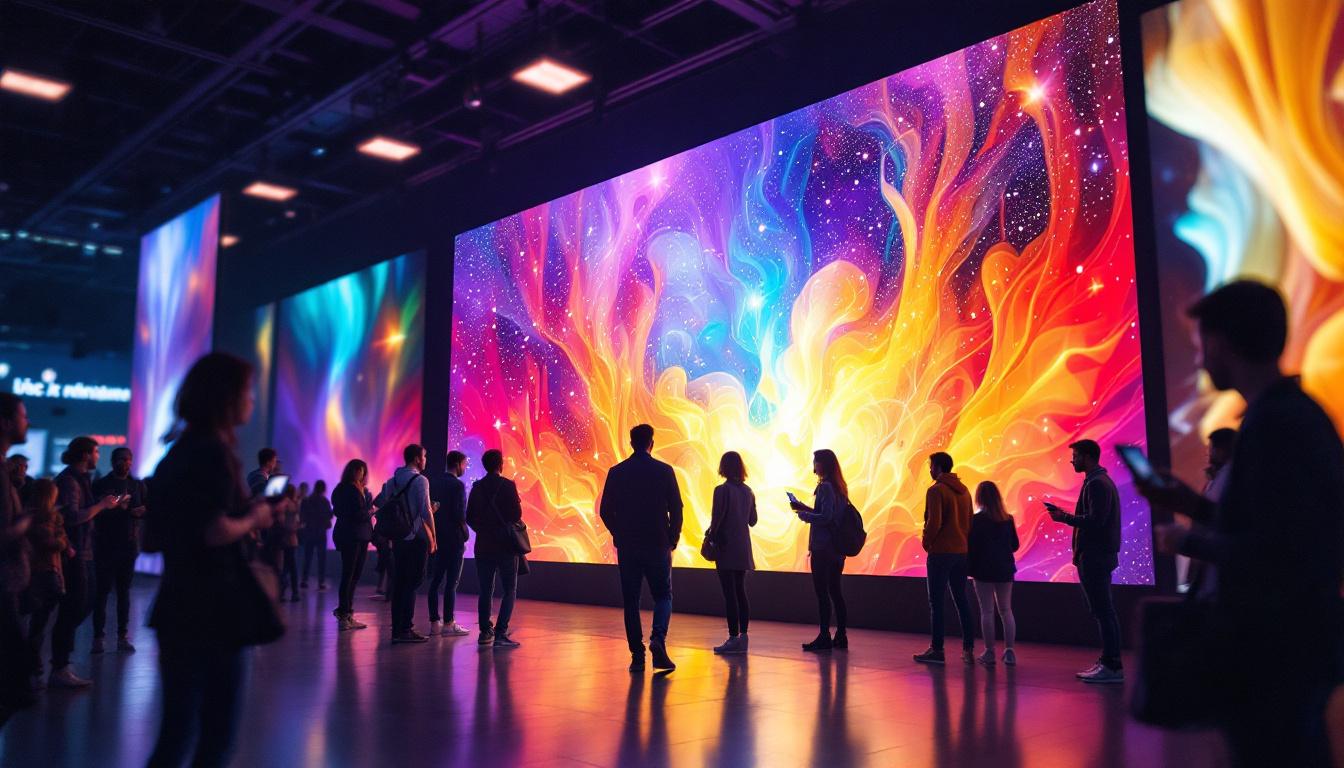
Now that you’re equipped with knowledge about LED display technology and its integration into your home entertainment setup, take the next step with LumenMatrix. As a pioneer in LED display innovation, LumenMatrix offers an array of advanced LED display modules designed to elevate your viewing experience. From captivating Indoor LED Wall Displays to dynamic Outdoor LED Wall Displays, and from versatile Vehicle LED Displays to sleek LED Poster Displays, our solutions are crafted to enhance engagement and transform visual communication. Discover how LumenMatrix can empower you to share your message with stunning clarity and impact. Check out LumenMatrix LED Display Solutions and revolutionize your space today.