In today’s fast-evolving digital landscape, interactive displays have become essential tools across various sectors—from education and corporate environments to retail and healthcare. Among the many sizes available, the 43 inch interactive LED display stands out as a versatile and practical choice. This article delves into what makes the 43 inch interactive LED display a compelling option, explaining its technology, benefits, and use cases to help you make an informed decision.
Understanding the Basics of LED Interactive Displays
What is an Interactive LED Display?
An interactive LED display is a screen that combines LED (Light Emitting Diode) technology with touch-sensitive capabilities. Unlike traditional LED screens that only display content, interactive LED displays allow users to engage directly with the screen through touch gestures, stylus input, or even multi-touch commands. This interactivity transforms the display from a passive viewing device into an active communication tool.
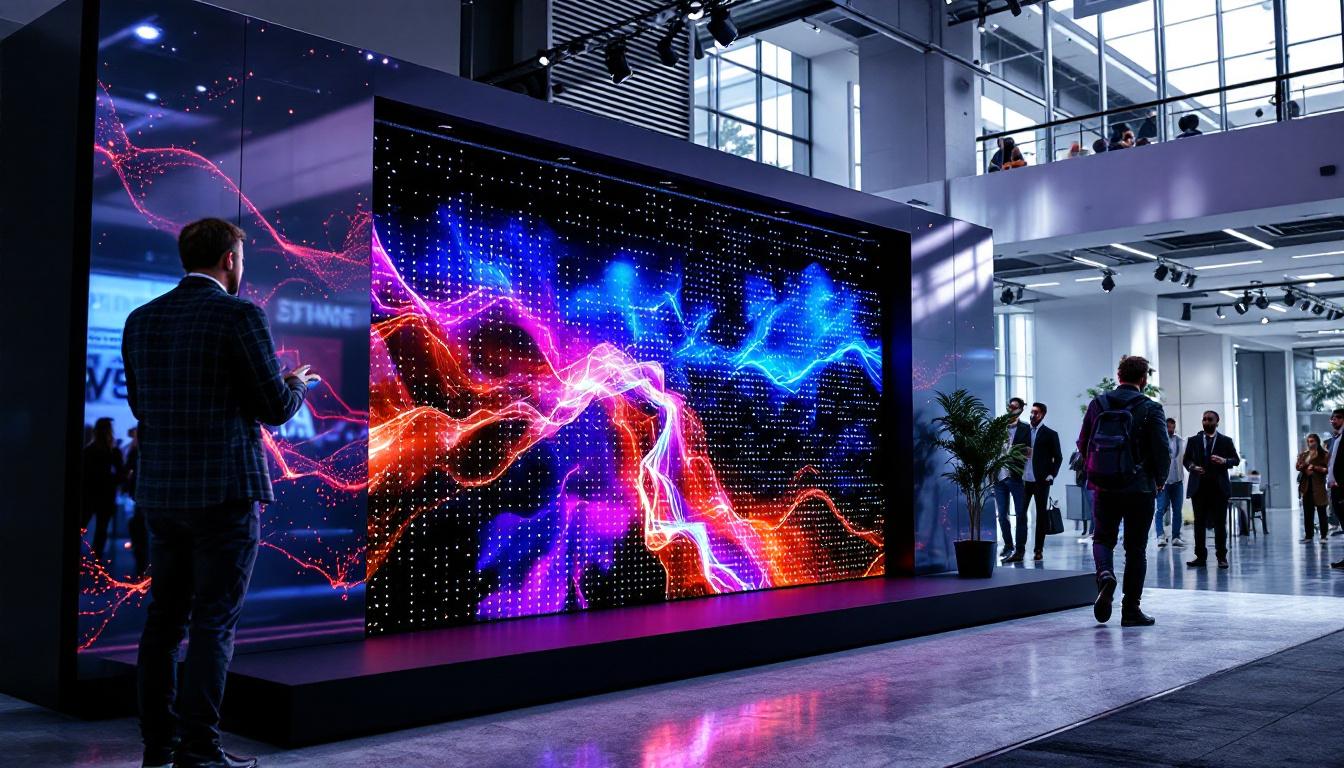
The 43 inch size refers to the diagonal measurement of the screen, making it a medium-sized display that balances visibility with space efficiency. This size is particularly popular in environments where a large screen is needed but space constraints prevent the use of larger displays. These displays are often found in educational settings, corporate environments, and retail spaces, where they can serve multiple purposes—from facilitating presentations to enhancing customer engagement with interactive advertisements.
Moreover, the versatility of interactive LED displays allows them to be utilized in various applications. For instance, in classrooms, teachers can use these displays to create dynamic lessons that engage students through interactive quizzes and multimedia content. In retail, businesses can showcase their products with interactive catalogs, allowing customers to explore features and specifications at their fingertips. This adaptability makes interactive LED displays an essential tool in modern communication and marketing strategies.
How LED Technology Works in Displays
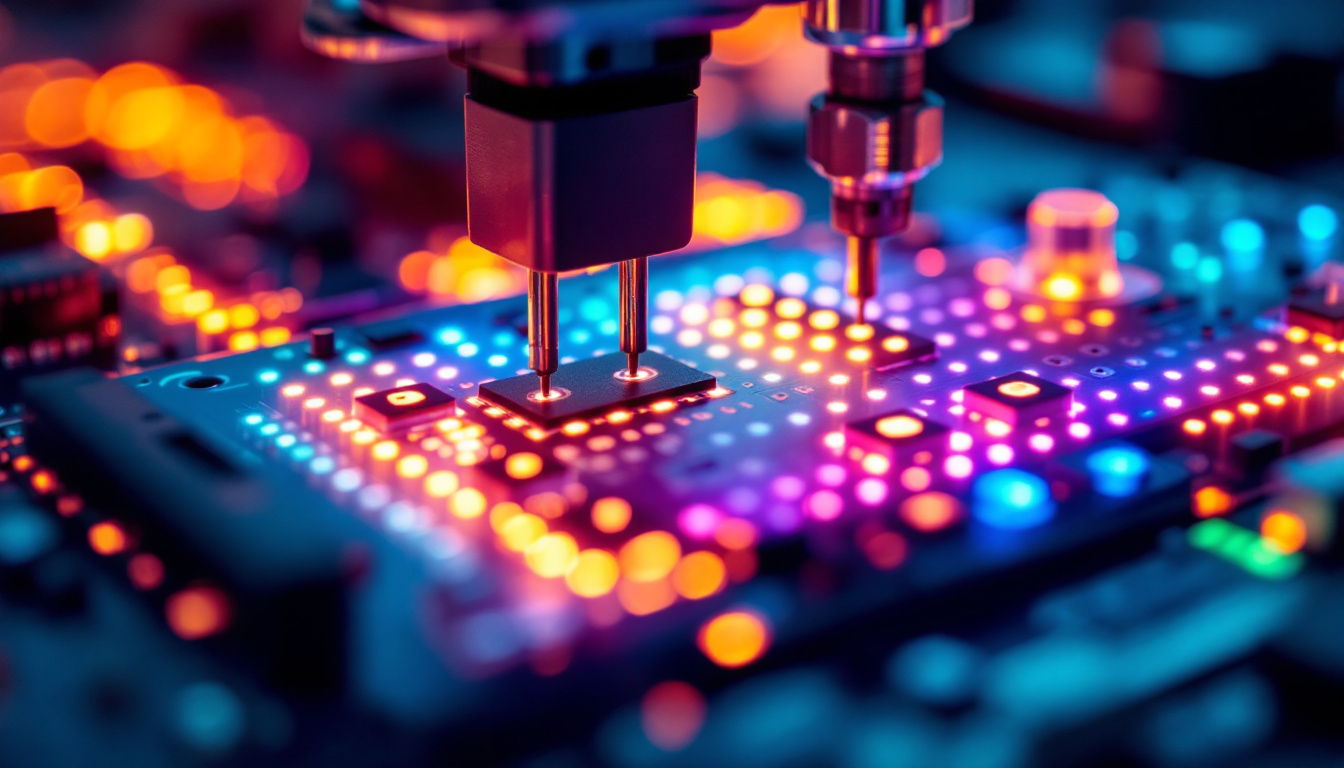
LED technology uses tiny light-emitting diodes to illuminate the screen. Each pixel on the display consists of red, green, and blue LEDs that combine to produce vibrant, true-to-life colors. Compared to older display technologies like LCDs with CCFL backlighting, LEDs offer several advantages:
- Brightness and Contrast: LED displays provide higher brightness levels and better contrast ratios, making images clearer and colors more vivid, even in well-lit environments.
- Energy Efficiency: LEDs consume less power, reducing operational costs and environmental impact.
- Longevity: LED panels typically have longer lifespans, often exceeding 50,000 hours of use, which is crucial for commercial applications.
In addition to these benefits, the technology behind LED displays continues to evolve, leading to innovations such as OLED (Organic Light Emitting Diode) and MicroLED displays. These advancements promise even greater color accuracy, thinner profiles, and improved viewing angles. For instance, OLED technology allows for true blacks and a wider color gamut, making it particularly appealing for high-end applications like digital art and cinema. As these technologies develop, the potential for interactive displays will only expand, offering more immersive experiences for users.
Furthermore, the integration of smart technology into LED displays is revolutionizing how we interact with screens. Features like built-in sensors, wireless connectivity, and compatibility with various software platforms enable seamless integration into existing systems. This means that users can easily connect their devices, share content, and collaborate in real-time, enhancing productivity and creativity in both professional and educational settings. As the demand for interactive experiences grows, LED displays are poised to become even more integral to our daily lives.
Why Choose a 43 Inch Interactive LED Display?
Ideal Size for Versatility and Space
The 43 inch interactive LED display strikes a perfect balance between screen real estate and physical footprint. It is large enough to display detailed content clearly, yet compact enough to fit comfortably in smaller meeting rooms, classrooms, or retail kiosks. This size is particularly useful where multiple users need to interact simultaneously without overcrowding the space.
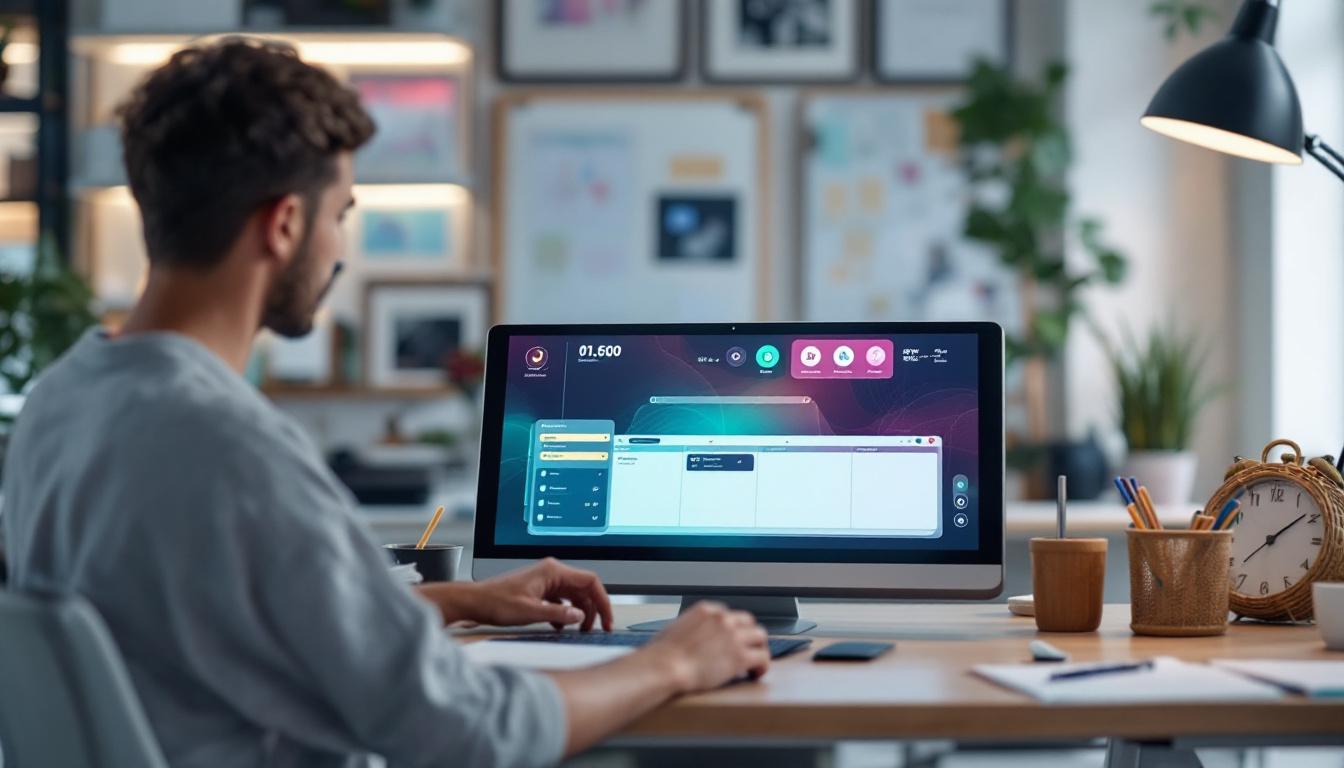
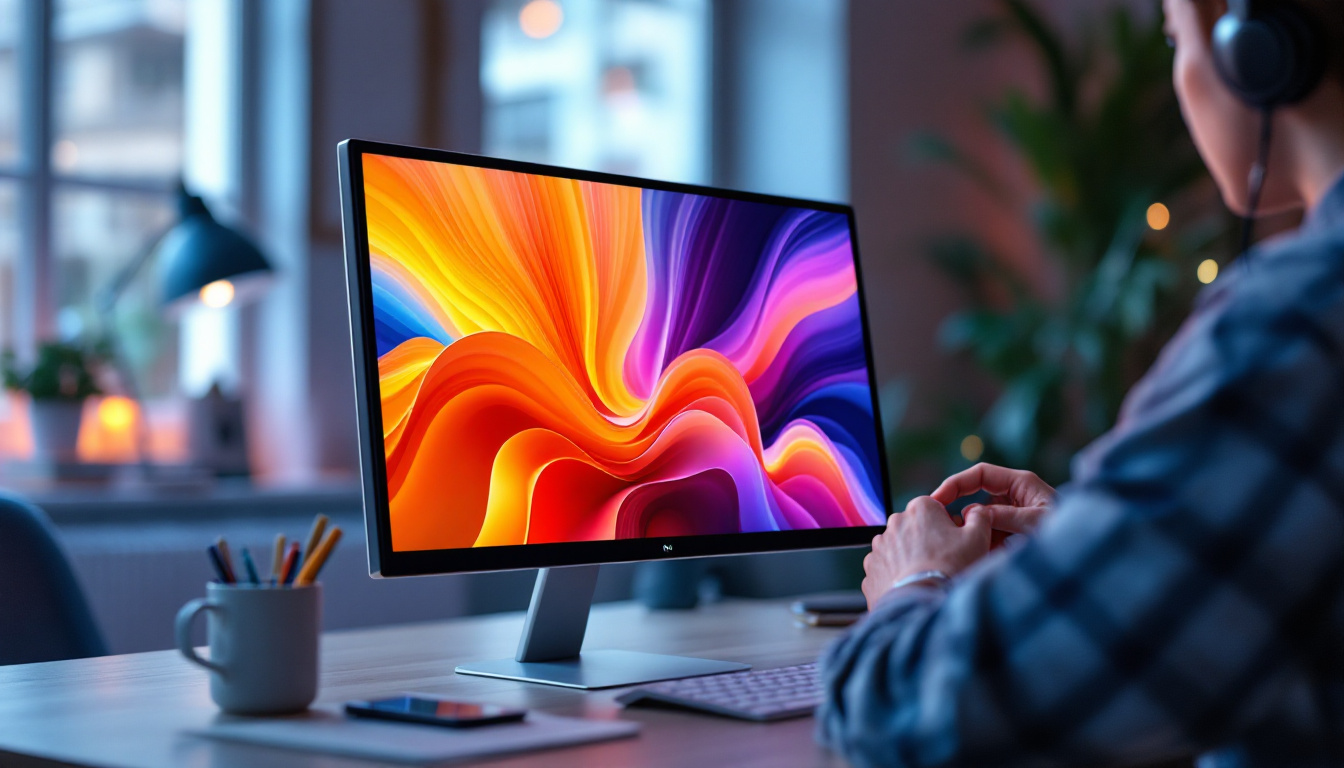
For example, in a corporate setting, a 43 inch display can serve as a collaborative tool during brainstorming sessions or video conferences, allowing participants to annotate documents or navigate presentations directly on the screen. In education, it can facilitate interactive lessons, enabling students to engage with content dynamically.
Enhanced User Engagement and Collaboration
Interactivity is the key advantage of these displays. With multi-touch support, users can manipulate content intuitively—zooming in on images, dragging objects, or writing notes. This hands-on interaction promotes engagement and improves information retention, which is especially valuable in learning environments.
Moreover, many 43 inch interactive displays come equipped with software suites that support real-time collaboration, cloud integration, and wireless connectivity. These features enable seamless sharing of content across devices, fostering teamwork whether participants are in the same room or remote.
Cost-Effectiveness and Accessibility
Compared to larger interactive displays, the 43 inch model is generally more affordable, making it accessible to small and medium-sized businesses or educational institutions with limited budgets. Despite its smaller size, it does not compromise on essential features such as high resolution, responsive touch, and connectivity options.
Additionally, the portability of some 43 inch interactive LED displays allows for flexible deployment. They can be mounted on walls, placed on stands, or even moved between rooms, offering adaptability for various use cases.
Technical Features and Specifications to Consider
Resolution and Display Quality
Resolution is a critical factor when evaluating interactive displays. Most 43 inch LED displays offer Full HD (1920×1080 pixels) resolution, which provides sharp and clear images suitable for most applications. Some higher-end models may feature 4K Ultra HD (3840×2160 pixels) resolution, delivering even finer detail, especially beneficial for design work or detailed presentations.
Color accuracy and brightness levels also affect the viewing experience. Look for displays with at least 350 to 400 nits of brightness to ensure visibility in brightly lit rooms. Wide color gamut support and high contrast ratios enhance the vibrancy and depth of images, making content more engaging.
Touch Technology and Responsiveness
Interactive displays employ various touch technologies, including capacitive, infrared, and optical touch systems. Capacitive touch is the most common and offers smooth, precise input similar to smartphones and tablets. Infrared touch uses light sensors and can support multiple simultaneous touch points, which is ideal for collaborative environments.
Responsiveness is paramount. A display with low latency ensures that touch inputs are registered instantly, providing a natural and frustration-free user experience. Multi-touch support, often up to 10 or more touch points, allows multiple users to interact at the same time.
Connectivity and Software Compatibility
Modern interactive LED displays come equipped with a variety of connectivity options, including HDMI, USB, DisplayPort, and wireless capabilities like Wi-Fi and Bluetooth. These connections facilitate seamless integration with laptops, tablets, smartphones, and other peripherals.
Software compatibility is equally important. Many displays run on Android or Windows operating systems, allowing users to install a wide range of applications. Pre-installed interactive whiteboard software, annotation tools, and cloud collaboration platforms enhance productivity and ease of use.
Applications of 43 Inch Interactive LED Displays Across Industries
Education: Transforming Classrooms
Interactive displays have revolutionized modern education by making lessons more engaging and interactive. The 43 inch size is ideal for small to medium classrooms or breakout rooms where space is limited but interactive learning is desired.
Teachers can use the display to present multimedia content, annotate directly on lesson materials, and encourage student participation through interactive quizzes and games. Studies have shown that interactive technology in classrooms can increase student engagement by up to 60%, leading to improved academic outcomes.
Corporate Environments: Enhancing Meetings and Training
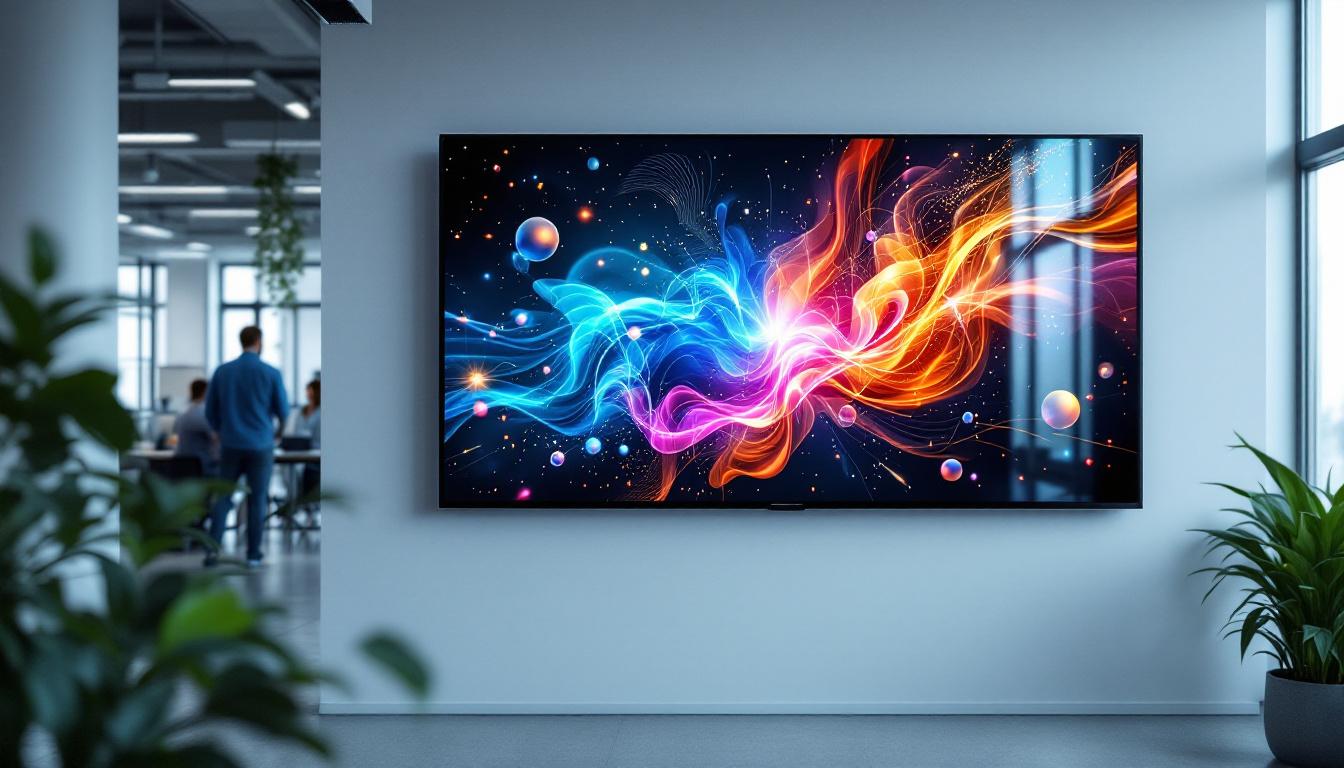
In business settings, 43 inch interactive LED displays serve as powerful collaboration hubs. They enable dynamic presentations, real-time brainstorming, and efficient video conferencing. The ability to annotate documents live during meetings helps clarify ideas and speeds up decision-making processes.
Training sessions benefit as well, with interactive modules that keep participants engaged and facilitate hands-on learning. The compact size fits well in smaller conference rooms or huddle spaces, making it a versatile tool for modern offices.
Retail and Hospitality: Engaging Customers
Retailers and hospitality providers use interactive displays to enhance customer experiences. A 43 inch interactive LED display can serve as a digital kiosk for product information, wayfinding, or self-service checkouts. Its touch capabilities invite customers to explore offerings independently, increasing engagement and potentially boosting sales.
In hotels, these displays can provide guests with interactive maps, event schedules, or concierge services, improving convenience and satisfaction.
Healthcare: Improving Patient Interaction
Healthcare facilities utilize interactive displays for patient education, staff training, and telemedicine consultations. The 43 inch size is suitable for exam rooms or nurse stations where space is limited but interactive communication is essential.
Patients can view educational materials, interact with health monitoring apps, or communicate with remote specialists via video calls. This technology helps improve patient understanding and engagement, which are critical factors in successful treatment outcomes.
Choosing the Right 43 Inch Interactive LED Display
Assess Your Needs and Environment
Before purchasing, consider the primary use cases and the environment where the display will be installed. Factors such as room size, lighting conditions, and user interaction requirements should guide your choice. For instance, a display intended for a brightly lit room should prioritize high brightness and anti-glare features.
Evaluate Technical Specifications
Compare resolution, touch technology, connectivity options, and software compatibility across models. If multi-user collaboration is a priority, ensure the display supports multi-touch and has responsive touch sensors. For integration with existing systems, verify compatibility with your devices and software platforms.
Consider After-Sales Support and Warranty
Interactive displays are significant investments. Opt for manufacturers or suppliers that offer robust after-sales support, including technical assistance, software updates, and warranty coverage. This ensures your display remains functional and up-to-date over its lifespan.
Conclusion
The 43 inch interactive LED display is a versatile and efficient solution that caters to a wide range of professional and educational needs. Its balance of size, performance, and affordability makes it an attractive choice for organizations seeking to enhance communication, collaboration, and engagement.
By understanding the underlying LED technology, key features, and practical applications, users can select the ideal interactive display that aligns with their specific requirements. Whether transforming classrooms, energizing corporate meetings, or engaging customers in retail settings, the 43 inch interactive LED display offers a powerful platform for dynamic interaction and digital innovation.
Discover LumenMatrix’s Interactive LED Solutions
Ready to elevate your space with the dynamic capabilities of a 43 inch interactive LED display? LumenMatrix is at the forefront of LED display innovation, offering a comprehensive range of solutions tailored to your unique needs. From immersive indoor and outdoor LED walls to specialized displays for vehicles, sports, and more, our products are designed to captivate and engage. Experience the future of visual communication with LumenMatrix and transform how you connect with your audience. Check out LumenMatrix LED Display Solutions today and bring your vision to life.