75 Inch TV Wall Mount: LED Display Explained
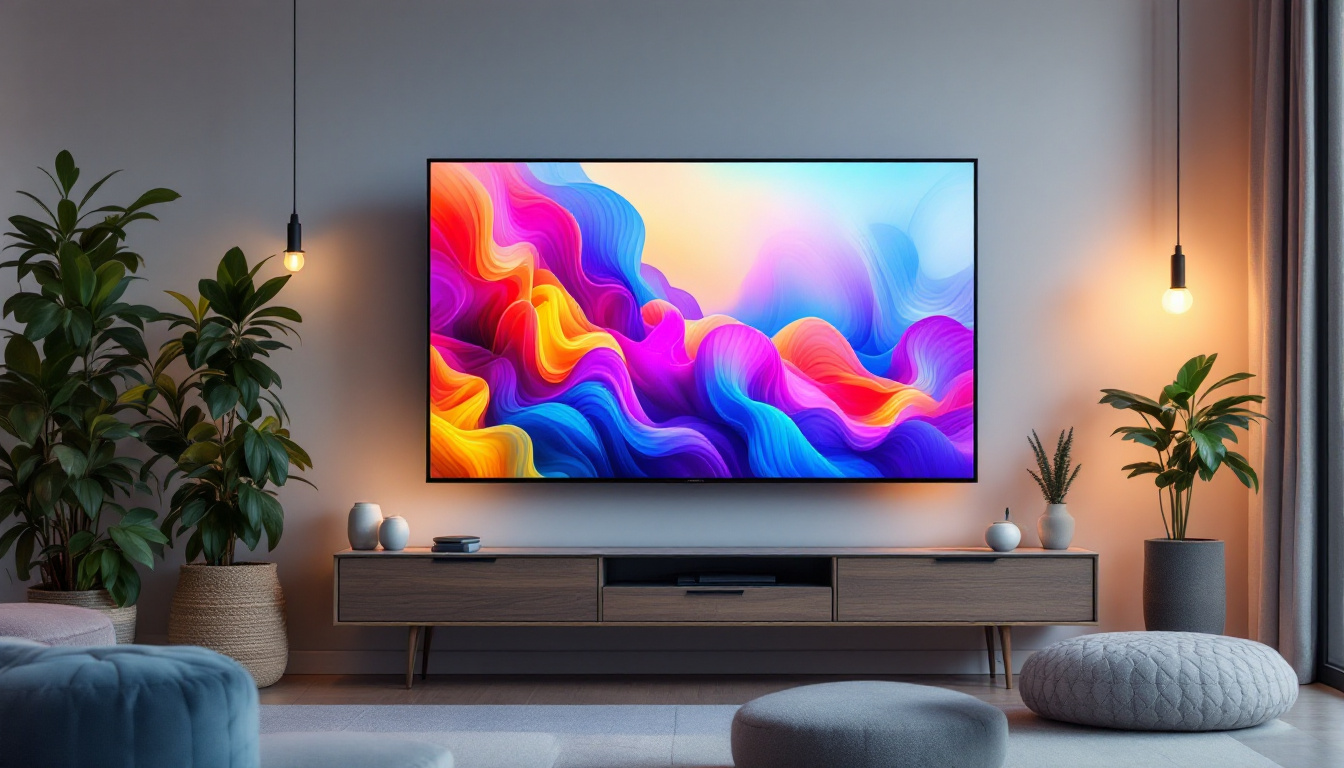
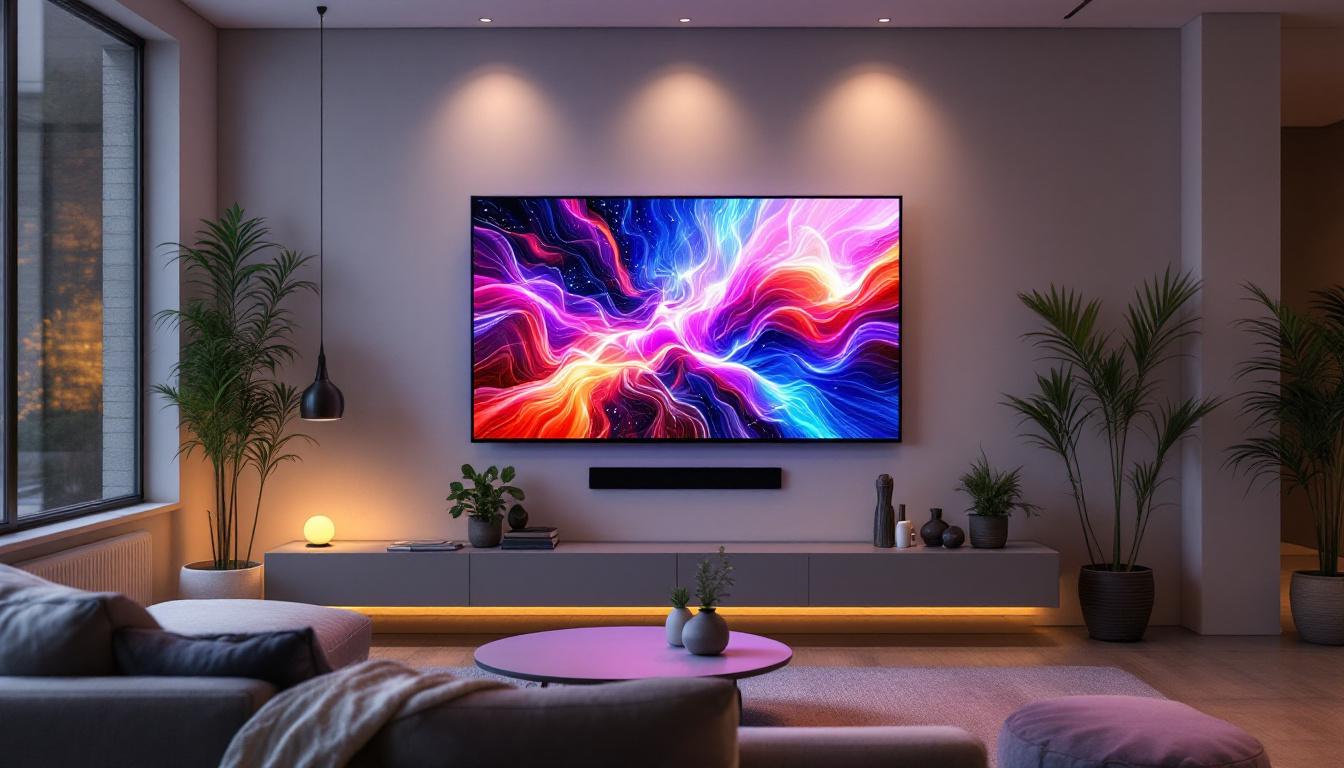
Choosing the right wall mount for a 75 inch LED TV is a decision that combines aesthetics, safety, and functionality. With the increasing popularity of large-screen LED displays, understanding the nuances of mounting options and LED technology ensures a seamless viewing experience. This article delves into the essentials of 75 inch TV wall mounts and sheds light on the LED display technology that powers these impressive screens.
Understanding the Importance of a Proper Wall Mount for 75 Inch TVs
Large TVs, especially those measuring 75 inches diagonally, require sturdy and reliable mounting solutions. The size and weight of these displays make improper mounting not only risky but potentially damaging to the TV and the wall structure. A poorly mounted TV can lead to accidents, such as the screen falling or the mount pulling away from the wall, which can result in costly repairs or replacements.
Wall mounting a 75 inch TV offers several advantages: it saves floor space, enhances room aesthetics, and provides optimal viewing angles. However, the mounting hardware must be carefully selected to accommodate the TV’s weight, dimensions, and VESA (Video Electronics Standards Association) mounting pattern. Proper installation also ensures that cables are neatly organized, contributing to a clean and uncluttered look in your living space.
Weight and Size Considerations
A 75 inch LED TV typically weighs between 50 to 80 pounds, depending on the model and manufacturer. Wall mounts designed for smaller TVs often cannot support this weight safely. Therefore, it is essential to choose a mount rated for at least 100 pounds to provide a safety margin. Additionally, the wall material plays a significant role in the mounting process; for instance, drywall may require additional support, such as wall studs or anchors, to ensure the mount is securely attached.
Additionally, the mount must fit the TV’s VESA pattern, which is the standardized distance between mounting holes on the back of the TV. For 75 inch TVs, common VESA patterns include 400×400 mm, 600×400 mm, or even larger, so verifying this specification is crucial. It’s also wise to consider the depth of the mount, as some models may protrude more than others, affecting the overall look and feel of your space.
Types of Wall Mounts Suitable for 75 Inch TVs
There are three primary types of wall mounts to consider:
- Fixed Mounts: These hold the TV flat against the wall, offering a sleek profile but limited adjustability. They are ideal for dedicated viewing rooms where the seating arrangement is fixed.
- Tilting Mounts: Allow the TV to tilt vertically, which helps reduce glare and optimize viewing angles from different seating positions. This feature is particularly beneficial in rooms with high ceilings or large windows.
- Full-Motion or Articulating Mounts: Provide the most flexibility, enabling the TV to extend, swivel, and tilt. These are ideal for rooms where viewers may watch from multiple locations or angles, such as open-concept living spaces.
For a 75 inch LED TV, a tilting or full-motion mount is often preferred to maximize viewing comfort, especially in larger rooms. Furthermore, investing in a mount with cable management features can help keep cords organized and out of sight, enhancing the overall aesthetic of your entertainment area. Additionally, some mounts come with built-in leveling systems, making installation easier and ensuring that your TV is perfectly aligned for an optimal viewing experience.
Key Features to Look for in a 75 Inch TV Wall Mount
When selecting a wall mount for a 75 inch LED TV, several features ensure safety, convenience, and durability.
Weight Capacity and Build Quality
The mount should have a weight rating exceeding the TV’s weight to accommodate any additional accessories like soundbars or cable management systems. High-quality materials such as steel or reinforced aluminum provide the necessary strength and longevity. Additionally, a robust design can help reduce vibrations, which is especially beneficial for larger screens that may be more susceptible to movement. Look for mounts that have undergone rigorous testing to ensure they can withstand daily use without compromising stability.
VESA Compatibility
Ensuring the mount matches the TV’s VESA pattern guarantees a secure fit. Many mounts offer adjustable brackets to accommodate a range of VESA sizes, adding versatility for future upgrades. This feature is particularly advantageous as it allows users to switch to a different TV model without needing to purchase a new mount. Some mounts even come with a universal design that can fit various brands, which can be a great investment for those who frequently change their home entertainment setups.
Ease of Installation
Some mounts come with detailed instructions, mounting templates, and all necessary hardware, simplifying the installation process. For heavy 75 inch TVs, professional installation is often recommended to ensure safety and precision. However, many modern mounts are designed with user-friendly features like pre-assembled components or built-in levels that facilitate a DIY approach. This can save both time and money, allowing tech-savvy individuals to enjoy their new setup without the need for professional help.
Cable Management Systems
Integrated cable management helps keep wires organized and hidden, maintaining a clean and modern look. This is particularly important for large displays where multiple cables for HDMI, power, and peripherals can become cumbersome. Some advanced mounts even feature channels or covers that allow for easy access to cables while keeping them out of sight. This not only enhances the aesthetic appeal of your entertainment area but also protects the cables from damage, which can prolong their lifespan and improve overall functionality.
Exploring LED Display Technology in 75 Inch TVs
Understanding the LED technology behind 75 inch TVs enhances appreciation for their picture quality and performance. LED, or Light Emitting Diode, displays have become the standard for large-screen televisions due to their brightness, energy efficiency, and slim profiles.
What is an LED TV?
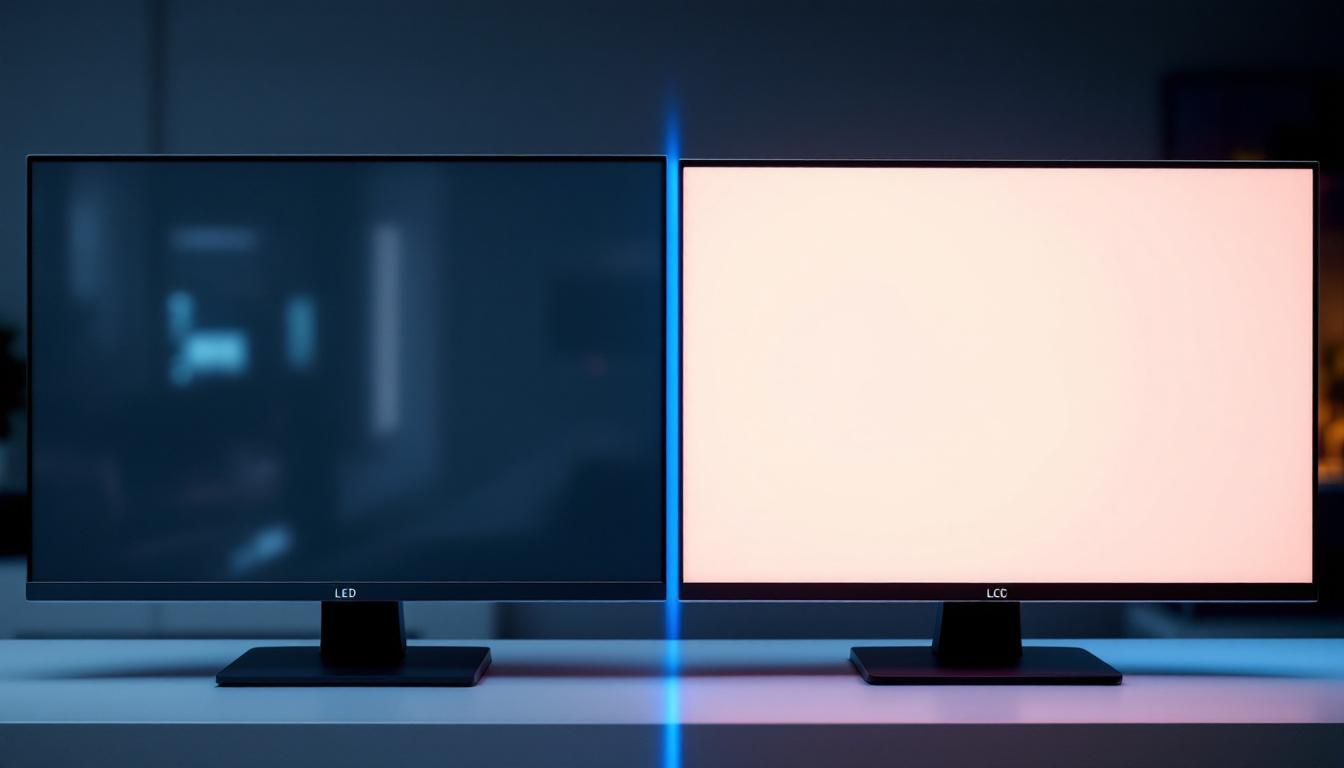
LED TVs are essentially LCD (Liquid Crystal Display) TVs that use LEDs as their backlight source instead of traditional fluorescent lamps. This shift has allowed for thinner panels, improved brightness, and better color accuracy.
There are two main types of LED backlighting:
- Edge-Lit LED: LEDs are positioned along the edges of the screen, allowing for thinner designs but sometimes causing uneven brightness.
- Full-Array LED: LEDs are spread evenly behind the screen, enabling local dimming and better contrast ratios.
Advantages of LED Displays in 75 Inch TVs
LED technology offers several benefits that are particularly noticeable on large screens:
- Brightness: LED TVs can achieve higher brightness levels, making them suitable for well-lit rooms and HDR content.
- Energy Efficiency: LEDs consume less power compared to older technologies, which is significant for larger displays.
- Color Accuracy and Contrast: Full-array LED TVs with local dimming provide deeper blacks and more vibrant colors, enhancing the viewing experience.
- Longevity: LEDs have a longer lifespan than traditional backlighting methods, ensuring the TV remains bright and vivid over time.
Emerging Technologies: Mini-LED and Micro-LED
Recent advancements in LED technology have introduced Mini-LED and Micro-LED displays, which further improve picture quality on large TVs.
Mini-LED uses thousands of tiny LEDs as backlighting, allowing for more precise local dimming zones and better contrast. This technology is becoming more common in premium 75 inch TVs, offering near-OLED levels of black depth without the risk of burn-in.
Micro-LED represents a breakthrough where each pixel is an individual LED, producing exceptional brightness and color without the need for backlighting. While still emerging in the consumer market, Micro-LED promises unparalleled performance for large displays in the near future.
Installation Tips for Mounting a 75 Inch LED TV
Mounting a 75 inch TV requires careful planning and execution to ensure safety and optimal viewing.
Choosing the Right Wall and Location
The wall should be sturdy enough to support the weight of the TV and mount. Stud walls, typically made of wood or metal, are ideal mounting points. Drywall alone cannot bear the load and will require anchors or reinforcement.
Consider the viewing height: the center of the screen should be roughly at eye level when seated. Also, avoid placing the TV opposite windows or bright lights to reduce glare.
Using the Correct Tools and Hardware
Essential tools include a stud finder, level, drill, screwdriver, and measuring tape. The mounting kit usually provides screws and brackets, but it’s important to verify that they are compatible with the wall type and TV model.
Professional Installation vs. DIY
While many homeowners successfully mount their own TVs, the size and weight of a 75 inch display may warrant professional installation. Experts ensure the mount is securely anchored, the TV is level, and cables are neatly managed.
Maintaining Your 75 Inch LED TV and Wall Mount
Proper maintenance extends the life of both the TV and the wall mount, preserving performance and appearance.
Regular Cleaning
Dust the TV screen and mount regularly using a microfiber cloth to avoid scratches. Avoid harsh chemicals; instead, use screen-safe cleaning solutions if necessary.
Checking Mount Stability
Periodically inspect the wall mount for any signs of loosening or wear. Tighten screws and brackets as needed to maintain a secure hold.
Managing Heat and Ventilation
LED TVs generate heat, especially larger models. Ensure there is adequate airflow around the TV to prevent overheating, which can affect performance and longevity.
Conclusion
Mounting a 75 inch LED TV is a rewarding upgrade that transforms any living space into a cinematic environment. Selecting the right wall mount involves understanding the TV’s weight, size, and VESA pattern, while also considering the type of mount that best suits the room’s layout and viewing habits.
LED display technology continues to evolve, offering brighter, more energy-efficient, and visually stunning large-screen TVs. Whether opting for edge-lit, full-array, or the latest Mini-LED models, these displays deliver impressive picture quality that justifies the investment.
By combining careful mount selection, professional installation, and routine maintenance, homeowners can enjoy a safe, stylish, and immersive entertainment setup for years to come.
Discover the Future of Visual Experience with LumenMatrix
Ready to elevate your viewing experience with the latest in LED display technology? LumenMatrix is at the forefront of innovation, offering a wide array of LED display solutions that promise to transform any space into a dynamic visual spectacle. From the comfort of your newly mounted 75 inch LED TV to the immersive engagement of public displays, LumenMatrix has the perfect solution to bring your visual communications to life. Don’t just watch—immerse yourself in the brilliance of LED technology. Check out LumenMatrix LED Display Solutions and join the revolution in visual storytelling.