Switch OLED Screen Size: LED Display Explained
The Nintendo Switch OLED model has garnered significant attention since its release, primarily due to its enhanced display technology. For gamers and tech enthusiasts alike, understanding the nuances of the Switch OLED screen size and the LED display technology it employs is essential. This article delves into the specifics of the Switch OLED screen, compares it with previous models, and explains the underlying LED display technology that powers its vibrant visuals.
Understanding the Switch OLED Screen Size
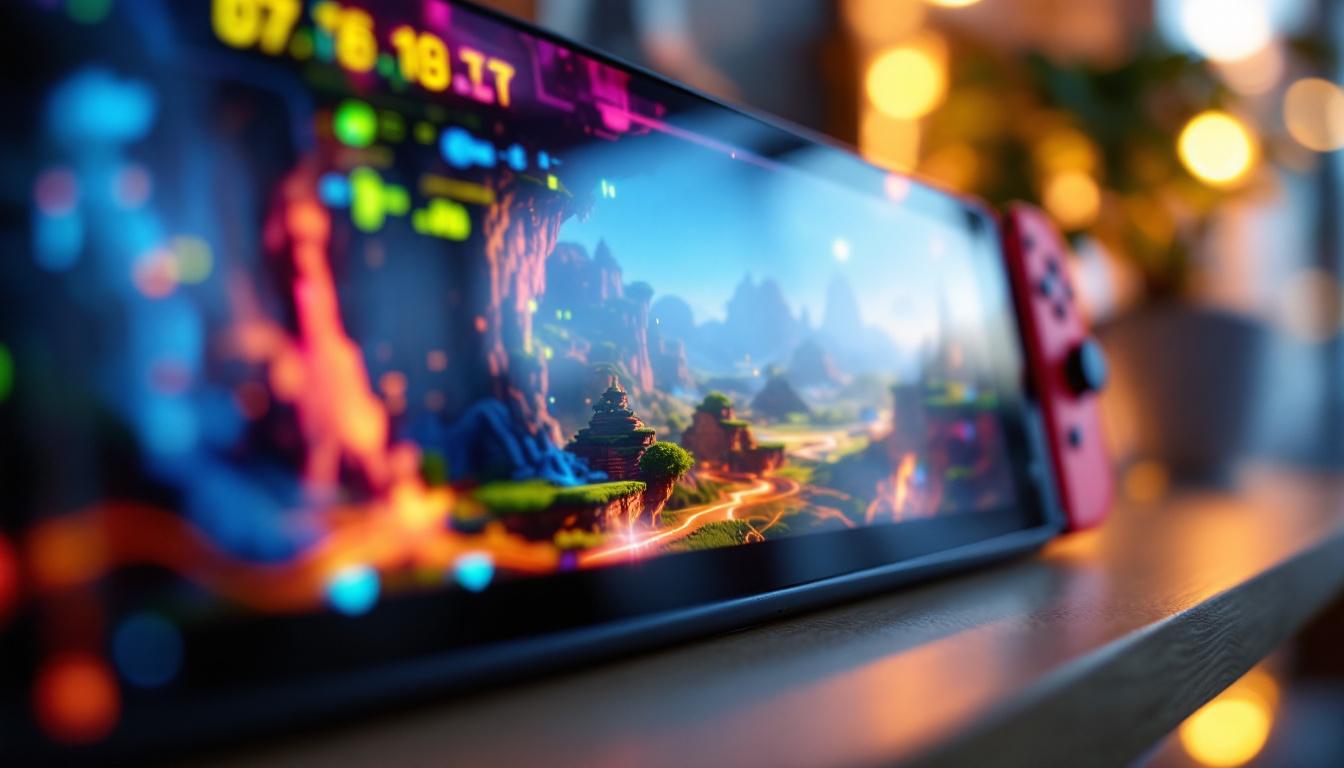
The Nintendo Switch OLED model features a 7-inch OLED screen, which marks a notable upgrade from the original Switch’s 6.2-inch LCD display. This increase in size might seem modest at first glance, but it significantly enhances the gaming experience by offering more immersive visuals and better color accuracy.
To put this into perspective, the screen size increase translates to roughly a 13% larger display area. This means players get more screen real estate without the bulk of a larger device, maintaining the Switch’s hallmark portability. The 7-inch screen is carefully balanced to fit comfortably in hand while delivering a more cinematic experience for handheld gaming. The vibrant colors and sharp details brought forth by the OLED technology allow players to appreciate the artistry in game design, making every pixel count during intense gaming sessions.
Moreover, the OLED screen’s ability to display true blacks enhances the overall contrast and depth of the visuals, providing a more engaging experience. Gamers can expect to see richer environments, from the lush landscapes of adventure games to the intricate details in character designs. This visual fidelity not only makes gameplay more enjoyable but also allows for a more profound emotional connection to the game’s narrative and atmosphere.
Comparison with Previous Switch Models
The original Nintendo Switch, launched in 2017, came with a 6.2-inch LCD screen featuring a resolution of 1280×720 pixels. In 2019, the Switch Lite was introduced with a slightly smaller 5.5-inch LCD screen, targeting a more budget-conscious audience focused on handheld play.
By contrast, the Switch OLED model not only ups the screen size but also upgrades the display technology to OLED, which offers better contrast, deeper blacks, and more vibrant colors compared to LCD. This combination of size and technology makes the OLED model particularly appealing for gamers who prioritize visual quality. Additionally, the enhanced viewing angles of the OLED screen allow for a better group gaming experience, as friends can gather around to enjoy the action without losing picture quality, making it ideal for social gaming sessions.
Furthermore, the Switch OLED model’s display is complemented by improved audio quality, with enhanced speakers that provide a richer sound experience. This synergy between visual and auditory enhancements creates a more immersive environment, allowing gamers to fully lose themselves in their favorite titles. Whether it’s the subtle rustle of leaves in a serene forest or the explosive sounds of a high-octane battle, the combination of the larger OLED screen and superior audio elevates the overall gaming experience to new heights.
What is OLED Technology?
OLED stands for Organic Light Emitting Diode. Unlike traditional LCD screens, which rely on a backlight to illuminate pixels, OLED displays generate light at the pixel level. Each pixel in an OLED screen emits its own light when an electric current passes through organic compounds layered within the display.
This fundamental difference results in several advantages:
- True Blacks: Since OLED pixels can turn off completely, they produce true black colors, enhancing contrast and depth.
- Vibrant Colors: OLED displays typically offer a wider color gamut, making images appear more vivid and lifelike.
- Thinner and Lighter Panels: Without the need for a backlight, OLED screens can be thinner and more flexible.
These benefits contribute to the Switch OLED’s superior display quality, making games look sharper and more engaging.
How OLED Differs from LED and LCD
It’s common to see terms like LED and OLED used interchangeably, but they represent distinct technologies. The Nintendo Switch OLED uses an OLED panel, whereas the original Switch uses an LCD screen with LED backlighting.
Here’s a quick breakdown:
- LCD (Liquid Crystal Display): Uses liquid crystals that do not emit light themselves. Instead, they block or allow light from a backlight to pass through.
- LED (Light Emitting Diode): Refers to the backlighting technology used in LCD screens. LEDs provide the light source behind the LCD panel.
- OLED (Organic Light Emitting Diode): Each pixel emits its own light, eliminating the need for a backlight.
Because OLED pixels can be individually controlled, the Switch OLED can achieve better contrast and more accurate colors than an LED-backlit LCD screen.
Benefits of the Switch OLED Screen for Gamers
The upgrade to a 7-inch OLED screen on the Nintendo Switch OLED model brings several tangible benefits that enhance the gaming experience:
Enhanced Visual Quality
With OLED technology, colors appear more vibrant and lifelike. Games with rich color palettes, such as “The Legend of Zelda: Breath of the Wild” or “Super Mario Odyssey,” benefit greatly from the enhanced contrast and color depth. The true blacks and brighter highlights make environments feel more immersive and detailed.
Improved Viewing Angles
OLED screens generally maintain color accuracy and brightness even when viewed from wide angles. This is particularly useful for multiplayer gaming sessions where multiple players might be looking at the screen from different positions.
Reduced Eye Strain
Because OLED screens emit less blue light and offer better contrast, many users report reduced eye strain during extended gaming sessions. This can make long playtimes more comfortable, especially in low-light environments.
Better Battery Efficiency in Certain Scenarios
While OLED displays can consume more power when displaying bright, white-heavy images, they are often more efficient when showing darker scenes due to their ability to turn off individual pixels. This can lead to improved battery life during gameplay that features darker environments or menus.
Technical Specifications of the Switch OLED Screen
Understanding the technical details behind the Switch OLED screen helps clarify why it stands out among handheld gaming devices.
- Screen Size: 7 inches diagonally
- Resolution: 1280 x 720 pixels (720p)
- Display Type: OLED (Organic Light Emitting Diode)
- Aspect Ratio: 16:9
- Color Gamut: Supports a wider color range compared to LCD
- Contrast Ratio: Significantly higher than LCD due to true black levels
Despite the resolution remaining the same as the original Switch, the OLED panel’s ability to display deeper blacks and richer colors creates a perception of sharper and more detailed visuals.
How the Switch OLED Screen Impacts Game Development and User Experience
The introduction of the OLED screen on the Switch has implications beyond just hardware upgrades. Game developers and users alike benefit from the improved display technology.
Game Development Considerations
Developers can leverage the OLED’s capabilities to enhance visual storytelling. Games can include richer color palettes, more nuanced lighting effects, and deeper shadows without worrying about how these will appear on an LCD screen. This opens up creative possibilities for more atmospheric and visually striking games.
However, since the resolution remains at 720p, developers must still optimize textures and graphics to ensure smooth performance on the Switch’s hardware.
User Experience Enhancements
For players, the OLED screen means a more enjoyable and immersive gaming experience. The improved display quality can make handheld gaming sessions feel closer to playing on a high-end TV. Additionally, the larger screen size enhances readability for menus, text, and in-game details, which is particularly beneficial for players with visual impairments.
Comparing Switch OLED to Other Handheld Consoles
In the competitive market of handheld gaming devices, the Nintendo Switch OLED holds a strong position thanks to its display technology.
Switch OLED vs. Steam Deck
The Steam Deck, Valve’s handheld gaming PC, features a 7-inch LCD screen with a 1280×800 resolution. While it offers a slightly higher resolution and runs PC games, its LCD panel lacks the contrast and color vibrancy of the Switch OLED’s display. For gamers prioritizing screen quality, the Switch OLED’s OLED panel is a clear advantage.
Switch OLED vs. PlayStation Vita
The PlayStation Vita, Sony’s previous handheld console, featured a 5-inch OLED screen in its original model. The Switch OLED’s larger 7-inch screen offers a more expansive viewing area, while maintaining the benefits of OLED technology. This makes the Switch OLED a more modern and visually appealing option for handheld gaming.
Common Questions About the Switch OLED Screen
Does the Switch OLED Screen Size Affect Portability?
The increase from 6.2 inches to 7 inches does make the device slightly larger, but it remains highly portable. The overall dimensions of the Switch OLED are only marginally bigger, and the device still fits comfortably in most hands and standard carrying cases.
Is the Switch OLED Screen More Fragile?
OLED panels can be more delicate than traditional LCDs due to their organic materials. However, Nintendo has designed the Switch OLED with durability in mind, including a robust casing and screen protection. Users should still handle the device with care and consider using screen protectors for added safety.
Can the Switch OLED Screen Be Used in Docked Mode?
Yes, the Switch OLED supports docked mode, allowing users to connect it to a TV. The OLED screen’s benefits are primarily experienced in handheld mode, as the TV output remains the same across all Switch models.
Conclusion: Is the Switch OLED Screen Worth It?
The Nintendo Switch OLED model represents a meaningful upgrade in display technology for handheld gaming. Its 7-inch OLED screen offers richer colors, deeper blacks, and a more immersive gaming experience compared to the original Switch’s LCD screen. While the resolution remains at 720p, the improved contrast and color accuracy make games look noticeably better.
For gamers who value visual quality and enhanced handheld play, the Switch OLED is a compelling choice. It balances portability with a larger, more vibrant display, making it one of the best handheld gaming devices on the market today.
Whether upgrading from an original Switch or entering the Nintendo ecosystem for the first time, understanding the Switch OLED screen size and the benefits of OLED technology helps make an informed decision about this popular gaming console.
Discover the Future of Visual Experience with LumenMatrix
If you’re captivated by the vibrant and immersive display of the Switch OLED and curious about how advanced LED technology can transform your visual experiences further, LumenMatrix is your next destination. As a pioneer in LED display solutions, LumenMatrix offers an extensive range of products, from Indoor and Outdoor LED Wall Displays to innovative LED Sports and Transparent Displays. Embrace the future of digital signage and create unforgettable visual narratives with LumenMatrix’s cutting-edge technology. Check out LumenMatrix LED Display Solutions and see how they can elevate your brand visibility and audience engagement to new heights.