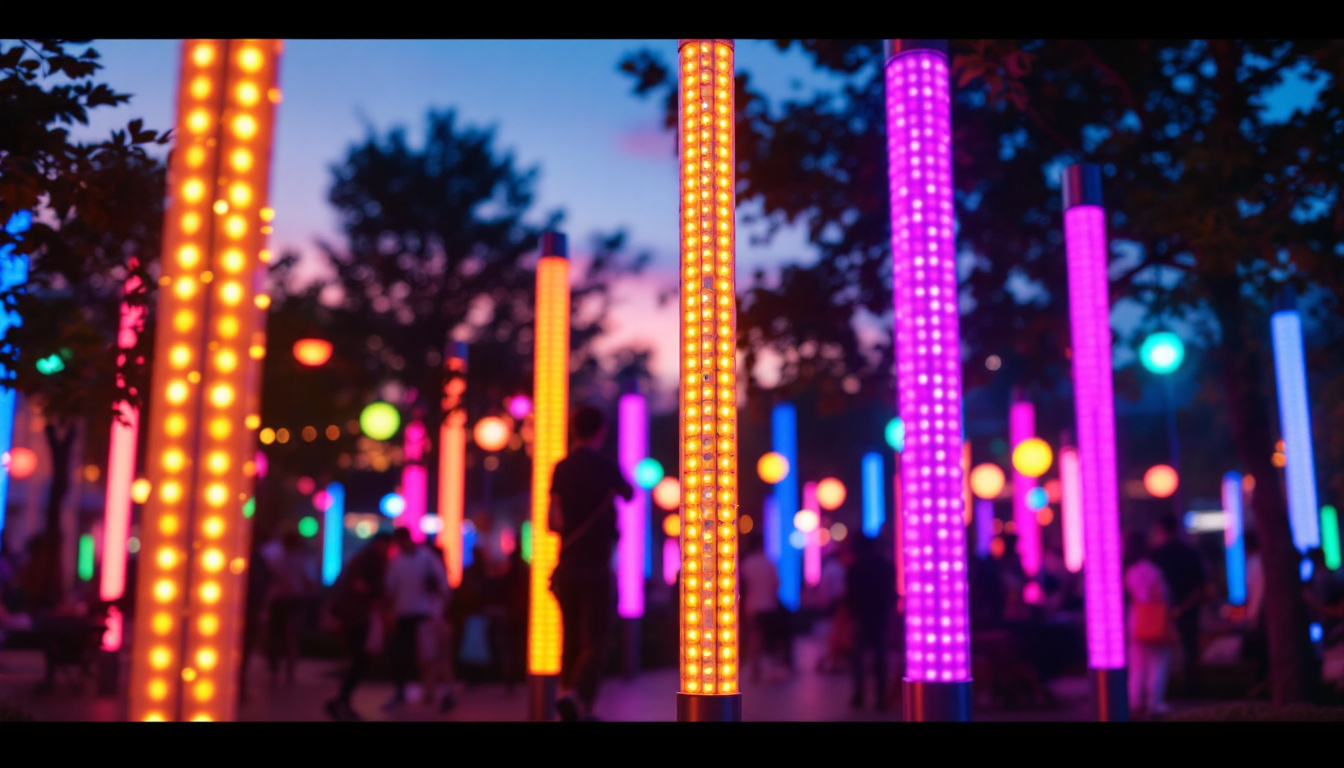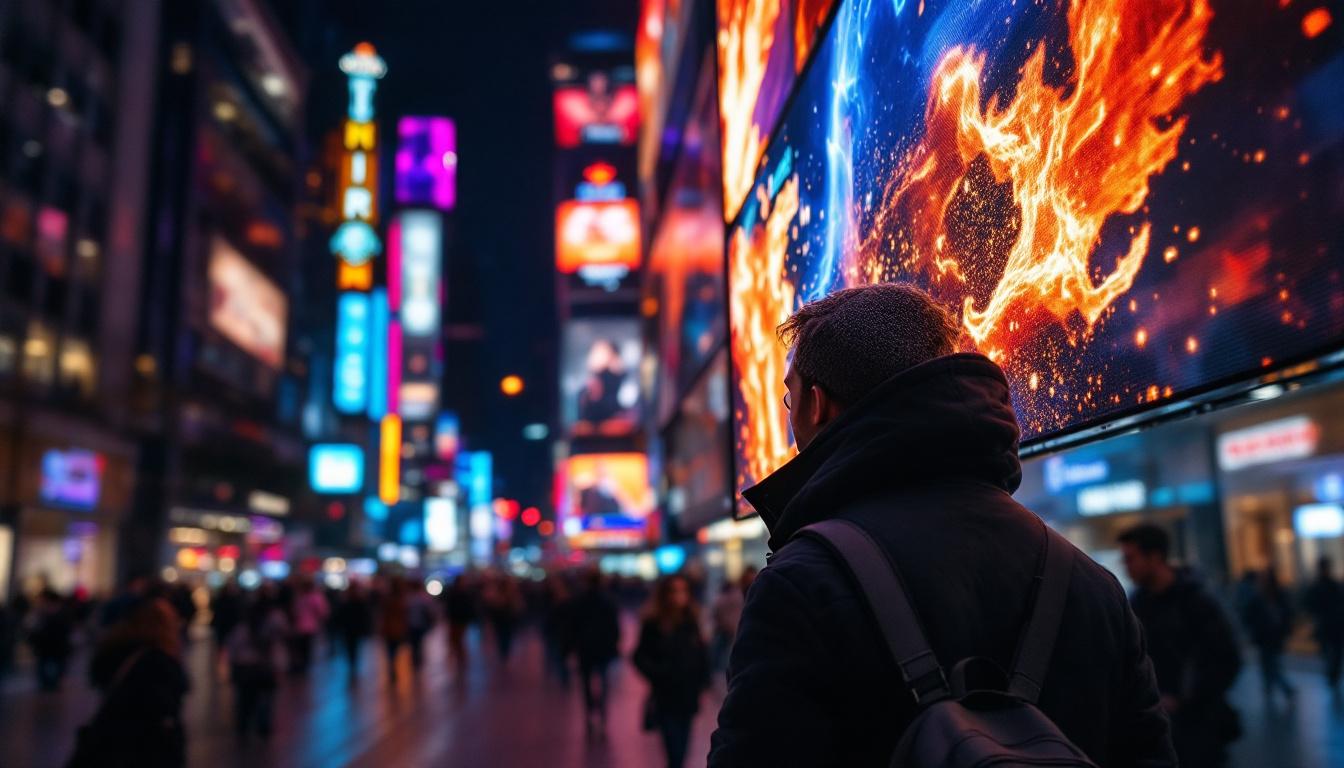
In today’s fast-paced world, businesses and organizations continuously seek innovative ways to capture attention and communicate messages effectively. Among the most powerful tools in visual communication is the LED display. From vibrant billboards to dynamic indoor signage, LED technology has revolutionized how information is presented, making it more engaging, flexible, and impactful.
This article delves into the world of LED displays, explaining what they are, how they work, their various applications, and why they have become a cornerstone in modern signage solutions.
Understanding LED Display Technology
What Is an LED Display?
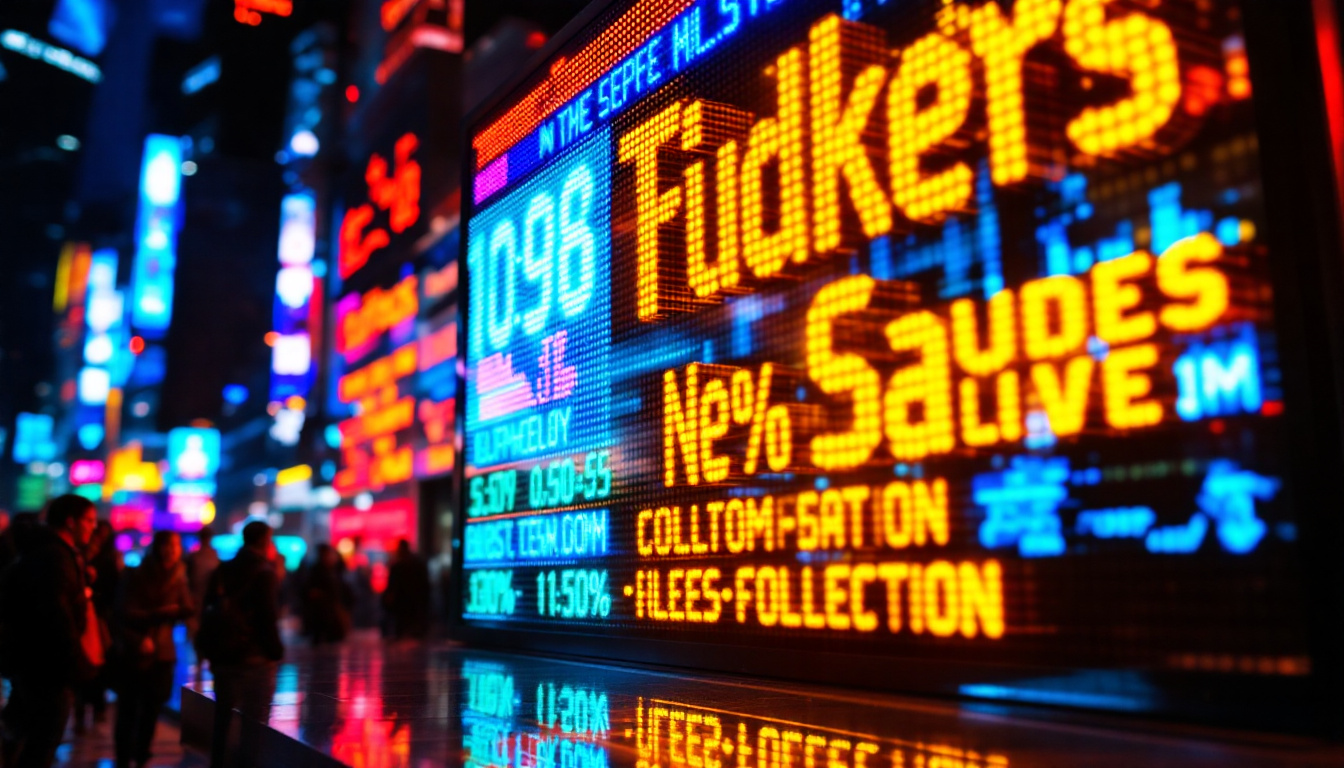
LED stands for Light Emitting Diode, a semiconductor device that emits light when an electric current passes through it. An LED display is a flat panel that uses an array of these tiny LEDs as pixels to create images, videos, or text. Unlike traditional displays that rely on backlighting, LED displays generate their own light, resulting in brighter and more vivid visuals.
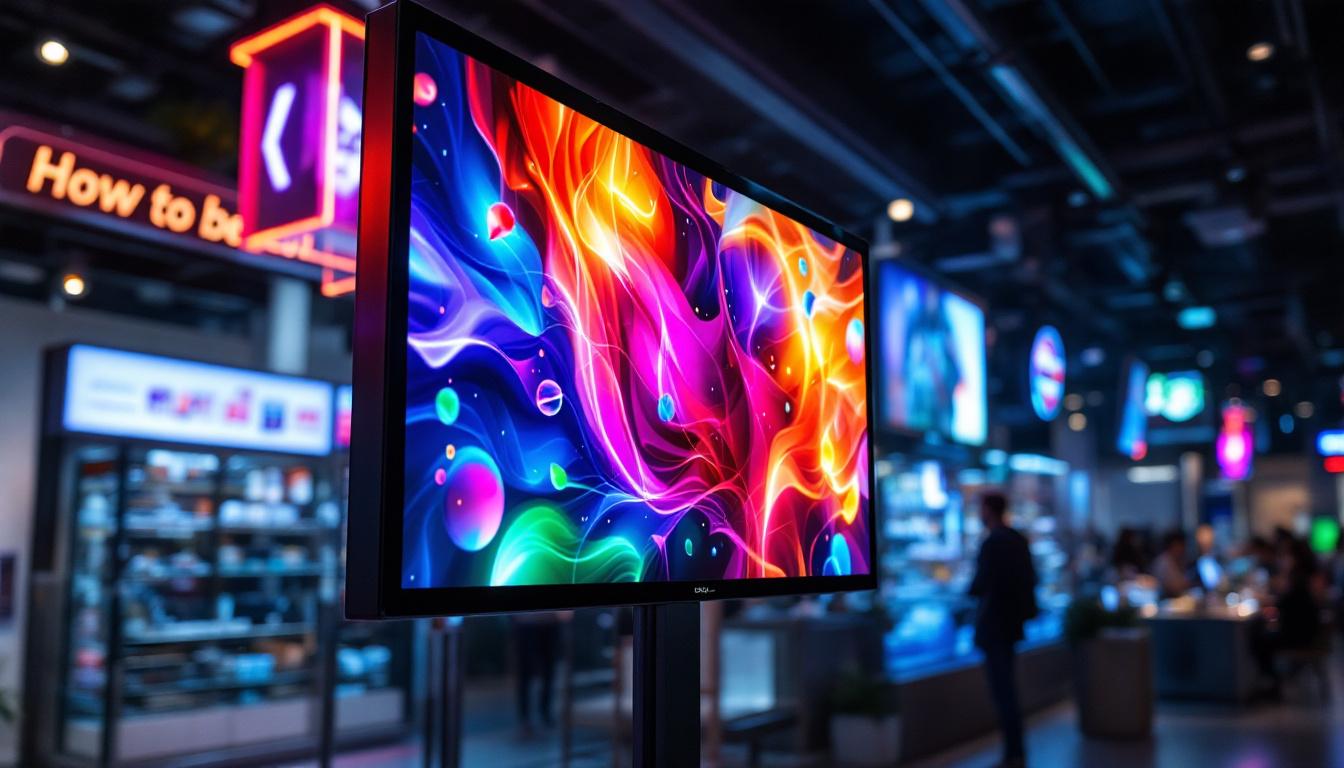
LED displays come in various forms, including single-color, dual-color, and full-color screens. Full-color LED displays use red, green, and blue LEDs combined in different intensities to produce a wide spectrum of colors, enabling high-definition video and graphic content. The versatility of LED technology allows for dynamic content that can be easily updated, making it a popular choice for advertising and information dissemination in public spaces.
In addition to their vibrant color reproduction, LED displays are also energy-efficient. They consume significantly less power compared to traditional display technologies, which not only reduces operational costs but also minimizes environmental impact. This efficiency is particularly beneficial for large-scale installations, where energy savings can amount to substantial figures over time.
How Do LED Displays Work?
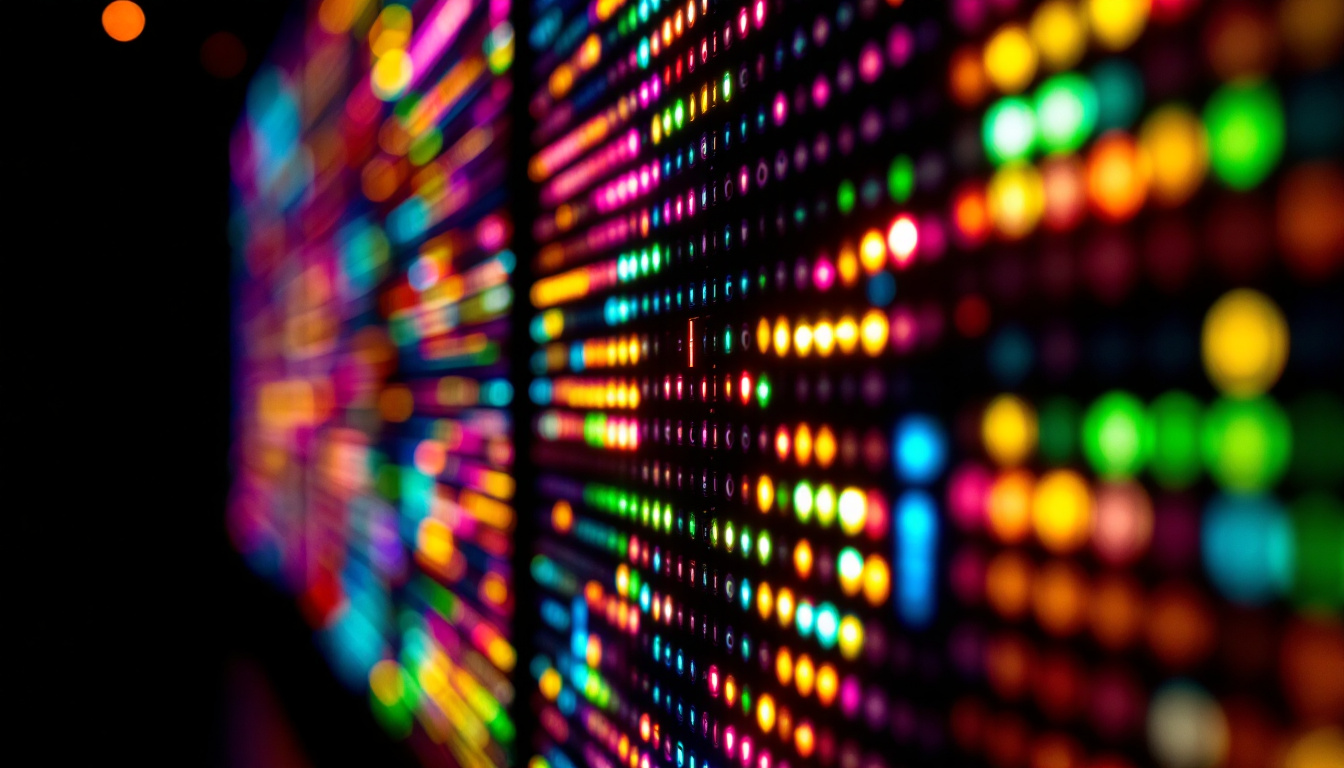
Each LED pixel is made up of sub-pixels emitting red, green, and blue light. By adjusting the brightness of these sub-pixels, the display can reproduce millions of colors. The LEDs are arranged in a matrix, and the display is controlled by a processor that sends signals to each pixel to create the desired image. This rapid processing capability allows for smooth transitions and animations, enhancing the viewer’s experience.
The resolution of an LED display depends on the pixel pitch—the distance between the centers of two adjacent pixels. A smaller pixel pitch means higher resolution and sharper images, which is especially important for close-viewing applications like indoor signage. Conversely, outdoor displays with larger pixel pitches are designed to be viewed from greater distances, where the individual pixels blend together to form a cohesive image. This adaptability makes LED technology suitable for a wide range of applications, from intimate indoor settings to expansive outdoor environments.
Types of LED Displays
LED displays can be broadly categorized based on their intended use and installation environment:
- Indoor LED Displays: Designed for close-range viewing, these displays have a small pixel pitch (often less than 4mm) to ensure crisp images and text. They are commonly used in retail stores, conference rooms, and event venues. The ability to display high-quality video content makes them ideal for presentations and promotional events, where capturing the audience’s attention is crucial.
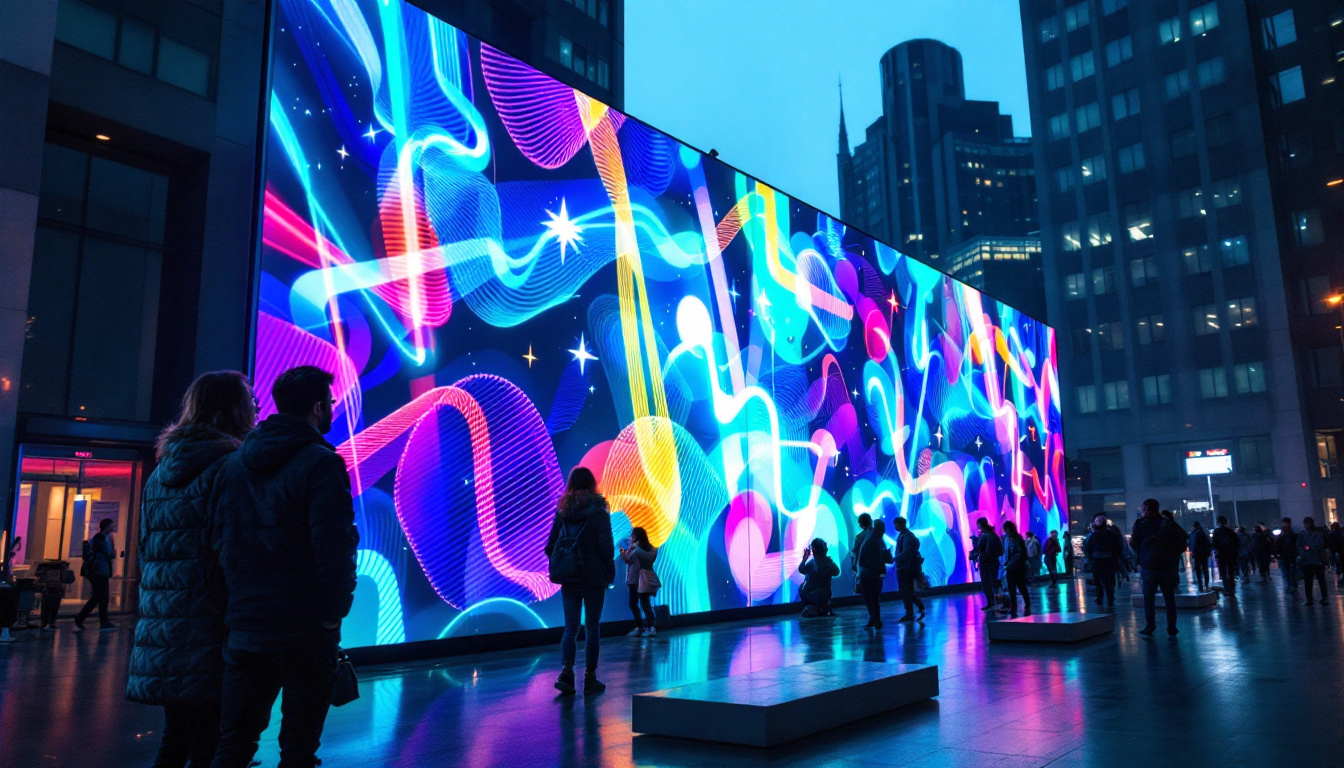
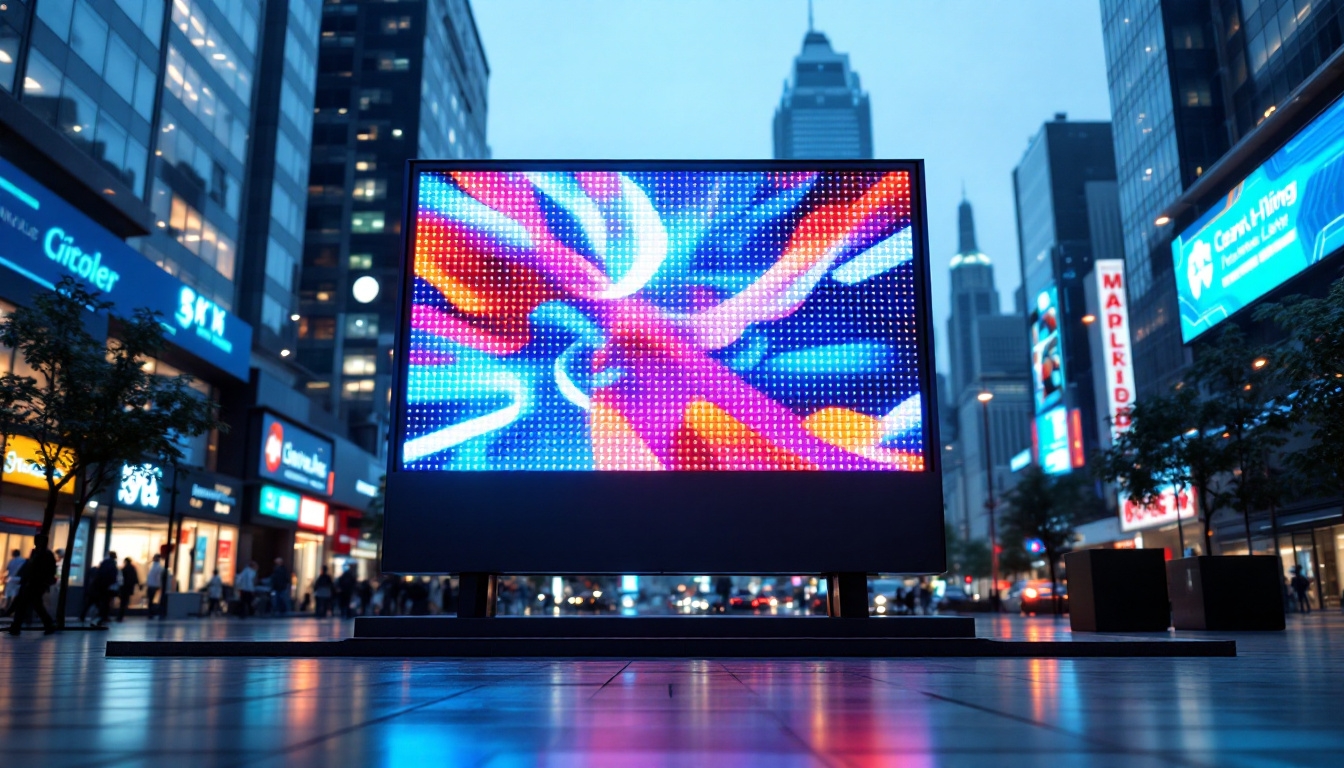
- Outdoor LED Displays: Built to withstand weather conditions, these displays have a larger pixel pitch (typically 10mm or more) but are much brighter to combat sunlight glare. They are ideal for billboards, stadium screens, and transportation hubs. These displays often incorporate advanced features such as automatic brightness adjustment, ensuring optimal visibility regardless of the time of day or weather conditions.
- Transparent LED Displays: These innovative screens allow light to pass through, making them perfect for glass facades and shop windows without obstructing views. This feature not only enhances aesthetic appeal but also enables retailers to display advertisements while maintaining an open and inviting atmosphere for customers.
- Flexible and Curved LED Displays: Utilizing bendable LED panels, these displays can wrap around surfaces or create unique shapes, enhancing creative signage possibilities. Their adaptability allows for innovative designs that can fit into unconventional spaces, making them a favorite among designers and advertisers looking to make a bold statement.
Moreover, the integration of smart technology into LED displays has revolutionized their functionality. Many modern LED displays are equipped with sensors and connectivity options, allowing them to interact with viewers and adapt content in real-time. This capability opens up new avenues for personalized advertising and interactive experiences, engaging audiences in ways that static displays simply cannot achieve.
Applications of LED Displays in Signage
Advertising and Marketing
LED displays have become a dominant force in outdoor advertising due to their brightness, visibility, and ability to display dynamic content. According to a report by Grand View Research, the global digital signage market is expected to reach $32.84 billion by 2028, with LED technology playing a significant role.
Brands use LED billboards to showcase multiple advertisements in rotation, adapt messages in real-time based on factors like weather or time of day, and engage audiences with animations and videos. The flexibility of LED displays allows marketers to capture attention more effectively than static signs.
Retail and Hospitality
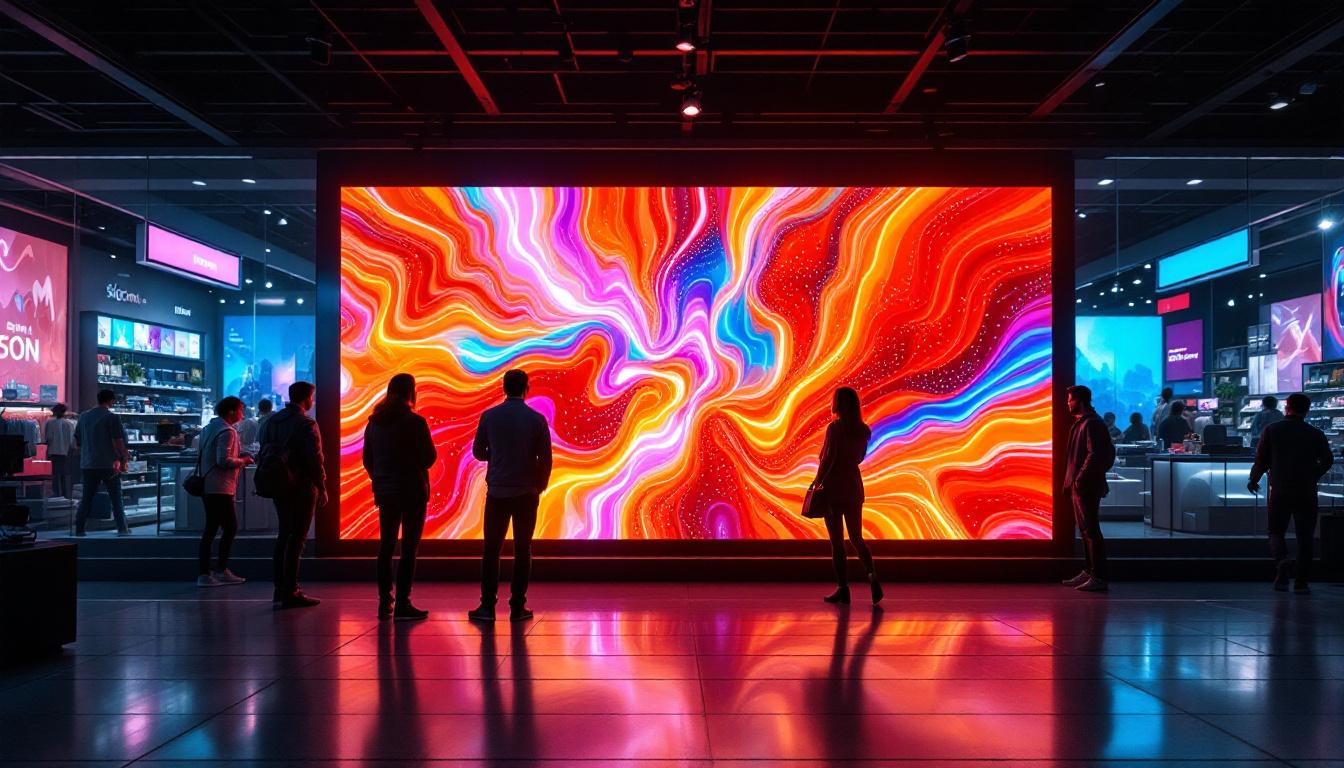
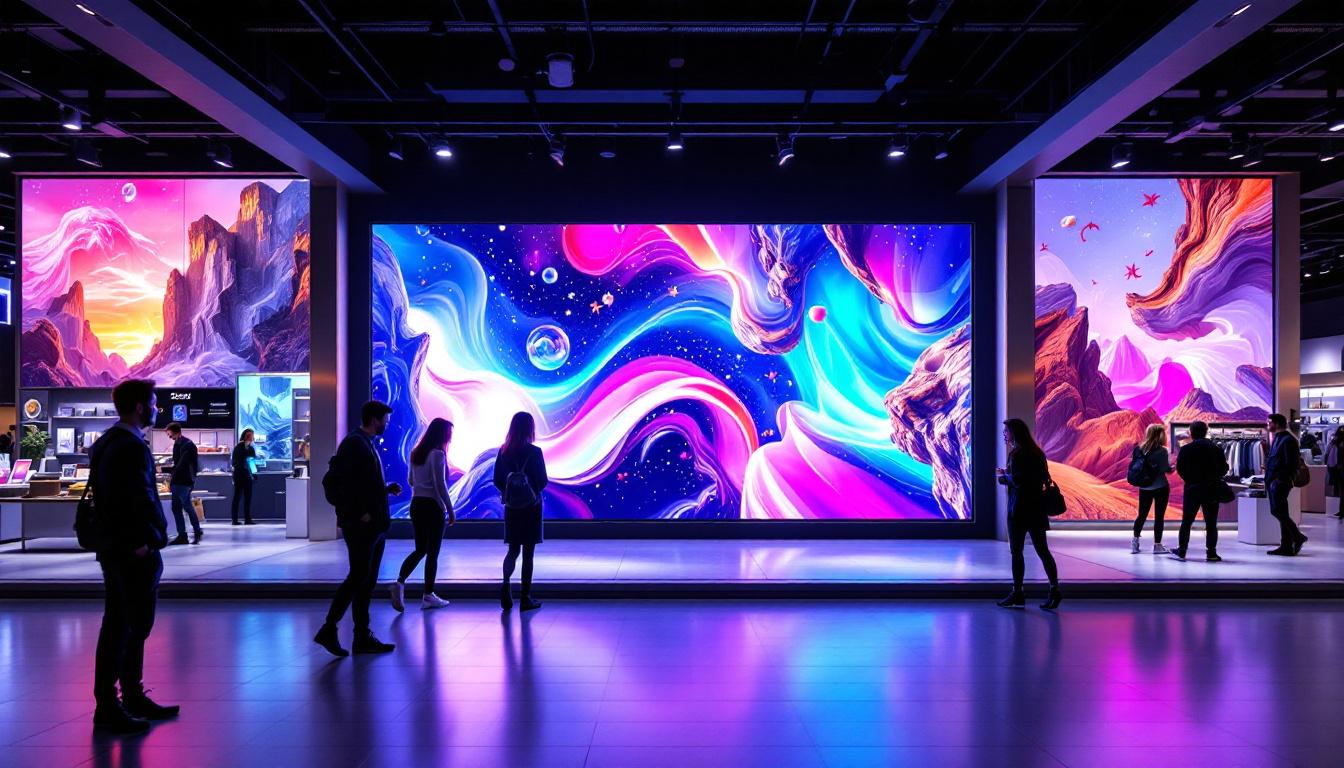
Indoor LED displays enhance customer experience by providing interactive wayfinding, promotional content, and real-time information. Retailers leverage LED screens to highlight special offers, new arrivals, or brand stories, creating an immersive shopping environment.
In the hospitality sector, LED signage is used for digital menus, event announcements, and ambient lighting, contributing to a modern and welcoming atmosphere.
Transportation and Public Spaces
LED displays are essential in airports, train stations, and bus terminals for delivering real-time schedules, alerts, and directions. Their high visibility ensures passengers receive critical information promptly, improving overall efficiency and safety.
Public spaces also utilize LED signage for community announcements, emergency notifications, and event promotions, supporting effective communication with large audiences.
Sports and Entertainment
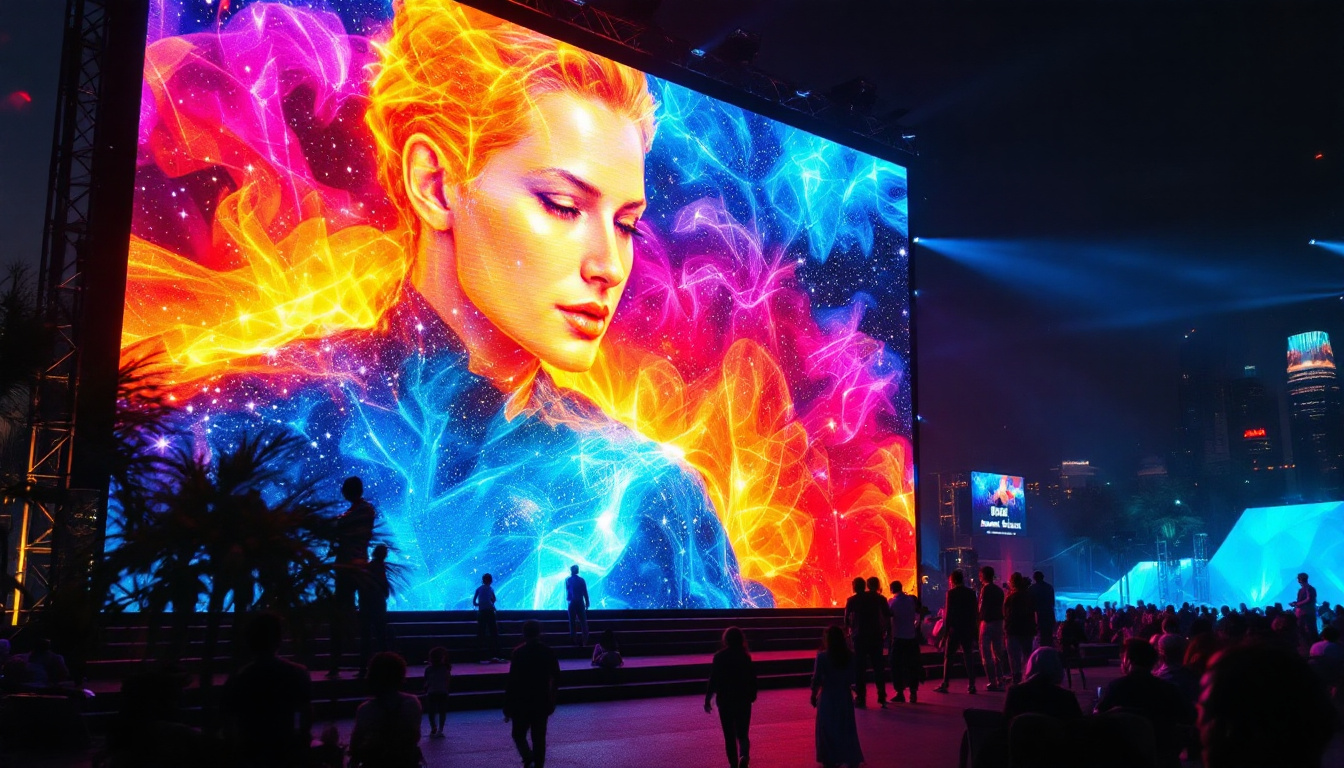
Stadiums and arenas employ massive LED screens to enhance the spectator experience with live game footage, replays, and interactive content. These displays must combine high brightness and resolution with durability to withstand outdoor conditions and large crowds.
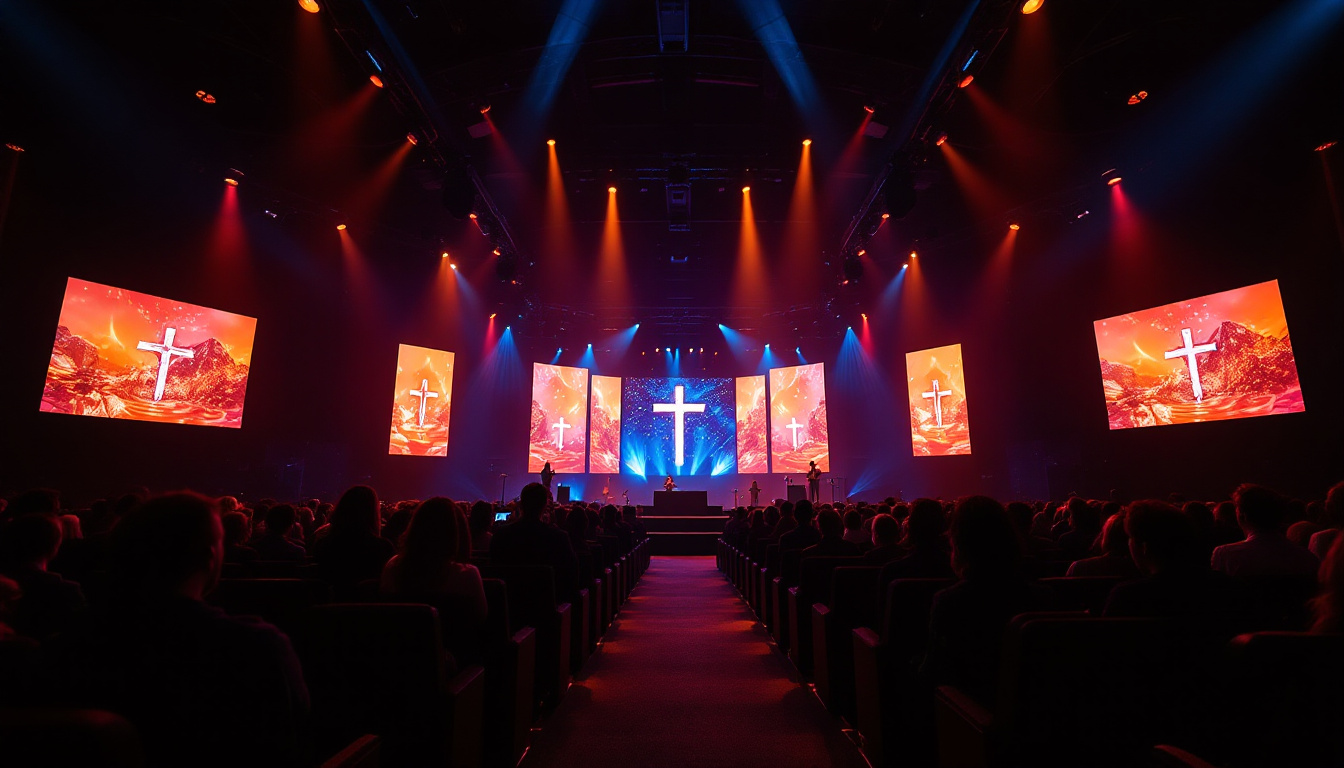
Concerts and theaters use LED walls and backdrops to create dynamic visual effects, adding depth and excitement to performances.
Advantages of LED Displays Over Traditional Signage
Brightness and Visibility
One of the most significant advantages of LED displays is their superior brightness. LEDs can achieve luminance levels exceeding 5,000 nits, making them easily readable even in direct sunlight. This contrasts with LCD or printed signage, which can struggle with glare and fading.
Energy Efficiency and Longevity
LED technology is highly energy-efficient compared to incandescent or fluorescent lighting. LEDs consume less power and generate less heat, reducing operational costs. Additionally, LED displays typically have a lifespan of 50,000 to 100,000 hours, translating to years of reliable service with minimal maintenance.
Dynamic and Flexible Content
Unlike static signs, LED displays allow for real-time content updates and animations. This flexibility enables businesses to tailor messages instantly, respond to market trends, and run multiple campaigns on a single screen. The ability to schedule content and integrate with data feeds further enhances their utility.
Durability and Weather Resistance
Outdoor LED displays are designed to withstand harsh weather conditions, including rain, snow, and extreme temperatures. Their robust construction and protective coatings ensure longevity and consistent performance, making them a dependable choice for long-term installations.
Considerations When Choosing an LED Display
Pixel Pitch and Resolution
Determining the right pixel pitch is crucial for achieving optimal image quality. For indoor applications where viewers are close to the screen, a pixel pitch of 1.5mm to 4mm is recommended. For outdoor displays viewed from a distance, pitches of 10mm or higher are generally sufficient.
Brightness and Viewing Angle
Brightness should be matched to the installation environment. Outdoor screens require higher brightness levels to combat sunlight, while indoor screens can operate at lower levels to reduce eye strain. Viewing angle also matters; wider angles ensure visibility from different positions.
Installation and Maintenance
Consider the installation location and structural support needed for the LED display. Modular designs facilitate easier installation and maintenance, allowing individual panels to be replaced without dismantling the entire screen. Accessibility for routine cleaning and repairs should also be planned.
Control Systems and Software
Effective content management relies on user-friendly control software. Many LED displays come with platforms that support scheduling, remote updates, and integration with external data sources. Selecting a system that aligns with operational needs can enhance the overall value of the display.
The Future of LED Signage Displays
Technological Innovations
Advancements in LED technology continue to push the boundaries of what signage displays can achieve. MicroLED and miniLED technologies promise even higher resolutions, better color accuracy, and improved energy efficiency. Transparent and flexible LED displays are opening new possibilities for architectural integration and creative design.
Integration with Smart Technologies
The rise of the Internet of Things (IoT) and artificial intelligence (AI) is transforming LED signage into interactive and adaptive platforms. Smart LED displays can analyze audience demographics, adjust content dynamically, and provide personalized experiences, enhancing engagement and effectiveness.
Sustainability and Environmental Impact
As sustainability becomes a priority, LED displays are being designed with eco-friendly materials and energy-saving features. Recycling programs and longer product lifecycles contribute to reducing the environmental footprint of digital signage.
Conclusion
LED displays have fundamentally changed the landscape of signage, offering unparalleled brightness, flexibility, and durability. Their ability to deliver dynamic, high-impact content makes them an indispensable tool for advertising, retail, public communication, and entertainment.
When selecting an LED display, understanding the technical specifications and application requirements ensures the best results. As technology evolves, LED signage will continue to innovate, providing exciting opportunities for businesses to connect with their audiences in meaningful and memorable ways.
Discover LumenMatrix’s Innovative LED Solutions
Ready to elevate your visual communication with cutting-edge LED technology? LumenMatrix offers a comprehensive range of LED display solutions tailored to meet your unique needs. From Indoor and Outdoor LED Walls to specialized displays for vehicles, sports, and custom applications, our products are designed to captivate and engage your audience. Experience the future of signage with our All-in-One LED Displays and LED Transparent Displays that blend seamlessly into any environment. Don’t miss the opportunity to transform your space with high-impact visuals. Check out LumenMatrix LED Display Solutions today and see your brand in a new light!