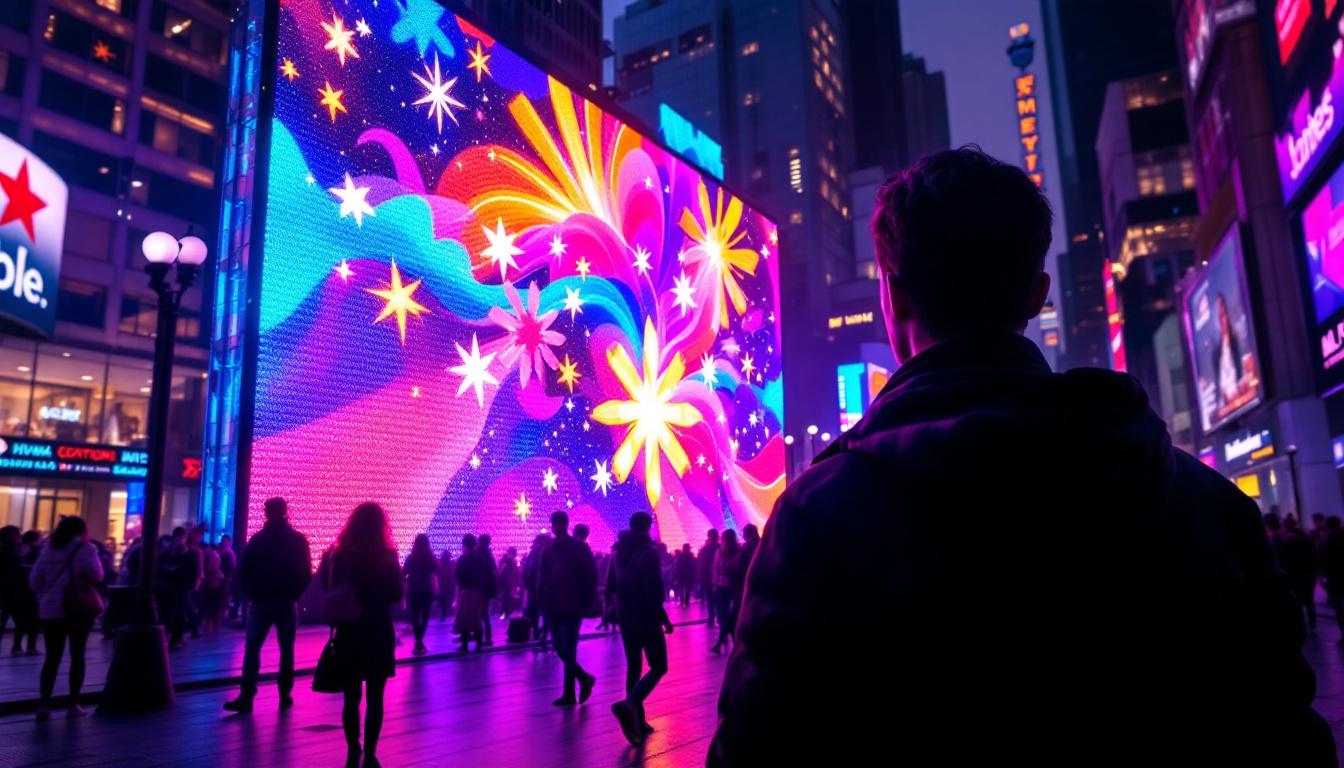
In today’s digital age, LED displays have become an integral part of how information and visuals are presented across various industries. From massive outdoor billboards to indoor video walls and even wearable tech, LED technology continues to evolve, offering brighter, more vibrant, and energy-efficient solutions. One key concept that often arises in discussions about LED displays is the “N pixel” or pixel pitch, which plays a critical role in determining display quality and viewing experience.
Understanding LED Displays: The Basics
Light Emitting Diode (LED) displays are screens composed of many tiny light sources called pixels. Each pixel consists of one or more LEDs that emit light when an electric current passes through them. Unlike traditional LCD or plasma screens, LED displays can produce their own light, resulting in higher brightness levels and better contrast ratios.
LED displays are widely used for digital signage, sports arenas, concerts, retail environments, and public information systems. Their modular design allows for customization in size and resolution, making them versatile for both indoor and outdoor applications.
What Is a Pixel in LED Displays?
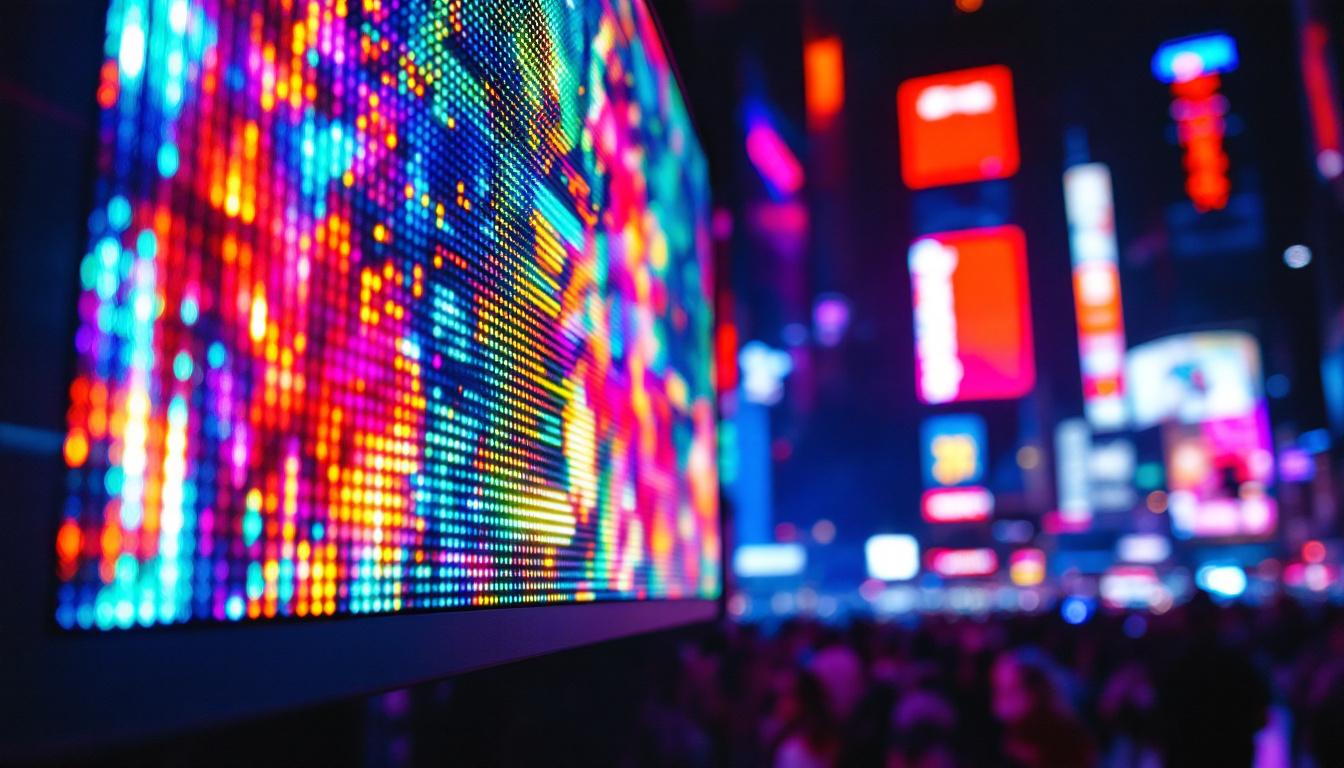
A pixel, short for “picture element,” is the smallest controllable unit of a digital image or display. In LED displays, each pixel typically consists of three LEDs—red, green, and blue—that combine to produce a full spectrum of colors through varying intensities. The quality of an LED display largely depends on the number of pixels it contains and how closely these pixels are spaced.
The Role of Pixel Pitch (N Pixel)
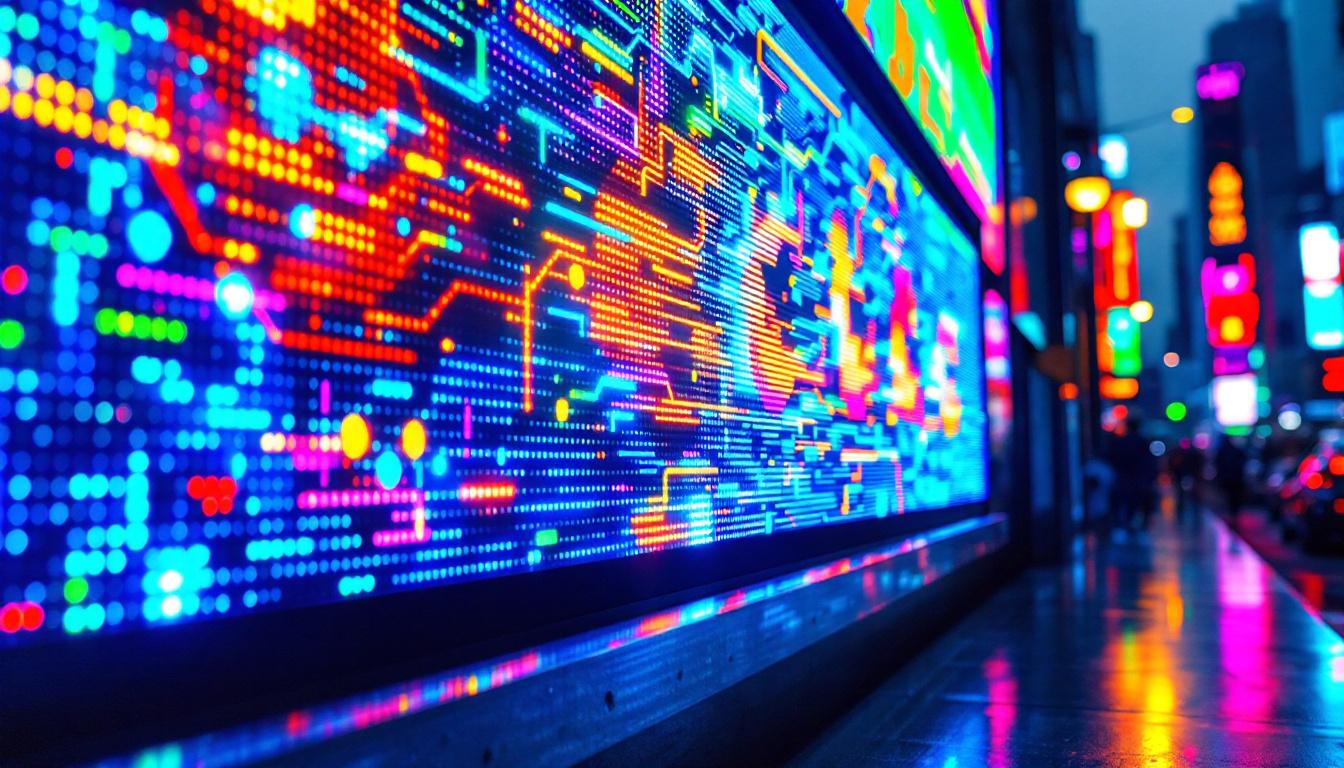
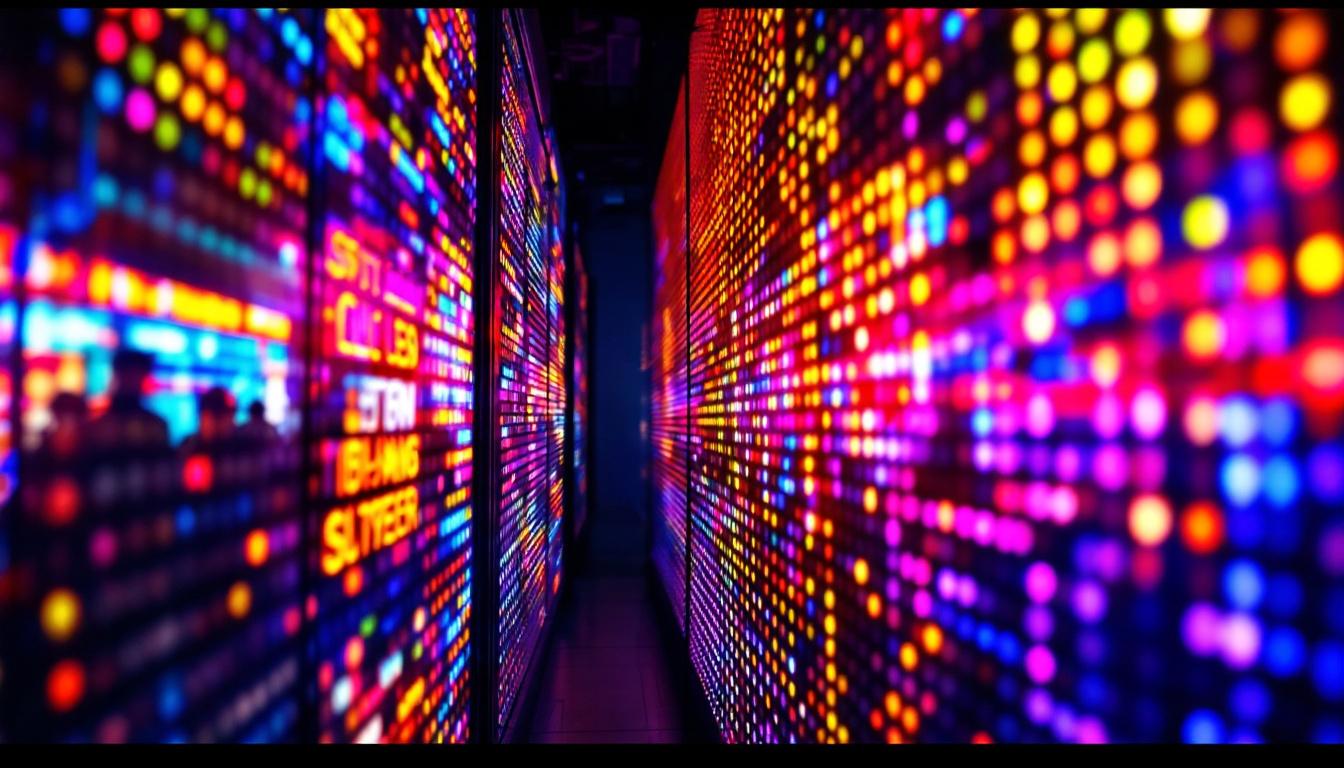
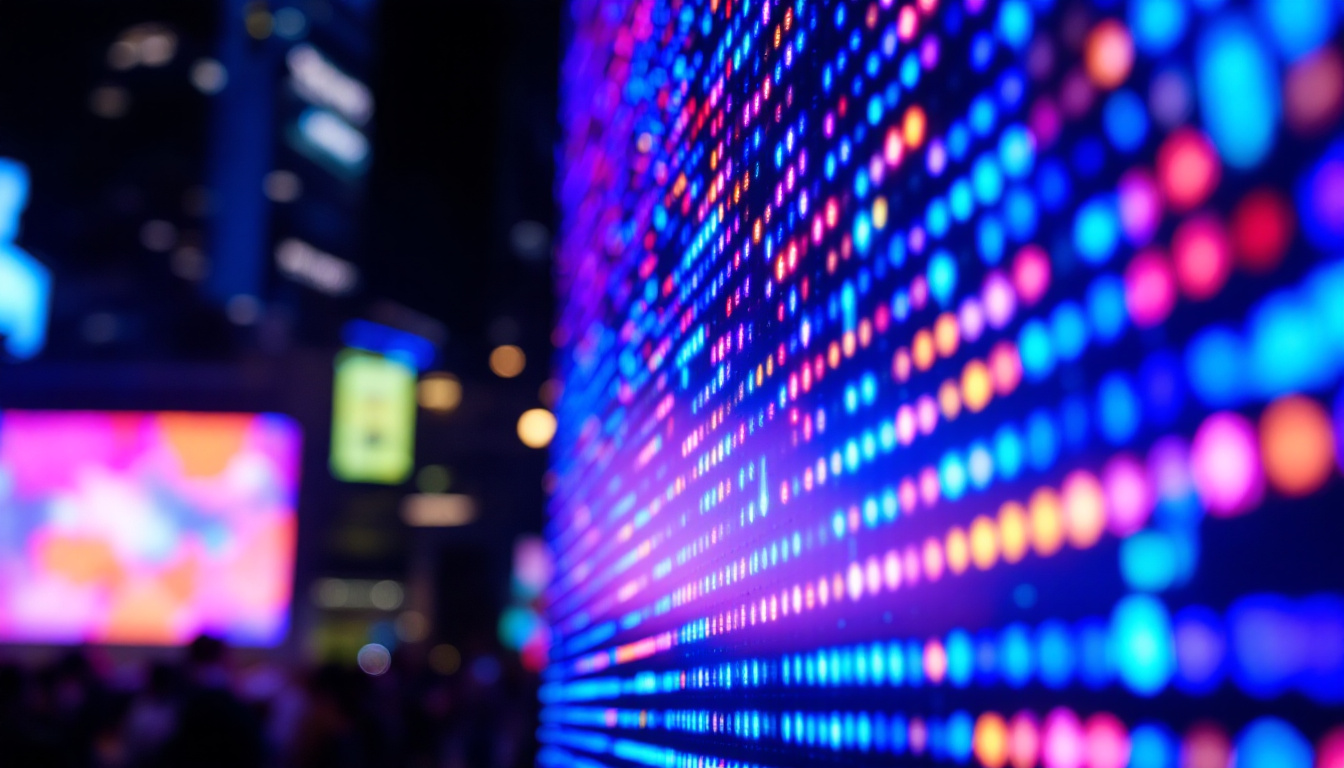
Pixel pitch, often denoted as “N pixel,” refers to the distance in millimeters between the centers of two adjacent pixels. This measurement is crucial because it directly affects the resolution and clarity of the display. A smaller pixel pitch means pixels are packed closer together, resulting in higher resolution and finer image detail.
For example, an LED display with a pixel pitch of 1.5 mm will have much sharper images than one with a 10 mm pitch, especially when viewed up close. Conversely, larger pixel pitches are suitable for displays viewed from a distance, such as highway billboards or stadium screens.
How Pixel Pitch Influences LED Display Performance
Choosing the right pixel pitch is essential for optimizing an LED display’s performance based on its intended use and viewing distance. Several factors come into play when considering pixel pitch, including resolution, viewing distance, brightness, and cost.
Resolution and Image Quality
The resolution of an LED display is determined by the total number of pixels it contains. A display with a smaller pixel pitch can fit more pixels into the same physical area, resulting in higher resolution and more detailed images. This is particularly important for applications requiring close-up viewing, such as retail displays, control rooms, or indoor advertising.
For instance, a 4K LED video wall designed for indoor use might have a pixel pitch as low as 1.2 mm, offering crisp visuals and smooth video playback. On the other hand, a large outdoor billboard with a pixel pitch of 16 mm will appear clear and legible from hundreds of feet away but would look pixelated if viewed up close.
Viewing Distance Considerations
One of the most important guidelines when selecting pixel pitch is the optimal viewing distance. The general rule is that the minimum viewing distance (in meters) should be approximately equal to the pixel pitch (in millimeters) multiplied by a factor of 1 to 3. For example, a display with a 5 mm pixel pitch is best viewed from 5 to 15 meters away.
This ensures that the human eye perceives a smooth, continuous image rather than individual pixels. Displays with very fine pixel pitches are designed for close-range viewing, while those with larger pitches are intended for distant viewing. Understanding this relationship helps prevent overspending on unnecessarily high-resolution displays or underspending on displays that won’t meet clarity requirements.
Brightness and Environmental Impact
Pixel pitch also influences the brightness and power consumption of an LED display. Larger pixel pitches generally mean larger LEDs that can emit more light, making them suitable for outdoor environments with high ambient light levels. Outdoor LED displays often have brightness levels exceeding 5,000 nits to remain visible in direct sunlight.
Indoor LED displays, with smaller pixel pitches, typically operate at lower brightness levels (around 800 to 1,500 nits), which is sufficient for controlled lighting environments and helps reduce power consumption and heat generation.
Cost Implications
Displays with smaller pixel pitches are more expensive to manufacture due to the higher density of LEDs and more complex electronics required. Additionally, installation and maintenance costs may increase with finer pixel pitches because of the precision needed in assembly and calibration.
Therefore, selecting the appropriate pixel pitch based on application and viewing distance helps balance performance and budget. For example, a retail store might invest in a 2 mm pitch LED wall for close-up customer engagement, while a sports stadium might opt for a 10 mm pitch display to cover large areas visible from the stands.
Applications of N Pixel LED Displays Across Industries
The versatility of LED displays with varying pixel pitches has led to their widespread adoption across many sectors. Understanding how pixel pitch aligns with specific use cases can help businesses and organizations make informed decisions.
Advertising and Digital Signage
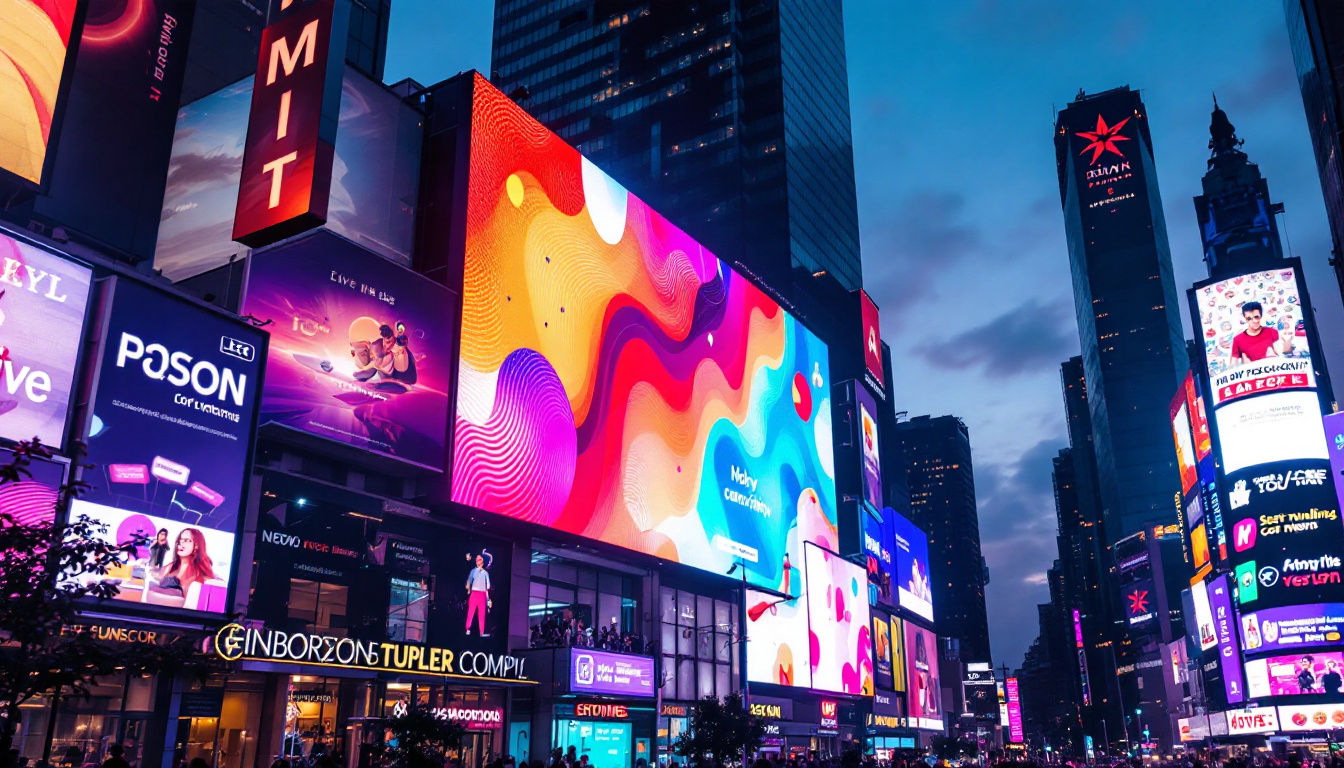
Outdoor advertising relies heavily on LED displays with larger pixel pitches, typically ranging from 8 mm to 20 mm. These displays are designed to be viewed from long distances, such as highways or city streets, where visibility and brightness are paramount.
Indoor digital signage, such as in shopping malls or airports, often uses smaller pixel pitches (2 mm to 4 mm) to deliver high-resolution content that attracts and engages viewers at close range. The ability to display dynamic, colorful content makes LED signage a powerful marketing tool.
Sports and Entertainment Venues
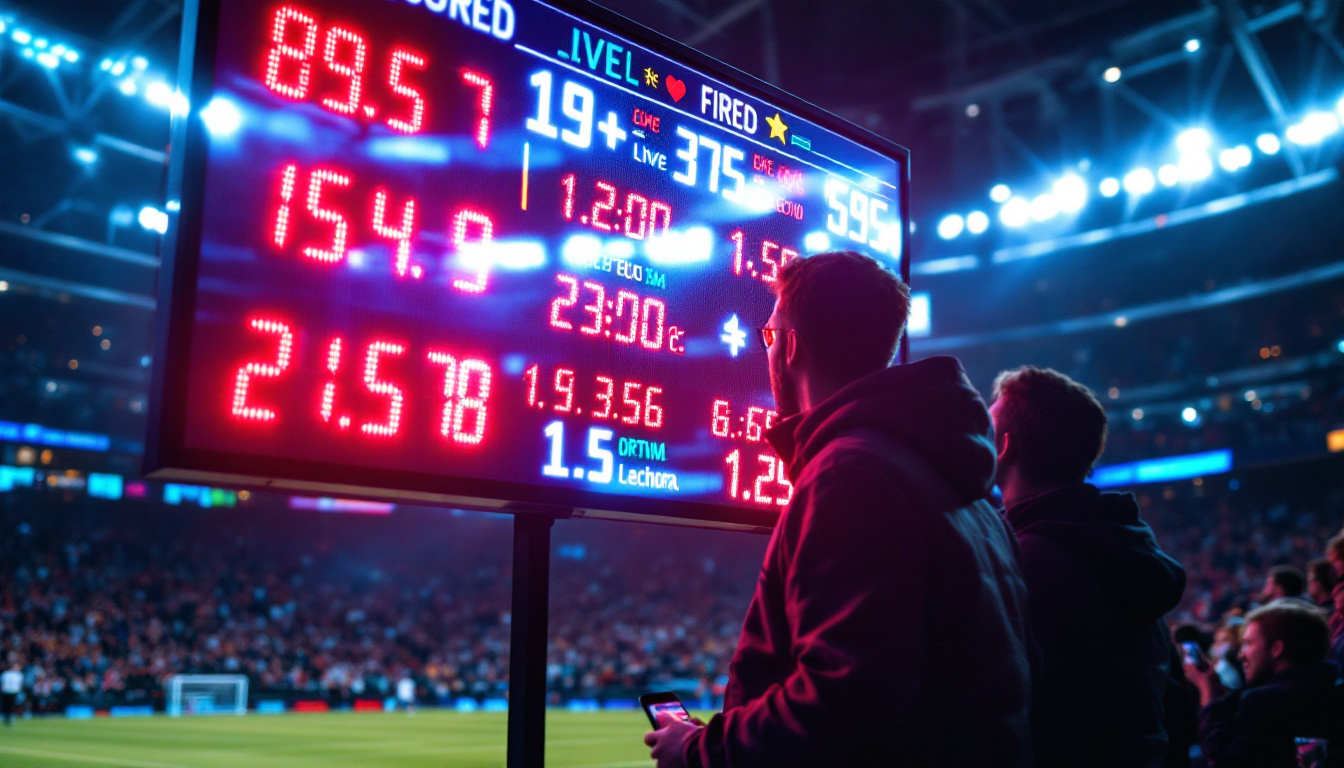
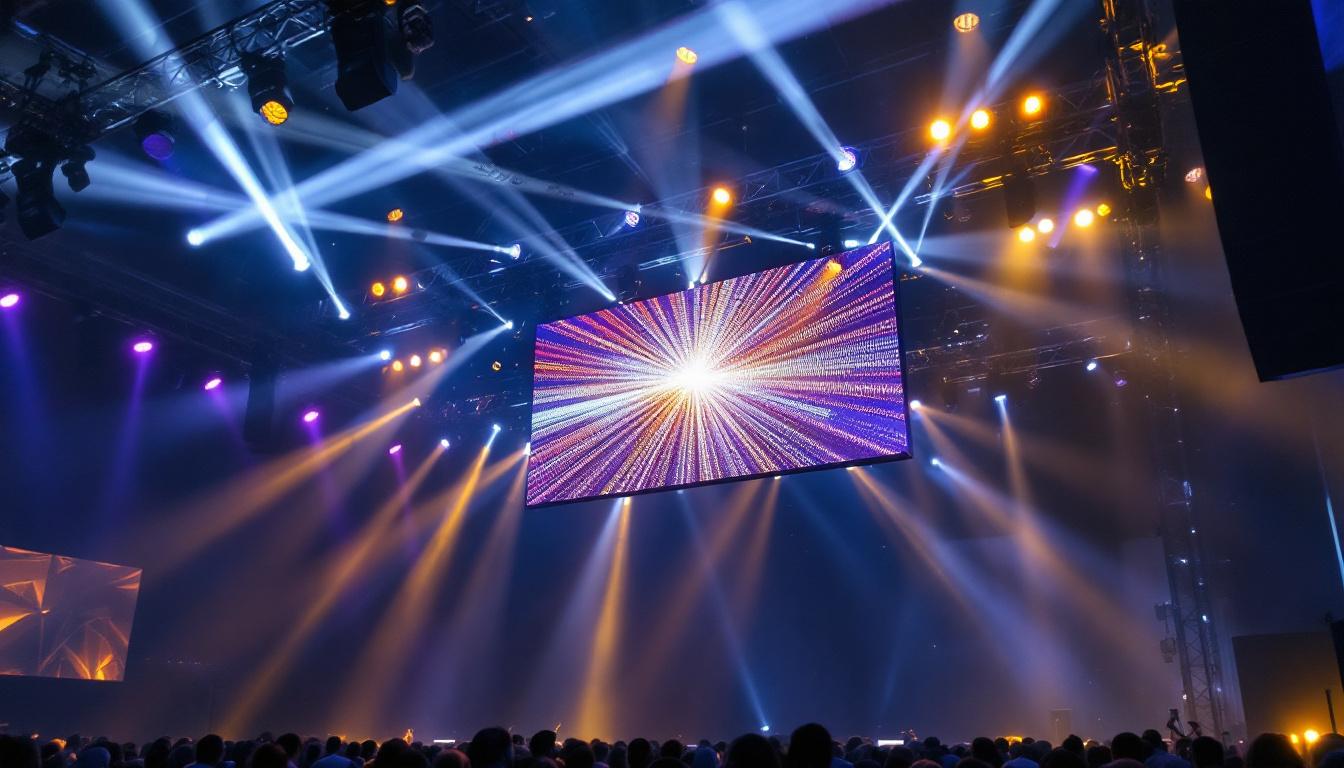
Sports arenas and concert venues utilize LED displays extensively for scoreboards, video walls, and advertising panels. Pixel pitches in these environments vary widely depending on the size of the venue and typical viewing distances.
For example, a large stadium screen might have a pixel pitch of 10 mm or higher, ensuring visibility from the upper tiers, while smaller indoor arenas might use 4 mm pitch screens for closer audience proximity. High refresh rates and color accuracy are also critical in these applications to deliver smooth, vibrant visuals.
Corporate and Control Rooms
In corporate settings, LED video walls with fine pixel pitches (1.2 mm to 2.5 mm) are used for presentations, data visualization, and collaboration. Control rooms, such as those in utilities, transportation, and security, require high-resolution displays to monitor complex data and video feeds accurately.
The clarity provided by small pixel pitch LED walls enhances decision-making and operational efficiency, making them indispensable in mission-critical environments.
Retail and Hospitality
Retail environments leverage LED displays to create immersive customer experiences, from interactive product showcases to digital art installations. Pixel pitches between 1.5 mm and 3 mm are common, balancing image quality with cost-effectiveness.
Hotels and restaurants use LED displays for branding, wayfinding, and entertainment, often opting for sleek, high-resolution panels that blend seamlessly with interior design.
Future Trends in LED Display Technology
As LED technology advances, the concept of pixel pitch continues to evolve, driven by innovations in miniaturization, materials, and manufacturing processes.
MicroLED and Smaller Pixel Pitches
MicroLED technology represents the next frontier in LED displays, featuring even smaller pixels—sometimes below 1 mm pitch. These displays promise unparalleled brightness, contrast, and energy efficiency, suitable for everything from smartphones to large-scale video walls.
MicroLEDs offer the advantage of self-emissive pixels without the burn-in issues associated with OLED displays, making them highly durable and long-lasting.
Flexible and Transparent LED Displays
Emerging flexible and transparent LED displays open new possibilities for creative installations and architectural integration. These displays often use customized pixel pitches to maintain image quality while conforming to curved surfaces or allowing see-through effects.
Applications include augmented reality interfaces, automotive displays, and innovative retail signage that blends digital content with physical environments.
Improved Energy Efficiency and Sustainability
With growing emphasis on sustainability, LED manufacturers are focusing on reducing power consumption and using eco-friendly materials. Advances in pixel design and driving electronics contribute to lower energy use without compromising brightness or color accuracy.
Energy-efficient LED displays not only reduce operational costs but also align with corporate social responsibility goals and regulatory requirements.
Choosing the Right N Pixel LED Display: Key Considerations
Selecting the optimal LED display involves more than just pixel pitch. A holistic approach ensures the display meets technical requirements, budget constraints, and user expectations.
Assess Viewing Distance and Environment
Start by analyzing where and how the display will be viewed. Consider ambient lighting, typical viewer distance, and whether the display will be used indoors or outdoors. This information guides the selection of pixel pitch and brightness levels.
Determine Resolution and Content Needs
Identify the type of content to be displayed—static images, video, text, or interactive media. Higher resolution displays with smaller pixel pitches are necessary for detailed graphics and close viewing, while simpler content may be adequately served by larger pixel pitches.
Evaluate Budget and Maintenance
Balance the desired performance with available budget. Remember that finer pixel pitch displays are more costly upfront and may require more specialized maintenance. Factor in installation complexity and potential future upgrades.
Consider Vendor Expertise and Support
Partnering with experienced LED display manufacturers and installers ensures quality products and reliable service. Look for vendors offering warranties, technical support, and customization options to tailor the display to specific needs.
Conclusion
The “N pixel” or pixel pitch is a fundamental concept in understanding LED display technology. It directly influences image resolution, viewing experience, brightness, and cost. By carefully considering pixel pitch in relation to viewing distance, environment, and application, businesses can select LED displays that deliver impactful visuals and maximize return on investment.
As LED technology continues to advance, with innovations like MicroLED and flexible displays on the horizon, the possibilities for dynamic, high-quality digital signage and visual communication are expanding rapidly. Staying informed about pixel pitch and related factors empowers decision-makers to harness the full potential of LED displays in their projects.
Discover the Future of Visual Communication with LumenMatrix
Ready to elevate your visual storytelling and captivate your audience like never before? Explore LumenMatrix’s comprehensive range of LED display solutions, where innovation meets excellence. From vibrant Indoor and Outdoor LED Wall Displays to versatile Vehicle and Sports LED Displays, our products are designed to make your brand shine. Experience the revolution in digital signage with our Custom, All-in-One, and Transparent LED Displays, each crafted to deliver maximum impact. Don’t just share your message—make it unforgettable. Check out LumenMatrix LED Display Solutions today and join the forefront of LED display technology.