In today’s digital age, LED displays have become ubiquitous—from massive outdoor billboards to indoor digital signage and home entertainment systems. However, one critical factor that often goes overlooked is the optimal viewing distance. Understanding how far a viewer should ideally be from an LED display can significantly enhance visual clarity, reduce eye strain, and maximize the overall viewing experience.
This article delves into the concept of viewing distance for LED displays, explains the technology behind these screens, and introduces the importance of using a viewing distance calculator. Whether you’re a business owner planning a digital signage installation, an event organizer, or a consumer shopping for a new LED TV, this guide will provide you with the knowledge needed to make informed decisions.
Understanding LED Display Technology
LED, or Light Emitting Diode, displays are a type of flat panel display that use an array of LEDs as pixels for a video display. Unlike traditional LCDs that rely on backlighting, LED displays emit their own light, which contributes to higher brightness levels, better contrast ratios, and improved energy efficiency.
There are two main types of LED displays: direct view LED (DVLED) and LED-backlit LCD. Direct view LED displays consist of thousands of tiny LEDs that form the image directly on the screen and are commonly used in large-scale outdoor and indoor signage. LED-backlit LCDs, on the other hand, use LEDs to illuminate an LCD panel and are typical in consumer televisions and monitors.
The pixel pitch—defined as the distance from the center of one LED cluster to the center of the next—is a crucial specification in LED displays. It determines the resolution and image sharpness. Smaller pixel pitches yield higher resolution and are suitable for close viewing, while larger pitches are ideal for long-distance viewing, such as billboards.
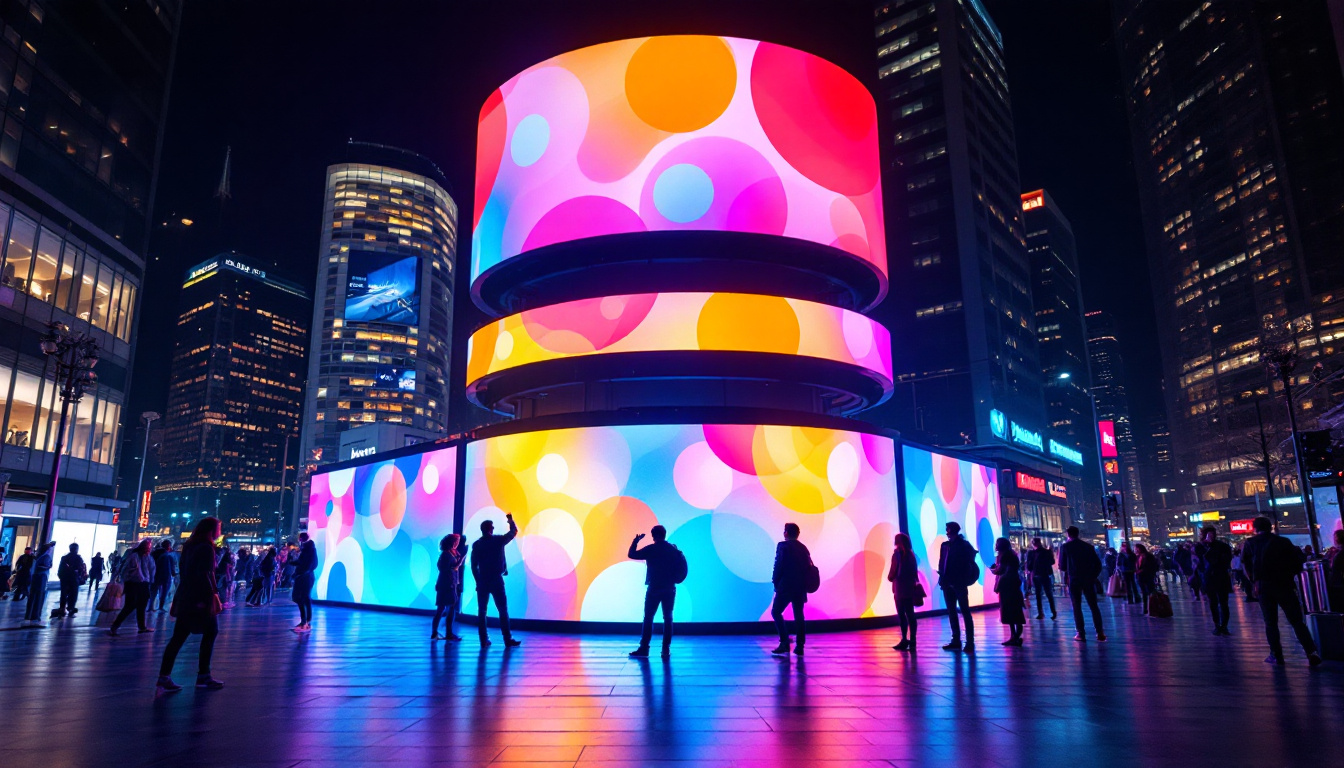
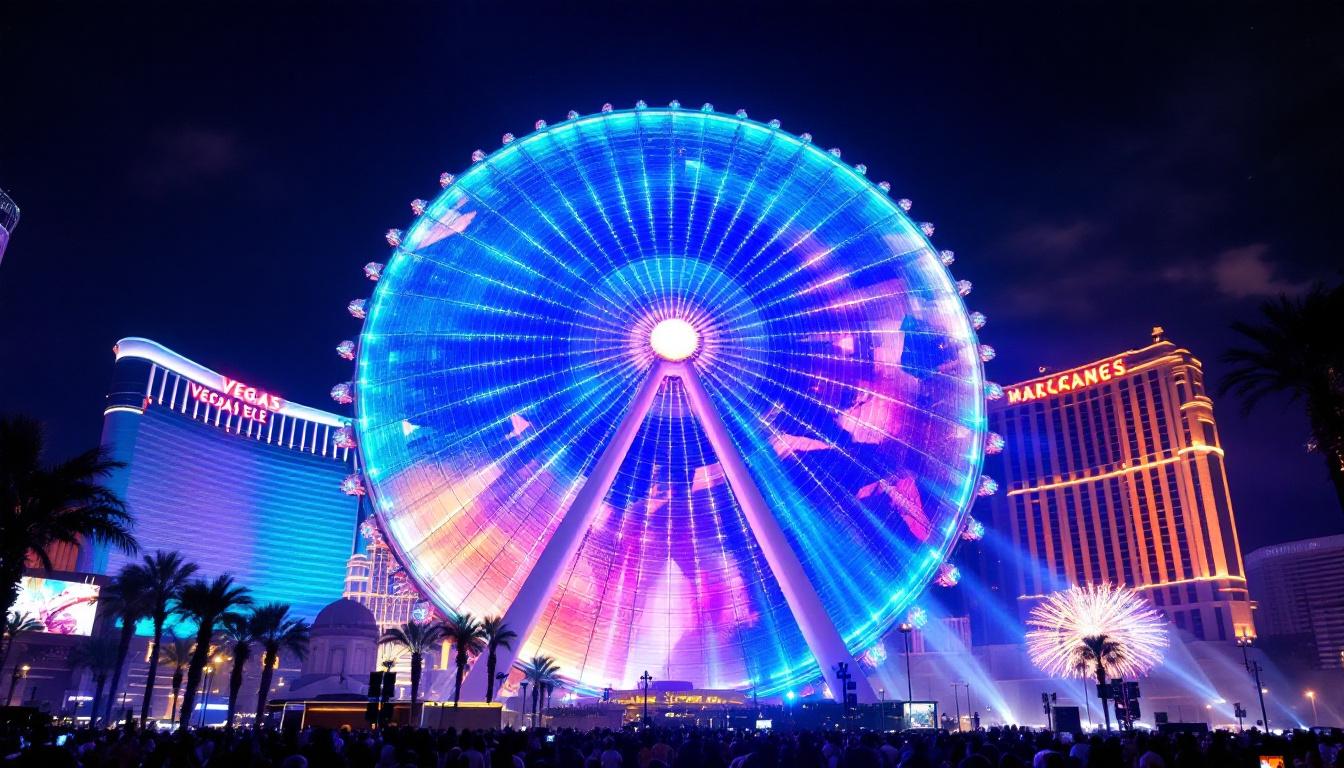
The versatility of LED technology extends beyond mere display applications. For instance, in the realm of architectural design, LED displays are increasingly being integrated into building facades, allowing for dynamic lighting effects that can change the aesthetic of a structure throughout the day and night. This not only enhances the visual appeal but also serves functional purposes, such as providing information or advertising in a captivating manner. Furthermore, the durability of LED displays makes them an excellent choice for outdoor environments, where they can withstand harsh weather conditions while maintaining their vibrant colors and functionality.
Moreover, the advancements in LED technology have led to the emergence of innovative applications such as transparent LED displays, which allow for a unique blend of digital content and real-world environments. These displays can be used in retail settings to create immersive shopping experiences, enabling brands to showcase products in a visually striking way without obstructing the view of the store. As technology continues to evolve, the potential for LED displays to transform various industries—from entertainment to advertising—remains vast, promising an exciting future for visual communication.
Why Viewing Distance Matters for LED Displays
Viewing distance is the physical space between the viewer’s eyes and the LED display. It plays a vital role in how the human eye perceives the image quality, color accuracy, and overall comfort. Sitting too close to an LED display with a large pixel pitch can cause the image to appear pixelated or blurry. Conversely, sitting too far from a high-resolution display may result in missing out on the finer details.
For businesses using LED displays in retail, advertising, or events, the right viewing distance ensures that the message is communicated clearly and effectively. For home users, it affects immersion and reduces eye fatigue during extended viewing sessions.
Moreover, incorrect viewing distances can lead to unnecessary costs. For example, purchasing a high-resolution LED display with a very small pixel pitch when the viewers will be far away is often an inefficient investment. Conversely, installing a lower-resolution display intended for long-distance viewing in a close-up environment can degrade the user experience.
How to Calculate Optimal Viewing Distance
The optimal viewing distance depends primarily on the pixel pitch of the LED display and the resolution of the content being displayed. Several formulas and guidelines exist to help determine this distance, but the most commonly used approach involves the relationship between pixel pitch and human visual acuity.
Pixel Pitch and Visual Acuity
Human visual acuity is typically measured in arc minutes, with the average person able to distinguish details as small as one arc minute (1/60th of a degree). Using this, one can calculate the minimum viewing distance at which individual pixels become indistinguishable, resulting in a seamless image.
The formula to estimate the minimum viewing distance (D) in meters is:
D = (Pixel Pitch in mm) / (0.3)
This formula is derived from the fact that at approximately 0.3 millimeters per arc minute, the human eye cannot resolve individual pixels beyond this distance.
Practical Example
Consider an LED display with a pixel pitch of 5 mm. Applying the formula:
D = 5 / 0.3 ≈ 16.7 meters
This means viewers should ideally be at least 16.7 meters away to perceive a smooth, high-quality image without noticing individual pixels.
For indoor displays with smaller pixel pitches—say 1.2 mm—the minimum viewing distance would be approximately 4 meters, making them suitable for close proximity viewing such as conference rooms or retail stores.
Maximum Viewing Distance
While minimum viewing distance ensures pixel clarity, maximum viewing distance is equally important to maintain image visibility and impact. Beyond a certain distance, the image may appear too small or details too faint to be effective.
As a rule of thumb, the maximum viewing distance is often considered to be about 10 to 15 times the height of the LED display. For example, a 2-meter tall display would be effective up to 20 to 30 meters away.
Using a Viewing Distance Calculator
With the variables involved—pixel pitch, screen size, resolution, and human visual acuity—calculating the ideal viewing distance manually can be complex. This is where viewing distance calculators come into play.
These online tools allow users to input key parameters such as pixel pitch, screen dimensions, and intended application to receive recommendations on optimal viewing distances. Many calculators also provide suggestions on suitable pixel pitches based on the expected viewing environment.
Benefits of Using a Calculator
- Accuracy: Ensures precise calculations based on scientific principles and human vision standards.
- Time-saving: Eliminates guesswork and speeds up the planning process.
- Cost-efficiency: Helps avoid over-specifying or under-specifying display requirements, optimizing investment.
- Customization: Allows users to tailor recommendations based on specific use cases, such as outdoor advertising or indoor presentations.
Key Inputs for Calculators
When using a viewing distance calculator, consider the following inputs:
- Pixel pitch (mm): The distance between LEDs on the display.
- Screen size (height and width): Physical dimensions of the LED screen.
- Resolution: Total pixels horizontally and vertically.
- Viewing environment: Indoor or outdoor, ambient lighting conditions.
- Audience size and placement: Typical distance and number of viewers.
Applications and Case Studies
Outdoor Advertising
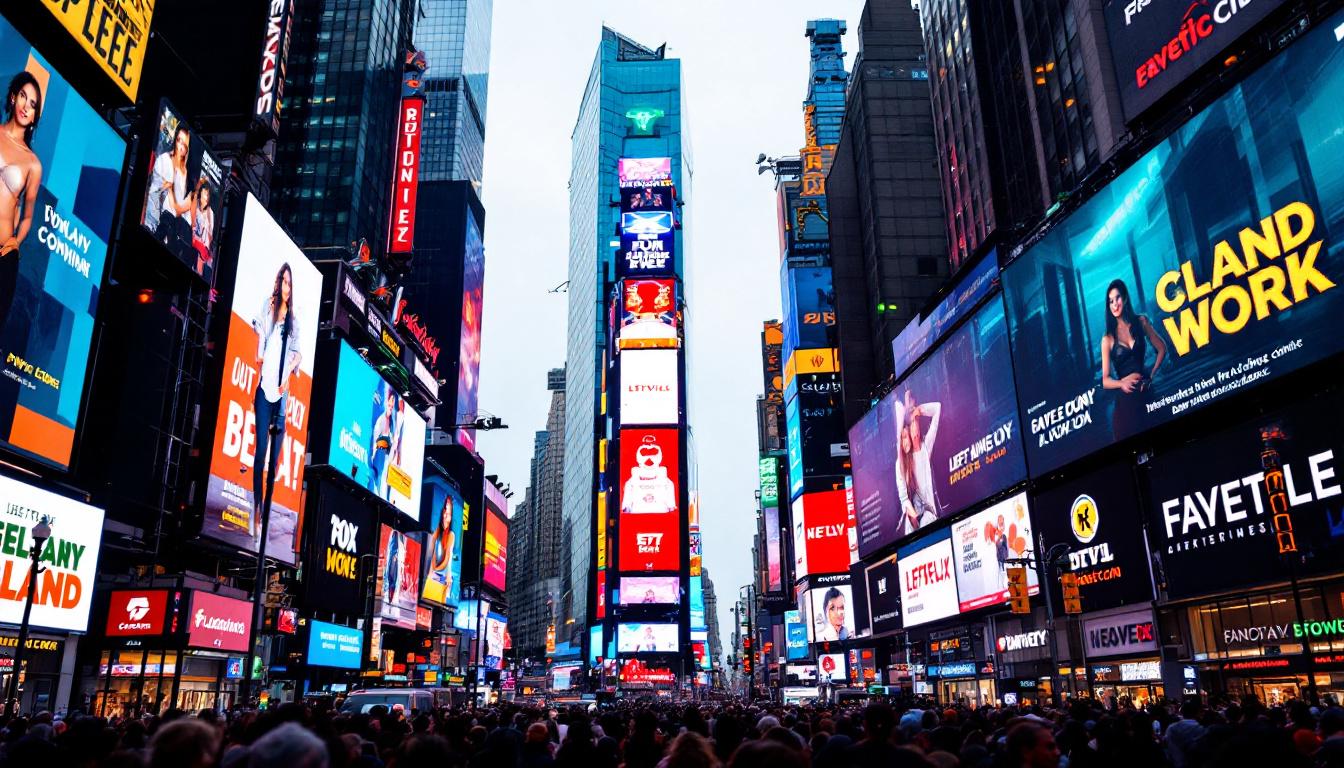
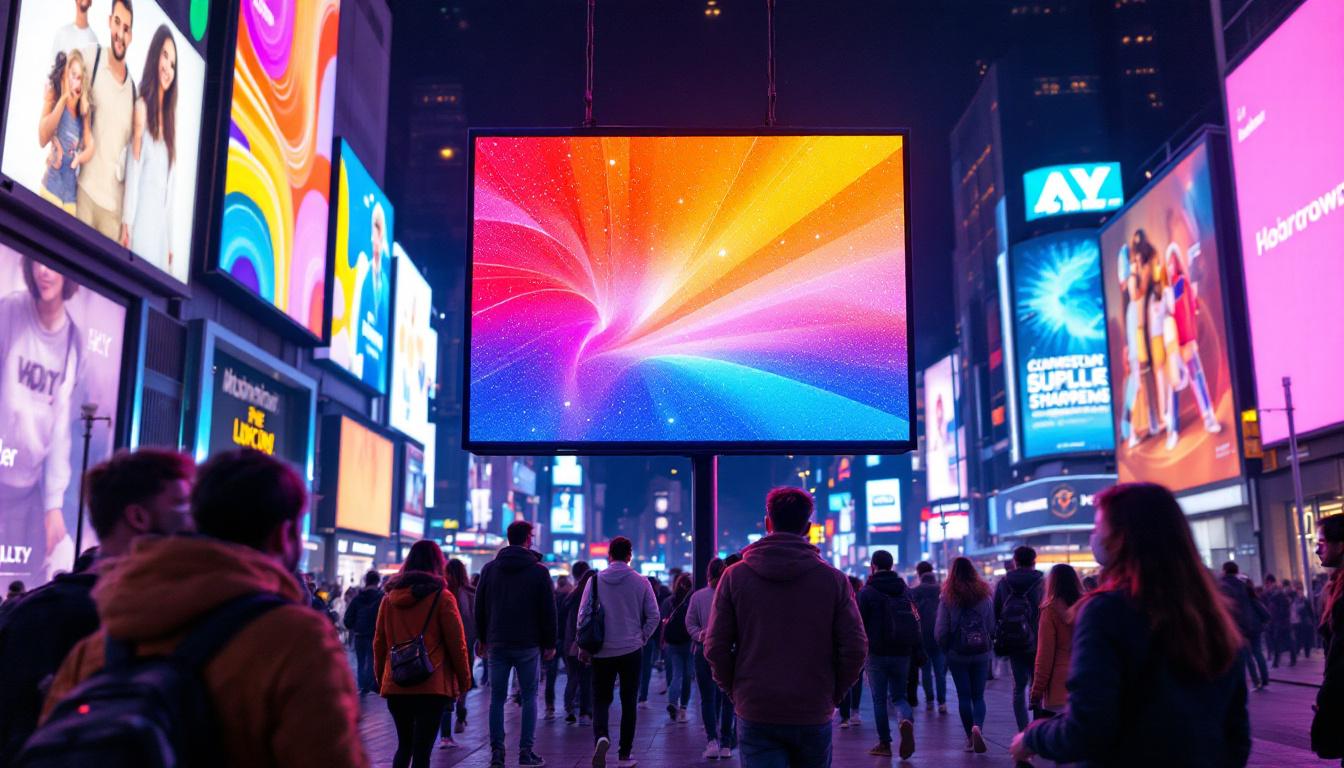
Large-scale outdoor LED billboards often have pixel pitches ranging from 10 mm to 20 mm or more. These displays are designed to be viewed from tens or even hundreds of meters away. For example, a 16 mm pixel pitch billboard installed along a highway is optimal for drivers viewing from 50 meters or more, ensuring the message is clear without excessive resolution that would drive up costs unnecessarily.
Retail and Event Spaces
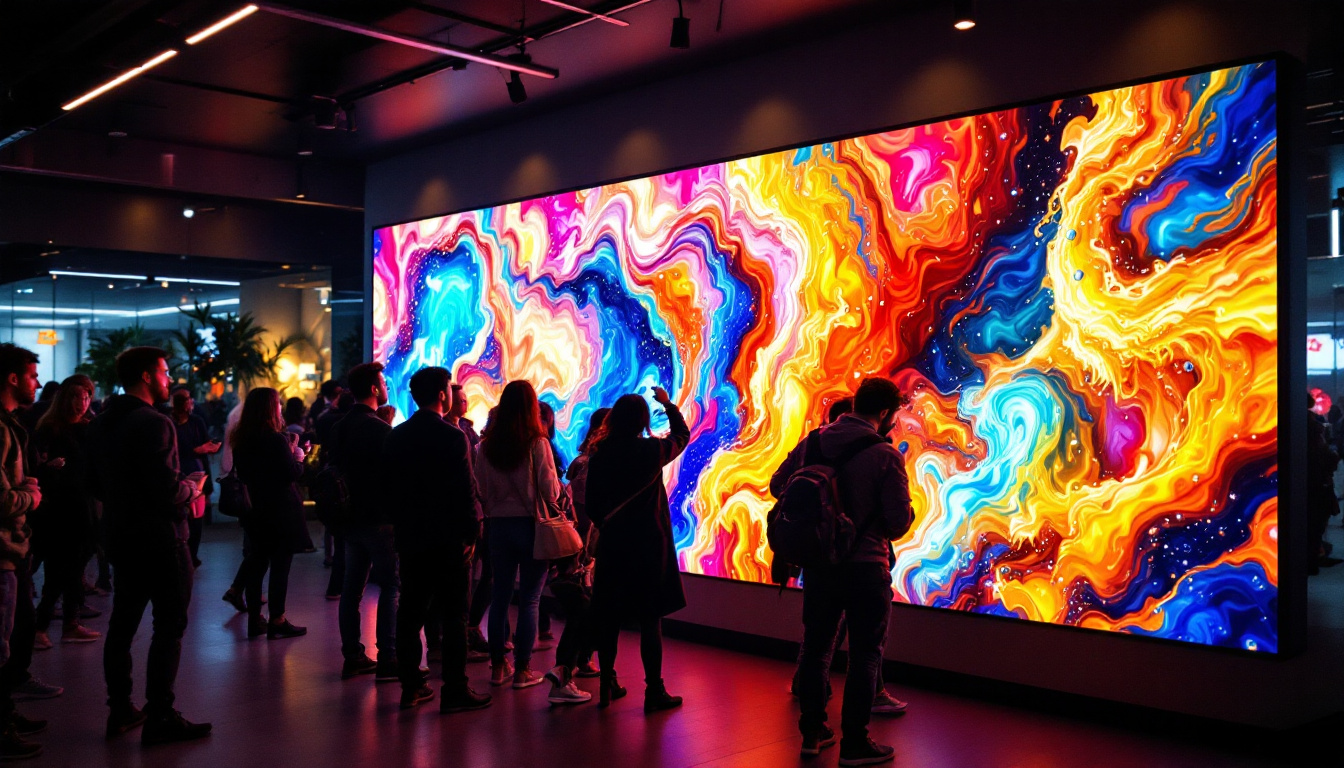
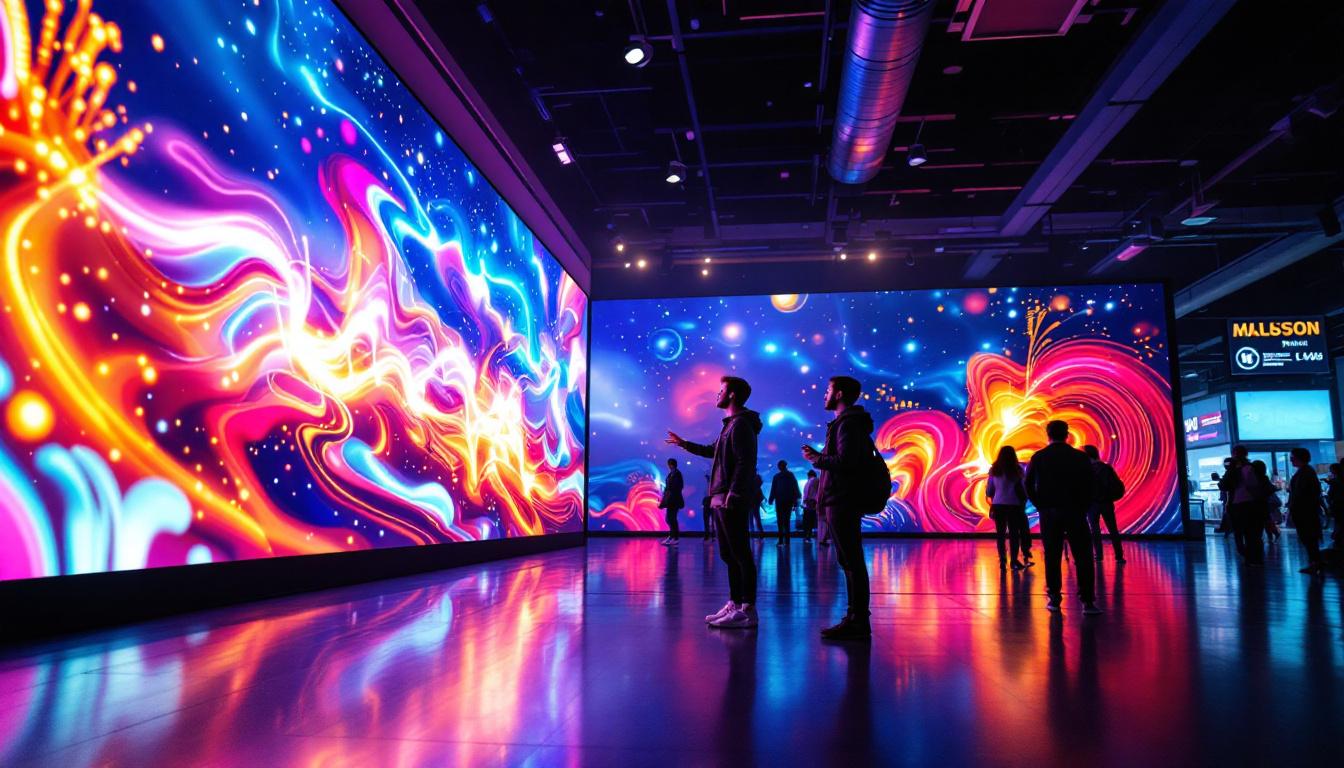
Indoor LED walls used in retail stores or event venues typically feature pixel pitches between 1.2 mm and 4 mm. These displays are viewed at closer distances, often between 2 to 10 meters. For instance, a retail store using a 2.5 mm pitch LED wall placed 3 meters from shoppers will deliver crisp visuals that attract attention and enhance brand messaging.
Home Entertainment
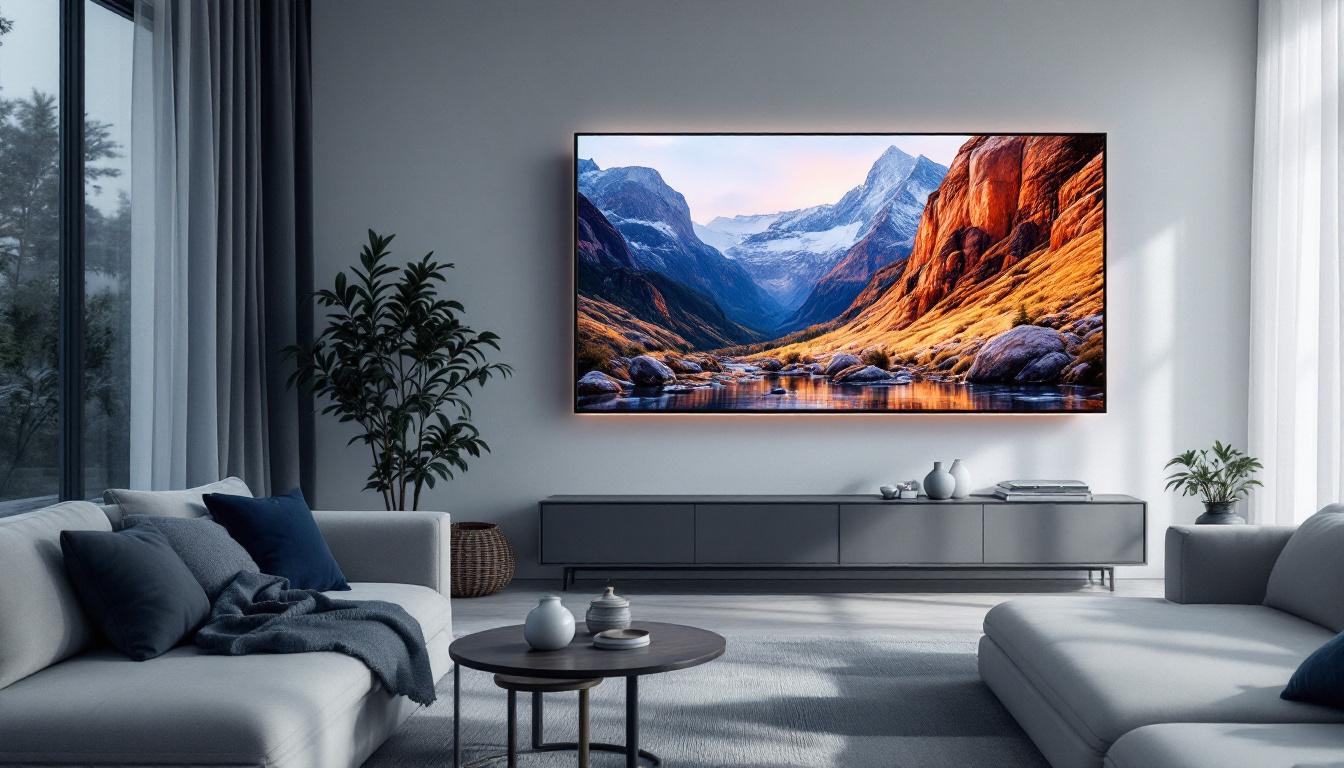
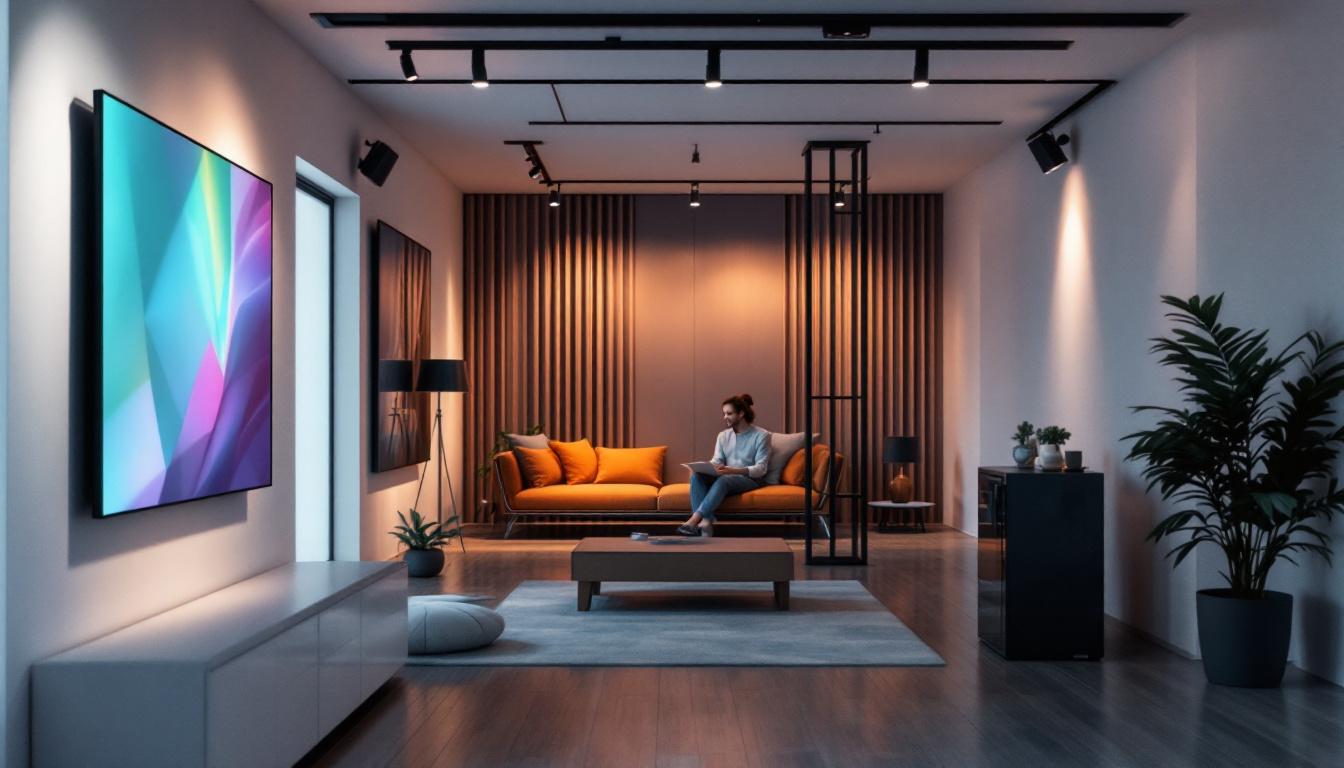
While LED TVs use LED-backlit LCD technology, the concept of viewing distance remains relevant. Manufacturers recommend sitting at a distance of about 1.5 to 2.5 times the diagonal screen size for optimal viewing. For a 65-inch LED TV, this translates to roughly 2.5 to 4 meters, balancing immersive experience with eye comfort.
Additional Considerations for Optimal Viewing
Ambient Lighting
Ambient lighting conditions significantly affect perceived image quality. LED displays are known for their high brightness levels, which help maintain visibility even in bright environments. However, excessive glare or reflections can reduce clarity. Positioning the display and adjusting brightness levels accordingly can improve the viewing experience.
Content Resolution and Quality
Displaying low-resolution content on a high-resolution LED display can negate the benefits of optimal viewing distance. Ensuring that content matches or exceeds the display’s native resolution is essential for sharp, vibrant images.
Viewing Angle
LED displays generally offer wide viewing angles, but image quality can degrade at extreme angles. Considering audience placement and ensuring the majority of viewers are within the optimal viewing cone enhances effectiveness.
Conclusion
Choosing the right viewing distance for an LED display is a critical step in maximizing its effectiveness and viewer satisfaction. By understanding the relationship between pixel pitch, resolution, and human visual acuity, users can select displays that deliver crisp, vibrant images tailored to their specific environment.
Utilizing viewing distance calculators simplifies this process, providing accurate recommendations that save time and money. Whether for outdoor advertising, indoor digital signage, or home entertainment, applying these principles ensures the best possible visual experience.
As LED technology continues to evolve with finer pixel pitches and higher resolutions, staying informed about viewing distance considerations will remain essential for anyone involved in selecting or deploying LED displays.
Discover LumenMatrix LED Display Solutions
Ready to elevate your visual experience with the perfect LED display? LumenMatrix is at the forefront of LED technology, offering a wide array of innovative solutions tailored to your needs. From captivating Indoor and Outdoor LED Wall Displays to dynamic Vehicle and Sports LED Displays, and even customizable options like Floor and Transparent LED Displays, we have everything to bring your vision to life. Embrace the future of visual communication with LumenMatrix and create unforgettable impressions. Check out LumenMatrix LED Display Solutions today and see the difference for yourself.