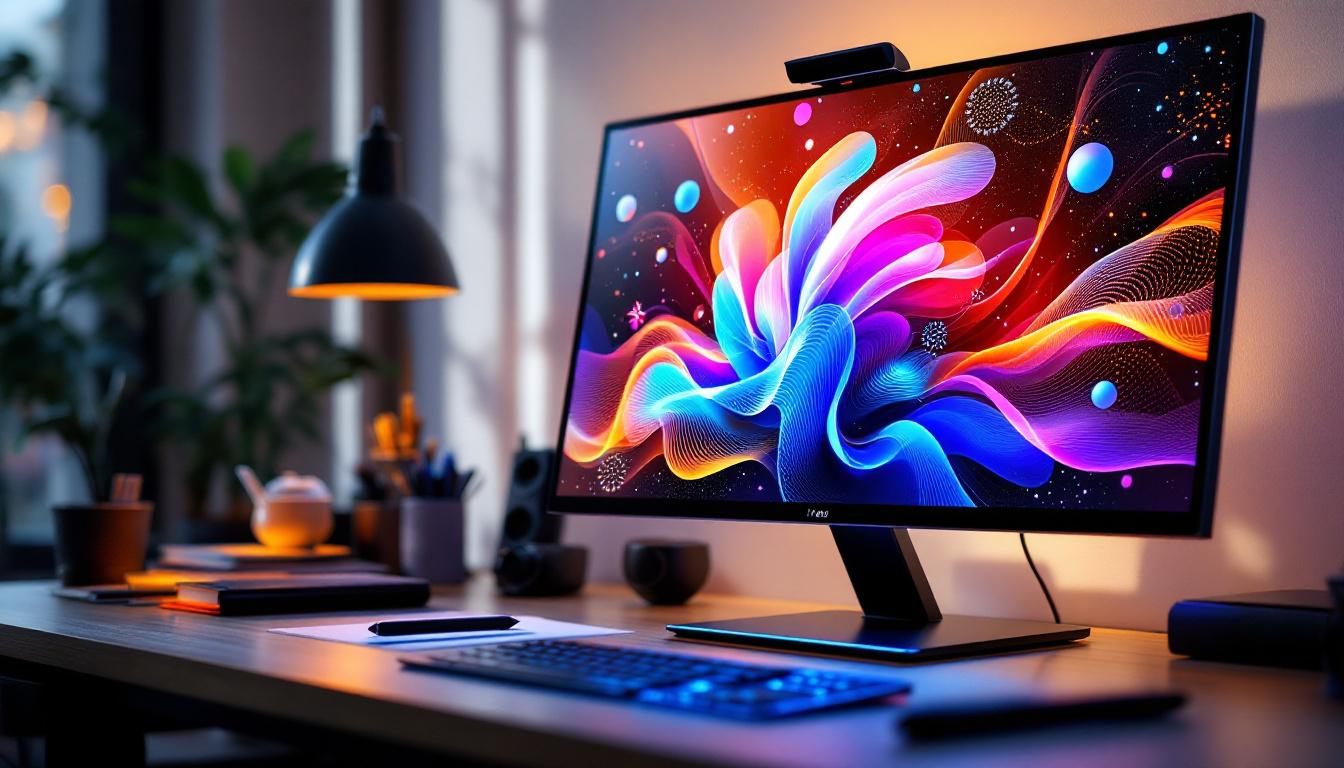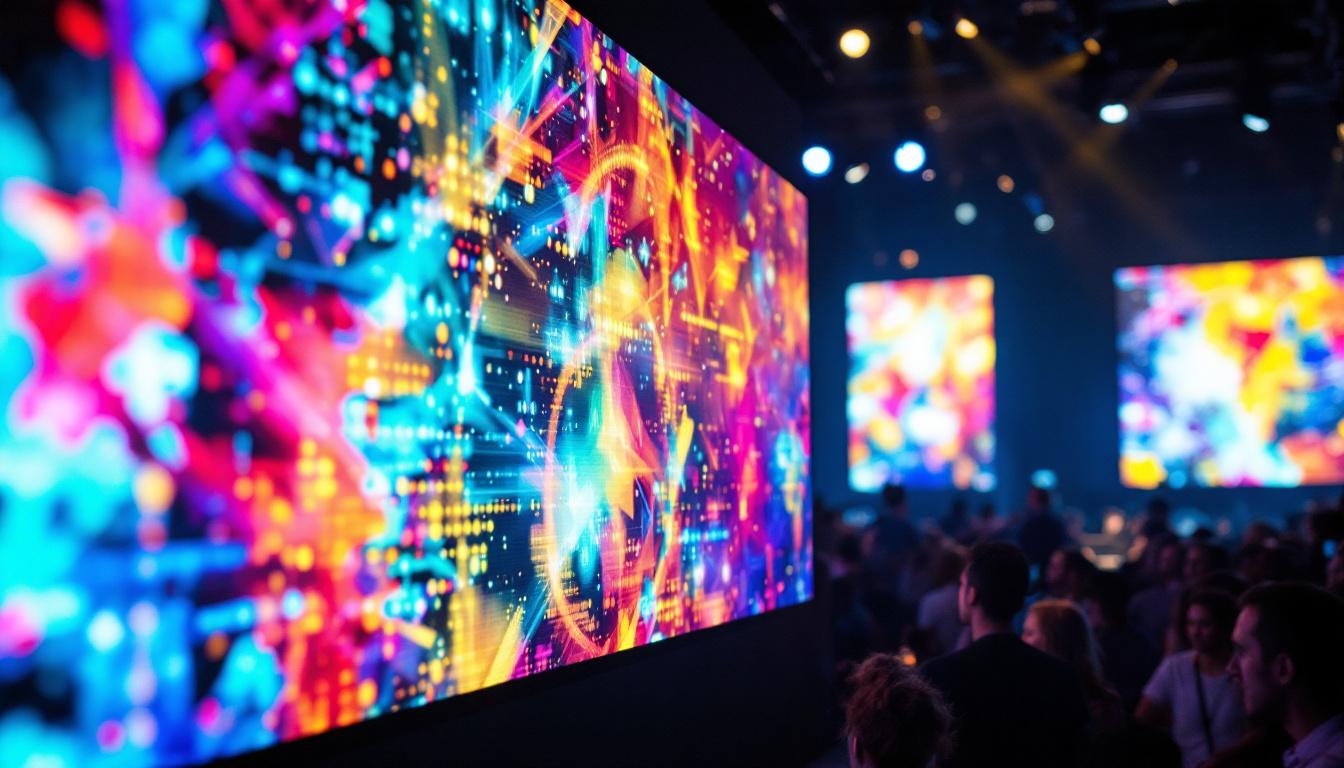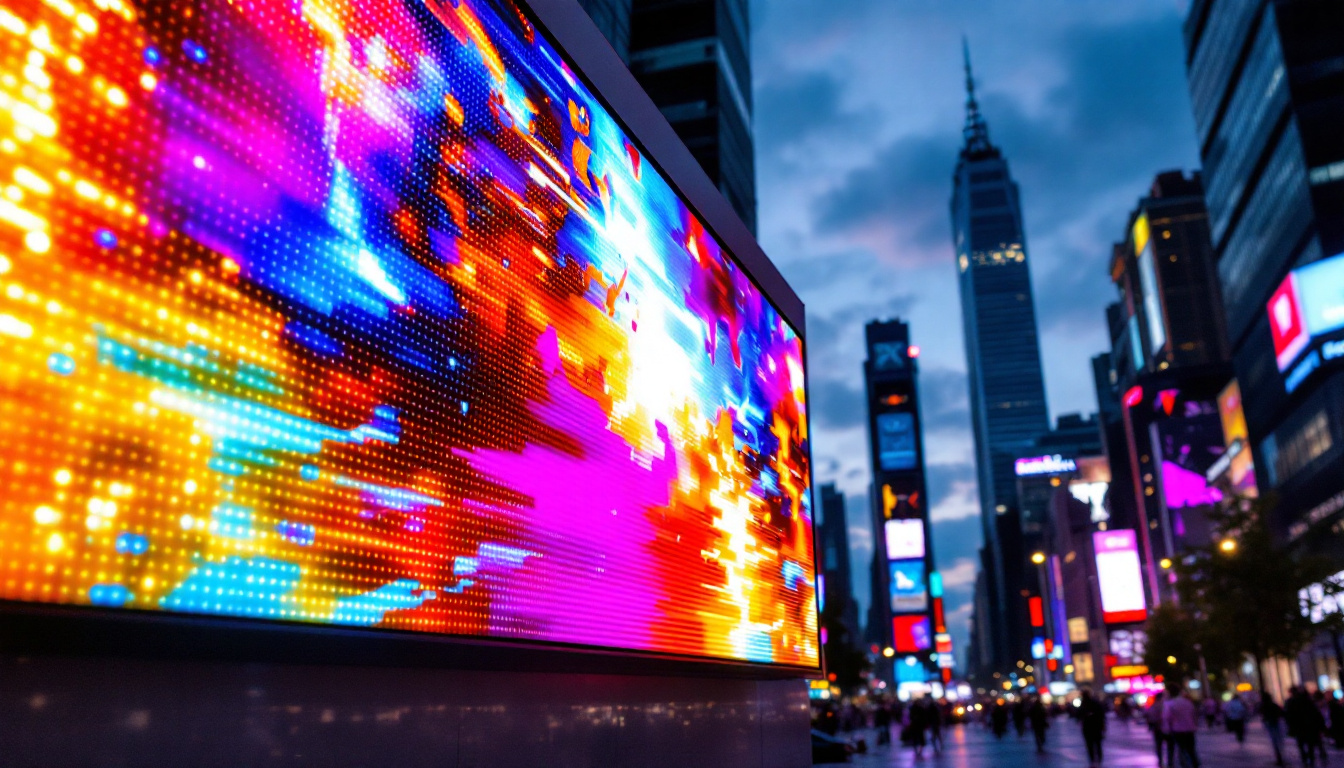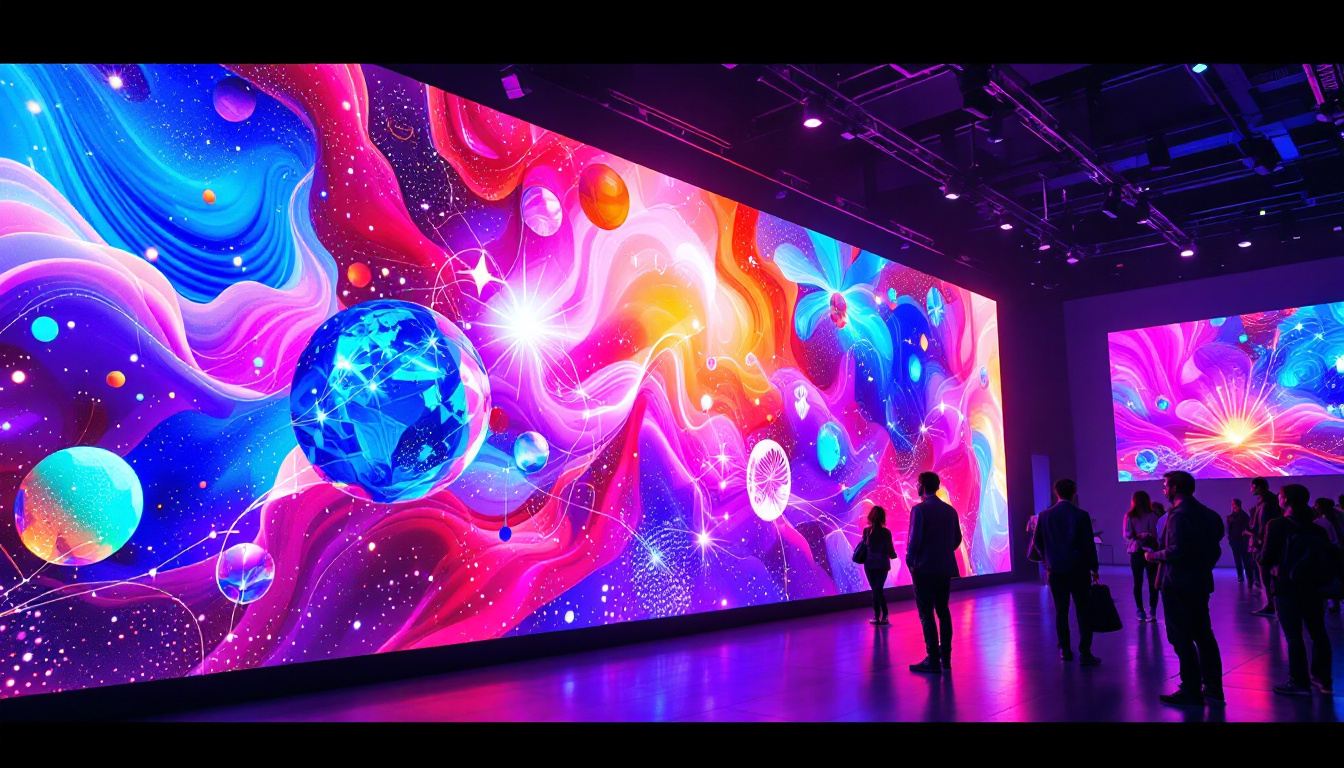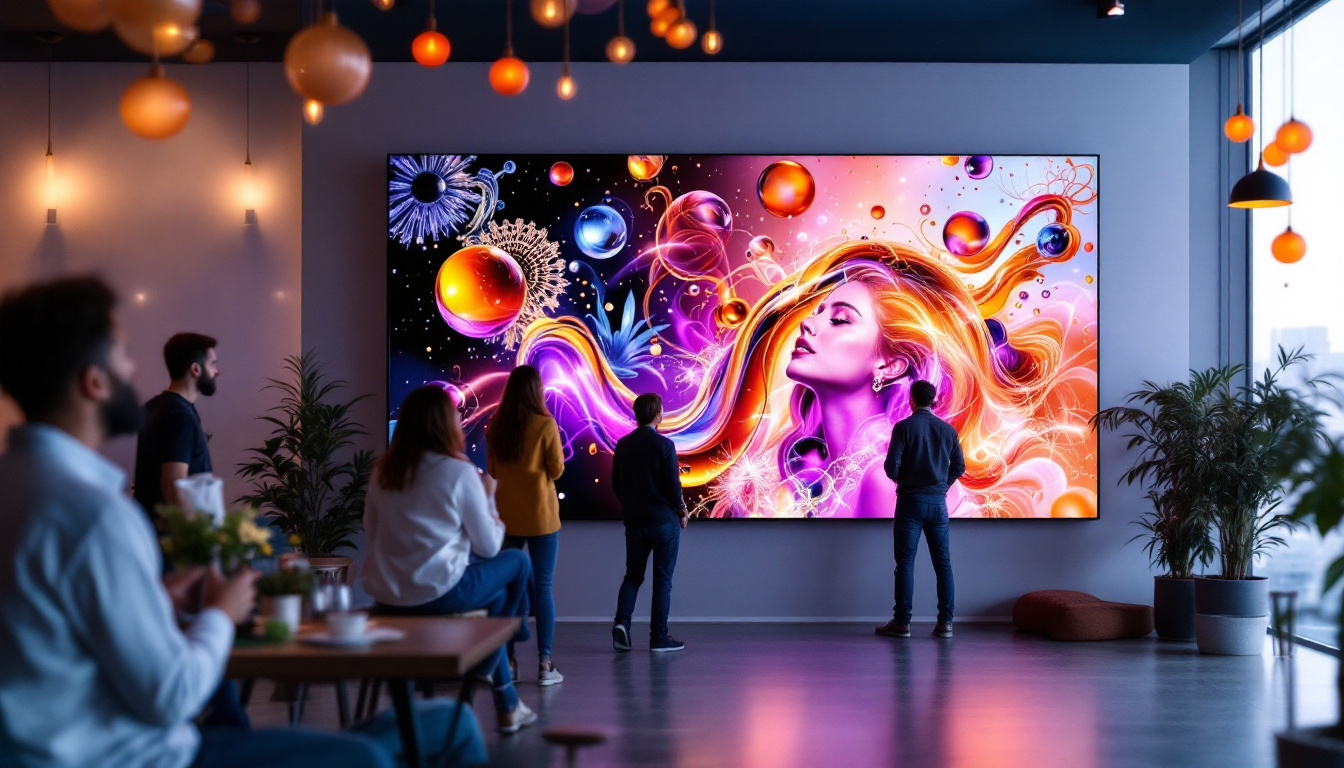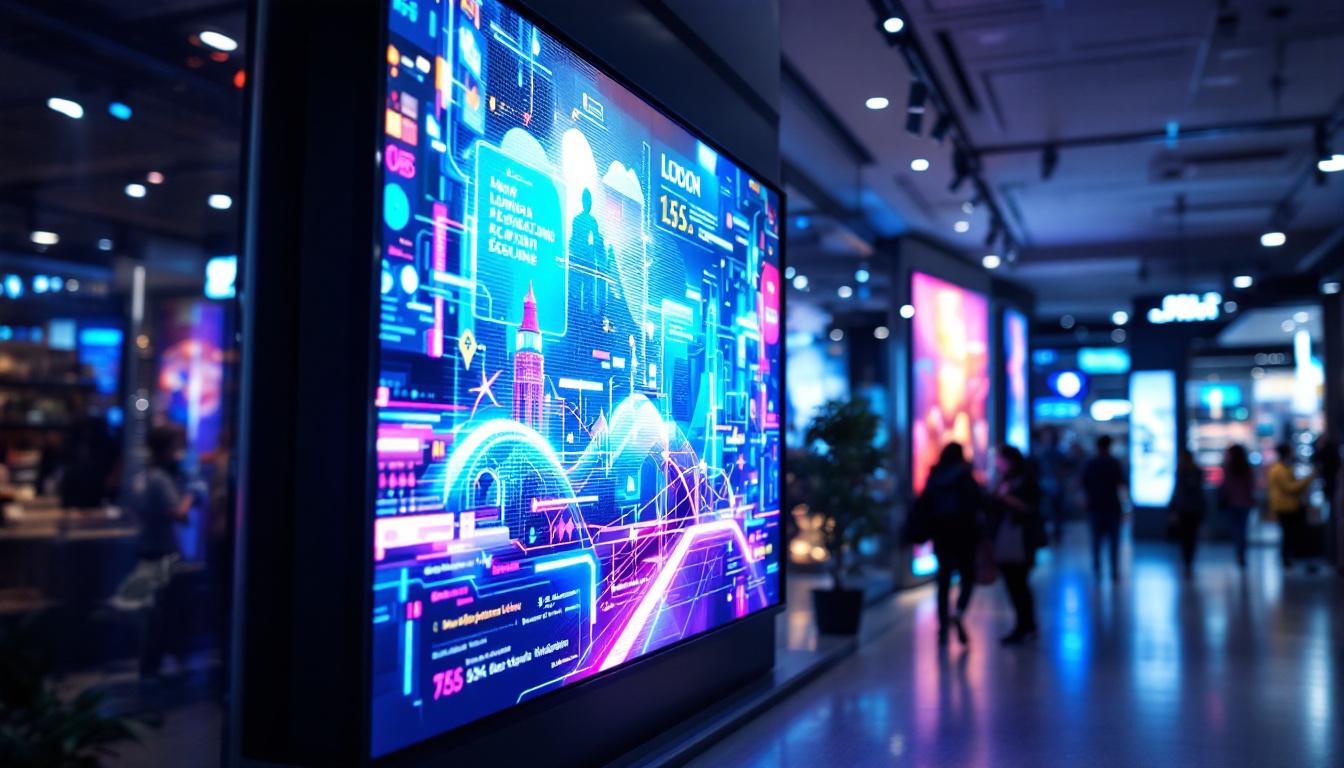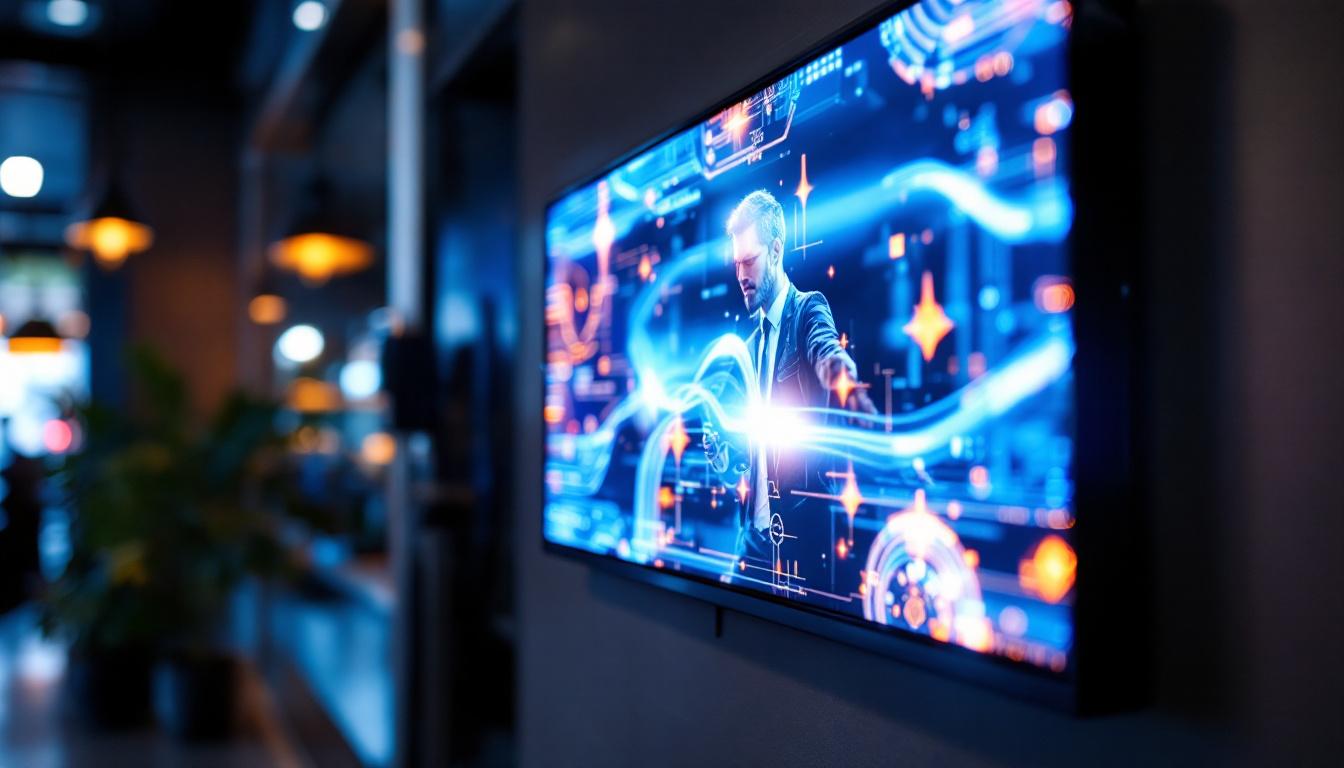
In the rapidly evolving world of digital signage, LED displays have become a cornerstone for businesses, event organizers, and public spaces seeking dynamic and impactful visual communication. The Proseries LED display lineup stands out for its advanced technology, versatility, and high performance. However, successful deployment of these displays hinges on understanding and adhering to specific installation requirements. This comprehensive guide delves into the critical factors and best practices for installing Proseries LED displays, ensuring optimal performance, longevity, and viewer engagement.
Understanding Proseries LED Displays: Technology and Application
What Sets Proseries LED Displays Apart?
Proseries LED displays are designed with cutting-edge LED technology that offers superior brightness, color accuracy, and energy efficiency. These displays utilize fine-pitch LED modules, which allow for high-resolution imagery even at close viewing distances. This makes them ideal for indoor environments such as conference rooms, retail spaces, and broadcast studios, as well as outdoor venues like stadiums and billboards.
The modular design of Proseries displays facilitates scalability and flexibility, enabling configurations ranging from small digital signs to expansive video walls. Additionally, Proseries models often incorporate advanced features such as HDR support, wide color gamut, and robust weatherproofing, making them suitable for diverse environments and demanding applications. The integration of smart technology also allows for real-time content updates and remote monitoring, enhancing user experience and operational efficiency.
Common Applications and Their Installation Implications
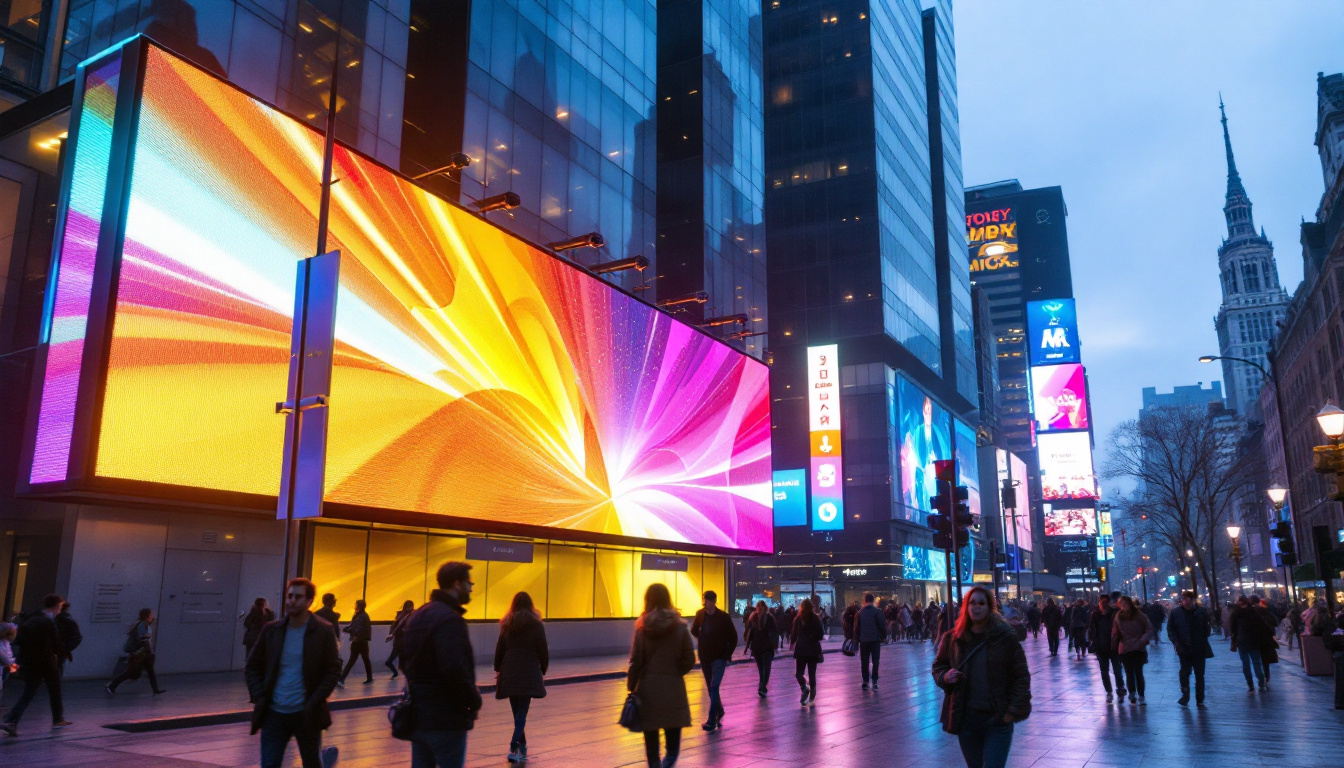
Proseries LED displays are widely used across various sectors, each presenting unique installation challenges and requirements. For example, in retail settings, displays must be installed with precise alignment and minimal bezel gaps to create seamless visuals that attract customers. In outdoor sports arenas, displays need to withstand harsh weather conditions and provide high brightness to combat sunlight glare. The strategic placement of these displays is crucial, as it can significantly influence viewer engagement and advertising effectiveness.
Understanding the specific application helps determine the appropriate Proseries model, mounting system, and environmental protections needed. This ensures that the installation supports the intended use case while maximizing the display’s lifespan and visual impact. Furthermore, considerations such as power supply, data connectivity, and maintenance access are vital during the planning phase. For instance, venues may require specialized rigging solutions to accommodate large-scale displays, while indoor installations might benefit from integrated cable management systems to maintain a clean and professional appearance. Each of these factors contributes to the overall performance and longevity of the Proseries LED displays, ensuring they meet the high expectations of users and audiences alike.
Site Assessment and Preparation
Evaluating the Installation Environment
Before installing a Proseries LED display, conducting a thorough site assessment is crucial. This includes measuring the available space, analyzing ambient lighting conditions, and evaluating structural support capabilities. For indoor installations, factors such as room dimensions, viewing angles, and electrical infrastructure must be considered. It is also important to assess the audience’s typical viewing distance and the intended use of the display. For example, displays used for advertising may require different specifications compared to those intended for informational purposes or live event broadcasting. Understanding these nuances can significantly enhance the overall effectiveness of the display.
Outdoor installations require additional scrutiny regarding weather exposure, wind loads, and potential obstructions. Understanding these environmental variables helps in selecting the right display model and mounting hardware, as well as planning for protective measures like weatherproof enclosures or sunshades. Moreover, it is essential to consider seasonal changes that might affect visibility, such as the angle of the sun during different times of the year. Conducting a light analysis can help determine the optimal brightness settings for the display, ensuring that it remains visible and impactful regardless of the time of day or weather conditions.
Structural and Electrical Requirements
Proseries LED displays can be heavy and require robust mounting solutions. The supporting structure—whether a wall, truss, or custom frame—must be engineered to handle the weight and dynamic loads, especially for large-scale or outdoor installations. Consulting with structural engineers is often necessary to ensure safety and compliance with local building codes. Additionally, it is vital to consider the potential for vibrations or movements in the installation area, particularly in high-traffic locations or near heavy machinery, which could affect the longevity and performance of the display.
On the electrical side, Proseries displays typically demand stable power sources with proper grounding and surge protection. Power requirements vary by model and size but generally include considerations for voltage, current, and redundancy to prevent downtime. Furthermore, planning for cable management and access for maintenance is essential during the installation phase. This includes not only the routing of power and data cables but also ensuring that there are accessible points for troubleshooting and repairs. Implementing a well-thought-out electrical plan can significantly reduce the risk of outages and facilitate easier upgrades or modifications in the future, ultimately leading to a more reliable and efficient display operation.
Installation Process: Step-by-Step Guide
Unpacking and Inspecting Components
Upon delivery, all Proseries LED display components should be carefully unpacked and inspected for damage. This includes LED modules, power supplies, control units, mounting brackets, and cables. Verifying that all parts are present and in good condition prevents delays and ensures a smooth installation process. It’s advisable to take photographs of the unpacking process for documentation purposes, which can be useful for warranty claims or future reference. Additionally, checking the manufacturer’s guidelines for specific handling instructions can further safeguard the components from potential damage during unpacking.
Mounting the Display
The mounting process varies depending on the display size and installation environment. For wall-mounted units, brackets must be securely fastened to the structure, with precise leveling to avoid image distortion. In the case of video walls, modules should be aligned meticulously to minimize bezel gaps and ensure uniformity. It is also important to consider the viewing angles and distances, as these factors can significantly impact the audience’s experience. Engaging with a professional installer who understands the nuances of display alignment can lead to a more polished final product.
Outdoor installations often utilize weather-resistant mounting systems designed to allow airflow and facilitate maintenance access. Proper anchoring and reinforcement are critical to withstand environmental stresses such as wind and vibration. Furthermore, it is essential to evaluate the surrounding environment for potential obstructions or reflections that could affect visibility. Conducting a site survey before installation can help identify these challenges and inform the mounting strategy.
Connecting Power and Data Cables
After physical mounting, the next step involves connecting power and data cables. Proseries displays typically use standardized connectors for ease of installation, but attention to cable routing and strain relief is vital to prevent damage. Using high-quality cables and connectors also helps maintain signal integrity and reduces the risk of interference. It’s beneficial to label each cable during installation to simplify troubleshooting and future maintenance. Additionally, implementing cable management solutions, such as conduits or cable trays, can enhance the aesthetic appeal and safety of the installation.
For large-scale installations, networked control systems may be employed to manage multiple display units. Ensuring correct IP addressing and synchronization is a key part of the setup to deliver seamless content across the entire display surface. Utilizing advanced software for remote monitoring and control can also streamline the operation, allowing for real-time adjustments and updates without the need for physical access to each unit. This capability is particularly advantageous for installations in hard-to-reach locations or those requiring frequent content changes.
Calibration and Testing
Once installed and connected, the display must be calibrated for color accuracy, brightness uniformity, and pixel alignment. Proseries displays often come with proprietary calibration tools or software that simplify this process. Calibration ensures the display delivers consistent and vibrant visuals that meet the intended design specifications. It’s also wise to establish a regular maintenance schedule that includes recalibration, as environmental factors and usage can affect display performance over time.
Comprehensive testing should include checking for dead pixels, verifying content playback, and assessing performance under different lighting conditions. Addressing any issues before finalizing the installation helps avoid costly post-installation adjustments. Additionally, gathering feedback from initial users can provide valuable insights into the display’s effectiveness and highlight any areas for improvement. This proactive approach not only enhances user satisfaction but also contributes to the longevity and reliability of the display system.
Maintenance and Operational Considerations
Routine Maintenance Practices
Maintaining Proseries LED displays involves regular cleaning, inspection, and software updates. Dust and debris can accumulate on LED modules, reducing brightness and image quality. Using appropriate cleaning materials and techniques prevents damage to the delicate LEDs.
Periodic inspections help identify potential issues such as loose connections, corrosion, or module failures early. Keeping firmware and control software up to date ensures compatibility with the latest content management systems and enhances security.
Environmental and Energy Efficiency Factors
Proseries LED displays are designed with energy efficiency in mind, but operational settings can influence power consumption. Adjusting brightness levels based on ambient light and scheduling display downtime during off-hours can significantly reduce energy costs.
For outdoor installations, monitoring environmental conditions and employing protective measures like anti-condensation heaters or ventilation can extend the display’s lifespan. These considerations contribute to sustainable operation and lower total cost of ownership.
Compliance and Safety Standards
Meeting Regulatory Requirements
Installing Proseries LED displays must comply with local regulations and industry standards. This includes electrical safety codes, structural requirements, and environmental guidelines. Ensuring compliance not only guarantees safe operation but also avoids legal liabilities and potential fines.
Many regions require permits or inspections for large digital signage installations. Engaging with local authorities early in the planning process helps streamline approvals and ensures adherence to all necessary standards.
Safety Best Practices During Installation
Safety is paramount during the installation of Proseries LED displays. Installers should use appropriate personal protective equipment (PPE) and follow established protocols for working at heights, handling heavy components, and managing electrical connections.
Clear communication and coordination among installation team members reduce the risk of accidents. Additionally, having contingency plans for emergencies and ensuring that all equipment is properly maintained further enhances safety on site.
Conclusion: Maximizing the Impact of Proseries LED Displays
Proseries LED displays represent a significant investment in visual communication technology. Understanding and adhering to the installation requirements outlined above is essential to unlock their full potential. From careful site assessment and structural planning to meticulous installation and ongoing maintenance, each step plays a critical role in delivering vibrant, reliable, and long-lasting digital signage solutions.
By prioritizing these factors, businesses and organizations can ensure that their Proseries LED displays not only captivate audiences but also operate efficiently and safely for years to come.
Explore Cutting-Edge LED Solutions with LumenMatrix
Ready to elevate your visual communication with the latest in LED technology? LumenMatrix is at the forefront of innovation, offering an extensive range of LED display modules tailored to your needs. From captivating Indoor and Outdoor LED Wall Displays to dynamic Vehicle and Sports LED Displays, our solutions are designed to make your brand shine. Discover the transformative power of our LED Poster, Floor, Custom, All-in-One, and Transparent Displays. Take the first step towards revolutionizing your visual engagement—check out LumenMatrix LED Display Solutions today and see your message come to life with unparalleled clarity and impact.