Full HD Display: LED Display Explained
In today’s digital age, display technology plays a crucial role in how we consume content, work, and interact with digital devices. Among the various display types available, Full HD LED displays have become a standard for delivering sharp, vibrant images across multiple platforms—from televisions and monitors to smartphones and digital signage. Understanding what Full HD LED displays are, how they work, and why they matter can help consumers and professionals alike make informed decisions when selecting devices or designing visual experiences.
What Is a Full HD Display?
Full HD, short for Full High Definition, refers to a display resolution of 1920 x 1080 pixels. This resolution means that the screen contains 1,920 pixels horizontally and 1,080 pixels vertically, totaling over 2 million pixels. This pixel density provides a clear and detailed image quality that is suitable for a wide range of applications, from watching movies and gaming to professional photo editing and office work.
Full HD became widely adopted in the early 2010s as a standard resolution for televisions and computer monitors, replacing the earlier HD Ready (1280 x 720) resolution. Today, it remains one of the most common resolutions for consumer electronics because it strikes a balance between image quality and affordability.
Why Full HD Matters
Full HD resolution offers significant advantages over lower resolutions. Compared to standard definition (SD) or HD Ready displays, Full HD provides sharper images with more detail and less visible pixelation. This higher resolution enhances the viewing experience, especially on larger screens where lower resolutions may look blurry or blocky.
For content creators and professionals, Full HD is often the minimum standard for video production and graphic design. It allows for precise editing and ensures that the final output looks crisp on most consumer devices. Additionally, many streaming platforms, such as Netflix and YouTube, offer content in Full HD, making it a practical choice for everyday media consumption.
Understanding LED Display Technology
While Full HD defines the resolution, the term LED refers to the technology used to illuminate the display. LED stands for Light Emitting Diode, a semiconductor device that emits light when an electric current passes through it. LED displays use these diodes as a backlighting source or as individual pixels, depending on the type of display.
How LED Displays Work
Most Full HD LED displays found in TVs and monitors are actually LCD (Liquid Crystal Display) panels that use LED backlighting. In these displays, a layer of liquid crystals controls the passage of light to create images, while an array of LEDs behind or along the edges of the screen provides the necessary illumination.
This combination offers several advantages over older technologies like CCFL (Cold Cathode Fluorescent Lamp) backlighting. LEDs are more energy-efficient, have a longer lifespan, and allow for thinner and lighter display designs. Moreover, LED backlighting can be controlled more precisely, enabling better contrast ratios and improved color accuracy.
Types of LED Displays
There are two main categories of LED displays relevant to Full HD screens:
- LED-backlit LCD Displays: These are the most common and use LEDs to backlight an LCD panel. Variations include edge-lit and full-array backlighting, with the latter providing better local dimming and contrast.
- Direct-view LED Displays: These use individual LEDs as pixels, often seen in large outdoor screens or high-end displays like OLED (Organic LED) and MicroLED. While OLED is not strictly LED, it shares similar principles of self-emissive pixels.
For most consumer electronics labeled as “Full HD LED,” the term refers to LED-backlit LCD panels rather than direct-view LED technology.
Advantages of Full HD LED Displays
Full HD LED displays combine the benefits of high resolution with efficient and effective lighting technology. This synergy results in several key advantages:
Image Quality and Clarity
The 1920 x 1080 resolution ensures that images and videos appear sharp and detailed, particularly on screens ranging from 21 inches to 32 inches diagonally. The LED backlighting enhances brightness and contrast, making colors more vivid and blacks deeper compared to older LCD displays with CCFL backlighting.
Energy Efficiency
LED backlighting consumes significantly less power than traditional fluorescent backlights. This efficiency translates into lower electricity bills for consumers and longer battery life for portable devices like laptops and tablets. Energy-efficient displays also contribute to environmental sustainability by reducing overall energy consumption.
Thin and Lightweight Designs
LED technology allows manufacturers to produce thinner and lighter screens without sacrificing brightness or image quality. This design flexibility is particularly important for modern flat-screen TVs, monitors, and mobile devices, where slim profiles and portability are highly valued.
Cost-Effectiveness
Compared to higher resolutions such as 4K or 8K, Full HD displays are more affordable to produce and purchase. This cost advantage makes Full HD LED displays an attractive option for budget-conscious consumers and businesses seeking reliable visual solutions without premium pricing.
Common Applications of Full HD LED Displays
Full HD LED displays are versatile and widely used across various industries and everyday scenarios. Their balance of quality, efficiency, and affordability makes them suitable for many purposes.
Consumer Electronics
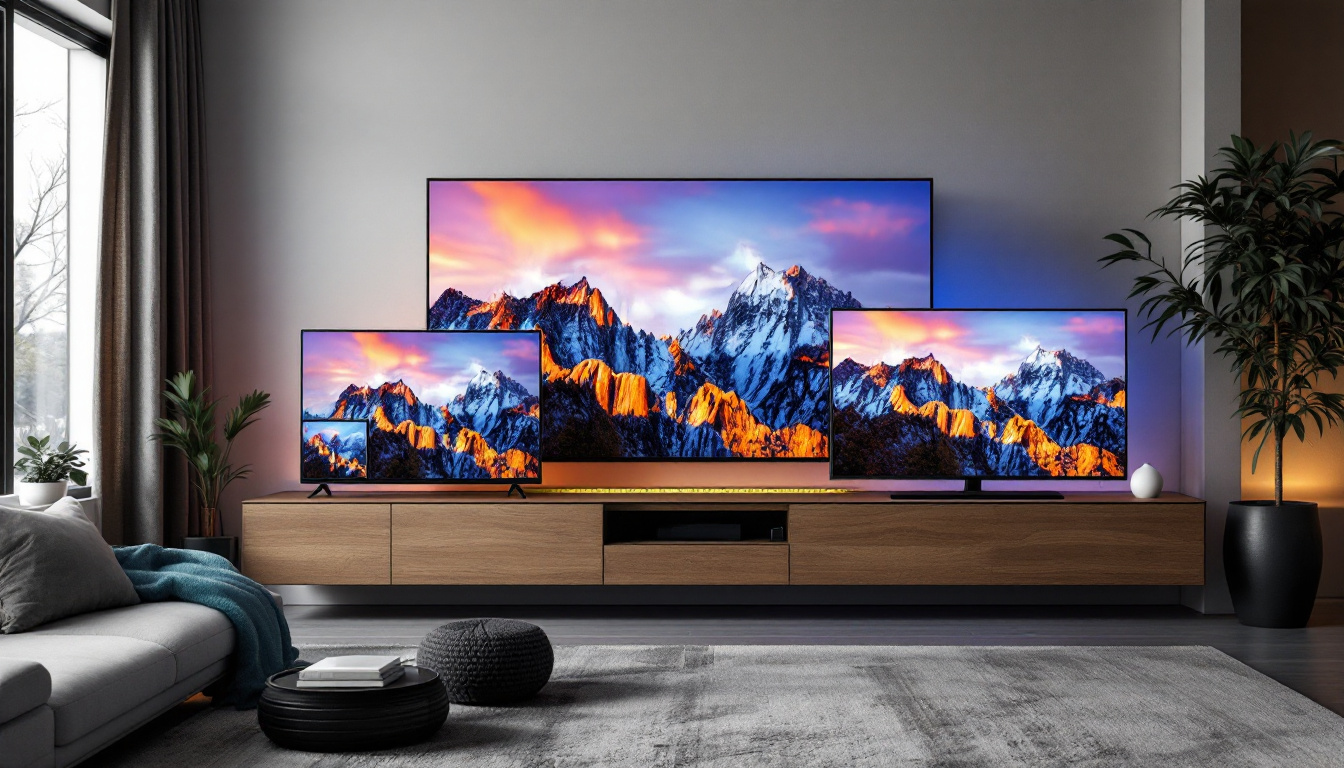
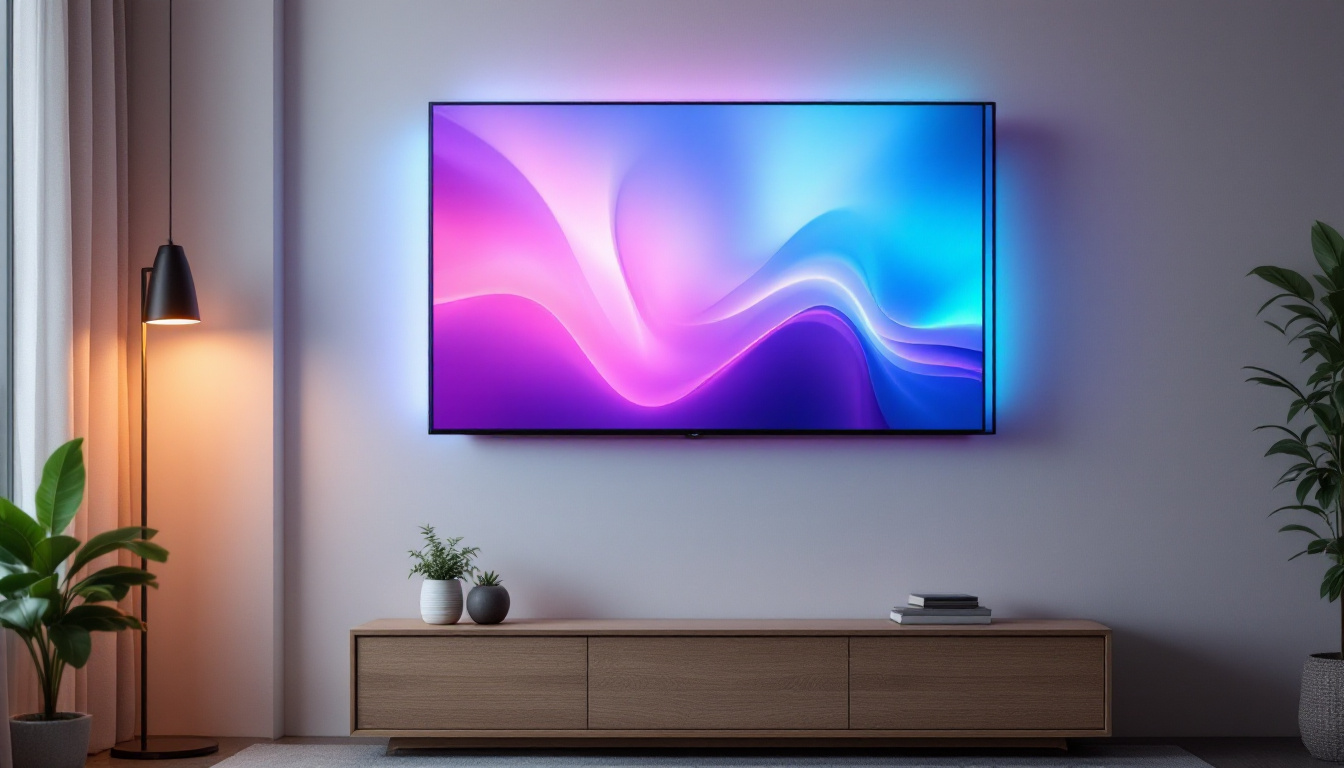
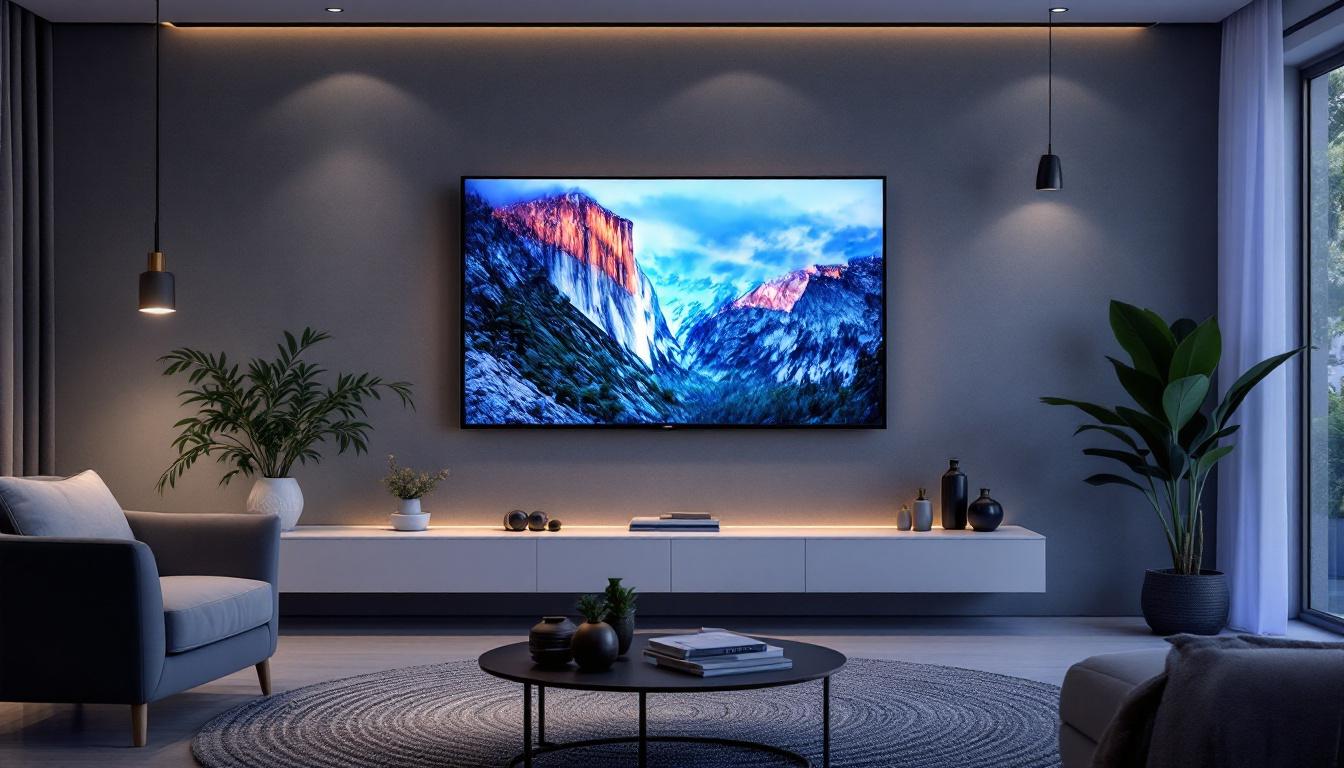
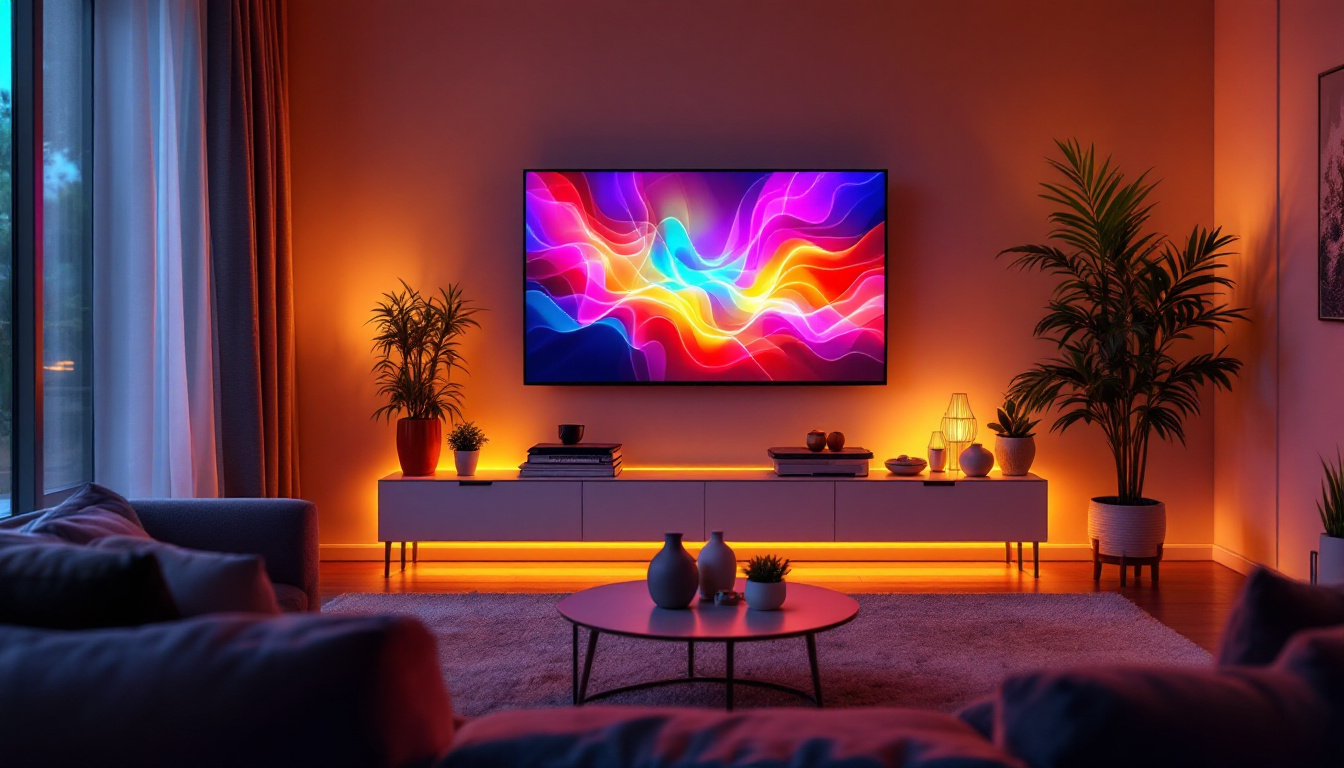
Televisions and computer monitors with Full HD LED screens dominate the consumer market. They provide excellent picture quality for watching movies, streaming videos, gaming, and general computing tasks. Many laptops and tablets also feature Full HD LED displays to offer clear visuals and vibrant colors.
Professional Use
In workplaces, Full HD LED monitors are common for office productivity, graphic design, video editing, and software development. The resolution is sufficient for detailed work without the higher costs associated with ultra-high-definition displays.
Digital Signage and Advertising
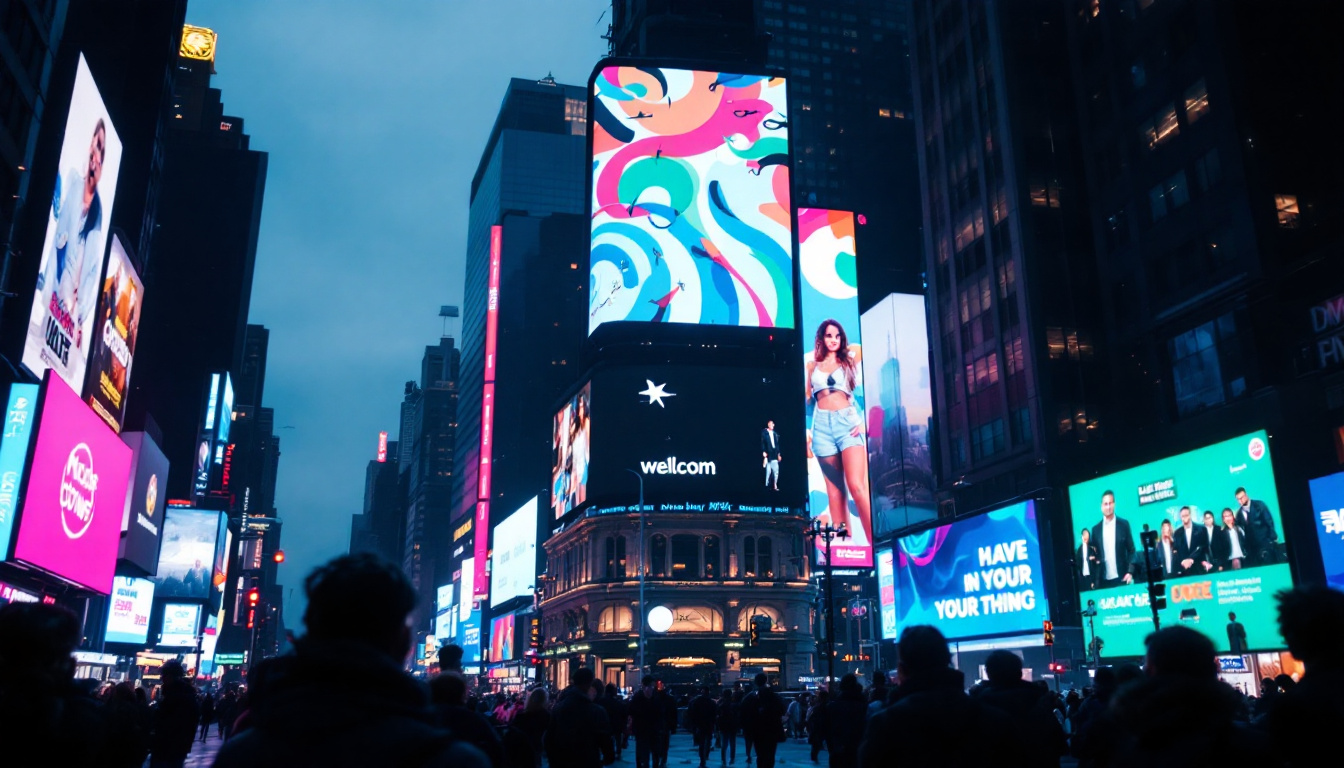
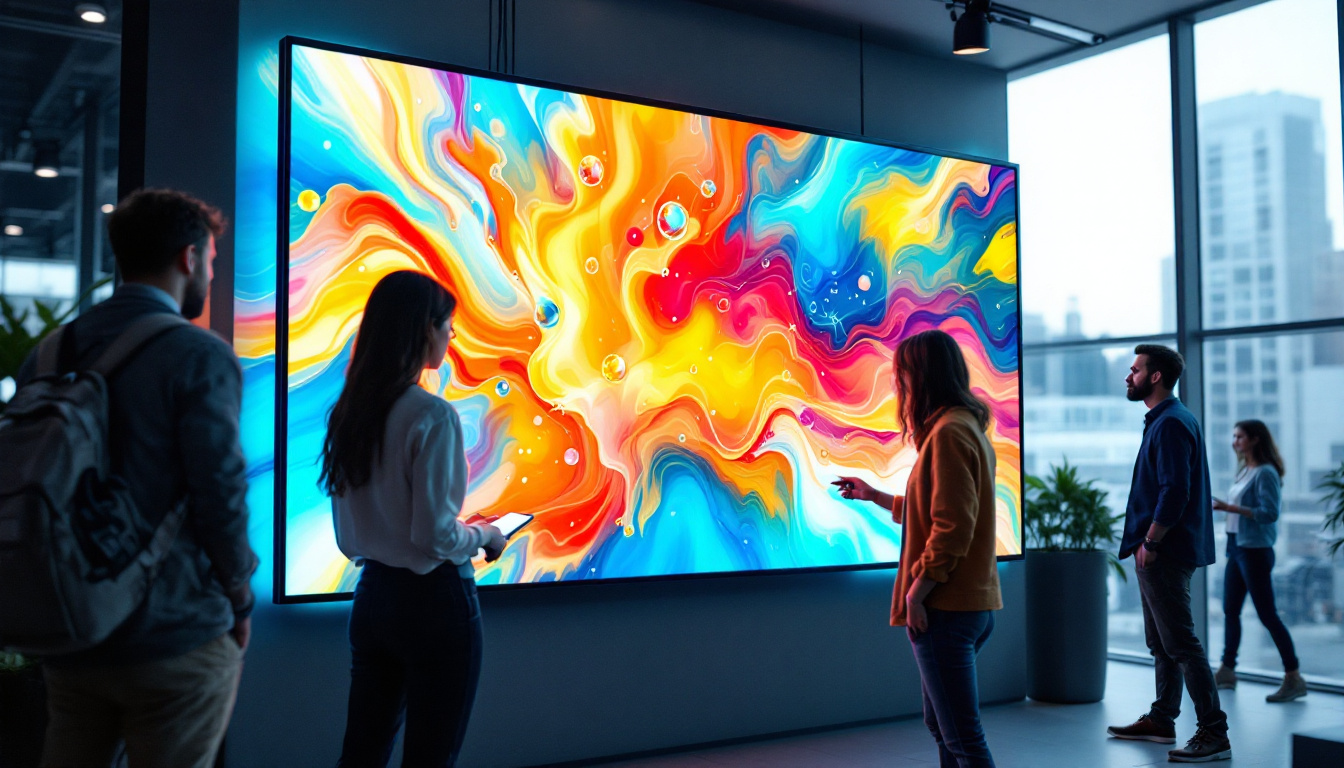
Retail stores, airports, and public spaces often use Full HD LED displays for digital signage. These screens deliver bright, eye-catching visuals that attract attention and convey information effectively. The durability and energy efficiency of LED technology make it ideal for continuous operation in commercial environments.
Education and Training
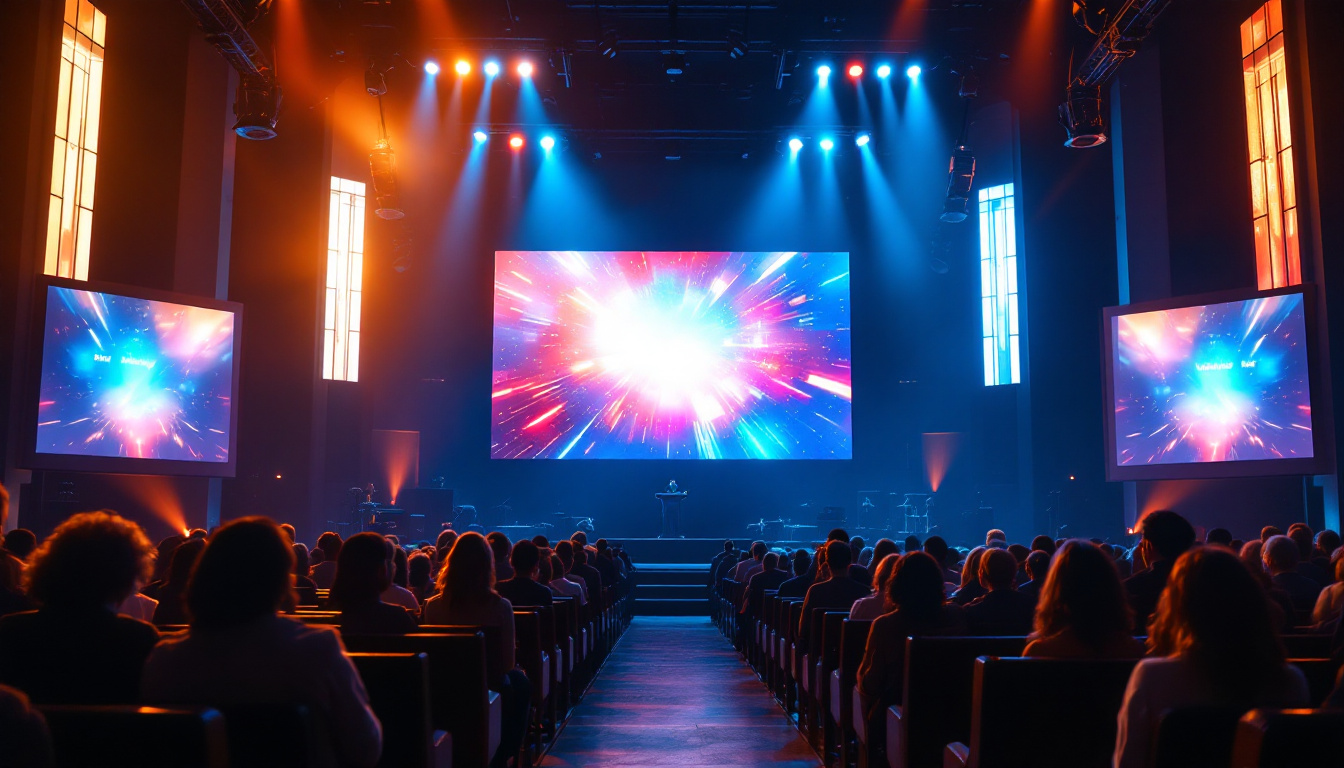
Full HD LED displays are frequently employed in classrooms, lecture halls, and training centers. They provide clear visuals for presentations, video lessons, and interactive learning applications, enhancing engagement and comprehension.
Comparing Full HD LED Displays with Other Display Technologies
While Full HD LED displays offer many benefits, it’s important to understand how they compare to other popular display technologies, especially as higher resolutions and alternative panel types become more prevalent.
Full HD vs. 4K and Higher Resolutions
4K displays offer a resolution of 3840 x 2160 pixels, which is four times the pixel count of Full HD. This higher resolution provides even sharper images, particularly on larger screens above 40 inches. However, 4K displays are typically more expensive and require more powerful hardware to run smoothly, especially for gaming or video editing.
For many users, Full HD remains sufficient, especially on smaller screens or for everyday tasks. The difference in visual quality between Full HD and 4K can be subtle unless viewed up close or on very large displays.
LED-backlit LCD vs. OLED
OLED (Organic Light Emitting Diode) technology differs from LED-backlit LCDs by using self-emissive pixels that produce their own light. This allows OLED displays to achieve perfect blacks, higher contrast ratios, and more vibrant colors. However, OLED panels are generally more expensive and can be prone to burn-in over time.
LED-backlit LCDs with Full HD resolution remain popular due to their affordability, brightness, and longevity. They are often preferred for environments where screen longevity and cost are critical factors.
LED vs. MicroLED
MicroLED is an emerging technology that uses microscopic LEDs as individual pixels, combining the advantages of OLED’s self-emission with higher brightness and durability. While MicroLED displays promise exceptional image quality, they are still in the early stages of commercial availability and come at a premium price.
Factors to Consider When Choosing a Full HD LED Display
Selecting the right Full HD LED display depends on several factors that influence user experience and suitability for specific needs.
Screen Size and Viewing Distance
The optimal screen size depends on the intended use and viewing distance. For example, a 24-inch Full HD monitor is ideal for desktop computing, while a 32-inch or larger screen suits living room TVs. Sitting too close to a large Full HD screen may reveal pixelation, while sitting too far from a small screen can reduce the impact of the resolution.
Panel Type and Refresh Rate
Common panel types include IPS (In-Plane Switching), TN (Twisted Nematic), and VA (Vertical Alignment). IPS panels offer better color accuracy and viewing angles, making them suitable for creative professionals. TN panels generally have faster response times, favored by gamers, while VA panels provide better contrast ratios.
Refresh rate, measured in hertz (Hz), affects how smoothly motion appears on the screen. Standard Full HD LED displays often have a 60Hz refresh rate, but gaming monitors may offer 120Hz or higher for improved responsiveness.
Color Accuracy and Brightness
Consider displays with wide color gamut support and high brightness levels if color fidelity is important. This is especially relevant for photo editing, video production, and environments with strong ambient light.
Connectivity and Features
Modern Full HD LED displays come with various input options such as HDMI, DisplayPort, and USB-C. Additional features like built-in speakers, adjustable stands, and blue light filters can enhance usability and comfort.
The Future of Full HD LED Displays
Although higher resolutions like 4K and 8K are gaining traction, Full HD LED displays remain relevant due to their affordability, efficiency, and sufficient quality for many applications. Advances in LED technology, such as mini-LED backlighting, continue to improve contrast and color performance even at Full HD resolution.
As content creators and consumers demand better image quality, manufacturers are also integrating smart features, HDR (High Dynamic Range) support, and improved panel technologies into Full HD displays. These enhancements ensure that Full HD LED displays will continue to offer excellent value and performance in the foreseeable future.
Conclusion
Full HD LED displays represent a well-established and widely adopted standard in display technology. By combining a resolution of 1920 x 1080 pixels with efficient and versatile LED backlighting, these displays deliver sharp images, vibrant colors, and energy efficiency across a broad range of devices and applications.
Whether for home entertainment, professional work, or commercial signage, Full HD LED displays offer a compelling balance of quality and cost. Understanding the technology behind these displays and the factors to consider when choosing one can empower consumers and professionals to make informed decisions that best suit their needs.
Discover LumenMatrix’s Advanced LED Display Solutions
Ready to elevate your visual experience with the latest in Full HD LED display technology? Look no further than LumenMatrix, a pioneer in crafting LED displays that bring your content to life. From the immersive Indoor LED Wall Display to the dynamic Outdoor LED Wall Display, and from the mobile versatility of Vehicle LED Displays to the innovative LED Transparent Display, LumenMatrix offers a comprehensive range of solutions tailored to your unique needs. Embrace the future of visual communication with our cutting-edge displays that promise to enhance engagement and deliver your message with unparalleled impact. Check out LumenMatrix LED Display Solutions today and transform the way you connect with your audience.