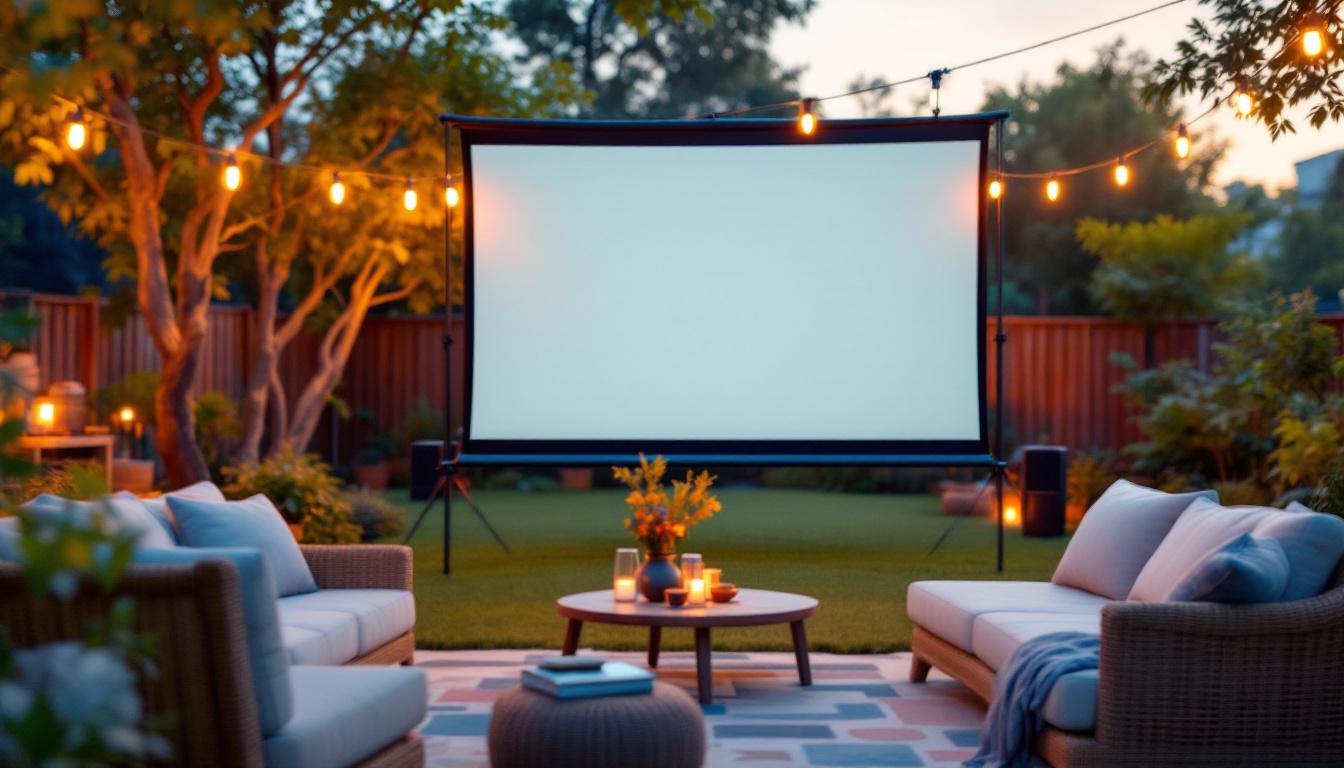
Outdoor entertainment has evolved significantly over the past decade, with technology enabling immersive viewing experiences beyond the confines of a living room. One of the most popular ways to enjoy movies, sports, and presentations outdoors is through projector setups. However, the quality of the display is crucial, and this is where outdoor projector screen stands and LED displays come into play. This article explores the essentials of outdoor projector screen stands, the role of LED displays, and how these technologies combine to deliver exceptional outdoor viewing experiences.
Understanding Outdoor Projector Screen Stands
What Is an Outdoor Projector Screen Stand?
An outdoor projector screen stand is a frame or support system designed to hold a projector screen securely in place during outdoor use. Unlike indoor projector setups, outdoor screens must withstand environmental factors such as wind, uneven ground, and varying light conditions. The stand ensures stability and optimal screen positioning, which are critical for a clear and enjoyable viewing experience.
These stands come in various forms, including tripod stands, inflatable frames, and fixed metal structures. Each type offers different benefits depending on the location, size of the screen, and portability requirements. For example, tripod stands are lightweight and easy to transport, making them ideal for casual backyard movie nights, while inflatable frames provide a large, taut surface that is quick to set up and take down. Additionally, some stands can be equipped with features like built-in speakers or integrated lighting, enhancing the overall outdoor viewing experience.
Key Features to Look for in a Screen Stand
When selecting an outdoor projector screen stand, several features are important to consider:
- Stability: The stand must resist tipping or swaying, especially in windy conditions. Heavy-duty materials and secure anchoring options are essential.
- Portability: For users who frequently change locations, lightweight and foldable stands offer convenience without sacrificing durability.
- Compatibility: The stand should fit the size and type of the projector screen being used, whether it’s a fixed frame, pull-down, or inflatable screen.
- Ease of Setup: Quick assembly and disassembly save time and reduce frustration, especially for events or gatherings.
Another crucial feature to consider is the height adjustment capability of the stand. Many outdoor projector screen stands come with adjustable legs or telescoping poles that allow users to customize the screen height according to the audience’s viewing angle. This flexibility is especially beneficial for larger gatherings, where viewers may be seated at different elevations, ensuring that everyone has a clear view of the screen. Furthermore, some stands are designed to be used on various surfaces, from grass to sand, with adaptable feet or stakes that provide additional support and stability on uneven terrain.
In addition to these practical features, aesthetics can also play a role in your choice of an outdoor projector screen stand. Many users prefer stands that blend seamlessly with their outdoor decor or event theme. Options that come in neutral colors or sleek designs can enhance the overall ambiance of the viewing area. Moreover, investing in a stand that includes weather-resistant materials can ensure longevity and performance, allowing you to enjoy outdoor movie nights for years to come, regardless of the elements.
The Role of LED Displays in Outdoor Projection
What Are LED Displays?
LED (Light Emitting Diode) displays are a type of screen technology that uses tiny light-emitting diodes to create images. Unlike traditional projector screens that rely on reflected light, LED displays produce their own light, resulting in brighter and more vivid images. This self-illumination makes LED displays particularly effective in outdoor environments where ambient light can wash out projected images.
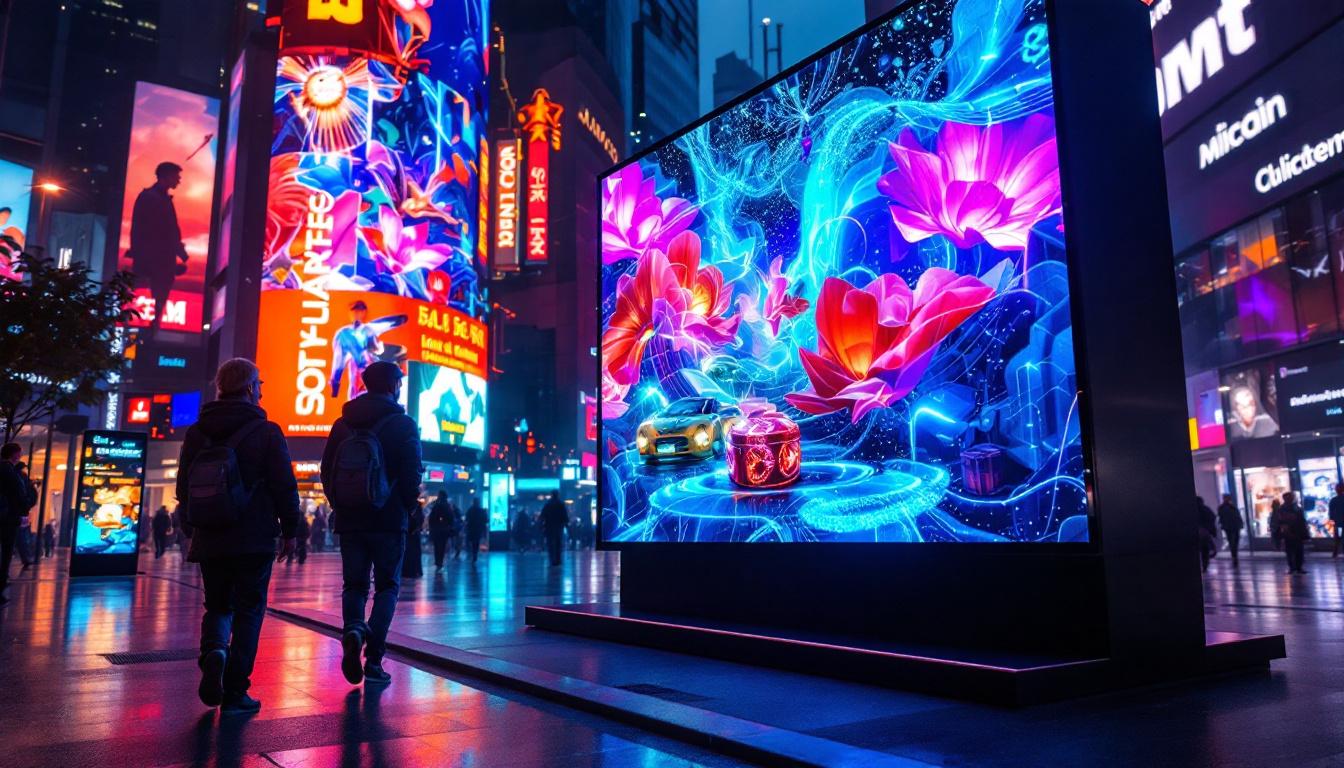
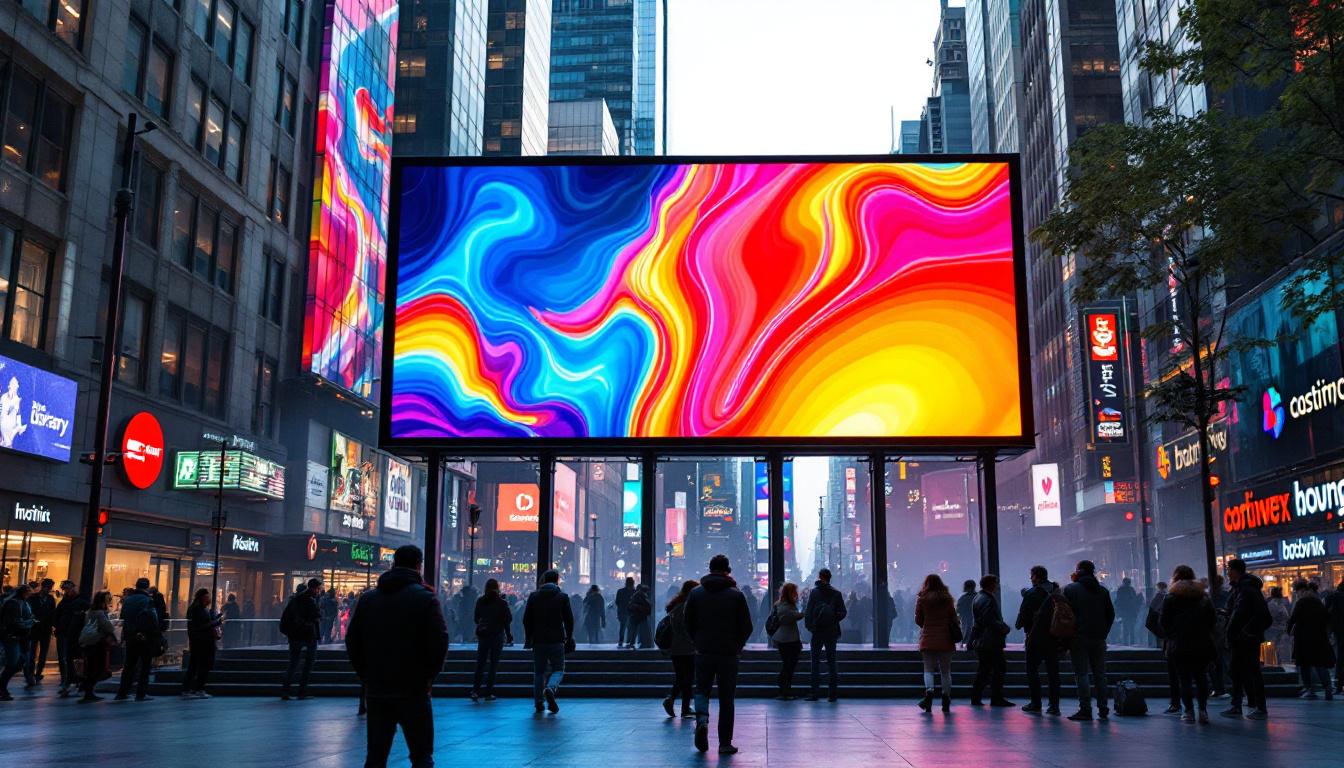
LED technology has advanced rapidly, with modern LED displays offering high resolution, excellent color accuracy, and energy efficiency. They are commonly used in large-scale outdoor advertising, sports stadiums, and concert venues, where visibility and image quality are paramount.
Advantages of LED Displays for Outdoor Use
LED displays offer several benefits over traditional projection screens when used outdoors:
- Brightness: LED screens can achieve brightness levels exceeding 5,000 nits, making them visible even in daylight. In contrast, traditional projectors often struggle to compete with ambient light.
- Durability: Many outdoor LED displays are designed to be weather-resistant, with protective coatings against rain, dust, and UV exposure.
- Image Quality: High contrast ratios and vibrant colors enhance the viewing experience, especially for dynamic content like sports and videos.
- Flexibility: LED panels can be configured into various sizes and shapes, allowing for custom installations that fit specific venues or events.
Combining Outdoor Projector Screen Stands with LED Displays
Why Use a Screen Stand with an LED Display?
While LED displays are often self-supporting or mounted on rigid structures, there are scenarios where a portable screen stand is beneficial. For instance, smaller LED panels or modular displays used for temporary events require stable support to ensure safety and optimal viewing angles. A screen stand can provide the necessary framework to hold LED panels securely in place, especially in outdoor environments.
Additionally, some hybrid setups use projector screens alongside LED displays to create multi-layered visual effects or to accommodate different types of content. In such cases, the screen stand plays a pivotal role in organizing and stabilizing the entire display system.
Considerations for Integrating LED Displays with Screen Stands
Integrating LED displays with outdoor projector screen stands involves several technical and practical considerations:
- Weight Capacity: LED panels can be heavier than traditional screens, so the stand must support the load without compromising stability.
- Modularity: Many LED displays are composed of multiple panels. The stand should allow for easy assembly and alignment of these modules.
- Power and Connectivity: LED displays require power sources and data connections. The stand design should accommodate cable management to prevent hazards.
- Weather Protection: Both the stand and the LED panels should be rated for outdoor use, including resistance to moisture and temperature fluctuations.
Practical Applications and Use Cases
Outdoor Movie Nights and Community Events
Outdoor projector screen stands paired with LED displays have become staples for community gatherings, local film festivals, and backyard movie nights. The combination allows organizers to deliver high-quality visuals that engage audiences of all ages. For instance, a neighborhood event might use a 12-foot LED screen mounted on a portable stand, providing clear images even as dusk turns to night.
According to a 2023 survey by the Outdoor Entertainment Association, over 65% of community event planners reported increased attendance and satisfaction when using LED displays instead of traditional projection screens. The enhanced brightness and color fidelity make a noticeable difference in viewer experience.
Sports Viewing and Live Broadcasts
Sports bars, fan zones, and outdoor arenas often rely on large LED displays supported by sturdy stands to broadcast live games. The ability to display crisp, bright images in varying lighting conditions ensures that fans remain engaged throughout the event. Portable stands allow these setups to be moved or reconfigured based on crowd size and venue layout.
Corporate Presentations and Trade Shows
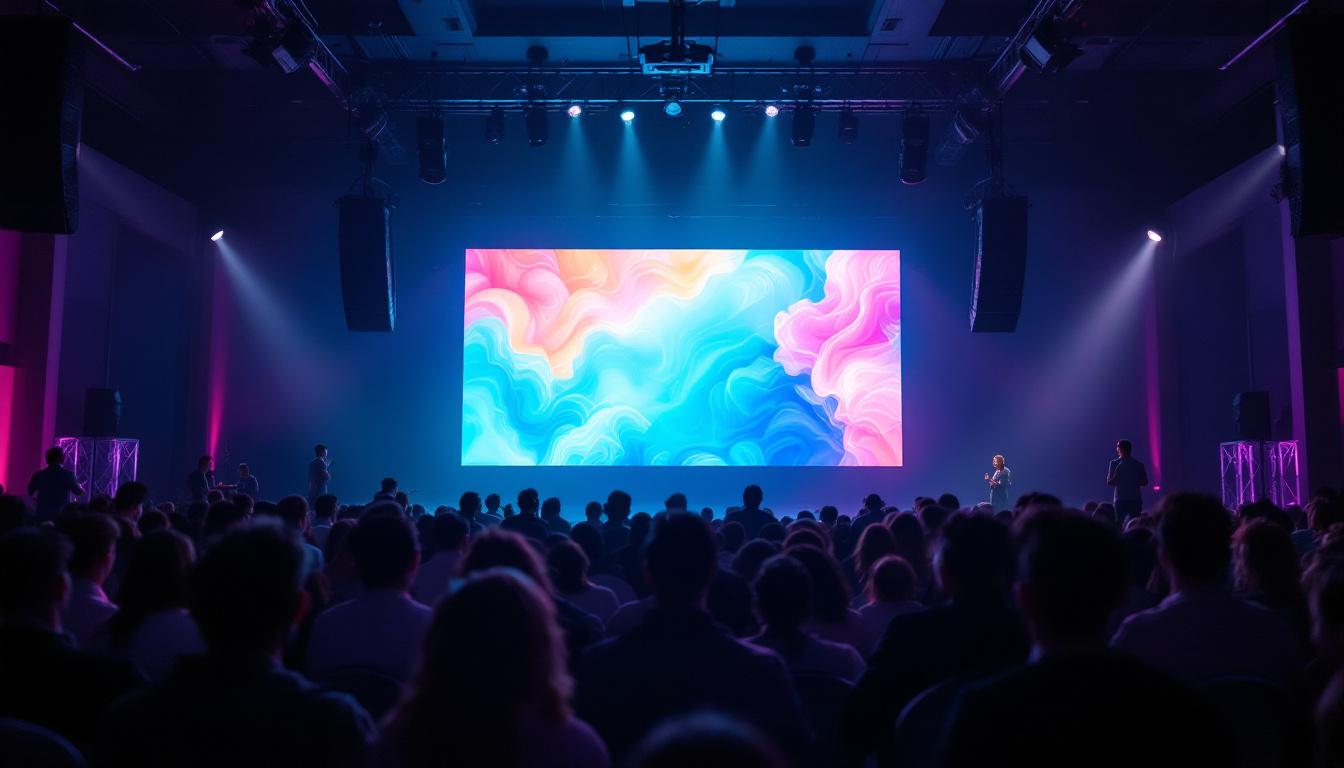
Businesses increasingly use outdoor projector screen stands with LED displays for product launches, presentations, and trade shows. The professional appearance and high visibility of LED screens help convey messages effectively, even in challenging outdoor environments. Customizable stands enable quick setup and teardown, which is vital for event organizers managing tight schedules.
Choosing the Right Outdoor Projector Screen Stand and LED Display
Assessing Your Needs
Before investing in an outdoor projector screen stand or LED display, it’s important to evaluate the specific requirements of your intended use. Consider factors such as:
- Screen Size: Larger audiences typically require bigger screens and more robust stands.
- Portability: Will the setup be permanent or frequently moved?
- Environmental Conditions: Anticipate wind, rain, and sunlight exposure.
- Budget: LED displays tend to be more expensive than traditional projector screens, but their benefits may justify the cost.
Top Brands and Products in 2024
Several manufacturers lead the market with innovative outdoor projector screen stands and LED displays. Brands like Elite Screens, VIVIDSTORM, and ViewSonic offer durable, user-friendly stands compatible with various screen types. For LED displays, companies such as Samsung, LG, and Absen provide cutting-edge panels designed specifically for outdoor use.
Recent models feature lightweight aluminum frames, quick-lock mechanisms, and weatherproof coatings, making setup and maintenance easier than ever. When selecting products, it’s advisable to read customer reviews and consult with suppliers to ensure compatibility and performance.
Maintenance and Safety Tips
Maintaining Your Outdoor Screen and Stand
Proper maintenance extends the life of your outdoor projector screen stand and LED display. Regularly inspect the stand for signs of wear, rust, or loose joints. Clean LED panels with manufacturer-recommended solutions to avoid damage. Store components in dry, temperature-controlled environments when not in use.
Ensuring Safety During Use
Safety is paramount, especially when setting up large screens outdoors. Secure the stand with stakes or weights to prevent tipping. Keep cables organized to avoid tripping hazards. Follow manufacturer guidelines for maximum wind speeds and avoid use during severe weather conditions.
Conclusion
The combination of outdoor projector screen stands and LED displays represents a powerful solution for delivering high-quality visual experiences in open-air settings. Understanding the features, benefits, and practical considerations of each component enables users to create setups that are both visually impressive and reliable. Whether for community events, sports viewing, or corporate presentations, investing in the right equipment ensures that outdoor entertainment is engaging, safe, and memorable.
As technology continues to advance, the integration of LED displays with versatile screen stands will likely become even more accessible and affordable, opening new possibilities for outdoor media experiences worldwide.
Discover LumenMatrix’s Advanced LED Display Solutions
Ready to elevate your outdoor entertainment experience with the latest in LED display technology? Look no further than LumenMatrix, a pioneer in crafting visually stunning and innovative LED display modules. Whether you’re planning a community event, setting up a sports viewing area, or organizing a corporate presentation, LumenMatrix has the perfect solution to meet your needs. From robust Outdoor LED Wall Displays to dynamic Vehicle LED Displays and beyond, our range of products is designed to captivate your audience and amplify your message. Experience the future of visual communication and check out LumenMatrix LED Display Solutions today to transform your outdoor space into a memorable visual spectacle.