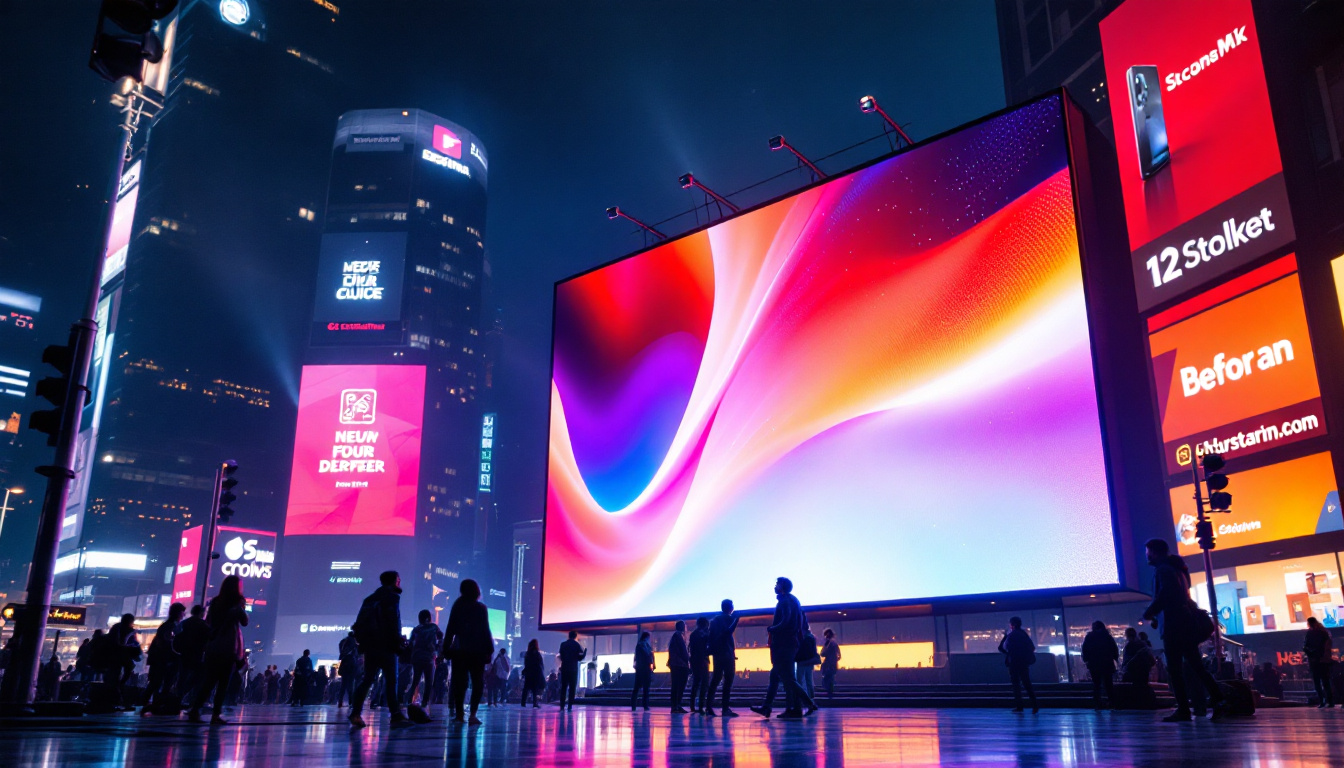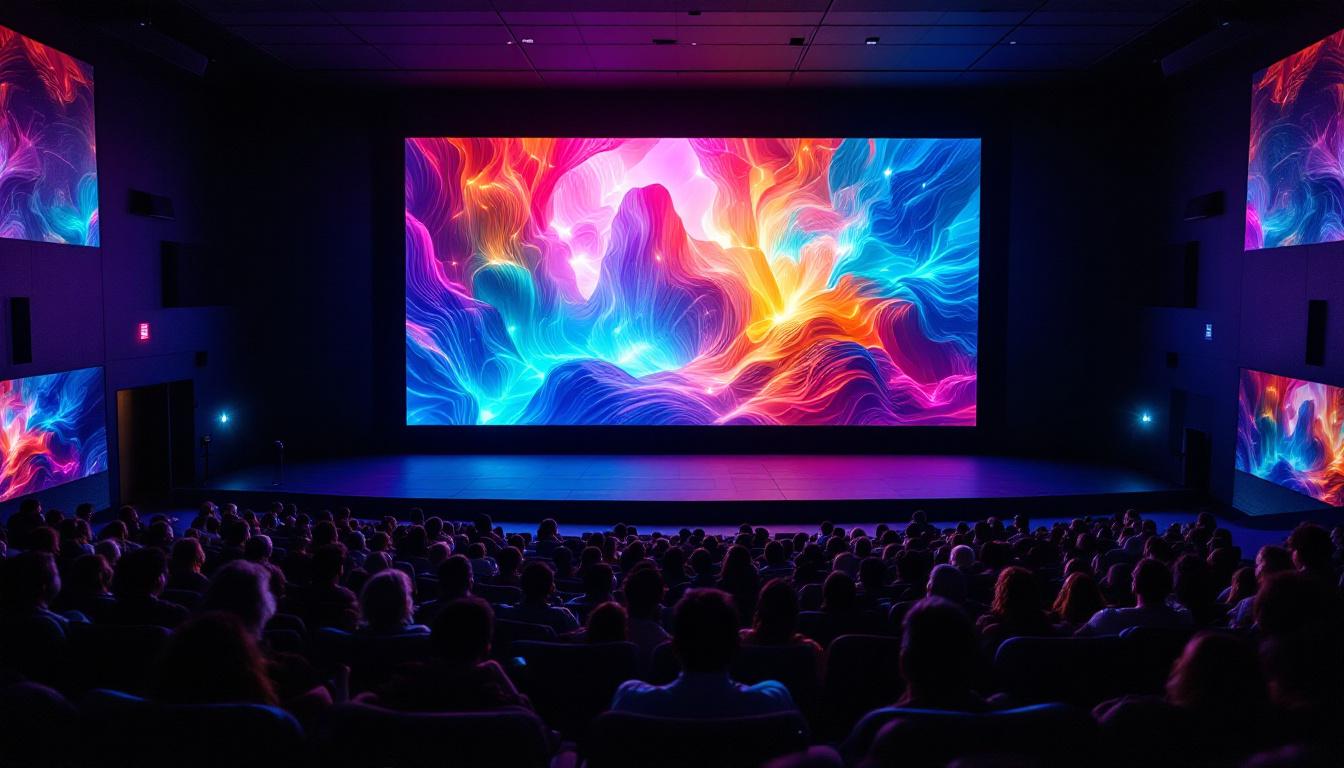
The cinematic experience has evolved dramatically over the past century, from grainy black-and-white films projected on modest screens to immersive digital spectacles that captivate millions worldwide. Among the most groundbreaking advancements is the emergence of gigantic LED display screens in cinemas, redefining how audiences engage with movies. This article delves into the world’s biggest screen cinemas, focusing on the technology behind their colossal LED displays, their benefits, and what the future holds for this revolutionary trend.
The Rise of LED Displays in Cinemas
Traditionally, cinemas have relied on projection systems that cast images onto large screens. While these systems have improved over time—moving from analog film projectors to digital laser projectors—the fundamental technology has remained similar. However, the introduction of LED (Light Emitting Diode) display technology has transformed the landscape, offering a new way to present films with unprecedented brightness, clarity, and scale.
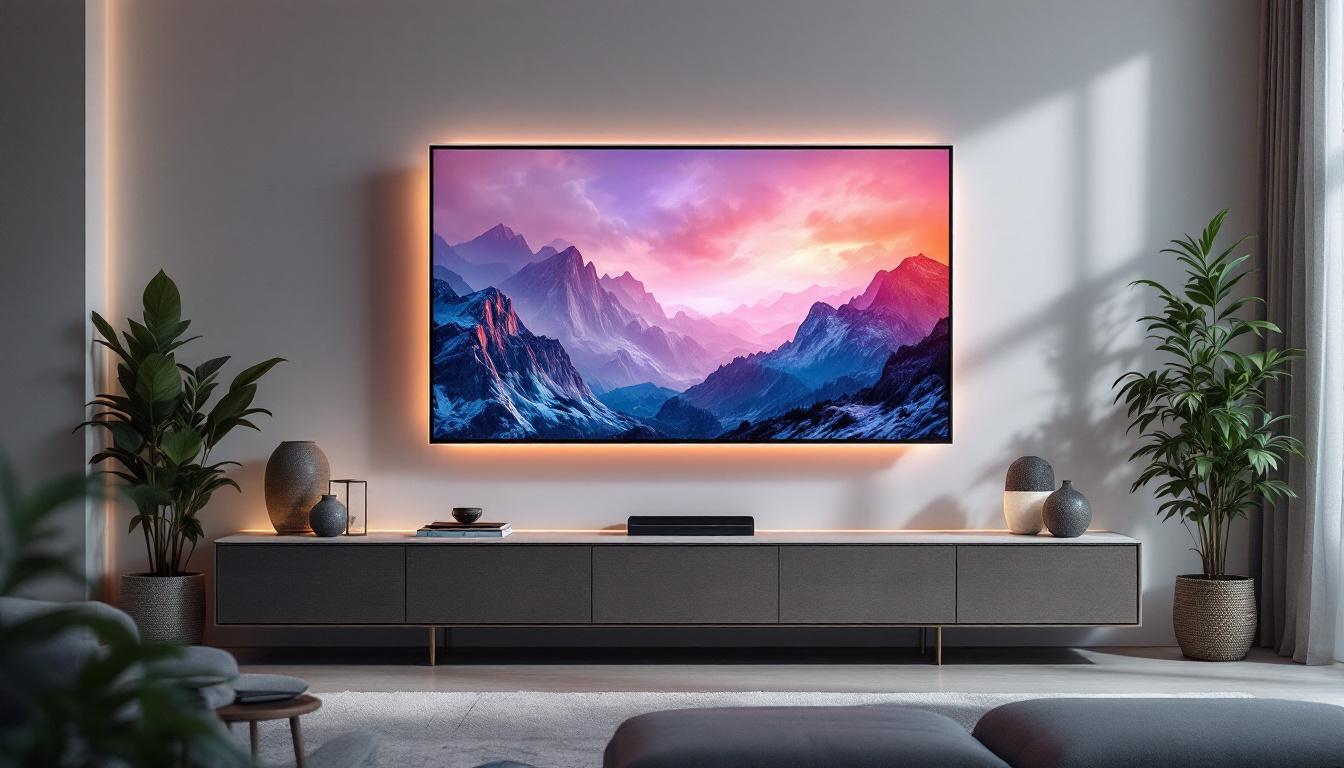
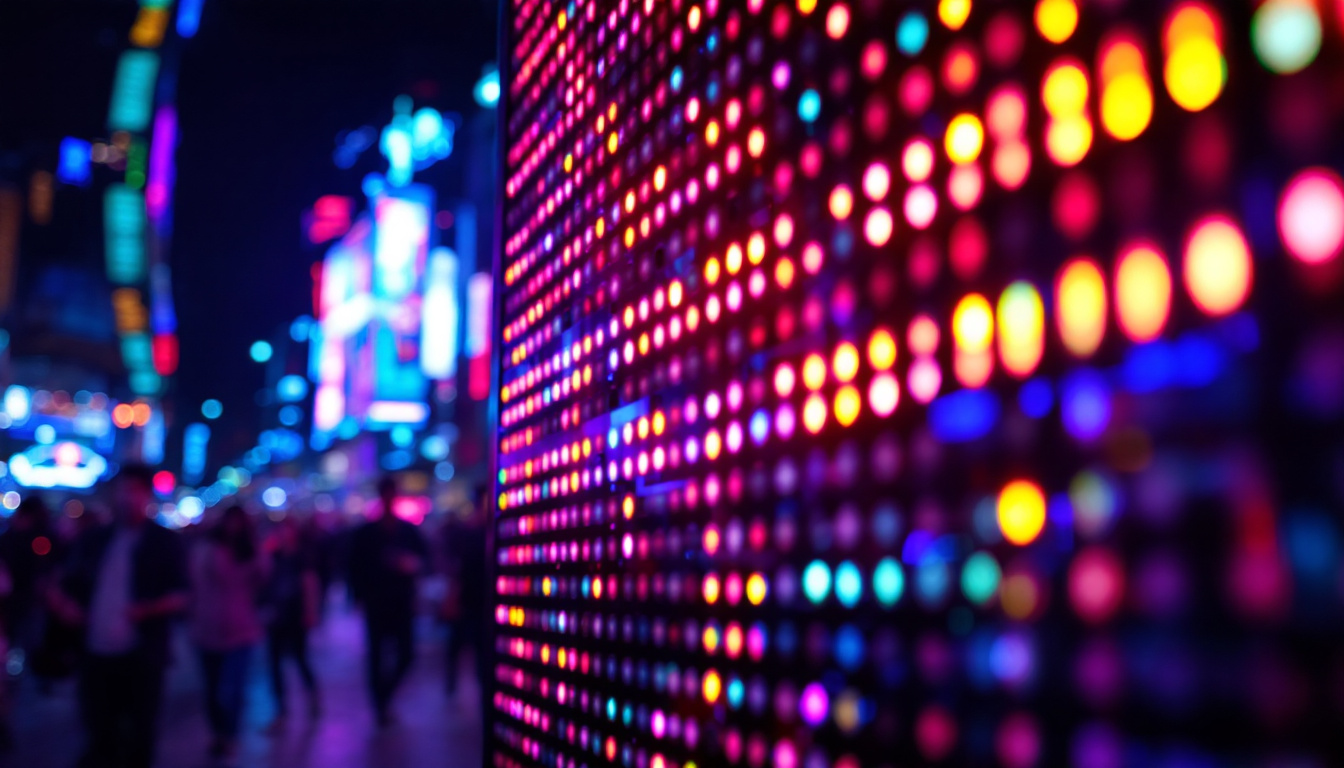
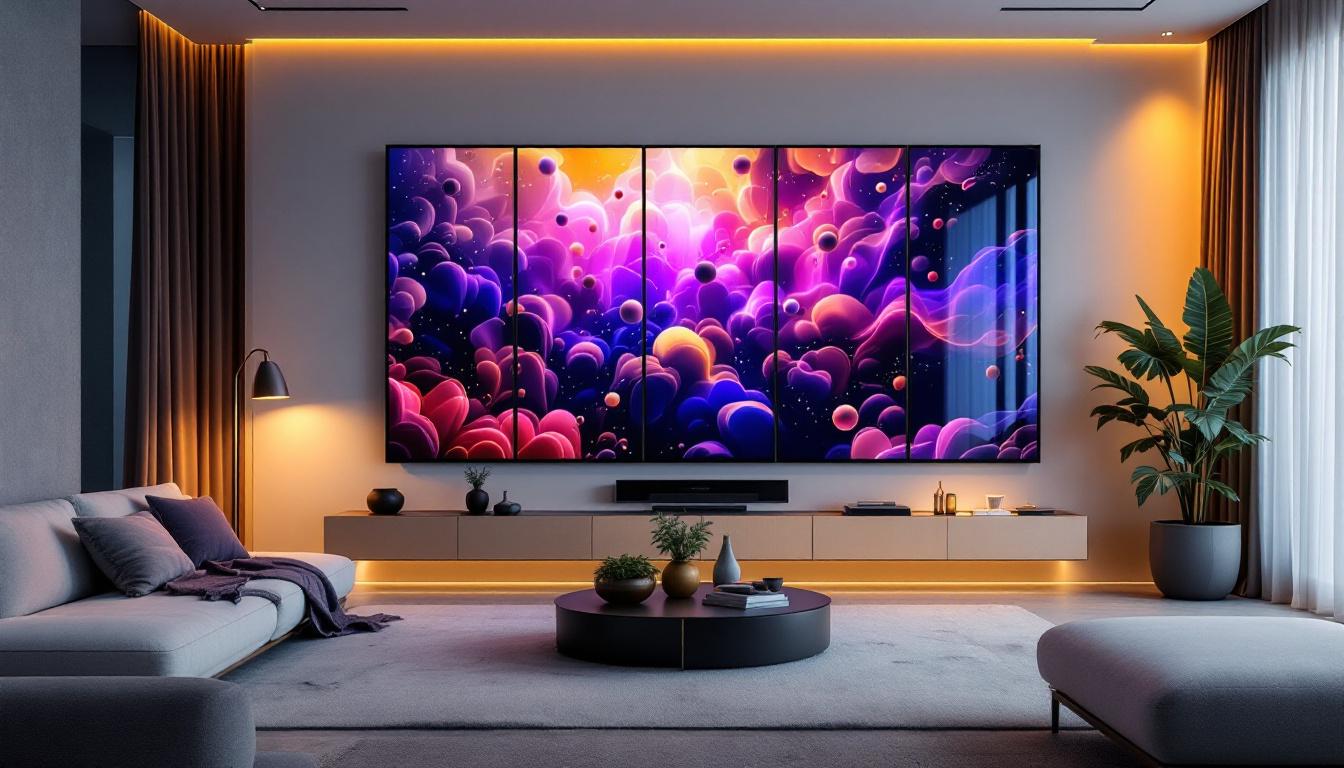
LED displays consist of thousands, sometimes millions, of tiny light-emitting diodes that work together to form vivid images. Unlike projection, which depends on external light sources and reflective screens, LED displays generate their own light, resulting in higher contrast ratios and richer colors. This self-illumination capability makes LED screens particularly suitable for large-format cinema installations where image quality and brightness are paramount.
Why LED Screens Outperform Traditional Projection
One of the main advantages of LED cinema screens is their superior brightness. Traditional projectors can struggle in brightly lit environments or very large venues, requiring darkened rooms to maintain image clarity. LED screens, on the other hand, can achieve brightness levels exceeding 1,000 nits (a measure of luminance), which is several times brighter than typical cinema projectors. This ensures that images remain vibrant even in challenging lighting conditions.
Moreover, LED displays offer exceptional color accuracy and uniformity. Since each diode emits light individually, the screen can produce deeper blacks and more saturated colors, enhancing the overall visual experience. This capability is particularly beneficial for films with high dynamic range (HDR) content, where subtle details in shadows and highlights significantly impact storytelling.
The World’s Biggest LED Cinema Screens: Case Studies
Several cinemas around the globe have embraced LED technology to create some of the largest and most impressive screens ever built. These venues not only showcase the potential of LED displays but also set new standards for immersive movie-watching experiences.
1. The TCL Chinese Theatre IMAX, Los Angeles
In 2021, the historic TCL Chinese Theatre in Hollywood underwent a major upgrade, installing one of the largest LED cinema screens in the United States. Measuring approximately 94 feet wide by 46 feet high, the LED screen replaced the traditional IMAX projection system, delivering brighter images and enhanced color fidelity.
This installation marked a significant milestone, as it combined the iconic venue’s rich cinematic history with cutting-edge technology. The LED screen’s pixel pitch—a measure of the distance between individual LEDs—was optimized to ensure sharp images even at close viewing distances, providing audiences with an unparalleled viewing experience.
2. The Lotte Cinema World Tower, Seoul
South Korea’s Lotte Cinema World Tower boasts one of the largest LED cinema screens in Asia, spanning over 100 feet in width. This screen uses advanced micro-LED technology, which offers higher resolution and energy efficiency compared to conventional LED displays.
The World Tower’s LED screen is integrated with Dolby Atmos sound systems and supports 4K resolution content, creating a fully immersive environment. The combination of sound and visual technology has made this cinema a popular destination for movie enthusiasts seeking premium experiences.
3. The Kinepolis Madrid Ciudad de la Imagen, Spain
Europe’s largest LED cinema screen can be found at Kinepolis Madrid, where a 200-square-meter LED wall redefines large-format cinema. This screen features a pixel pitch of 1.5 millimeters, ensuring crystal-clear images even at close range.
The Kinepolis installation highlights the versatility of LED technology, as the screen is modular and can be configured for different aspect ratios and event types, from blockbuster movies to live broadcasts and esports tournaments.
Technical Aspects of LED Cinema Screens
Understanding the technical specifications behind these mammoth LED screens helps appreciate the engineering feats involved and why they represent a leap forward in cinema technology.
Pixel Pitch and Resolution
Pixel pitch is a critical factor in LED display quality. It refers to the distance between the centers of two adjacent LEDs, usually measured in millimeters. A smaller pixel pitch means more LEDs per square meter, resulting in higher resolution and sharper images.
For cinema screens, pixel pitches typically range from 0.9 mm to 2.5 mm. The choice depends on the screen size and typical viewing distance. For example, a screen with a 1.2 mm pixel pitch will offer excellent clarity for audiences seated relatively close, while larger pitches may suffice for bigger venues where viewers sit farther away.
Brightness and Contrast Ratios
Brightness is measured in nits, and cinema LED screens often exceed 1,000 nits, with some installations reaching up to 2,000 nits. This level of brightness ensures that images remain vivid and clear, even in ambient light conditions that would wash out traditional projections.
Contrast ratio—the difference between the brightest whites and the darkest blacks—is another essential metric. LED screens can achieve contrast ratios exceeding 1,000,000:1, thanks to their ability to turn off individual diodes completely, producing true blacks. This capability enhances the depth and realism of the cinematic image.
Modularity and Maintenance
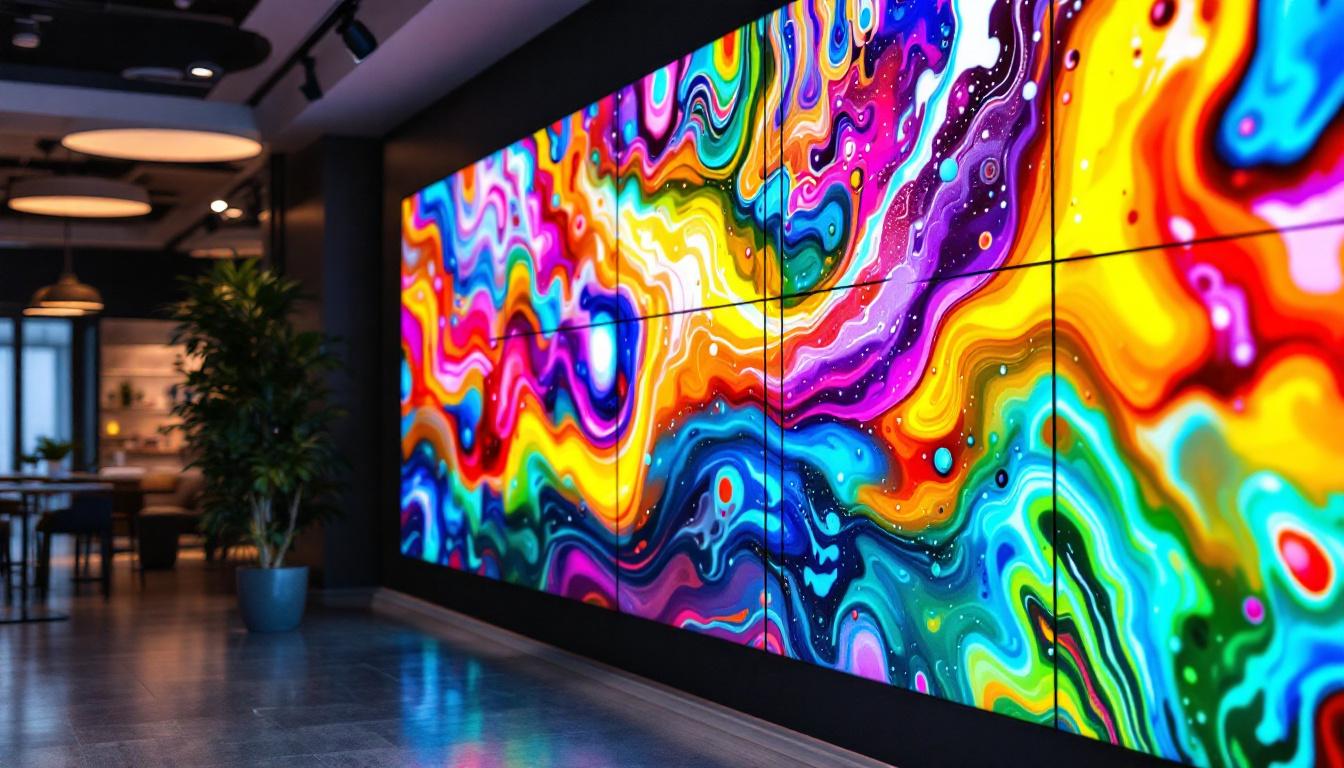
Large LED cinema screens are typically constructed from modular panels. This design allows for easier installation, maintenance, and scalability. If a section of the screen malfunctions, technicians can replace individual panels without dismantling the entire display.
Additionally, modularity enables cinemas to customize screen dimensions and aspect ratios based on the content being shown, providing flexibility that traditional fixed screens cannot offer.
Benefits of LED Cinema Screens for Audiences and Operators
The adoption of LED screens in cinemas brings advantages not only to moviegoers but also to cinema operators and content creators.
Enhanced Viewing Experience
For audiences, the most apparent benefit is the superior image quality. The combination of high brightness, vivid colors, and deep contrast creates a more immersive and engaging experience. Films come alive with details that might be lost on traditional screens, making genres like action, sci-fi, and animation particularly spectacular.
Furthermore, LED screens reduce eye strain and flicker issues often associated with projection systems, contributing to a more comfortable viewing session.
Operational Efficiency and Cost Savings
From an operational standpoint, LED screens offer several efficiencies. Unlike projection systems that require periodic lamp replacements and complex calibration, LED displays have longer lifespans—often exceeding 100,000 hours—and lower maintenance demands.
Energy consumption is another consideration. Modern LED cinema screens are designed to be energy-efficient, reducing electricity costs over time. Additionally, the durability and modularity of LED panels minimize downtime and repair expenses.
Content Flexibility and Innovation
LED technology opens new creative possibilities for filmmakers and exhibitors. The ability to adjust screen size and aspect ratio easily enables cinemas to showcase a wider variety of content formats, including live events, concerts, and interactive experiences.
Moreover, LED screens support advanced features such as HDR and 3D content with greater fidelity, encouraging studios to produce content that leverages these capabilities.
Challenges and Considerations in LED Cinema Screen Adoption
Despite their many advantages, LED cinema screens also present challenges that cinemas must consider before transitioning from traditional projection systems.
High Initial Investment
The upfront cost of installing a large LED cinema screen can be substantial. High-resolution LED panels, installation labor, and integration with existing sound and control systems contribute to this expense. For many theaters, especially smaller independent cinemas, this investment may be prohibitive without financial incentives or partnerships.
Content Compatibility and Standardization
Not all films and content are optimized for LED screens. Since LED displays differ from projection surfaces, color grading and mastering processes may need adjustment to ensure the best presentation. The industry is gradually developing standards for LED cinema content, but inconsistencies can still arise.
Heat Management and Environmental Factors
Large LED screens generate heat, necessitating effective cooling solutions to maintain performance and longevity. Additionally, environmental factors such as humidity and dust must be managed carefully, especially in venues located in challenging climates.
The Future of Cinema Screens: What’s Next?
As LED technology continues to advance, the future of cinema screens looks promising and dynamic. Innovations such as micro-LED and mini-LED promise even higher resolutions, improved energy efficiency, and thinner, lighter panels.
Emerging trends also include the integration of augmented reality (AR) and virtual reality (VR) elements with LED screens, creating hybrid experiences that blend traditional cinema with interactive digital environments. Furthermore, flexible and curved LED screens are being explored to enhance immersion further.
On the content side, filmmakers are increasingly experimenting with HDR, wider color gamuts, and higher frame rates, all of which benefit from the capabilities of LED cinema screens. As these technologies mature and become more affordable, LED screens are likely to become the new standard in cinemas worldwide.
Conclusion
The world’s biggest screen cinemas equipped with LED displays represent a significant leap forward in cinematic technology. By offering unparalleled brightness, color accuracy, and flexibility, LED screens are reshaping how audiences experience movies. While challenges such as cost and content adaptation remain, the benefits for both viewers and operators are compelling.
As LED technology continues to evolve, it promises to unlock new creative possibilities and bring cinema experiences closer to the visionary ideals of immersive storytelling. For movie lovers and industry professionals alike, the era of LED cinema screens heralds an exciting future.
Discover the Future of LED Cinema with LumenMatrix
Ready to witness the future of cinematic experiences firsthand? LumenMatrix is at the forefront of LED display innovation, offering a wide range of solutions that transform movie screenings into unforgettable events. From Indoor and Outdoor LED Wall Displays to specialized options like Vehicle and Sports LED Displays, our technology is designed to captivate and engage audiences like never before. Embrace the next generation of visual storytelling with LumenMatrix’s cutting-edge LED display modules. Check out LumenMatrix LED Display Solutions today and see how we’re revolutionizing visual communication in cinemas and beyond.