Monitor LCD: LED Display Explained
In today’s digital world, the quality of a computer monitor plays a crucial role in productivity, entertainment, and overall user experience. Among the various types of display technologies, LCD monitors with LED backlighting have become the industry standard. But what exactly does “LED display” mean in the context of an LCD monitor? This article delves into the technology behind LCD and LED displays, explains their differences, and highlights why understanding these terms is essential for making informed purchasing decisions.
Understanding LCD Technology
What is an LCD Monitor?
LCD stands for Liquid Crystal Display, a technology that has revolutionized the way images are displayed on screens. Unlike older cathode ray tube (CRT) monitors, LCDs use liquid crystals sandwiched between two layers of glass or plastic. These crystals do not emit light by themselves but manipulate light to create images.
The liquid crystals in an LCD monitor align in a way that controls the passage of light from a backlight source. By adjusting the orientation of these crystals, the monitor can control the intensity of light passing through each pixel, thereby producing different colors and images. This technology allows for thinner, lighter displays that are more energy-efficient compared to their CRT predecessors, making them ideal for a wide range of applications, from personal computers to televisions and mobile devices.
Furthermore, the advancements in LCD technology have led to the development of various types of displays, including IPS (In-Plane Switching) and TN (Twisted Nematic) panels. IPS panels are known for their superior color accuracy and wider viewing angles, making them a popular choice among graphic designers and photographers. On the other hand, TN panels are often favored for gaming due to their faster response times, despite having narrower viewing angles and less vibrant colors.
The Role of Backlighting in LCDs
Because liquid crystals cannot produce light independently, LCD monitors require a backlight to illuminate the display. Early LCDs used cold cathode fluorescent lamps (CCFLs) as their backlight source. While effective, CCFLs are bulkier, consume more power, and offer less control over brightness and color accuracy.
Backlighting is critical because it directly impacts the display’s brightness, contrast, and color quality. Without proper backlighting, the image would appear dim or washed out, regardless of the liquid crystal arrangement. In recent years, LED (Light Emitting Diode) technology has largely replaced CCFLs in LCD monitors, providing several advantages. LED backlighting allows for thinner designs, improved energy efficiency, and better color reproduction. Additionally, with technologies like local dimming, LED backlighting can enhance contrast ratios by dimming specific areas of the screen, resulting in deeper blacks and more vibrant colors.
The choice of backlighting also influences the overall user experience. For instance, edge-lit LED displays tend to be thinner and lighter, making them ideal for portable devices, while full-array LED displays, which use a grid of LEDs behind the entire screen, provide superior uniformity and brightness. As consumers become more discerning about display quality, manufacturers continue to innovate in backlighting technologies to meet the demand for high-performance screens in both professional and recreational settings.
What Does LED Display Mean?
LED as a Backlighting Source
The term “LED display” in the context of LCD monitors can be misleading. Most consumer-grade monitors marketed as LED displays are actually LCD panels that use Light Emitting Diodes (LEDs) for backlighting instead of CCFLs.
LED backlighting offers several advantages over CCFLs. LEDs are thinner, more energy-efficient, and can achieve higher brightness levels. They also allow for better control of local dimming zones, which enhances contrast ratios and black levels. This improved performance is particularly noticeable in high-definition content, where the depth of color and clarity can significantly enhance the viewing experience. Additionally, the longevity of LEDs means that users can expect their monitors to last longer without a noticeable drop in performance, making them a more sustainable choice in the long run.
Types of LED Backlighting
There are two primary types of LED backlighting used in LCD monitors:
- Edge-lit LED: LEDs are placed along the edges of the screen, and light is spread across the display using light guides. This design allows for thinner monitors but can sometimes result in uneven brightness or “hot spots.” This unevenness can be particularly distracting in darker scenes, where the contrast between light and shadow is crucial for immersion. However, edge-lit displays are often more affordable and lighter, making them a popular choice for budget-conscious consumers.
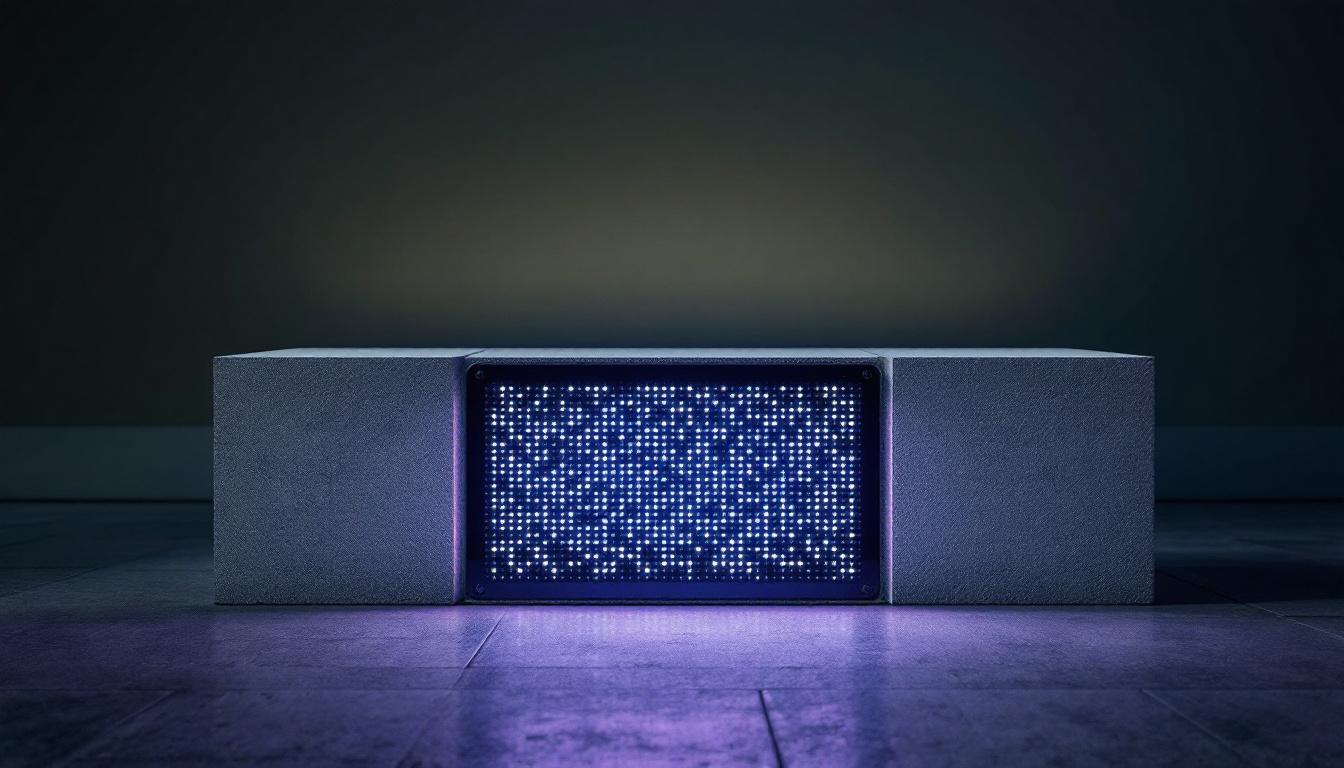
- Direct-lit or Full-array LED: LEDs are placed directly behind the LCD panel in a grid formation. This approach provides more uniform brightness and supports local dimming, where individual zones can be dimmed or brightened independently. This capability allows for deeper blacks and a more dynamic range of colors, which can be especially beneficial for gamers and movie enthusiasts who crave a more cinematic experience. The technology behind full-array LED displays continues to evolve, with advancements in quantum dot technology further enhancing color accuracy and vibrancy.
Full-array LED backlighting generally delivers superior picture quality but at a higher cost and thickness compared to edge-lit designs. As manufacturers strive to balance performance with aesthetics, many are developing innovative solutions that combine the best features of both types, such as mini-LED technology, which packs more LEDs into a smaller space for improved brightness and contrast without significantly increasing the monitor’s thickness. This ongoing evolution in LED technology reflects the industry’s commitment to providing consumers with the best possible viewing experience.
Comparing LED-Backlit LCDs to Other Display Technologies
LED-Backlit LCD vs. CCFL LCD
Switching from CCFL to LED backlighting marked a significant improvement in LCD monitor technology. LED-backlit LCDs consume up to 40% less power and offer better color accuracy and brightness. Additionally, LEDs have a longer lifespan and do not contain mercury, making them more environmentally friendly.
For example, a 24-inch LED-backlit monitor typically consumes around 20-30 watts, whereas a comparable CCFL-backlit model might use 30-40 watts. This difference can translate into noticeable energy savings over time, especially in office environments with multiple monitors.
LED-Backlit LCD vs. OLED Displays
Organic Light Emitting Diode (OLED) displays are often touted as the next-generation display technology because each pixel emits its own light, eliminating the need for a backlight. This allows OLEDs to achieve perfect blacks and infinite contrast ratios.
However, OLED monitors are currently more expensive and less common in the desktop monitor market. They also face challenges such as potential burn-in and shorter overall lifespan compared to LED-backlit LCDs. For most users, LED-backlit LCD monitors strike the best balance between price, performance, and longevity.
Key Advantages of LED-Backlit LCD Monitors
Improved Energy Efficiency
One of the most significant benefits of LED backlighting is its energy efficiency. LEDs consume less power than CCFLs, which reduces electricity bills and environmental impact. This is especially important for businesses and users who operate multiple monitors or run their systems for extended periods.
Enhanced Color Accuracy and Brightness
LED backlights can produce a wider color gamut and higher brightness levels, which translates into more vibrant and accurate images. This is beneficial for professionals working in graphic design, video editing, and photography, where color fidelity is critical.
Thinner and Lighter Designs
LED backlighting technology enables manufacturers to create thinner and lighter monitors. This not only improves aesthetics but also saves desk space and makes monitors easier to mount or transport.
Longer Lifespan and Environmental Benefits
LEDs have a longer operational life compared to CCFLs and do not contain hazardous materials like mercury. This makes LED-backlit monitors safer to dispose of and better for the environment.
Considerations When Choosing an LED-Backlit LCD Monitor
Panel Type Matters
While LED backlighting improves illumination, the type of LCD panel used also affects display quality. Common panel types include:
- TN (Twisted Nematic): Offers fast response times but limited viewing angles and color accuracy.
- IPS (In-Plane Switching): Provides superior color reproduction and wide viewing angles, ideal for creative professionals.
- VA (Vertical Alignment): Balances contrast and color accuracy, often preferred for gaming and multimedia.
Choosing the right panel type depends on your specific needs, whether it’s gaming, professional work, or general use.
Resolution and Refresh Rate
Modern monitors come in various resolutions, from Full HD (1920×1080) to 4K (3840×2160) and beyond. Higher resolution displays offer sharper images but require more powerful graphics hardware.
Refresh rate, measured in hertz (Hz), indicates how many times the screen updates per second. Standard monitors typically have 60Hz, while gaming monitors can go up to 144Hz or higher for smoother motion.
Local Dimming and HDR Support
Some LED-backlit monitors feature local dimming, which enhances contrast by dimming parts of the screen independently. This feature is especially beneficial when viewing HDR (High Dynamic Range) content, which requires a wide range of brightness levels.
HDR-capable monitors provide more lifelike images with better highlights and shadow detail, making them an excellent choice for media consumption and creative work.
Future Trends in LCD and LED Display Technology
Mini-LED and Micro-LED Innovations
Emerging technologies like Mini-LED and Micro-LED are set to redefine LED backlighting. Mini-LED uses thousands of tiny LEDs as backlight sources, offering even more precise local dimming and improved contrast ratios. This technology bridges the gap between traditional LED-backlit LCDs and OLED displays.
Micro-LED, on the other hand, consists of microscopic LEDs that can emit their own light, similar to OLED but without some of the drawbacks like burn-in. While still in early stages for consumer monitors, Micro-LED promises exceptional brightness, color accuracy, and durability.
Increased Adoption of Quantum Dot Technology
Quantum Dot technology enhances LED-backlit LCDs by using nanocrystals to produce purer colors and higher brightness. Many high-end monitors and TVs now incorporate Quantum Dots to deliver richer, more vivid images.
Conclusion: Making Sense of LED Displays in LCD Monitors
Understanding that LED displays in the context of monitors are essentially LCD panels with LED backlighting is key to making informed decisions when purchasing a monitor. LED backlighting has transformed LCD technology by improving energy efficiency, color accuracy, and design flexibility.
When selecting a monitor, consider not only the backlighting technology but also the panel type, resolution, refresh rate, and additional features like HDR and local dimming. Staying informed about emerging technologies such as Mini-LED and Quantum Dots can also help anticipate future upgrades.
Ultimately, LED-backlit LCD monitors offer a compelling combination of performance, affordability, and durability, making them the go-to choice for most users in the current market.
Discover the Future of Visual Display with LumenMatrix
As you consider upgrading to an LED-backlit LCD monitor, why not explore the cutting-edge solutions from LumenMatrix? Our commitment to innovation ensures that you’ll experience the pinnacle of display technology, whether you’re looking for an Indoor LED Wall Display, an Outdoor LED Wall Display, or any of our specialized solutions like Vehicle LED Displays and LED Sports Displays. Embrace the future with LumenMatrix and let us help you create visual experiences that are as dynamic and vibrant as your content. Check out LumenMatrix LED Display Solutions today and see the difference for yourself.