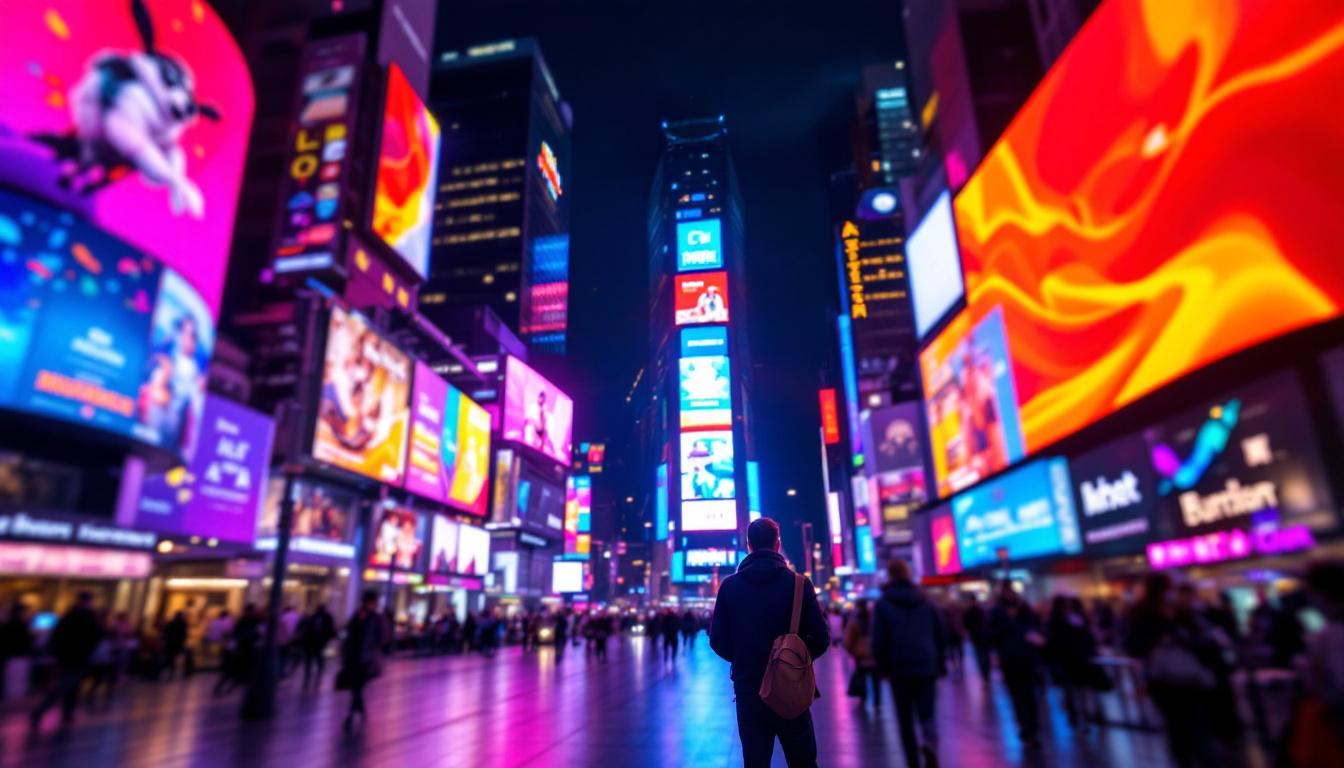
In the rapidly evolving world of digital technology, LED screens have emerged as a cornerstone for visual communication. From vibrant billboards to immersive event backdrops, LED displays are everywhere, captivating audiences with their brightness, clarity, and versatility. This article delves deep into the world of LED screens, unraveling their technology, applications, benefits, and future trends. Whether you’re a business owner considering an LED display for advertising or a tech enthusiast curious about the mechanics behind the glow, this comprehensive guide offers valuable insights.
Understanding LED Screen Technology
What is an LED Screen?
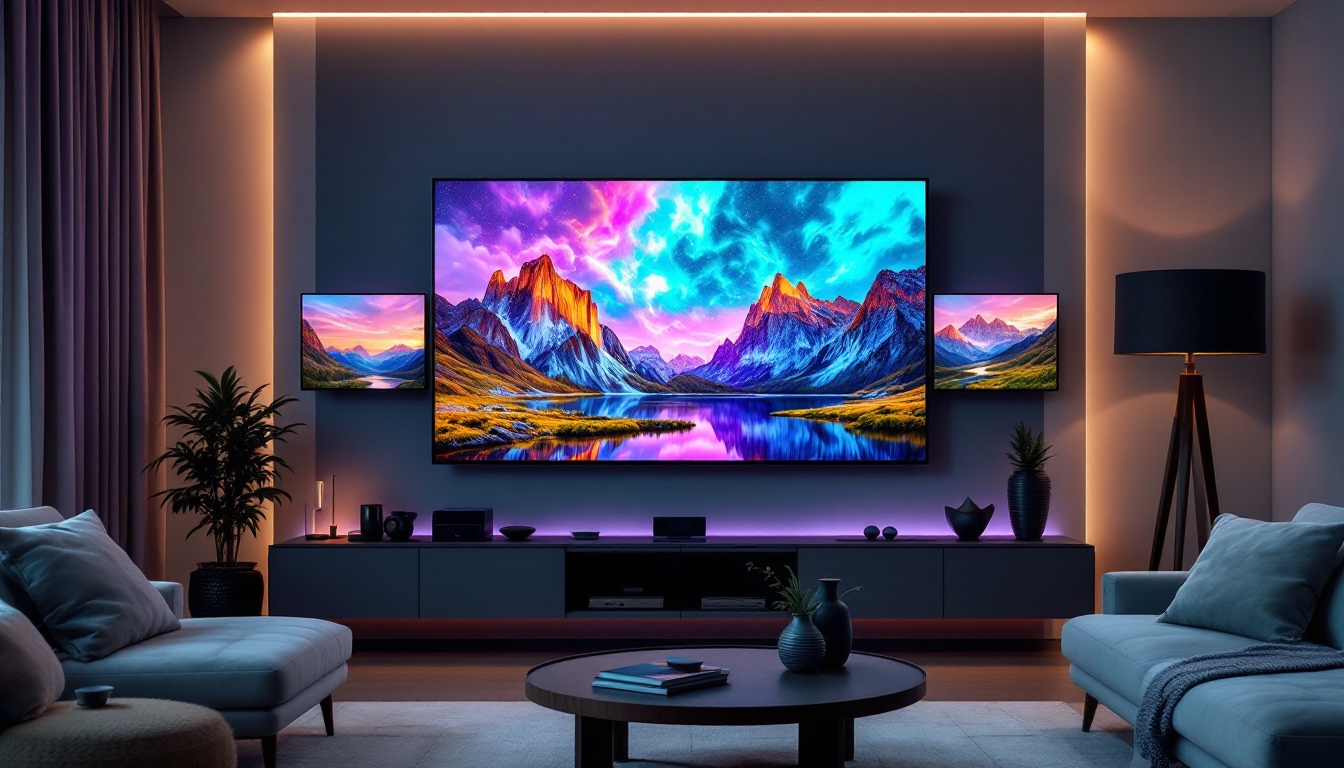
LED stands for Light Emitting Diode, a semiconductor device that emits light when an electric current passes through it. An LED screen is essentially a flat panel display that uses these tiny diodes as pixels to create images and videos. Unlike traditional LCD or plasma screens that rely on backlighting, LED screens generate their own light, resulting in superior brightness and contrast.
Modern LED screens are composed of thousands to millions of these diodes arranged in a matrix. Each diode can be individually controlled to display different colors and intensities, enabling the screen to produce vivid and dynamic visuals. This self-illumination property is what makes LED screens particularly effective in outdoor and high-ambient-light environments. Furthermore, LED technology has evolved significantly, leading to the development of features such as HDR (High Dynamic Range) which enhances color accuracy and contrast, making images appear more lifelike. As a result, LED screens are not only popular in consumer electronics but have also become essential tools in professional settings like broadcasting, advertising, and live events.
Types of LED Screens
LED screens come in various forms, each suited to specific applications and environments. The two primary categories are:
- Direct View LED (DVLED) Screens: These are made up of individual LEDs that directly form the image. They are commonly used for large-scale displays such as stadium screens, digital billboards, and stage backdrops.
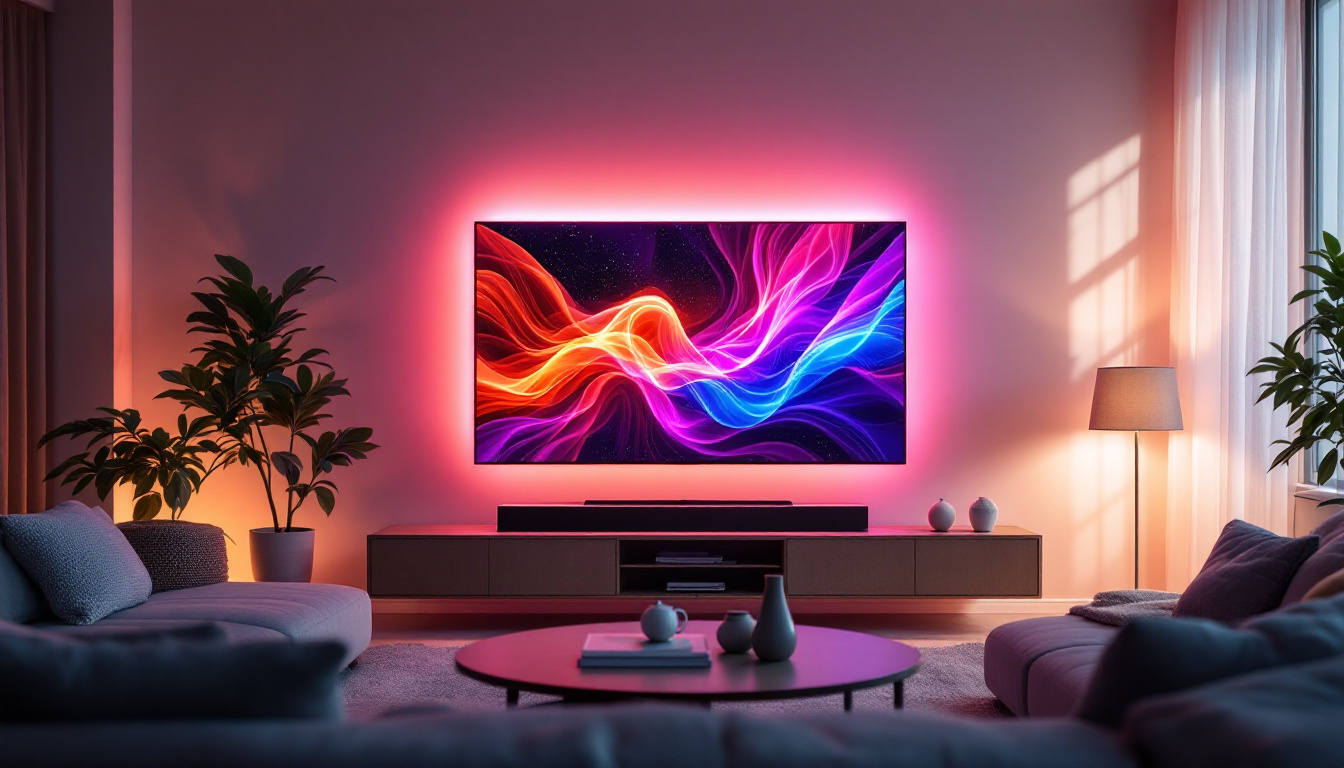
- LED-backlit LCD Screens: These use LEDs as a backlight source behind an LCD panel. This technology is prevalent in televisions, monitors, and smaller digital signage.
Within direct view LED screens, pixel pitch—the distance between the centers of two adjacent LEDs—plays a critical role. Smaller pixel pitches (e.g., 1.2mm) offer higher resolution and are ideal for indoor use, while larger pitches (e.g., 10mm or more) are suitable for outdoor displays where viewing distances are greater. Additionally, advancements in technology have led to the emergence of flexible LED screens, which can be bent or shaped to fit unique spaces and designs, opening up new possibilities for creative installations. These flexible displays are increasingly being used in architectural applications, allowing for innovative designs that blend seamlessly with their surroundings.
Another exciting development in LED technology is the rise of transparent LED screens. These screens maintain a level of transparency while displaying content, making them ideal for retail environments where businesses want to showcase products behind the screen while still engaging customers with dynamic visuals. This technology not only enhances the aesthetic appeal of storefronts but also provides a unique way to communicate promotional messages without obstructing the view of the merchandise. As the demand for immersive and interactive experiences grows, the versatility of LED screens continues to expand, paving the way for even more innovative applications in various industries.
Applications of LED Displays
Advertising and Digital Signage
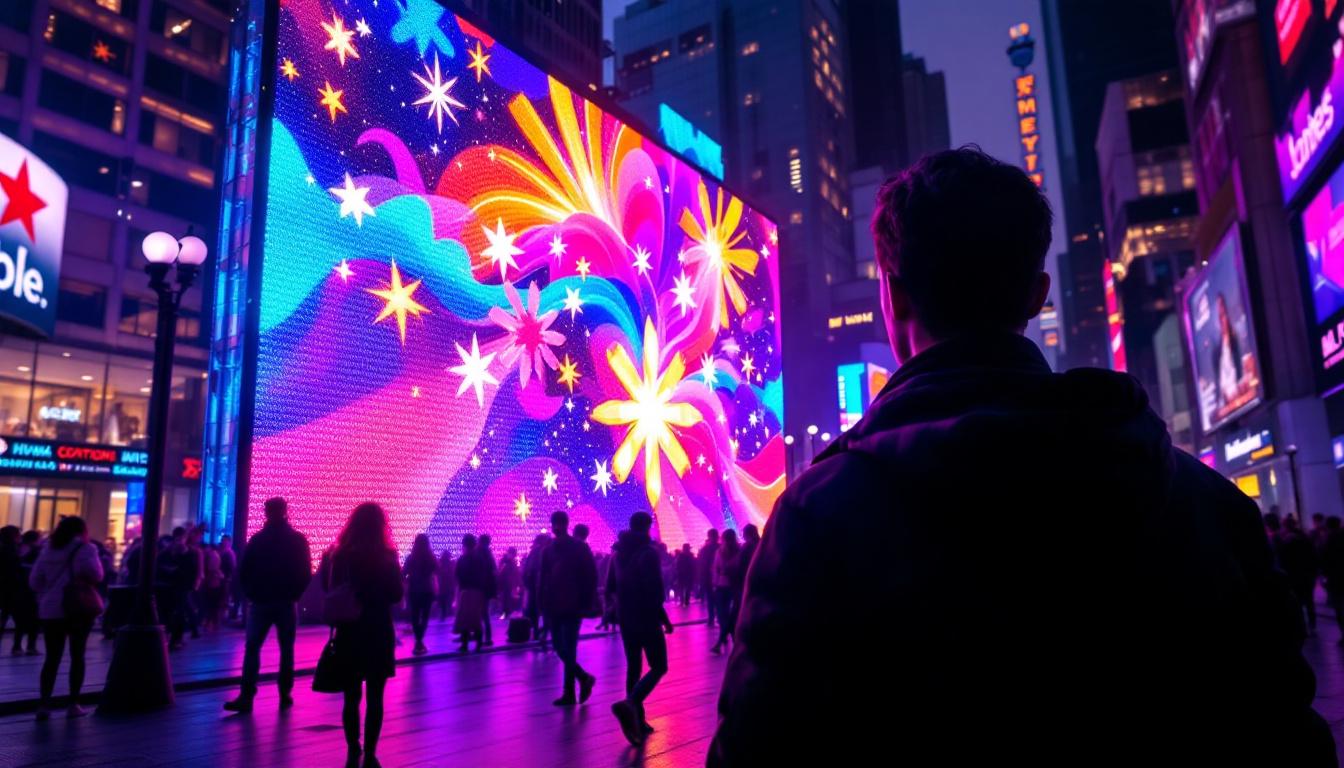
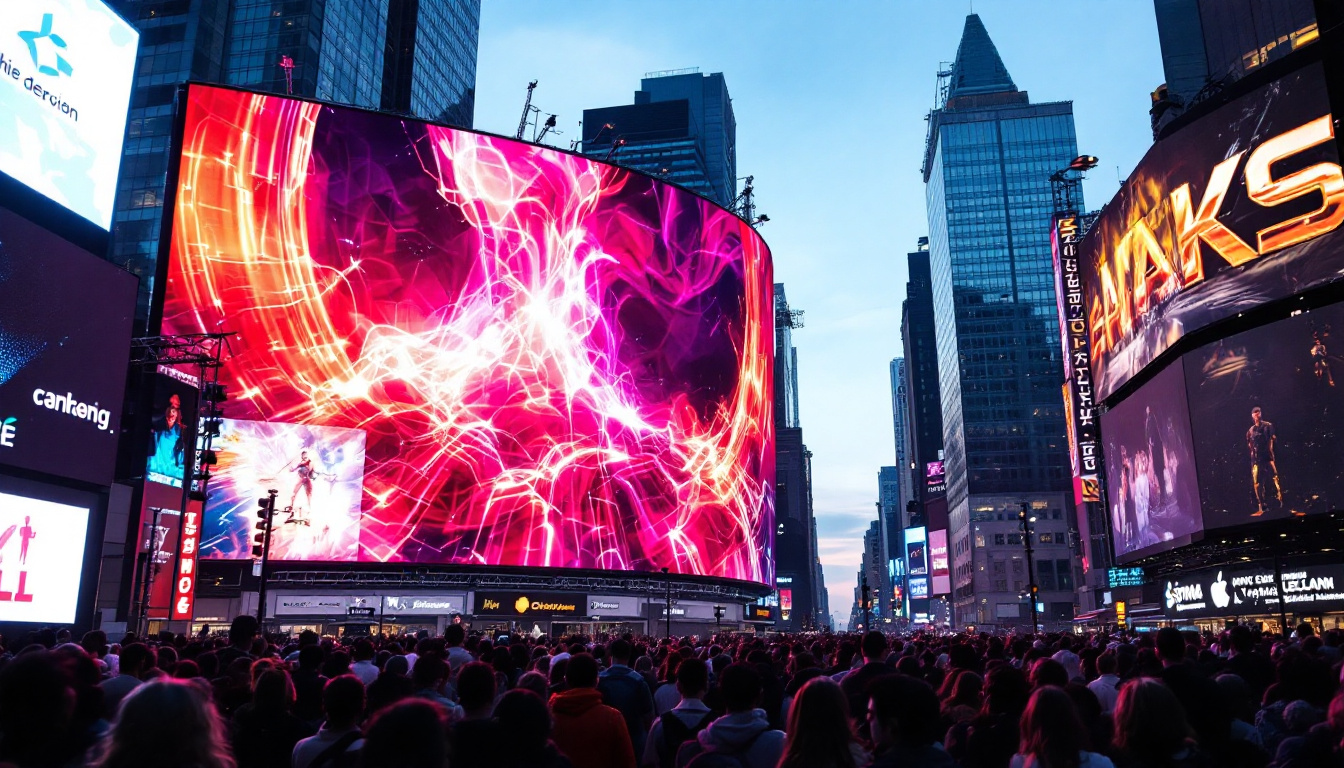
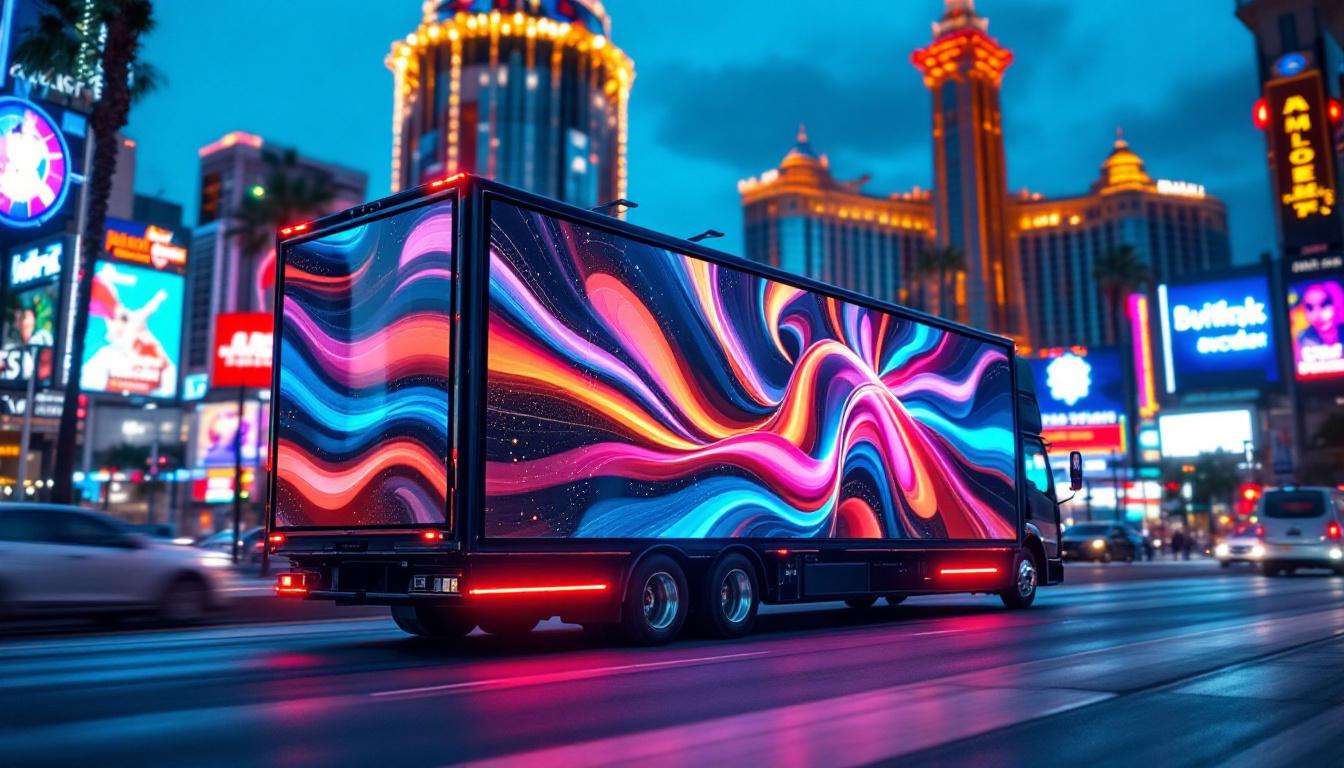
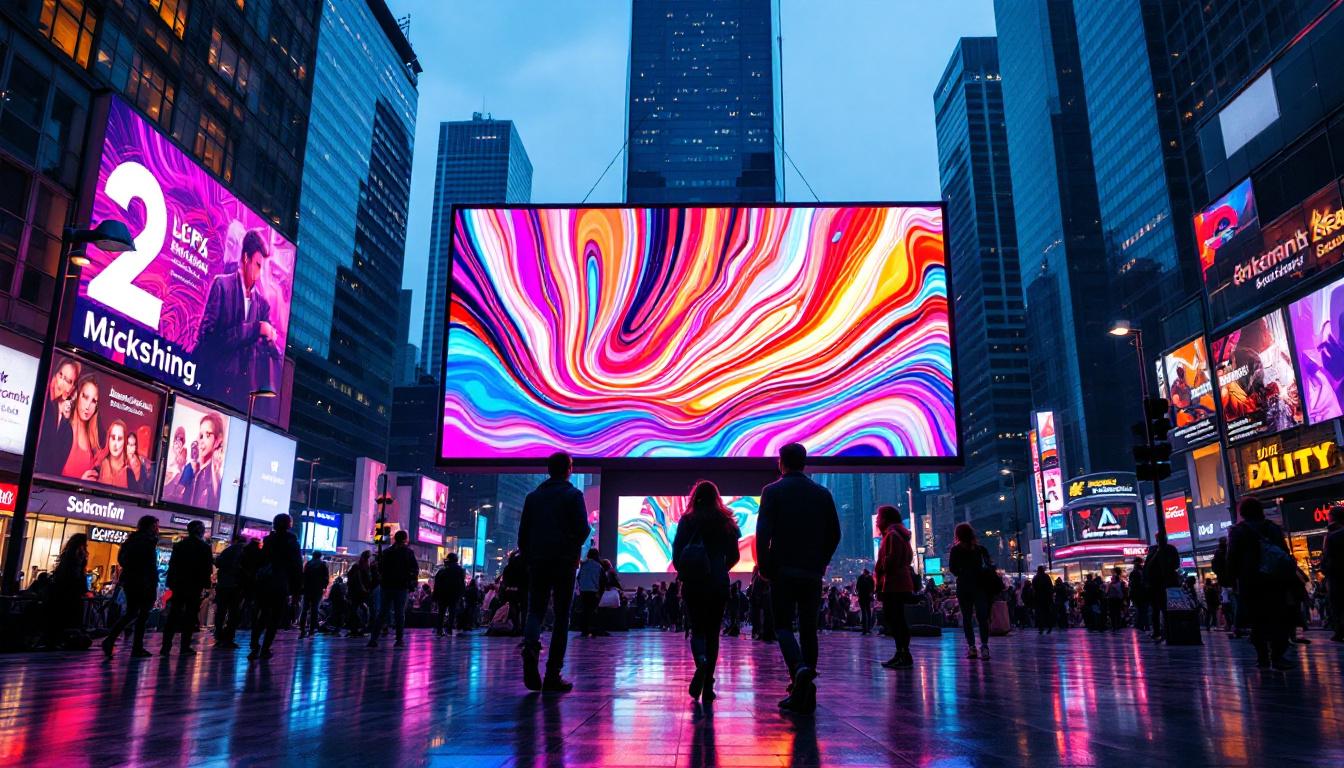
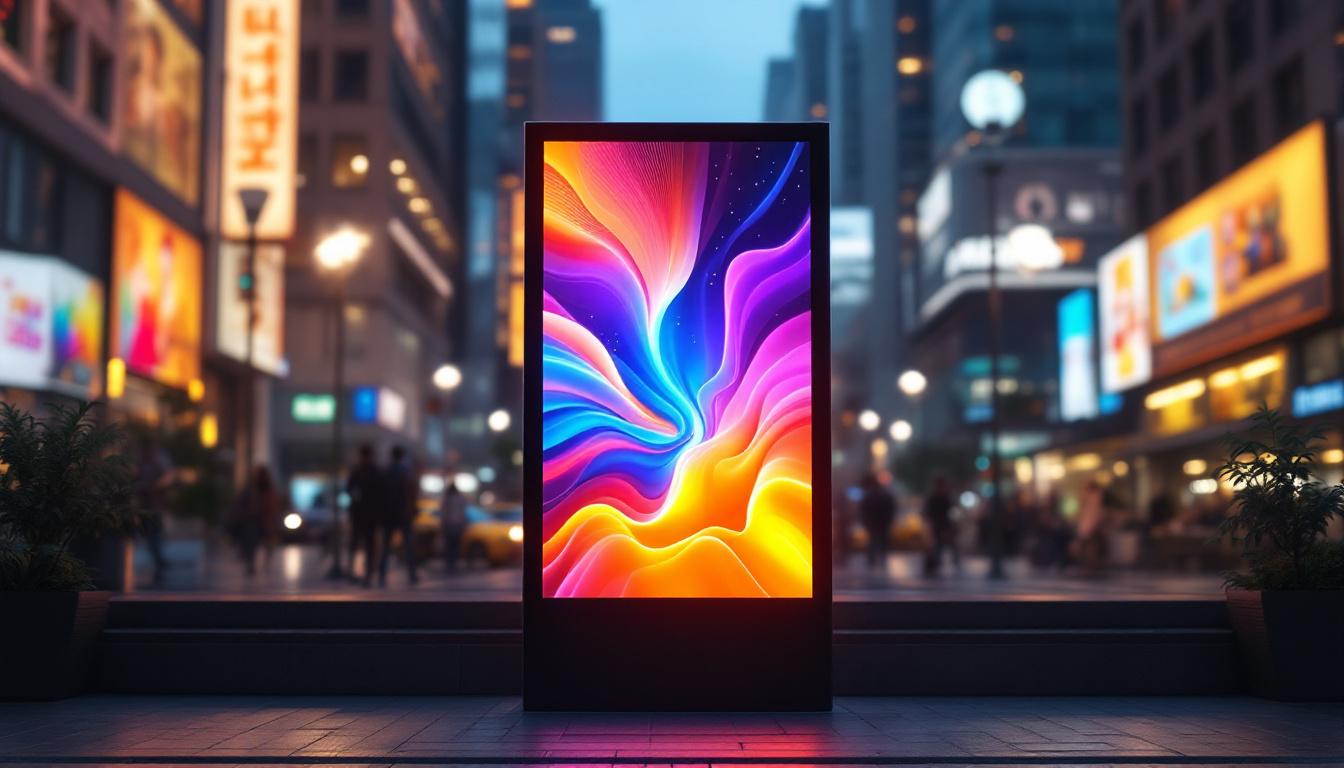
One of the most widespread uses of LED screens is in advertising. Digital billboards equipped with LED panels have revolutionized outdoor advertising by enabling dynamic content that can be updated in real-time. According to a report by Grand View Research, the global digital signage market size was valued at over $21 billion in 2023 and is expected to grow at a CAGR of 9.5% through 2030, largely driven by LED technology advancements.
LED displays allow advertisers to capture attention with bright, colorful, and moving images, which have been shown to increase recall and engagement compared to static signs. Additionally, the durability of LED screens makes them suitable for various weather conditions, ensuring consistent performance outdoors. Furthermore, the ability to tailor content for specific audiences and times enhances the effectiveness of campaigns, allowing businesses to optimize their advertising strategies based on real-time data and analytics.
Entertainment and Events
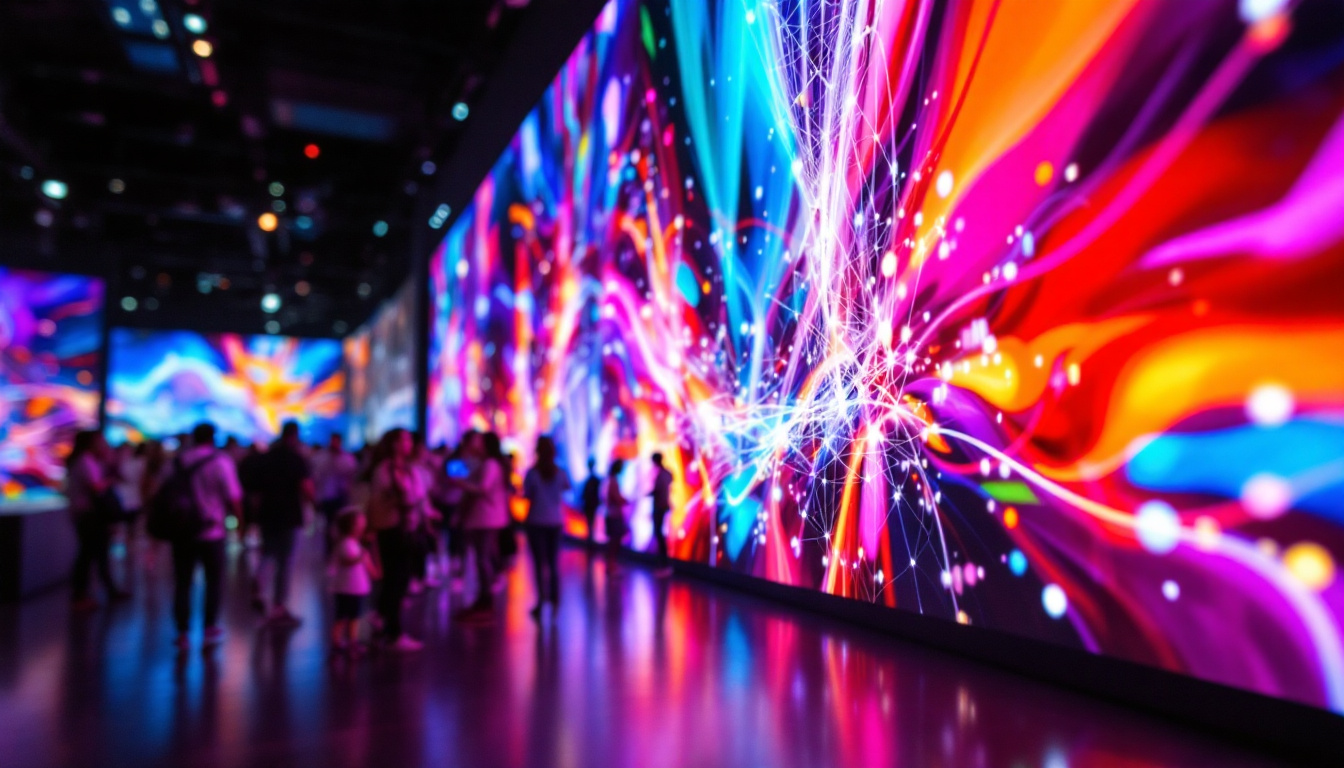
Concerts, sports events, and festivals frequently utilize LED screens to create immersive experiences. Large-scale LED walls serve as dynamic backdrops, displaying live feeds, graphics, and interactive content that enhance audience engagement. For example, the Super Bowl halftime shows often feature massive LED installations that transform the stage environment.
Indoor venues also benefit from LED displays for scoreboards, information panels, and decorative elements. The flexibility of LED technology allows for creative configurations, including curved and transparent screens, expanding the possibilities for event designers. Moreover, the integration of augmented reality (AR) with LED displays is becoming increasingly popular, allowing for interactive experiences that captivate audiences and elevate the overall entertainment value. This technology not only enhances the visual appeal but also offers new avenues for storytelling and audience participation.
Retail and Corporate Environments
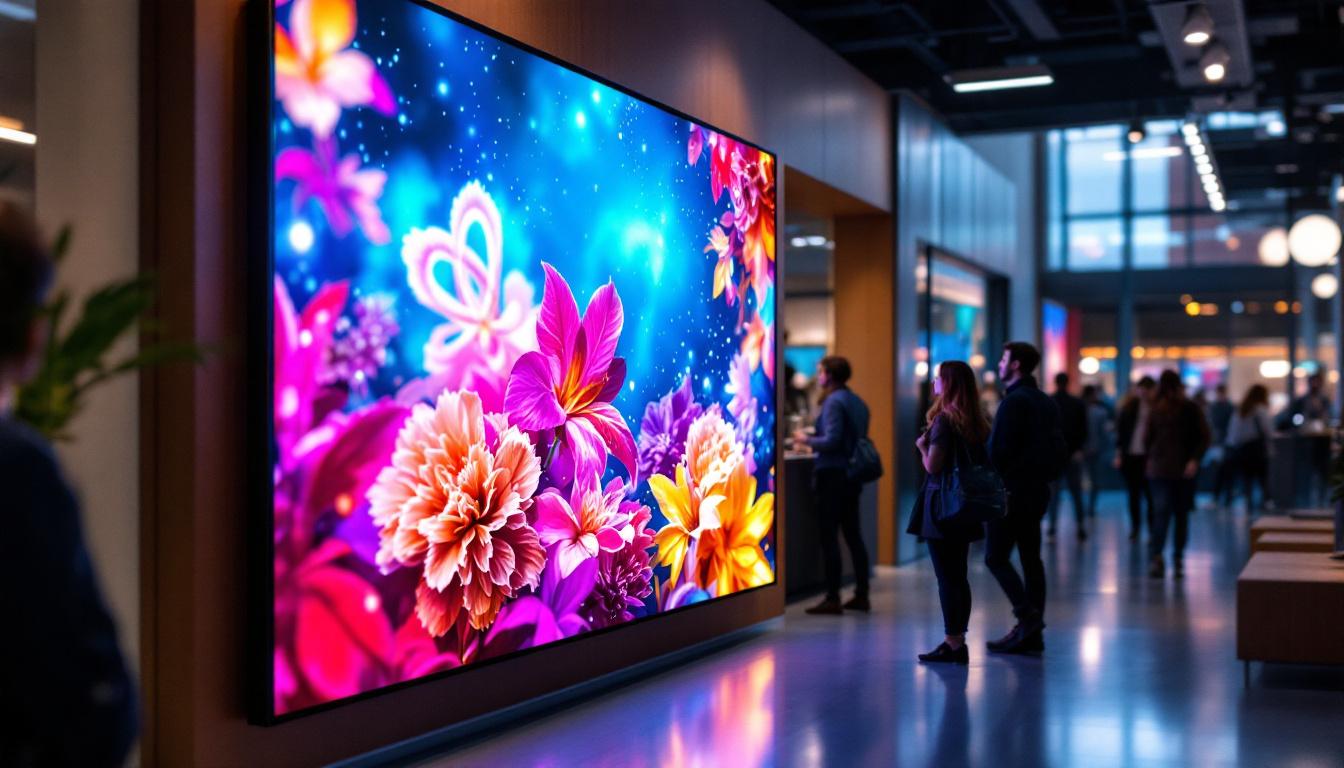
In retail settings, LED displays are used to attract customers, promote products, and provide interactive experiences. From storefront windows to in-store digital shelves, LED screens help brands stand out in competitive markets. Corporate offices employ LED walls for presentations, video conferencing, and branding purposes, fostering a modern and tech-savvy atmosphere.
Additionally, the use of LED displays in retail environments extends to personalized marketing, where screens can showcase tailored advertisements based on customer demographics and behavior. This level of customization not only enhances the shopping experience but also drives sales by presenting relevant offers at the right time. In corporate settings, the implementation of LED technology can facilitate better communication and collaboration among teams, as real-time data sharing and visually engaging presentations become the norm. The adaptability of LED displays also means that businesses can easily update content to reflect changing goals or initiatives, ensuring that their messaging remains fresh and impactful.
Advantages of LED Screens Over Other Display Technologies
Brightness and Visibility
LED screens are renowned for their exceptional brightness, often reaching up to 5,000 nits or more, compared to typical LCD screens that max out around 500 nits. This high luminance ensures that LED displays remain visible even under direct sunlight, making them ideal for outdoor applications.
Moreover, LED screens offer superior contrast ratios because each diode emits light independently. This capability allows for true blacks and vibrant colors, enhancing image quality and viewer experience.
Energy Efficiency and Longevity
Despite their brightness, LEDs are highly energy-efficient. They consume less power than traditional lighting and display technologies, which translates to lower operational costs over time. Advances in LED materials and manufacturing have also improved their lifespan, with many LED screens rated for 50,000 to 100,000 hours of use before significant brightness degradation occurs.
Flexibility and Customization
LED technology is highly adaptable. Screens can be manufactured in various shapes and sizes, including flexible and transparent panels. This versatility allows for innovative installations in architecture, retail, and entertainment. Additionally, LED displays support high refresh rates and fast response times, making them suitable for video playback and interactive applications.
Key Considerations When Choosing an LED Screen
Pixel Pitch and Resolution
Pixel pitch is a crucial factor determining the resolution and viewing distance of an LED screen. A smaller pixel pitch means more LEDs per square meter, resulting in sharper images suitable for close-up viewing. Conversely, larger pixel pitches are acceptable for displays intended to be viewed from afar, such as highway billboards.
Choosing the right pixel pitch depends on the intended use case, budget, and installation environment. For example, indoor retail displays typically require pixel pitches between 1.2mm and 2.5mm, while outdoor advertising might use pitches ranging from 6mm to 20mm.
Brightness and Environmental Conditions
Consider the ambient lighting conditions where the LED screen will be installed. Outdoor screens must have high brightness levels and weatherproofing to withstand sun exposure, rain, and temperature fluctuations. Indoor screens can operate at lower brightness but should still be bright enough to compete with indoor lighting.
Installation and Maintenance
LED screens vary in weight, thickness, and mounting requirements. Some models are designed for permanent installations, while others are portable for temporary events. Maintenance access is also important; modular designs that allow easy replacement of individual LED panels can reduce downtime and service costs.
Emerging Trends and the Future of LED Displays
MicroLED and MiniLED Technologies
MicroLED and MiniLED represent the next generation of LED display technology. MicroLEDs are significantly smaller than traditional LEDs, enabling ultra-high-resolution displays with exceptional brightness and color accuracy. These screens promise to combine the best features of OLED and LED technologies without some of their limitations, such as burn-in or limited lifespan.
MiniLEDs, while larger than MicroLEDs, offer improved contrast and local dimming capabilities compared to conventional LED-backlit LCDs. Both technologies are gaining traction in premium TVs, smartphones, and professional displays.
Interactive and Smart LED Displays
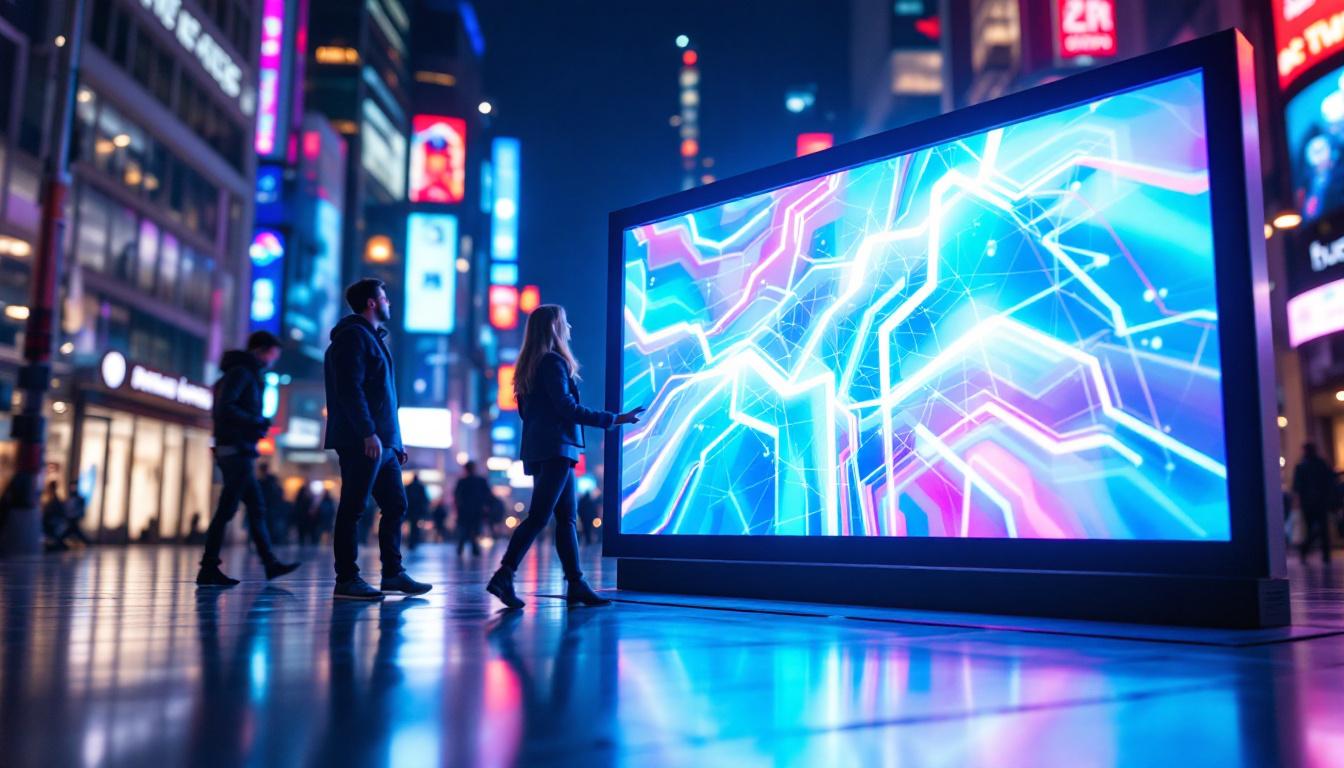
Integration of touch sensors and AI-driven content management systems is transforming LED displays into interactive tools. Smart LED screens can adapt content based on audience demographics, weather, or time of day, enhancing engagement and advertising effectiveness. Moreover, connectivity options like 5G and IoT integration enable real-time data-driven content updates.
Sustainability and Eco-Friendly Innovations
As environmental concerns grow, manufacturers are focusing on making LED displays more sustainable. This includes using recyclable materials, reducing power consumption through smarter control systems, and designing products for longer lifecycles. Energy-efficient LED screens contribute to lowering the carbon footprint of digital signage and large-scale displays.
Conclusion
LED screens have fundamentally changed the landscape of digital displays, offering unmatched brightness, flexibility, and durability. Their applications span advertising, entertainment, retail, and corporate environments, making them an indispensable tool for modern communication. Understanding the technology behind LED displays, their advantages, and key considerations can help businesses and individuals make informed decisions when investing in this vibrant medium.
Looking ahead, innovations like MicroLED, interactive capabilities, and sustainability initiatives promise to further elevate the impact and efficiency of LED displays. As the technology continues to mature, LED screens will remain at the forefront of visual storytelling and digital engagement for years to come.
Discover Cutting-Edge LED Displays with LumenMatrix
Ready to illuminate your space with the latest in LED technology? LumenMatrix is at the forefront of LED innovation, offering a wide range of solutions tailored to your needs. Whether you’re looking to enhance your brand’s visibility with an Indoor LED Wall Display, captivate passersby with an Outdoor LED Wall Display, or create a dynamic environment with a Custom LED Display, we have the expertise to bring your vision to life. Our mission is to transform visual communication with digital signage that engages and inspires. Don’t miss the opportunity to share your message with brilliance and precision. Check out LumenMatrix LED Display Solutions and step into the future of digital engagement.