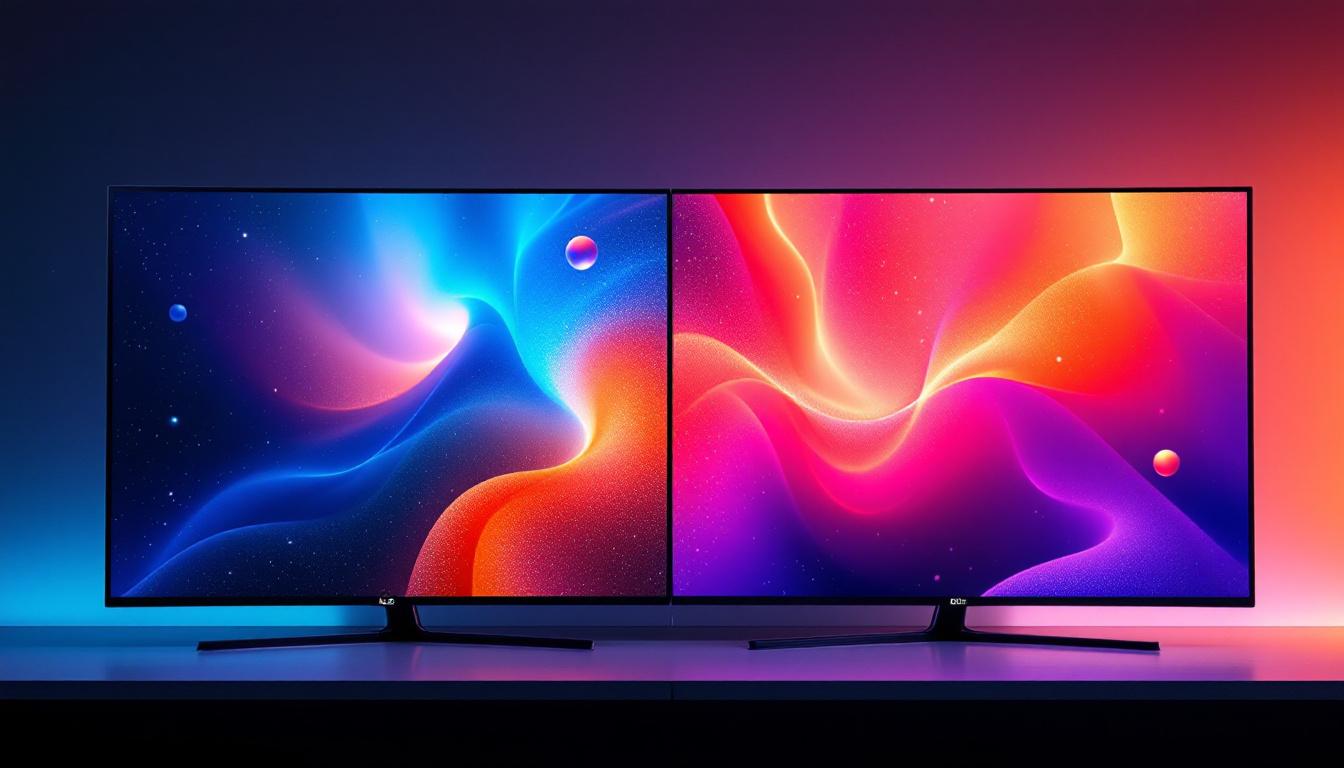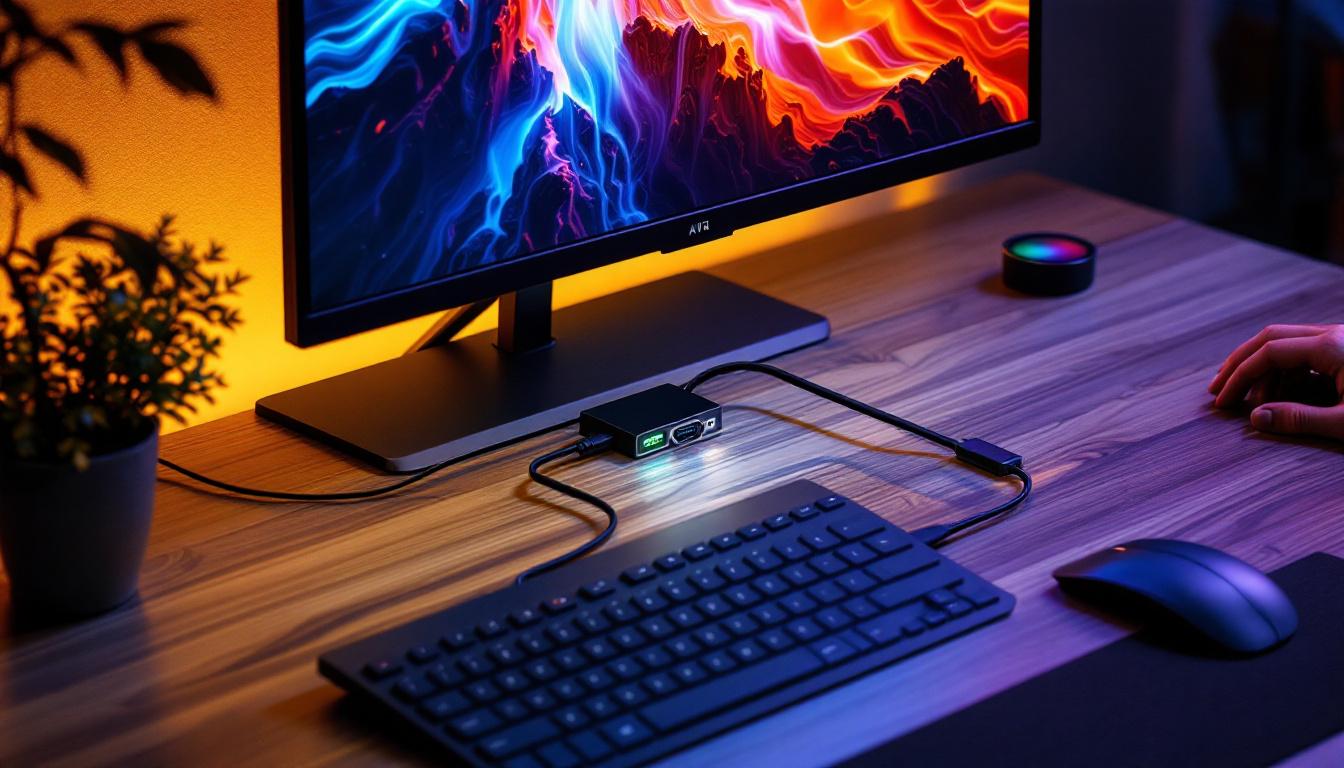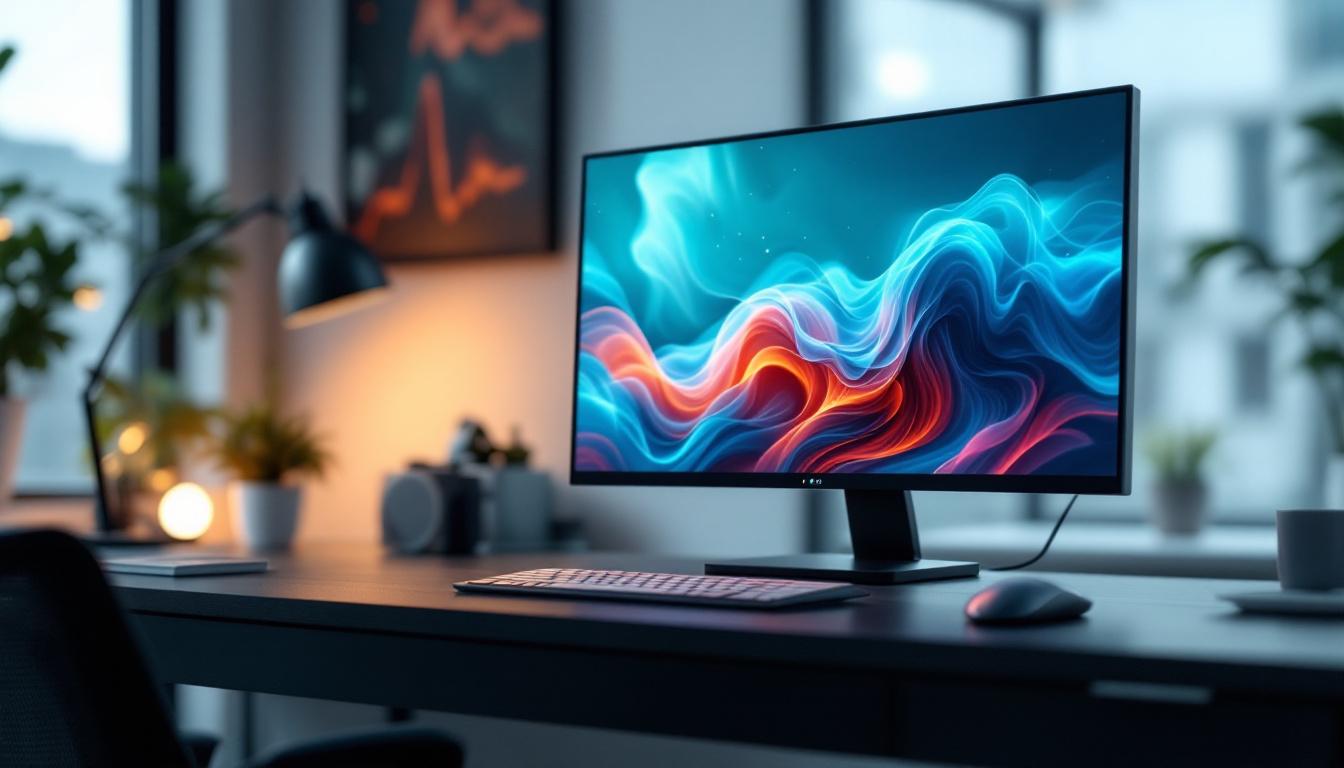
In today’s fast-evolving technology landscape, ultra thin desktop monitors have become a staple for both professionals and casual users seeking sleek designs without compromising performance. Central to this trend is the LED display technology, which has revolutionized how monitors deliver visuals. This article delves deep into the world of ultra thin desktop monitors, explaining LED displays, their advantages, and what makes them the preferred choice in modern computing setups.
Understanding Ultra Thin Desktop Monitors
What Defines an Ultra Thin Monitor?
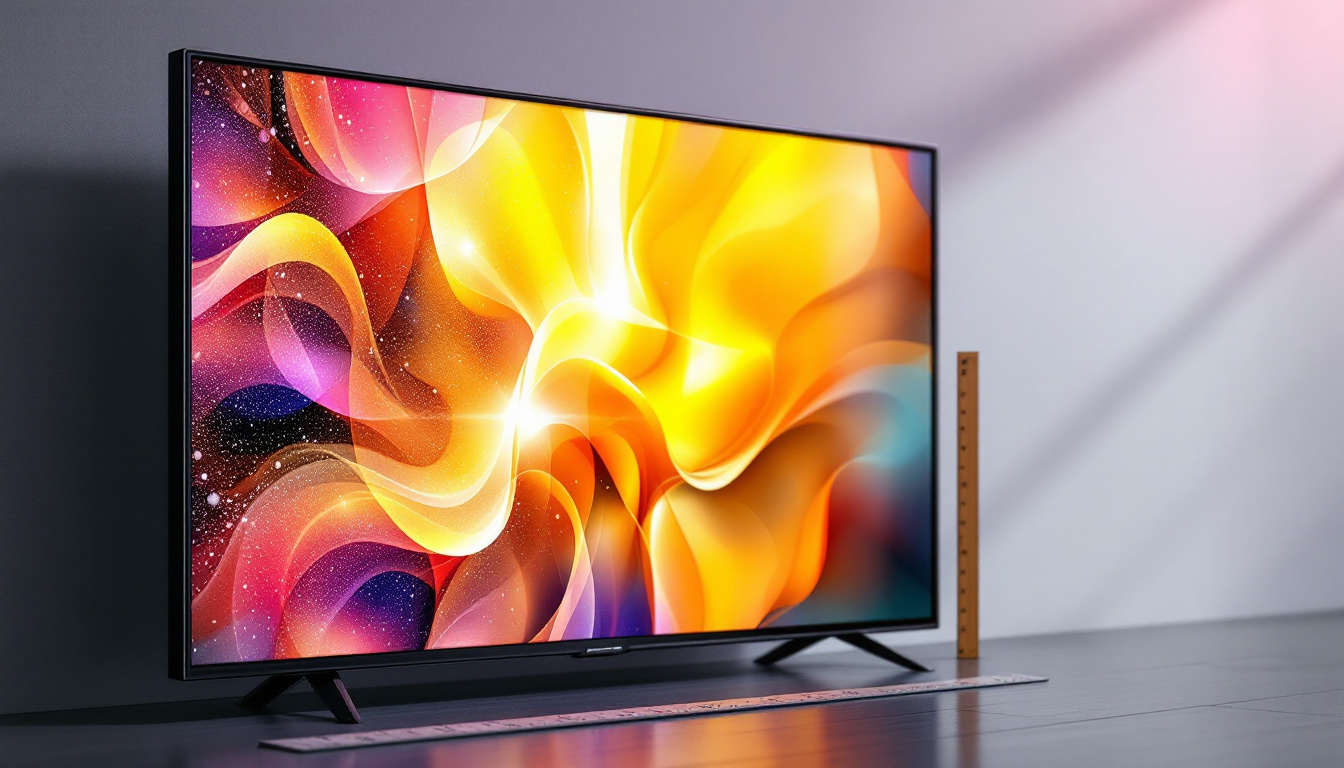
The term “ultra thin” in desktop monitors refers primarily to the physical thickness of the display unit. Unlike traditional bulky CRT monitors or even older LCDs, ultra thin monitors are designed to occupy minimal desk space and offer a sleek, modern aesthetic. Typically, these monitors measure less than 15 millimeters in thickness, with some models pushing below 10 millimeters.
This slim profile is achieved by advancements in display technology, particularly the use of LED backlighting instead of older CCFL (Cold Cathode Fluorescent Lamp) systems. The ultra thin design not only enhances the visual appeal but also contributes to lighter weight, making the monitors easier to mount or reposition. Additionally, many ultra thin monitors feature edge-to-edge glass designs that further amplify their contemporary look, making them a stylish addition to any workspace.
Furthermore, the advancements in materials used in manufacturing these monitors, such as high-strength plastics and metals, allow for durability without adding unnecessary bulk. This combination of aesthetics and functionality has made ultra thin monitors a popular choice not only for home offices but also for commercial environments where design and space efficiency are paramount.
Why Thickness Matters for Desktop Users
For many users, especially those in creative industries, finance, or programming, desk real estate is precious. An ultra thin monitor frees up space, allowing for better organization of peripherals, documents, and other work tools. Additionally, the slim design often correlates with reduced bezel sizes, enabling multi-monitor setups with minimal gaps, which is invaluable for productivity.
Moreover, ultra thin monitors tend to incorporate modern ergonomic features such as adjustable stands, VESA compatibility, and flexible tilt options. These contribute to user comfort during long hours of work, reducing strain and improving posture. The ability to easily adjust the height and angle of the monitor can help users maintain a healthy viewing position, which is crucial in preventing discomfort and long-term health issues associated with prolonged screen time.
Another significant advantage of ultra thin monitors is their energy efficiency. Many models are designed to consume less power compared to their bulkier predecessors, which not only contributes to lower electricity bills but also aligns with environmentally conscious practices. This aspect is particularly appealing to businesses looking to reduce their carbon footprint while maintaining high-performance standards. As technology continues to evolve, the integration of smart features such as automatic brightness adjustment based on ambient light can further enhance energy savings and user experience.
LED Display Technology: The Heart of Ultra Thin Monitors
What is an LED Display?
LED stands for Light Emitting Diode, a semiconductor device that emits light when an electric current passes through it. In the context of desktop monitors, LED displays refer to LCD panels that use LED backlighting instead of the older CCFL technology.
The core display technology remains Liquid Crystal Display (LCD), where liquid crystals modulate light to create images. However, the source of illumination behind the LCD panel is what distinguishes LED displays. This shift to LEDs has enabled thinner, more energy-efficient, and brighter monitors. The advancements in LED technology have also led to improved color accuracy and a wider color gamut, making them ideal for graphic design, video editing, and gaming applications. As a result, users can enjoy a more immersive viewing experience, with vibrant colors and sharp details that bring content to life.
Types of LED Backlighting
There are primarily two types of LED backlighting used in ultra thin monitors:
- Edge-Lit LED: LEDs are placed along the edges of the screen, and light is distributed across the panel via light guides. This design allows for extremely thin monitors but can sometimes lead to uneven brightness or contrast. Despite these drawbacks, edge-lit displays are often more affordable and lighter, making them a popular choice for budget-conscious consumers and those seeking portability.
- Direct or Full-Array LED: LEDs are positioned directly behind the screen in a grid. This provides better uniformity, improved contrast ratios, and the ability to implement local dimming, which enhances black levels and overall picture quality. However, these monitors tend to be slightly thicker than edge-lit models. The enhanced performance of full-array displays makes them particularly appealing for high-end applications, such as professional photography and cinematic viewing, where every detail matters.
Manufacturers often balance these approaches to optimize thickness, performance, and cost. Additionally, innovations in LED technology continue to emerge, such as mini-LED and micro-LED, which promise even greater advancements in display quality. Mini-LED technology utilizes thousands of tiny LEDs for backlighting, allowing for finer control over brightness and contrast, while micro-LED displays eliminate the need for backlighting altogether, as each pixel emits its own light. These cutting-edge technologies are paving the way for the next generation of ultra-thin monitors, offering unparalleled picture quality and energy efficiency.
Advantages of LED Displays in Ultra Thin Monitors
Superior Energy Efficiency
One of the most significant benefits of LED backlighting is its energy efficiency. Compared to CCFL backlights, LED displays consume approximately 30-40% less power. This reduction not only lowers electricity bills but also contributes to a smaller carbon footprint, aligning with growing environmental concerns.
For businesses operating large fleets of desktop monitors, this efficiency translates into substantial cost savings and supports corporate sustainability initiatives.
Enhanced Image Quality
LED-backlit monitors generally offer better brightness levels and contrast ratios. Many ultra thin monitors boast brightness levels exceeding 300 nits, making them suitable for well-lit office environments. Additionally, LED technology supports wider color gamuts, including sRGB and AdobeRGB standards, which is crucial for professionals in graphic design, video editing, and photography.
Local dimming in full-array LED monitors further improves black levels, reducing the “washed-out” effect seen in older LCDs. This results in crisper images, deeper shadows, and more vibrant colors.
Longer Lifespan and Reliability
LEDs have a longer operational lifespan compared to CCFLs, often rated at over 50,000 hours of usage. This durability means fewer replacements and less maintenance over the monitor’s life, which is particularly important in enterprise environments where downtime can be costly.
Additionally, LED monitors are less prone to flickering, reducing eye strain during prolonged use. This health benefit is increasingly recognized as a critical factor in monitor selection.
Considerations When Choosing an Ultra Thin LED Monitor
Resolution and Screen Size
Ultra thin monitors come in a variety of sizes, typically ranging from 21 inches to 32 inches or more. The choice depends on the user’s needs and workspace constraints. For example, a 24-inch monitor with a 1920×1080 (Full HD) resolution is common for general office work, while professionals may prefer 27-inch or larger displays with 2560×1440 (QHD) or 3840×2160 (4K UHD) resolutions for enhanced detail.
Higher resolutions demand more from the graphics hardware but provide a sharper and more detailed image, which is essential for tasks like CAD design or video editing.
Refresh Rate and Response Time
While ultra thin LED monitors are often associated with office productivity, some users may require higher refresh rates and faster response times, especially gamers or video editors. Most office-grade monitors operate at 60Hz with response times around 5ms, which is sufficient for everyday tasks.
However, ultra thin gaming monitors with LED displays can offer refresh rates of 120Hz or higher and response times as low as 1ms, balancing sleek design with performance.
Connectivity Options
Modern ultra thin monitors typically include a variety of input ports such as HDMI, DisplayPort, USB-C, and sometimes legacy ports like VGA or DVI. USB-C is particularly valuable as it supports video, data transfer, and power delivery through a single cable, reducing desk clutter and enhancing convenience.
When selecting a monitor, ensure it supports the necessary connections compatible with your computer or docking station.
Trends and Innovations in Ultra Thin LED Monitors
Quantum Dot and Mini-LED Technologies
Recent advancements in LED display technology have introduced quantum dot and mini-LED backlighting to ultra thin monitors. Quantum dots are semiconductor nanocrystals that enhance color accuracy and brightness by emitting pure, saturated colors when illuminated by LEDs.
Mini-LED technology uses thousands of tiny LEDs for backlighting, enabling even more precise local dimming and improved contrast ratios. These innovations push the boundaries of image quality while maintaining thin form factors.
Curved and Ultrawide Displays
Another trend is the integration of curved and ultrawide screens into ultra thin designs. Curved monitors provide a more immersive viewing experience by matching the natural curvature of the human eye, reducing distortion and eye fatigue.
Ultrawide monitors, with aspect ratios like 21:9 or 32:9, offer expansive horizontal workspace, ideal for multitasking and creative workflows. Many manufacturers now produce ultra thin models in these formats, combining style with functionality.
Smart Features and Connectivity
Modern ultra thin monitors increasingly incorporate smart features such as built-in webcams, microphones, and speakers, supporting remote work and video conferencing. Integration with platforms like Microsoft Teams or Zoom is becoming standard in business-oriented models.
Additionally, some monitors offer software-based blue light filters and flicker-free technology to reduce eye strain, reflecting a growing focus on user health and comfort.
Conclusion: Why Choose an Ultra Thin LED Desktop Monitor?
Ultra thin desktop monitors with LED displays represent the convergence of style, performance, and efficiency. Their slim profiles not only enhance workspace aesthetics but also provide practical benefits such as improved ergonomics and multi-monitor setups. LED technology ensures superior image quality, energy savings, and longer lifespan compared to older display types.
Whether for professional use, gaming, or general productivity, understanding the nuances of LED display technology and monitor specifications enables users to make informed decisions tailored to their needs. As innovations like quantum dot and mini-LED continue to evolve, ultra thin monitors will remain at the forefront of desktop display technology, delivering immersive and vibrant visual experiences in sleek, space-saving designs.
Discover the Future of Visual Display with LumenMatrix
Embrace the cutting-edge of display technology with LumenMatrix, a pioneer in crafting ultra thin LED monitors that redefine your visual experience. From enhancing your workspace to captivating audiences, LumenMatrix offers a diverse range of LED display solutions, including Indoor and Outdoor LED Wall Displays, Vehicle LED Displays, and more. Elevate your brand’s visibility and communication with our innovative displays. Ready to transform your visual engagement? Check out LumenMatrix LED Display Solutions and step into a world of vivid clarity and unparalleled performance.