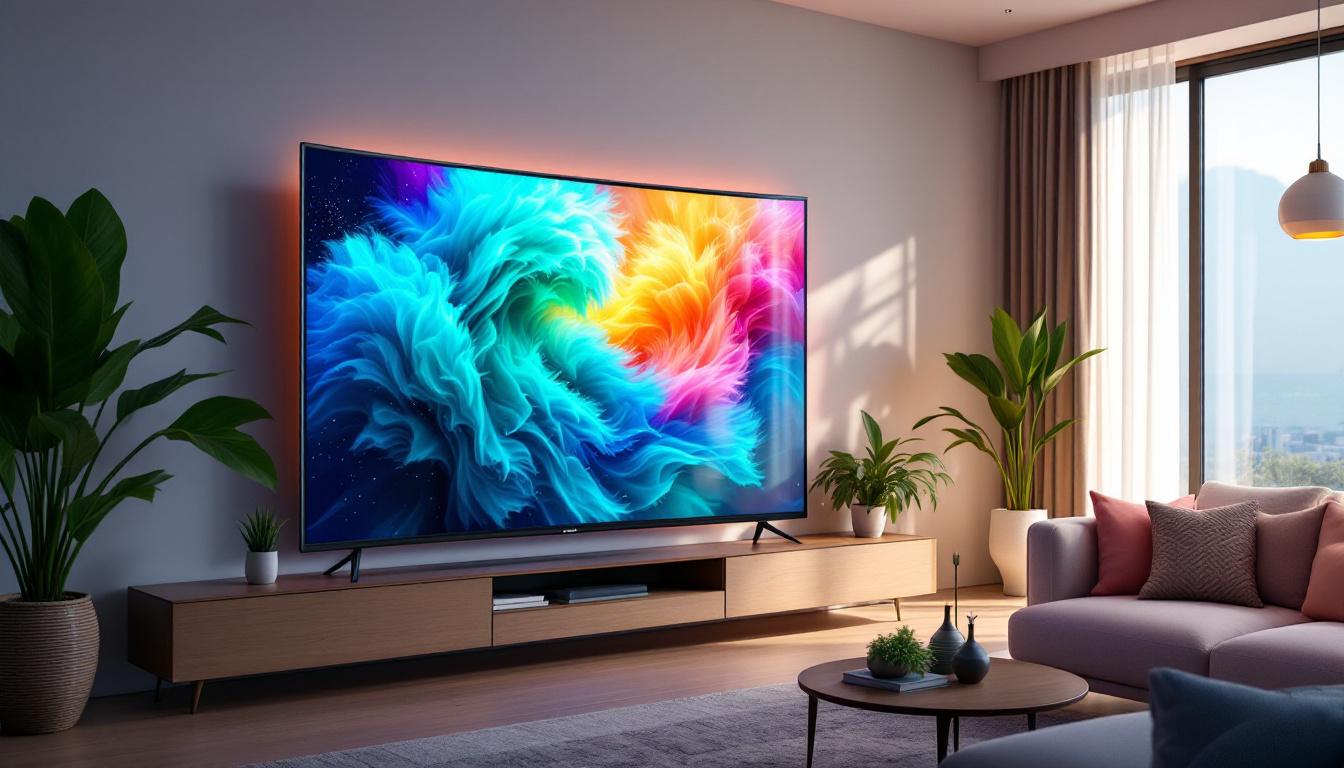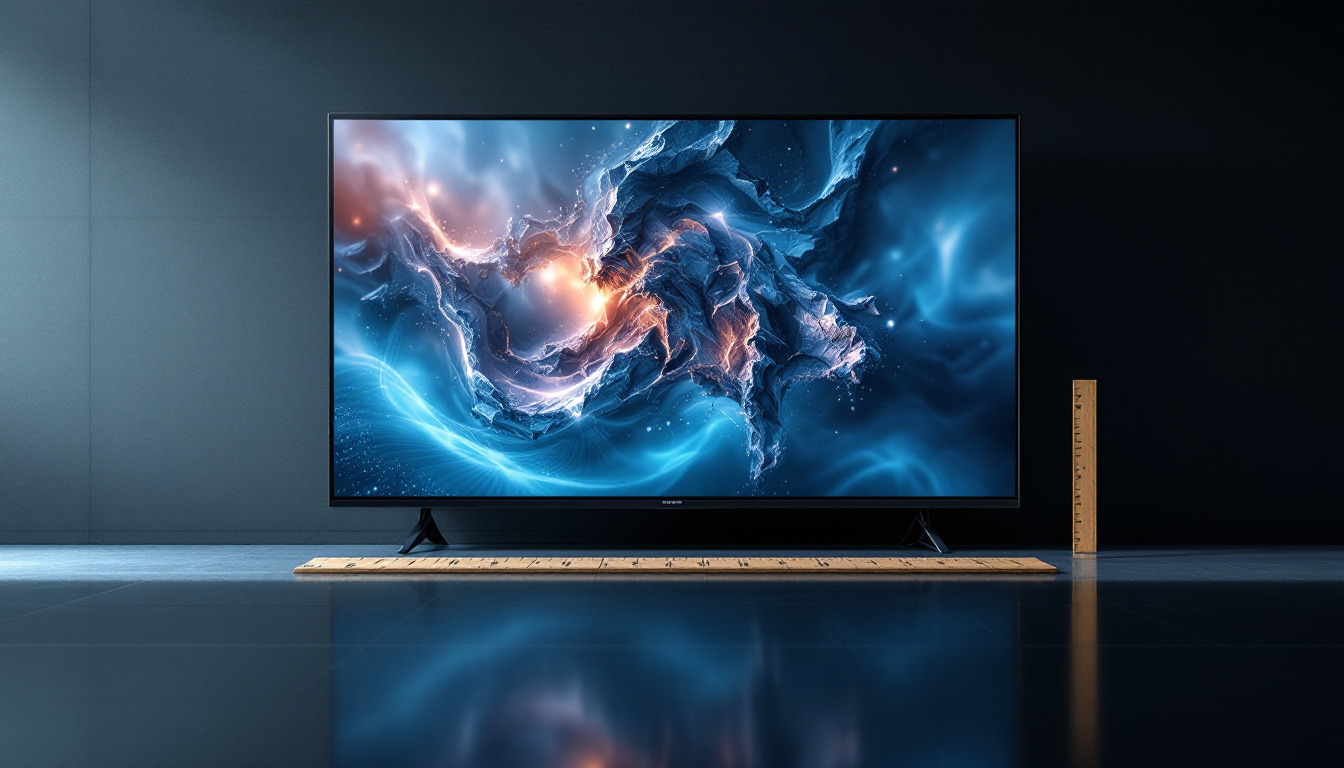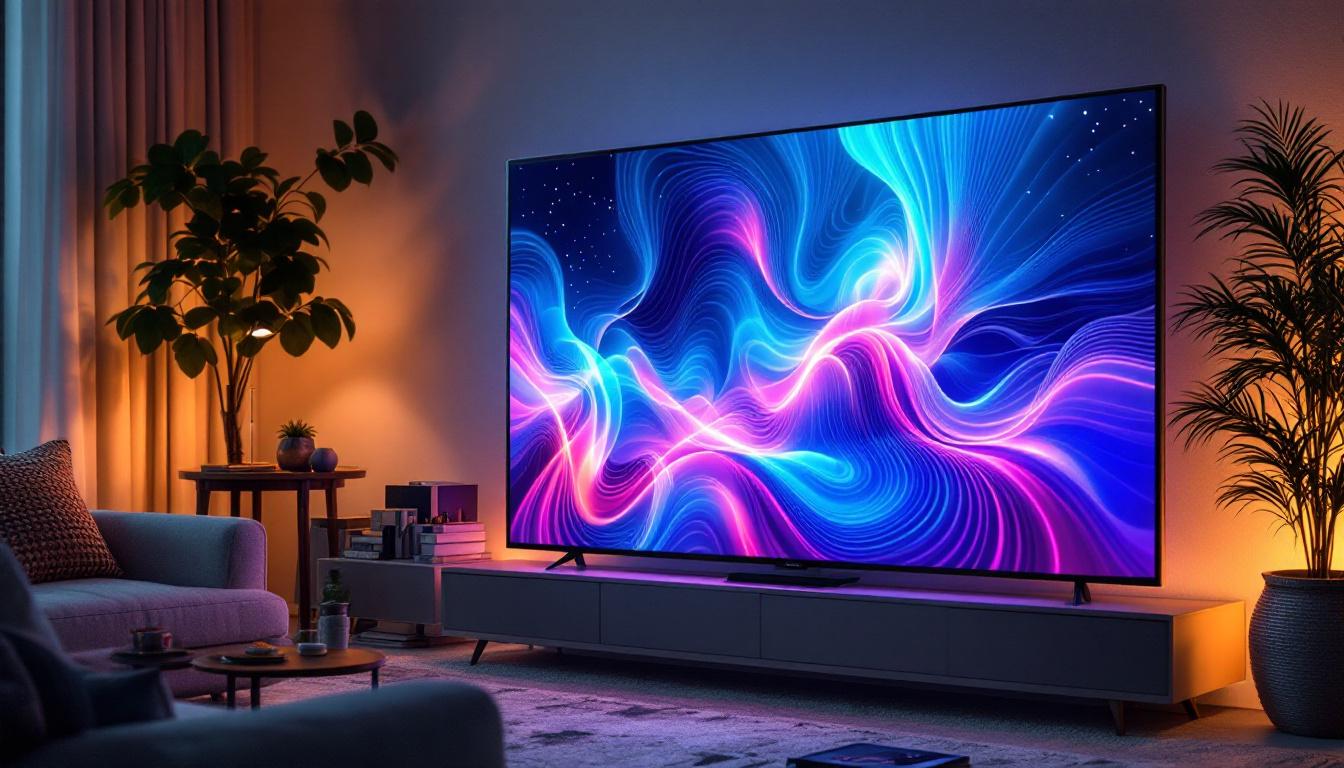
In recent years, touchscreen televisions have emerged as a revolutionary advancement in home entertainment technology. Combining the interactive capabilities of touchscreens with the superior image quality of LED displays, these devices offer a new dimension of user experience. This article delves into the technology behind touchscreen LED televisions, exploring how they work, their advantages, and what consumers should consider before purchasing one.
Understanding LED Display Technology
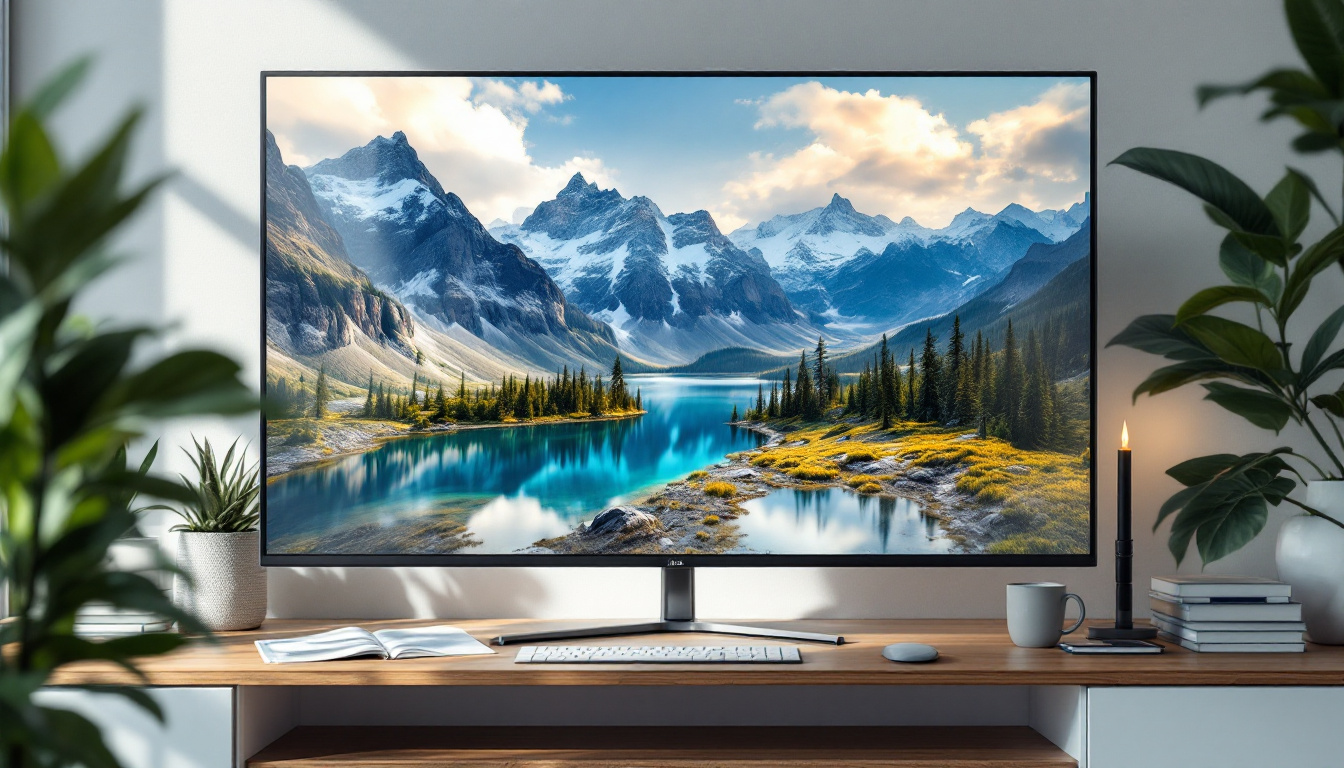
LED, or Light Emitting Diode, displays have become the standard in modern television screens due to their efficiency, brightness, and color accuracy. Unlike traditional LCD screens that rely on fluorescent backlighting, LED TVs use an array of light-emitting diodes to illuminate the screen. This results in better contrast ratios, deeper blacks, and more vibrant colors. The advancements in LED technology have not only improved the viewing experience but have also led to a significant reduction in energy consumption, making them an environmentally friendly choice for consumers.
There are two primary types of LED backlighting used in televisions: edge-lit and full-array. Edge-lit LED TVs position the LEDs around the perimeter of the screen, allowing for thinner designs but sometimes compromising uniformity of brightness. Full-array LED TVs place LEDs directly behind the screen in a grid pattern, enabling local dimming where specific zones can be dimmed or brightened independently. This technology enhances picture quality by improving contrast and reducing light bleed. Additionally, many manufacturers have introduced advanced features like HDR (High Dynamic Range) support, which further enhances the viewing experience by providing a wider range of colors and brightness levels.
How LED Displays Work
At the core, an LED display consists of a matrix of pixels, each made up of subpixels in red, green, and blue. By varying the intensity of these subpixels, the display produces the full spectrum of colors visible to the human eye. The LEDs provide the backlight that shines through the liquid crystal layer, which modulates light to create the image. The precision in controlling the brightness of each subpixel allows for stunning visuals, particularly in scenes with high contrast, where the distinction between light and dark is crucial for immersion.
Compared to OLED (Organic Light Emitting Diode) technology, LEDs are generally more affordable and offer higher brightness levels, making them suitable for well-lit rooms. However, OLEDs excel in producing perfect blacks since each pixel emits its own light and can be turned off individually. This capability allows OLED displays to achieve an infinite contrast ratio, which is particularly beneficial for watching movies in dark environments. Furthermore, as LED technology continues to evolve, innovations such as Mini-LED and Micro-LED are emerging, promising even greater improvements in brightness, color accuracy, and energy efficiency, pushing the boundaries of what is possible in display technology.
The Integration of Touchscreen Technology in Televisions
Touchscreen technology, once limited to smartphones and tablets, has found its way into televisions, creating interactive displays that respond to finger gestures. This integration transforms the television from a passive viewing device into an interactive hub for entertainment, education, and productivity.
Types of Touchscreen Technologies Used in TVs
Several touchscreen technologies are employed in modern touchscreen televisions, each with its distinct advantages and limitations:
- Capacitive Touchscreens: These are the most common and responsive, using the electrical properties of the human body to detect touch. They support multi-touch gestures and offer high accuracy but can be more expensive to implement on large screens.
- Infrared Touchscreens: Utilizing a grid of infrared light beams across the screen surface, these detect touch when the beams are interrupted. They can work with any input device, including fingers and styluses, but may be less precise than capacitive screens.
- Resistive Touchscreens: Composed of multiple layers that register touch through pressure, resistive screens are less sensitive and do not support multi-touch. They are more durable but less common in consumer televisions.
Capacitive touchscreens dominate the market for touchscreen TVs due to their responsiveness and support for gestures like pinch-to-zoom and swipe, enhancing the user interface experience. This capability allows users to navigate through menus, select content, and even control smart home devices directly from their television screen, making the viewing experience more immersive and user-friendly.
Challenges in Combining Touchscreens with Large LED Displays
Integrating touchscreen capabilities into large LED televisions is not without challenges. The larger the screen, the more complex it becomes to maintain touch accuracy and responsiveness across the entire surface. Additionally, the touchscreen layer adds thickness and cost to the display.
Manufacturers must also address issues like glare and fingerprint smudges, which can affect viewing quality. Advanced coatings and screen treatments are often applied to mitigate these problems, ensuring that the touchscreen functionality does not detract from the visual experience. Moreover, the integration of touch technology necessitates a rethinking of user interface design, as traditional remote controls may become less relevant in a world where gestures and taps take center stage. This shift encourages developers to create more intuitive apps and interfaces that leverage the unique capabilities of touchscreen displays, paving the way for new forms of interactive content that engage users in ways previously unimaginable.
Furthermore, the rise of touchscreen televisions has sparked interest in educational applications, where interactive learning tools can be utilized for both children and adults. Imagine a family gathering around a large touchscreen TV to explore educational programs, play interactive games, or even participate in virtual classes. This potential for collaborative learning experiences not only enhances the educational value of televisions but also encourages family bonding through shared activities. As technology continues to evolve, we may see even more innovative uses for touchscreen televisions that blend entertainment with interactive learning and social engagement.
Benefits of Touchscreen LED Televisions
Touchscreen LED TVs offer several advantages that appeal to various user groups, from casual viewers to professionals and educators.
Enhanced User Interaction
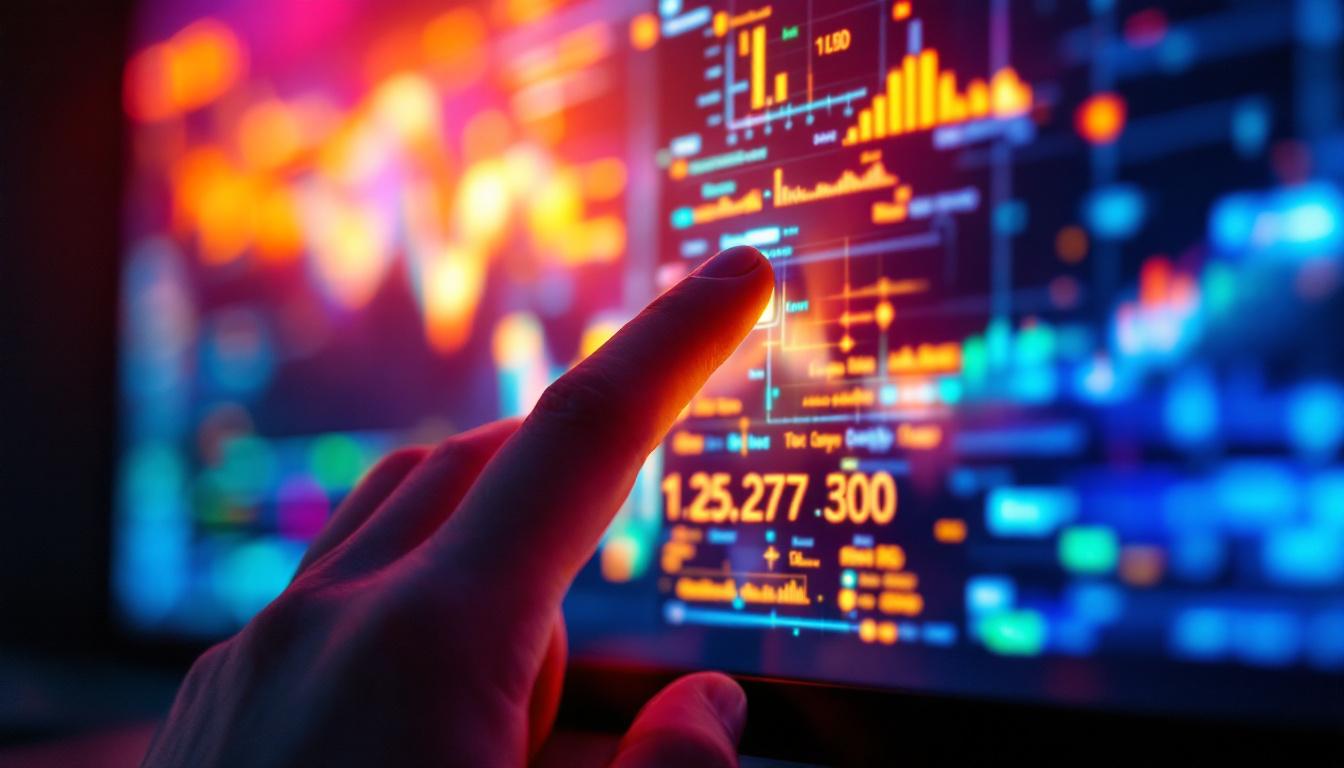
Touchscreen functionality allows users to interact directly with content on the screen, making navigation intuitive and engaging. This is particularly beneficial for smart TVs, where users can browse apps, adjust settings, and control media playback without a remote.
Multi-touch support enables gestures such as zooming in on photos or maps and swiping through menus, creating a more dynamic and personalized experience.
Improved Accessibility
For individuals with mobility or dexterity challenges, touchscreen TVs can provide easier access compared to traditional remote controls. Voice commands and touch interfaces combined can make content more accessible to a broader audience.
Versatility in Use Cases
Touchscreen LED TVs are not limited to entertainment. They are increasingly used in educational settings, corporate environments, and interactive kiosks. For instance, in classrooms, teachers can use touchscreen TVs to engage students with interactive lessons and digital whiteboards. In offices, these TVs facilitate collaborative meetings and presentations.
Key Features to Consider When Choosing a Touchscreen LED TV
When selecting a touchscreen LED television, several factors should guide the decision to ensure the device meets user needs and expectations.
Screen Size and Resolution
Screen size is a critical consideration, especially for touchscreen TVs where users interact directly with the display. Larger screens provide more space for touch gestures and multi-user interaction but may require more physical space and higher budgets.
Resolution is equally important. A 4K Ultra HD resolution is becoming the standard, offering crisp and detailed images that enhance both viewing and touch interaction experiences.
Touchscreen Responsiveness and Accuracy
Responsiveness determines how quickly the screen registers touch inputs, while accuracy ensures that touches are detected precisely where intended. High responsiveness and accuracy are essential for smooth navigation and avoiding frustration.
Operating System and Software Compatibility
The operating system governs the user interface and app ecosystem. Popular smart TV platforms like Android TV, webOS, and Tizen offer different levels of app availability and customization. Compatibility with third-party apps and software can expand the TV’s functionality, especially for professional or educational use.
Connectivity Options
Modern touchscreen LED TVs should offer a variety of connectivity options, including HDMI ports, USB inputs, Wi-Fi, and Bluetooth. These enable connection to external devices such as gaming consoles, sound systems, and input peripherals like keyboards or styluses.
Durability and Maintenance
Since touchscreen TVs are subject to frequent physical interaction, their screens must be durable and resistant to scratches or damage. Additionally, easy-to-clean surfaces help maintain image clarity and touch sensitivity over time.
Future Trends in Touchscreen LED Television Technology
The convergence of touchscreen and LED display technologies continues to evolve, driven by advancements in materials science, user interface design, and connectivity.
Integration with Smart Home Ecosystems
Touchscreen TVs are increasingly becoming central hubs in smart homes. Integration with voice assistants, IoT devices, and home automation systems allows users to control lighting, security, and climate directly from their television screens.
Advancements in Display Materials
Emerging technologies like mini-LED and micro-LED promise even better brightness, contrast, and energy efficiency. These advances will enhance the visual experience while potentially reducing the thickness and weight of touchscreen TVs.
Enhanced Multi-User and Gesture Recognition
Future touchscreen TVs are expected to incorporate more sophisticated gesture recognition and multi-user capabilities, allowing multiple people to interact with the screen simultaneously. This will open new possibilities for collaborative work and social entertainment.
Conclusion
Touchscreen televisions with LED displays represent a significant leap forward in how users interact with their home entertainment systems. By combining vibrant, high-quality visuals with intuitive touch controls, these devices offer an engaging and versatile experience suitable for a wide range of applications.
Understanding the underlying LED technology and the nuances of touchscreen integration helps consumers make informed decisions when selecting a touchscreen TV. As technology continues to advance, these televisions will become even more capable, interactive, and integral to daily life.
For those seeking a blend of visual excellence and interactive functionality, touchscreen LED televisions are an exciting option that promises to redefine the way we watch, learn, and connect.
Explore the Future of Interactive Entertainment with LumenMatrix
Ready to elevate your viewing experience with the latest in touchscreen LED technology? Discover the innovative world of LumenMatrix, where cutting-edge LED displays meet interactive design to transform your entertainment and communication. From the comfort of your home to the excitement of outdoor events, LumenMatrix offers a wide range of solutions including Indoor and Outdoor LED Wall Displays, Vehicle LED Displays, and more. Each product is crafted to provide unparalleled visual quality and user engagement. Don’t just watch—interact, learn, and connect with LumenMatrix LED Display Solutions. Check out LumenMatrix LED Display Solutions today and join the revolution in visual communication.