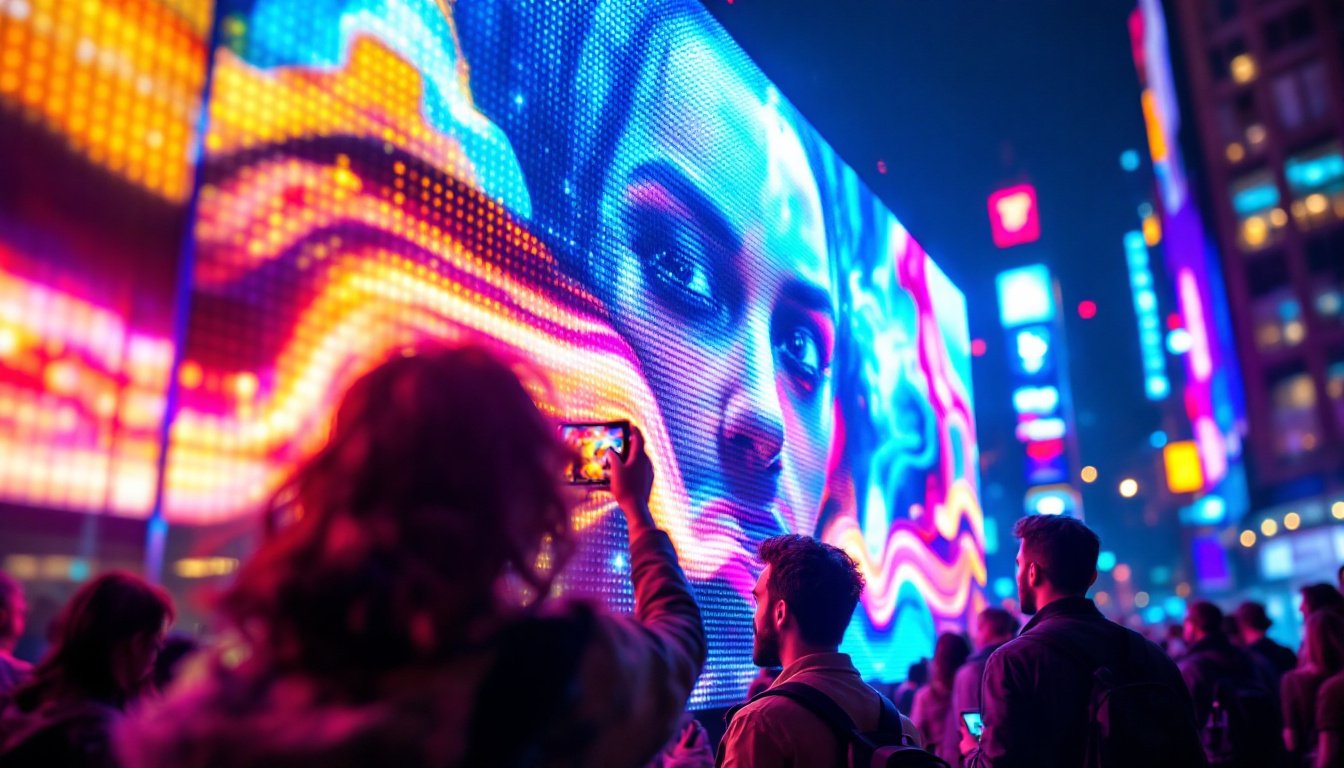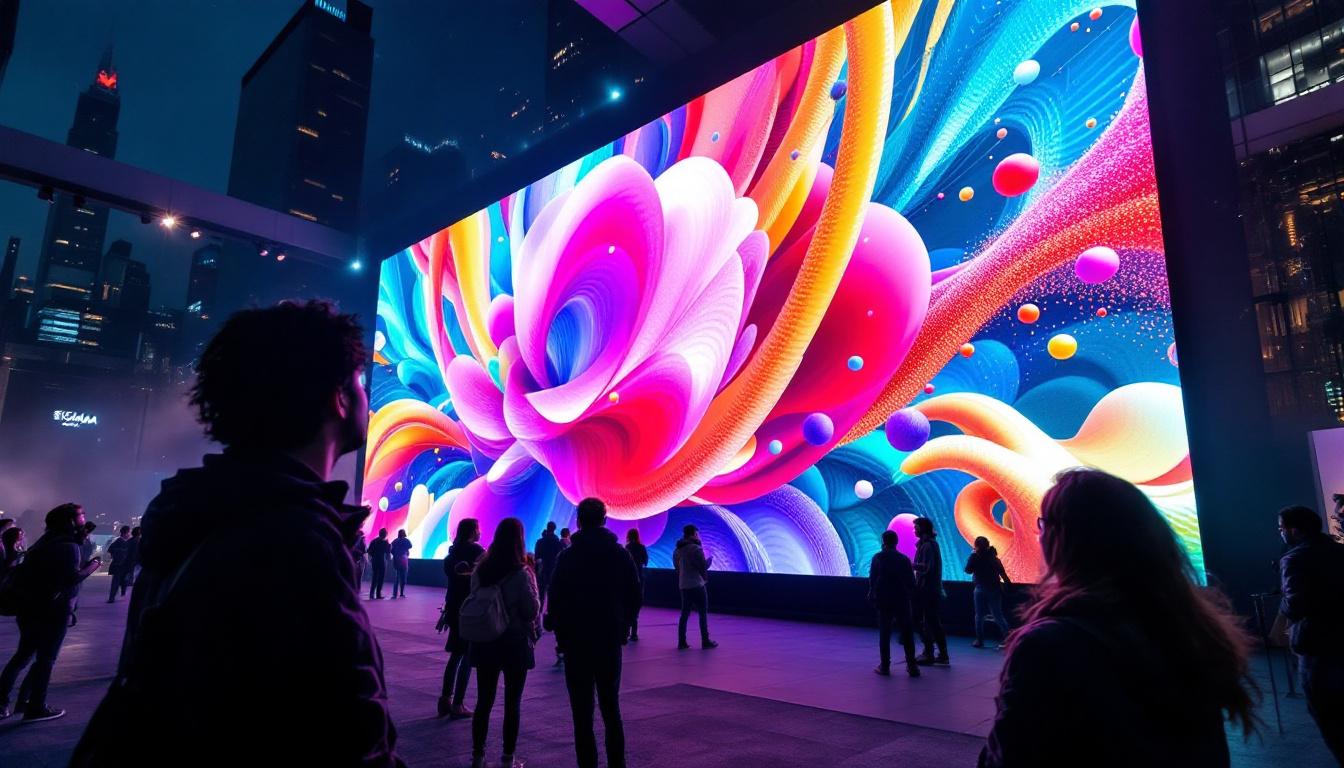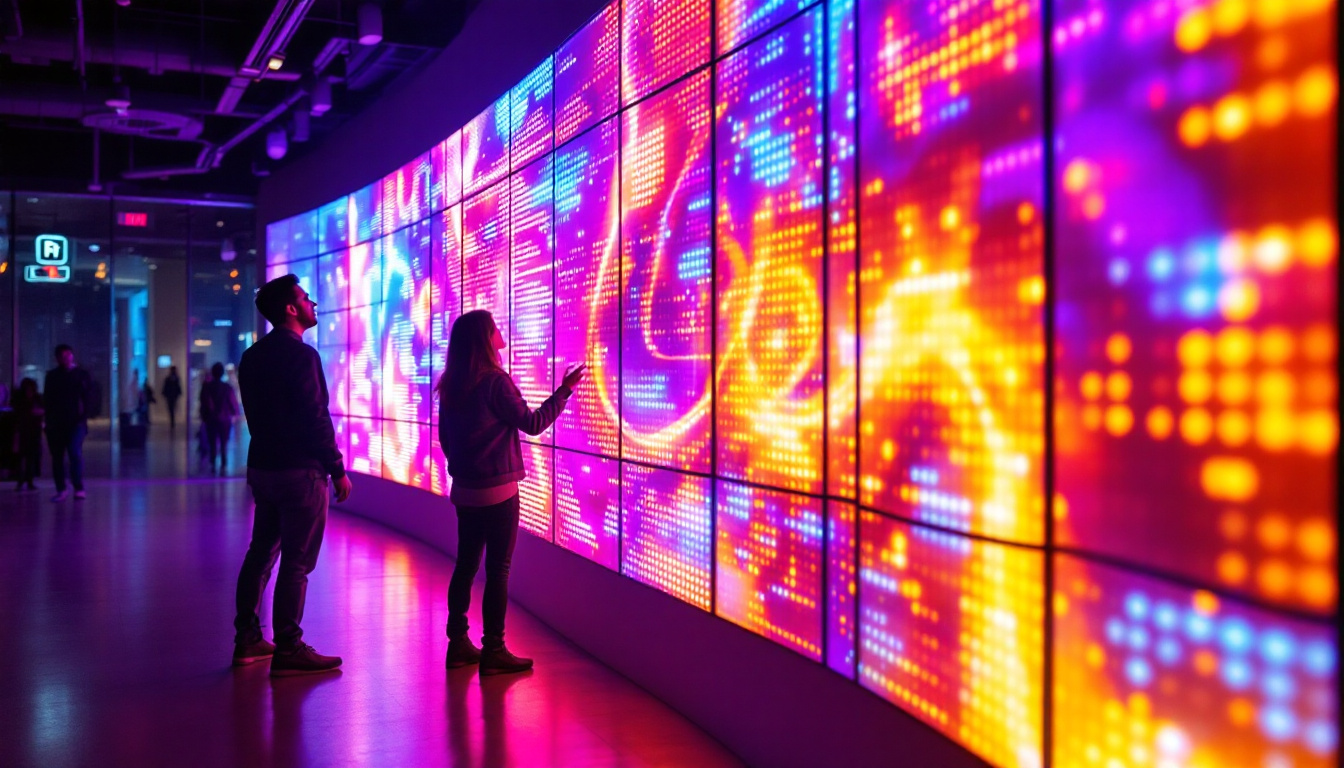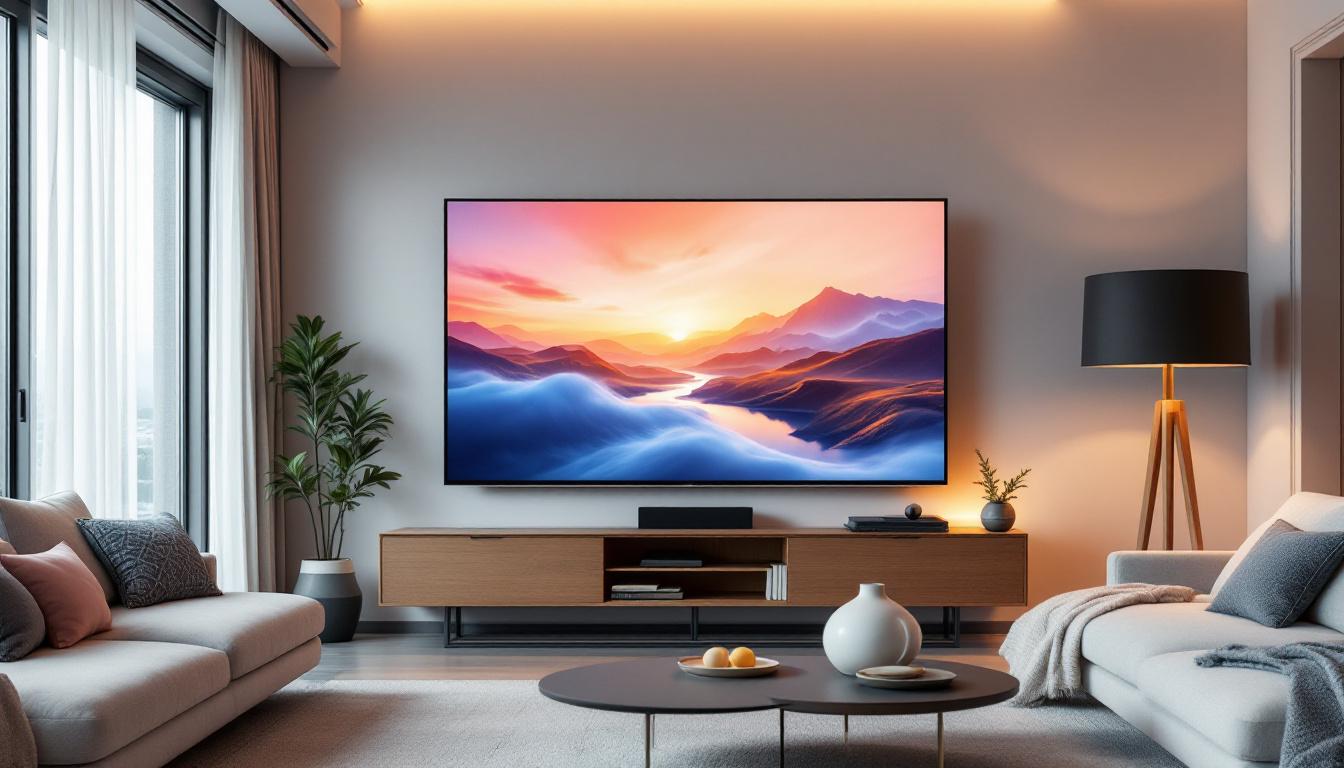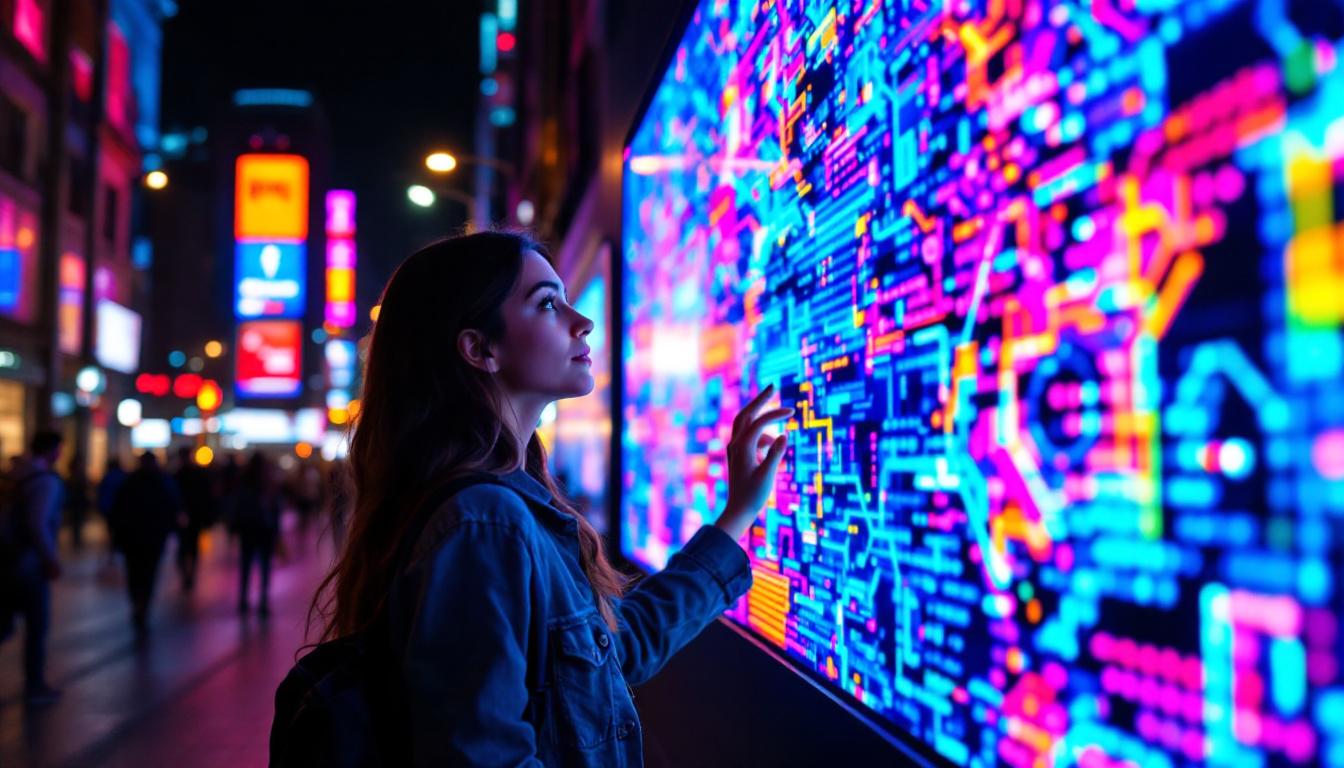
In today’s digital age, LED displays have become an integral part of our visual environment, transforming everything from advertising and entertainment to public information systems. As the demand for vibrant, energy-efficient, and versatile display technologies grows, so do the career opportunities in this dynamic field. This article explores the fundamentals of LED displays, their applications, technological advancements, and the exciting career paths available within the industry.
Understanding LED Display Technology
Light Emitting Diode (LED) displays are electronic visual displays that use an array of light-emitting diodes as pixels to create images and videos. Unlike traditional LCD or plasma screens, LED displays offer superior brightness, contrast, and energy efficiency, making them ideal for both indoor and outdoor use.
At the core of LED technology are tiny semiconductor devices that emit light when an electric current passes through them. These diodes can be arranged in various configurations, such as surface-mounted devices (SMD) or through-hole LEDs, to produce different resolutions and pixel densities. The combination of red, green, and blue LEDs forms full-color displays capable of rendering millions of colors. This versatility in configuration not only allows for high-quality images but also enables manufacturers to innovate continuously, leading to the development of new types of displays that cater to specific needs and environments.
Types of LED Displays
LED displays come in several forms, each suited to specific applications:
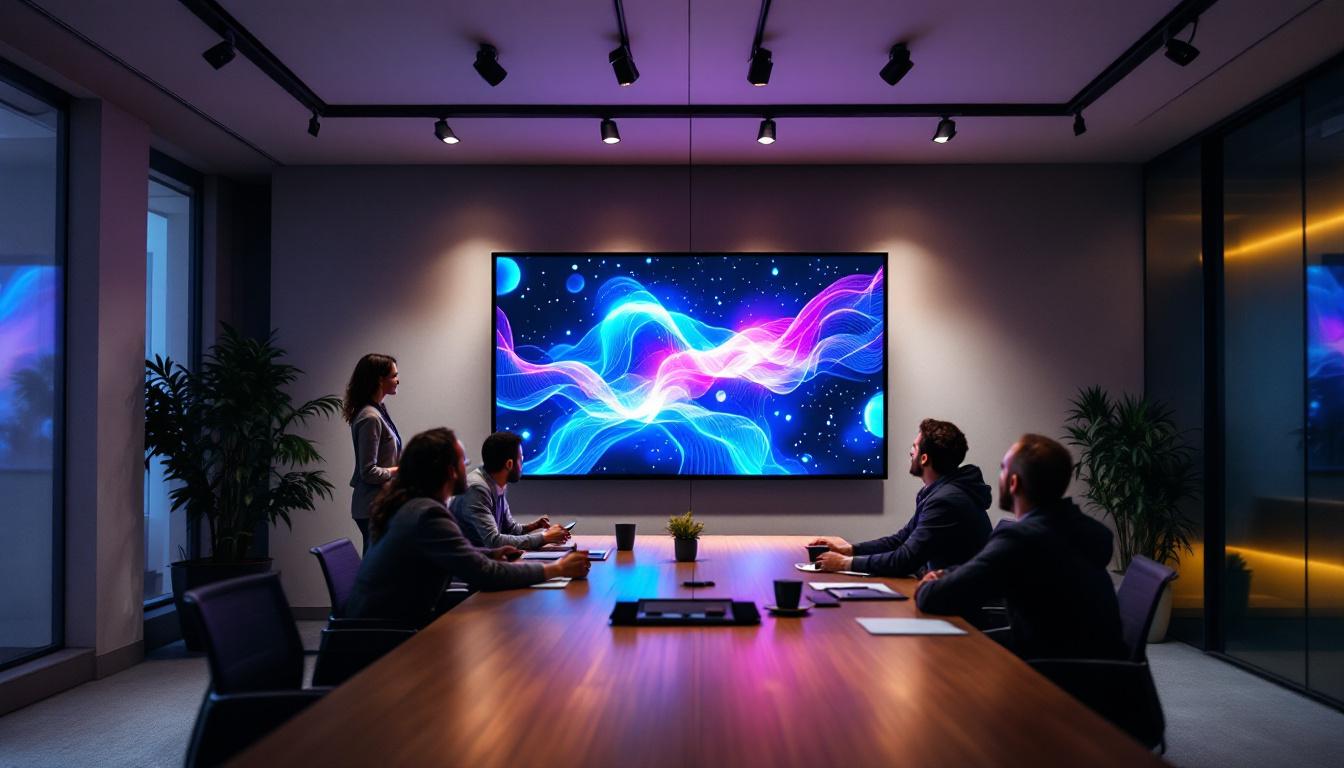
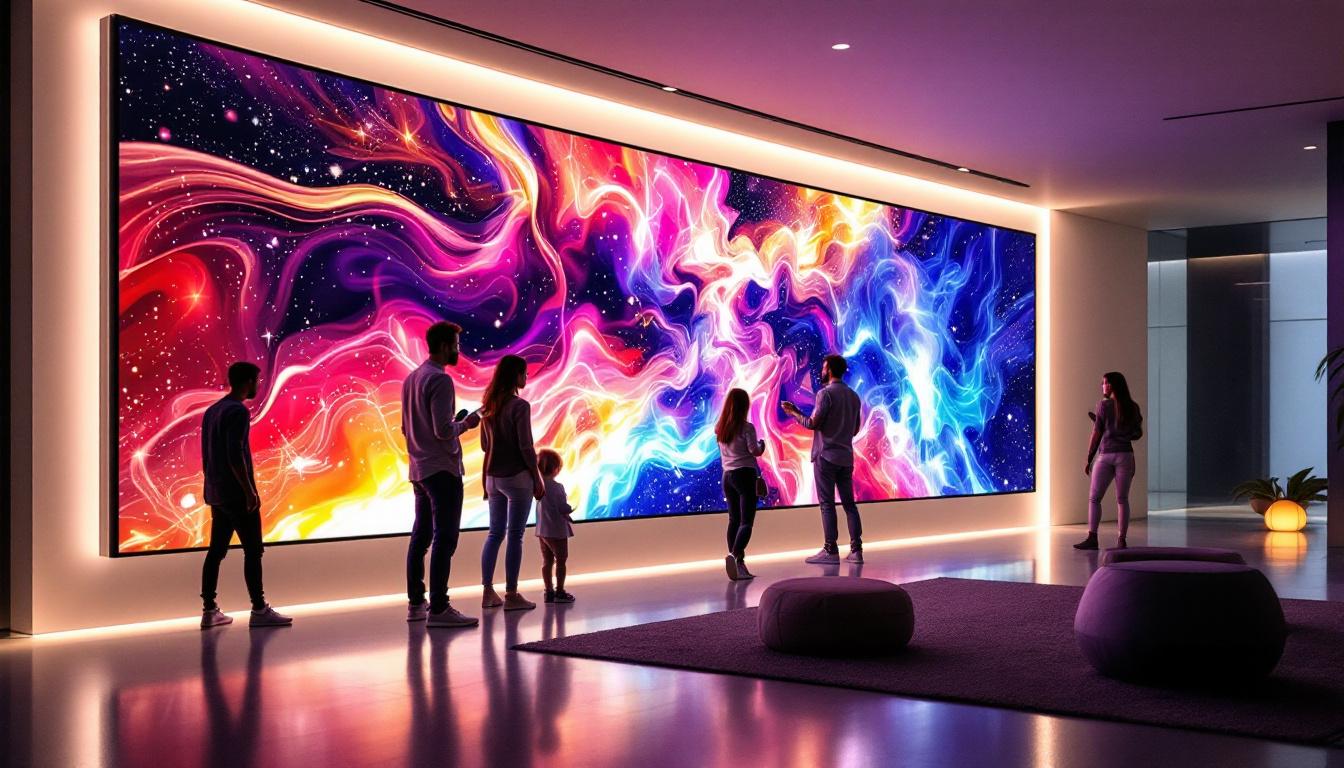
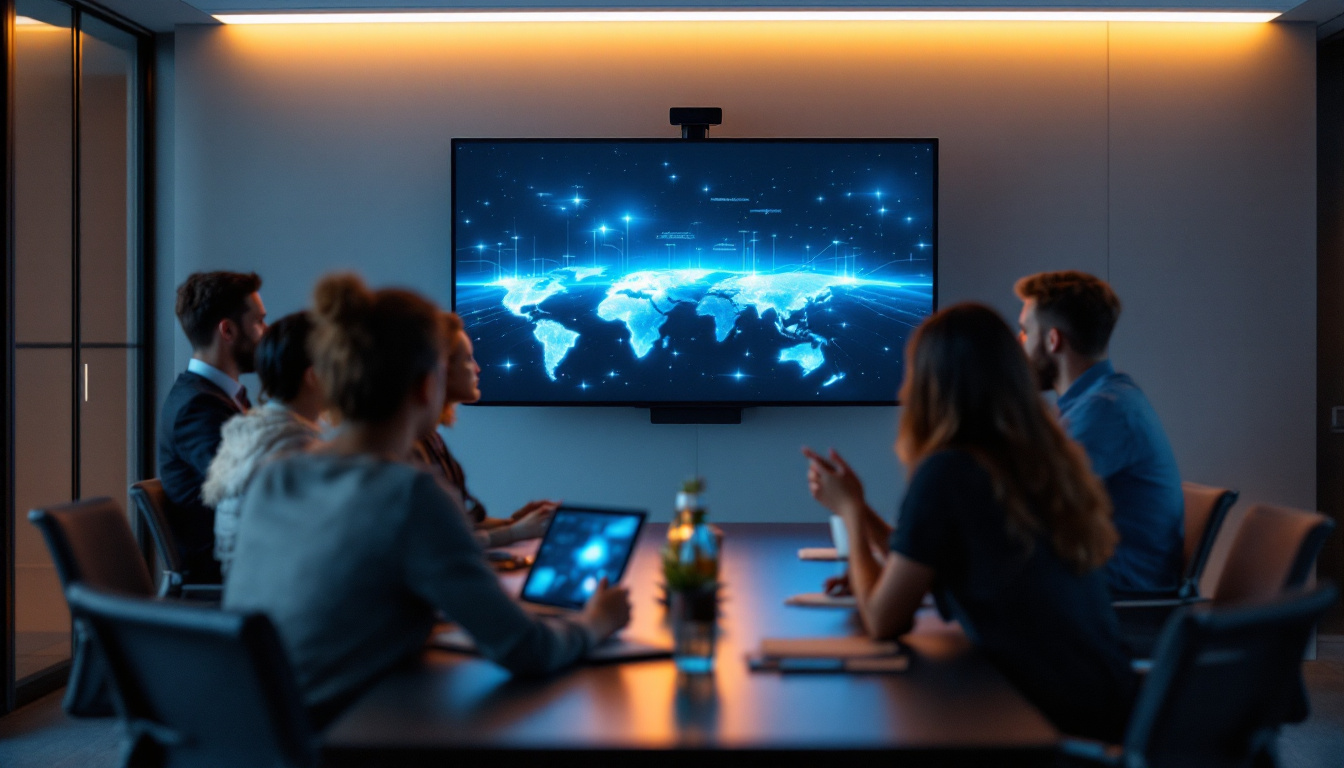
- Indoor LED Displays: Designed for use in controlled environments, these displays offer high resolution and brightness optimized for close viewing distances. Commonly found in retail stores, conference rooms, and broadcast studios, they are often used for advertising, presentations, and live events, providing an engaging visual experience that captures the audience’s attention.
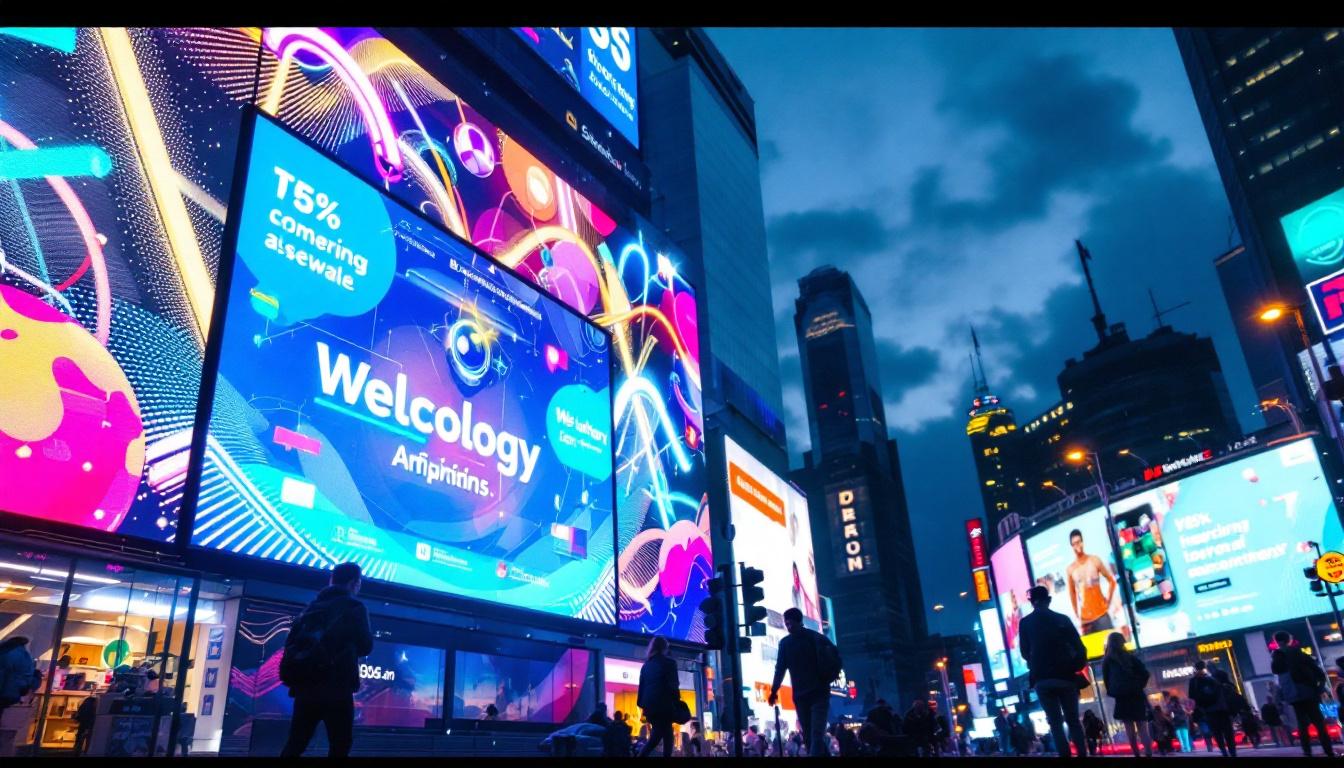
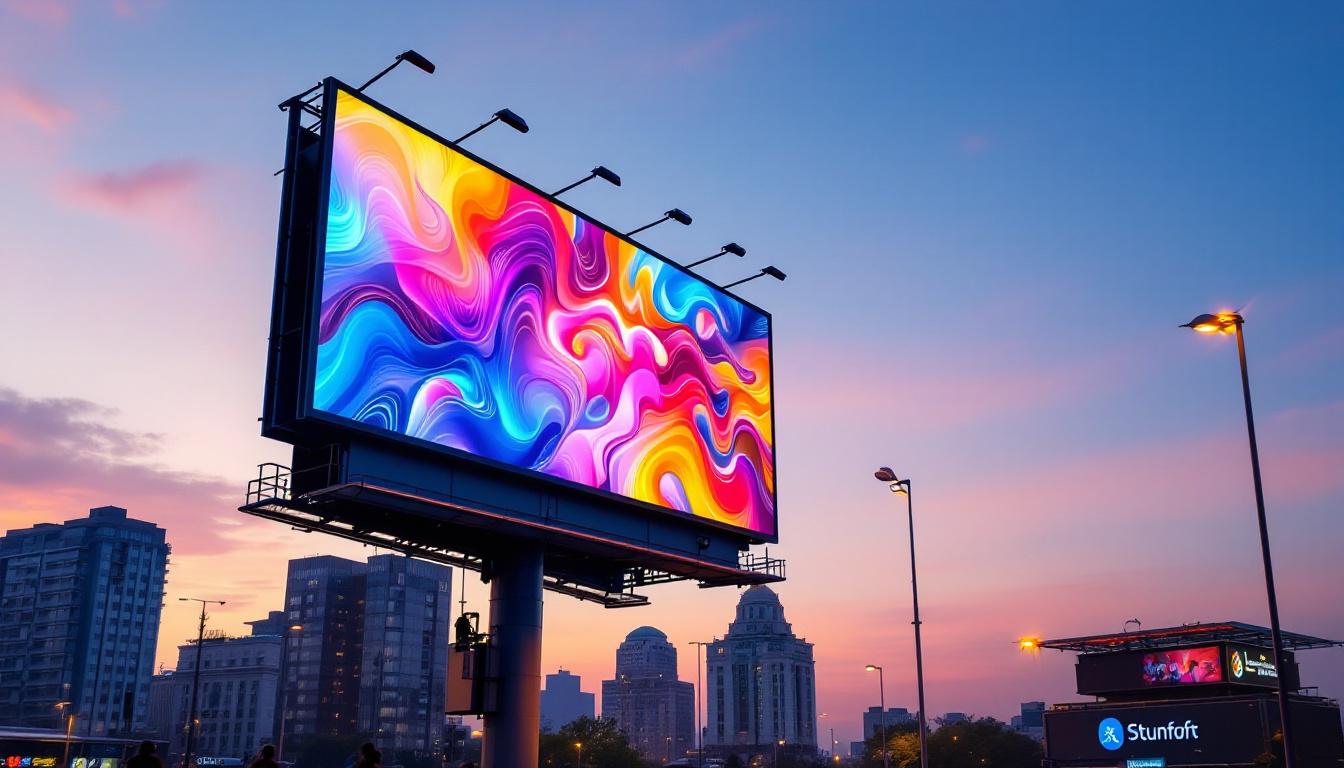
- Outdoor LED Displays: Built to withstand harsh weather conditions, these displays feature higher brightness levels to combat sunlight glare. They are widely used for billboards, stadium screens, and public information boards, often incorporating advanced features such as dynamic content management systems that allow for real-time updates and interactive content, thereby enhancing viewer engagement.
- Flexible and Transparent LED Displays: Emerging technologies allow for curved, bendable, or see-through LED panels, opening new creative possibilities in architecture and design. These innovative displays can be integrated into windows, walls, and even furniture, transforming traditional spaces into interactive environments that blend technology with aesthetics.
Key Advantages of LED Displays
LED displays have several advantages over other display technologies:
- Energy Efficiency: LEDs consume less power than LCD or plasma displays, reducing operational costs and environmental impact. This efficiency is particularly beneficial for large installations, such as digital billboards, where energy savings can translate into significant cost reductions over time.
- Brightness and Visibility: High brightness levels enable clear visibility even in direct sunlight, essential for outdoor advertising and signage. The ability to maintain image quality in varying lighting conditions ensures that messages are effectively communicated to audiences at all times.
- Durability and Longevity: LEDs have a longer lifespan and are more resistant to shock and vibration, making them reliable for continuous use. This durability is crucial for applications in high-traffic areas or extreme environments, where traditional displays might fail prematurely.
- Color Accuracy and Contrast: LED displays deliver vibrant colors and deep blacks, enhancing image quality and viewer engagement. The precise control over color output allows for stunning visuals that can evoke emotions and create memorable experiences for viewers, whether in a concert, a sports event, or a retail setting.
Furthermore, the rapid advancements in LED technology have led to the introduction of features such as high dynamic range (HDR) and 4K resolution capabilities, which further enhance the viewing experience. HDR allows for a wider range of colors and contrasts, making images appear more lifelike and immersive. As a result, LED displays are becoming increasingly popular not only in commercial applications but also in home entertainment systems, where consumers seek the best possible picture quality for their viewing pleasure.
In addition to their technical advantages, LED displays are also paving the way for interactive experiences. Touch-sensitive LED screens and augmented reality applications are becoming more prevalent, allowing users to engage with content in innovative ways. This interactivity can transform traditional advertising into a more dynamic and personalized experience, capturing the attention of a tech-savvy audience that craves engagement and interaction.
Applications Driving the LED Display Industry
The versatility of LED displays has led to their widespread adoption across various sectors. Understanding these applications provides insight into the industry’s growth and the diverse career opportunities available.
Advertising and Digital Signage
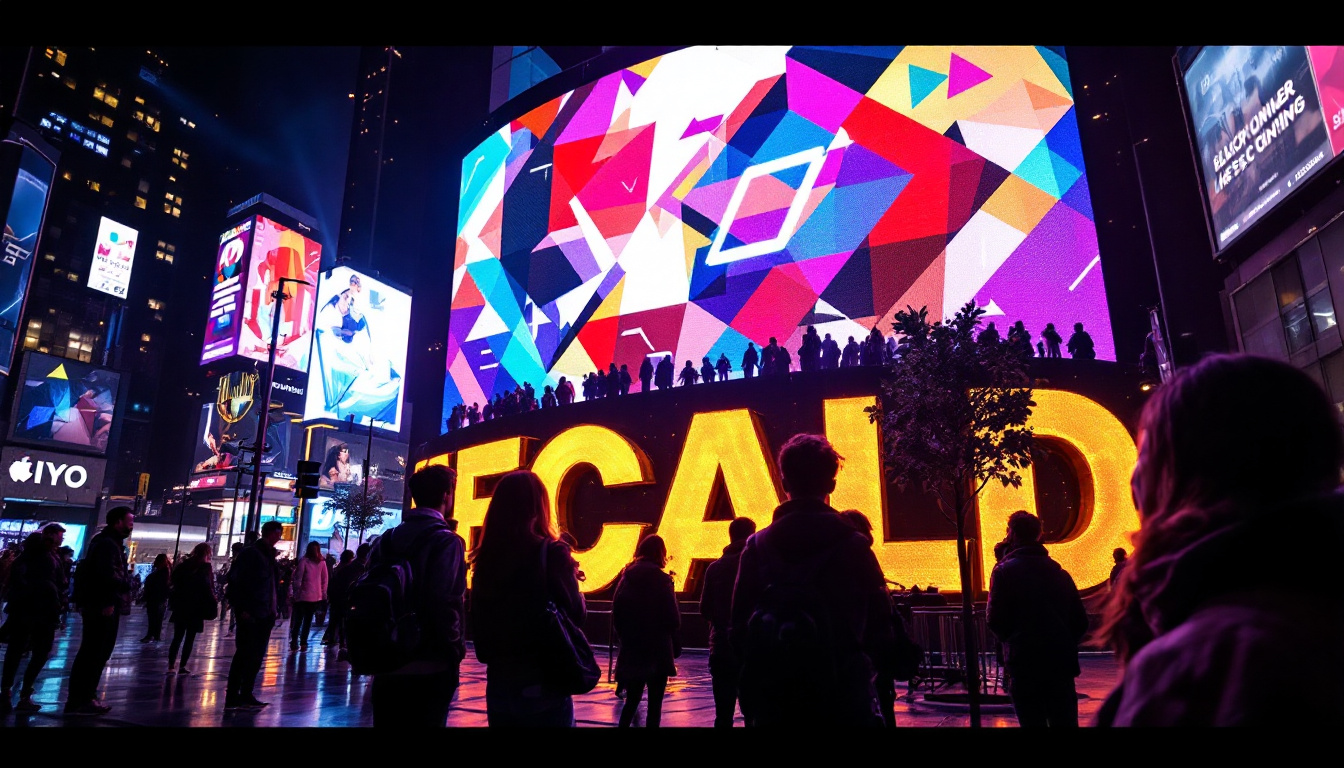
One of the most prominent uses of LED displays is in advertising. Digital billboards and signage have revolutionized marketing by enabling dynamic content that can be updated remotely and in real-time. According to a report by Grand View Research, the global digital signage market is expected to reach $32.84 billion by 2028, driven largely by LED technology advancements.
Careers in this sector include roles in content creation, display installation, maintenance, and software development for content management systems. Professionals skilled in integrating LED hardware with digital marketing strategies are highly sought after.
Entertainment and Events
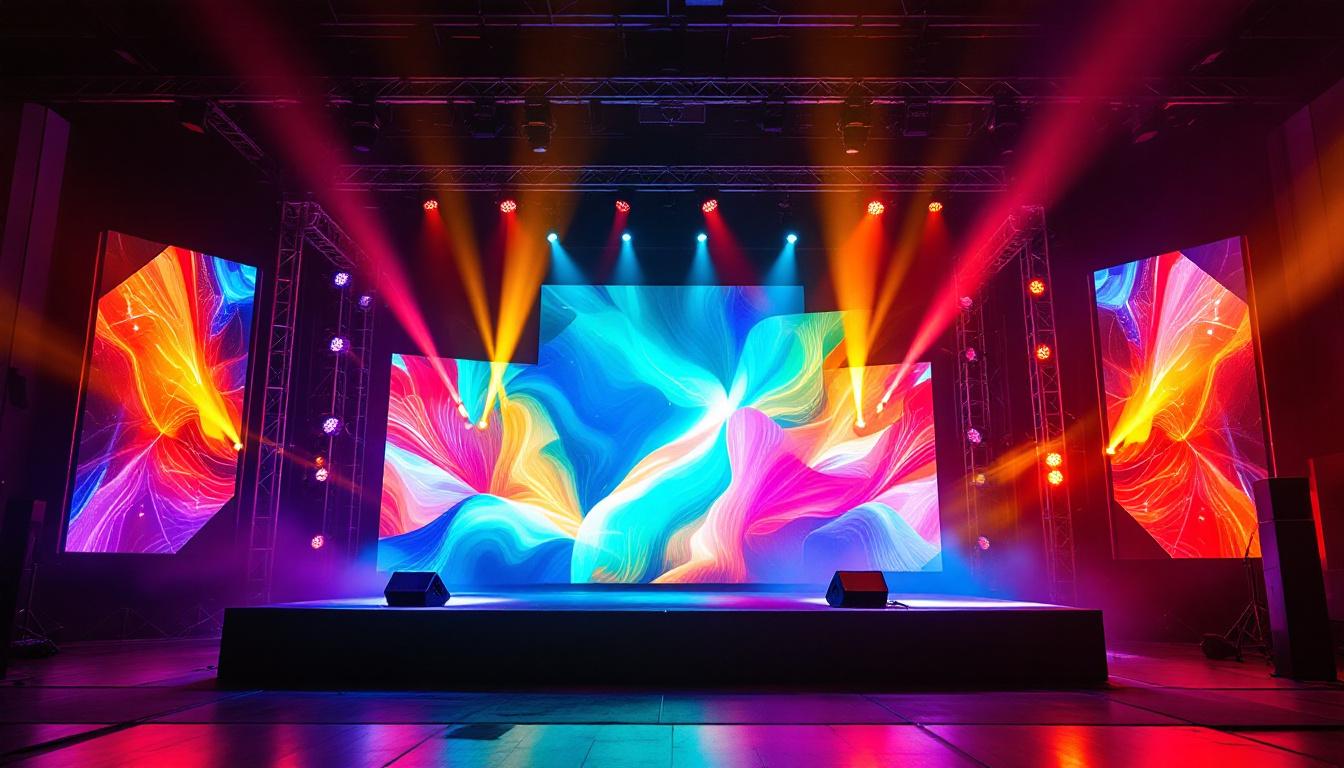
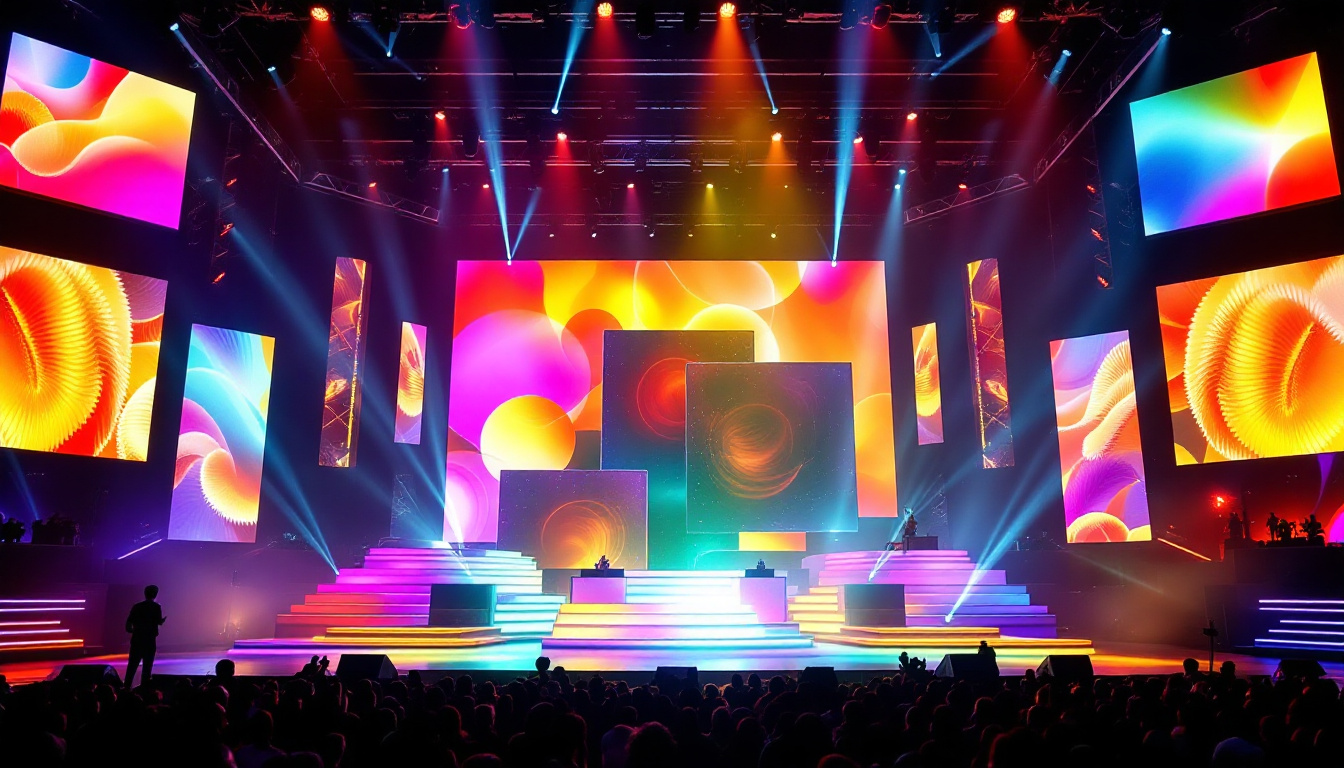
LED displays play a critical role in concerts, sports arenas, and theatrical productions. Large-scale LED video walls create immersive visual experiences that captivate audiences. The ability to produce high-resolution, seamless images on massive screens has transformed live event production.
Technical roles such as LED system design, video engineering, and stage lighting coordination are essential in this field. Additionally, careers in LED display rental and event logistics offer opportunities for those interested in the operational side of entertainment technology.
Transportation and Public Information
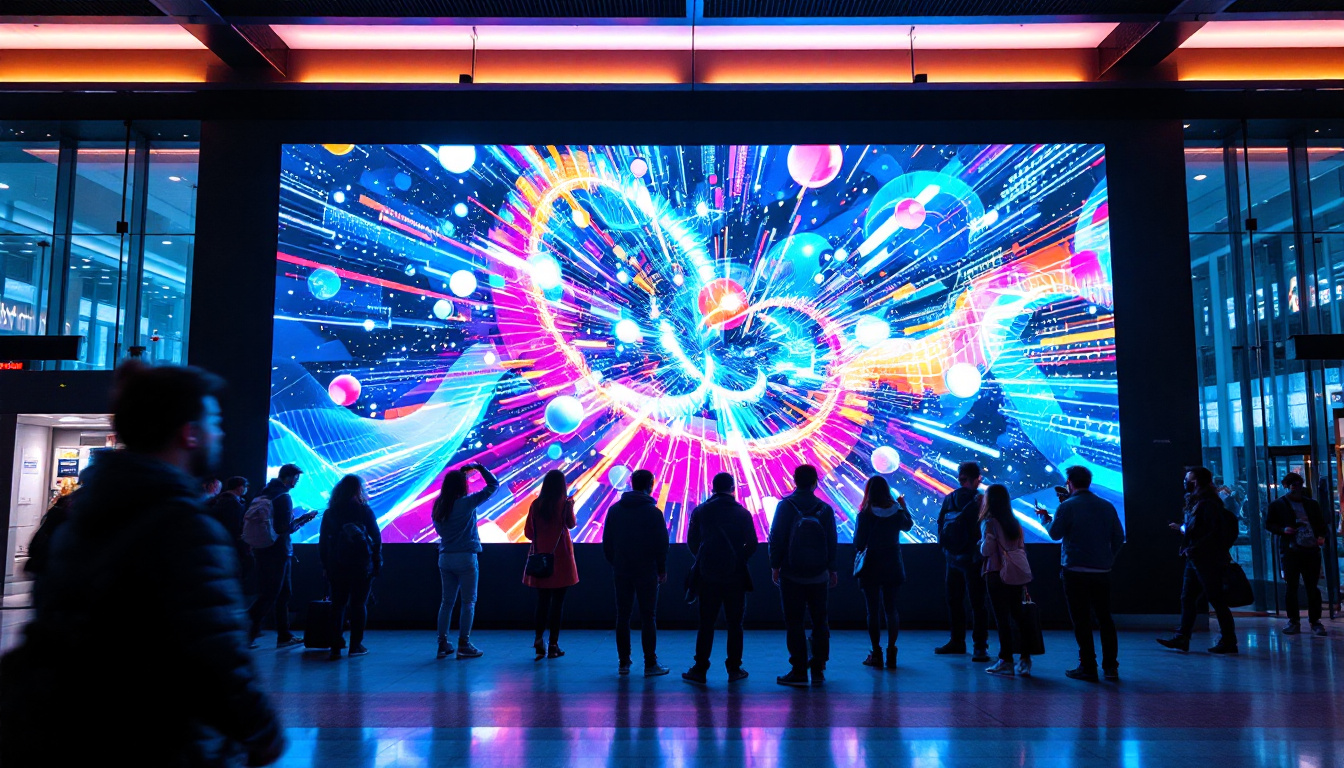
LED displays are widely used in transportation hubs—airports, train stations, and bus terminals—to provide real-time information to travelers. Their reliability and visibility make them ideal for critical communication in public spaces.
Jobs in this area often involve system integration, software programming for dynamic content updates, and ongoing maintenance to ensure uninterrupted service. Professionals working in this sector contribute to enhancing public safety and convenience.
Retail and Hospitality
Retail environments utilize LED displays for promotional messaging, interactive kiosks, and ambiance enhancement. In hospitality, LED screens enhance guest experiences through digital concierge services and entertainment.
Careers here blend technology with customer service, requiring expertise in hardware installation, user interface design, and content strategy to create engaging consumer interactions.
Technological Innovations Shaping the Future of LED Displays
The LED display industry is continuously evolving, driven by advancements that improve performance, reduce costs, and expand creative possibilities. Staying abreast of these innovations is crucial for professionals aiming to build a successful career in this field.
MicroLED and MiniLED Technologies
MicroLED and MiniLED represent the next generation of LED display technology. MicroLEDs are microscopic LEDs that offer exceptional brightness, contrast, and energy efficiency with faster response times and longer lifespans. MiniLEDs, slightly larger but still significantly smaller than traditional LEDs, provide improved backlighting for LCD panels, enhancing picture quality.
These technologies promise to revolutionize consumer electronics, including televisions, smartphones, and wearable devices. Engineers and researchers specializing in semiconductor fabrication, optical engineering, and materials science are at the forefront of these developments.
High-Resolution and Pixel Pitch Improvements
Pixel pitch—the distance between the centers of adjacent pixels—is a critical factor determining display resolution and clarity. Advances in manufacturing have enabled smaller pixel pitches, resulting in sharper images even at close viewing distances.
For indoor applications like control rooms and broadcast studios, ultra-fine pixel pitch LED displays are becoming standard. Professionals involved in product design, quality assurance, and calibration play vital roles in delivering these high-performance solutions.
Smart and Interactive LED Displays
Integration of touch sensors, cameras, and AI-powered software is transforming LED displays into interactive platforms. Smart displays can respond to user input, analyze audience engagement, and adapt content dynamically.
This convergence of hardware and software opens career paths in software development, user experience design, and data analytics. Specialists who can bridge the gap between technology and user interaction are increasingly valuable.
Career Opportunities in the LED Display Industry
The LED display sector offers a broad spectrum of career options, ranging from technical roles to creative and managerial positions. The industry’s growth is fueled by continuous innovation and expanding applications, making it an attractive field for professionals with diverse skill sets.
Engineering and Technical Roles
Engineers specializing in electronics, optics, and software development are essential to designing and building LED display systems. Roles include:
- Hardware Engineer: Focuses on circuit design, LED driver development, and system integration.
- Firmware and Software Developer: Develops control software, content management systems, and interactive applications.
- Quality Control Specialist: Ensures product reliability, performance, and compliance with industry standards.
- Installation and Maintenance Technician: Responsible for deploying and servicing LED displays in various environments.
Creative and Content Development Roles
Creating compelling visual content is crucial for maximizing the impact of LED displays. Careers in this area include:
- Graphic Designer and Animator: Produces engaging visuals tailored to LED display specifications.
- Content Strategist: Plans and manages digital signage campaigns to meet marketing objectives.
- Video Production Specialist: Develops high-quality video content optimized for LED screens.
Sales, Marketing, and Project Management
Business-oriented roles are vital for driving growth and customer satisfaction in the LED display industry. These include:
- Sales Engineer: Combines technical knowledge with sales skills to tailor solutions for clients.
- Marketing Manager: Develops strategies to promote LED display products and services.
- Project Manager: Oversees installation projects, coordinating between clients, engineers, and technicians.
Research and Development
Innovation is the lifeblood of the LED display industry. R&D professionals work on developing new materials, improving manufacturing processes, and exploring novel applications. Positions in this domain often require advanced degrees in engineering, physics, or materials science.
Skills and Education for a Career in LED Displays
Entering the LED display industry typically requires a blend of formal education, technical skills, and practical experience. The following outlines key qualifications and competencies:
Educational Background
Degrees in electrical engineering, computer science, optics, or related fields provide a solid foundation. Specialized courses in display technology, semiconductor physics, and digital signal processing are advantageous. For creative roles, education in graphic design, multimedia arts, or marketing is beneficial.
Technical Skills
Proficiency in circuit design, programming languages (such as C++, Python, or JavaScript), and software tools for 3D modeling and animation is often required. Familiarity with LED hardware, display calibration, and networking protocols enhances employability.
Soft Skills
Effective communication, problem-solving, and project management skills are essential, especially when collaborating across multidisciplinary teams. Adaptability and continuous learning are critical due to the fast-paced nature of the industry.
Conclusion: Illuminating Your Career Path with LED Displays
The LED display industry stands at the intersection of technology, creativity, and communication, offering a vibrant array of career opportunities. As LED technology continues to advance and permeate new sectors, professionals equipped with the right skills and knowledge will find rewarding roles that contribute to shaping the future of visual media.
Whether your passion lies in engineering innovation, creative content development, or strategic business management, the LED display field provides a dynamic and evolving landscape. Embracing continuous learning and staying informed about emerging trends will position you for success in this illuminating industry.
Discover LumenMatrix LED Display Solutions
Ready to take the next step in your career with cutting-edge LED technology? Explore LumenMatrix’s innovative LED display modules and immerse yourself in a world of vibrant visuals and unparalleled clarity. From captivating Indoor LED Wall Displays to dynamic Outdoor LED Wall Displays, and from versatile Vehicle LED Displays to sleek LED Poster Displays, LumenMatrix offers a comprehensive range of solutions tailored to your needs. Join us in our mission to transform visual communication and create unforgettable experiences. Check out LumenMatrix LED Display Solutions today and see how we can illuminate your brand’s potential.