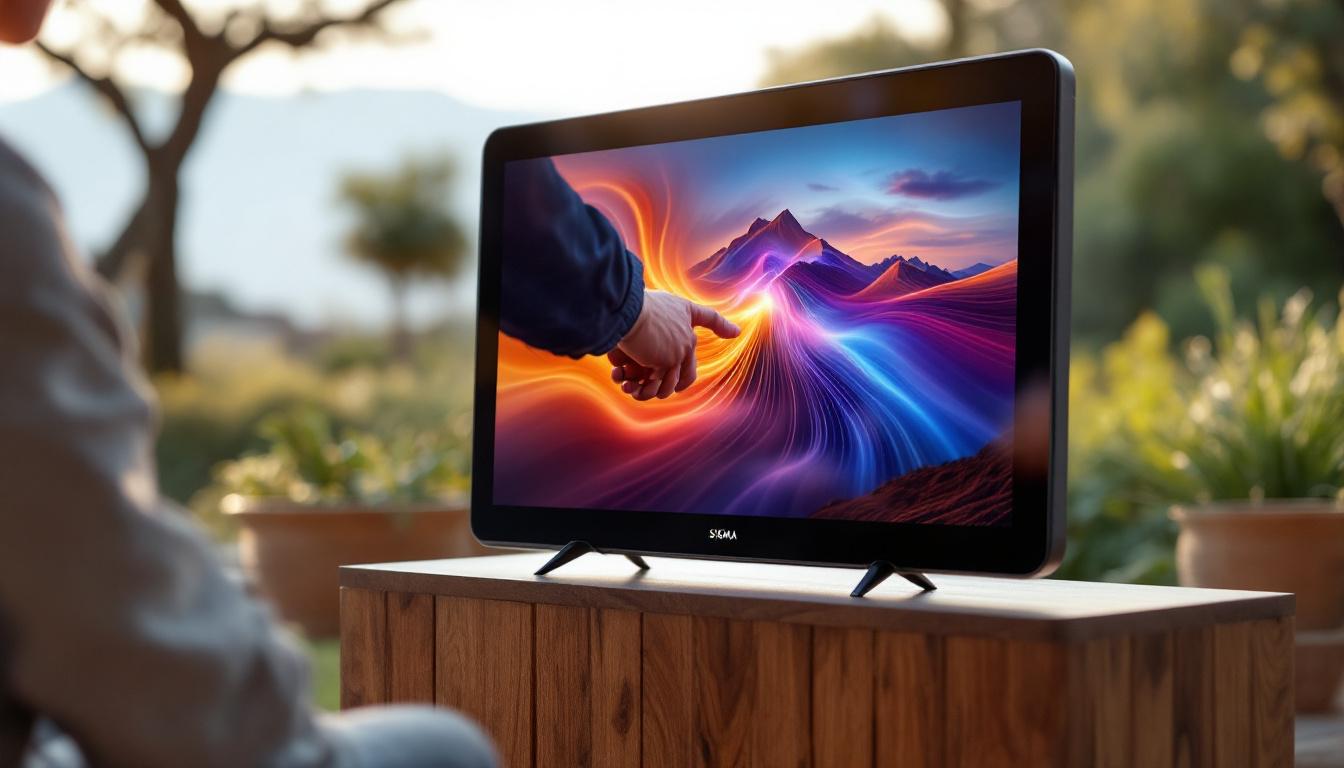
Portable Touchscreen TV: LED Display Explained
In today’s fast-evolving tech landscape, portable touchscreen TVs have carved out a unique niche that combines convenience, interactivity, and high-quality visuals. Whether for entertainment on the go, professional presentations, or interactive gaming, these devices offer a versatile solution that appeals to a broad audience. Central to their appeal is the LED display technology that powers their vivid images and responsive touch capabilities.
This article delves into the world of portable touchscreen TVs, focusing on the LED display technology that makes them stand out. From understanding the basics of LED displays to exploring their advantages, limitations, and practical applications, this comprehensive guide aims to equip readers with a thorough understanding of what makes these devices tick.
Understanding Portable Touchscreen TVs
What Defines a Portable Touchscreen TV?
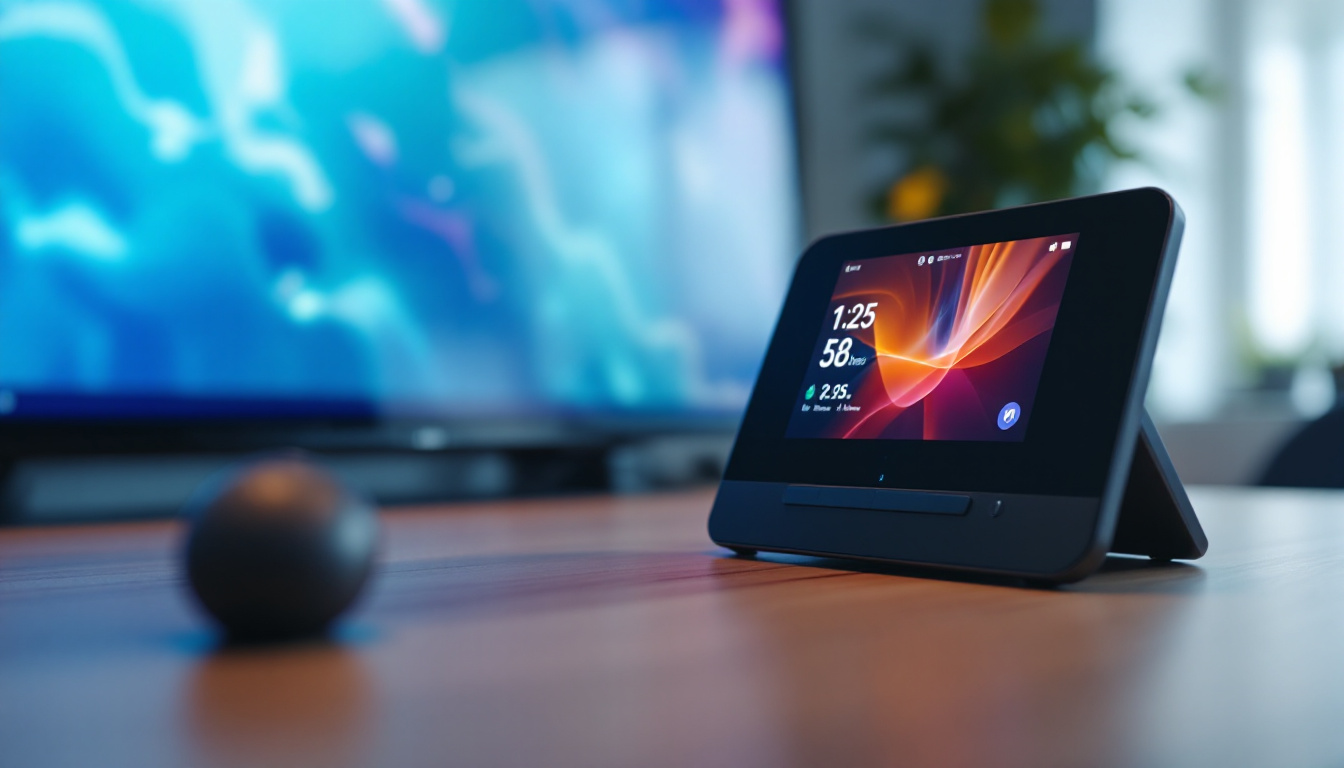
A portable touchscreen TV is a compact television device designed for mobility and ease of use, featuring a built-in touch-sensitive screen. Unlike traditional TVs, these devices integrate touchscreen technology similar to that found in smartphones and tablets, allowing users to interact directly with the display through taps, swipes, and gestures.
Typically, these TVs are lightweight, battery-powered, and equipped with connectivity options such as Wi-Fi, Bluetooth, and HDMI ports. Their portability makes them ideal for a variety of settings, including outdoor activities, travel, temporary installations, and even as secondary screens in homes or offices.
Key Features of Portable Touchscreen TVs
Several features distinguish portable touchscreen TVs from conventional televisions:
- Touchscreen Interface: Enables intuitive control without the need for external remotes or peripherals.
- Compact Design: Sizes usually range from 10 to 20 inches, balancing screen real estate with portability.
- LED Display Technology: Provides bright, energy-efficient visuals with excellent color reproduction.
- Battery Operation: Many models include rechargeable batteries for untethered use.
- Connectivity: Support for wireless and wired connections to stream content or connect to other devices.
LED Display Technology Explained
What is an LED Display?
LED stands for Light Emitting Diode, a semiconductor device that emits light when an electric current passes through it. In the context of television displays, LED technology refers to the use of these diodes as a backlighting system for LCD (Liquid Crystal Display) panels. This combination is commonly called an LED TV, though the actual image formation is done by the LCD layer, with LEDs providing the illumination.
Unlike older CCFL (Cold Cathode Fluorescent Lamp) backlights, LEDs offer numerous advantages such as lower power consumption, thinner panels, better brightness, and improved color accuracy. The LED backlighting can be arranged in various configurations, including edge-lit and full-array, each influencing the display’s performance.
Types of LED Backlighting
Understanding the different LED backlighting methods is crucial when evaluating portable touchscreen TVs:
- Edge-Lit LED: LEDs are placed along the edges of the screen, and light is diffused across the panel. This design allows for thinner devices but may suffer from uneven brightness or reduced contrast.
- Full-Array LED: LEDs are distributed evenly behind the entire screen, enabling more precise control over brightness and contrast through local dimming zones.
- Mini-LED: A more recent innovation, mini-LEDs are smaller diodes that allow for even finer local dimming, resulting in higher contrast ratios and better HDR (High Dynamic Range) performance.
How Touchscreen Integration Works with LED TVs
Integrating touch functionality into LED TVs involves layering a touch-sensitive panel over the LED-lit LCD screen. This panel can use different technologies such as capacitive or infrared touch sensors:
- Capacitive Touchscreens: These detect touch through changes in the electrical field caused by a finger’s conductive properties. They offer high sensitivity and multi-touch capabilities but can be more expensive.
- Infrared Touchscreens: These use a grid of infrared light beams across the screen surface. When a finger interrupts the beams, the device registers the touch. Infrared touchscreens are durable and work with any object but can be less precise.
The combination of LED display and touchscreen technology results in a device that is not only visually impressive but also highly interactive and user-friendly.
Advantages of Portable Touchscreen TVs with LED Displays
Enhanced Visual Quality
LED displays are renowned for their bright, vibrant images and excellent color accuracy. Portable touchscreen TVs leverage these qualities to deliver clear and engaging visuals even in well-lit environments. The high brightness levels and contrast ratios provided by LED backlighting make content easily viewable outdoors or in rooms with ambient light.
Moreover, advancements like HDR support and wide color gamut further enhance the viewing experience, making these devices suitable for watching movies, gaming, or professional presentations.
Energy Efficiency and Portability
One of the standout benefits of LED technology is its energy efficiency. Compared to older display technologies, LED backlights consume less power, which is critical for portable devices running on batteries. This efficiency translates to longer usage times between charges, a vital consideration for users who rely on mobility.
The slim profile enabled by LED backlighting also contributes to the lightweight and compact design of portable touchscreen TVs, making them easy to carry and set up anywhere.
Interactive User Experience
The integration of touchscreen capabilities transforms the passive act of watching TV into an interactive experience. Users can navigate menus, adjust settings, browse the internet, or even use the TV as a giant tablet. This interactivity is particularly beneficial in professional environments where presentations or collaborative work require direct input on the screen.
For gaming enthusiasts, touchscreen TVs open new possibilities for gameplay mechanics that rely on touch controls, adding a layer of engagement beyond traditional remote-based input.
Considerations and Limitations
Screen Size and Resolution Trade-offs
While portable touchscreen TVs offer convenience, their smaller sizes compared to standard TVs mean that screen real estate is limited. Most models range between 10 and 20 inches, which may not be ideal for group viewing or immersive cinematic experiences.
Resolution is another factor to consider. Many portable models support Full HD (1920×1080) resolution, which is sufficient for their size, but higher resolutions like 4K are less common due to cost and power consumption constraints.
Touchscreen Sensitivity and Durability
The touchscreen interface, while convenient, can sometimes be less responsive than dedicated input devices, especially in portable TVs where the touch sensors must be integrated into a relatively large display. Environmental factors such as glare, fingerprints, and accidental touches can also affect usability.
Durability is another concern. Portable devices are prone to bumps and drops, and the touchscreen layer can be vulnerable to scratches or damage if not adequately protected. Many manufacturers address this with reinforced glass or screen protectors, but users should handle these devices with care.
Price Considerations
Portable touchscreen TVs with LED displays tend to be more expensive than similarly sized non-touchscreen or non-portable TVs due to the added technology and design complexity. Prices can range from a few hundred to over a thousand dollars depending on features like resolution, battery life, and connectivity options.
For consumers, it’s essential to weigh the benefits of portability and touch interactivity against the budget and intended use cases.
Practical Applications of Portable Touchscreen TVs
Entertainment On the Go
For travelers, campers, and outdoor enthusiasts, portable touchscreen TVs offer a convenient way to enjoy movies, TV shows, and streaming content without being tethered to a fixed location. Their compact size and battery operation mean they can be used in tents, RVs, or even on boats.
Additionally, the touchscreen interface allows users to easily navigate streaming apps and settings without needing extra devices, simplifying the entertainment experience.
Professional and Educational Use
In business and education, portable touchscreen TVs serve as dynamic presentation tools. They can be quickly set up in meeting rooms, classrooms, or temporary venues to display slideshows, videos, or interactive content. The touchscreen feature enables direct annotation, note-taking, and collaboration, enhancing engagement and productivity.
Some models support screen mirroring and wireless connectivity, allowing seamless integration with laptops, tablets, and smartphones during presentations.
Gaming and Interactive Media
Gamers benefit from the portability and touch capabilities of these TVs, which can serve as secondary screens or standalone devices for casual gaming. Touchscreen controls open up new gameplay possibilities, especially for puzzle games, strategy titles, and interactive media that rely on direct input.
Moreover, the vibrant LED display ensures that graphics are sharp and colors are vivid, enhancing the overall gaming experience.
Future Trends and Innovations
Advancements in Display Technology
The future of portable touchscreen TVs is closely tied to ongoing developments in LED and related display technologies. Mini-LED and micro-LED displays promise even better contrast ratios, brightness, and energy efficiency, which will further enhance portability and visual quality.
Flexible and foldable LED displays are also emerging, potentially allowing for ultra-portable devices that can be rolled or folded without damage, opening new possibilities for design and usage scenarios.
Improved Touch and Interaction Methods
Touchscreen technology continues to evolve with innovations like haptic feedback, pressure sensitivity, and gesture recognition. These advancements could make portable touchscreen TVs more responsive and intuitive, bridging the gap between traditional touch devices and larger interactive displays.
Voice control and AI integration are also expected to play a larger role, enabling hands-free operation and smarter content interaction.
Enhanced Connectivity and Integration
As 5G networks and Wi-Fi 6 become more widespread, portable touchscreen TVs will benefit from faster, more reliable internet connections. This will improve streaming quality, cloud gaming, and real-time collaboration features.
Integration with smart home ecosystems and IoT devices will further expand the utility of these TVs, allowing them to function as hubs for controlling connected appliances, security systems, and more.
Conclusion
Portable touchscreen TVs with LED displays represent a compelling fusion of mobility, interactivity, and visual excellence. Their ability to deliver bright, vibrant images combined with intuitive touch controls makes them versatile tools for entertainment, work, and play. While there are trade-offs in screen size and price, the ongoing advancements in LED technology and touch interfaces promise to address many current limitations.
For consumers and professionals alike, understanding the underlying LED display technology and its integration with touchscreens is key to making informed choices that align with their needs. As innovation continues, these devices are poised to become even more integral to how people consume media and engage with digital content in diverse environments.
Discover the Future of Visual Engagement with LumenMatrix
Ready to elevate your visual experience with the latest in LED display technology? LumenMatrix is at the forefront of innovation, offering a diverse range of LED display solutions tailored to your needs. From captivating Indoor LED Walls to dynamic Vehicle LED Displays, our products are designed to make your brand stand out and your messages resonate with audiences. Embrace the future of portable, interactive, and immersive displays. Check out LumenMatrix LED Display Solutions today and transform how you connect and communicate.