Small LCD Computer Monitor: LED Display Explained
In today’s fast-paced digital world, the demand for compact, efficient, and high-quality computer monitors has never been greater. Small LCD computer monitors with LED displays have become a popular choice for both professionals and casual users due to their versatility and performance. This article delves deep into what makes these monitors tick, exploring the technology behind LED displays, their advantages, and how to choose the right small LCD monitor for your needs.
Understanding Small LCD Monitors and LED Displays
What Is an LCD Monitor?
LCD stands for Liquid Crystal Display, a technology that has revolutionized the way images are displayed on screens. Unlike older CRT monitors, LCDs use liquid crystals sandwiched between two layers of glass or plastic. These crystals manipulate light to create images, allowing for thinner, lighter, and more energy-efficient screens.
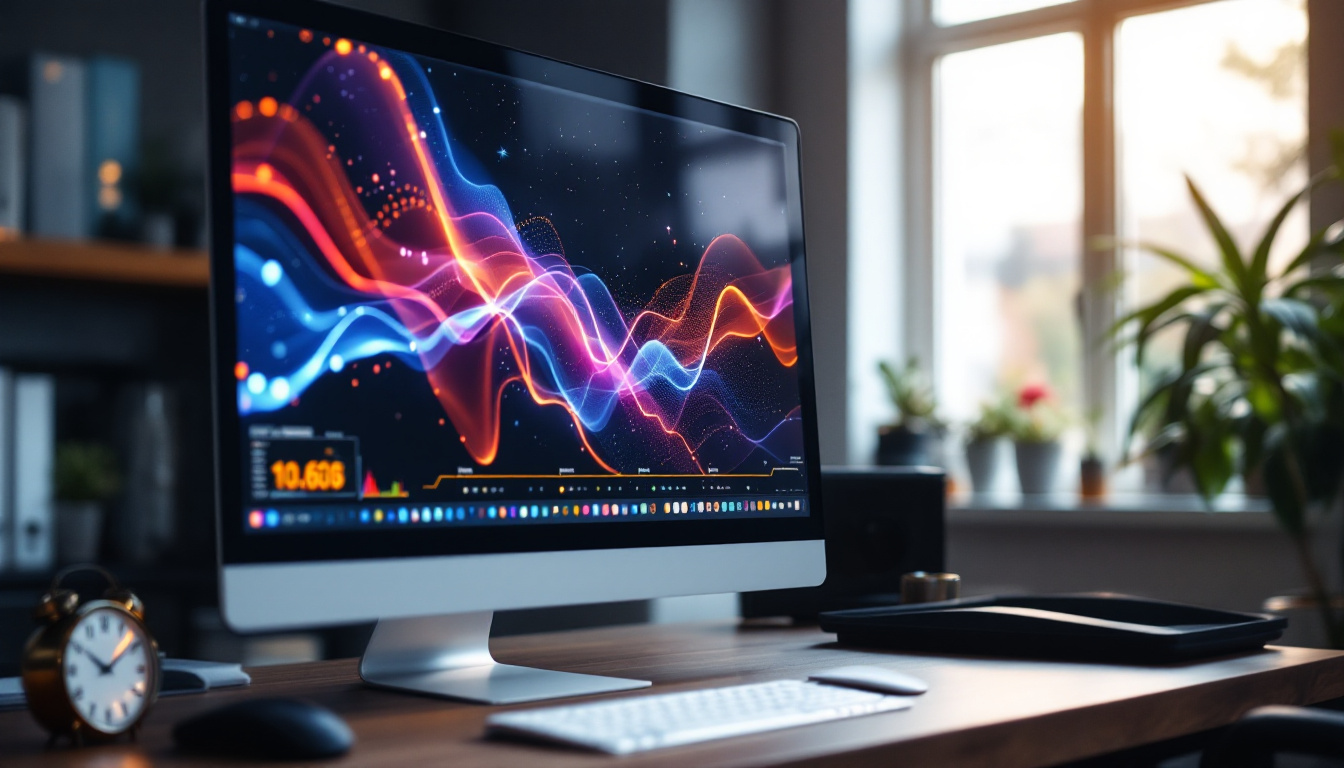
Small LCD monitors typically range from 10 to 17 inches diagonally. Their compact size makes them ideal for limited desk space, portable setups, or secondary displays. Despite their size, modern small LCD monitors often pack impressive resolution and color accuracy, making them suitable for a variety of tasks. For instance, graphic designers and photographers appreciate the ability of these monitors to reproduce colors more accurately than their larger counterparts, ensuring that their work appears vibrant and true to life. Additionally, many small LCD monitors now come equipped with features such as adjustable stands and VESA mount compatibility, allowing users to customize their viewing experience and optimize their workspace ergonomics.
LED Backlighting: The Game Changer
While the term “LED monitor” is commonly used, it’s important to clarify that these monitors are still LCDs at their core. The “LED” refers to the type of backlighting used. Traditional LCDs used cold cathode fluorescent lamps (CCFLs) for backlighting, which were bulkier and less energy-efficient.
LED (Light Emitting Diode) backlighting uses tiny diodes to illuminate the liquid crystal panel. This change has brought several benefits, including:
- Improved Energy Efficiency: LED backlights consume less power than CCFLs, making monitors more environmentally friendly and cost-effective over time.
- Better Brightness and Contrast: LEDs can achieve higher brightness levels and deeper blacks, enhancing image quality.
- Thinner Designs: LED backlighting allows for slimmer and lighter monitors, perfect for compact setups.
- Longer Lifespan: LEDs generally last longer than CCFLs, reducing the need for replacements.
Moreover, the introduction of technologies like edge-lit and full-array local dimming has further enhanced the capabilities of LED backlit monitors. Edge-lit displays use LEDs positioned along the edges of the screen, allowing for a thinner profile, while full-array local dimming provides more precise control over brightness in different areas of the screen, resulting in improved contrast ratios and a more immersive viewing experience. This is particularly beneficial for users who enjoy watching movies or playing video games, as it allows for a more dynamic range of colors and shadows, making scenes appear more lifelike. As a result, small LCD monitors with LED backlighting are not just practical; they also offer a rich visual experience that meets the demands of modern multimedia consumption.
Key Features of Small LCD LED Monitors
Resolution and Screen Quality
Resolution is a critical factor when choosing a small LCD monitor. Common resolutions for small monitors include 1366×768 (HD), 1920×1080 (Full HD), and even 2560×1440 (QHD) on some premium models. Higher resolution means sharper images and more workspace, which can be crucial for tasks like photo editing, programming, or multitasking. For instance, a Full HD display offers a significant improvement over HD, allowing users to see more detailed images and text, which is particularly beneficial for graphic designers who require precision in their work.
Color accuracy and viewing angles are also important. IPS (In-Plane Switching) panels are often preferred for their superior color reproduction and wide viewing angles compared to TN (Twisted Nematic) panels, which may be cheaper but suffer from color shifting and narrower viewing angles. This makes IPS monitors ideal for collaborative environments where multiple people may need to view the screen at once, ensuring that everyone sees the same vibrant colors and details without distortion. Furthermore, some monitors come factory-calibrated for color accuracy, making them suitable for professional use right out of the box.
Refresh Rate and Response Time
For general productivity, a standard 60Hz refresh rate is sufficient. However, if the monitor will be used for gaming or video editing, higher refresh rates (75Hz or above) and lower response times (under 5ms) can provide smoother visuals and reduce motion blur. Gamers, in particular, benefit from these features as they enhance the overall experience, making fast-paced action sequences appear fluid and responsive. Additionally, some monitors offer adaptive sync technologies like FreeSync or G-Sync, which help eliminate screen tearing and stuttering, further enhancing gameplay.
Connectivity Options
Small LCD LED monitors come with various input options, including HDMI, DisplayPort, VGA, and USB-C. USB-C is gaining popularity due to its ability to transmit video, data, and power through a single cable, making it ideal for minimalist workspaces and laptop users. This versatility allows users to connect their devices seamlessly, reducing cable clutter while ensuring high-quality video output. Moreover, some monitors also feature built-in USB hubs, enabling users to connect peripherals directly to the monitor, which can be a game-changer for those who frequently switch between devices.
Ergonomics and Portability
Given their size, many small monitors are designed with portability in mind. Some models feature foldable stands, lightweight chassis, and even built-in batteries for on-the-go use. Adjustable stands that allow tilt, swivel, and height adjustments can enhance comfort during extended use. This is especially important for remote workers or digital nomads who may set up their workspace in various locations. Additionally, some manufacturers have incorporated blue light filtering technology and flicker-free screens to reduce eye strain, making these monitors not only portable but also more comfortable for long hours of use.
Furthermore, the aesthetic design of small monitors has evolved significantly, with many models featuring sleek bezels and modern finishes that can complement any workspace. Some monitors even come with customizable RGB lighting, allowing users to personalize their setup and create an immersive environment. This attention to design and functionality makes small LCD LED monitors not just practical tools but also stylish additions to any home or office setup.
Advantages of Using Small LCD LED Monitors
Space Efficiency
One of the most obvious benefits of small LCD monitors is their compact footprint. They fit easily on crowded desks, in tight office cubicles, or even on mobile workstations. This makes them ideal for users who need a secondary display without sacrificing space.
Energy Savings and Environmental Impact
LED backlighting contributes significantly to reducing energy consumption. According to the U.S. Department of Energy, LED-backlit LCD monitors can use up to 40% less power than CCFL-backlit models. This not only lowers electricity bills but also reduces the carbon footprint of your workspace.
Improved Visual Experience
Thanks to advancements in LED technology, small LCD monitors now offer vibrant colors, high contrast ratios, and consistent brightness. These improvements make them suitable for a wide range of applications, from casual browsing to professional graphic design.
Cost-Effectiveness
Small LCD LED monitors are generally more affordable than larger displays, making them accessible to budget-conscious consumers. Their energy efficiency and longer lifespan also contribute to lower total cost of ownership.
Choosing the Right Small LCD LED Monitor for Your Needs
Identify Your Primary Use Case
Before purchasing, consider what you will primarily use the monitor for. If it’s for office productivity, prioritize resolution and connectivity. For gaming, look for higher refresh rates and faster response times. Creative professionals should focus on color accuracy and panel quality.
Consider Compatibility and Connectivity
Ensure the monitor supports the ports available on your computer or laptop. USB-C monitors are excellent for newer devices, while HDMI remains the most universally compatible. Some small monitors also offer built-in USB hubs, which can help reduce cable clutter.
Evaluate Ergonomics and Design
Since small monitors are often used in close proximity, ergonomics become important. Adjustable stands, anti-glare coatings, and blue light filters can help reduce eye strain during long sessions.
Set a Budget
Prices for small LCD LED monitors vary widely, from under $100 for basic models to over $300 for high-end displays with advanced features. Setting a budget helps narrow down options and ensures you get the best value for your money.
Popular Applications of Small LCD LED Monitors
Portable Workstations and Travel
Small monitors are increasingly popular among remote workers and digital nomads who need a second screen while traveling. Lightweight and slim designs make them easy to pack alongside laptops.
Point of Sale and Industrial Use
Retail environments and industrial settings often utilize small LCD monitors for point-of-sale terminals, kiosks, and control panels. Their compact size and durability make them well-suited for these applications.
Home Office and Multi-Monitor Setups
Many home office users incorporate small monitors as secondary displays to boost productivity. Dual or triple monitor setups allow for better multitasking, with one screen dedicated to communication apps and the other to primary work tasks.
Future Trends in Small LCD LED Monitor Technology
Mini-LED and Micro-LED Backlighting
Emerging technologies like Mini-LED and Micro-LED promise even better brightness, contrast, and energy efficiency. Mini-LED uses thousands of tiny LEDs for backlighting, enabling more precise local dimming zones and improved HDR performance. Micro-LED, still in early stages, offers self-emissive pixels with exceptional color accuracy and longevity.
Higher Refresh Rates and Adaptive Sync
Small monitors are catching up with gaming trends, incorporating higher refresh rates (up to 144Hz) and technologies like AMD FreeSync and NVIDIA G-Sync to reduce screen tearing and input lag.
Integration with Smart Features
Future small monitors may include built-in AI-powered features such as automatic brightness adjustment, eye-tracking for ergonomic breaks, and voice control, enhancing user experience and productivity.
Conclusion
Small LCD computer monitors with LED displays offer a compelling combination of compact size, energy efficiency, and high-quality visuals. Whether used for professional tasks, gaming, or portable setups, these monitors provide flexibility without compromising performance. Understanding the technology behind LED backlighting and the key features to look for can help users make informed decisions tailored to their specific needs.
As display technology continues to evolve, small LCD LED monitors are poised to become even more versatile and powerful, making them an excellent investment for anyone seeking a reliable and efficient secondary display or a primary monitor in a compact form factor.
Discover the Future of Visual Display with LumenMatrix
Ready to elevate your visual experience with the latest in LED display technology? LumenMatrix is at the forefront of innovation, offering a wide range of LED display solutions that cater to any need—from vibrant indoor and outdoor walls to dynamic vehicle displays and beyond. Embrace the future of digital signage with LumenMatrix’s cutting-edge displays that promise to captivate your audience and amplify your message. Check out LumenMatrix LED Display Solutions today and transform your space into a hub of engagement and creativity.