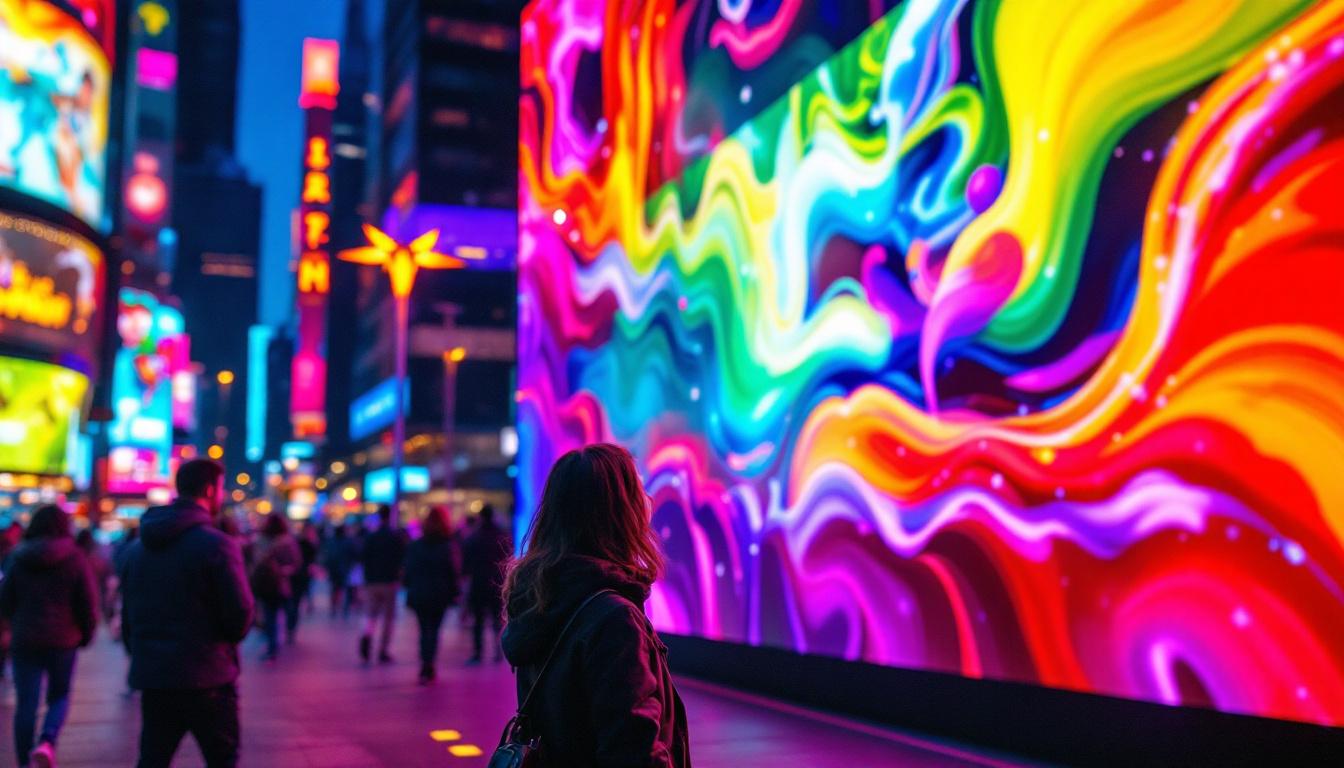
In recent years, the evolution of display technology has transformed how audiences experience visual content. Among the most groundbreaking innovations is the advent of large-scale LED displays, particularly those designed for cinematic and commercial use. “The Wall Free Movie” concept epitomizes this revolution, showcasing the power and flexibility of LED display technology in delivering immersive, high-quality visuals without the constraints of traditional screens.
This article delves into the technology behind LED displays, explains what makes “The Wall Free Movie” unique, and explores the implications of this innovation for the future of entertainment and advertising.
Understanding LED Display Technology
What is an LED Display?
LED, or Light Emitting Diode, displays are screens composed of tiny light-emitting diodes that produce bright, vivid images. Unlike LCD or OLED panels, which rely on backlighting or organic compounds, LED displays generate their own light, resulting in superior brightness and contrast. This self-illuminating feature allows LED displays to maintain image quality even in challenging lighting conditions, making them a popular choice for various applications.
LED displays can be configured in various sizes and resolutions, making them highly versatile. They are commonly used in outdoor billboards, stadium screens, and increasingly, indoor environments like conference halls and cinemas. Their adaptability extends beyond mere size; LED technology can also be tailored for specific environments, such as high-definition displays for close-range viewing or larger, lower-resolution screens for distant visibility, ensuring that the content is always engaging and accessible.
How Do LED Displays Work?
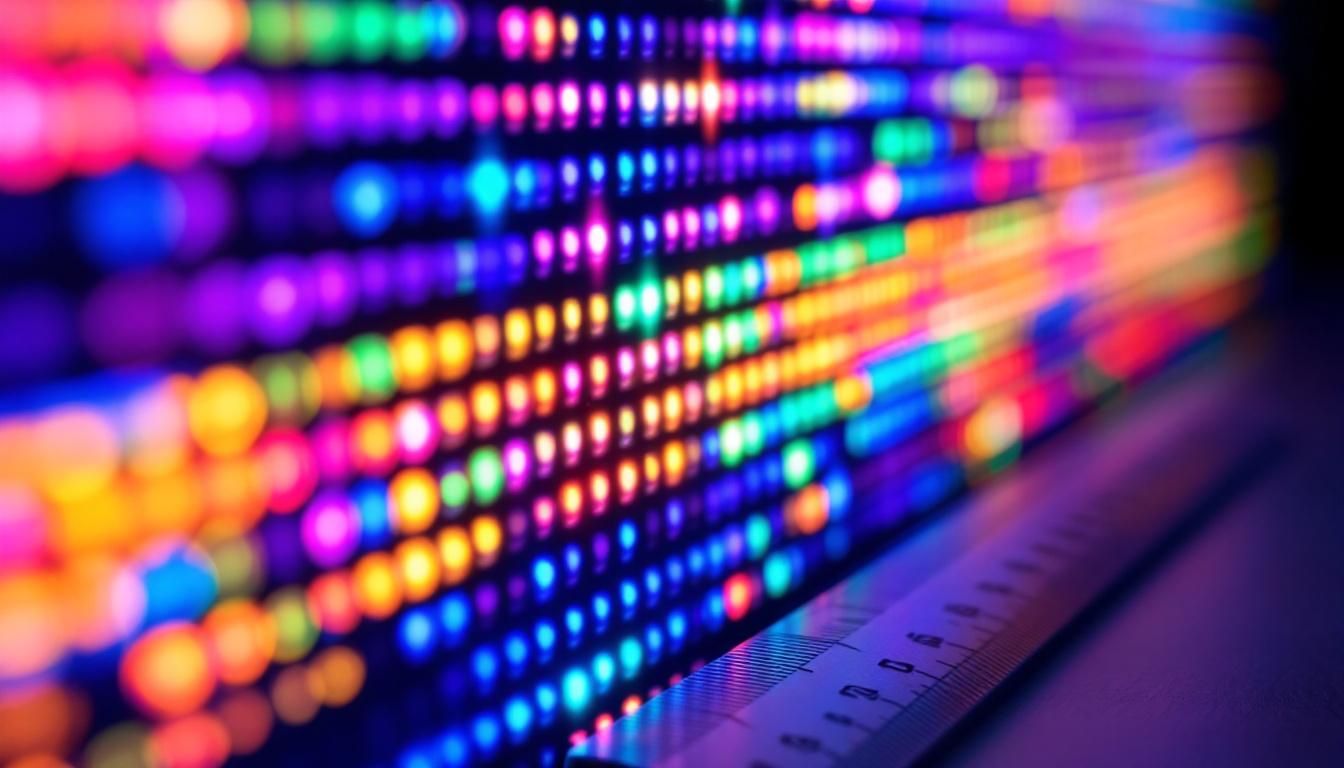
Each pixel in an LED display consists of red, green, and blue diodes. By adjusting the intensity of each diode, the display can produce a broad spectrum of colors. This direct emission of light allows for deeper blacks and more vibrant colors compared to traditional display technologies. The precision in color mixing not only enhances the visual experience but also ensures that images remain true to life, making LED displays ideal for applications requiring accurate color representation, such as medical imaging and graphic design.
Moreover, LED displays can achieve extremely high brightness levels, often exceeding 1,000 nits, which is crucial for visibility in bright environments. This brightness advantage makes LED displays ideal for both indoor and outdoor applications. Additionally, their energy efficiency is noteworthy; LED technology consumes less power than conventional display systems, which not only reduces operational costs but also contributes to a smaller carbon footprint, aligning with the growing demand for sustainable technology solutions.
Types of LED Displays
There are primarily two types of LED displays: traditional LED screens and MicroLED displays. Traditional LED screens use larger diodes and are typically modular, allowing for scalable screen sizes. MicroLED technology, on the other hand, involves microscopic LEDs that can be densely packed to create ultra-high-resolution displays with exceptional color accuracy and contrast. This advancement in display technology opens up new possibilities for immersive experiences, such as virtual reality and augmented reality applications, where detail and responsiveness are paramount.
While MicroLED is still emerging in consumer markets, traditional LED displays have become mainstream in commercial and entertainment sectors, paving the way for innovations like “The Wall Free Movie.” These displays are designed to create seamless, large-format images that captivate audiences, transforming how content is consumed in theaters and public spaces. Furthermore, as technology continues to evolve, we can expect to see even more advancements in LED display capabilities, such as improved refresh rates and enhanced durability, further solidifying their position as a leading choice in display technology.
The Wall Free Movie: Redefining Visual Experience
What is The Wall Free Movie?
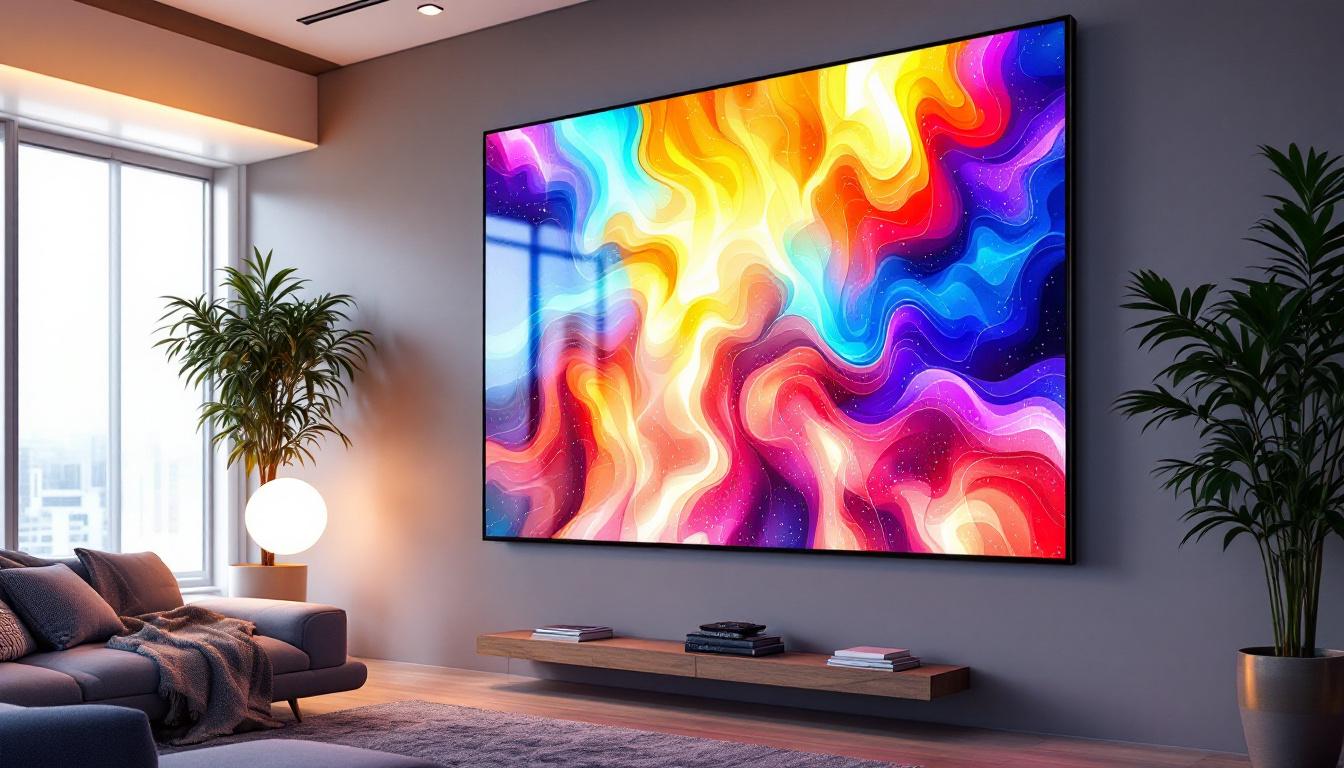
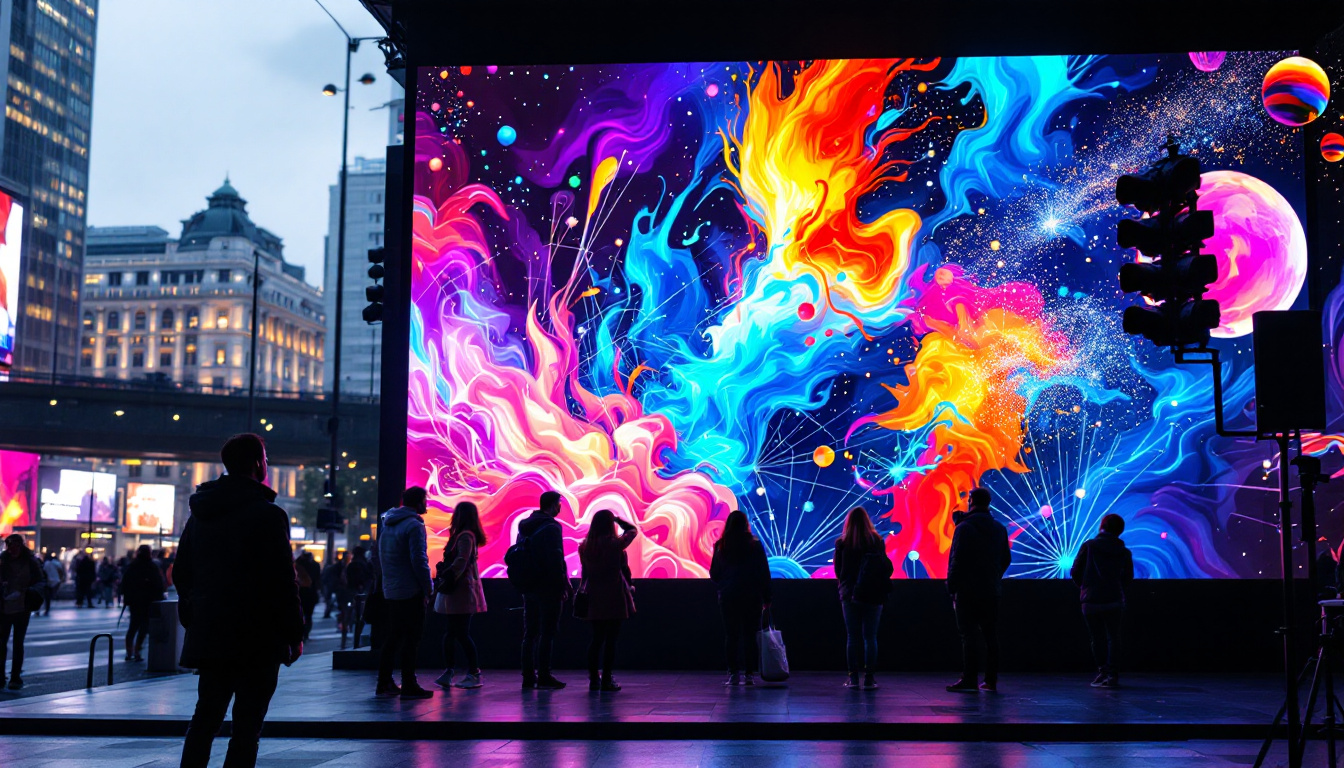
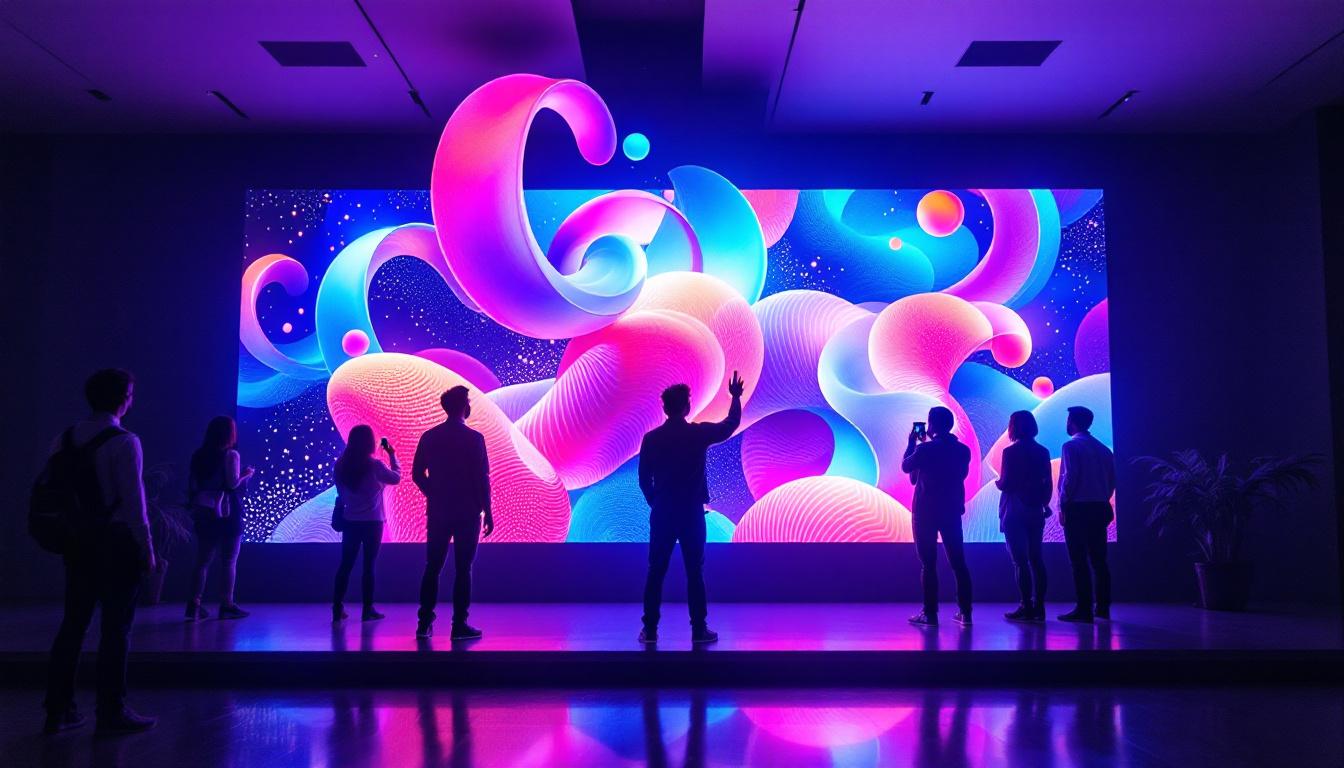
“The Wall Free Movie” refers to an immersive viewing experience enabled by large-scale, modular LED displays that eliminate the need for traditional projection screens or physical walls. Instead, the display itself becomes a dynamic, seamless canvas that can be configured to any size or shape, creating an enveloping visual environment.
This concept was popularized by Samsung’s “The Wall” series, which uses modular MicroLED technology to build massive, bezel-less displays that can be installed in homes, theaters, and public venues. The “Free Movie” aspect emphasizes the freedom from conventional screen limitations, allowing for creative and flexible content presentation.
Key Features of The Wall Free Movie LED Displays
One of the most striking features of The Wall Free Movie displays is their modularity. These displays consist of small, tile-like panels that can be seamlessly joined to form screens of virtually any size. This adaptability means venues can customize the display to fit unique spaces, from ultra-wide panoramic walls to curved or irregular shapes.
Additionally, these LED displays offer ultra-high resolution, often exceeding 8K, ensuring crystal-clear images even on massive screens. Their high brightness and contrast ratios provide vivid colors and deep blacks, enhancing the cinematic experience beyond what traditional projectors or LCD screens can offer.
Another advantage is durability and maintenance. LED displays are less susceptible to burn-in and degradation over time compared to OLED or projector-based systems, making them a long-term investment for theaters and event spaces.
How The Wall Free Movie Enhances Viewer Engagement
The immersive nature of large LED walls transforms passive viewing into an active experience. The seamless visuals and vibrant colors draw viewers into the content, whether it’s a blockbuster movie, a live concert, or an interactive exhibit.
Moreover, the flexibility in screen size and shape allows content creators to experiment with new storytelling techniques. For example, panoramic scenes can be displayed across a wide field of view, or multiple content streams can be shown simultaneously on different sections of the wall.
This level of engagement is particularly valuable in commercial settings, where captivating displays can increase foot traffic and brand interaction.
Applications and Impact of LED Wall Displays
Cinematic and Entertainment Venues
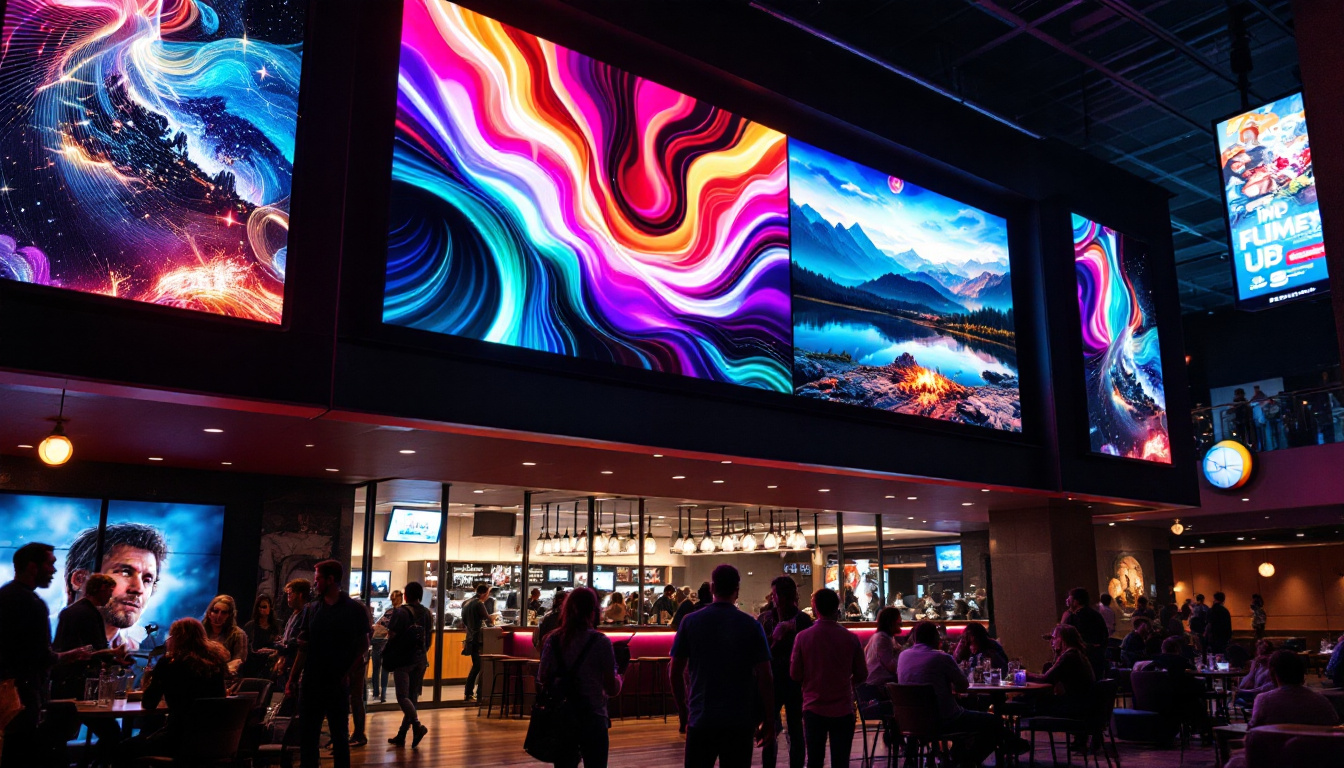
The most obvious application of The Wall Free Movie technology is in cinemas and entertainment venues. Traditional movie theaters rely on projectors and fixed screens, which have limitations in brightness, resolution, and screen size. LED walls overcome these constraints, offering brighter, sharper images that remain consistent regardless of ambient lighting.
Several premium theaters worldwide have begun integrating LED walls to offer “next-generation” viewing experiences. For example, the famous Dolby Cinema and Samsung’s own cinema installations use LED walls to deliver unparalleled picture quality and immersive sound integration.
Broadcast and Live Events
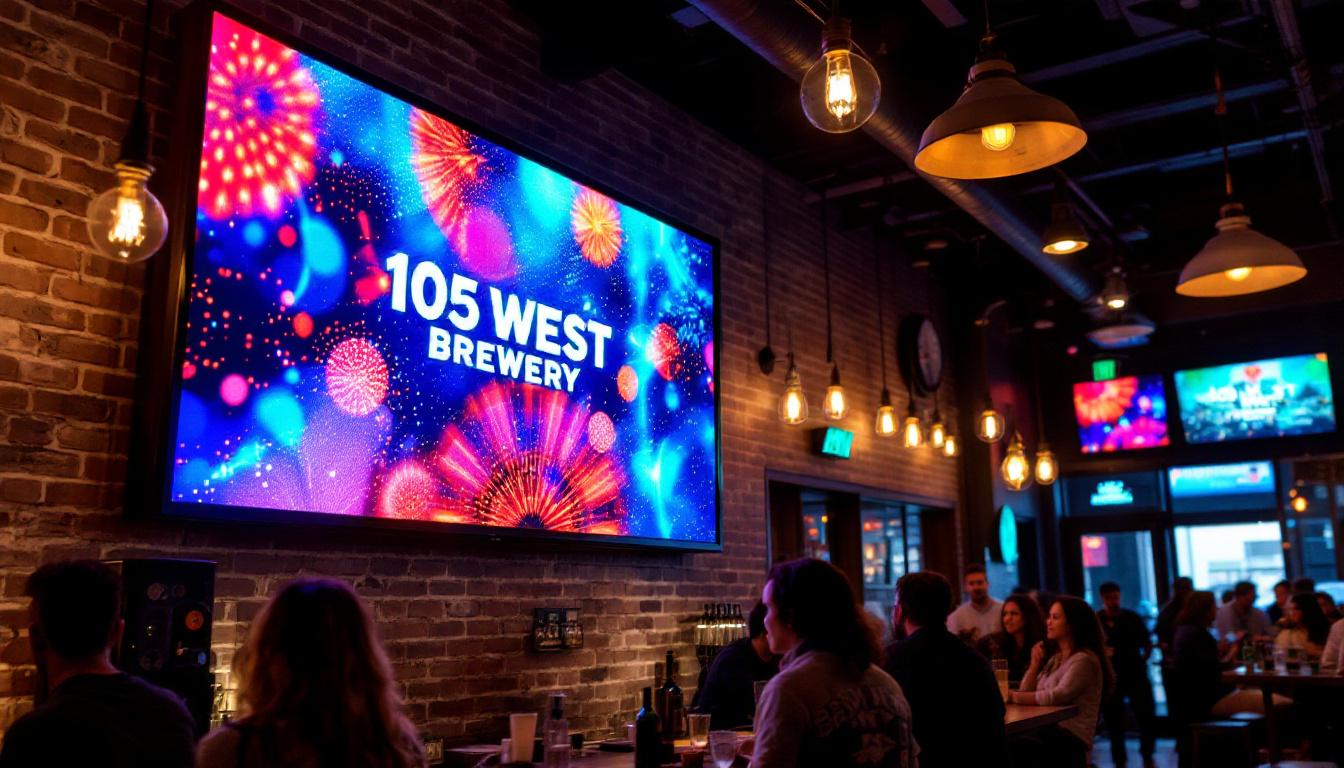
LED walls are also revolutionizing live event production and broadcasting. Concerts, sports arenas, and television studios use massive LED displays to create dynamic backdrops that enhance the visual appeal and audience engagement.
During major events like the Super Bowl or the Olympics, LED walls provide real-time visuals, instant replays, and interactive content that captivate both in-person attendees and broadcast viewers. Their ability to display high-resolution video content seamlessly makes them indispensable in modern event production.
Retail and Advertising
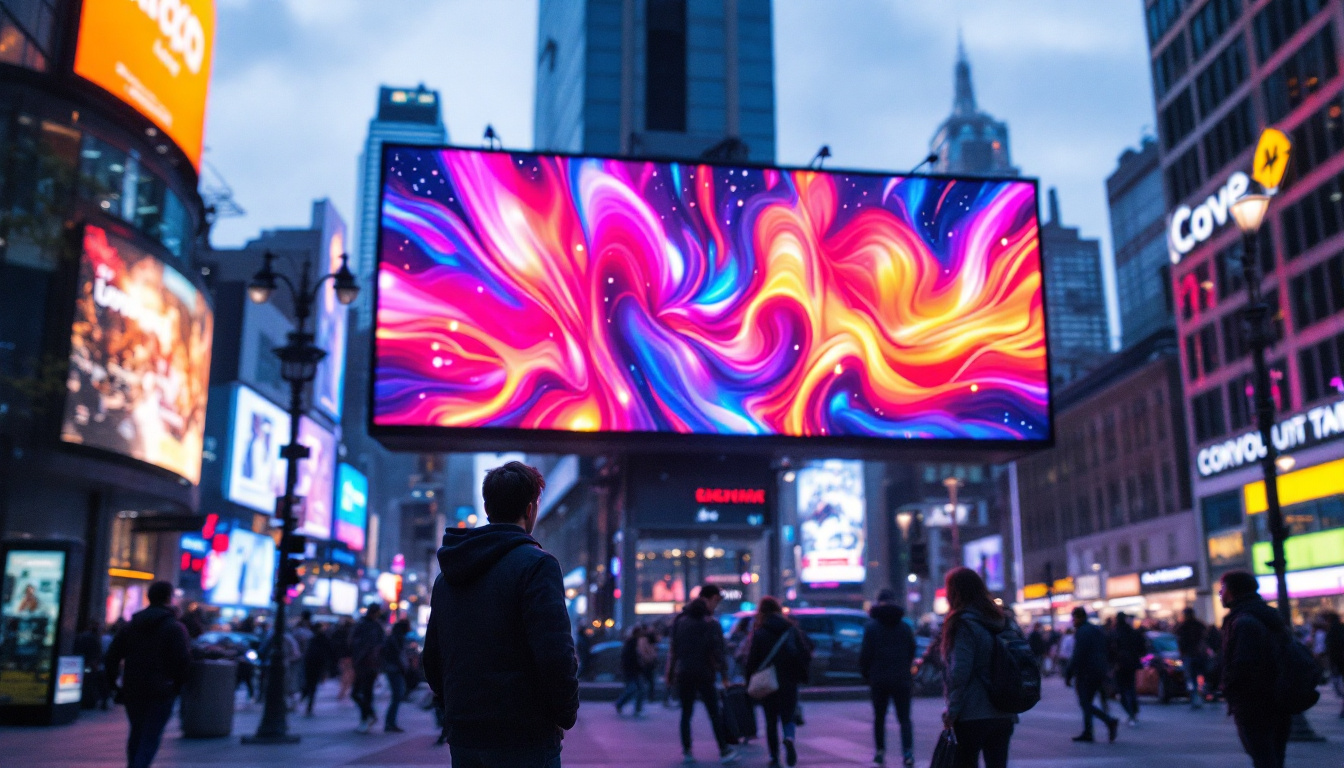
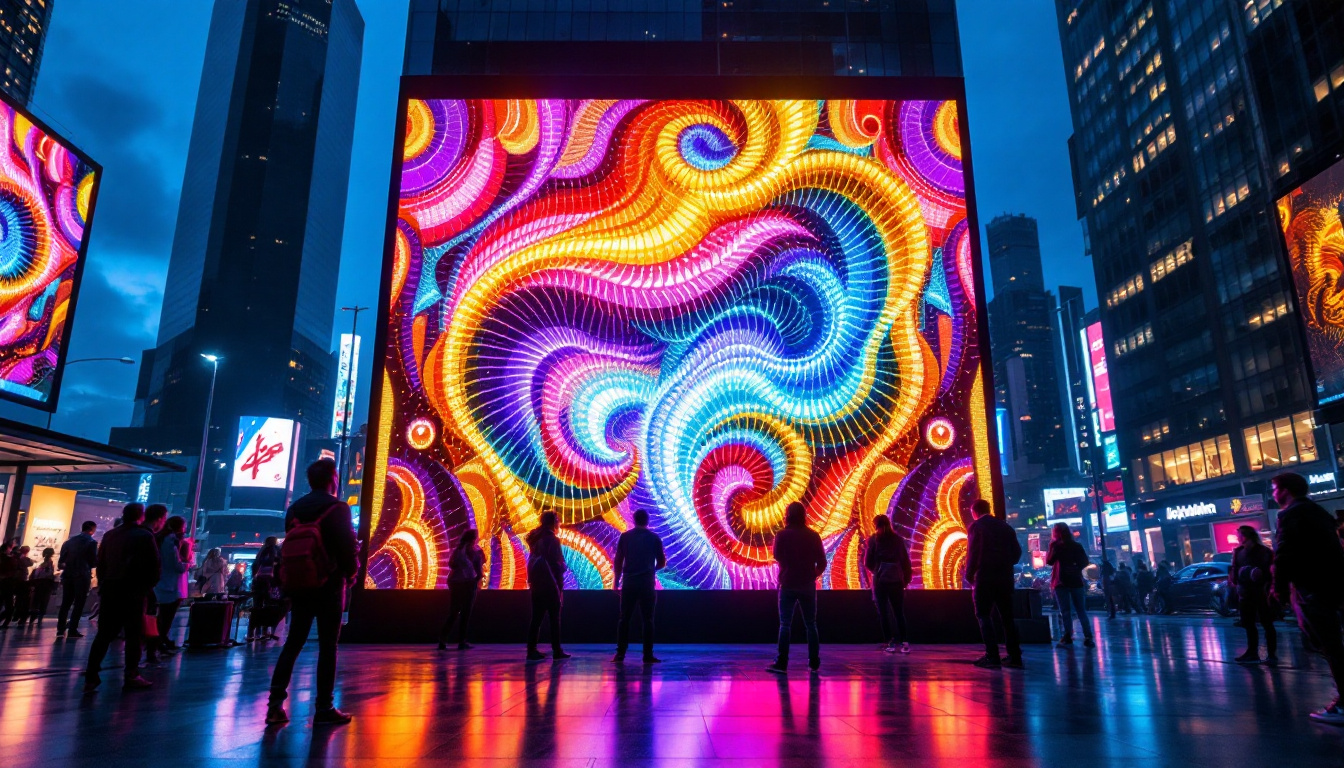
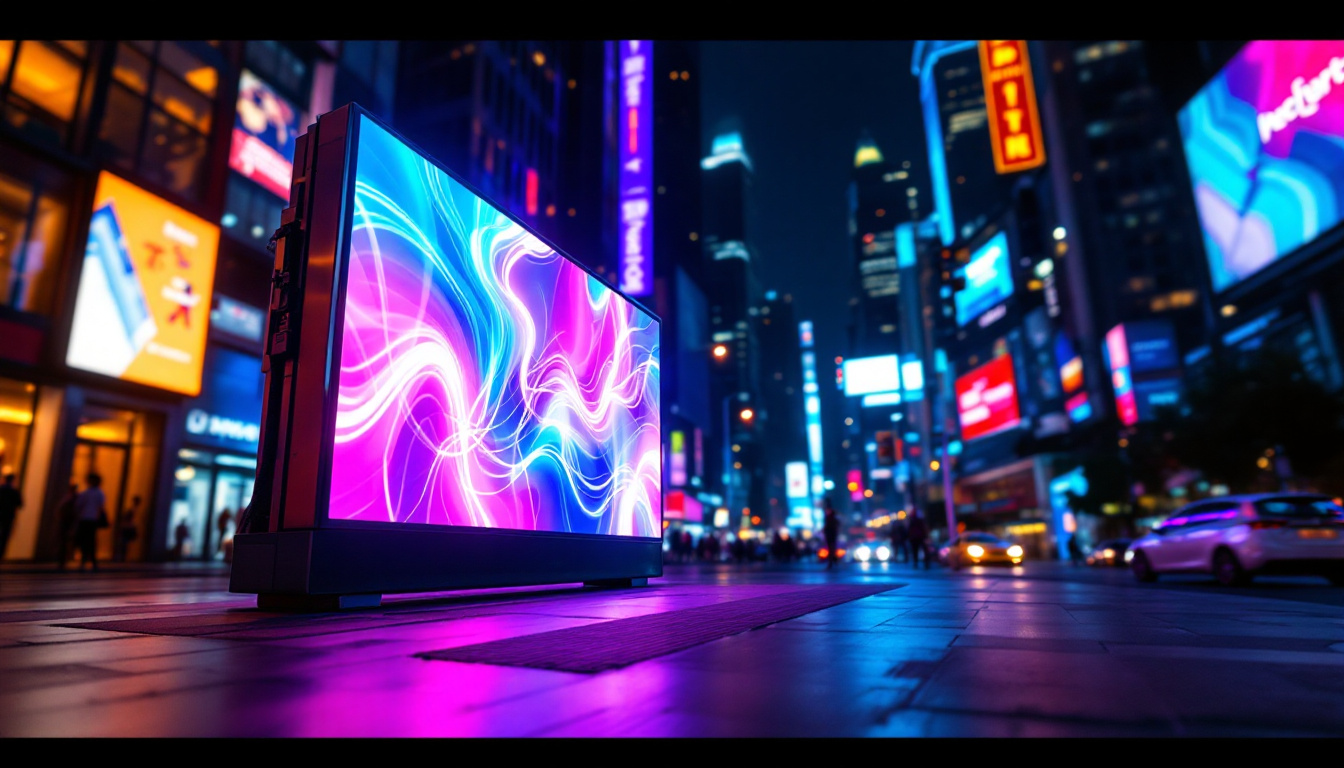
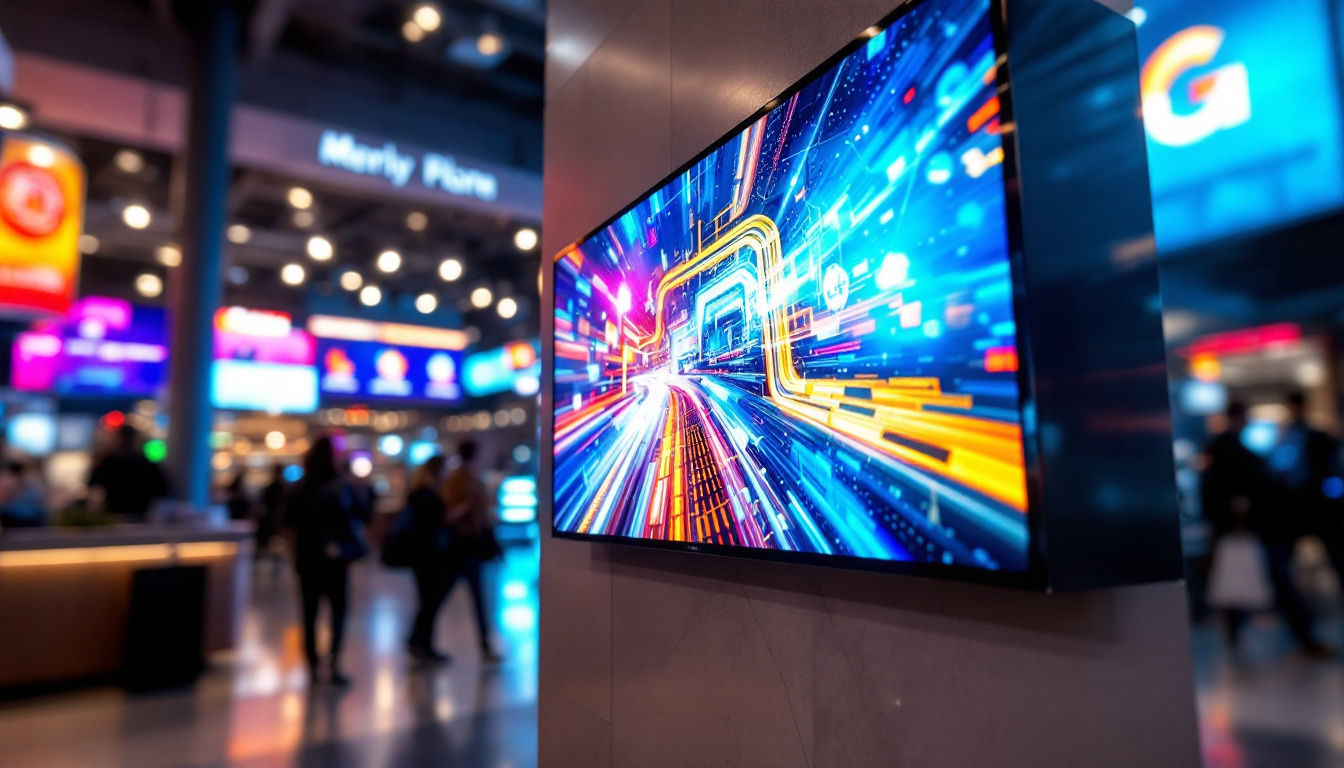
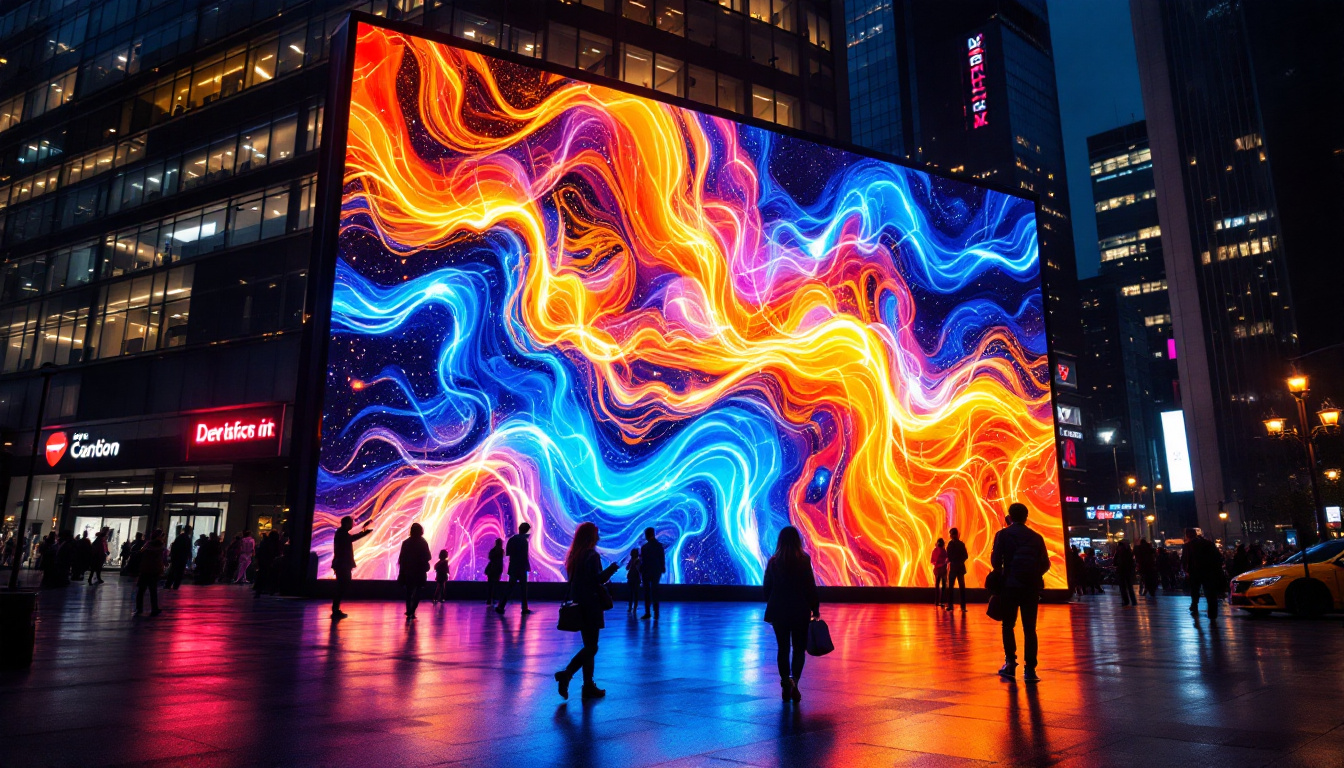
In retail environments, LED walls serve as powerful advertising tools. Their brightness and flexibility allow brands to create eye-catching displays that stand out in crowded spaces like malls and airports. The ability to update content instantly via digital management systems means campaigns can be tailored and refreshed in real-time.
Research shows that digital signage with LED technology can increase customer engagement by up to 30%, highlighting the commercial value of these displays. As a result, many retailers and advertisers are investing heavily in LED walls to enhance brand visibility and customer experience.
Corporate and Educational Use
Corporate offices and educational institutions are also adopting LED walls for presentations, training, and collaborative workspaces. The high resolution and large size make it easier to share complex data, video conferencing, and interactive content with large groups.
For universities and museums, LED walls enable immersive exhibits and virtual reality experiences that engage visitors in new ways, expanding the possibilities for education and outreach.
Challenges and Future Trends
Cost and Installation
Despite their many advantages, LED wall displays come with significant upfront costs. High-resolution, large-scale LED walls require substantial investment in hardware, installation, and calibration. Additionally, the modular nature demands precise alignment and maintenance to ensure a seamless image.
However, as production scales and technology advances, prices are gradually decreasing. Leasing and financing options also make these displays more accessible to a broader range of businesses and venues.
Technological Advancements
Emerging technologies like MicroLED and MiniLED promise to further enhance LED wall performance. MicroLED offers even higher pixel density and energy efficiency, while MiniLED backlighting improves contrast in LCD panels, providing more options for display technologies.
Additionally, integration with AI and augmented reality (AR) is expected to create more interactive and personalized viewing experiences. For instance, AI-driven content optimization can adjust brightness and color dynamically based on ambient conditions and viewer preferences.
Sustainability Considerations
Energy consumption is a critical consideration for large LED walls. While LEDs are more energy-efficient than traditional lighting, massive installations can still consume significant power. Manufacturers are focusing on developing more energy-efficient components and smart power management systems to reduce environmental impact.
Recyclability and responsible disposal of LED components are also gaining attention as the industry grows, ensuring that the environmental footprint of these displays is minimized.
Conclusion: The Future is Wall-Free
The Wall Free Movie concept represents a paradigm shift in how visual content is displayed and experienced. By leveraging the strengths of LED display technology—brightness, resolution, modularity, and durability—these displays break free from the limitations of traditional screens and projectors.
As costs decrease and technology advances, LED walls are poised to become a staple in cinemas, live events, retail, corporate spaces, and beyond. Their ability to create immersive, dynamic, and engaging environments will continue to redefine entertainment and advertising landscapes.
For audiences and businesses alike, the future is bright—and it’s displayed on a wall that’s free from boundaries.
Discover the Future of LED Displays with LumenMatrix
Ready to embrace the wall-free revolution in visual displays? LumenMatrix is at the forefront, offering a diverse range of LED display solutions that bring your content to life. From Indoor and Outdoor LED Walls to innovative Transparent and Custom Displays, our technology is designed to captivate and engage. Experience the transformative power of LumenMatrix LED displays and elevate your visual communication to new heights. Check out LumenMatrix LED Display Solutions today and join the future of immersive visual experiences.