In an increasingly digital world, protecting sensitive information on computer screens has become a critical concern for individuals and organizations alike. Whether working in a bustling office, a coffee shop, or at home, the risk of visual hacking—where unauthorized persons glimpse confidential data—continues to rise. One of the key components influencing screen privacy is the type of display technology used, with LED monitors playing a prominent role. This article delves into how LED displays impact screen privacy, explores the technologies behind them, and offers practical insights into safeguarding your information.
Understanding LED Display Technology
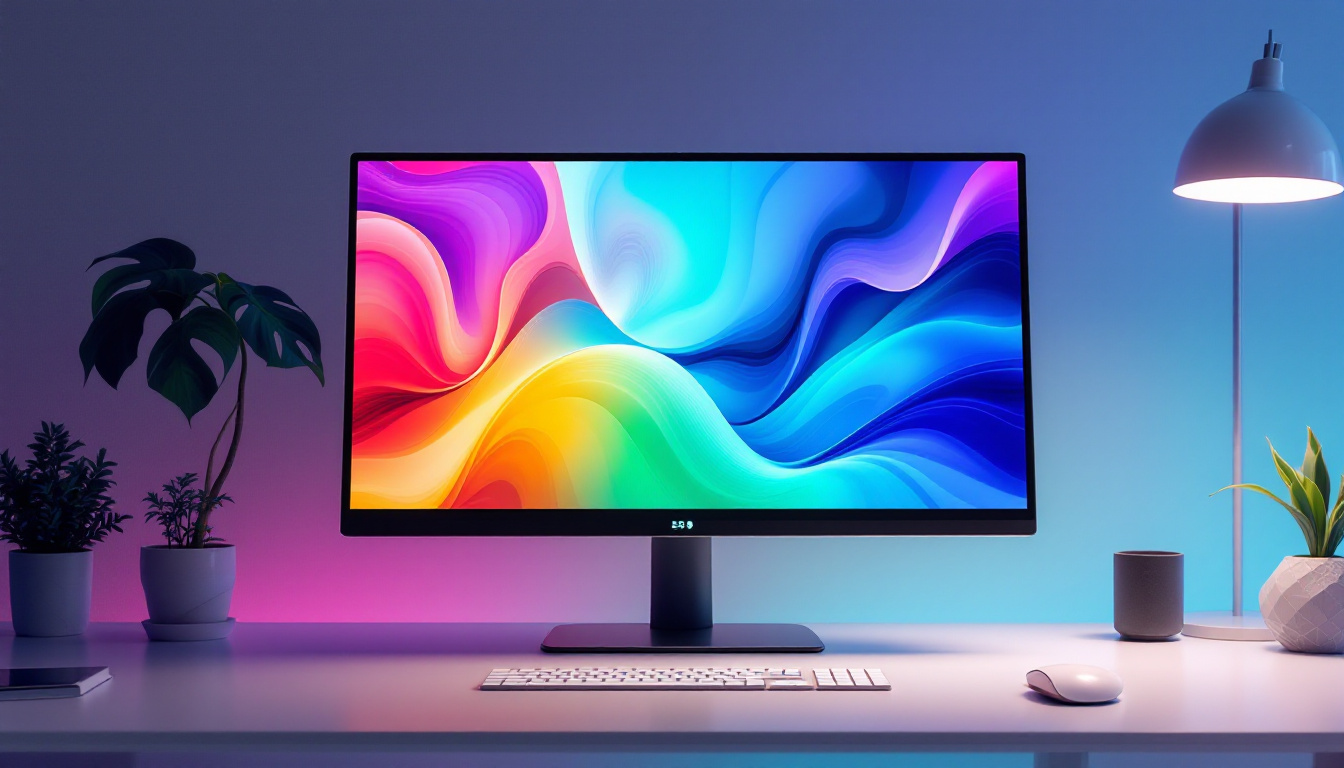
Light Emitting Diode (LED) displays have become the dominant technology in computer monitors, televisions, and mobile devices. Unlike older LCDs that rely on cold cathode fluorescent lamps (CCFL) for backlighting, LED displays use light-emitting diodes to illuminate the screen. This shift has brought numerous benefits, including improved brightness, energy efficiency, thinner panels, and better color accuracy. The evolution of LED technology has not only transformed how we consume media but has also influenced design aesthetics, allowing for sleeker and more modern devices that fit seamlessly into our daily lives.
LED displays come in various forms—edge-lit, direct-lit, and OLED (organic LED)—each with distinct characteristics affecting visual performance and, indirectly, privacy. To appreciate how LED technology relates to screen privacy, it is essential to understand these types and their operational principles. As we integrate these displays into our environments, considerations around screen privacy become increasingly important, especially in public or shared spaces where sensitive information may be displayed.
Types of LED Displays
Edge-Lit LED: In edge-lit LED monitors, LEDs are positioned along the edges of the screen, and light is diffused across the panel. This design enables slimmer displays but can result in uneven brightness and contrast, which may affect how easily someone can view the screen from an angle. The thin profile of edge-lit displays makes them particularly appealing for modern design, allowing for wall-mounted setups that save space. However, users should be aware that the viewing experience may diminish when observed from extreme angles, potentially compromising the visibility of important information.
Direct-Lit LED: Direct-lit LED displays have LEDs placed directly behind the screen, providing more uniform brightness and better contrast. This setup enhances image quality and can influence how much the screen’s content is visible from side angles. The improved backlighting technology not only elevates the visual experience during movie nights or gaming sessions but also plays a crucial role in professional settings, where accurate color representation is vital for design and editing tasks. As a result, direct-lit displays are often favored in environments where precision and detail are paramount.
OLED: OLED displays use organic compounds that emit light individually when an electric current passes through them. This allows for deeper blacks and higher contrast ratios since pixels can be turned off completely. OLED’s superior contrast and viewing angles have implications for privacy, as screens may be more readable from wider perspectives. Additionally, the vibrant colors and rapid response times of OLED technology make it a popular choice for high-end televisions and smartphones, where immersive viewing experiences are desired. However, the enhanced visibility from various angles can pose challenges in crowded spaces, necessitating the use of privacy screens or protective films to safeguard sensitive information from prying eyes.
The Relationship Between LED Displays and Screen Privacy
Screen privacy hinges largely on how visible the display content is to people outside the intended viewing angle. LED technology influences this visibility through factors such as brightness, contrast, and viewing angles. Understanding these elements helps users make informed decisions about their monitor choices and additional privacy measures.
Viewing Angles and Privacy Risks
One of the main privacy concerns with LED displays is the wide viewing angle. Many modern LED monitors are designed to offer consistent color and brightness across a broad range of angles, enhancing user experience but inadvertently increasing the risk of visual hacking. For instance, a 2023 study by the Ponemon Institute found that 43% of data breaches involved some form of insider threat, including accidental exposure of sensitive information on screens.
Wide viewing angles mean that people sitting beside or behind a user can easily glimpse the screen content without the user’s knowledge. This is particularly problematic in open-plan offices, public spaces, or remote working environments where privacy screens are not used.
Brightness and Contrast Considerations
LED displays typically offer higher brightness levels than older technologies, which improves visibility in brightly lit environments. However, higher brightness can also make screen content more visible to onlookers. Similarly, high contrast ratios, especially in OLED displays, enhance the clarity of text and images, making it easier for someone to read the screen from a distance.
Balancing brightness and contrast settings is a subtle but effective way to reduce unintended visibility. Users can lower brightness to the minimum comfortable level and adjust contrast to reduce screen legibility from side angles without compromising their own viewing experience.
Privacy Solutions for LED Monitors
Given the inherent risks associated with LED display characteristics, several solutions have emerged to enhance screen privacy. These range from hardware accessories to software techniques, each with its advantages and limitations.
Privacy Filters and Screen Protectors
Privacy filters are physical screen overlays designed to narrow the viewing angle of a monitor. Made from micro-louver technology, these filters block side views, allowing only the person directly in front of the monitor to see the screen clearly. When viewed from an angle, the screen appears dark or blurred.
These filters are widely used in corporate environments and by individuals who frequently work in public spaces. They are compatible with most LED monitors and come in various sizes and attachment methods, including magnetic frames and adhesive strips. While privacy filters are effective, they can sometimes reduce screen brightness and alter color accuracy, so users should select high-quality options and adjust their display settings accordingly.
Adjusting Display Settings for Privacy
Simple adjustments to the monitor’s settings can enhance privacy without additional hardware. Reducing brightness and contrast, as mentioned earlier, helps limit screen visibility from side angles. Additionally, many monitors offer “privacy mode” settings that automatically dim the screen when viewed from off-center angles.
Some advanced LED monitors incorporate built-in privacy features, such as automatic brightness reduction or pixel-shifting technologies that make it difficult for cameras or unauthorized viewers to capture clear images of the screen. These features are particularly useful in high-security environments.
Software-Based Privacy Measures
Software solutions complement hardware privacy measures by controlling what is displayed and when. Screen dimming software, timed screen locks, and virtual desktops can reduce the risk of sensitive information exposure. Additionally, some applications blur or mask sensitive data when the user is inactive or when the screen is shared remotely.
For organizations, endpoint security software often includes screen privacy modules that detect unauthorized screen recording attempts or alert users when suspicious viewing angles are detected via webcam sensors.
Emerging Technologies and Future Trends in Screen Privacy
The demand for enhanced screen privacy is driving innovation in display technology and privacy solutions. As LED displays continue to evolve, several emerging trends promise to improve privacy without compromising user experience.
Micro-LED and Advanced OLED Displays
Micro-LED technology, which uses microscopic LEDs to create images, offers superior brightness, contrast, and energy efficiency compared to traditional LED and OLED displays. Its ability to control light emission at a granular level enables new privacy features, such as dynamic viewing angle control, where the screen can adjust visibility based on the user’s position.
Similarly, advancements in OLED technology are leading to displays with customizable viewing angles and integrated privacy filters embedded at the pixel level. These innovations could make physical privacy filters obsolete by providing seamless, built-in privacy protection.
Eye-Tracking and Adaptive Privacy Systems
Eye-tracking technology is gaining traction as a means to enhance screen privacy. By detecting the user’s gaze direction, monitors can dynamically adjust the display’s visibility, ensuring that only the authorized user sees the content clearly. This technology is already being tested in specialized devices and is expected to become more mainstream in the coming years.
Adaptive privacy systems may also integrate environmental sensors to detect nearby viewers and automatically activate privacy modes. Such intelligent systems can provide real-time protection tailored to the user’s surroundings.
Best Practices for Maintaining Screen Privacy with LED Monitors
While technology plays a vital role in protecting screen privacy, user behavior and environmental considerations are equally important. Implementing best practices can significantly reduce the risk of visual hacking.
Positioning and Workspace Design
Arranging workstations to minimize exposure to passersby is a simple yet effective step. Positioning monitors away from high-traffic areas or windows reduces the chances of unauthorized viewing. Using privacy screens in open-plan offices or shared spaces further enhances protection.
For remote workers, selecting a private room or using room dividers can help create a controlled environment where screen content is less visible to others.
Regular Screen Cleaning and Maintenance
Maintaining a clean screen is not only important for visibility but also for privacy. Smudges and fingerprints can reflect light and make screens more readable from angles. Regular cleaning with appropriate materials ensures optimal screen clarity and reduces unintended visibility.
Awareness and Training
Educating employees and users about the risks of screen exposure and the importance of privacy measures is crucial. Training sessions can cover topics such as the use of privacy filters, adjusting display settings, and recognizing social engineering tactics that exploit screen visibility.
Organizations should develop clear policies on screen privacy, especially for employees handling sensitive data, to foster a culture of security awareness.
Conclusion
LED display technology has transformed the way users interact with digital content, offering vibrant visuals and energy efficiency. However, the very features that enhance user experience—such as wide viewing angles and high brightness—can pose significant privacy risks. Understanding how LED displays affect screen visibility is essential for individuals and organizations aiming to protect sensitive information.
By leveraging privacy filters, adjusting display settings, adopting software solutions, and embracing emerging technologies, users can significantly mitigate the risk of visual hacking. Coupled with thoughtful workspace design and ongoing awareness, these measures create a robust defense against unauthorized screen viewing in today’s interconnected world.
Enhance Your Screen Privacy with LumenMatrix
As you consider the importance of screen privacy in our digital age, remember that the right technology can make all the difference. LumenMatrix, a pioneer in LED display technology, offers an array of innovative solutions designed to safeguard your sensitive information while providing an unparalleled visual experience. From Indoor and Outdoor LED Wall Displays to Custom and Transparent LED solutions, LumenMatrix is committed to revolutionizing the way we think about visual communication and privacy. Don’t let visual hacking compromise your data. Check out LumenMatrix LED Display Solutions today and take the first step towards secure and impactful digital displays.