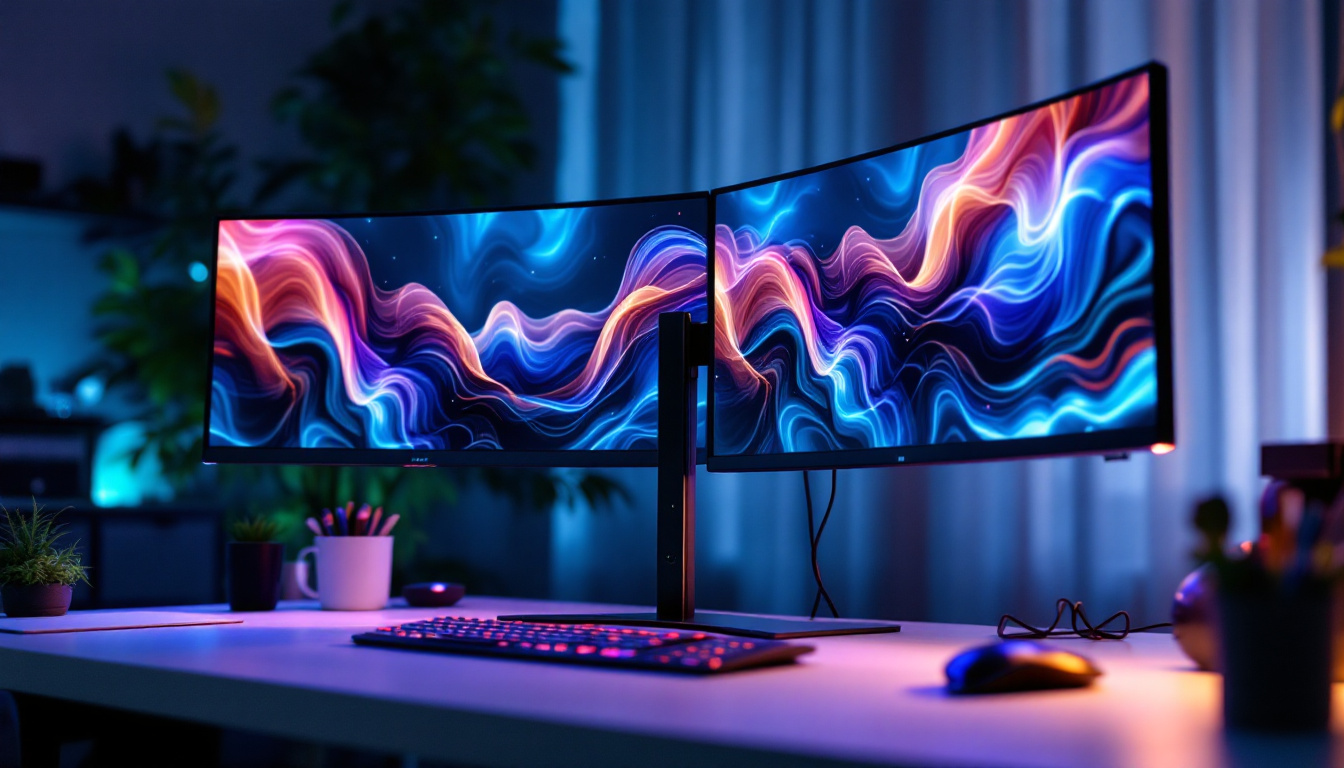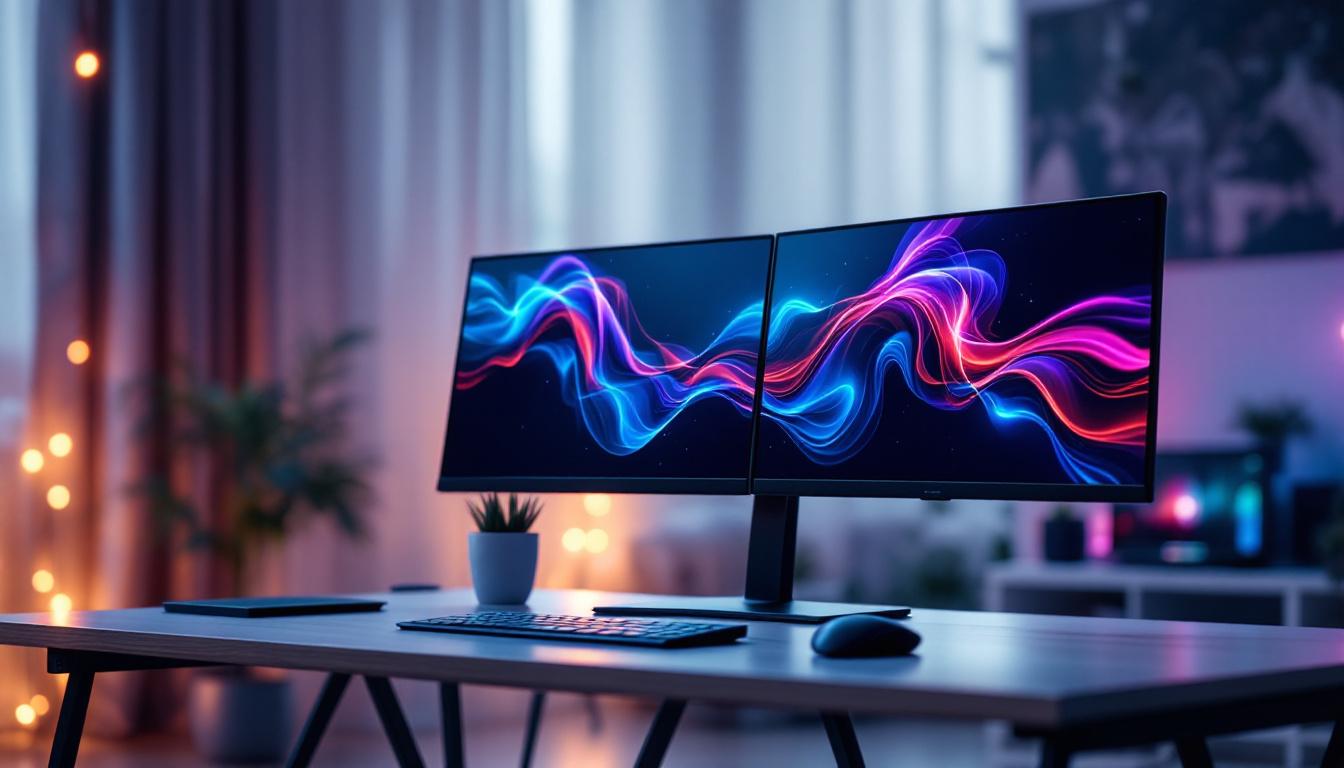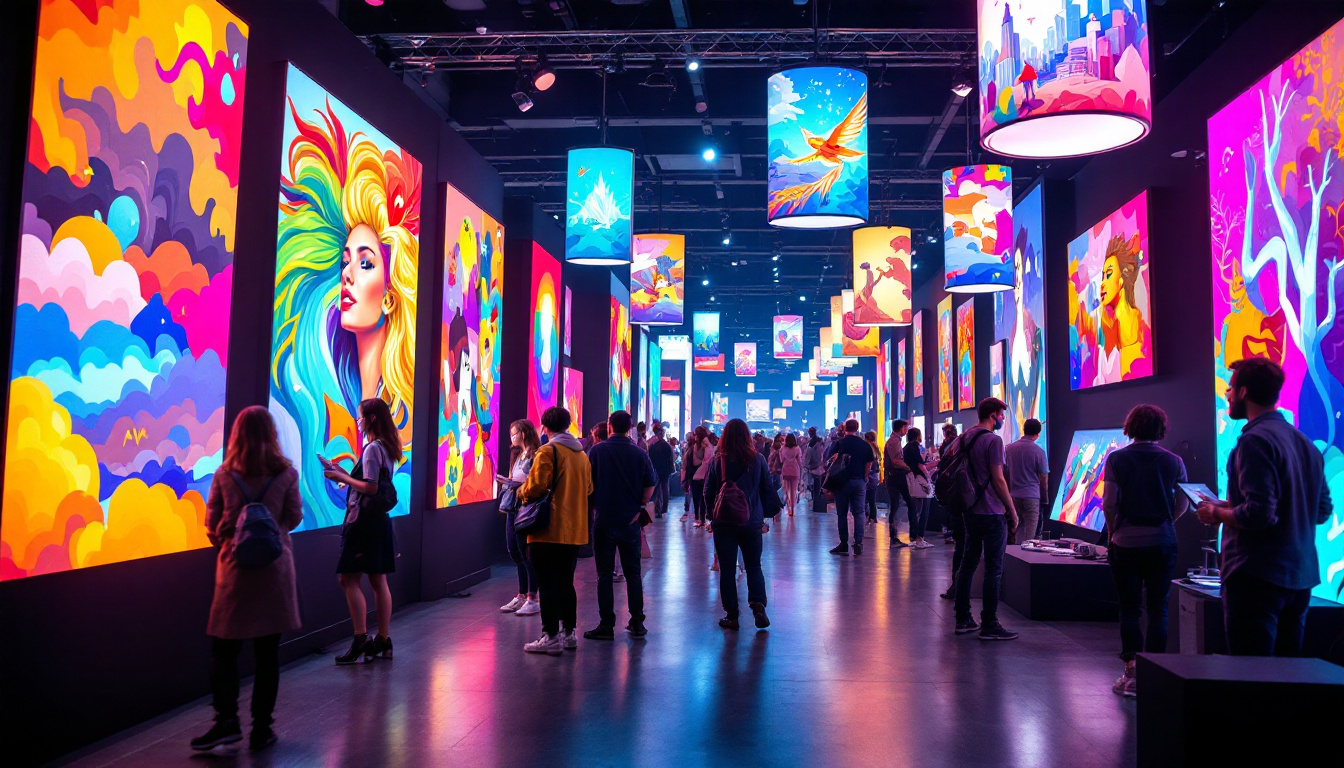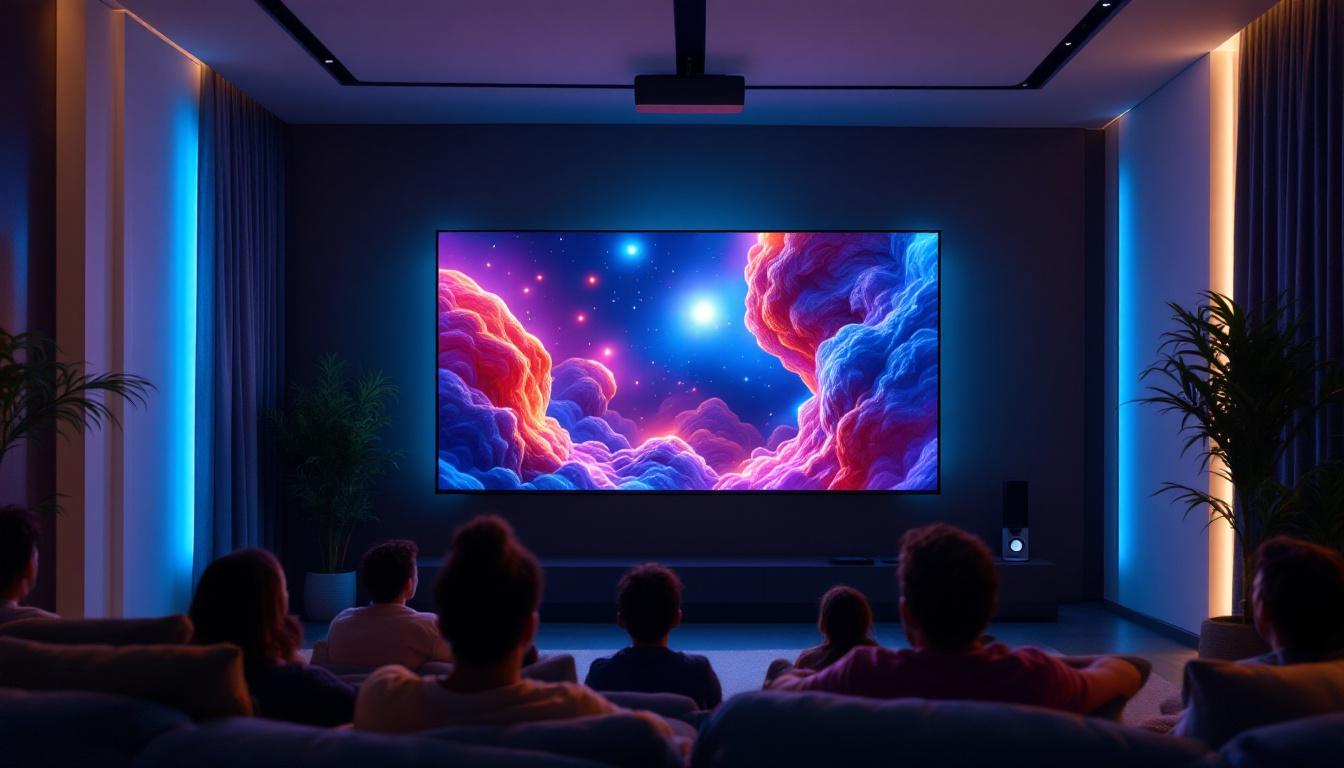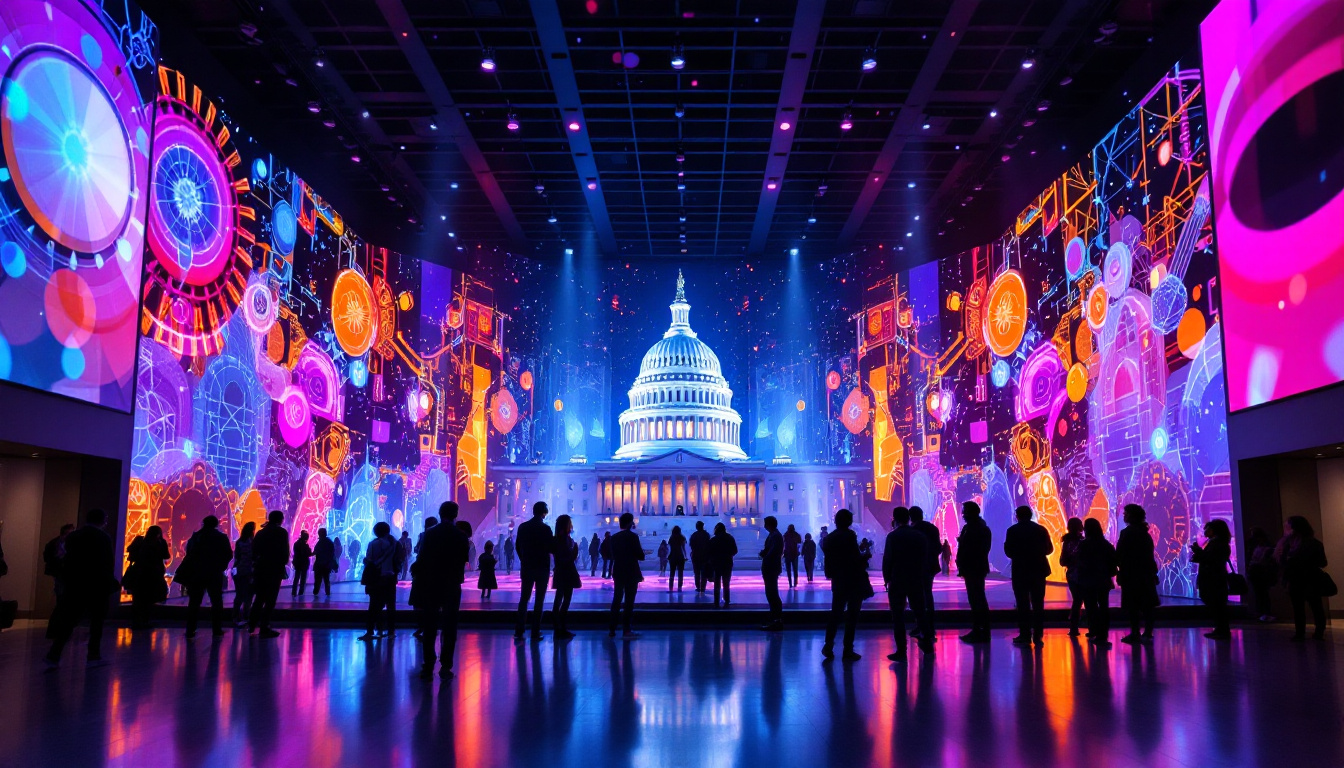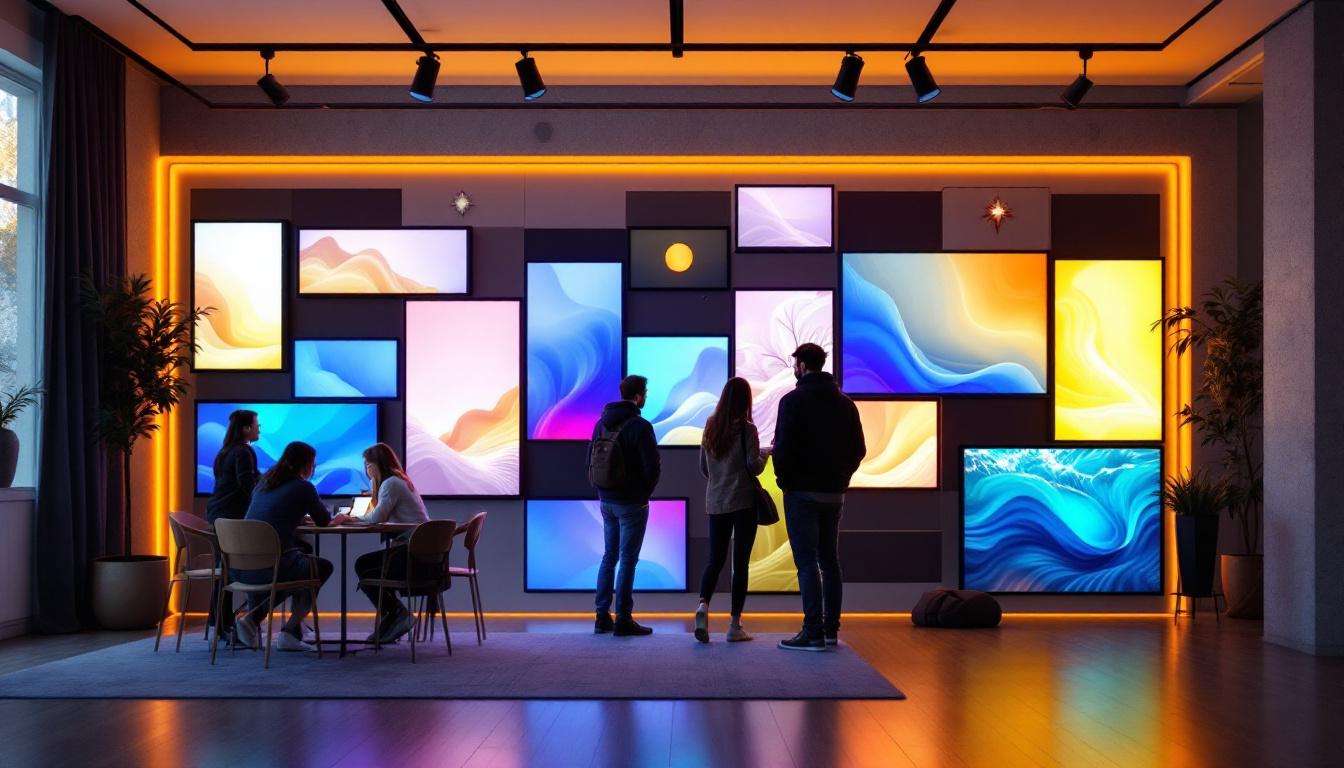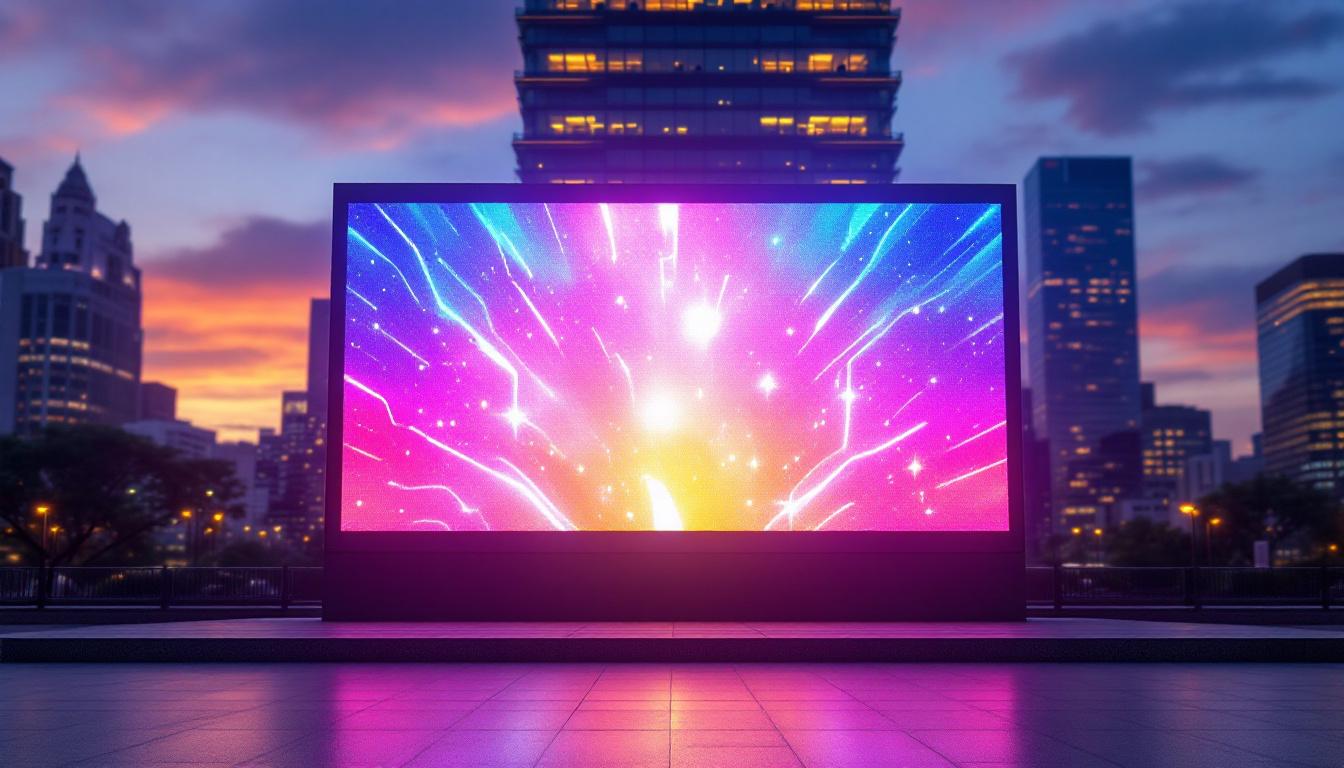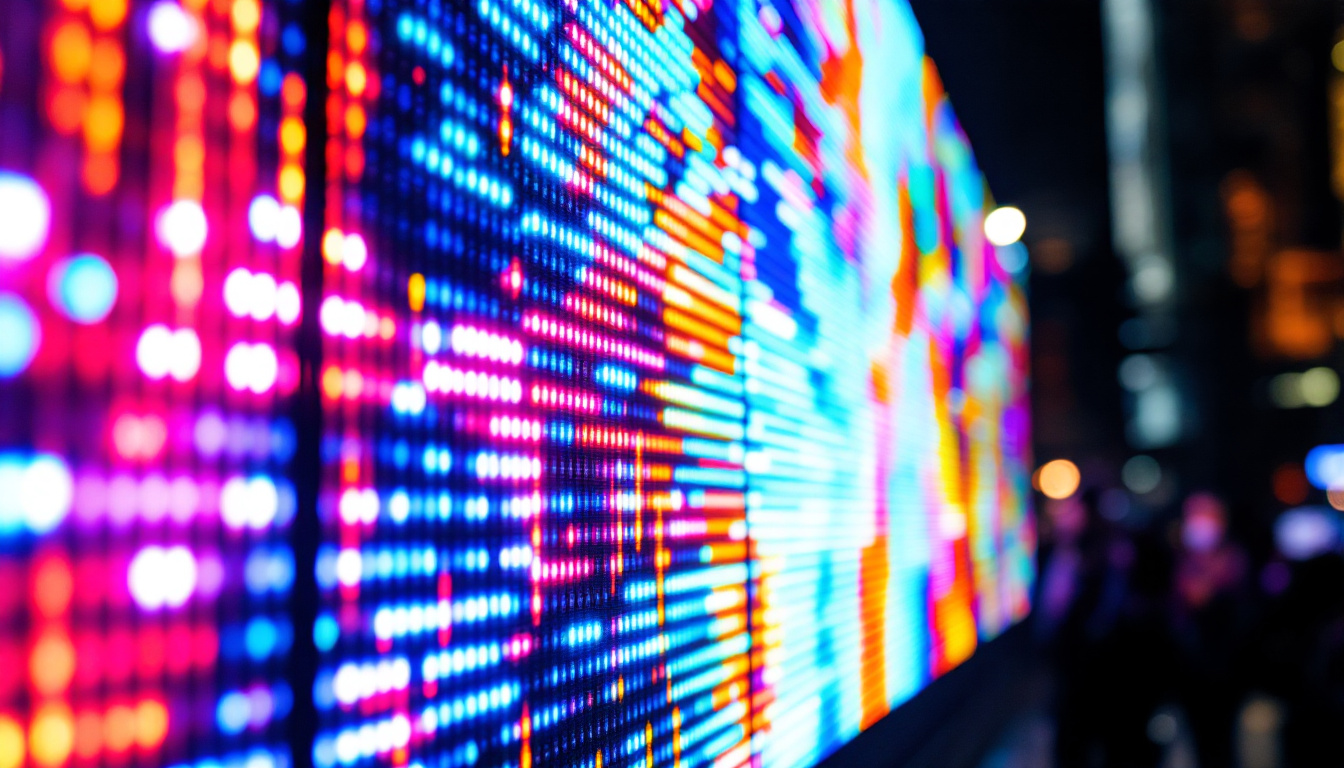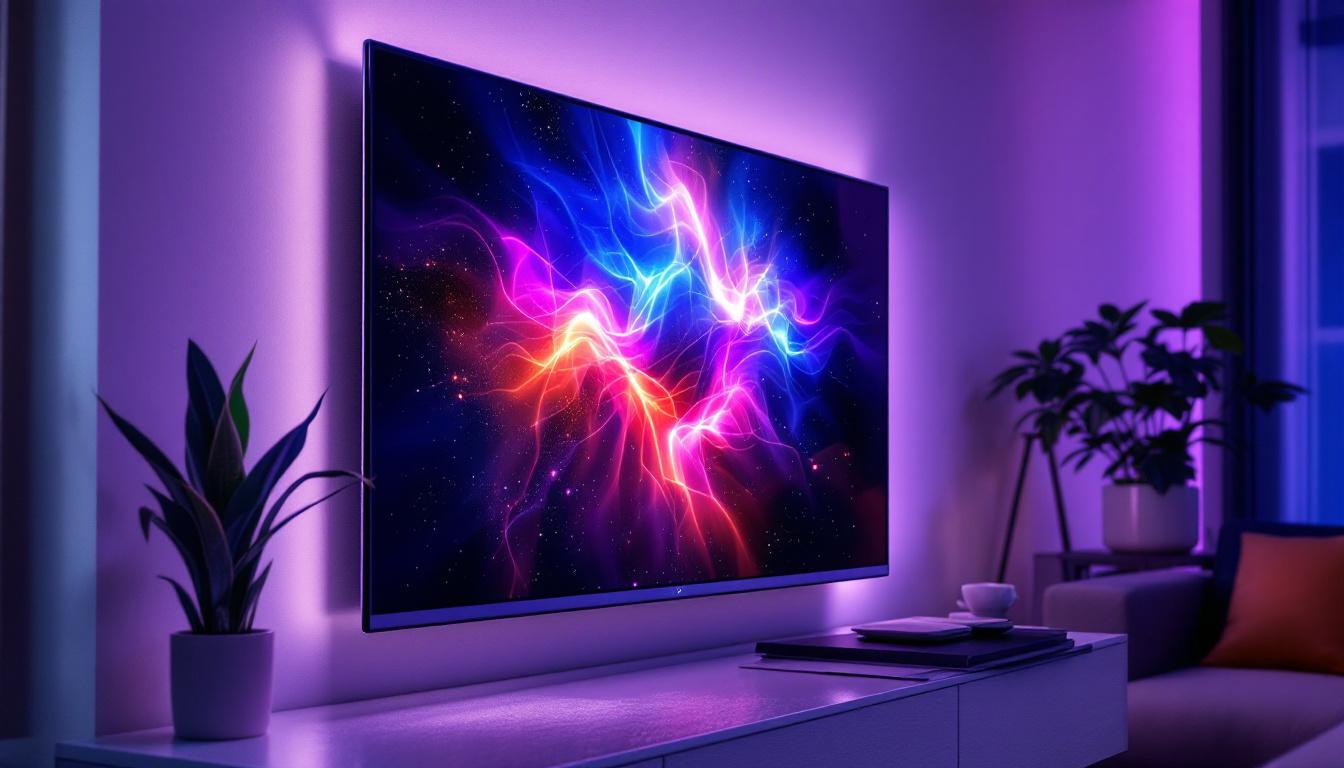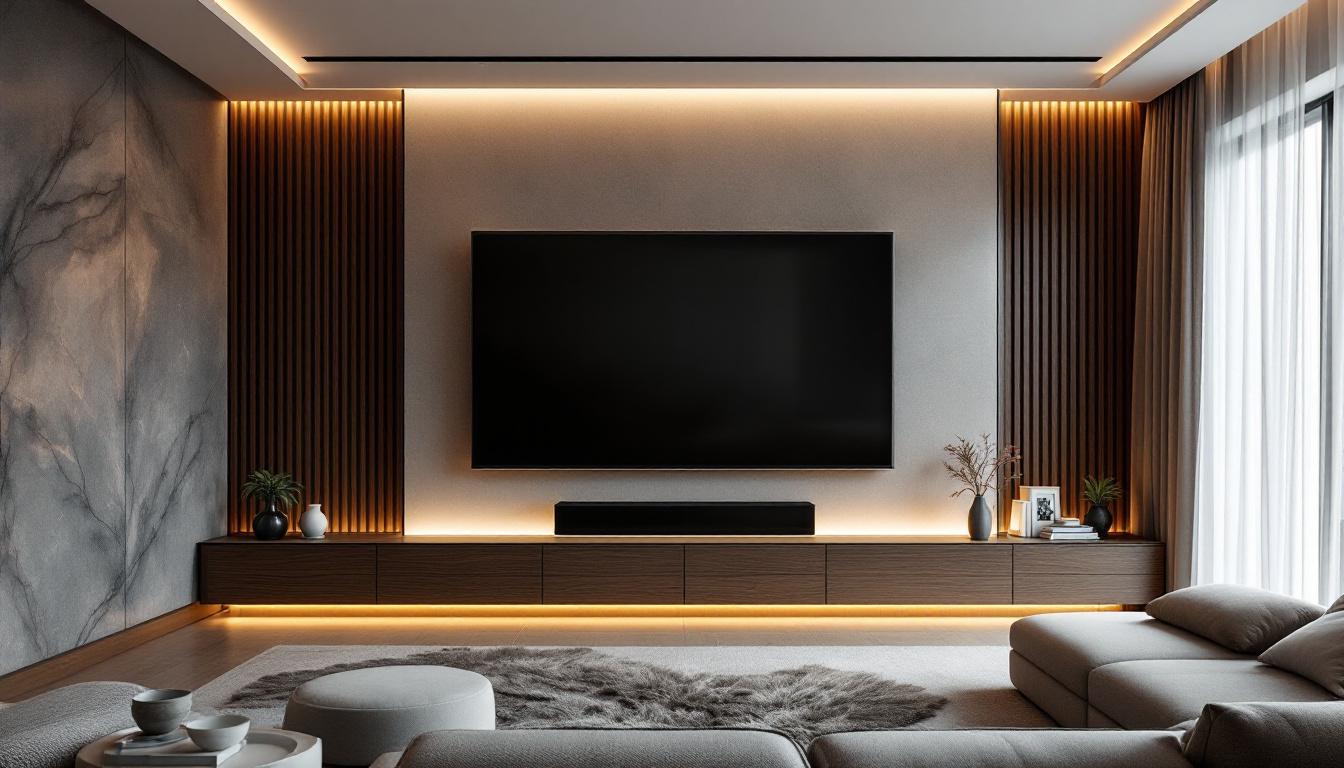
In the evolving world of home entertainment and commercial display solutions, TV wall paneling using LED displays has emerged as a popular and cutting-edge choice. From sleek living rooms to dynamic corporate environments, LED display panels offer a blend of aesthetic appeal and technological sophistication that traditional TVs or projectors often cannot match. This article delves into the fundamentals of TV wall paneling with LED displays, exploring how they work, their benefits, types, and practical applications.
Understanding LED Display Technology in TV Wall Paneling
What Is LED Display Technology?
LED, or Light Emitting Diode, technology is a form of display that uses tiny light-emitting diodes to create images. Unlike LCD screens, which rely on backlighting, LED displays produce their own light, resulting in brighter images, deeper blacks, and more vibrant colors. When integrated into TV wall paneling, these displays can be arranged in modular panels that seamlessly form one large screen.
LED displays are composed of millions of individual diodes that emit light when an electric current passes through them. These diodes can be red, green, or blue, and by varying their intensity, the display can produce a full spectrum of colors. This direct emission of light is what gives LED displays their superior contrast ratios and energy efficiency compared to other display technologies.
How Does TV Wall Paneling Work with LEDs?
TV wall paneling involves mounting multiple LED display panels side-by-side to create a large, continuous screen surface. These panels are designed to fit together with minimal gaps, often referred to as “narrow bezel” or “bezel-less” designs, ensuring a visually seamless experience. The panels are connected to a central video processor that manages image synchronization and scaling across the entire display.
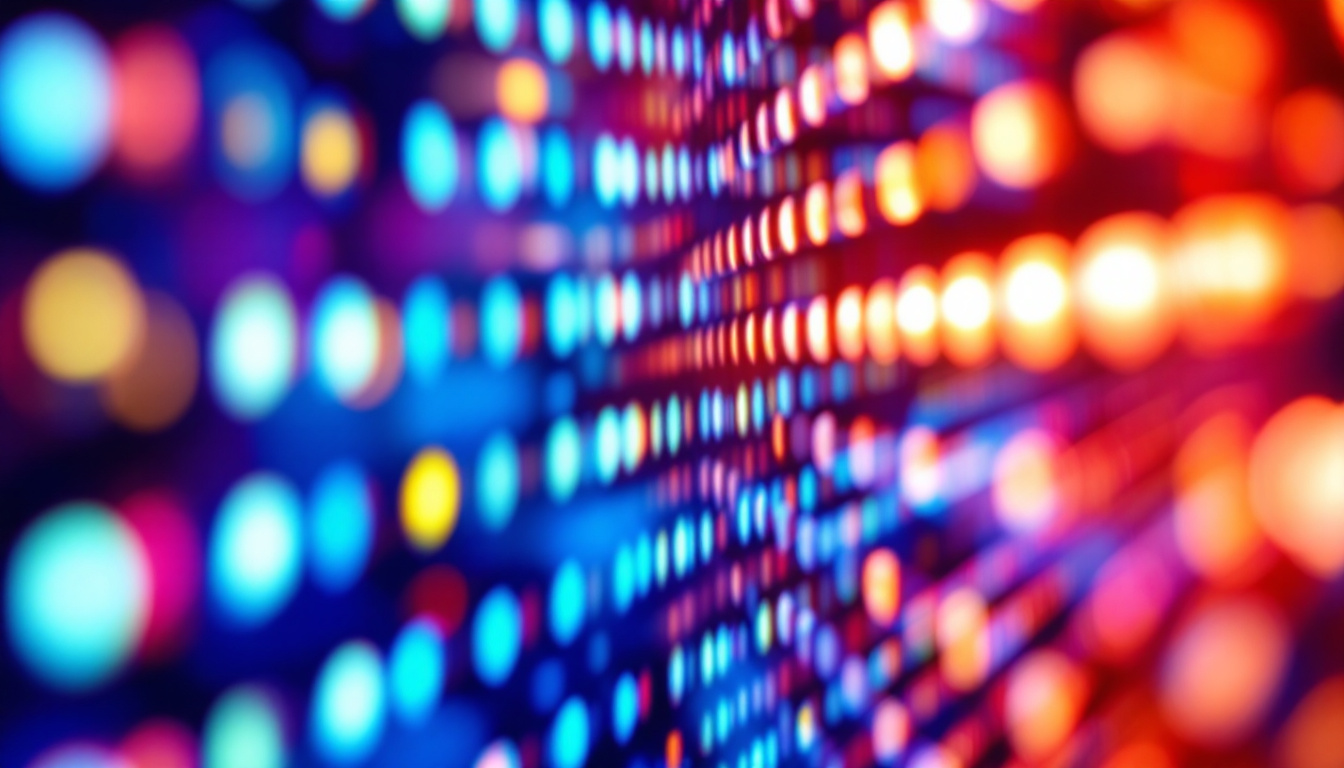
Each panel contains a matrix of LEDs arranged in pixels. The resolution and pixel pitch (the distance between the centers of two adjacent pixels) determine the display’s clarity and sharpness. Smaller pixel pitches result in higher resolution and better image quality, making them ideal for close viewing distances, such as in living rooms or control rooms.
Advantages of Using LED Display Panels for TV Wall Paneling
Superior Image Quality and Brightness
One of the most significant advantages of LED TV wall panels is their exceptional image quality. LEDs provide higher brightness levels than traditional LCD or OLED displays, making them suitable for environments with high ambient light. This brightness ensures that images remain vivid and clear, even in well-lit rooms or outdoor settings.
Additionally, LED displays offer excellent color accuracy and contrast ratios. Since each diode emits light independently, true blacks can be achieved by turning off specific LEDs, enhancing the overall picture depth and realism. This feature is particularly beneficial for cinematic experiences or detailed presentations where image quality is paramount.
Scalability and Customization
LED wall panels are highly scalable, allowing users to customize the size and shape of their display according to specific needs. Whether it’s a massive video wall in a corporate lobby or a compact home theater setup, LED panels can be combined in various configurations. This flexibility is a key reason why LED displays have become the preferred choice for commercial installations and high-end residential setups alike.
Moreover, LED panels can be designed in curved or irregular shapes, offering creative freedom in architectural and interior design. This adaptability enables designers to integrate technology seamlessly into the environment without compromising aesthetics.
Durability and Energy Efficiency
LED displays are known for their durability and long lifespan. Unlike LCD screens that use fluorescent backlighting, LEDs are solid-state devices that are less prone to damage from shock or vibration. This robustness makes LED panels suitable for high-traffic areas and public spaces where reliability is crucial.
Energy efficiency is another important benefit. LED panels consume less power than traditional display technologies, reducing operational costs and environmental impact. This efficiency is particularly advantageous for large-scale installations that operate for extended periods.
Types of LED Displays Used in TV Wall Paneling
Indoor LED Displays
Indoor LED displays are designed specifically for controlled environments such as homes, offices, and retail spaces. These panels typically have a smaller pixel pitch, ranging from 0.9 mm to 3 mm, allowing for high-resolution images at close viewing distances. The brightness levels are optimized for indoor lighting conditions, usually around 800 to 1,200 nits.
Indoor LED panels are often used for video walls in boardrooms, broadcast studios, and luxury home theaters. Their slim profile and lightweight design make them easy to install and maintain.
Outdoor LED Displays
Outdoor LED displays are built to withstand harsh weather conditions, including rain, wind, and extreme temperatures. They feature higher brightness levels, often exceeding 5,000 nits, to remain visible under direct sunlight. The pixel pitch is generally larger, ranging from 4 mm to 20 mm, as these displays are viewed from greater distances.
Common applications for outdoor LED panels include digital billboards, stadium screens, and public information displays. Their rugged construction and weatherproof enclosures ensure longevity and consistent performance.
Transparent LED Displays
Transparent LED displays are an innovative variation that allows light to pass through the screen, making them ideal for storefront windows and glass partitions. These displays combine the benefits of LED technology with transparency, enabling dynamic content to be displayed without obstructing the view.
They typically have a lower pixel density and brightness compared to traditional LED panels but offer unique design possibilities for retail and advertising environments. Transparent LED displays are gaining popularity for their ability to attract attention while maintaining openness and natural light flow.
Practical Considerations for Installing LED TV Wall Panels
Choosing the Right Pixel Pitch and Resolution
Selecting the appropriate pixel pitch is crucial to achieving optimal image quality. The general rule is that the smaller the pixel pitch, the closer the viewing distance can be without perceiving individual pixels. For example, a pixel pitch of 1.5 mm is suitable for viewing distances of about 1.5 meters or more, making it ideal for living rooms or conference rooms.
For large public displays viewed from several meters away, a larger pixel pitch is acceptable and more cost-effective. Understanding the intended viewing distance and environment helps in choosing the right panel specifications.
Installation and Maintenance Requirements
Proper installation is essential for ensuring the longevity and performance of LED wall panels. This includes securing the panels to a sturdy frame, ensuring precise alignment to minimize bezel gaps, and providing adequate ventilation to prevent overheating. Professional installation services are often recommended to handle the technical complexities involved.
Maintenance involves regular cleaning to remove dust and debris, firmware updates to optimize functionality, and periodic inspections to identify any faulty modules. Many modern LED panels come with front or rear serviceability options, allowing easy access for repairs without dismantling the entire wall.
Connectivity and Content Management
LED TV wall panels require a robust content management system (CMS) to control what is displayed. This includes video processors, media players, and software platforms that enable scheduling, scaling, and real-time content updates. Integration with network infrastructure allows remote management, making it convenient for commercial applications.
Compatibility with various input sources such as HDMI, DisplayPort, and wireless streaming ensures versatility. For dynamic environments like retail or events, the ability to quickly change content is a significant advantage.
Applications of LED TV Wall Paneling
Residential Home Theaters and Living Rooms
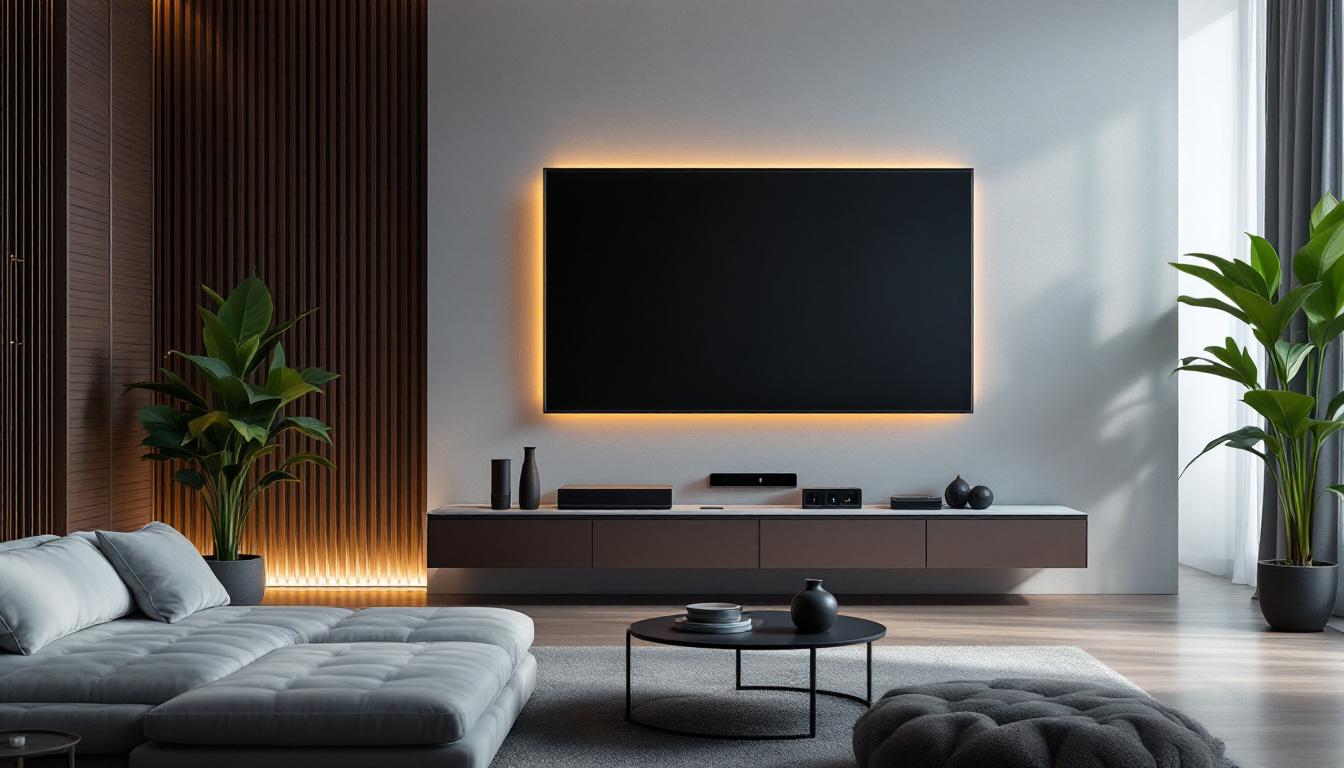
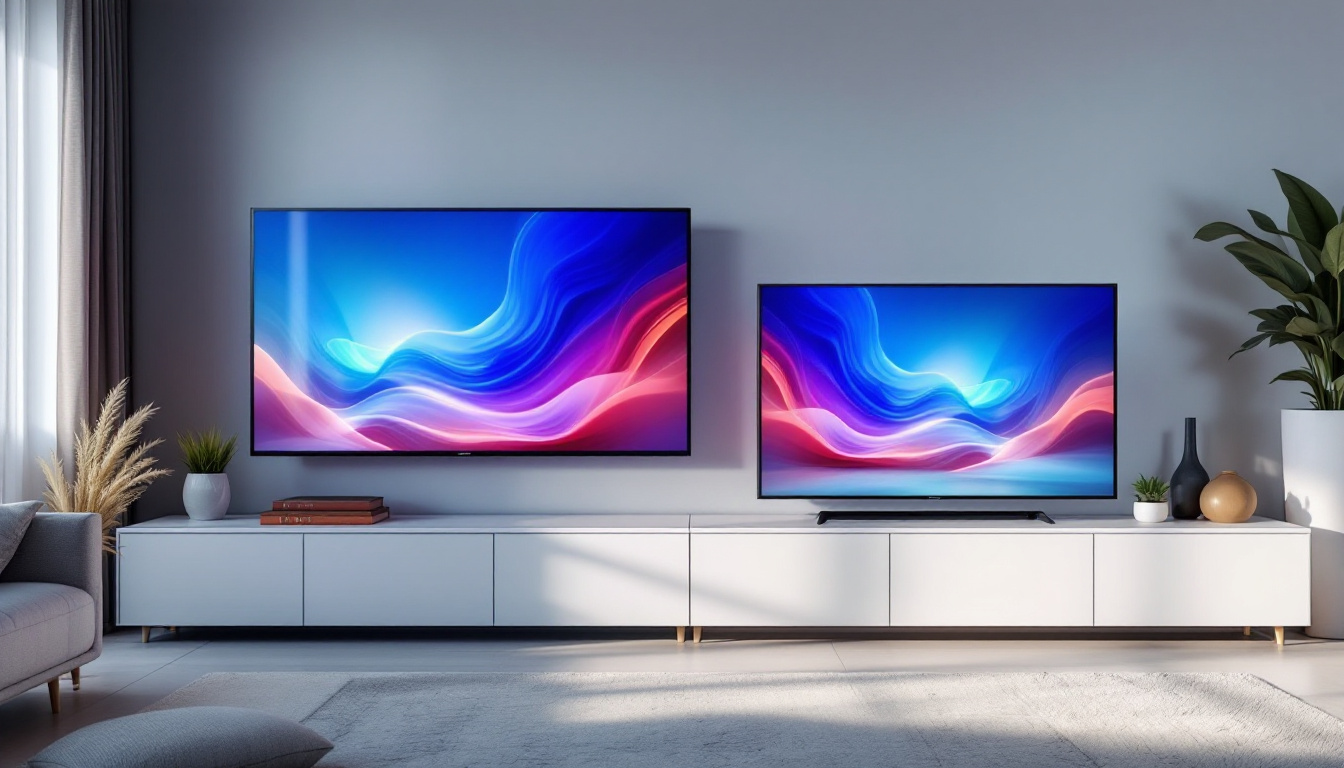
In luxury home entertainment, LED wall panels offer a cinema-like experience with unparalleled image quality. Homeowners seeking a modern and immersive viewing environment benefit from the scalability and brightness of LED displays. Unlike traditional TVs, LED walls can be customized to fit any room size and design aesthetic.
Additionally, LED panels can be integrated with smart home systems, allowing seamless control over lighting, sound, and video from a single interface.
Corporate and Commercial Spaces
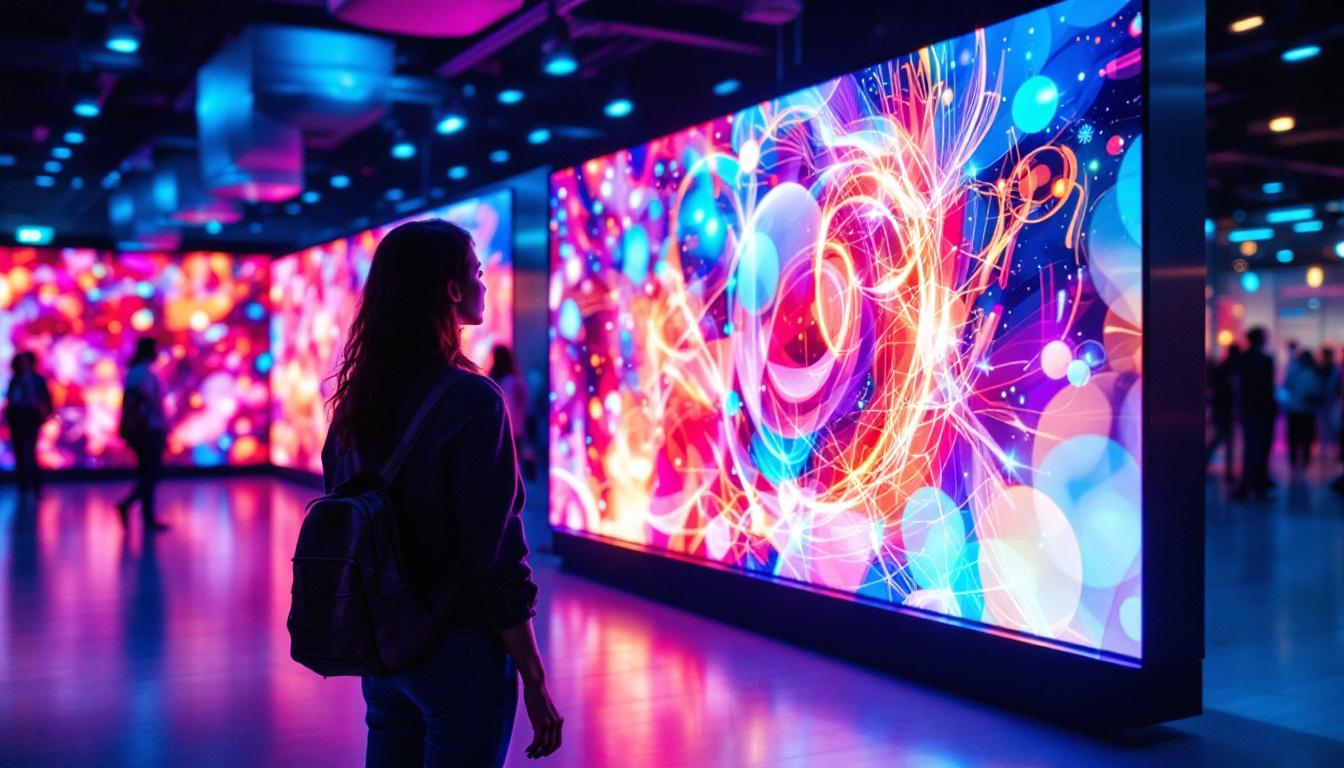
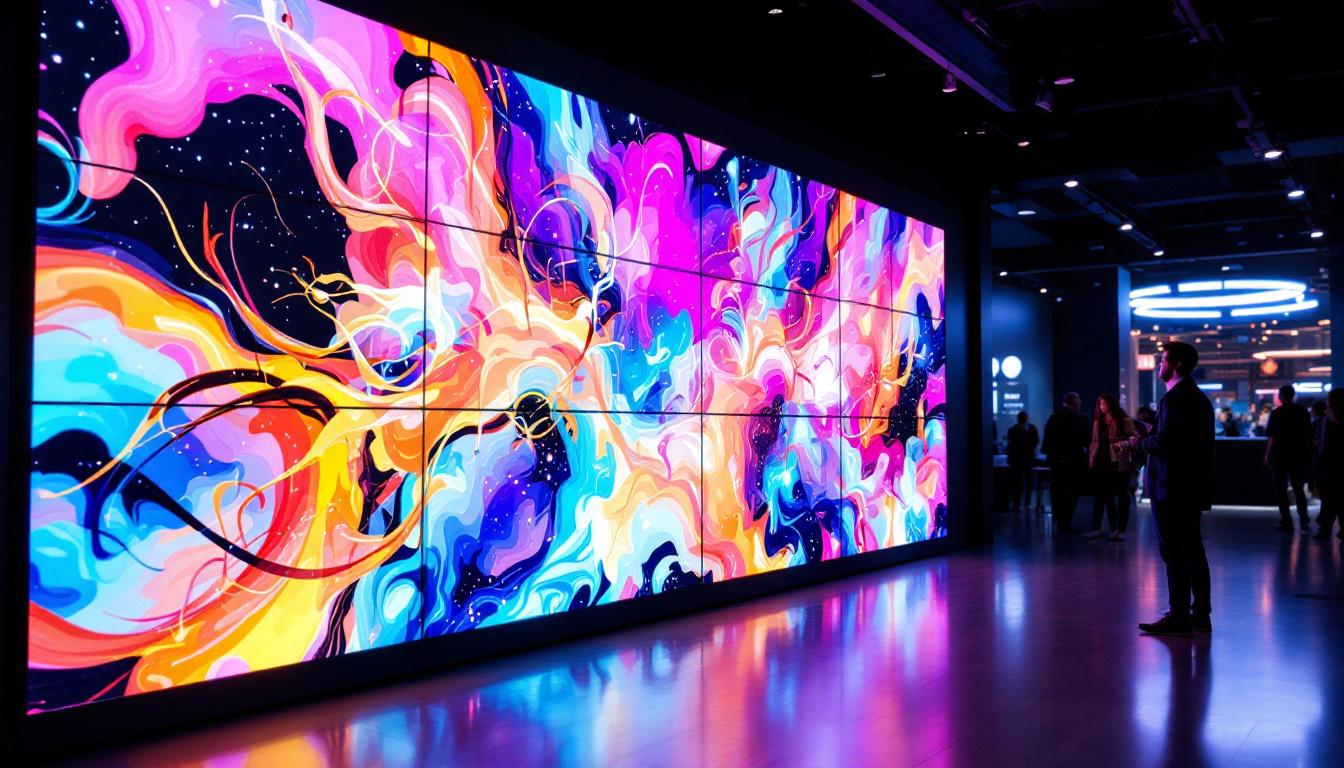
Corporate lobbies, conference rooms, and control centers increasingly rely on LED video walls for presentations, digital signage, and data visualization. The ability to display high-resolution content on a large scale enhances communication and engagement during meetings and events.
Retail environments use LED walls to attract customers with dynamic advertisements and interactive displays, while transportation hubs employ them for real-time information and wayfinding.
Entertainment and Public Venues
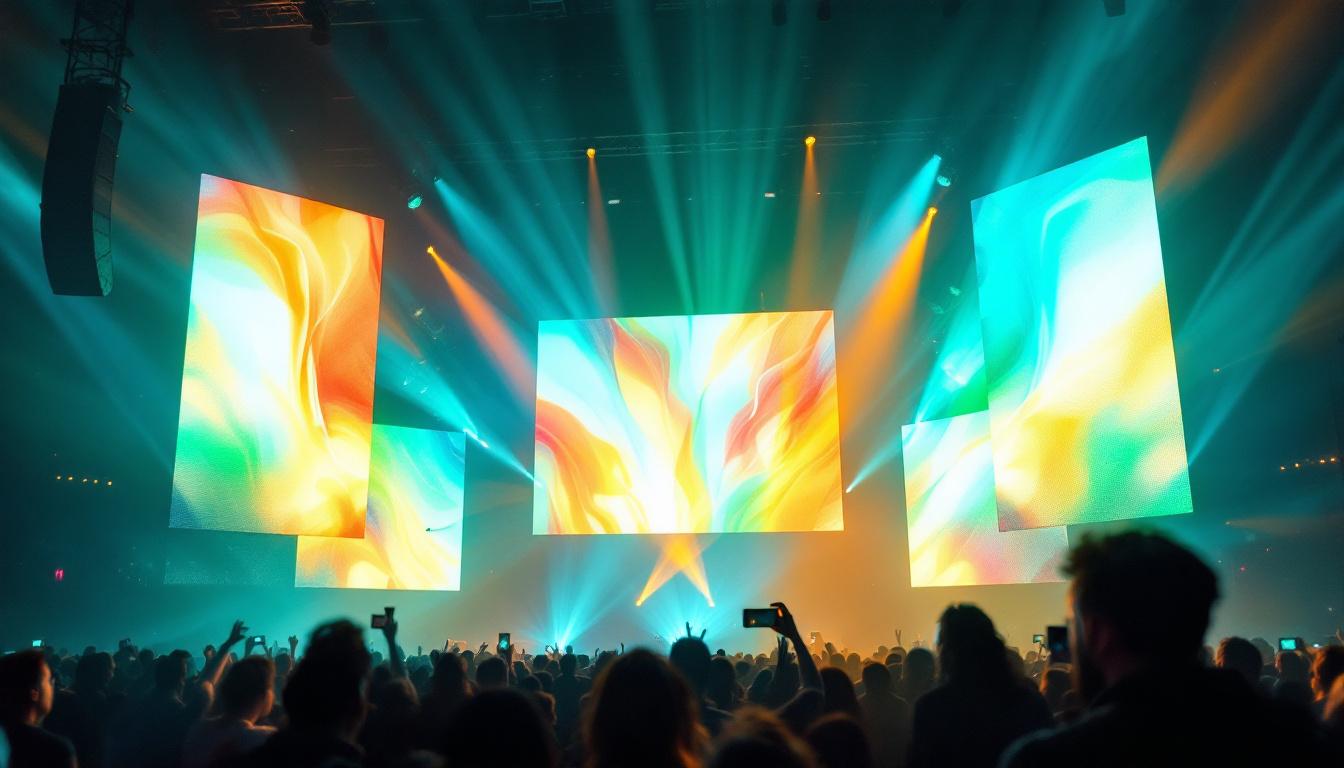
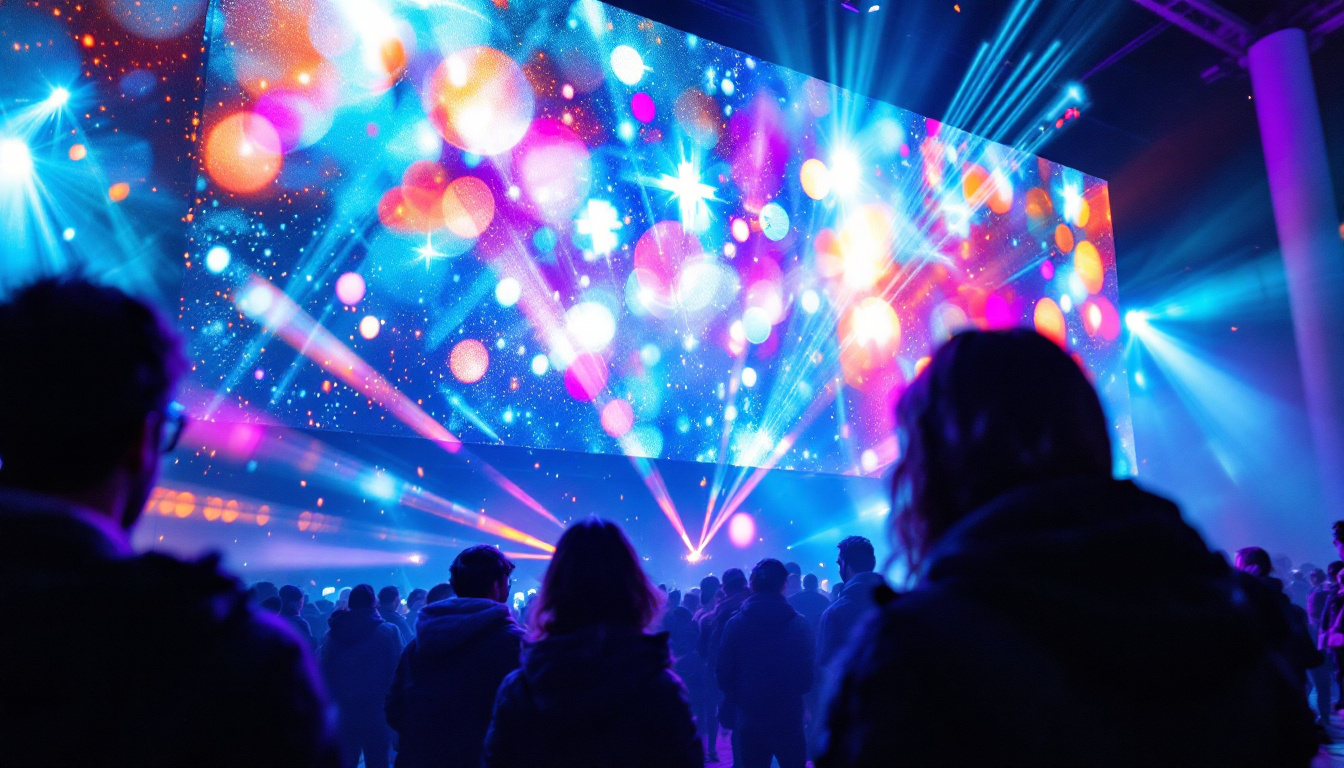
Stadiums, concert halls, and theaters utilize large-scale LED video walls to deliver live event coverage, advertisements, and immersive visual effects. The brightness and durability of LED panels make them suitable for both indoor and outdoor venues, ensuring visibility and impact regardless of lighting conditions.
These installations often require custom configurations and advanced content management to synchronize visuals with live performances or broadcasts.
Future Trends in LED TV Wall Paneling
MicroLED and MiniLED Technologies
Emerging technologies like MicroLED and MiniLED promise even greater improvements in image quality and energy efficiency. MicroLED displays consist of microscopic LEDs that offer higher pixel density, better contrast, and faster response times, rivaling or surpassing OLED displays.
MiniLED technology, which uses smaller LEDs for backlighting in LCD panels, enhances brightness and local dimming capabilities. Both technologies are expected to influence the next generation of LED wall panels, making them thinner, more flexible, and more affordable.
Interactive and Smart LED Walls
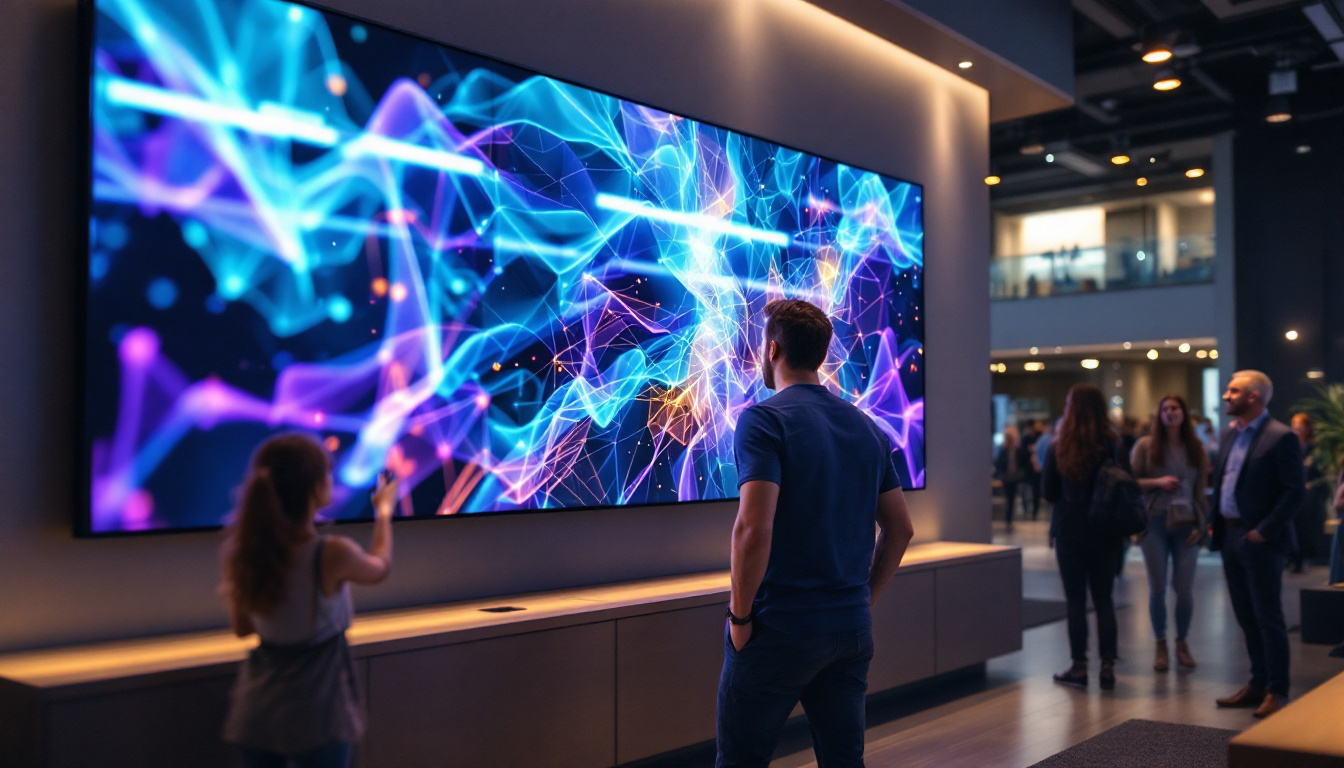
Integration of touch and gesture recognition is transforming LED video walls into interactive surfaces. Smart LED walls can respond to user input, enabling applications in education, retail, and collaborative workspaces. Combined with AI-driven content management, these walls can deliver personalized and context-aware experiences.
Additionally, advances in wireless connectivity and cloud computing are making it easier to deploy and manage LED walls remotely, expanding their accessibility and functionality.
Conclusion
TV wall paneling using LED displays represents a significant advancement in visual technology, offering unparalleled image quality, flexibility, and durability. Whether for residential home theaters, corporate environments, or large public venues, LED video walls provide a scalable and customizable solution that enhances the viewing experience.
Understanding the technology behind LED displays, their advantages, and practical considerations is essential for making informed decisions about installation and use. As innovations like MicroLED and interactive capabilities continue to evolve, LED TV wall paneling is poised to become an even more integral part of modern visual communication and entertainment.
Discover LumenMatrix’s Innovative LED Solutions
Ready to elevate your space with the latest in LED display technology? LumenMatrix offers a comprehensive range of LED display solutions tailored to your unique needs. From captivating Indoor and Outdoor LED Wall Displays to dynamic Vehicle and Sports LED Displays, our products are designed to make your brand shine. Experience the future of visual communication with our Custom, All-in-One, and Transparent LED Displays. Embrace the revolution in digital signage and create unforgettable visual experiences. Check out LumenMatrix LED Display Solutions today and transform the way you connect with your audience.