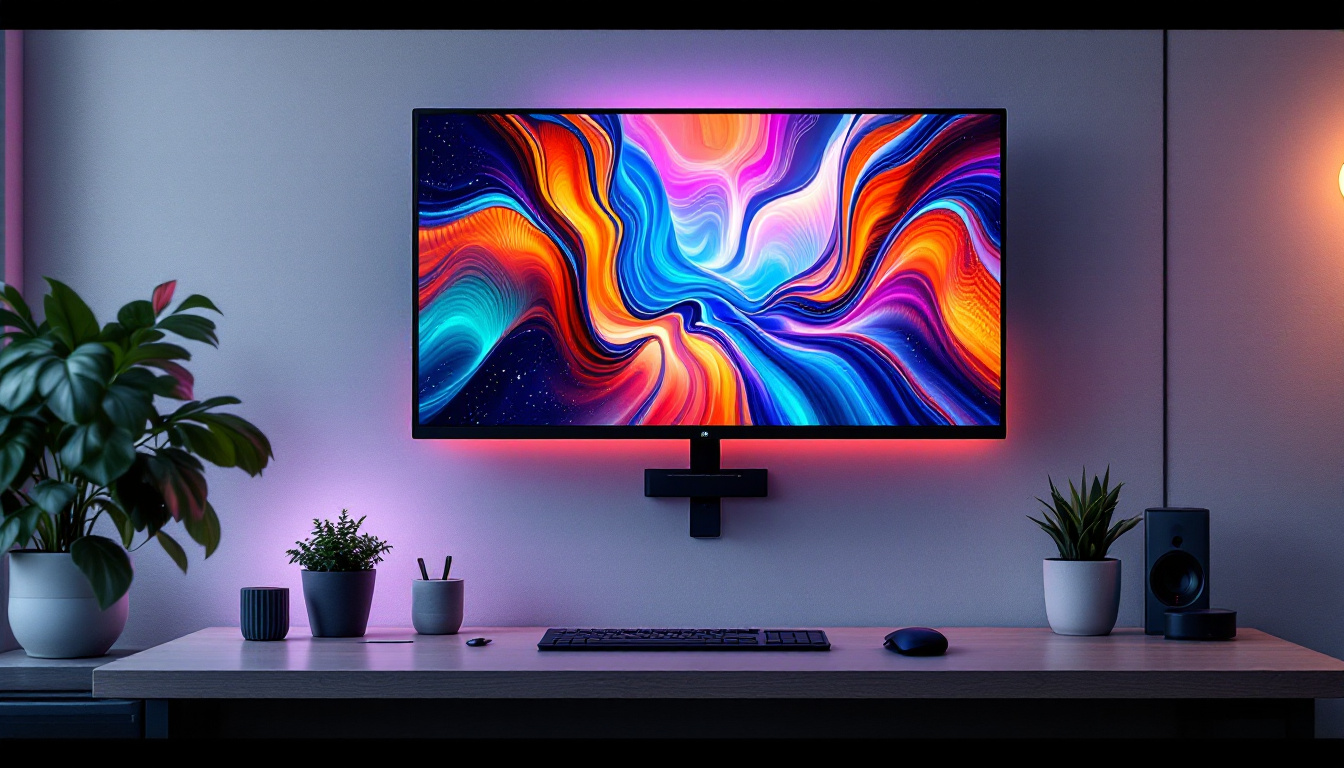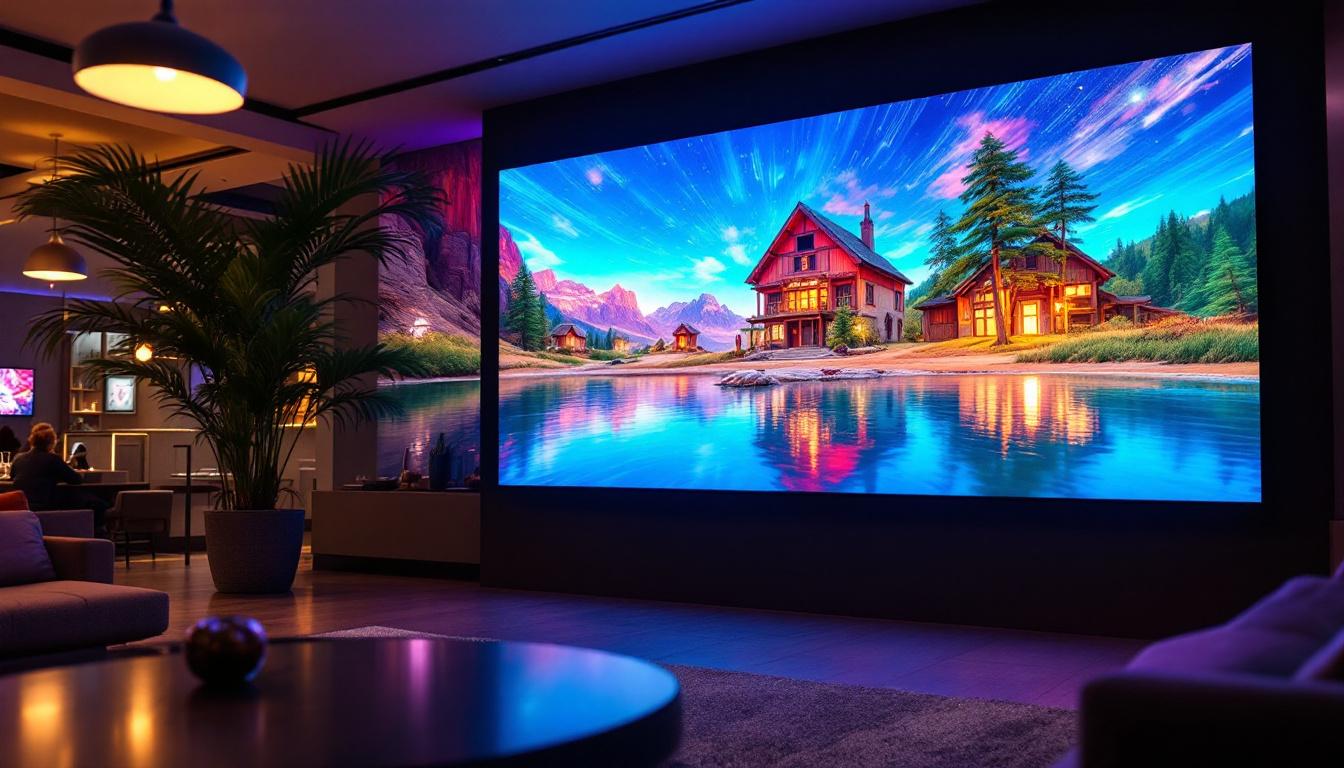
In today’s visually driven world, display technology plays a pivotal role in how information is conveyed, entertainment is enjoyed, and work is accomplished. From smartphones and televisions to large-scale advertising billboards and digital signage, the quality and type of display can dramatically affect user experience. Among the various display technologies available, LED displays have emerged as a dominant force, offering a blend of brightness, energy efficiency, and versatility.
This article delves into the intricacies of display technologies, focusing on why some are better than others, with a detailed explanation of LED displays. By understanding how LED technology works and comparing it with alternatives like LCD and OLED, readers will gain insight into what makes LED displays a preferred choice for many applications.
Understanding the Basics of Display Technologies
What Are Display Technologies?
Display technologies refer to the methods and materials used to present visual content on screens. These technologies determine the quality, color accuracy, brightness, contrast, power consumption, and durability of the display. The most common types include Liquid Crystal Display (LCD), Organic Light Emitting Diode (OLED), and Light Emitting Diode (LED) displays.
Each technology has its unique way of producing images. For example, LCDs use liquid crystals manipulated by electric currents to block or allow light through, while OLEDs generate light through organic compounds that emit light when electrically stimulated. LEDs, on the other hand, use semiconductor diodes that emit light when current passes through them.
Why Display Technology Matters
The choice of display technology impacts not only visual quality but also energy consumption, device thickness, lifespan, and cost. For consumers, this translates to better viewing experiences and longer-lasting devices. For businesses, especially those in advertising and retail, the right display technology can mean more effective communication and higher engagement rates.
Moreover, with the rise of 4K and 8K content, high dynamic range (HDR), and flexible displays, the demand for advanced display technologies has never been greater. Understanding the strengths and limitations of each technology helps consumers and professionals make informed decisions tailored to their needs.
What Makes LED Displays Stand Out?
The Fundamentals of LED Displays
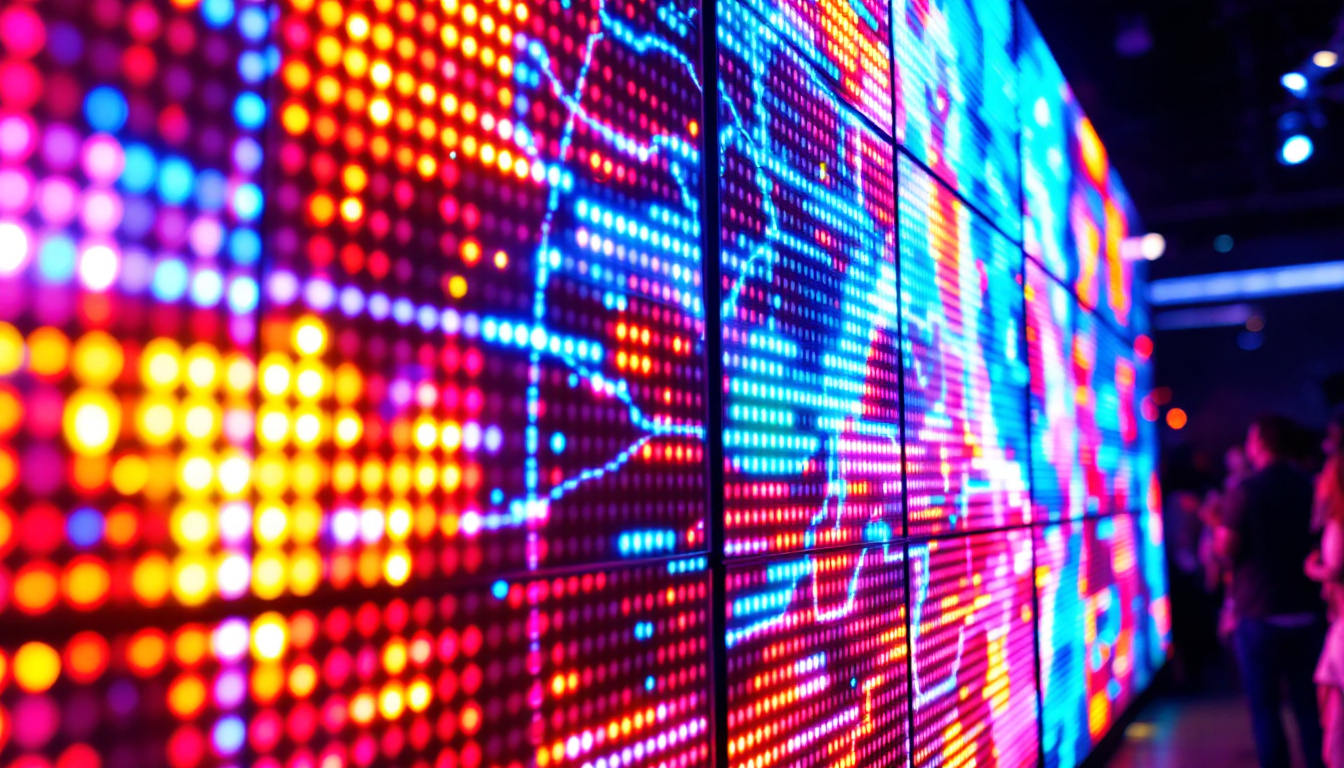
LED stands for Light Emitting Diode, a semiconductor device that emits light when an electric current passes through it. In LED displays, thousands to millions of these tiny diodes work together to form images by emitting light directly. This direct emission of light is a key differentiator from LCDs, which rely on a backlight.
LED displays can be categorized broadly into two types: direct-view LED (often used in large outdoor screens and billboards) and LED-backlit LCDs (commonly found in consumer TVs and monitors). The former uses LEDs as the actual pixels, while the latter uses LEDs as a backlight source behind an LCD panel.
Brightness and Visibility
One of the most significant advantages of LED displays is their superior brightness. LED screens can achieve brightness levels exceeding 1,000 nits, with some outdoor LED billboards reaching up to 5,000 nits or more. This makes them highly visible even in direct sunlight, a critical factor for outdoor advertising and public information displays.
In contrast, traditional LCD displays typically max out around 300-500 nits, which can struggle in bright environments. OLED displays, while offering excellent contrast and color, generally have lower peak brightness levels, making LED displays preferable for applications requiring high visibility in ambient light.
Energy Efficiency and Longevity
LEDs are inherently energy-efficient because they convert a higher percentage of electrical energy into visible light compared to other light sources. This efficiency translates into lower power consumption for LED displays, which is particularly important for large-scale installations that operate continuously.
Additionally, LEDs have a longer operational lifespan, often rated between 50,000 to 100,000 hours. This durability reduces maintenance costs and downtime, making LED displays a cost-effective solution over time.
Comparing LED Displays with Other Technologies
LED vs. LCD
While LED-backlit LCDs have become the standard for many consumer devices, the term “LED display” often refers to direct-view LED technology. The key difference lies in how light is produced and controlled:
- Backlighting: LCDs require a backlight, often LEDs, to illuminate the pixels. This can cause light bleed and limits contrast ratios.
- Direct Emission: Direct-view LED displays emit light from each pixel, allowing for true blacks and higher contrast.
In terms of image quality, direct-view LED displays offer better contrast and color vibrancy. However, LCDs tend to be more affordable and are widely used in smaller screens like laptops and smartphones.
LED vs. OLED
OLED displays are known for their exceptional color accuracy, deep blacks, and thin form factors. Each pixel in an OLED emits its own light, similar to LEDs, but uses organic compounds. Here’s how they compare:
- Brightness: LEDs generally provide higher peak brightness, making them better suited for bright environments.
- Contrast: OLEDs excel in contrast due to perfect black levels, as pixels can be completely turned off.
- Lifespan: LEDs typically last longer; OLEDs can suffer from burn-in and shorter lifespan due to organic material degradation.
- Cost: OLEDs are more expensive to produce, especially in larger sizes.
For large-scale public displays, LED technology remains the preferred choice due to its brightness and durability, while OLED is favored in premium consumer electronics for immersive viewing experiences.
Applications Where LED Displays Excel
Outdoor Advertising and Digital Billboards
LED displays dominate the outdoor advertising sector. Their high brightness ensures visibility in daylight, and their robust construction withstands harsh weather conditions. Cities worldwide use LED billboards for dynamic advertisements, public announcements, and event promotions.
For example, Times Square in New York City features massive LED screens that captivate millions daily. The ability to display vibrant, changing content attracts advertisers willing to invest in premium placements.
Sports Arenas and Event Venues
In stadiums and concert venues, LED displays provide large, clear visuals that enhance the spectator experience. Scoreboards, video walls, and perimeter advertising boards use LED technology to deliver sharp images visible from great distances.
The fast refresh rates and high brightness of LED displays also reduce motion blur, which is essential for live sports broadcasts and dynamic content.
Retail and Indoor Signage
Retail environments benefit from LED displays’ versatility and visual impact. From digital price tags to interactive kiosks, LED technology offers bright, eye-catching visuals that attract customers and convey information effectively.
Indoor LED displays can be customized in shape and size, allowing for creative installations that enhance brand presence and customer engagement.
Emerging Trends and Innovations in LED Display Technology
MicroLED and MiniLED Technologies
Recent advancements have introduced MicroLED and MiniLED technologies, which refine traditional LED displays:
- MicroLED: Uses microscopic LEDs as individual pixels, combining the best aspects of OLED (perfect blacks, color accuracy) with LED’s brightness and longevity. This technology promises ultra-high resolution and energy efficiency but is currently expensive and complex to manufacture.
- MiniLED: Employs smaller LEDs as backlighting for LCD panels, improving contrast and brightness compared to standard LED-backlit LCDs. MiniLED displays are becoming popular in high-end TVs and monitors.
Flexible and Transparent LED Displays
Innovations in materials and manufacturing have enabled flexible and transparent LED displays. These can be wrapped around curved surfaces or integrated into windows and glass walls, opening new possibilities for advertising, architecture, and automotive displays.
Such displays are gaining traction in retail and automotive sectors, where design flexibility and aesthetic appeal are critical.
Energy Efficiency and Sustainability
As energy consumption becomes a global concern, LED display manufacturers are focusing on improving efficiency and reducing environmental impact. Advances in semiconductor materials and power management systems are helping to lower energy use without sacrificing brightness or quality.
Recycling programs and sustainable manufacturing processes are also becoming integral to the industry, aligning LED display technology with broader environmental goals.
Choosing the Right Display Technology: What to Consider
Purpose and Environment
The intended use and environment of the display are paramount in selecting the right technology. For outdoor and large-scale applications, LED displays are often the best choice due to their brightness and durability. For home entertainment, OLED or LED-backlit LCDs might be preferable for image quality and cost considerations.
Budget Constraints
Cost remains a significant factor. While LED displays offer many advantages, the initial investment can be higher, especially for direct-view LED screens. Balancing upfront costs with long-term benefits like energy savings and lifespan is essential.
Image Quality Requirements
Applications demanding the highest color accuracy and contrast, such as professional photo editing or cinema, might lean towards OLED or high-end LCDs. For general use, LED displays provide excellent performance at a reasonable price.
Maintenance and Longevity
Consider the maintenance needs and expected lifespan. LED displays typically require less maintenance and offer longer service life, which is crucial for installations that are difficult or costly to access.
Conclusion: Why LED Displays Are Often the Superior Choice
LED display technology stands out due to its exceptional brightness, energy efficiency, durability, and versatility. Whether used in massive outdoor billboards, sports arenas, or indoor retail environments, LED displays provide reliable, high-quality visuals that meet the demands of modern applications.
While other technologies like OLED and LCD have their strengths, the unique advantages of LED displays make them the preferred solution for many scenarios. As innovations like MicroLED and flexible displays continue to evolve, LED technology is poised to maintain its leadership in the display market.
Understanding these differences empowers consumers and businesses to make informed choices, ensuring that the selected display technology aligns perfectly with their needs and expectations.
Explore Cutting-Edge LED Display Solutions with LumenMatrix
Ready to elevate your visual experience with superior LED display technology? LumenMatrix is at the forefront of innovation, offering a wide range of LED display solutions tailored to your unique needs. From captivating Indoor and Outdoor LED Wall Displays to dynamic Vehicle and Sports LED Displays, our products are designed to enhance engagement and brand visibility. Discover the transformative power of our LED Poster Displays, Floor LED Displays, Custom LED Displays, All-in-One LED Displays, and LED Transparent Displays. Embrace the future of visual communication with LumenMatrix and create unforgettable visual experiences. Check out LumenMatrix LED Display Solutions today and see your message come to life with clarity and impact.