In the rapidly evolving world of consumer electronics and home décor, the intersection of traditional craftsmanship and modern technology often leads to fascinating innovations. One such convergence is seen in the realm of fine china, where manufacturers have begun integrating LED displays into their products. However, as with many cutting-edge technologies, some of these products have been discontinued, leaving collectors and enthusiasts curious about the reasons behind their rise and fall. This article delves into the concept of discontinued fine china featuring LED displays, exploring the technology, its applications, and the factors contributing to its discontinuation.
The Emergence of LED Displays in Fine China
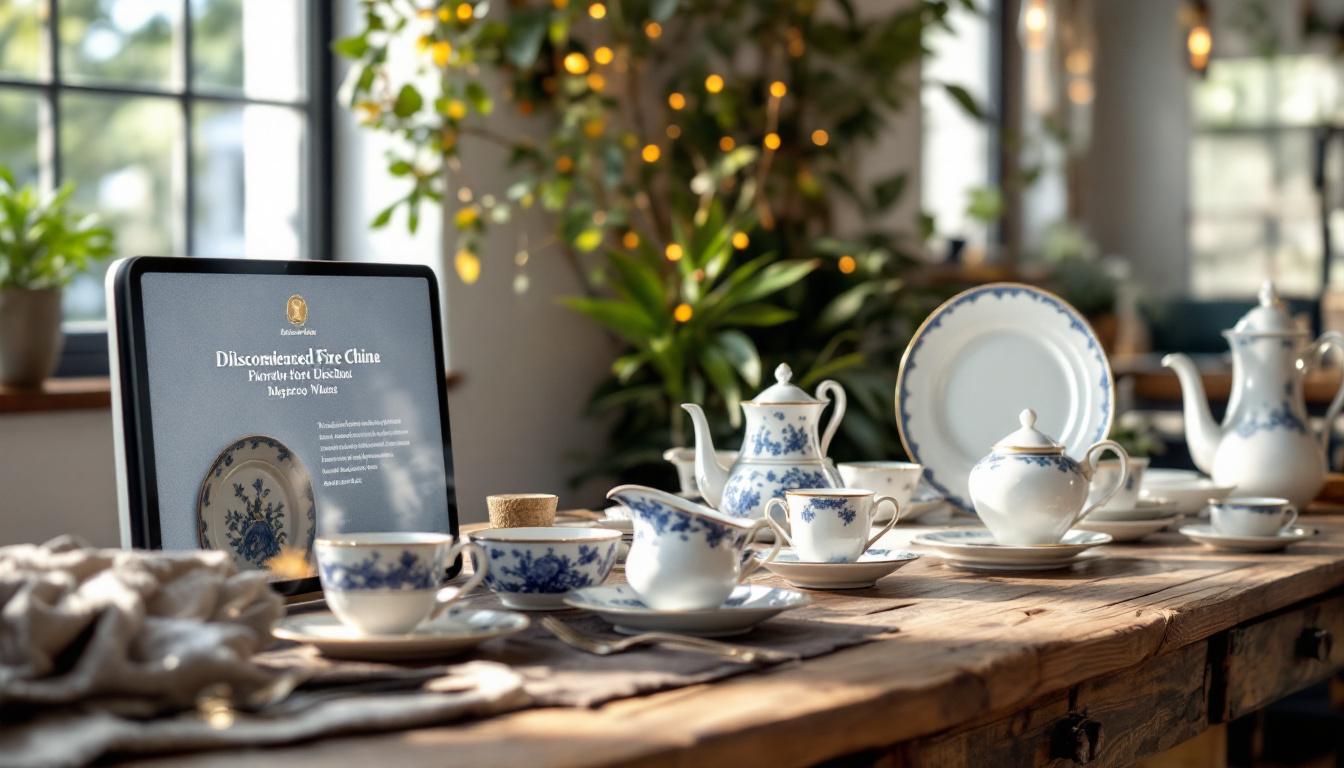
The integration of LED (Light Emitting Diode) technology into fine china represents an intriguing blend of artistry and innovation. Traditionally, fine china is celebrated for its delicate craftsmanship, intricate designs, and cultural significance. The idea of embedding LED displays within these pieces was initially conceived to add dynamic visual elements, such as customizable patterns, notifications, or ambient lighting effects.
LED technology is prized for its energy efficiency, long lifespan, and versatility. These qualities made it an attractive candidate for enhancing decorative items like fine china. Early prototypes showcased plates, cups, and serving dishes with subtle illumination or programmable displays that could change colors or display simple animations. This innovation promised to transform dining experiences, offering a new layer of interactivity and personalization.
Technical Aspects of LED-Embedded Fine China
Embedding LED displays into fine china required overcoming several technical challenges. The materials used in traditional porcelain and bone china are fragile and not naturally conducive to electronic integration. Manufacturers had to develop specialized techniques to embed thin, flexible LED panels and microcontrollers without compromising the structural integrity or aesthetic appeal of the pieces.
Powering these LEDs was another hurdle. Solutions included miniature rechargeable batteries, wireless charging pads integrated into table surfaces, or low-power designs that could operate for extended periods without frequent recharging. Connectivity options such as Bluetooth allowed users to control lighting patterns and display settings via smartphone apps.
Moreover, the aesthetic integration of technology into fine china has sparked a new wave of design philosophy. Artists and designers are now exploring how light can enhance the visual narrative of traditional motifs. For instance, a classic floral pattern might be complemented by gentle backlighting that shifts in hue, creating a mesmerizing effect that draws the eye. This fusion of art and technology not only preserves the heritage of fine china but also propels it into contemporary relevance, appealing to a younger, tech-savvy audience.
Additionally, the potential applications of LED-embedded fine china extend beyond mere decoration. Imagine a dinner plate that can indicate the temperature of the food, changing color to signal when a dish is too hot to touch, or a wine glass that glows softly to remind you to hydrate. Such innovations could revolutionize dining etiquette and safety, making meals not just a feast for the palate but also a sensory experience that engages sight and touch in novel ways.
Applications and Market Reception
The concept of LED-embedded fine china found its niche primarily among tech-savvy consumers and luxury markets. Potential applications included:
- Ambient Dining Experiences: Plates and bowls that change color to match the mood or theme of a dinner party.
- Event Customization: Wedding or event china that could display personalized messages or monograms.
- Interactive Art Pieces: Collectible items that blend traditional craftsmanship with digital art.
Despite the novelty, the market reception was mixed. While some consumers appreciated the innovation, others found the concept incongruent with the timeless elegance expected of fine china. The price point was also significantly higher than traditional pieces due to the complexity of manufacturing and embedded technology. The challenge was to balance the allure of modern technology with the cherished heritage of fine dining traditions, leading to a divide in consumer preferences.
Moreover, the environmental impact of integrating technology into fine china raised concerns among eco-conscious consumers. The durability of LED components and the recyclability of the materials used were hot topics in discussions surrounding these products. As sustainability became increasingly important in consumer decision-making, brands began exploring eco-friendly alternatives, such as biodegradable materials for the LED components and energy-efficient lighting solutions. This shift aimed to attract a broader audience, particularly those who value both innovation and environmental responsibility.
Examples of LED Fine China in the Market
Several luxury brands experimented with LED-embedded fine china in limited editions. For instance, a renowned European porcelain manufacturer released a collection featuring subtle LED accents that illuminated floral patterns. Another designer collaborated with technology firms to produce plates capable of displaying customizable digital art, controlled via an app. These limited releases garnered attention at trade shows and design exhibitions but remained niche products. The exclusivity of these collections often added to their allure, with some pieces becoming sought-after collectibles among enthusiasts and tech aficionados alike.
In addition to these high-end offerings, some innovative startups entered the market with more accessible designs aimed at younger consumers. These products often featured playful designs and interactive elements, such as plates that could sync with music to create a visual display during meals. Social media played a significant role in their marketing, with influencers showcasing these unique dining experiences, further driving interest and demand. As a result, the LED fine china market, while still in its infancy, began to carve out a space that blended artistry, technology, and dining culture in exciting new ways.
Reasons Behind Discontinuation
Despite initial enthusiasm, many LED fine china products were eventually discontinued. Several factors contributed to this decision:
Technical Limitations and Durability Concerns
The fragile nature of fine china posed significant challenges for embedding electronics. Even with advanced manufacturing techniques, the risk of damage during everyday use was high. The electronics were vulnerable to water damage, heat from dishwashers, and physical impacts, which are common in dining environments. Repairing or replacing these components was often impractical or costly. Additionally, the integration of LED technology required careful calibration to ensure that the illumination did not compromise the aesthetic appeal of the china itself. Manufacturers struggled to find a balance between functionality and the delicate artistry that fine china is known for, leading to further complications in production.
Cost and Market Viability
The production costs for LED-embedded fine china were substantially higher than traditional pieces. This translated into premium retail prices that limited the customer base. Additionally, the novelty factor wore off quickly for many consumers, reducing repeat purchases and long-term demand. The niche appeal made it difficult for manufacturers to justify continued investment. Furthermore, the competitive landscape of home goods saw a surge in affordable, innovative alternatives that offered similar aesthetic value without the added complexity of electronics. As consumers gravitated towards these more accessible options, the market for high-end LED fine china dwindled, prompting companies to reconsider their product lines.
Changing Consumer Preferences
While technology integration in home décor continues to grow, consumers of fine china often prioritize tradition, craftsmanship, and timeless aesthetics. The digitalization of such a classic item conflicted with these values for many buyers. Moreover, the rise of minimalistic and sustainable design trends shifted attention away from tech-heavy luxury items towards simpler, eco-friendly alternatives. Many consumers began to seek out pieces that not only reflected their personal style but also aligned with their values regarding sustainability and responsible consumption. This shift in preference led to a resurgence in demand for handcrafted, artisanal products, leaving LED fine china struggling to find its place in a rapidly evolving market.
Additionally, the cultural significance of fine china cannot be overlooked. For many, these pieces are not merely functional items but heirlooms that carry sentimental value, often passed down through generations. The introduction of technology into such cherished items raised concerns about their longevity and authenticity. Consumers were hesitant to embrace a product that seemed to compromise the very essence of what fine china represents—heritage, elegance, and the art of dining. As a result, the LED fine china market faced an uphill battle in reconciling modern technology with traditional values, ultimately leading to its decline.
The Legacy and Future Prospects
Although discontinued, LED-embedded fine china has left a lasting impact on both the ceramics and technology industries. It demonstrated the potential for merging traditional art forms with modern innovation, inspiring designers and engineers to explore new possibilities in smart home products and interactive décor.
Looking forward, advancements in flexible electronics, nanotechnology, and sustainable materials may revive interest in smart ceramics. Future iterations could address previous limitations by offering more durable, affordable, and environmentally friendly solutions. Integration with smart home ecosystems could also enhance functionality, making such products more appealing to a broader audience.
Lessons Learned from the Discontinuation
The experience with LED fine china underscores the importance of aligning technological innovation with consumer values and practical usability. It highlights the need for thorough market research, durable design, and cost-effective production in bringing hybrid products to market. Manufacturers aiming to innovate within traditional categories must balance respect for heritage with the benefits of modern technology.
Conclusion
The story of discontinued fine china featuring LED displays is a compelling case study in the challenges and opportunities at the intersection of tradition and technology. While the concept offered exciting possibilities for enhancing dining experiences and decorative arts, practical limitations and market realities ultimately led to its discontinuation. Nevertheless, the pioneering efforts in this space continue to inspire future innovations that may one day successfully blend the elegance of fine china with the dynamic capabilities of digital technology.
As technology continues to evolve, the lessons learned from these early experiments will be invaluable for designers and manufacturers seeking to create products that honor tradition while embracing the future.
Explore the Future of LED Display Technology with LumenMatrix
As we reflect on the innovative journey of LED-embedded fine china, we recognize the limitless potential of LED display technology in transforming everyday experiences. LumenMatrix stands at the forefront of this evolution, offering a diverse range of LED display solutions that bring artistry and technology together. Whether you’re looking to enhance your brand’s visibility or create immersive visual experiences, LumenMatrix has the expertise to bring your vision to life. We invite you to check out LumenMatrix LED Display Solutions and join us in shaping the future of digital storytelling.