In recent years, the evolution of display technology has introduced innovative solutions that blend functionality with aesthetic appeal. One such breakthrough is the “see-through” LED display, a technology that is reshaping how screens are integrated into environments, from retail storefronts to corporate offices and public spaces. This article delves into the fascinating world of see-through LED displays, explaining their technology, applications, benefits, and the future prospects of this cutting-edge innovation.
Understanding See-Through LED Displays
What Are See-Through LED Displays?
See-through LED displays, also known as transparent LED screens, are a type of digital display that allows light and images to pass through the screen, enabling viewers to see both the digital content and what lies behind the display. Unlike traditional LED screens, which are opaque and block the view behind them, see-through LED displays combine transparency with high-definition visuals.
These displays are constructed using a grid of LED modules arranged on a transparent substrate, often glass or acrylic. The LEDs emit light to create images and videos, while the gaps between the LEDs allow for transparency. This unique structure allows for a balance between brightness, image quality, and see-through capability. As a result, they are increasingly popular in retail environments, museums, and exhibitions, where they can enhance the aesthetic appeal of a space while providing dynamic content that engages viewers.
Moreover, the versatility of see-through LED displays extends beyond mere aesthetics; they can also serve functional purposes. For instance, in retail settings, these displays can showcase advertisements or product information without obstructing the view of the products behind them, effectively merging marketing with visual merchandising. This dual functionality makes them a powerful tool for businesses looking to attract customers and enhance their shopping experience.
How Does the Technology Work?
The core technology behind see-through LED displays involves the use of fine-pitch LED modules with high transparency rates, typically ranging from 40% to 90%. The pitch refers to the distance between individual LEDs; smaller pitches result in higher resolution but lower transparency, while larger pitches increase transparency but reduce image detail.
These LED modules are mounted on transparent panels, which can be installed on glass windows or facades. The LED chips emit light directly towards the viewer, creating vivid images even in bright daylight. Advanced control systems regulate the brightness and color of each LED, ensuring clear visibility without compromising the see-through effect. This capability is particularly beneficial in environments with varying lighting conditions, as the displays can automatically adjust to maintain optimal visibility at all times.
Additionally, the integration of smart technology into see-through LED displays allows for interactive experiences. Some models can incorporate touch-sensitive technology or motion sensors, enabling viewers to engage with the content directly. This interactivity can transform a passive viewing experience into an immersive one, where users can explore information or promotional content in a more engaging manner. As technology continues to evolve, the potential applications for see-through LED displays are expanding, paving the way for innovative uses in advertising, information dissemination, and even art installations.
Applications of See-Through LED Displays
Retail and Advertising
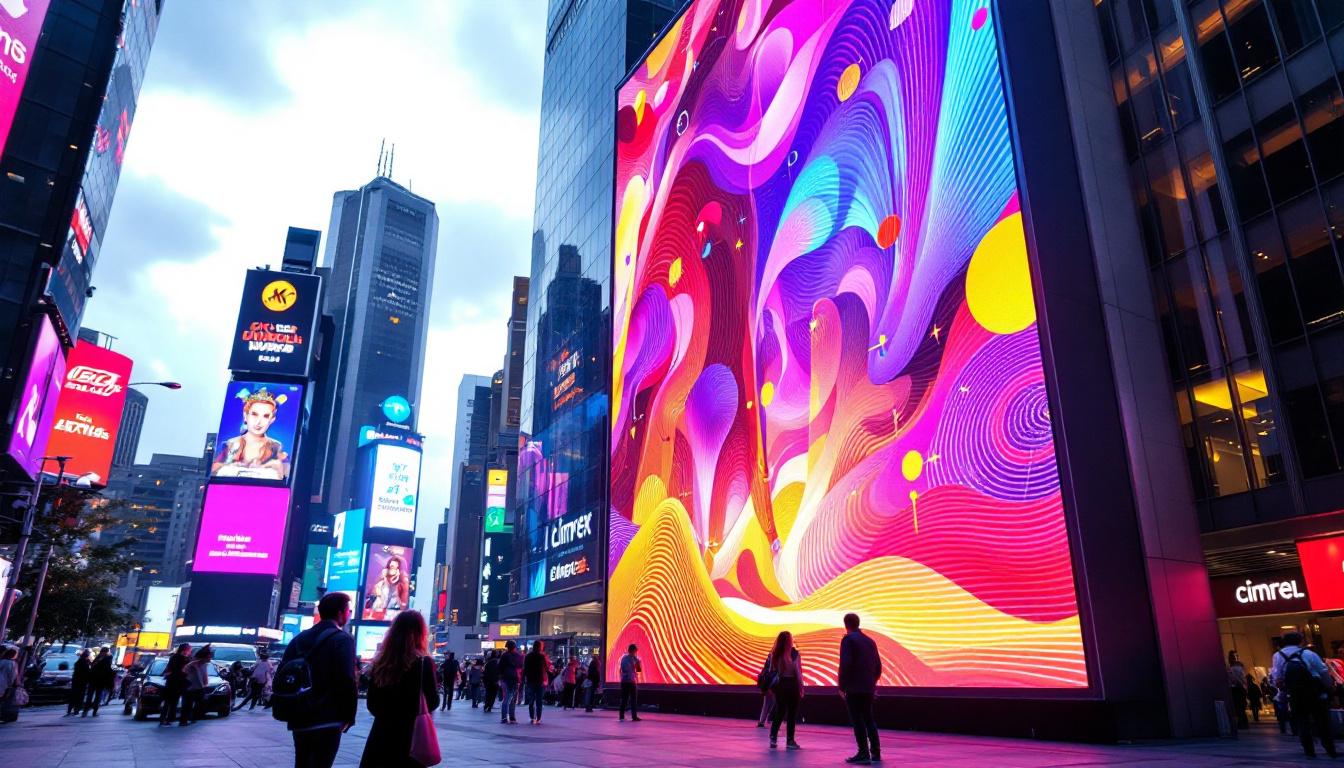
One of the most prominent uses of see-through LED displays is in retail environments. Storefront windows equipped with transparent LED screens can showcase dynamic advertisements, promotional videos, or interactive content while maintaining visibility into the store interior. This dual functionality attracts passerby attention without sacrificing natural light or the store’s aesthetic appeal.
For example, luxury brands and flagship stores in major cities like New York, London, and Tokyo have adopted see-through LED displays to create eye-catching window displays that engage customers and enhance brand presence. According to a 2023 report by Grand View Research, the digital signage market is expected to grow at a compound annual growth rate (CAGR) of over 9% through 2030, driven largely by innovations like transparent LED technology.
Corporate and Office Environments
In corporate settings, see-through LED displays offer a sleek solution for conference rooms, lobbies, and collaborative spaces. They can be integrated into glass partitions or windows, providing real-time information, branding, or video conferencing capabilities without obstructing natural light or the open feel of the office.
Companies focusing on modern, transparent office designs benefit from these displays by maintaining an open, airy atmosphere while incorporating digital communication tools. This is particularly valuable in industries where transparency and innovation are core values, such as tech firms and creative agencies.
Public Spaces and Transportation Hubs
Transparent LED displays are also gaining traction in public spaces like airports, train stations, and shopping malls. Their ability to deliver high-impact visuals without blocking sightlines makes them ideal for informational signage, wayfinding, and advertising in busy, high-traffic areas.
For instance, airports have started using see-through LED panels on terminal windows to display flight information and advertisements while preserving natural light and views of the tarmac. This enhances passenger experience by combining functionality with aesthetic appeal.
Advantages of See-Through LED Displays
Enhanced Aesthetic and Architectural Integration
One of the most significant advantages of see-through LED displays is their ability to integrate seamlessly into architectural designs. Unlike traditional screens that can disrupt the visual flow of a space, transparent LED displays maintain openness and natural light. This makes them particularly attractive for modern buildings with glass facades or open-plan interiors.
Architects and designers appreciate the flexibility these displays offer, as they enable the incorporation of digital content without compromising the building’s design integrity or the occupant’s comfort.
Energy Efficiency and Sustainability
See-through LED displays are generally more energy-efficient than conventional backlit screens. Because they rely on direct LED emission rather than a full backlight system, they consume less power. Additionally, their ability to allow natural light to pass through reduces the need for artificial lighting inside buildings, contributing to overall energy savings.
In an era where sustainability is a priority, these energy-efficient displays align well with green building standards and corporate social responsibility goals.
Versatility and Customization
Transparent LED displays are highly customizable in size, shape, and pixel pitch, allowing them to be tailored to specific applications. Whether it’s a large storefront window or a small glass partition inside an office, manufacturers can design displays that fit the exact requirements of the space.
Moreover, these displays support a wide range of content formats, from static images to full-motion videos and interactive interfaces, making them versatile tools for communication and marketing.
Challenges and Considerations
Cost and Installation Complexity
Despite their advantages, see-through LED displays can be more expensive than traditional LED or LCD screens. The cost of materials, manufacturing precision, and installation on glass surfaces contribute to higher upfront investment. Additionally, installation requires specialized expertise to ensure structural integrity and optimal performance.
For businesses considering this technology, it is essential to weigh the initial costs against the long-term benefits in branding, customer engagement, and energy savings.
Brightness and Visibility in Different Lighting Conditions
While see-through LED displays offer impressive brightness levels, their performance can vary depending on ambient lighting. In extremely bright outdoor environments, maintaining image clarity without overpowering transparency can be challenging. Manufacturers continuously improve LED brightness and contrast ratios to address these issues, but it remains an important consideration during the planning phase.
Maintenance and Durability
Since see-through LED displays are often installed on exterior glass surfaces, they are exposed to environmental factors such as weather, dust, and temperature fluctuations. Ensuring durability and ease of maintenance is crucial for long-term operation. Many modern transparent LED displays come with protective coatings and modular designs that facilitate repairs and cleaning.
The Future of See-Through LED Technology
Innovations in Material Science and LED Design
Advancements in nanotechnology and material science are driving the next generation of see-through LED displays. Researchers are developing ultra-thin, flexible LED modules with even higher transparency and resolution. These innovations could lead to displays that are virtually invisible when turned off, blending effortlessly into any environment.
Additionally, improvements in micro-LED technology promise brighter, more energy-efficient displays with enhanced color accuracy and lifespan, further expanding the potential applications of transparent screens.
Integration with Smart Building Systems
As smart buildings become more prevalent, see-through LED displays are poised to play a central role in integrated digital ecosystems. Connected to building management systems, these displays can provide real-time data on energy usage, environmental conditions, or security alerts, all while serving as dynamic advertising or informational platforms.
This convergence of display technology and IoT (Internet of Things) will enable more responsive, interactive, and sustainable building environments.
Expanding Market Adoption
Market analysts predict that the transparent LED display sector will experience significant growth in the coming decade. As costs decrease and technology matures, adoption is expected to expand beyond high-end retail and corporate spaces into more mainstream commercial and public applications.
Emerging markets in Asia-Pacific and the Middle East are particularly promising due to rapid urbanization and investment in smart infrastructure. By 2030, the transparent LED display market could represent a multi-billion-dollar industry, transforming the way digital content is experienced in everyday life.
Conclusion
See-through LED displays represent a remarkable fusion of technology, design, and functionality. By offering transparency combined with vibrant digital imagery, they open new possibilities for advertising, architectural integration, and interactive communication. While challenges related to cost and environmental conditions exist, ongoing innovations continue to enhance their performance and accessibility.
For businesses and designers aiming to create visually stunning, modern spaces that engage audiences without compromising openness or natural light, transparent LED technology is an increasingly compelling option. As the technology evolves, it promises to redefine the boundaries of digital display and architectural harmony in the years to come.
Discover the Future of Visual Display with LumenMatrix
Ready to elevate your space with the cutting-edge see-through LED display technology? LumenMatrix is at the forefront of this innovative field, offering a wide range of LED display solutions that promise to transform your brand’s visibility and audience engagement. From mesmerizing Indoor and Outdoor LED Wall Displays to dynamic Vehicle and Sports Displays, our products are designed to captivate and communicate with unparalleled clarity. Embrace the future of digital signage with our LED Transparent Displays and more. Check out LumenMatrix LED Display Solutions today and step into a world where technology meets design with elegance and impact.