Choosing the right projector screen is a critical decision for anyone looking to optimize their viewing experience, whether at home, in a conference room, or a cinema. Among the many options available, the debate between black and white projector screens remains prominent. With the rise of LED displays and advanced projection technologies, understanding how screen color influences image quality is more important than ever.
This article delves into the differences between black and white projector screens, explores the impact of LED displays, and provides insights to help you make an informed choice tailored to your needs.
Understanding Projector Screen Basics
What Is a Projector Screen?
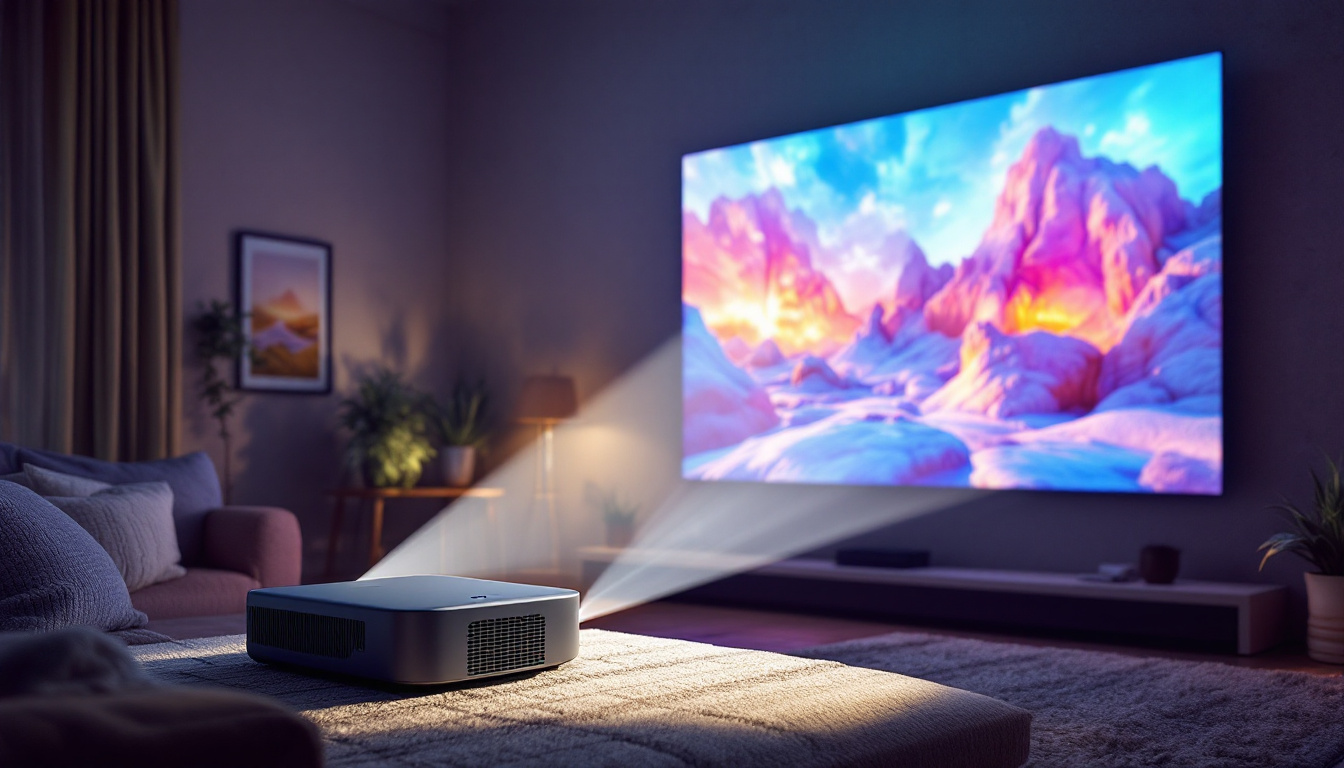
A projector screen serves as the surface onto which images from a projector are displayed. Its primary function is to reflect projected light back to the viewer’s eyes, creating a clear and vibrant image. The screen’s material, color, and gain (reflectivity) significantly affect the quality of the projected image. In addition to these basic functions, the choice of a projector screen can also enhance the overall viewing experience by providing a more immersive environment, especially in home theaters or professional presentations. The right screen can transform a simple projection into a captivating visual experience, making it essential for both casual viewers and serious cinephiles.
Key Factors Influencing Screen Performance
Several characteristics determine how well a projector screen performs:
- Color: Traditionally, screens are white or gray, but black screens have gained popularity. The choice of color can dramatically influence contrast and color saturation, with darker screens often providing deeper blacks and enhanced contrast, particularly in dimly lit environments.
- Gain: This measures the reflectivity of the screen surface. A gain of 1.0 means the screen reflects light evenly. Higher gain screens can amplify brightness, but may also narrow the viewing angle, which is a critical consideration for larger audiences.
- Viewing Angle: The range within which the image remains clear and bright. A wider viewing angle is beneficial for group settings, ensuring that everyone has a good view without significant color distortion or loss of brightness.
- Ambient Light Handling: How well the screen performs in rooms with ambient light. Screens designed for high ambient light environments often feature special coatings that minimize glare and enhance image quality, making them ideal for conference rooms or living spaces with windows.
Each of these factors interacts differently depending on the screen color and the type of projector used. For instance, a high-lumen projector paired with a high-gain screen can create stunning visuals in a well-lit room, while a lower-lumen projector may require a more specialized screen to maintain image quality in similar conditions. Additionally, the material of the screen—whether it’s matte, vinyl, or woven—can also play a critical role in the overall performance, affecting not just the image quality but also the screen’s durability and ease of installation.
White Projector Screens: The Traditional Choice
Characteristics of White Screens
White projector screens have been the industry standard for decades. They typically feature a matte white surface designed to reflect light evenly across the visible spectrum. This neutrality helps preserve the original colors of the projected image, making white screens a versatile option for various environments.
Advantages of White Screens
One of the main benefits of white screens is their ability to provide bright, vivid images in controlled lighting conditions. Since they reflect most of the light projected onto them, white screens are ideal for dark or dimly lit rooms, such as dedicated home theaters.
Additionally, white screens tend to have wide viewing angles, often exceeding 120 degrees, which means viewers can enjoy consistent image quality from different seating positions.
Limitations in Ambient Light
However, white screens are more susceptible to ambient light interference. Because they reflect all light equally, any external light sources, such as sunlight or room lighting, can wash out the image, reducing contrast and making blacks appear grayish.
For example, in a typical living room with windows or overhead lights, a white screen may struggle to maintain image clarity without additional light control measures like blackout curtains.
Black Projector Screens: The Modern Alternative
What Are Black Projector Screens?
Black projector screens, often referred to as “high contrast” or “ambient light rejecting” (ALR) screens, feature a darker surface designed to absorb ambient light rather than reflect it. This technology enhances black levels and contrast, making images appear deeper and more vibrant, especially in rooms with some ambient light.
Benefits of Black Screens
Black screens excel in environments where controlling ambient light is challenging. By absorbing stray light, they prevent the image from washing out, maintaining richer blacks and higher contrast ratios. This feature is particularly beneficial for presentations or home theaters situated in multi-purpose rooms.
Moreover, black screens can improve perceived image depth, making them popular among cinephiles and professional presenters who prioritize image quality over brightness.
Considerations and Drawbacks
While black screens improve contrast, they typically have lower gain than white screens, meaning the overall image brightness might be reduced. This can be a drawback in rooms where the projector’s brightness is limited or where the projector is positioned far from the screen.
Additionally, black screens often have narrower viewing angles, sometimes less than 90 degrees, which can limit optimal viewing positions.
LED Displays and Their Relationship with Screen Color
What Are LED Displays?
LED (Light Emitting Diode) displays are an increasingly popular alternative to traditional projectors. Unlike projectors, which rely on external light sources and reflective screens, LED displays are self-illuminating panels composed of millions of tiny LEDs that produce their own light and color directly.
Because LED displays emit light themselves, they do not require a projection surface, which fundamentally changes the considerations around screen color.
LED Displays vs. Projector Screens
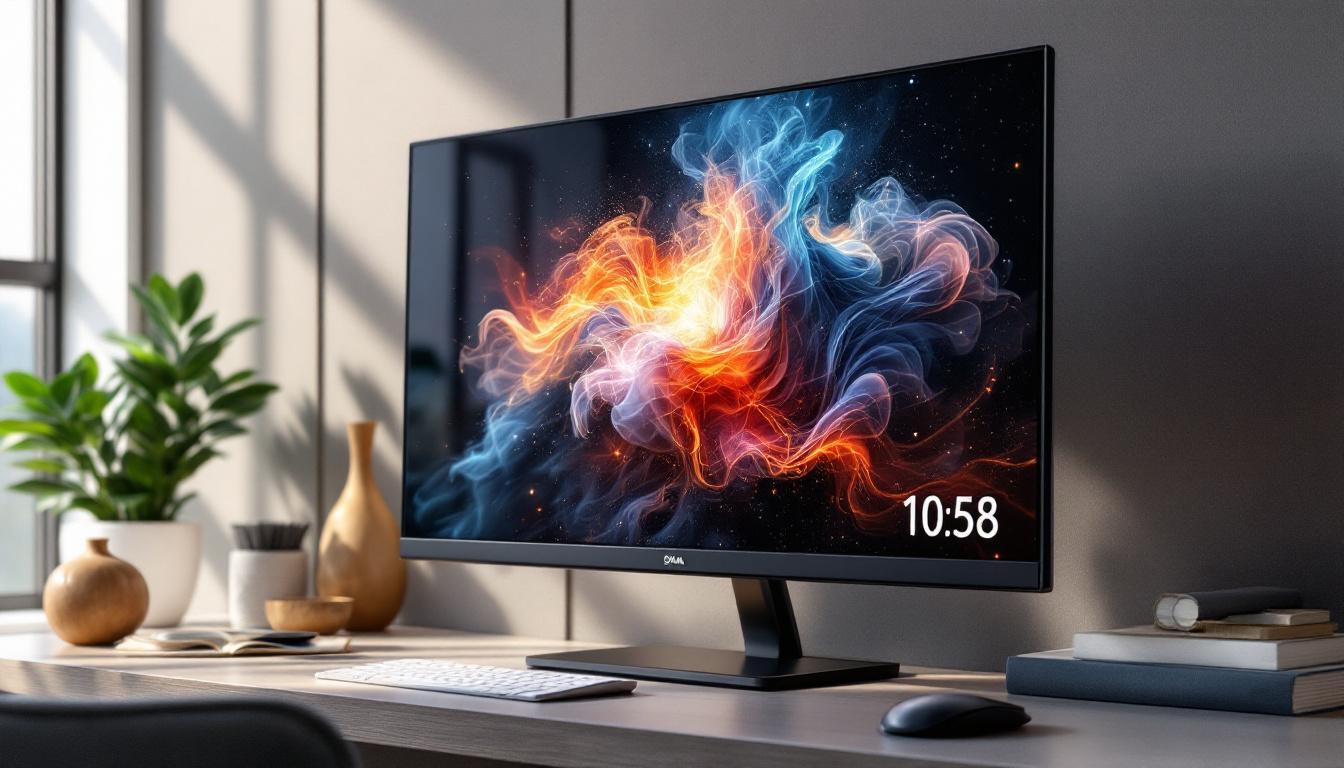
In a projector setup, the screen color significantly impacts image quality due to the reflection of projected light. However, LED displays do not rely on reflected light, so screen color is irrelevant in this context. Instead, LED displays offer consistent brightness, contrast, and color accuracy regardless of ambient light conditions.
For instance, a commercial LED video wall in a brightly lit conference room will maintain image quality without the need for blackout curtains or specialized screens.
When to Choose LED Displays Over Projectors
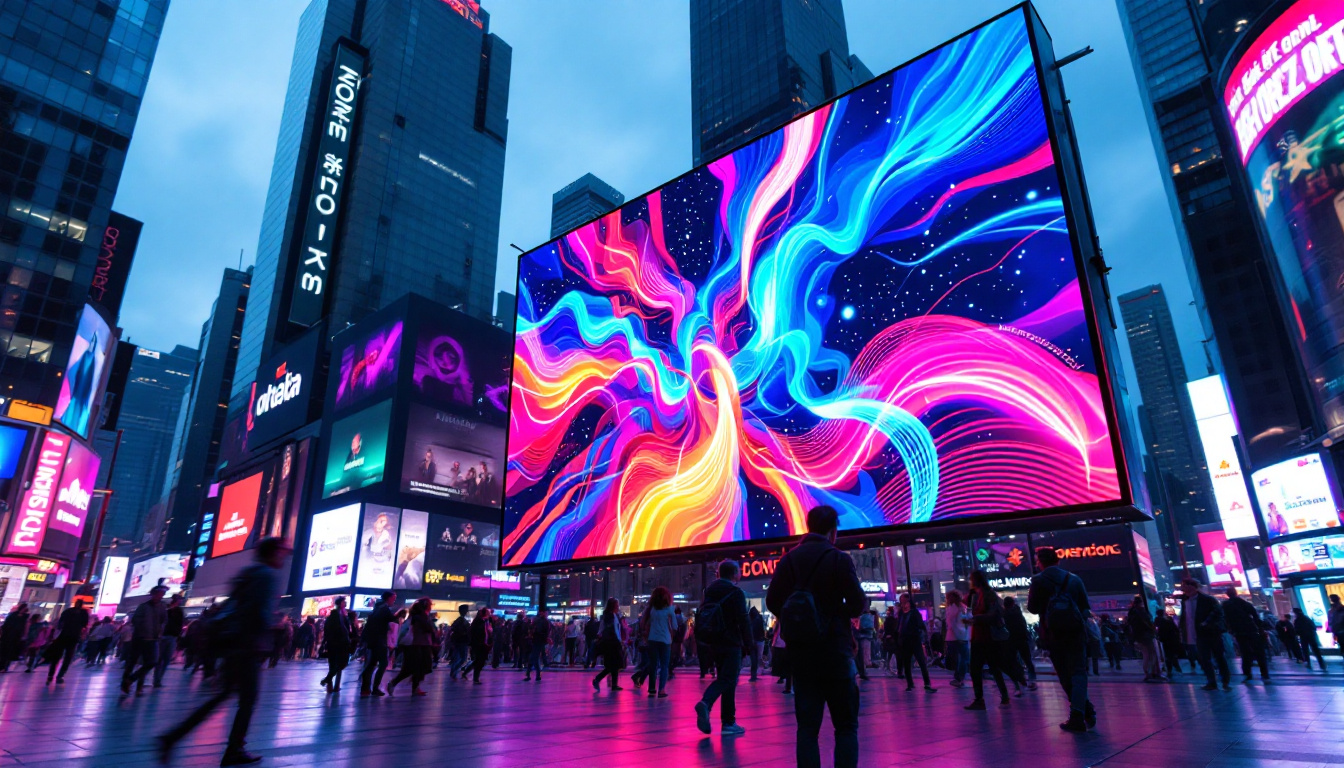
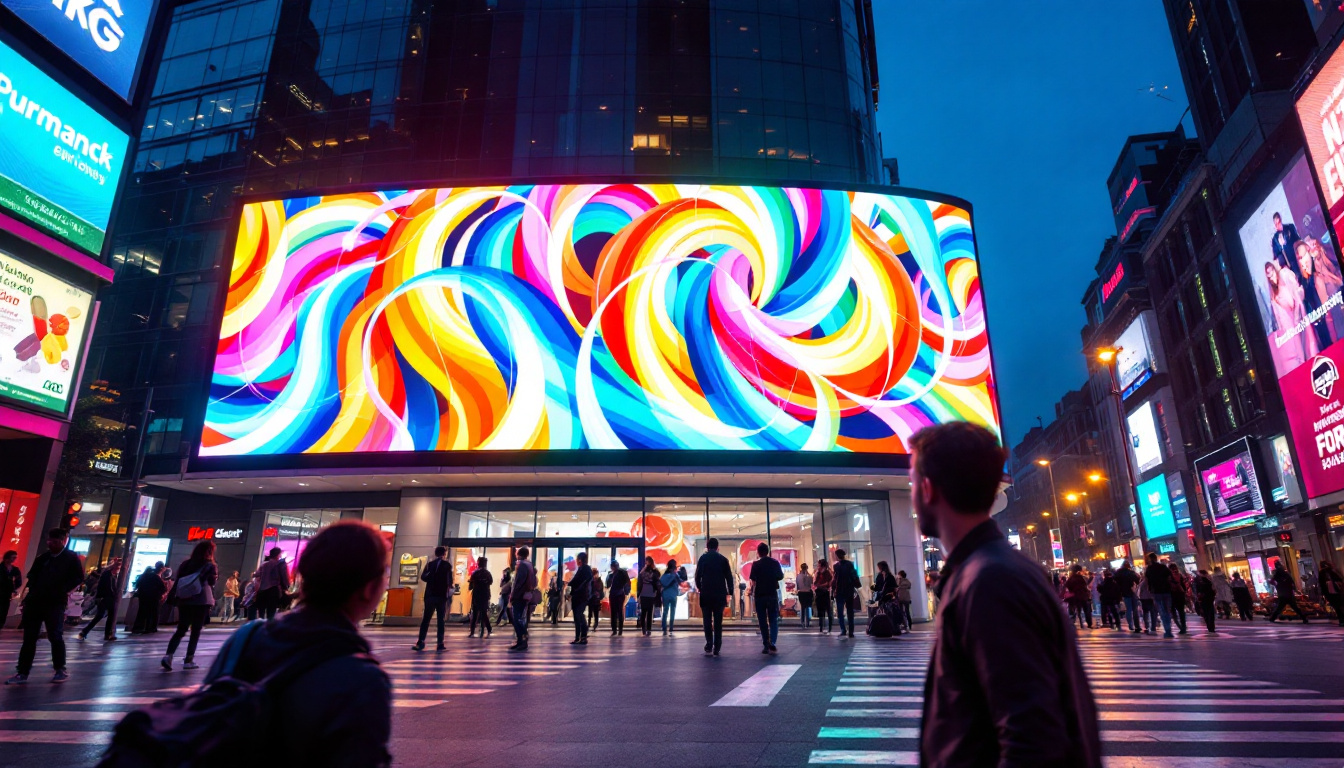
LED displays are ideal for environments where ambient light cannot be controlled, or where large, bright, and seamless images are required. They are commonly used in stadiums, digital signage, corporate boardrooms, and high-end home theaters.
However, LED displays can be significantly more expensive than projector setups and may not be practical for all budgets or room sizes.
Comparative Analysis: Black vs. White Screens in Different Scenarios
Home Theater Environments
In dedicated home theaters with controlled lighting, white screens remain the preferred choice due to their brightness and wide viewing angles. The projector’s brightness can be optimized, and ambient light minimized to achieve excellent image quality.
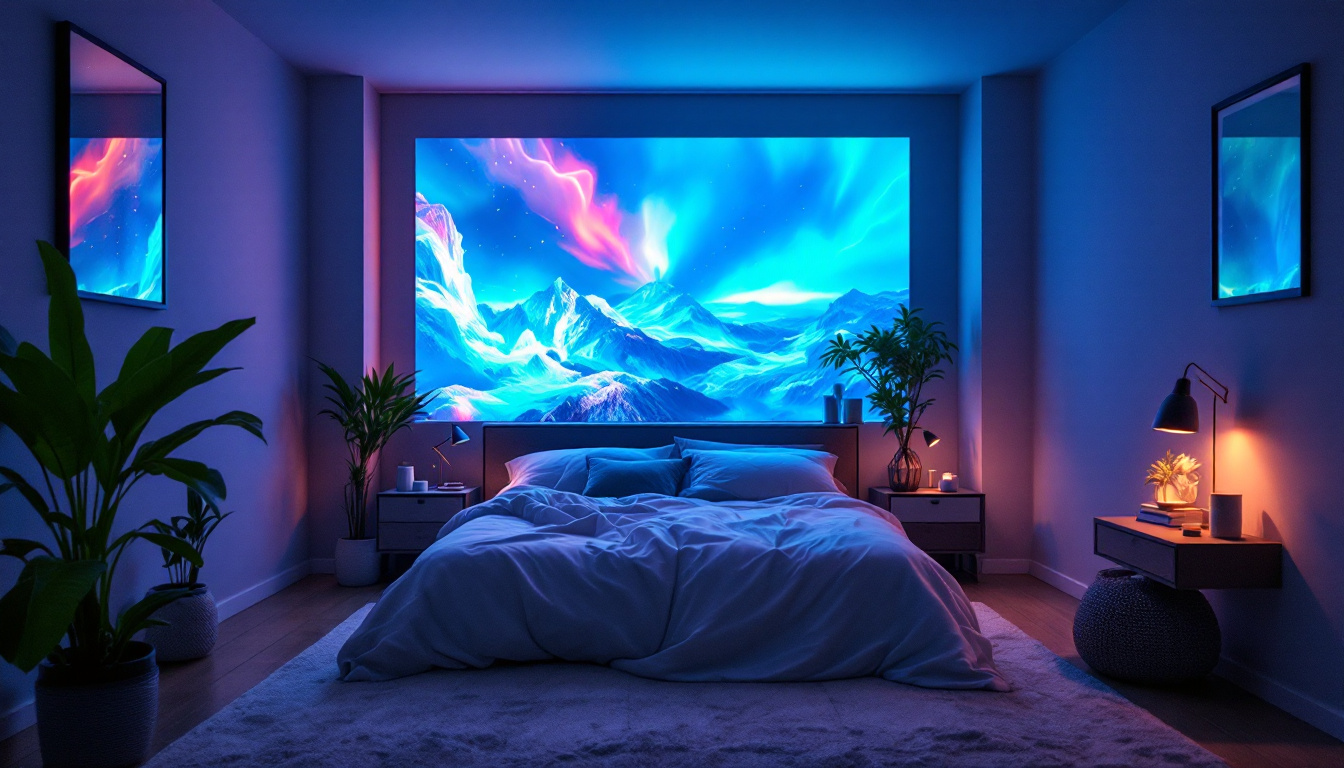
Conversely, if the home theater doubles as a living space with unavoidable ambient light, a black screen or an ALR screen can enhance contrast and black levels, improving overall viewing experience.
Corporate and Educational Settings
In conference rooms or classrooms, ambient light is often unavoidable. Black screens or ALR screens can help maintain image clarity and contrast during presentations, making them a practical choice. Alternatively, LED displays are becoming more common in these settings due to their brightness and ease of use.
Outdoor and Large Venue Applications
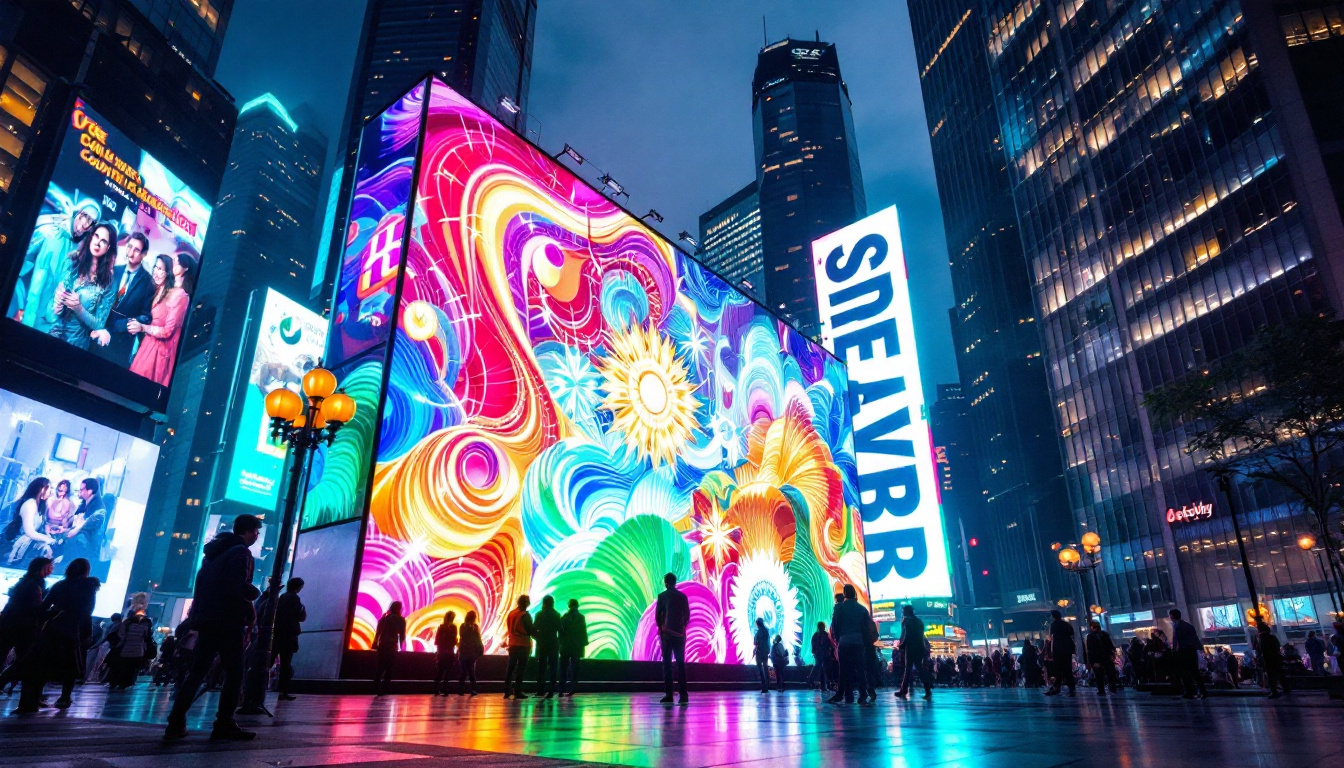
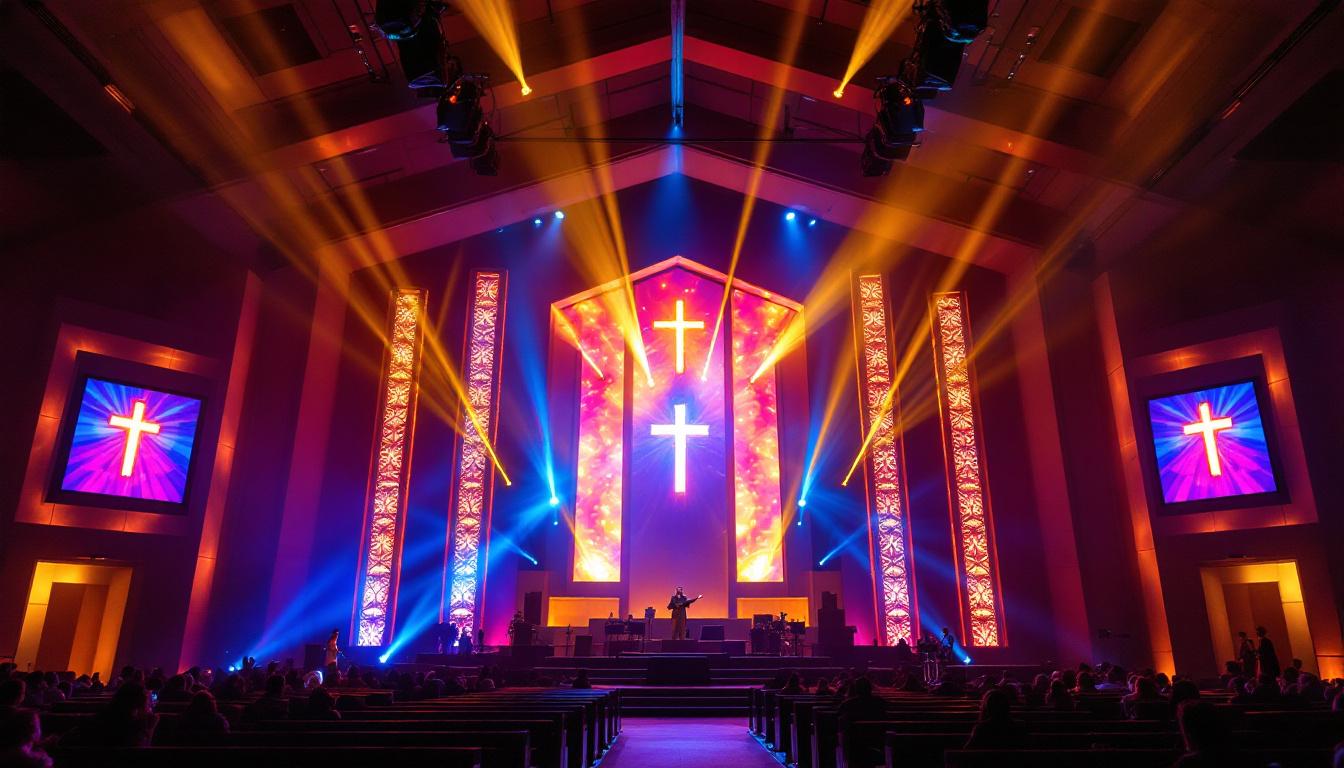
For outdoor events or large venues, LED displays dominate because projectors and screens struggle with ambient light and distance. The self-illuminating nature of LED panels ensures visibility even in daylight, making them the go-to solution for concerts, sports events, and public gatherings.
Technical Considerations When Choosing a Screen
Projector Brightness (Lumens)
The projector’s brightness, measured in lumens, is a critical factor. A high-lumen projector can compensate for lower screen gain or ambient light, allowing for more flexibility in screen choice.
Screen Gain and Viewing Angle
Higher gain screens reflect more light but often have narrower viewing angles. White screens usually have a gain close to 1.0, providing balanced brightness and wide viewing angles, while black or ALR screens have lower gain but better ambient light rejection.
Room Size and Seating Arrangement
The size of the room and seating layout influence the optimal screen choice. Wider viewing angles favor white screens, while focused seating areas can benefit from black screens’ enhanced contrast.
Future Trends in Projection and Display Technologies
Advancements in ALR Screen Technology
Ambient Light Rejecting screens continue to evolve, combining the benefits of black screens with improved brightness and wider viewing angles. These screens use microstructures to reflect projector light while absorbing ambient light, offering a middle ground between black and white screens.
Mini-LED and Micro-LED Displays
Emerging LED technologies, such as Mini-LED and Micro-LED, promise even higher brightness, contrast, and energy efficiency. These advances could further shift the balance away from traditional projector setups toward self-illuminating displays.
Hybrid Solutions
Some manufacturers are exploring hybrid solutions that combine projection with LED backlighting or use laser projectors with specialized screens to maximize image quality in various lighting conditions.
Conclusion: Making the Right Choice
Deciding between a black or white projector screen depends on multiple factors, including ambient light conditions, projector brightness, room size, and viewing preferences. White screens remain excellent for controlled lighting environments, offering bright, vivid images with wide viewing angles. Black screens, on the other hand, provide superior contrast and black levels in rooms with ambient light, enhancing image depth and clarity.
Meanwhile, LED displays represent a transformative technology that eliminates many of the limitations of projection screens, delivering consistent image quality regardless of lighting conditions, albeit at a higher cost.
Ultimately, understanding the interplay between screen color, projector type, and ambient light will empower users to select the optimal display solution, ensuring a captivating and immersive viewing experience.
Explore Cutting-Edge LED Display Solutions with LumenMatrix
As you consider the optimal display solution for your needs, remember that the future of visual experiences is bright with LumenMatrix. Embrace the transformative power of LED technology and discover our wide range of innovative LED display modules, from Indoor and Outdoor LED Walls to Custom and Transparent Displays. Whether you’re looking to enhance brand visibility or create a truly immersive environment, LumenMatrix is here to revolutionize your visual communication. Check out LumenMatrix LED Display Solutions today and step into a world where clarity and engagement meet.