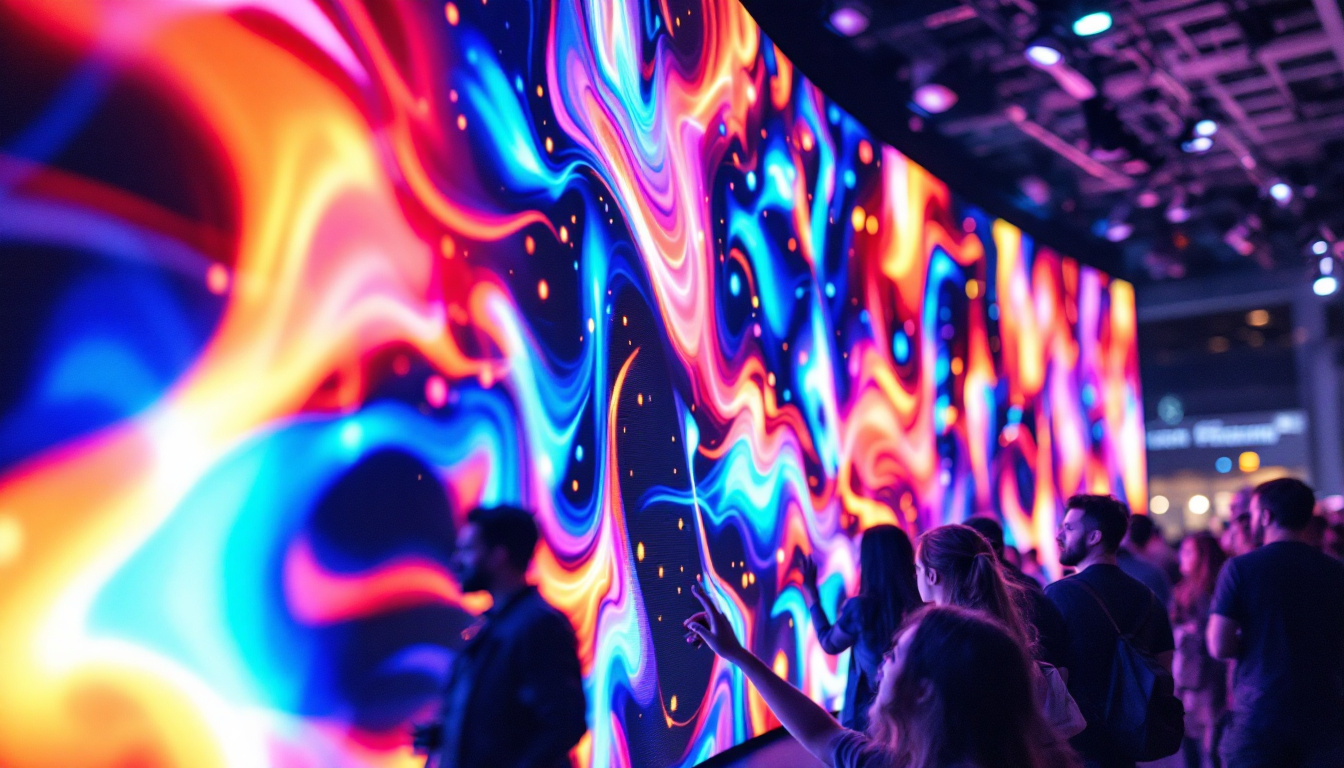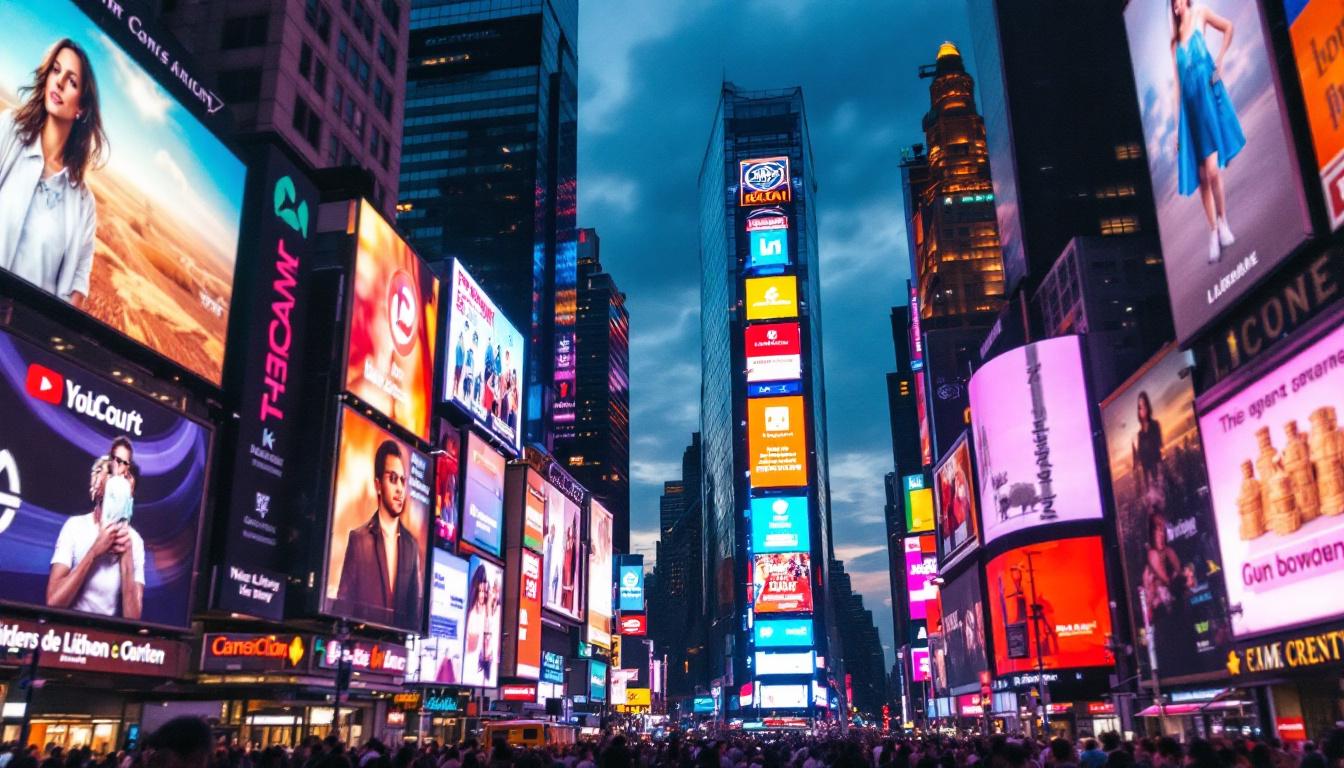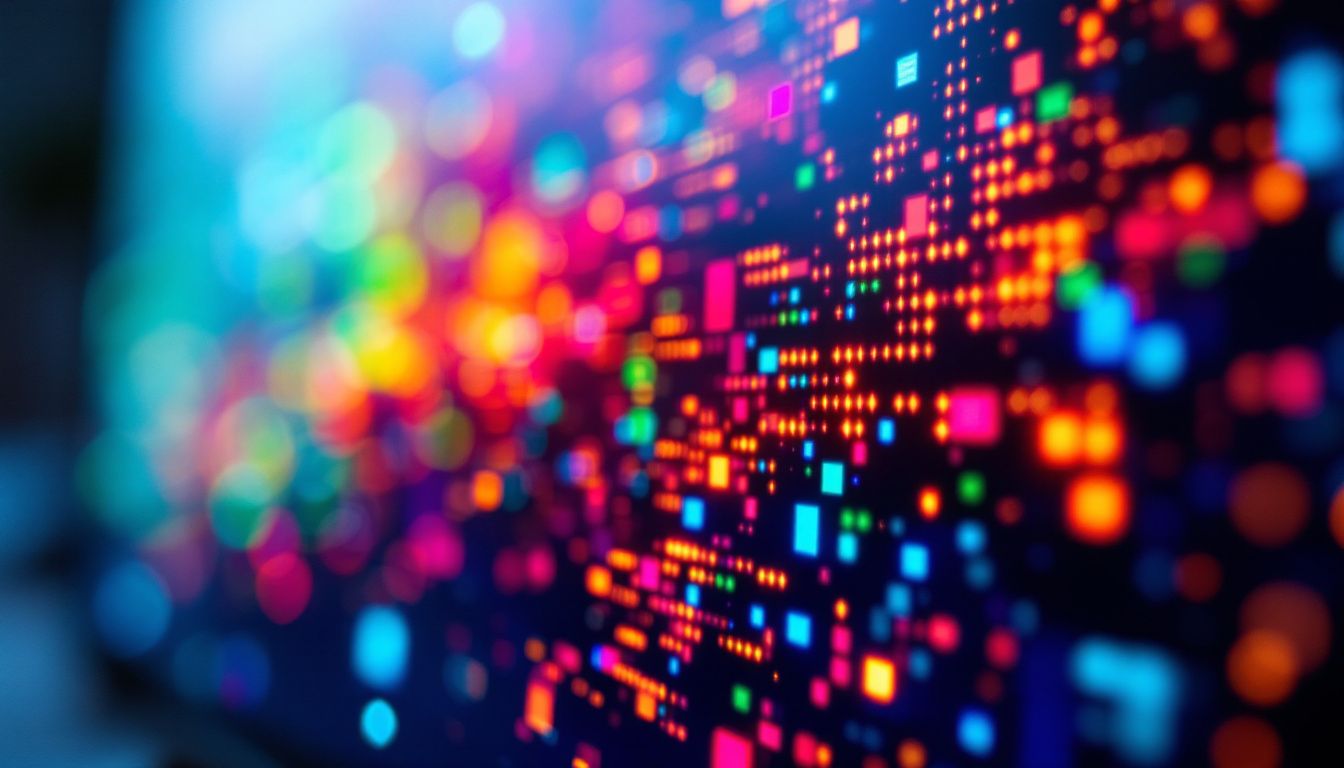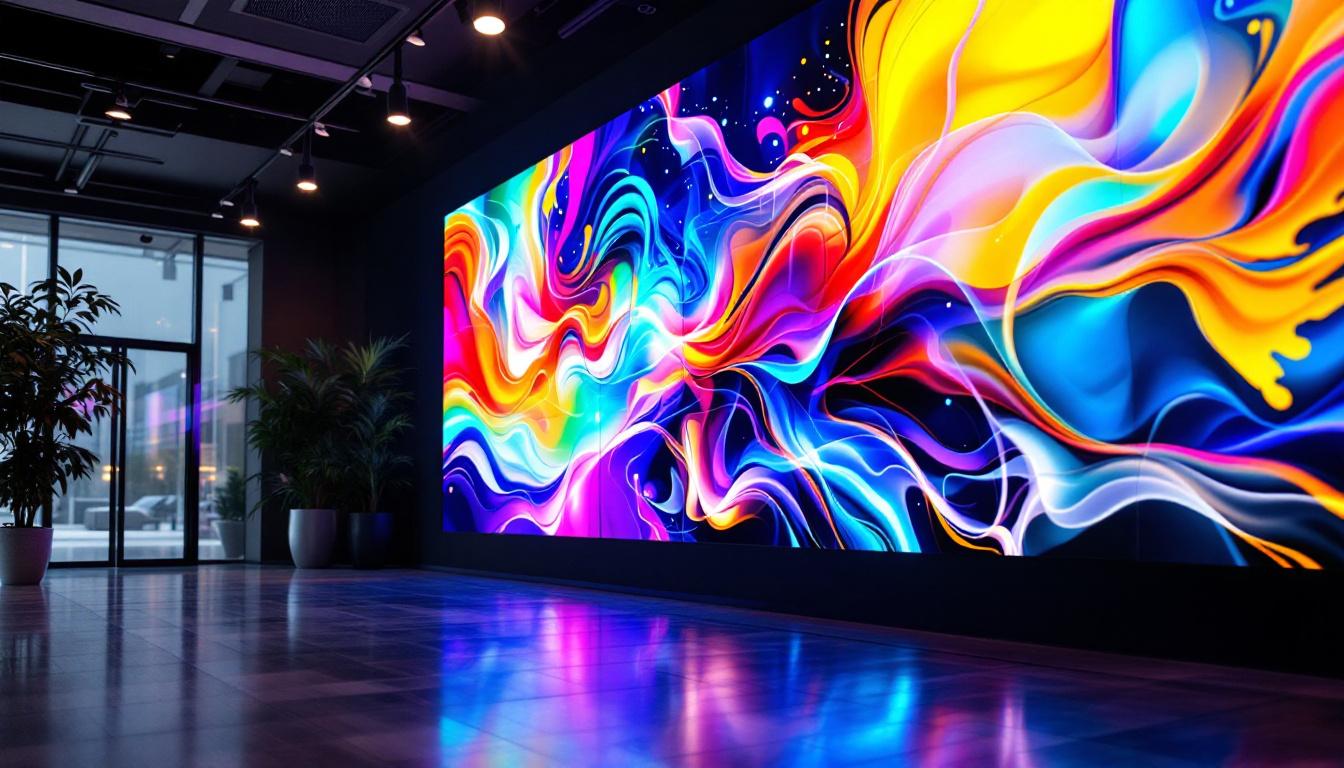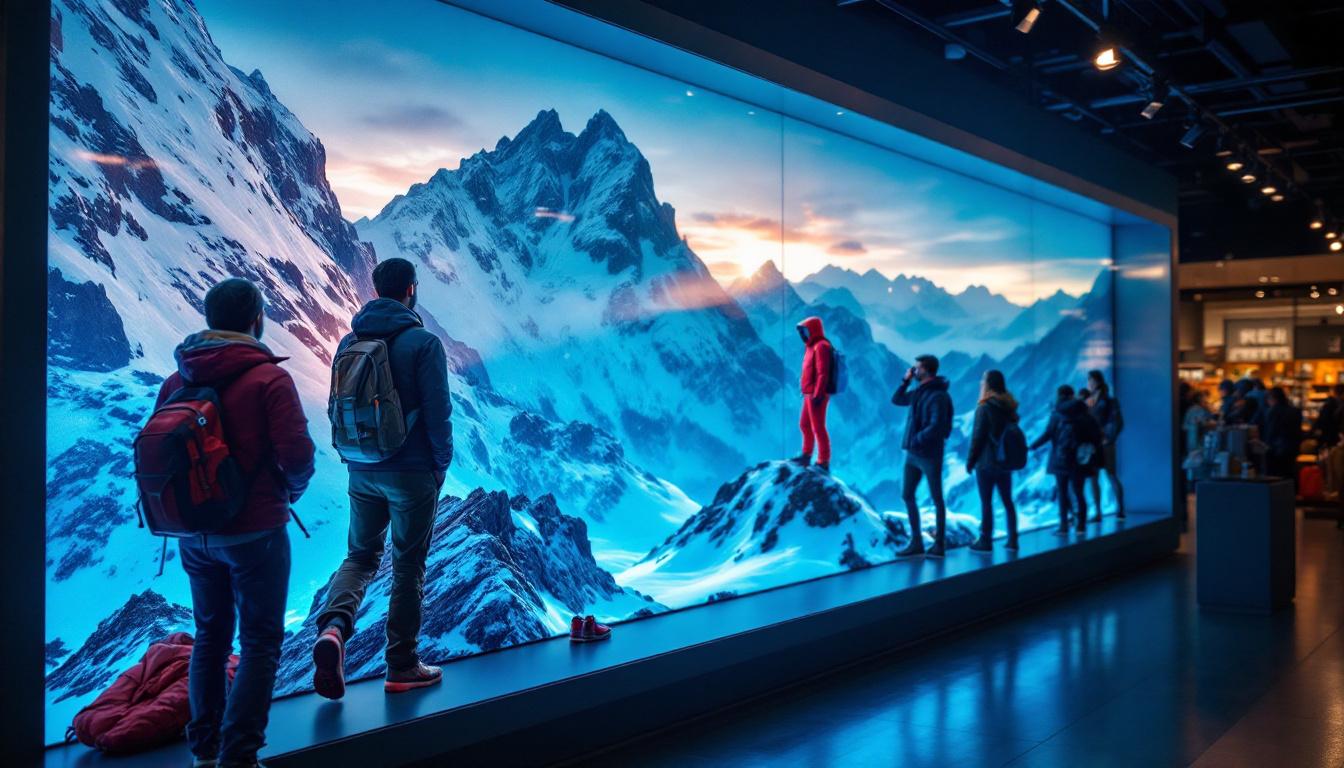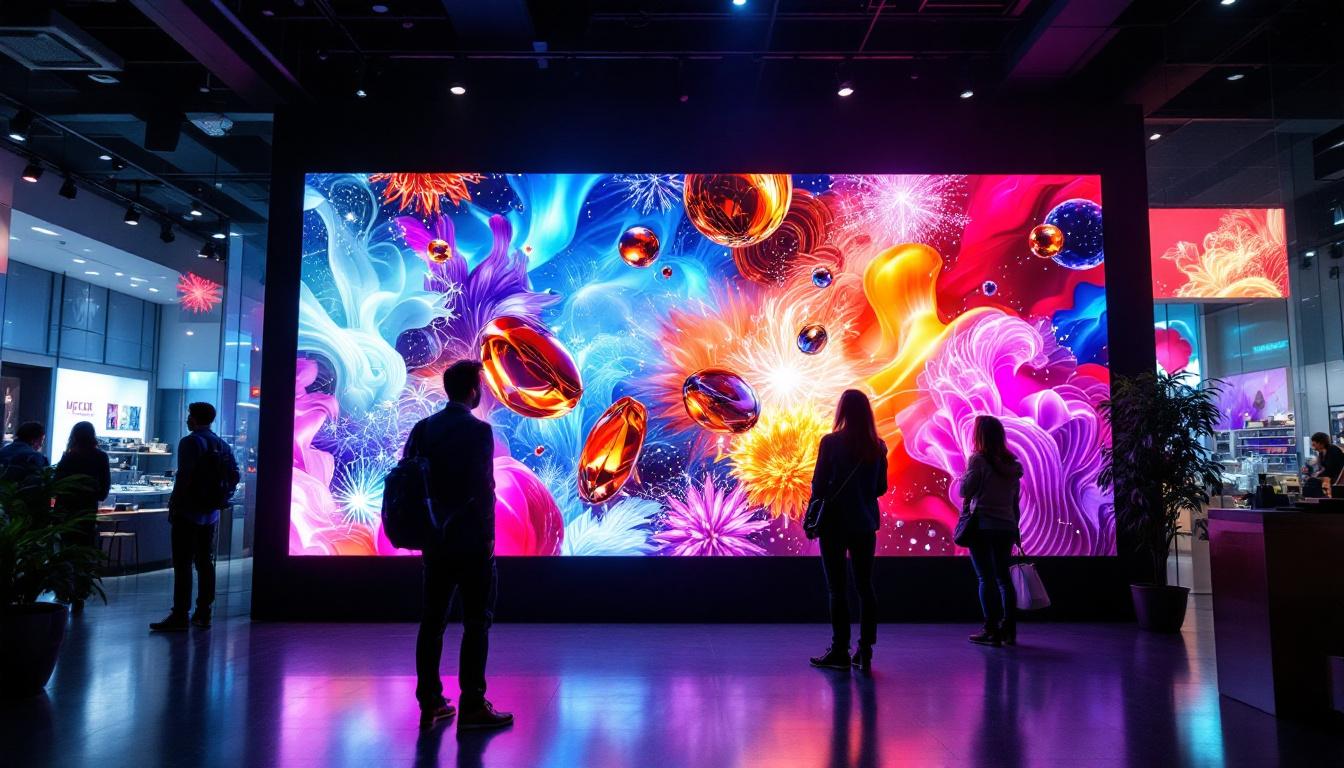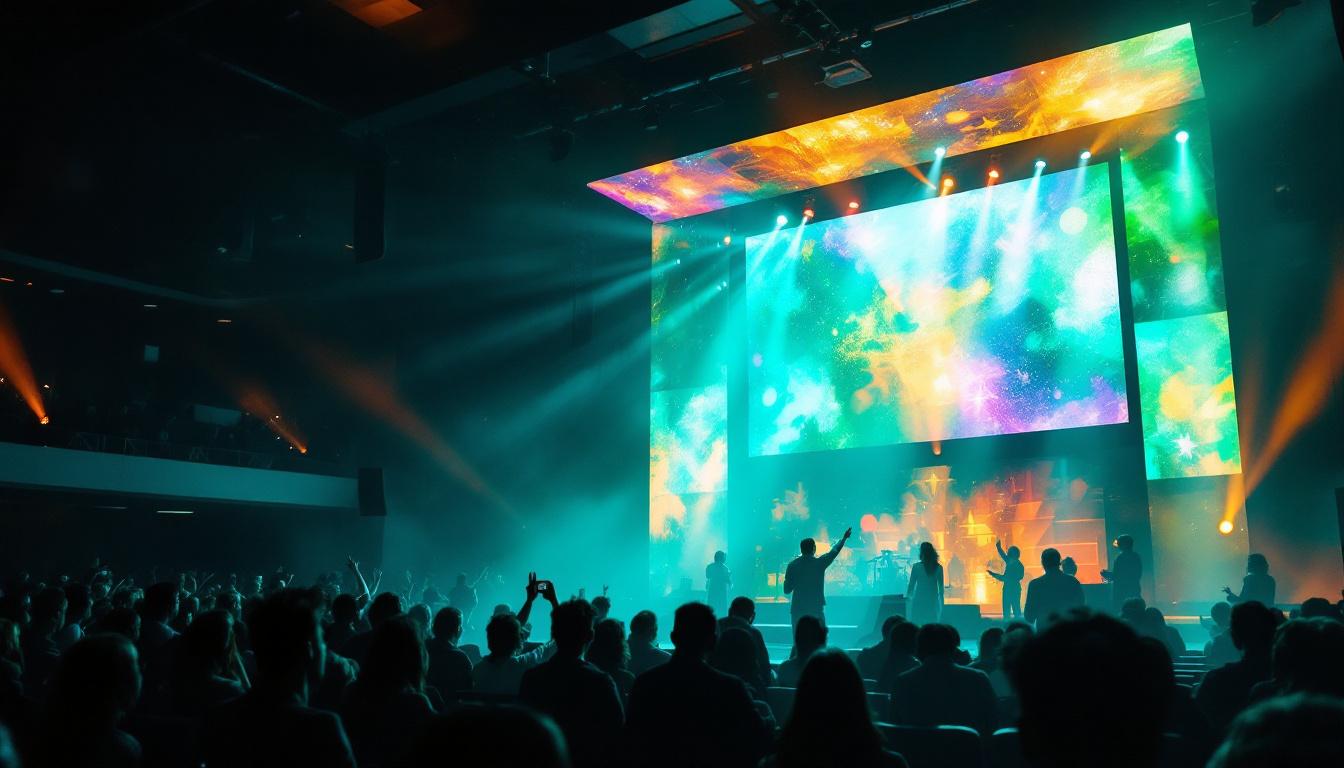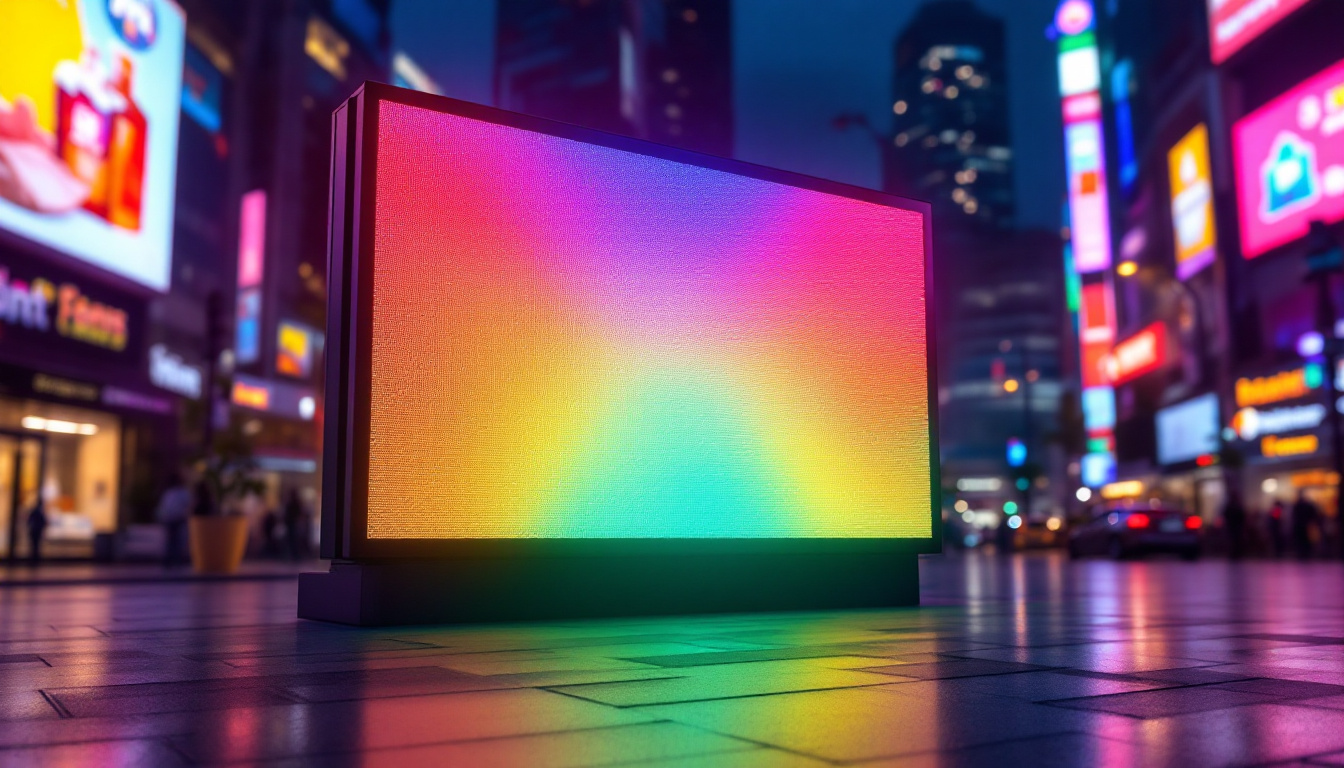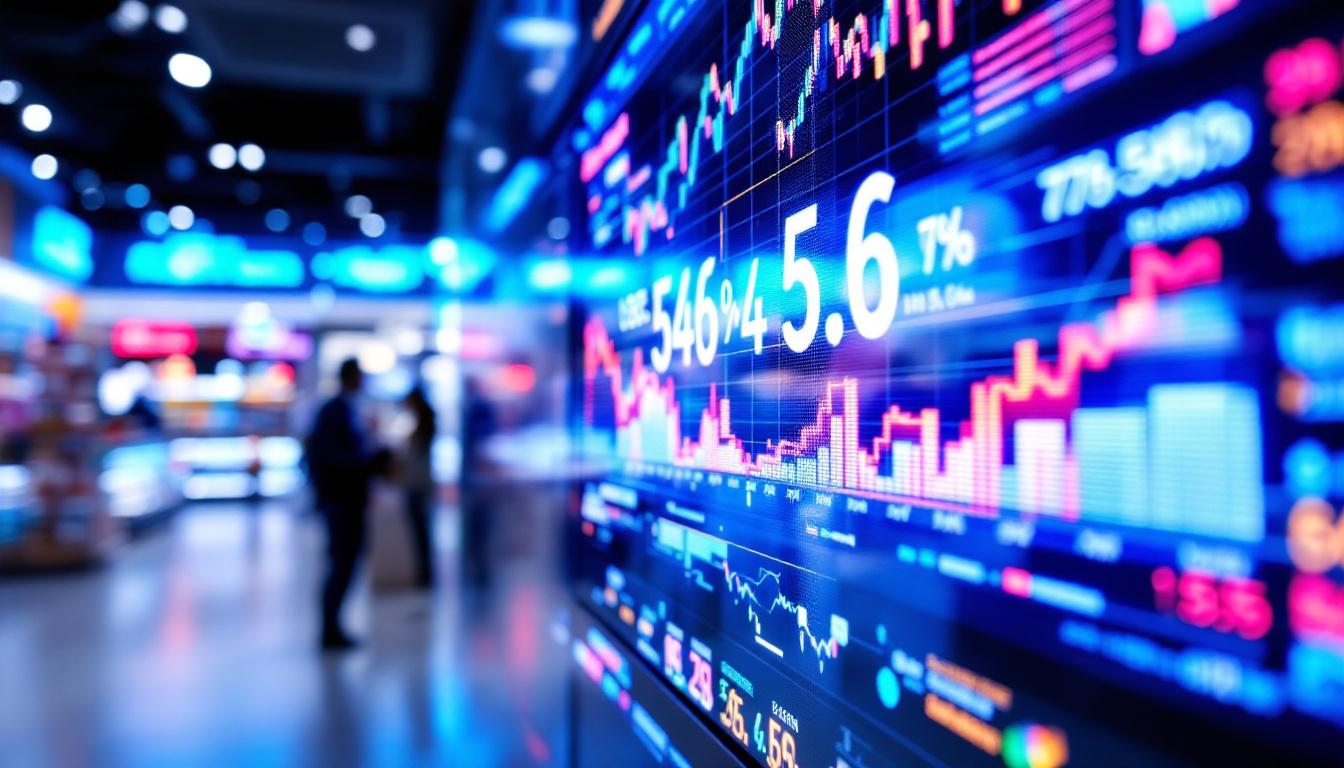
In today’s fast-paced retail and business environments, the ability to communicate clearly and attractively with customers is paramount. One of the most effective tools for achieving this is the sales monitor equipped with LED display technology. These vibrant, dynamic screens have revolutionized how businesses showcase promotions, update sales figures, and engage their audience in real time.
This article delves into the world of LED displays used as sales monitors, exploring their technology, benefits, applications, and considerations when selecting the right display for your business needs.
Understanding LED Display Technology
What is an LED Display?
LED stands for Light Emitting Diode, a semiconductor device that emits light when an electric current passes through it. An LED display is a flat panel display that uses an array of LEDs as pixels to create images, text, or videos. These displays are known for their brightness, energy efficiency, and long lifespan, making them ideal for both indoor and outdoor use.
Unlike traditional LCD or plasma screens, LED displays can achieve higher brightness levels and better contrast ratios, which is particularly useful in environments with varying lighting conditions. Their modular design allows for scalable screen sizes, from small monitors to massive video walls. Additionally, LED displays are capable of producing vibrant colors and sharp images, making them a popular choice for advertising, entertainment, and information dissemination. The technology has evolved significantly, with advancements in pixel density and refresh rates, ensuring that even fast-moving content is displayed smoothly and clearly.
Types of LED Displays Used in Sales Monitoring
Sales monitors commonly utilize two primary types of LED display technologies: Direct View LED (DVLED) and LED-backlit LCD.
- Direct View LED (DVLED): This technology uses individual LEDs as pixels, offering superior brightness and color accuracy. DVLED displays are often used for large-format sales monitors in retail stores, shopping malls, and outdoor advertising. Their ability to maintain visibility in direct sunlight makes them ideal for outdoor environments, where traditional displays might struggle.
- LED-backlit LCD: These are traditional LCD screens illuminated by LEDs behind the panel. While not as bright as DVLED, they are more cost-effective and suitable for smaller sales monitors or indoor applications. They provide a good balance between performance and price, making them a popular choice for businesses looking to monitor sales data without breaking the bank.
Choosing between these depends on factors such as viewing distance, ambient light, budget, and desired impact. For instance, in a bustling retail environment, a DVLED display might be preferred for its ability to attract attention and convey messages effectively, while an LED-backlit LCD could serve well in a more subdued office setting where cost efficiency is a priority. Furthermore, the integration of smart technology into these displays is becoming increasingly common, allowing for real-time data updates and interactive features that engage customers and enhance the shopping experience.
The Role of Sales Monitors with LED Displays in Business
Enhancing Customer Engagement
In retail and sales environments, grabbing a customer’s attention quickly is crucial. LED sales monitors excel in this aspect by delivering vivid, eye-catching visuals that can be updated instantly. According to a 2023 study by the Digital Signage Federation, businesses using dynamic digital displays saw a 30% increase in customer engagement compared to static signage.
Whether it’s showcasing limited-time offers, highlighting best-selling products, or displaying live sales data, LED displays provide a versatile platform for communication that can adapt to changing marketing strategies in real time.
Driving Sales Through Real-Time Data Visualization
Sales monitors equipped with LED displays are not just for promotional content; they also serve as powerful tools for visualizing real-time sales data. For example, in a car dealership, an LED screen can display live sales figures, inventory status, or customer testimonials, creating transparency and fostering trust.
Retail chains use these displays to motivate staff by showing sales targets and achievements, enhancing productivity. A 2022 report by Retail Tech Insights highlighted that stores using real-time sales monitors experienced a 15% uplift in sales performance due to increased staff motivation and customer awareness.
Branding and Aesthetic Appeal
LED displays contribute significantly to a brand’s visual identity. Their sleek design and vibrant colors can be customized to align with brand guidelines, creating a cohesive and professional look. This consistency helps reinforce brand recognition and loyalty.
Furthermore, LED sales monitors can be integrated into store layouts as digital signage, blending functionality with aesthetics. This integration enhances the overall shopping experience, making it more immersive and enjoyable.
Key Features to Consider When Choosing a Sales Monitor LED Display
Brightness and Contrast Ratio
The brightness of an LED display is measured in nits, with higher values indicating a brighter screen. For indoor sales monitors, a brightness level between 800 to 1500 nits is typically sufficient, while outdoor displays may require 5000 nits or more to remain visible under direct sunlight.
Contrast ratio, the difference between the darkest black and brightest white, affects image clarity and depth. A higher contrast ratio ensures that text and images stand out sharply, which is essential for readability and impact.
Resolution and Pixel Pitch
Resolution determines the detail and clarity of the displayed content. It is influenced by pixel pitch, which is the distance between the centers of two adjacent pixels. Smaller pixel pitch means higher resolution and sharper images, especially important for close viewing distances.
For sales monitors viewed from a few feet away, a pixel pitch of 1.2mm to 2.5mm is ideal. Larger pixel pitches are more suited for displays viewed from greater distances, such as outdoor billboards.
Size and Aspect Ratio
The size of the LED sales monitor should be appropriate for the space and intended viewing distance. Oversized displays in small areas can overwhelm customers, while undersized screens may fail to capture attention.
Aspect ratio, commonly 16:9 or 4:3, affects how content is formatted. Most modern LED monitors support widescreen 16:9 ratios, which are compatible with standard video and presentation formats.
Connectivity and Control Options
Modern LED sales monitors offer various connectivity options including HDMI, USB, Wi-Fi, and Ethernet. These allow seamless integration with content management systems (CMS), enabling remote updates and scheduling.
Advanced control software can automate content rotation, display analytics, and synchronize multiple screens, providing businesses with greater flexibility and efficiency in managing their sales messaging.
Applications of LED Sales Monitors Across Industries
Retail and E-commerce Stores
Retailers leverage LED sales monitors to display promotions, flash sales, and product information dynamically. In e-commerce showrooms, these displays bridge the gap between online and offline experiences by showcasing customer reviews, live inventory, and interactive catalogs.
Hospitality and Entertainment Venues
Hotels, restaurants, and entertainment venues use LED sales monitors to inform guests about special offers, events, and menu highlights. The ability to update content quickly allows these businesses to respond to changing conditions, such as happy hour timings or event schedules.
Corporate and Financial Institutions
In corporate settings, LED sales monitors display key performance indicators (KPIs), sales targets, and financial data in real time. This transparency fosters a results-driven culture and helps teams stay aligned with business objectives.
Transportation Hubs and Public Spaces
Airports, train stations, and bus terminals utilize LED displays to provide travelers with real-time updates, advertisements, and wayfinding information. Their high visibility and durability make them ideal for these high-traffic environments.
Maintenance and Longevity of LED Sales Monitors
Ensuring Optimal Performance
LED displays are known for their durability, often boasting lifespans exceeding 100,000 hours. However, maintaining optimal performance requires regular cleaning, software updates, and periodic calibration to preserve color accuracy and brightness.
Environmental factors such as dust, humidity, and temperature fluctuations can impact display longevity, so selecting displays with appropriate ingress protection (IP) ratings is crucial for outdoor or harsh environments.
Cost of Ownership
While the initial investment in LED sales monitors can be higher than traditional displays, their energy efficiency and low maintenance costs often result in lower total cost of ownership over time. Many businesses find that the increased sales and improved customer engagement justify the upfront expense.
Future Trends in LED Sales Monitor Technology
Integration with Artificial Intelligence
Emerging AI technologies are enabling LED sales monitors to deliver personalized content based on customer demographics, behavior, and preferences. For example, facial recognition and data analytics can tailor promotions to specific audiences, enhancing relevance and conversion rates.
Advancements in Flexible and Transparent Displays
Innovations in flexible LED panels allow for curved or irregularly shaped sales monitors that can be integrated into creative store designs. Transparent LED displays are also gaining traction, enabling digital content to be displayed on glass surfaces without obstructing visibility.
Increased Interactivity
Touch-enabled LED sales monitors and integration with mobile devices are transforming passive displays into interactive experiences. Customers can browse product details, customize orders, or participate in promotions directly through the screen, creating deeper engagement.
Conclusion
Sales monitors equipped with LED display technology have become indispensable tools for businesses aiming to enhance communication, boost sales, and create memorable customer experiences. Their brightness, versatility, and ability to display real-time data make them superior to traditional signage in many applications.
When selecting an LED sales monitor, it is essential to consider factors such as brightness, resolution, size, and connectivity to ensure the display meets specific business needs. Additionally, staying informed about emerging trends can help businesses leverage the latest innovations to maintain a competitive edge.
As LED technology continues to evolve, sales monitors will play an increasingly dynamic role in shaping how businesses interact with their customers and present their brand in the digital age.
Discover LumenMatrix’s Innovative LED Display Solutions
Ready to elevate your business’s visual impact and engage customers like never before? Explore LumenMatrix’s comprehensive range of LED display solutions tailored for every need—from Indoor and Outdoor LED Wall Displays to specialized options like Vehicle, Sports, and Floor LED Displays. Embrace the future of digital signage with our Custom, All-in-One, and Transparent LED Displays, designed to bring your brand’s message to life with unparalleled clarity and vibrancy. Check out LumenMatrix LED Display Solutions today and transform your sales monitor into a powerful tool for success.