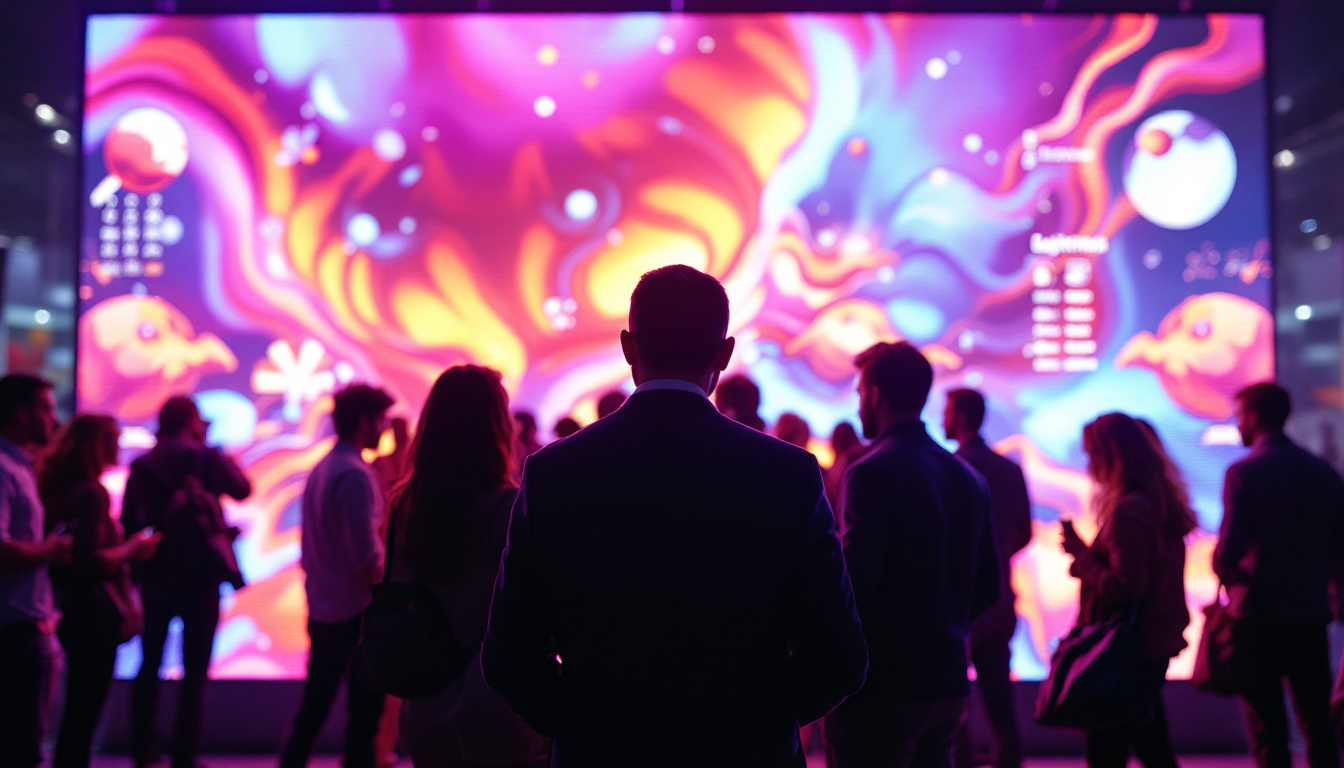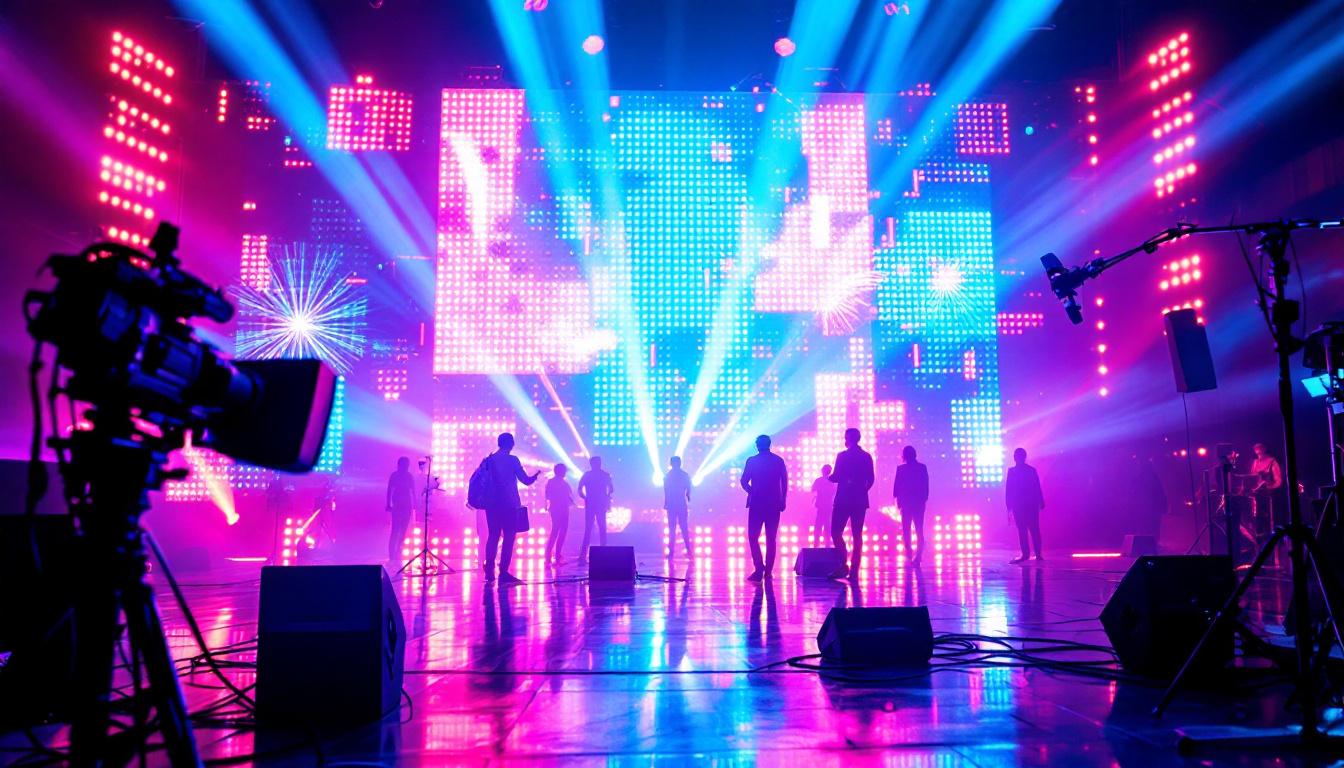
Virtual video production has revolutionized the way filmmakers, advertisers, and content creators approach visual storytelling. Central to this transformation is the use of LED display technology, which enables immersive, dynamic backgrounds that replace traditional green screens. This article delves into the fundamentals of LED displays in virtual video production, exploring their technology, benefits, challenges, and future prospects.
Understanding LED Displays in Virtual Video Production
What Are LED Displays?
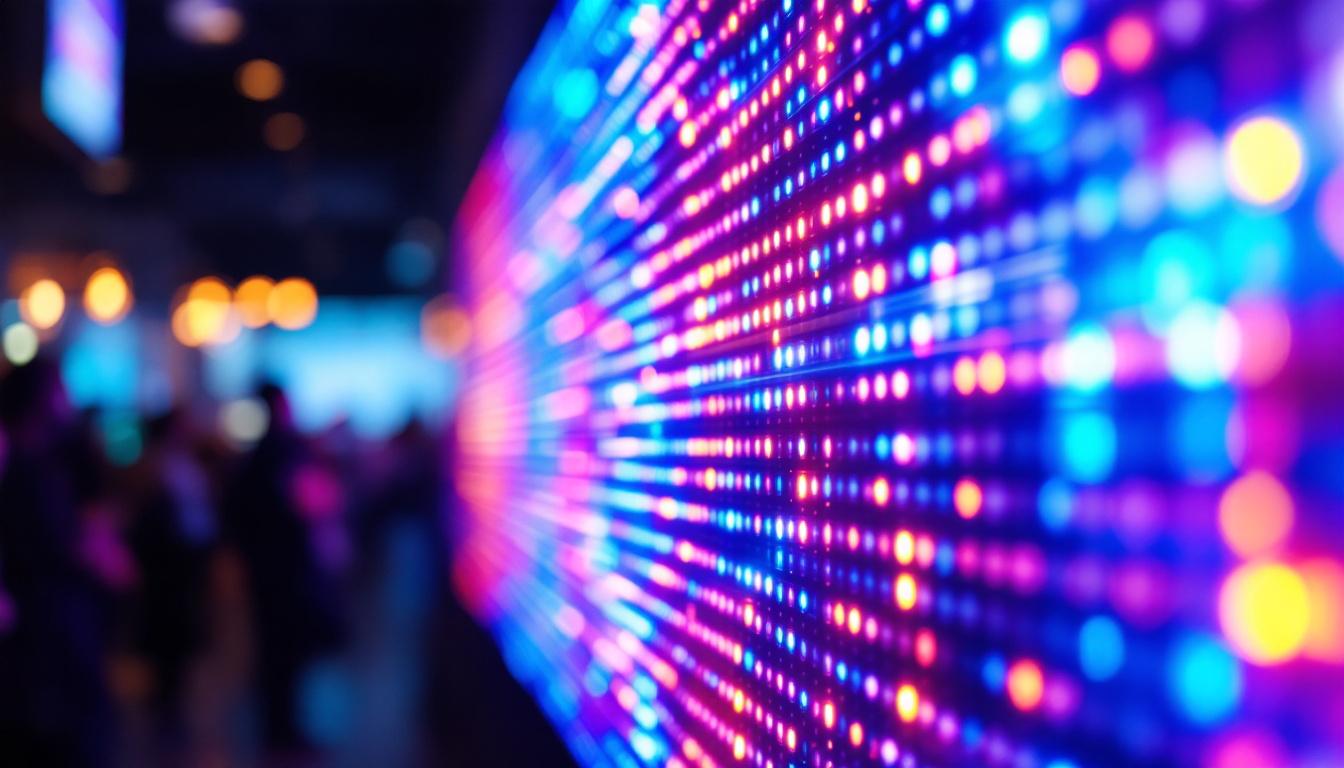
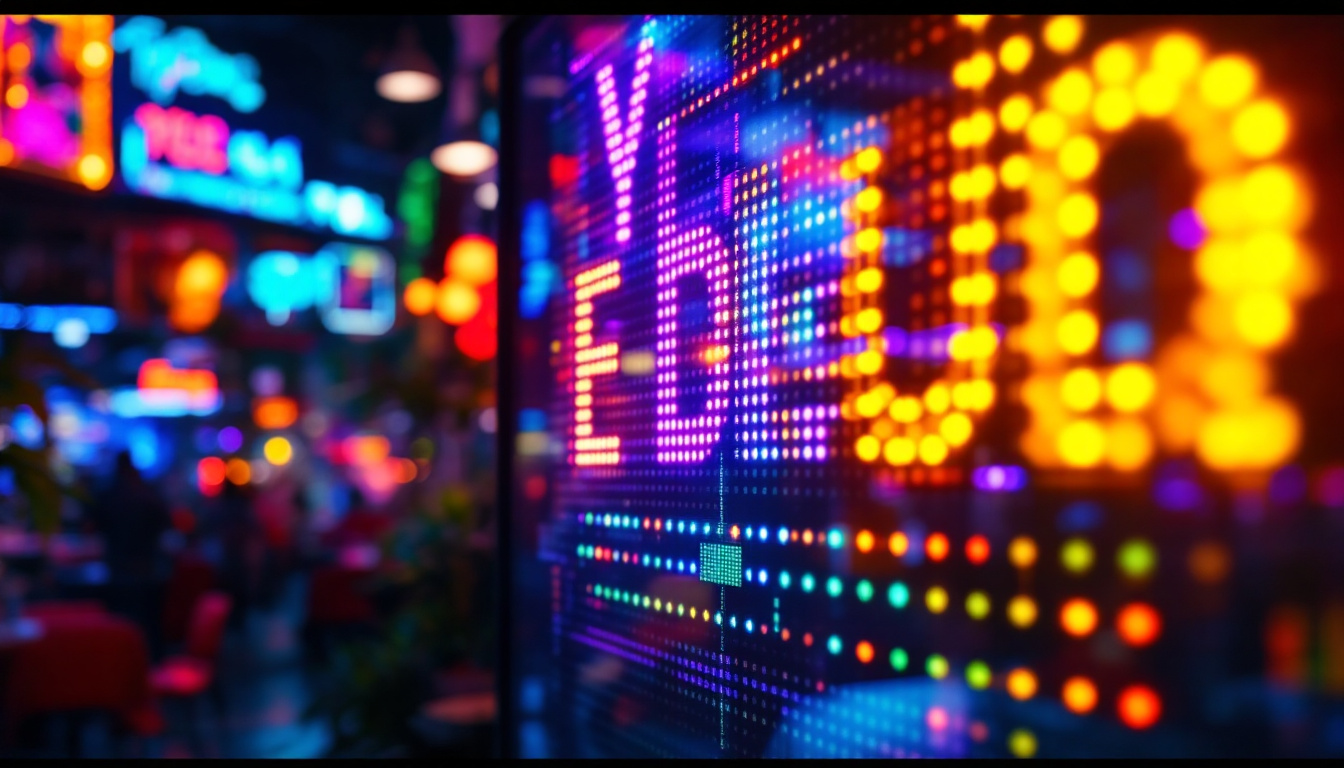
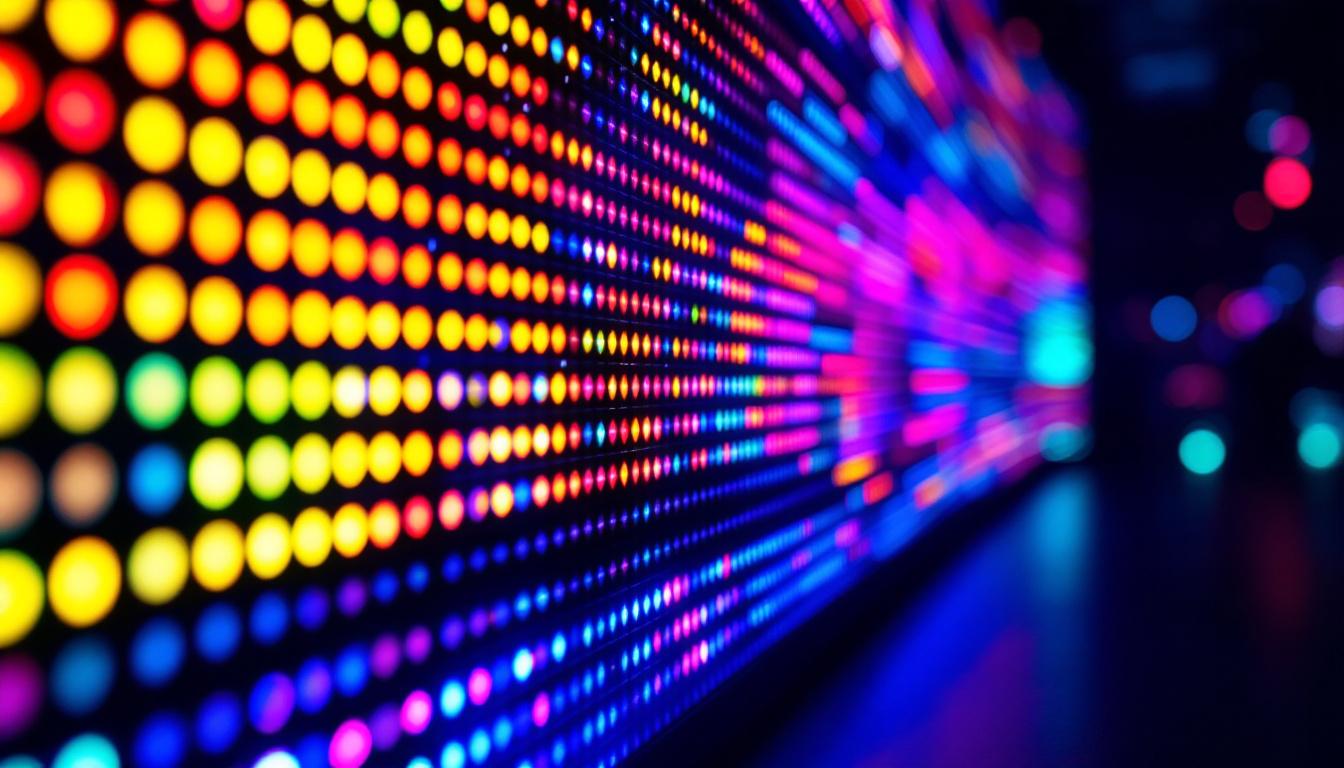
LED (Light Emitting Diode) displays consist of numerous tiny diodes that emit light when an electric current passes through them. These diodes are arranged in panels that can be combined to create large, high-resolution screens. Unlike traditional projection systems, LED displays produce their own light, resulting in vibrant colors and high contrast ratios.
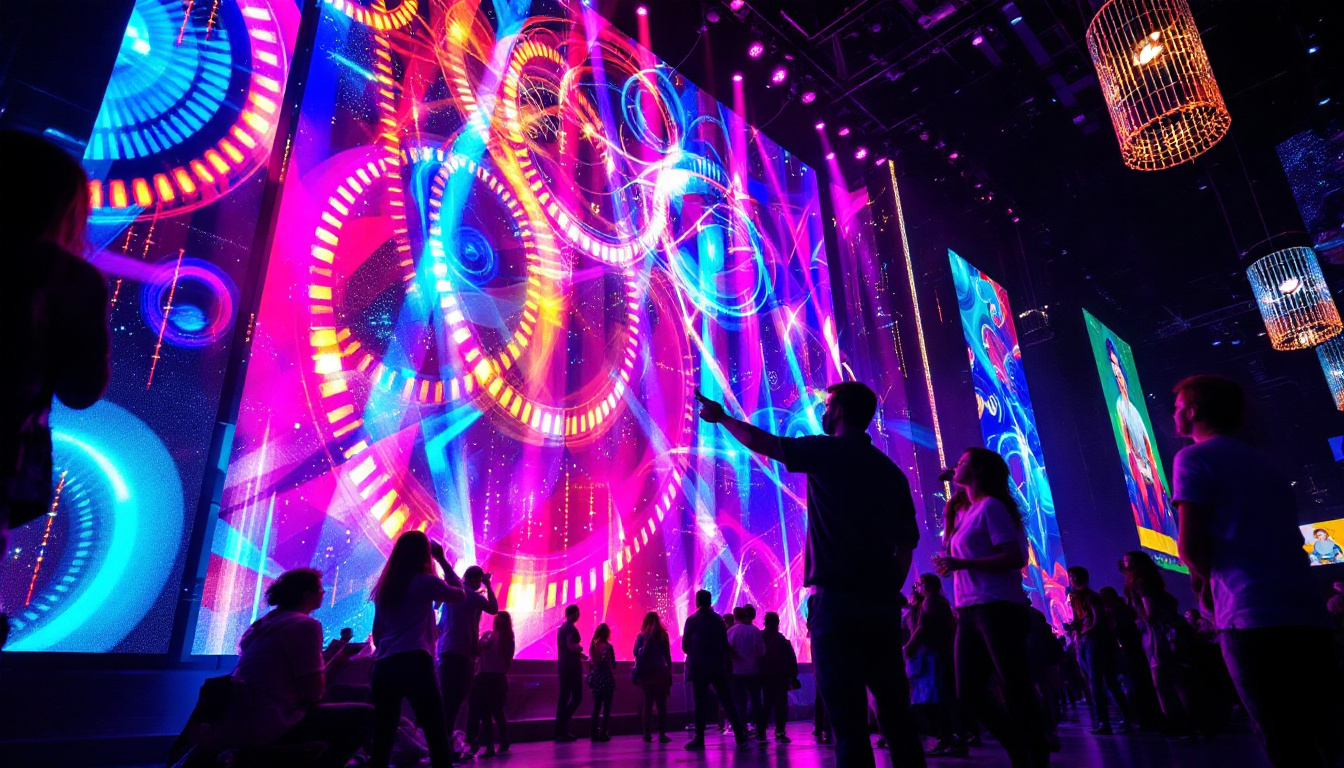
In virtual video production, these LED panels serve as dynamic backgrounds that can display any digital environment in real time. This capability allows filmmakers to create realistic settings without leaving the studio, blending physical and digital elements seamlessly. The flexibility of LED technology means that intricate details, such as moving clouds or shifting landscapes, can be rendered live, providing a more immersive experience for both the actors and the audience. This innovation has revolutionized the way scenes are shot, enabling a level of creativity and spontaneity that was previously unattainable.
How LED Displays Differ from Green Screens
Green screens have been a staple in video production for decades, allowing for background replacement during post-production. However, this method requires extensive compositing work and can lead to lighting inconsistencies and reflections on actors or props.
LED displays, on the other hand, offer real-time visualization of backgrounds, enabling actors and directors to interact with their environment more naturally. The LED panels emit light that matches the virtual scene, producing realistic reflections and lighting effects on the subjects in front of the screen. This reduces post-production time and enhances the overall visual fidelity. Additionally, because the LED panels can display high-quality, moving images, they eliminate the common pitfalls associated with green screens, such as color spill and the need for meticulous keying. This results in a more efficient workflow, allowing filmmakers to focus on storytelling rather than technical challenges.
Moreover, the use of LED displays can significantly enhance the viewer’s experience. With the ability to adjust the brightness and color temperature of the panels, filmmakers can create a cohesive visual atmosphere that aligns perfectly with the narrative tone. For instance, a bright, sunny day can be simulated with vibrant colors and high brightness, while a moody, dramatic scene can utilize darker hues and softer lighting. This adaptability not only enriches the visual storytelling but also allows for a more engaging and immersive experience for the audience, as they are drawn into the world being created on screen.
Technical Aspects of LED Displays in Virtual Production
Resolution and Pixel Pitch
The quality of an LED display is largely determined by its resolution and pixel pitch. Resolution refers to the total number of pixels on the screen, while pixel pitch is the distance between the centers of two adjacent pixels, measured in millimeters.
A smaller pixel pitch means higher pixel density, resulting in sharper images. For virtual production, pixel pitches typically range from 1.5mm to 2.5mm, balancing clarity and cost-effectiveness. High-resolution LED walls allow for close-up shots without visible pixelation, which is crucial for maintaining realism.
Refresh Rate and Color Accuracy
Refresh rate, measured in hertz (Hz), indicates how many times per second the display updates its image. Higher refresh rates reduce flicker and motion blur, essential for capturing smooth video footage. Modern LED displays used in virtual production often support refresh rates of 120Hz or higher.
Color accuracy is another critical factor. Advanced LED panels use sophisticated calibration techniques to ensure colors match the intended digital environment precisely. This accuracy helps maintain consistency across shots and scenes, minimizing the need for color correction in post-production.
Integration with Real-Time Engines
LED displays in virtual production are typically driven by real-time rendering engines such as Unreal Engine or Unity. These engines generate the digital environments displayed on the LED walls, allowing for dynamic changes in lighting, perspective, and content based on camera movements.
Camera tracking systems synchronize the virtual background with the physical camera’s position and angle, creating parallax effects that enhance depth perception. This integration is key to achieving immersive and believable virtual sets.
Benefits of Using LED Displays in Virtual Video Production
Enhanced Realism and Immersion
One of the most significant advantages of LED displays is the ability to create highly realistic environments that actors can interact with naturally. The dynamic lighting emitted by the screens casts accurate reflections and shadows, which are difficult to replicate with green screen setups.
This realism improves performances, as actors can respond to their surroundings more authentically. It also benefits directors and cinematographers, who can see the final composition live, enabling better creative decisions on set.
Time and Cost Efficiency
Traditional green screen productions often require extensive post-production work, including rotoscoping, keying, and background replacement. LED displays reduce these steps by delivering the final background in-camera.
This shift can significantly cut down editing time and costs. Additionally, virtual production minimizes the need for location shoots, travel expenses, and elaborate set constructions, making it an economical choice for many projects.
Creative Flexibility
LED walls allow for instant changes to the environment, lighting conditions, and time of day without reshooting or waiting for weather changes. Directors can experiment with different looks on the fly, fostering creativity and innovation.
Moreover, virtual sets can be designed to accommodate complex visual effects, fantastical worlds, or historical settings that would be impractical or impossible to build physically.
Challenges and Considerations in LED Virtual Production
Initial Investment and Setup Complexity
While LED virtual production offers long-term savings, the upfront costs for LED panels, real-time rendering hardware, and camera tracking systems can be substantial. Smaller studios or independent filmmakers may find these expenses prohibitive.
Additionally, setting up and calibrating the LED walls requires technical expertise. Ensuring seamless panel alignment, color uniformity, and synchronization with tracking systems demands careful planning and skilled personnel.
Lighting and Exposure Management
Although LED displays emit their own light, balancing this with traditional studio lighting is critical. Overly bright LED panels can cause exposure issues or unwanted glare, while insufficient lighting may result in flat or unnatural visuals.
Achieving the right balance requires collaboration between lighting technicians, cinematographers, and virtual production specialists. Proper testing and adjustments are essential to optimize image quality.
Limitations in Resolution and Viewing Angles
Despite advances, LED displays have physical limitations. Pixel pitch and resolution constraints mean that extremely close camera angles may reveal the screen’s grid structure, breaking the illusion.
Viewing angles can also affect image quality; colors and brightness may shift when viewed from extreme angles. Careful camera placement and shot composition help mitigate these issues, but they remain considerations during production planning.
Case Studies: LED Displays in Action
“The Mandalorian” and the Rise of Virtual Sets
One of the most prominent examples of LED virtual production is the Disney+ series “The Mandalorian.” Utilizing a technology called StageCraft, the production team employed massive LED volumes to create immersive environments that responded dynamically to camera movements.
This approach allowed for real-time visualization of alien landscapes and futuristic cities, significantly reducing location shoots and post-production compositing. The success of “The Mandalorian” has inspired widespread adoption of LED virtual production techniques across the industry.
Advertising Campaigns Leveraging LED Walls
Major brands have embraced LED virtual production for commercials, taking advantage of its flexibility and visual impact. For instance, automotive ads often use LED displays to simulate driving through diverse environments without the logistical challenges of on-location filming.
This method enables rapid iteration of scenes and seamless integration of CGI elements, resulting in polished, high-quality content delivered on tight schedules.
The Future of LED Displays in Virtual Video Production
Advancements in LED Technology
Ongoing innovations in LED manufacturing are pushing pixel pitches even lower, enabling ultra-high-definition displays suitable for close-up shots. Flexible and transparent LED panels are also emerging, expanding creative possibilities for set design.
Improvements in energy efficiency and durability are making LED walls more sustainable and cost-effective, encouraging broader adoption.
Integration with Augmented Reality and AI
The convergence of LED virtual production with augmented reality (AR) and artificial intelligence (AI) promises to redefine content creation. AI-driven rendering can optimize scenes in real time, while AR elements can be layered onto LED backgrounds to enhance interactivity.
These technologies will empower creators to produce increasingly complex and immersive narratives, blurring the lines between physical and digital worlds.
Expanding Accessibility
As costs decrease and workflows simplify, LED virtual production is becoming accessible to smaller studios and independent creators. Cloud-based rendering and modular LED systems enable scalable solutions tailored to diverse production needs.
This democratization of technology is expected to foster innovation and diversity in storytelling across film, television, advertising, and live events.
Conclusion
LED displays have fundamentally transformed virtual video production by providing vibrant, real-time digital environments that enhance realism, efficiency, and creative flexibility. While challenges remain in cost and technical complexity, the benefits of LED virtual production are driving rapid adoption across the entertainment industry.
With continuous advancements in display technology, real-time rendering, and integration with emerging tools like AI and AR, the future of LED virtual production looks promising. As this technology becomes more accessible, it will open new frontiers for immersive storytelling and visual innovation.
Discover LumenMatrix LED Display Solutions
Ready to take your virtual video production to the next level? Explore LumenMatrix’s comprehensive range of LED display modules, designed to bring your creative visions to life. Whether you need an Indoor LED Wall Display for studio work, an Outdoor LED Wall Display for large-scale events, or specialized solutions like Vehicle LED Displays and LED Sports Displays, LumenMatrix has the technology to enhance your brand visibility and captivate your audience. Embrace the future of immersive storytelling with our cutting-edge digital signage and LED display solutions. Check out LumenMatrix LED Display Solutions today and transform your visual communication with clarity and impact.