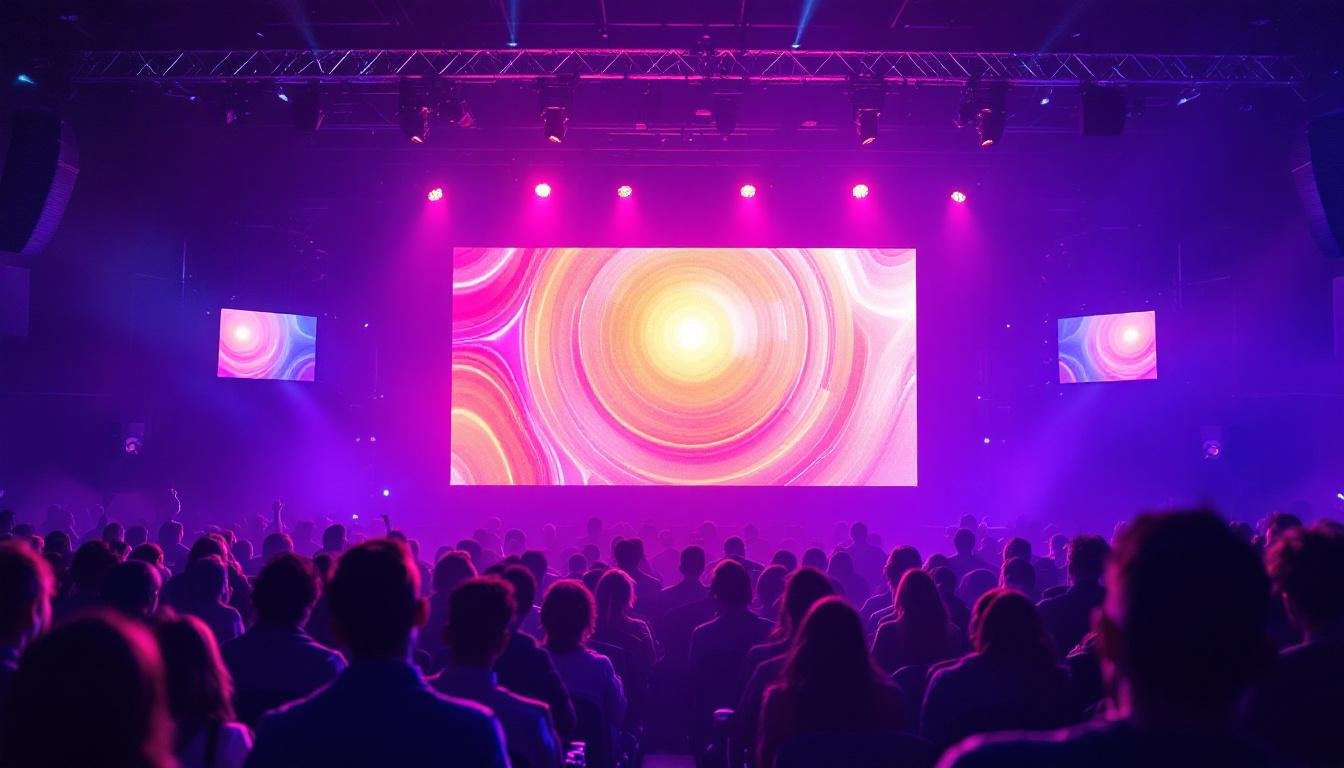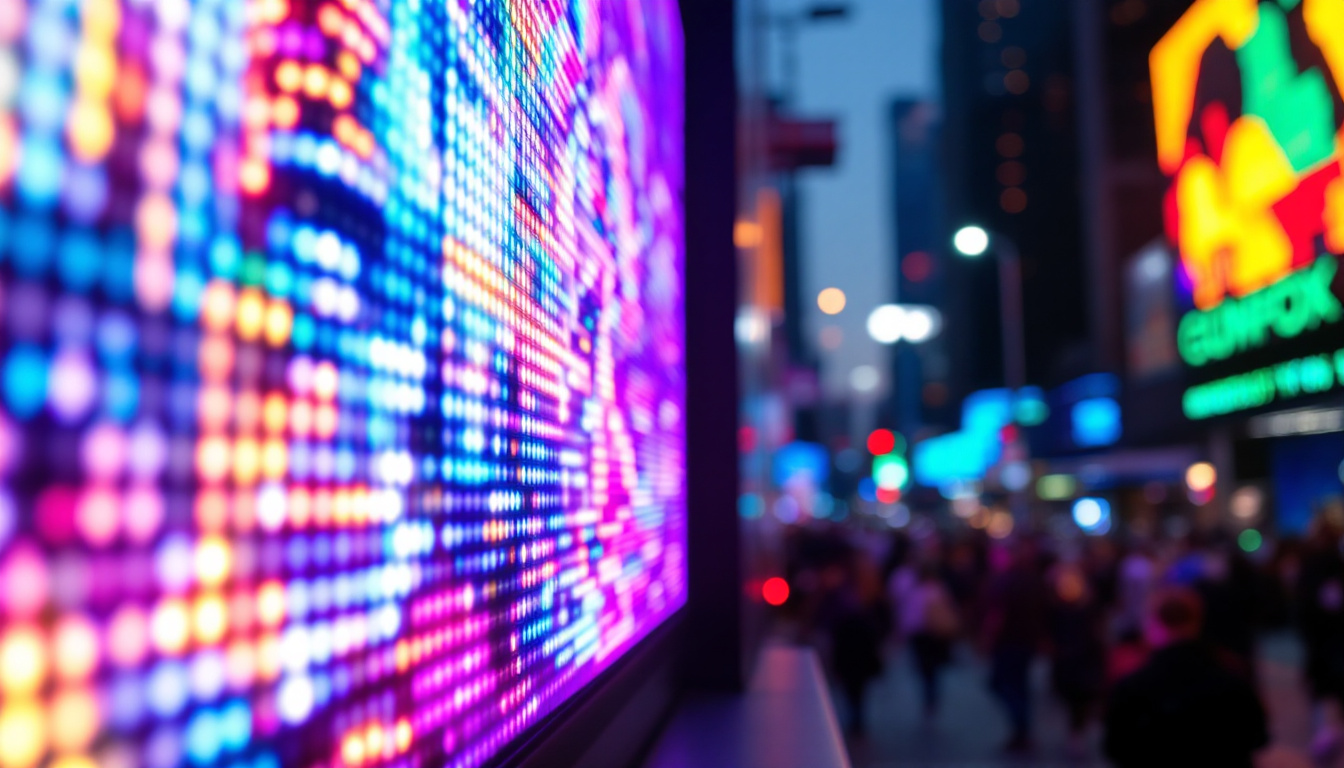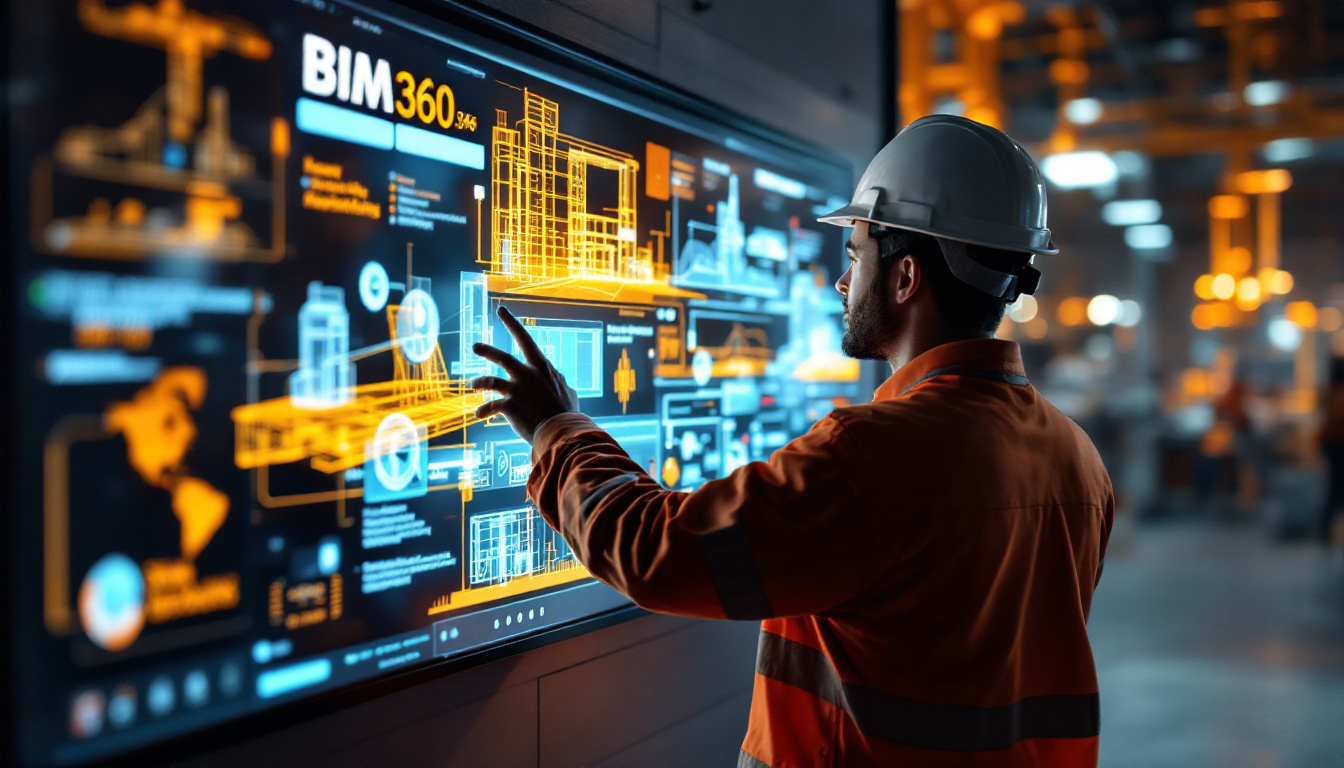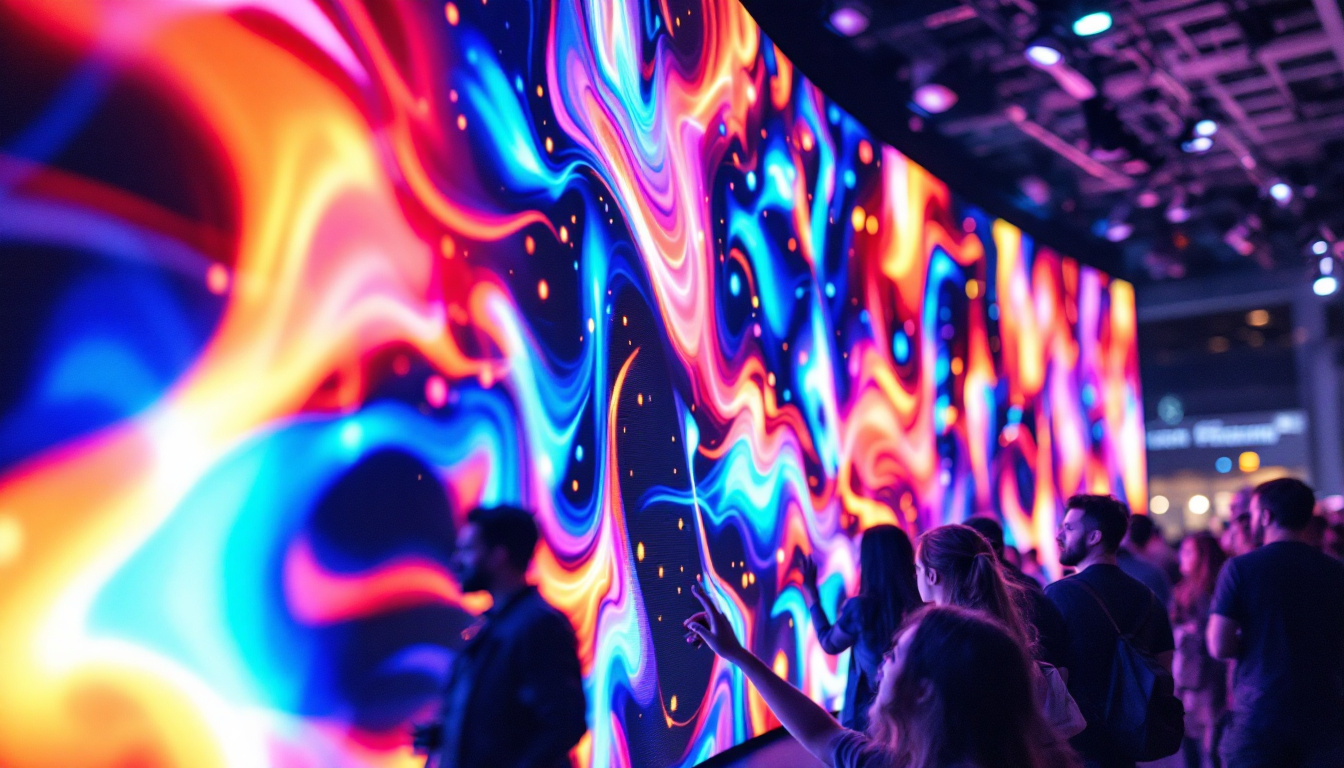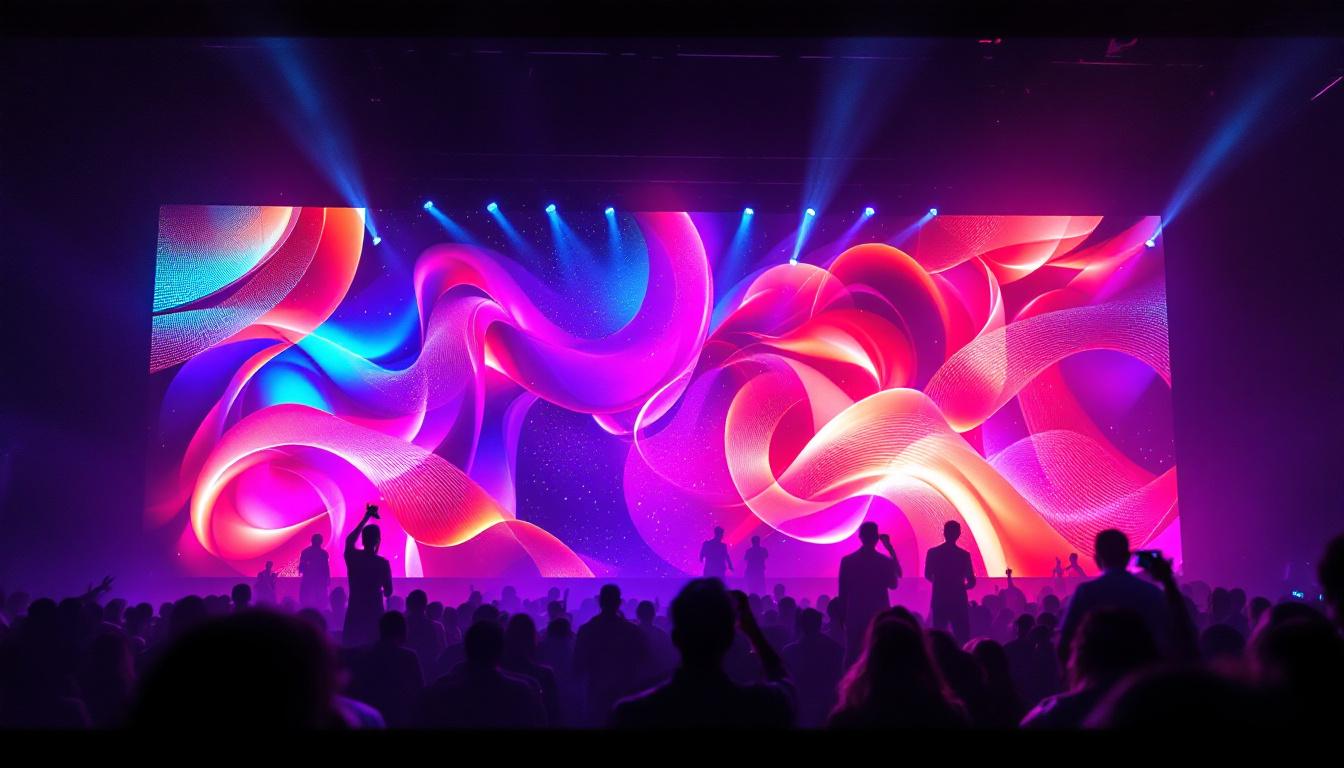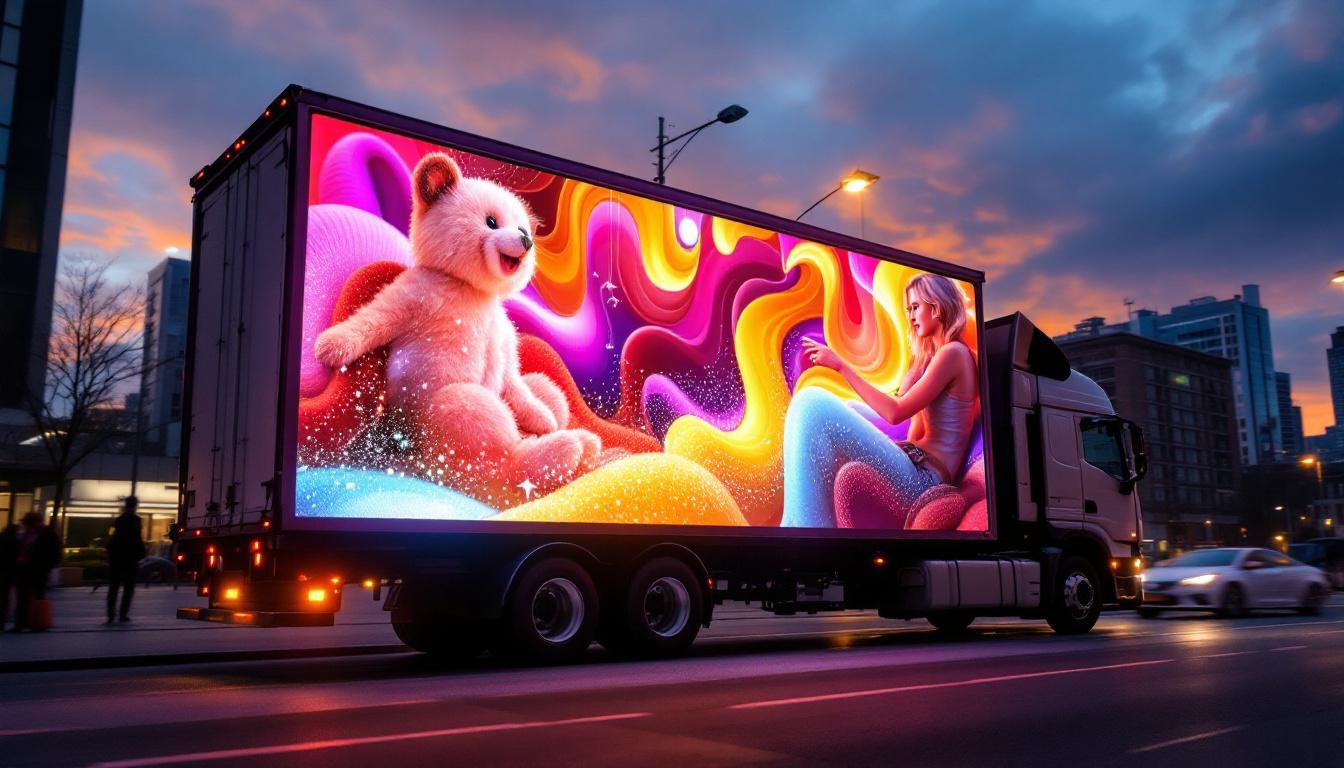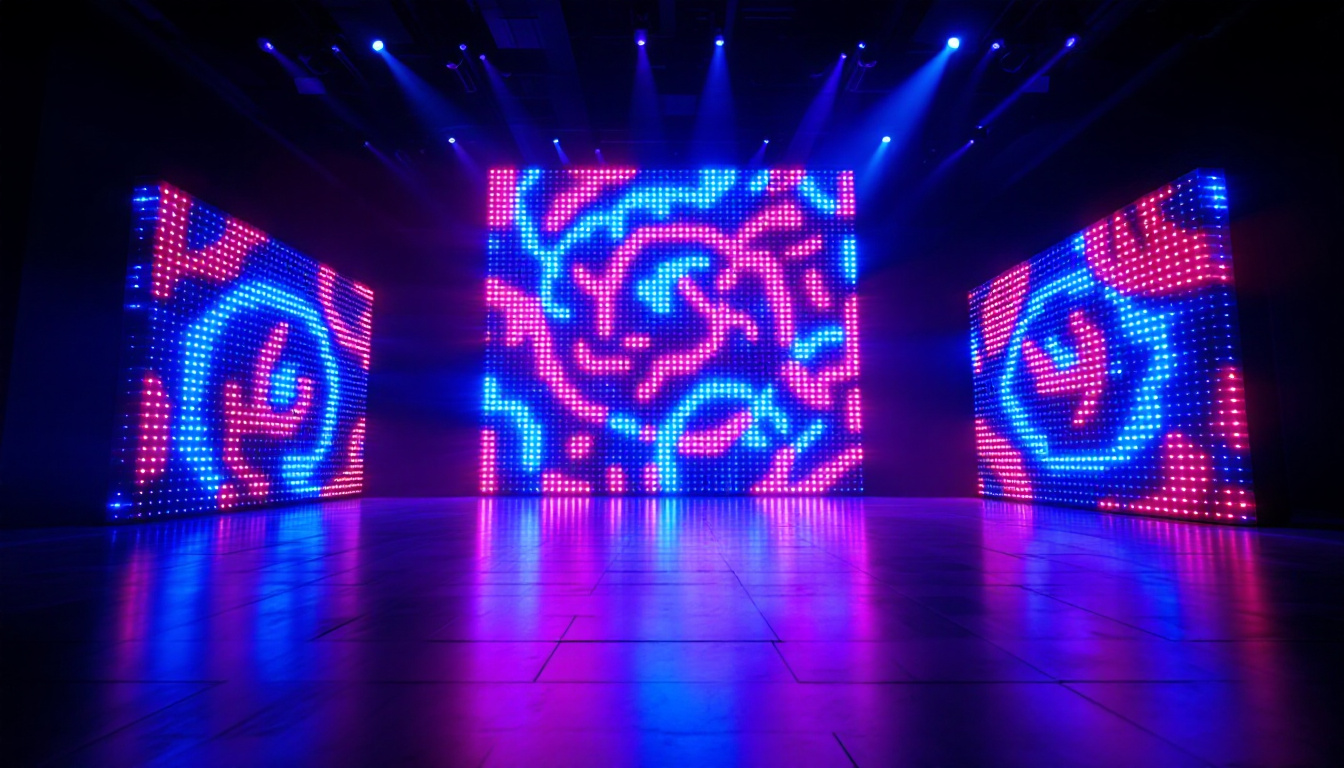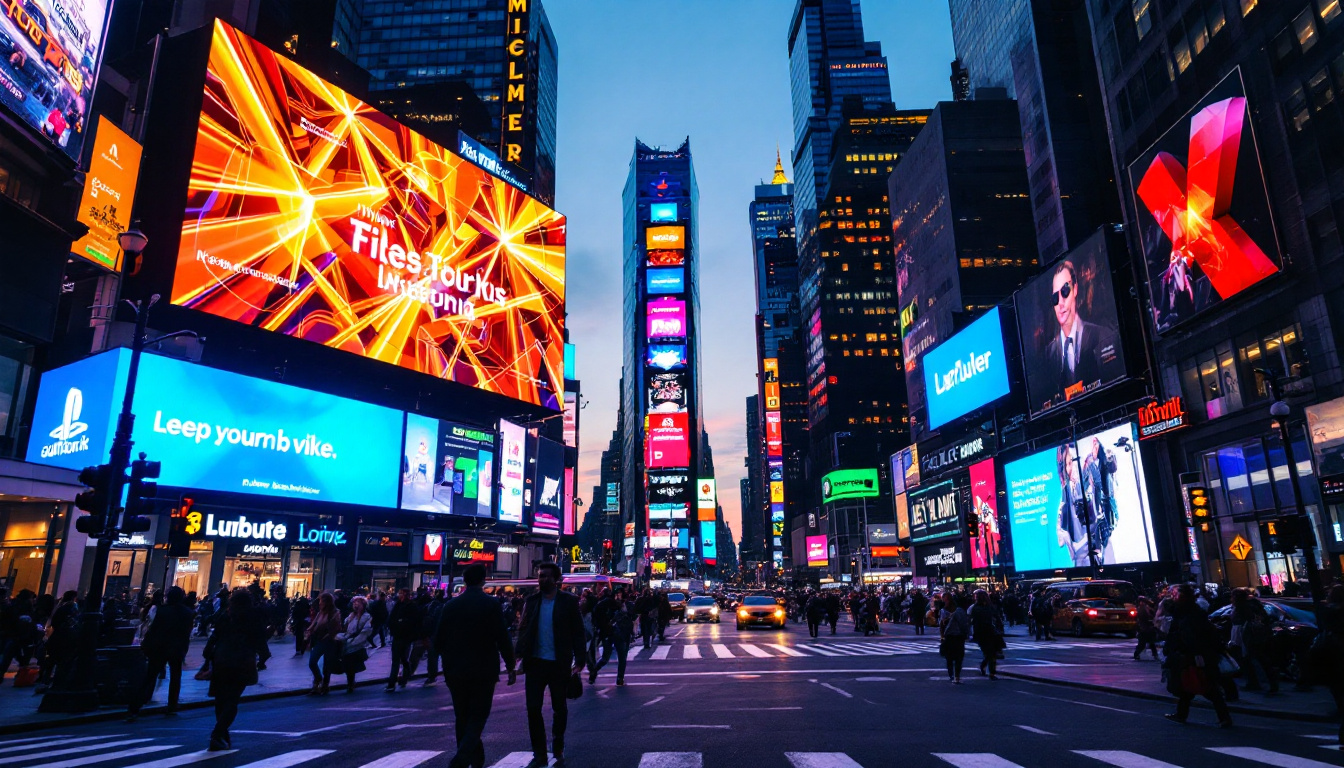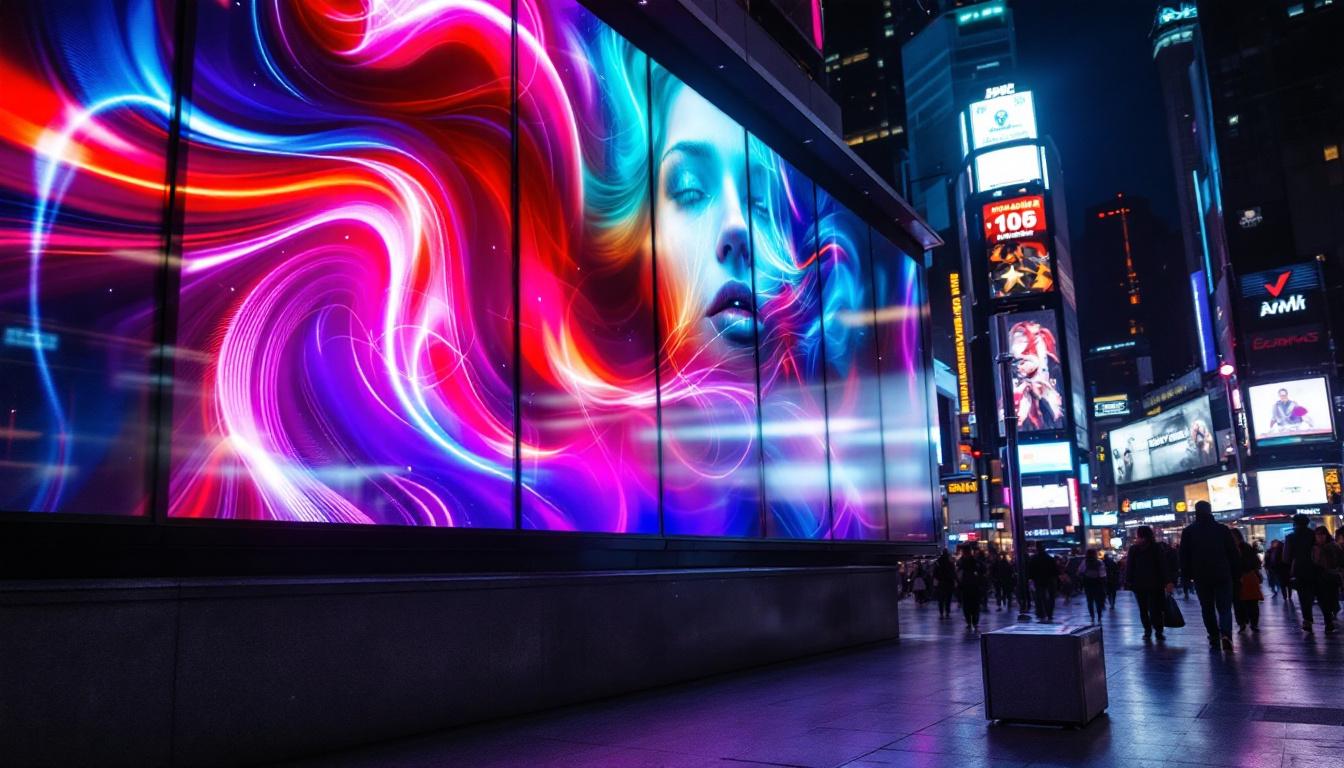
In an era where visual communication dominates, LED displays have emerged as a cornerstone technology in digital signage. From bustling city centers to retail stores, stadiums, and corporate environments, LED displays captivate audiences with vibrant colors, dynamic content, and unparalleled visibility. This article delves into the fundamentals of LED displays, their technological underpinnings, applications, and the reasons behind their growing prominence in digital signage solutions worldwide.
Understanding LED Display Technology
What is an LED Display?
LED, or Light Emitting Diode, displays are screens composed of numerous tiny light sources called diodes. These diodes emit light when an electric current passes through them, producing bright and vivid images. Unlike traditional LCD or plasma screens, LED displays use these individual diodes as pixels, which can be controlled independently to create images, videos, and animations.
LED displays come in various forms, including direct-view LED panels and LED-backlit LCDs. In digital signage, direct-view LED displays are the most common due to their superior brightness and scalability. Each pixel in these displays consists of red, green, and blue diodes, allowing for a full spectrum of colors through color mixing techniques. This capability not only enhances the visual experience but also enables the display of high-definition content that captivates audiences in various settings, from retail environments to large-scale events.
Moreover, the energy efficiency of LED technology contributes significantly to its popularity. Compared to traditional display technologies, LED displays consume less power while providing brighter images, making them an environmentally friendly choice. This efficiency is particularly beneficial for large installations, where energy costs can be substantial over time.
How Do LED Displays Work?
The core principle behind LED displays is the modulation of light intensity from each diode to form images. The display controller sends signals to the LEDs, adjusting their brightness and color to render the desired content. This process happens thousands of times per second, ensuring smooth motion and high refresh rates. The rapid response time of LEDs also allows for dynamic content changes, making them ideal for environments where information needs to be updated frequently, such as in transportation hubs or sports arenas.
Modern LED displays use surface-mount technology (SMT) to place diodes on circuit boards with precision, enabling high pixel density and fine image detail. The pixel pitch, or the distance between the centers of two adjacent pixels, is a critical specification influencing image clarity and viewing distance. Smaller pixel pitches deliver sharper images but are more costly and typically used for indoor applications where viewers are close to the screen. Additionally, advancements in LED technology have led to the development of high dynamic range (HDR) capabilities, allowing for greater contrast and a more immersive viewing experience, especially in environments with varying lighting conditions.
Types of LED Displays
LED displays can be broadly categorized based on their application and construction:
- Indoor LED Displays: Designed for environments with controlled lighting, these displays have smaller pixel pitches (often between 1.2mm and 4mm) to provide high resolution at close viewing distances. They are commonly used in venues such as theaters, conference rooms, and retail spaces, where clarity and detail are paramount.
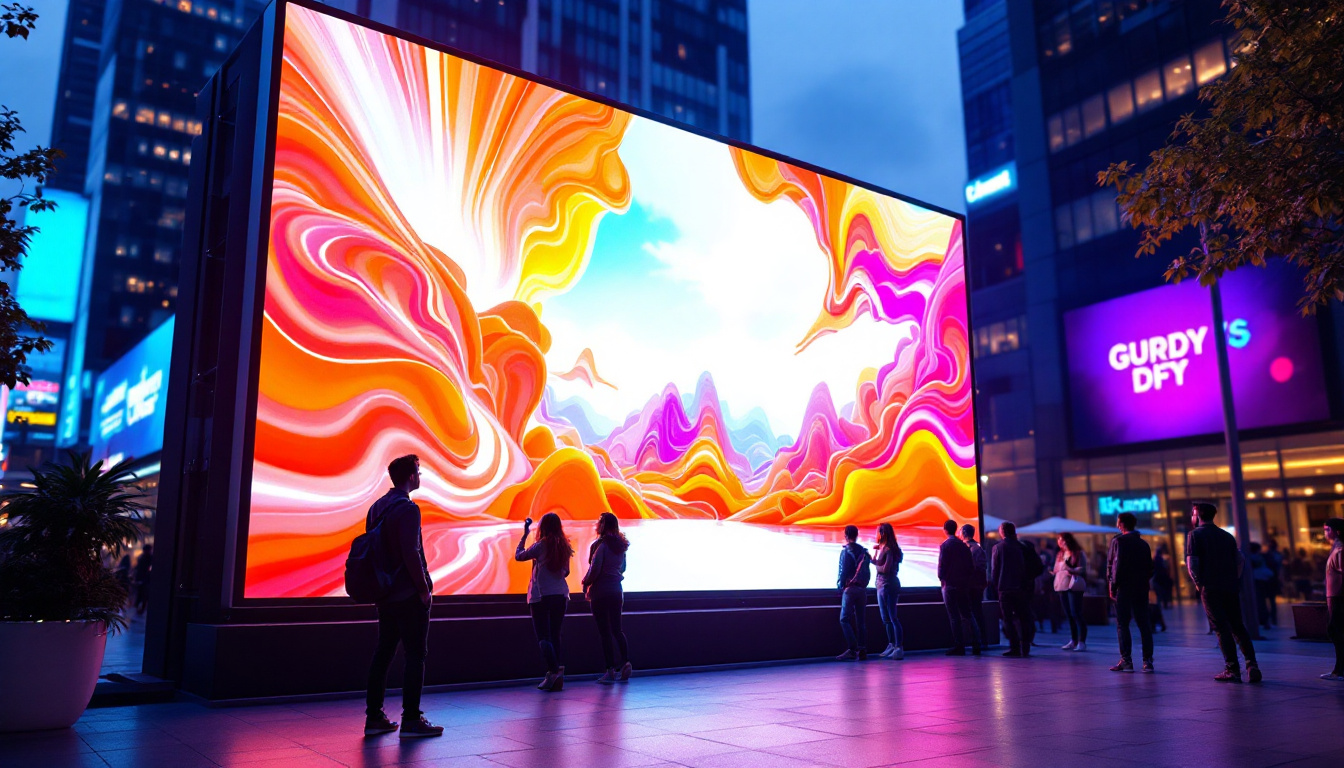
- Outdoor LED Displays: Built to withstand harsh weather conditions, these displays have larger pixel pitches (typically 6mm to 20mm) and higher brightness levels (up to 8,000 nits or more) to remain visible in direct sunlight. Their rugged construction ensures durability, making them suitable for billboards, stadiums, and public transportation displays.
- Transparent LED Displays: These innovative screens allow light to pass through, making them ideal for storefront windows and architectural applications where maintaining natural light is important. They offer a unique way to showcase products while still allowing visibility into the space behind the display, creating an engaging shopping experience.
- Flexible and Curved LED Displays: Utilizing bendable circuit boards, these displays can conform to non-flat surfaces, offering creative possibilities in design and installation. This flexibility opens up new avenues for artistic expression in advertising and event staging, allowing designers to create immersive environments that captivate audiences.
Advantages of LED Displays in Digital Signage
Exceptional Brightness and Visibility
One of the most significant advantages of LED displays is their brightness. Outdoor LED screens can reach brightness levels exceeding 8,000 nits, making them easily visible even under direct sunlight. This is crucial for digital signage in outdoor environments such as billboards, transportation hubs, and sports arenas, where ambient light conditions vary widely.
Indoor LED displays also benefit from high brightness and contrast ratios, which enhance image quality and ensure content stands out in brightly lit commercial spaces. This superior visibility translates to higher viewer engagement and better communication effectiveness.
Energy Efficiency and Longevity
Compared to older display technologies like incandescent bulbs or plasma screens, LEDs are highly energy-efficient. They consume less power for the same level of brightness, reducing operational costs for businesses. Additionally, LED displays have a long lifespan, often rated between 50,000 to 100,000 hours of operation, which means lower maintenance and replacement expenses over time.
Flexibility and Scalability
LED displays can be manufactured in virtually any size and shape, from small indoor panels to massive outdoor video walls spanning hundreds of square meters. This scalability allows businesses to tailor digital signage solutions to their specific needs, whether it’s a compact menu board or a large advertising billboard.
Moreover, modular LED panels can be assembled and disassembled with ease, facilitating installation, maintenance, and upgrades. This flexibility is especially valuable for event organizers and retailers who require adaptable signage solutions.
High Refresh Rates and Color Accuracy
Modern LED displays support high refresh rates, often exceeding 3,000 Hz, which eliminates flicker and ensures smooth video playback. This feature is particularly important for capturing attention in dynamic environments and for applications involving live broadcasts or interactive content.
Color accuracy and consistency are also strengths of LED technology. With advanced calibration techniques, LED displays can reproduce a wide color gamut, making them suitable for branding and marketing where color fidelity is critical.
Applications of LED Displays in Digital Signage
Retail and Advertising
Retail environments leverage LED displays to create immersive shopping experiences and promote products effectively. Digital signage with LED technology allows for dynamic content updates, targeted advertising, and interactive promotions. For example, global brands use LED video walls in flagship stores to showcase new collections, seasonal campaigns, and real-time social media feeds.
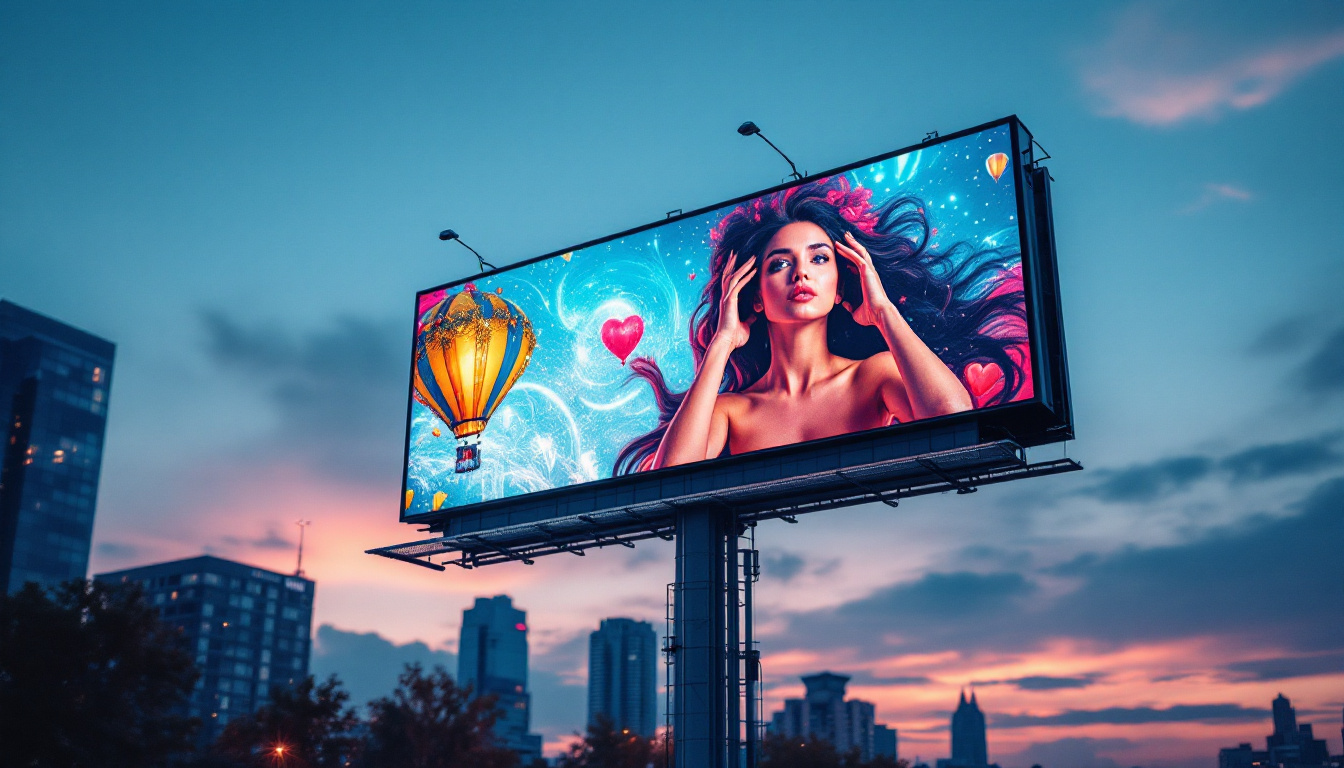
Outdoor LED billboards have transformed the advertising landscape by enabling advertisers to deliver timely, eye-catching messages. According to the Outdoor Advertising Association of America, digital out-of-home advertising, which heavily relies on LED displays, has seen a compound annual growth rate of over 15% in recent years, reflecting its effectiveness and popularity.
Transportation and Public Spaces
Airports, train stations, and bus terminals utilize LED displays for passenger information, wayfinding, and emergency notifications. The high brightness and reliability of LED screens ensure that critical information is visible at all times, improving the overall travel experience.
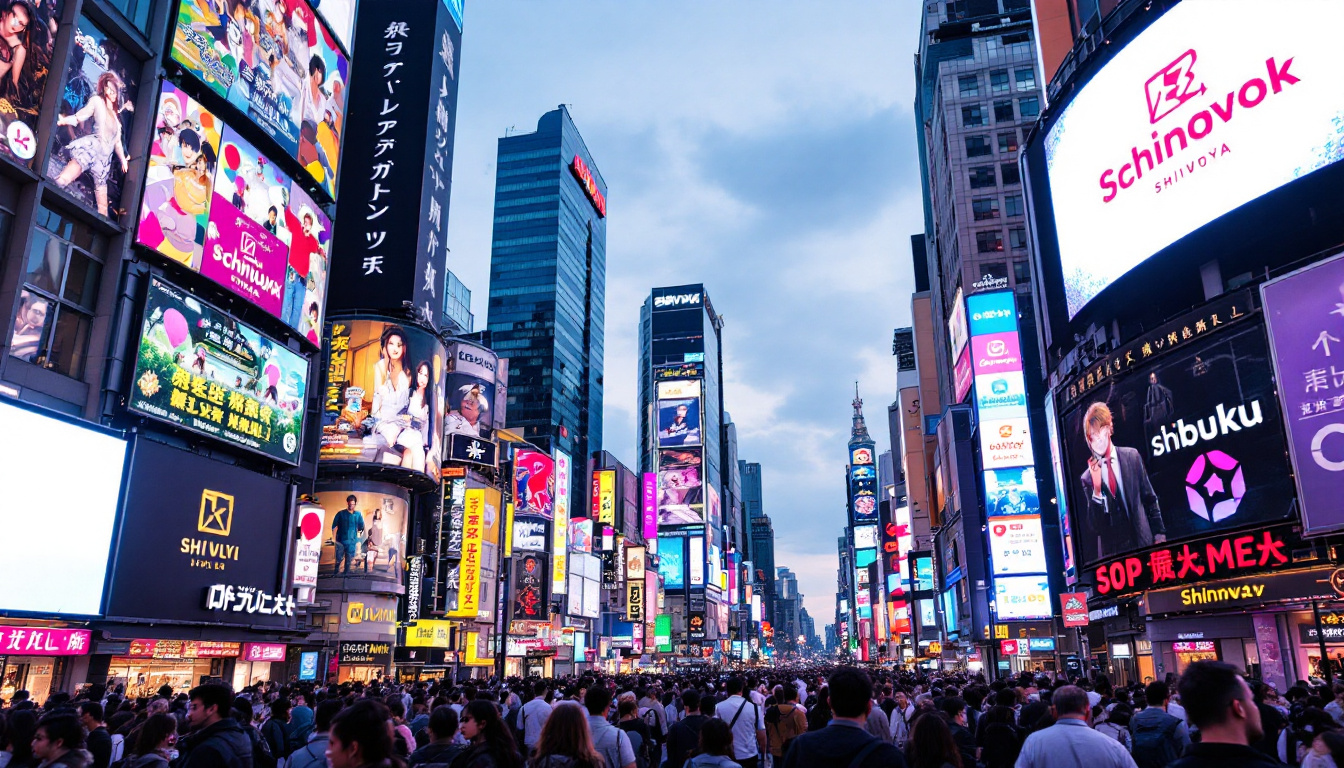
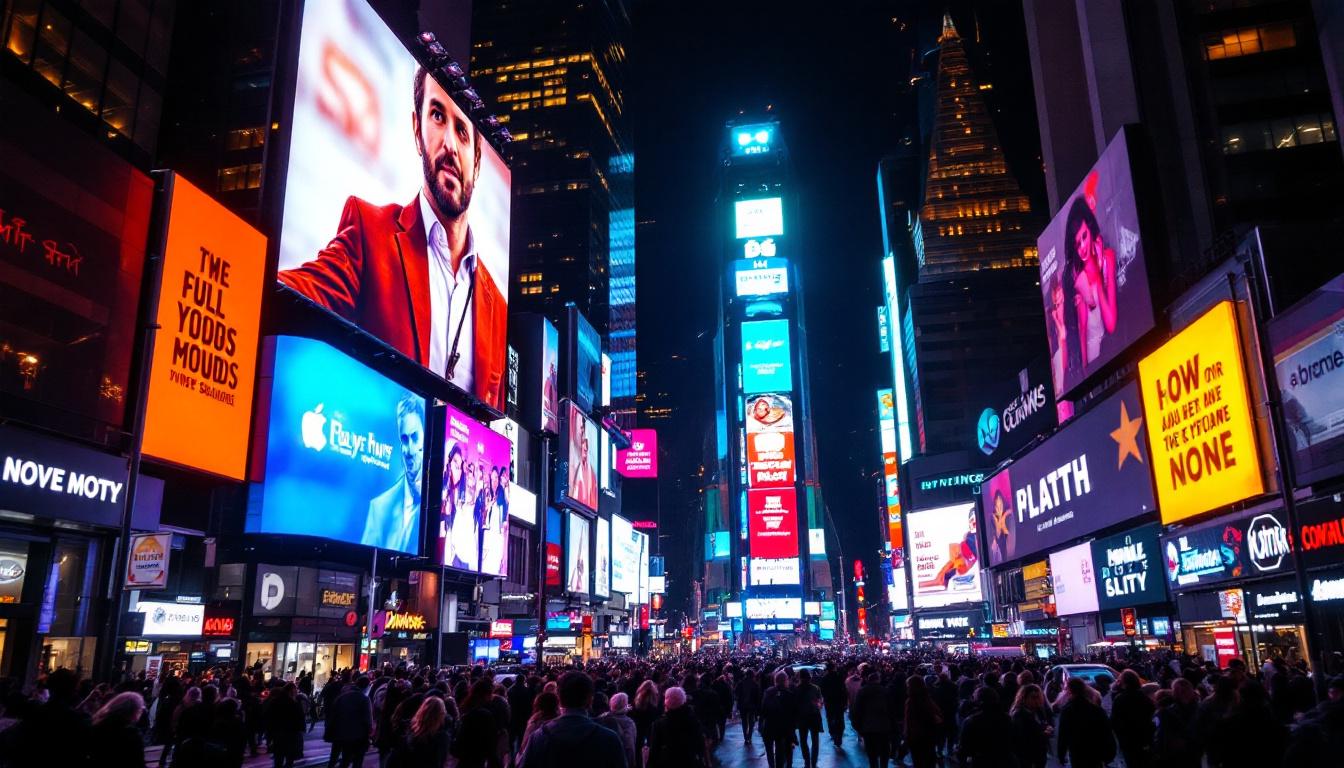
In public spaces such as city squares and sports arenas, LED displays serve as platforms for public announcements, live event broadcasting, and entertainment. For instance, the iconic Times Square in New York City features some of the largest and most advanced LED billboards, attracting millions of viewers annually.
Corporate and Educational Environments
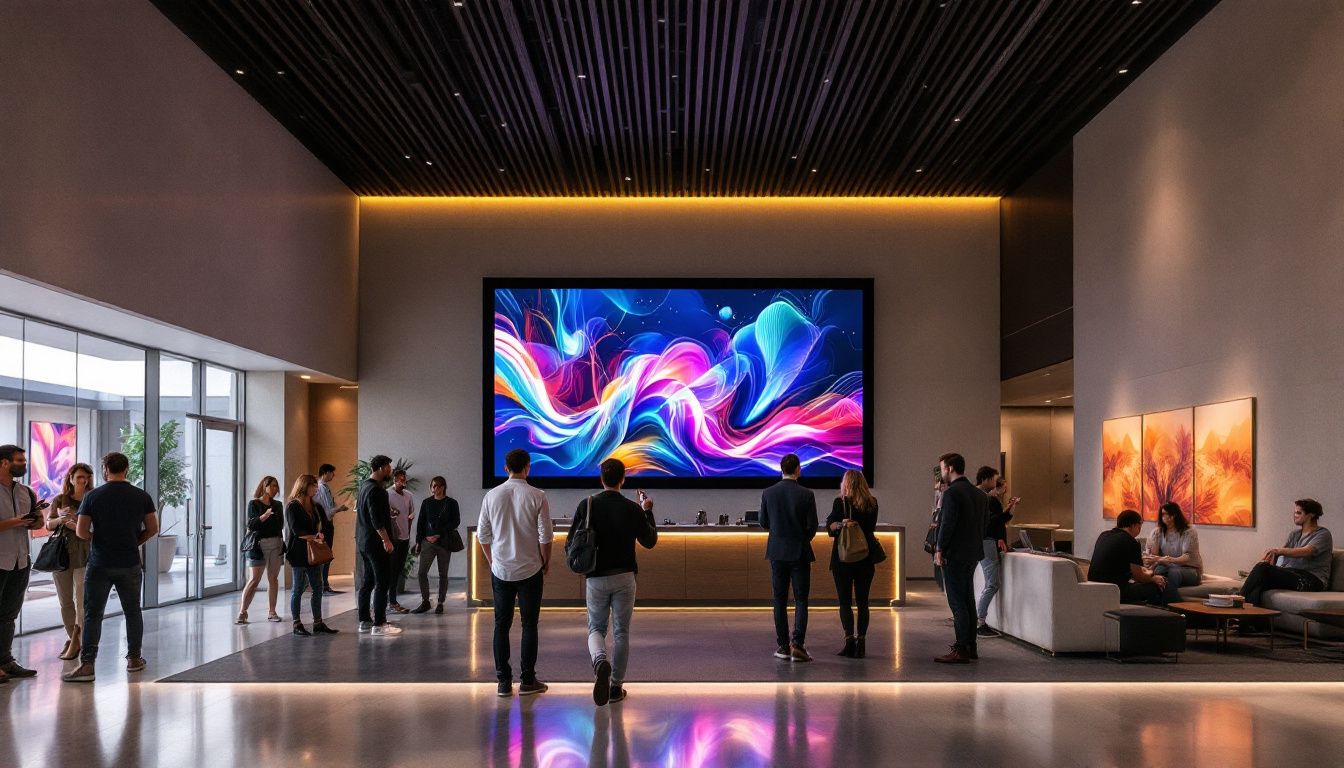
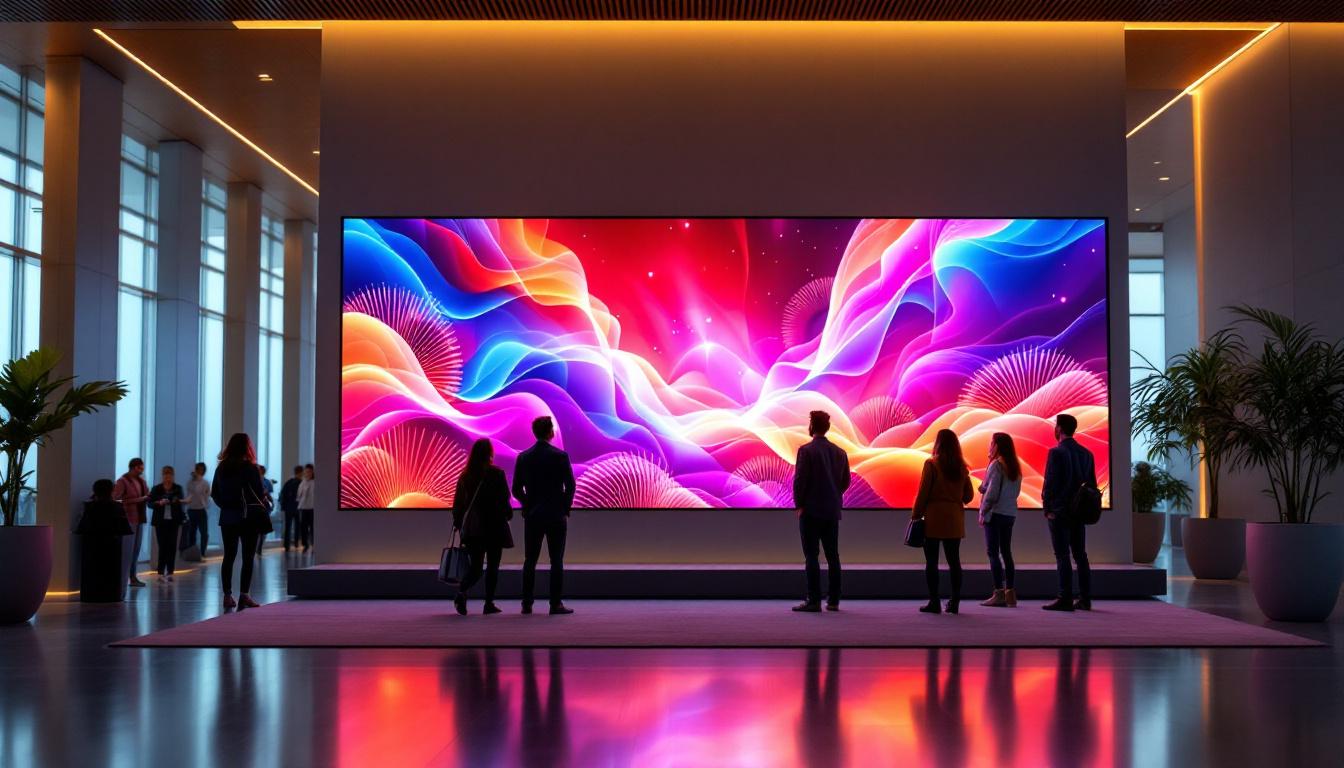
Corporations employ LED displays in lobbies, conference rooms, and auditoriums to enhance communication and branding. Digital signage can display company news, performance metrics, and event schedules, fostering a connected workplace culture.
Educational institutions use LED screens for digital notice boards, lecture hall presentations, and campus-wide announcements. The clarity and versatility of LED displays support diverse content formats, from text and images to interactive quizzes and live streams.
Key Considerations When Choosing LED Displays for Digital Signage
Pixel Pitch and Resolution
Choosing the appropriate pixel pitch is fundamental to achieving optimal image quality. For indoor applications where viewers are close, a smaller pixel pitch (1.2mm to 4mm) ensures sharp images without visible pixelation. In contrast, outdoor displays can have larger pixel pitches (6mm to 20mm) since viewers typically observe them from greater distances.
Resolution requirements depend on content type and viewing distance. High-resolution screens are essential for detailed graphics and fine text, while lower resolutions suffice for large-format outdoor advertising.
Brightness and Environmental Durability
Brightness must be matched to the installation environment. Outdoor displays require high brightness and weatherproofing to withstand rain, dust, and temperature fluctuations. Look for displays with IP65 or higher ratings for robust protection.
Indoor displays prioritize color accuracy and viewing angles but still need to handle ambient lighting conditions effectively.
Content Management and Integration
Effective digital signage relies on seamless content management systems (CMS) that allow easy scheduling, updating, and targeting of content. When selecting LED displays, consider compatibility with popular CMS platforms and support for various media formats.
Integration with sensors, cameras, and interactive technologies can further enhance the impact of LED signage by enabling personalized and responsive content delivery.
Cost and Total Cost of Ownership
While LED displays may have a higher upfront cost compared to other display technologies, their durability, energy efficiency, and low maintenance requirements often result in a lower total cost of ownership. It is essential to evaluate not only the purchase price but also installation, operation, and lifecycle costs.
Future Trends in LED Display Technology
MicroLED and MiniLED Innovations
Emerging technologies like MicroLED and MiniLED promise to revolutionize digital signage by offering even higher brightness, contrast, and energy efficiency. MicroLED displays consist of microscopic LEDs that enable ultra-high resolution and thin form factors, potentially surpassing OLED in performance.
These advancements will expand the possibilities for digital signage, allowing for more immersive and flexible display solutions.
Interactive and Smart LED Displays
Integration of touch sensors, AI-driven content personalization, and IoT connectivity is making LED displays smarter and more interactive. This trend enables businesses to engage audiences more effectively by delivering tailored content based on real-time data such as demographics, weather, or foot traffic.
Sustainability and Eco-Friendly Solutions
As sustainability becomes a priority, manufacturers are focusing on producing LED displays with recyclable materials, reduced power consumption, and longer lifespans. Digital signage solutions that minimize environmental impact will be increasingly favored by eco-conscious organizations and consumers.
Conclusion
LED displays have firmly established themselves as a vital component in the digital signage ecosystem. Their exceptional brightness, flexibility, and durability make them suitable for a wide range of applications, from retail advertising to public information systems. Understanding the technology, benefits, and considerations involved in selecting LED displays empowers businesses to harness their full potential for effective visual communication.
As innovations continue to advance LED technology, the future of digital signage looks brighter and more dynamic than ever, offering exciting opportunities for engagement and creativity across industries.
Explore Cutting-Edge LED Display Solutions with LumenMatrix
Ready to elevate your visual communication strategy? Discover LumenMatrix’s innovative LED display technologies that redefine the art of digital signage. From the vibrant Indoor LED Wall Display to the robust Outdoor LED Wall Display, and from the dynamic Vehicle LED Display to the sleek LED Poster Display, LumenMatrix offers an array of solutions tailored to your unique needs. Experience the future of engagement with our LED Sports Display, Floor LED Display, Custom LED Display, All-in-One LED Display, and LED Transparent Display. Check out LumenMatrix LED Display Solutions today and transform your brand’s visibility with captivating visual experiences.