Clear Screen TV: LED Display Explained
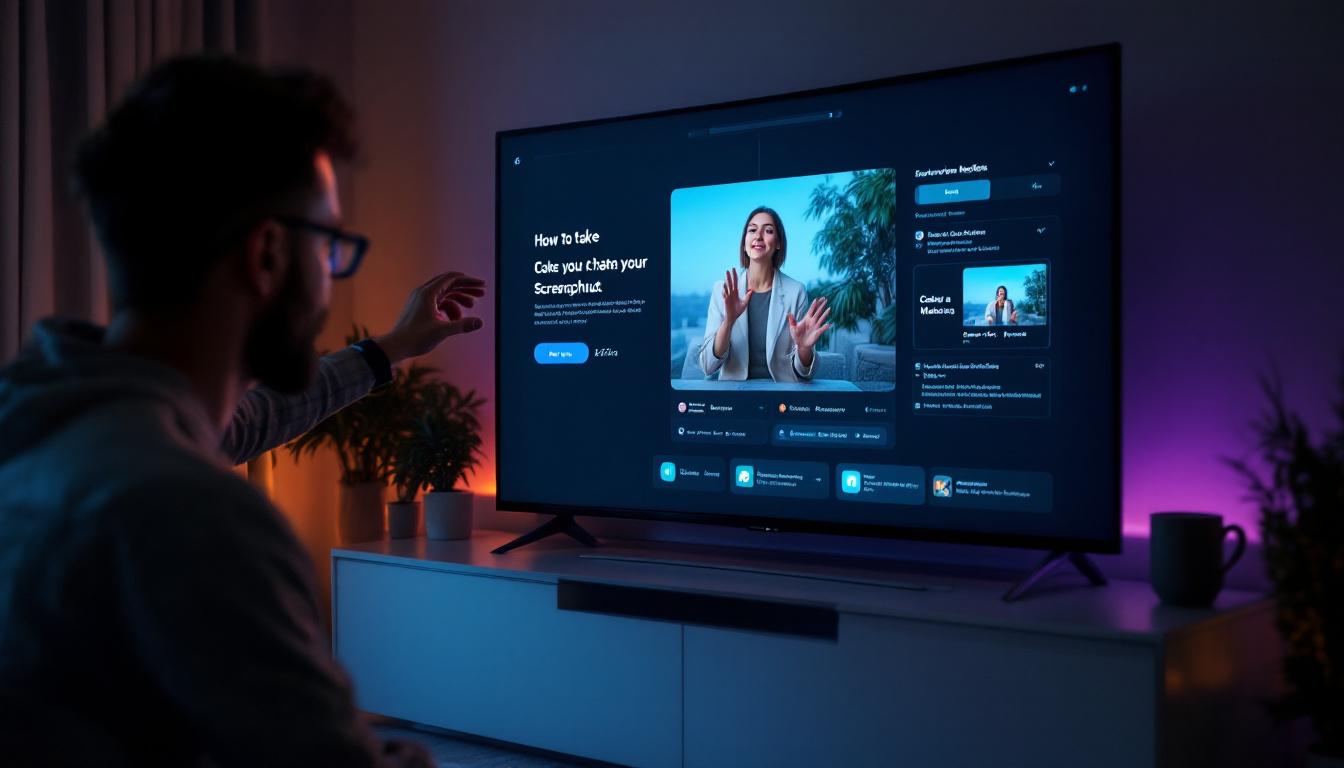
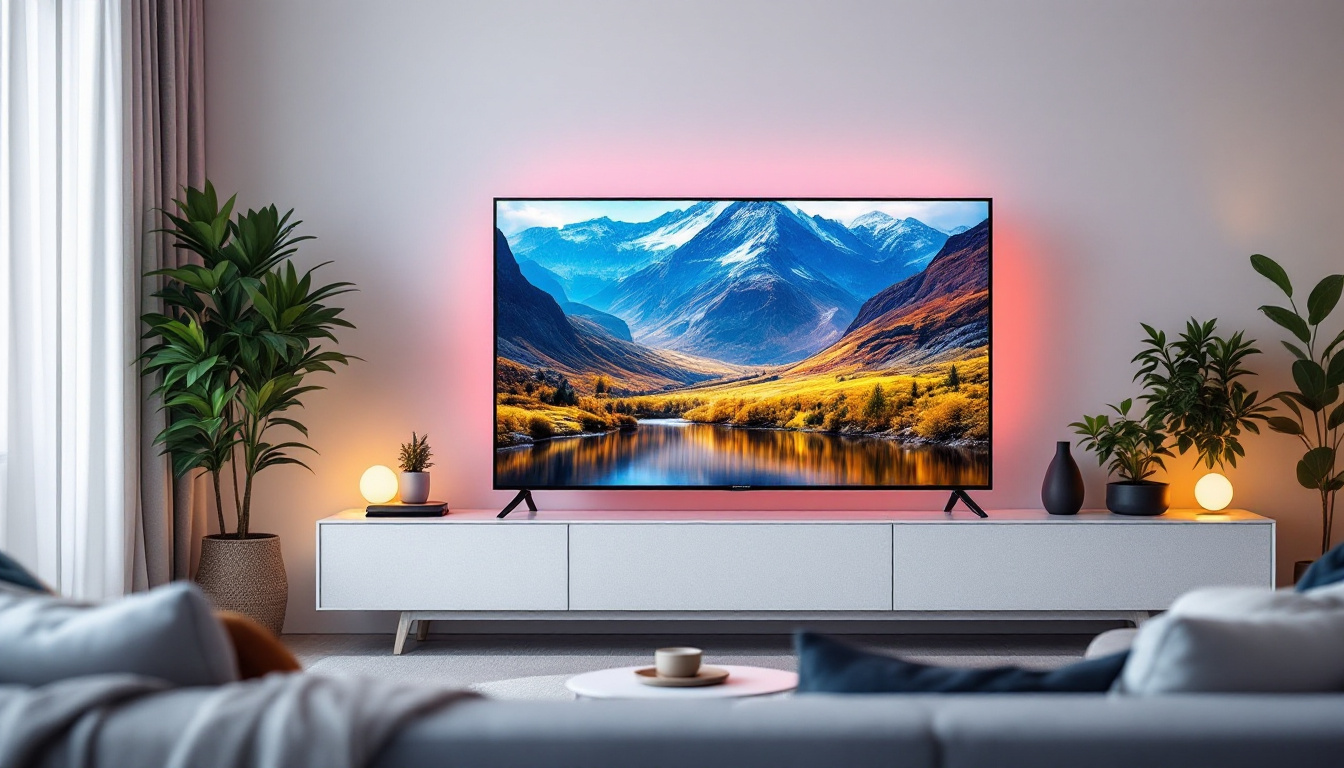
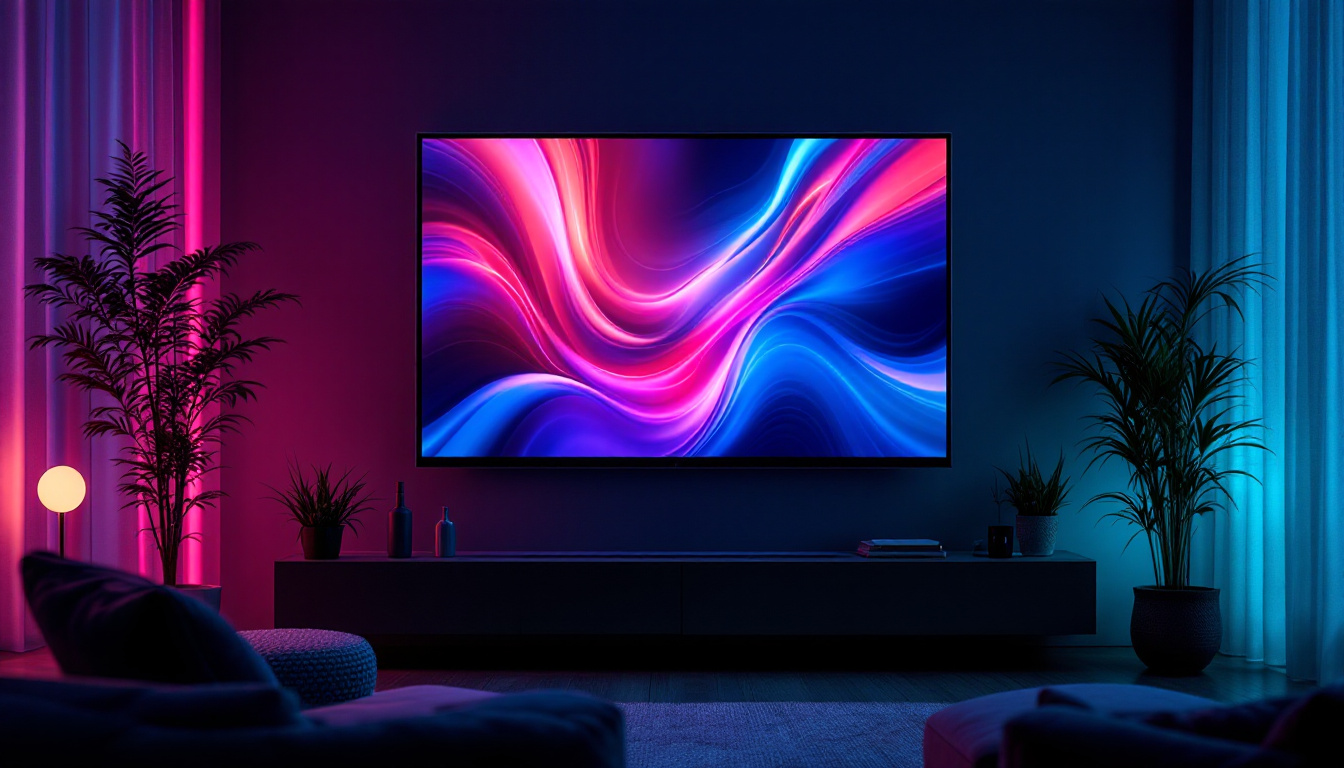
In recent years, the television market has seen tremendous technological advancements, with LED displays standing out as a dominant force in home entertainment. Clear screen TVs, often synonymous with LED technology, have revolutionized how viewers experience content by delivering sharper images, vibrant colors, and energy efficiency. This article delves into the intricacies of LED displays, explaining what makes them unique, how they function, and why they have become the preferred choice for consumers worldwide.
Understanding LED Display Technology
What is an LED Display?
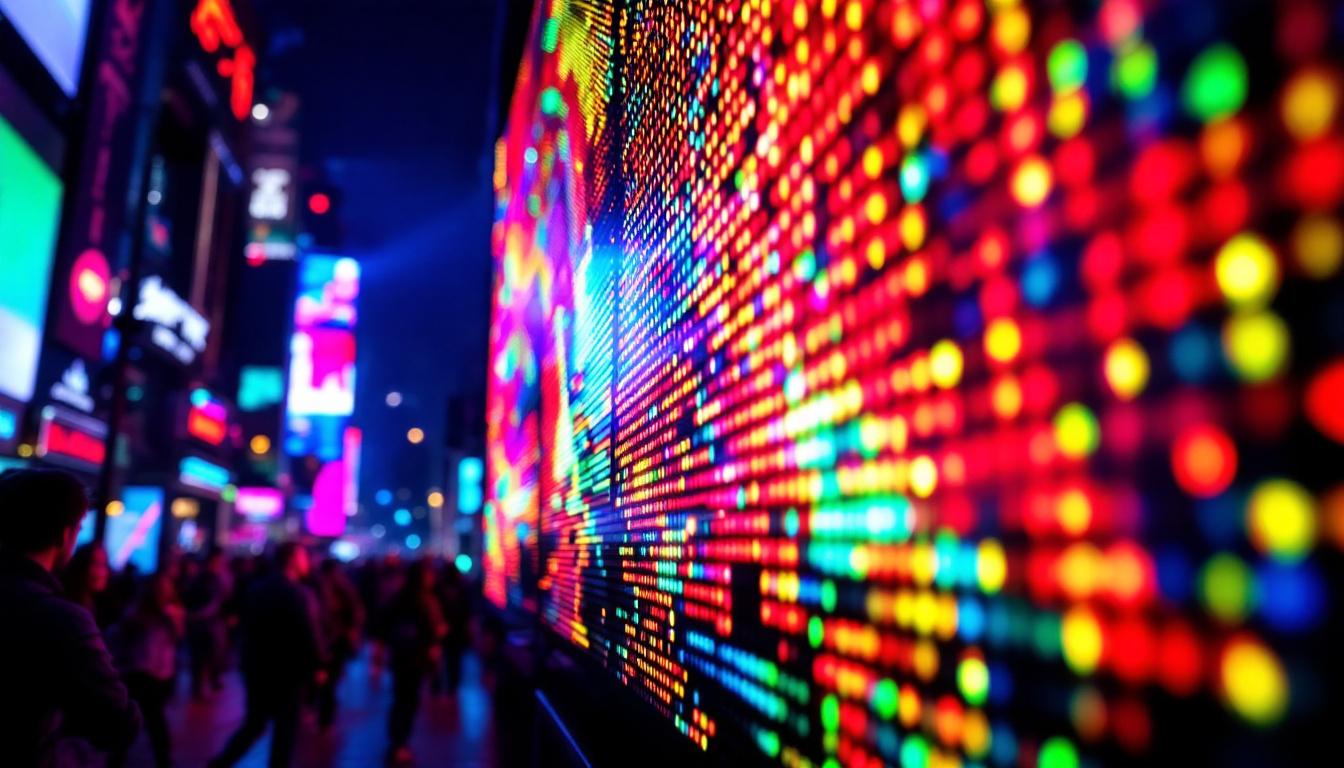
LED, or Light Emitting Diode, displays are a type of flat-panel display technology that uses light-emitting diodes to produce images. Unlike traditional LCD screens that rely on fluorescent backlighting, LED displays use tiny diodes that emit light when an electric current passes through them. This fundamental difference enables LED TVs to offer better brightness, contrast, and color accuracy.
Clear screen TVs with LED technology are often confused with OLED or QLED displays, but it’s important to distinguish between these. While OLED (Organic LED) uses organic compounds that emit light individually, and QLED (Quantum Dot LED) enhances color through quantum dots, standard LED TVs typically use LCD panels with LED backlighting. This hybrid approach combines the sharpness of LCD with the efficiency of LED lighting.
How Do LED Displays Work?
At the heart of an LED TV is the LCD panel, which controls the image pixels. The LEDs serve as a backlight, shining through the liquid crystals to create the visible picture. When electric currents pass through the liquid crystals, they align to block or allow light, forming images on the screen.
There are two main types of LED backlighting used in TVs: edge-lit and full-array. Edge-lit LED TVs place LEDs along the edges of the screen, allowing for thinner designs but sometimes uneven lighting. Full-array LED TVs have LEDs spread evenly across the back of the screen, offering better brightness control and contrast through local dimming technology, which can turn off specific LED zones to achieve deeper blacks.
Advantages of Clear Screen LED TVs
Superior Picture Quality
One of the most compelling reasons consumers choose LED TVs is the superior picture quality. LED backlighting provides higher brightness levels than traditional LCDs, making images more vivid and lifelike. This is especially noticeable in brightly lit rooms where glare can wash out the picture on older TV models.
Additionally, full-array LED TVs with local dimming can produce deeper blacks and higher contrast ratios. This means that dark scenes in movies or games look more detailed and immersive, enhancing the overall viewing experience.
Energy Efficiency and Longevity
LED technology is significantly more energy-efficient compared to older display technologies like plasma or CCFL-backlit LCDs. According to the U.S. Department of Energy, LED TVs consume up to 40% less power than conventional LCD TVs. This efficiency not only reduces electricity bills but also contributes to a smaller environmental footprint.
Moreover, LED displays tend to have longer lifespans, often exceeding 60,000 hours of use. This durability makes them a cost-effective investment for consumers who want a reliable TV that lasts for years without significant degradation in picture quality.
Design Flexibility and Slim Profiles
The compact size of LEDs allows manufacturers to design ultra-thin and lightweight TVs. Clear screen LED TVs can be as slim as a few millimeters, making them ideal for modern living spaces where aesthetics and space-saving are important. This design flexibility also enables curved and flexible screen options, which can enhance viewing angles and immersion.
Types of LED Displays in TVs
Edge-Lit LED TVs
Edge-lit LED TVs position the LEDs along the edges of the screen, directing light across the display using light guides. This design allows for very thin panels and is generally more affordable. However, it can sometimes result in uneven brightness and less precise control over contrast, especially in scenes with both bright and dark areas.
Full-Array LED TVs with Local Dimming
Full-array LED TVs feature a grid of LEDs directly behind the LCD panel, allowing for more uniform brightness and better contrast control. Local dimming technology can selectively dim or brighten specific zones of the screen, enhancing black levels and reducing halo effects around bright objects on dark backgrounds.
This technology is especially beneficial for watching movies or playing games with high dynamic range (HDR) content, where contrast and color accuracy are critical to the experience.
Mini-LED TVs: The Next Step
Mini-LED technology represents an evolution of full-array LED backlighting. By using thousands of tiny LEDs instead of hundreds, Mini-LED TVs achieve even finer control over brightness and contrast. This results in improved HDR performance, deeper blacks, and brighter highlights without the cost of OLED technology.
While still relatively new, Mini-LED TVs are gaining popularity among consumers seeking premium picture quality with the durability and brightness advantages of LED technology.
Comparing LED TVs with Other Display Technologies
LED vs. OLED
OLED TVs differ fundamentally from LED TVs in that each pixel emits its own light, eliminating the need for a backlight. This allows OLED displays to achieve perfect black levels and exceptional contrast ratios. However, OLED panels are generally more expensive and can be susceptible to burn-in if static images are displayed for prolonged periods.
LED TVs, especially those with full-array local dimming or Mini-LED backlighting, offer a middle ground with excellent brightness and durability. For brightly lit rooms or users concerned about longevity, LED TVs remain a compelling choice.
LED vs. QLED
QLED TVs are essentially LED TVs enhanced with quantum dot technology, which improves color accuracy and brightness. Quantum dots are microscopic semiconductor particles that emit precise colors when illuminated by LED backlights. This results in more vibrant and accurate colors, especially in HDR content.
While QLED TVs can be more expensive than standard LED models, they provide a noticeable upgrade in color performance. However, both QLED and LED TVs share similar backlighting principles and energy efficiency profiles.
Choosing the Right Clear Screen LED TV
Screen Size and Resolution
When selecting an LED TV, screen size and resolution are critical considerations. Larger screens provide a more immersive experience but require adequate viewing distance to avoid pixelation. The industry standard for high-definition content is 4K resolution (3840 x 2160 pixels), which offers four times the detail of Full HD.
For most living rooms, a 55 to 65-inch 4K LED TV strikes a balance between size and picture clarity. For smaller spaces, 43 to 50 inches may be more appropriate. Additionally, 8K LED TVs are emerging, but content availability and cost currently limit their widespread adoption.
HDR Support
High Dynamic Range (HDR) enhances the contrast and color range of video content, making images appear more realistic. When shopping for an LED TV, look for models that support popular HDR formats such as HDR10, Dolby Vision, or HDR10+.
LED TVs with higher peak brightness and local dimming capabilities can better showcase HDR content, delivering a more dynamic and engaging viewing experience.
Smart Features and Connectivity
Modern LED TVs often come equipped with smart platforms, allowing users to stream content directly from services like Netflix, Amazon Prime, and Disney+. Features such as voice control, app stores, and compatibility with smart home ecosystems enhance convenience.
Connectivity options, including multiple HDMI ports, USB inputs, and support for Wi-Fi and Bluetooth, ensure that the TV can integrate seamlessly with gaming consoles, soundbars, and other devices.
Maintaining and Caring for Your LED TV
Optimal Placement and Lighting
To maximize the performance of a clear screen LED TV, consider its placement carefully. Avoid direct sunlight or harsh lighting that can cause glare and reduce picture quality. Positioning the TV at eye level and at an appropriate distance helps prevent eye strain and ensures the best viewing angles.
Cleaning and Maintenance Tips
LED screens are delicate and require gentle cleaning. Use a microfiber cloth to wipe the screen, avoiding harsh chemicals or abrasive materials that can damage the display. Regularly dusting the vents and ensuring proper ventilation can prevent overheating and prolong the TV’s lifespan.
Software Updates
Keeping the TV’s firmware updated is essential for optimal performance and security. Manufacturers frequently release updates that improve picture quality, fix bugs, and add new features. Most smart LED TVs can update automatically over the internet, but manual updates may be necessary in some cases.
The Future of LED Display Technology
Advancements in Mini-LED and Micro-LED
The LED display market continues to evolve with innovations like Mini-LED and Micro-LED technologies. Micro-LED, which uses microscopic LEDs as individual pixels, promises the perfect combination of OLED’s perfect blacks and LED’s brightness and longevity. Although still in early stages and costly, Micro-LED could redefine premium TV displays in the next decade.
Integration with AI and Enhanced Smart Features
Artificial intelligence is increasingly integrated into LED TVs, enabling features such as automatic picture optimization based on content, voice recognition, and personalized recommendations. These smart capabilities enhance user experience and make LED TVs more intuitive and user-friendly.
Environmental Considerations
As consumers become more environmentally conscious, manufacturers are focusing on sustainable production methods and recyclable materials for LED TVs. Energy-efficient designs and longer product lifecycles contribute to reducing electronic waste and energy consumption.
Conclusion
Clear screen LED TVs have transformed the way people enjoy visual entertainment, offering a combination of excellent picture quality, energy efficiency, and sleek design. Understanding the technology behind LED displays helps consumers make informed decisions when purchasing a TV that fits their needs and lifestyle.
Whether opting for an edge-lit model for budget-conscious buyers, a full-array LED TV with local dimming for enhanced contrast, or exploring the latest Mini-LED innovations, LED technology remains at the forefront of television display advancements. As the market continues to evolve, LED TVs will likely maintain their position as a versatile and reliable choice for years to come.
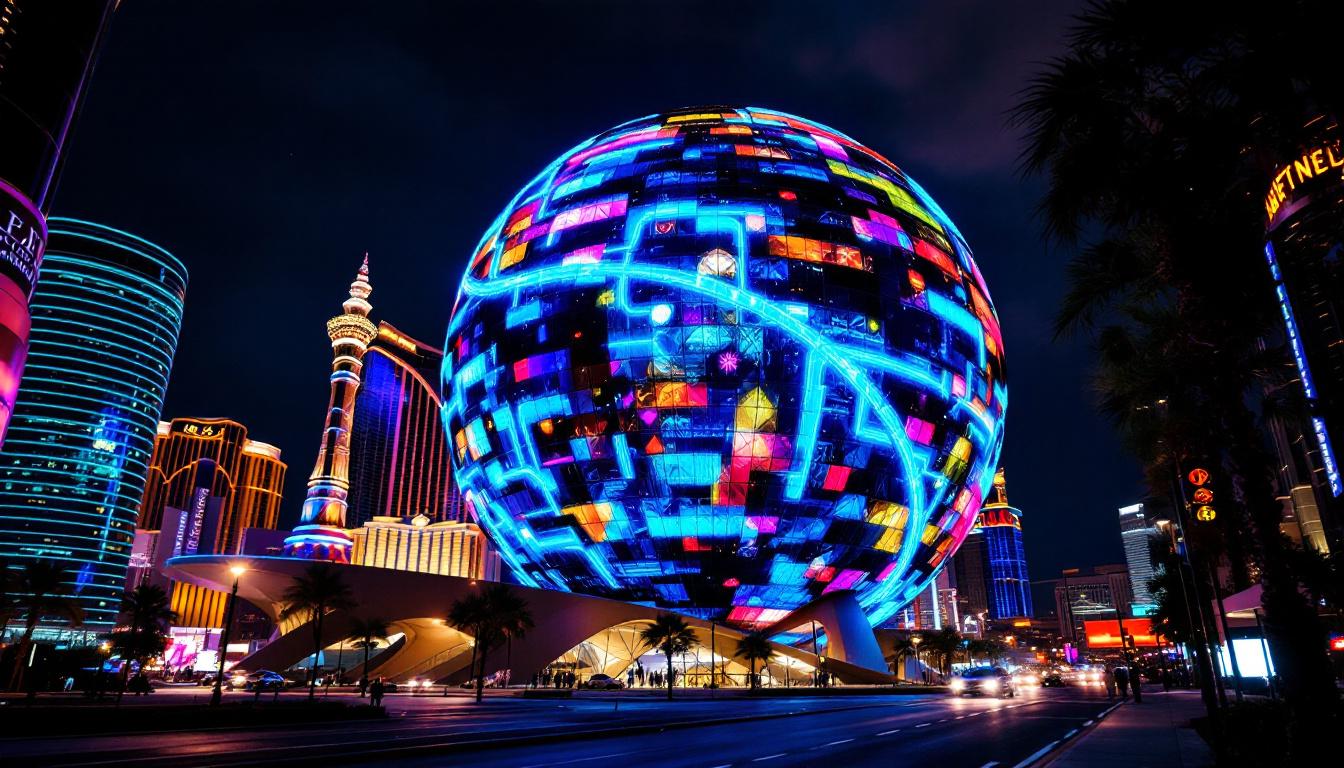
Discover the Future of Visual Entertainment with LumenMatrix
As you consider upgrading to the latest in LED display technology, LumenMatrix stands ready to elevate your viewing experience. With our commitment to innovation and quality, we offer an extensive range of LED display solutions, from Indoor and Outdoor LED Wall Displays to specialized options like Vehicle LED Displays and LED Sports Displays. Embrace the future of clear, vibrant, and energy-efficient entertainment with LumenMatrix’s cutting-edge LED displays. Check out LumenMatrix LED Display Solutions today and transform the way you engage with digital media.