In today’s fast-paced digital world, the demand for clear, reliable, and dynamic display technologies has never been higher. LED displays have emerged as a cornerstone in digital monitoring products, offering unparalleled brightness, energy efficiency, and versatility. Whether used in advertising billboards, control rooms, or public information systems, LED displays are transforming how information is presented and consumed.
This article delves into the essentials of LED display technology, exploring its components, advantages, applications, and future trends. Understanding these facets is crucial for businesses, engineers, and technology enthusiasts aiming to leverage LED displays for enhanced communication and monitoring solutions.
Understanding LED Display Technology
What is an LED Display?
LED stands for Light Emitting Diode, a semiconductor device that emits light when an electric current passes through it. An LED display is a flat panel display that uses an array of LEDs as pixels to create images, videos, or text. Unlike traditional LCD or plasma screens, LED displays rely on direct emission of light from each diode, resulting in superior brightness and contrast.
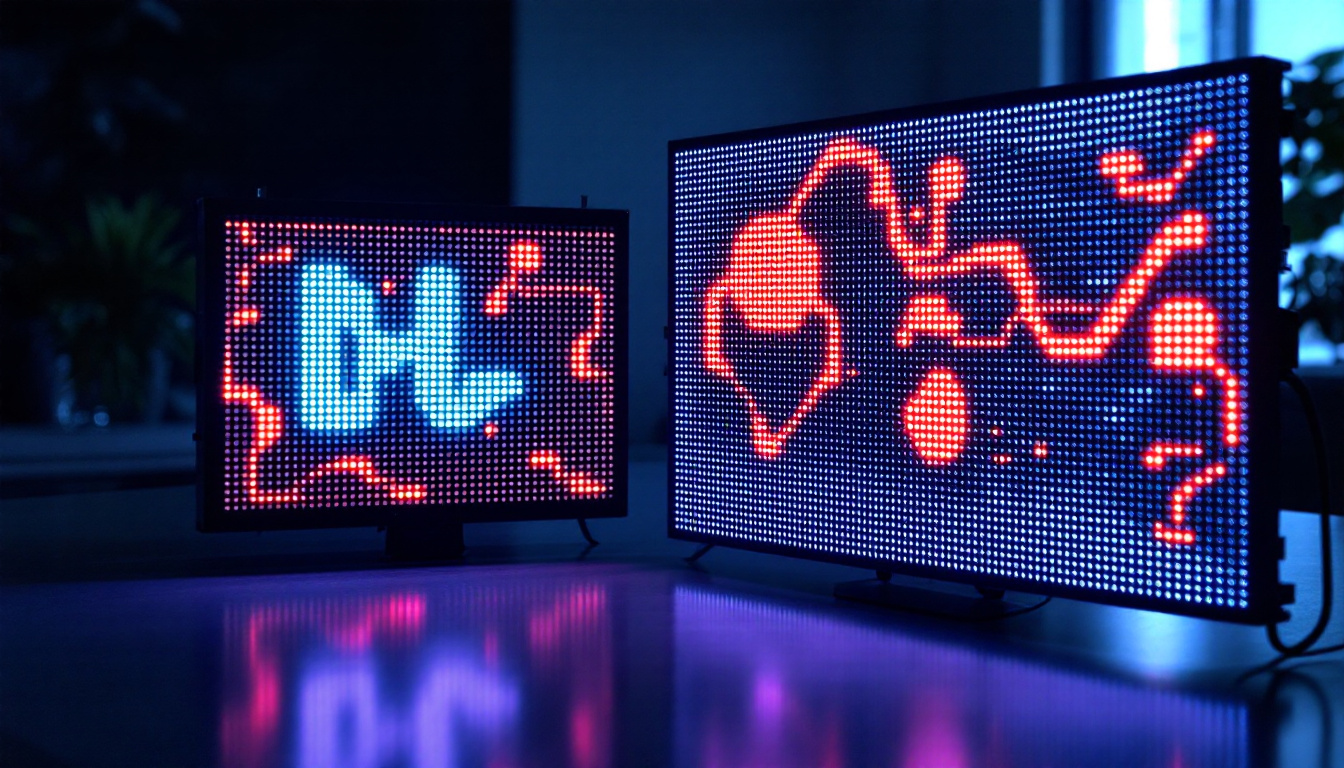
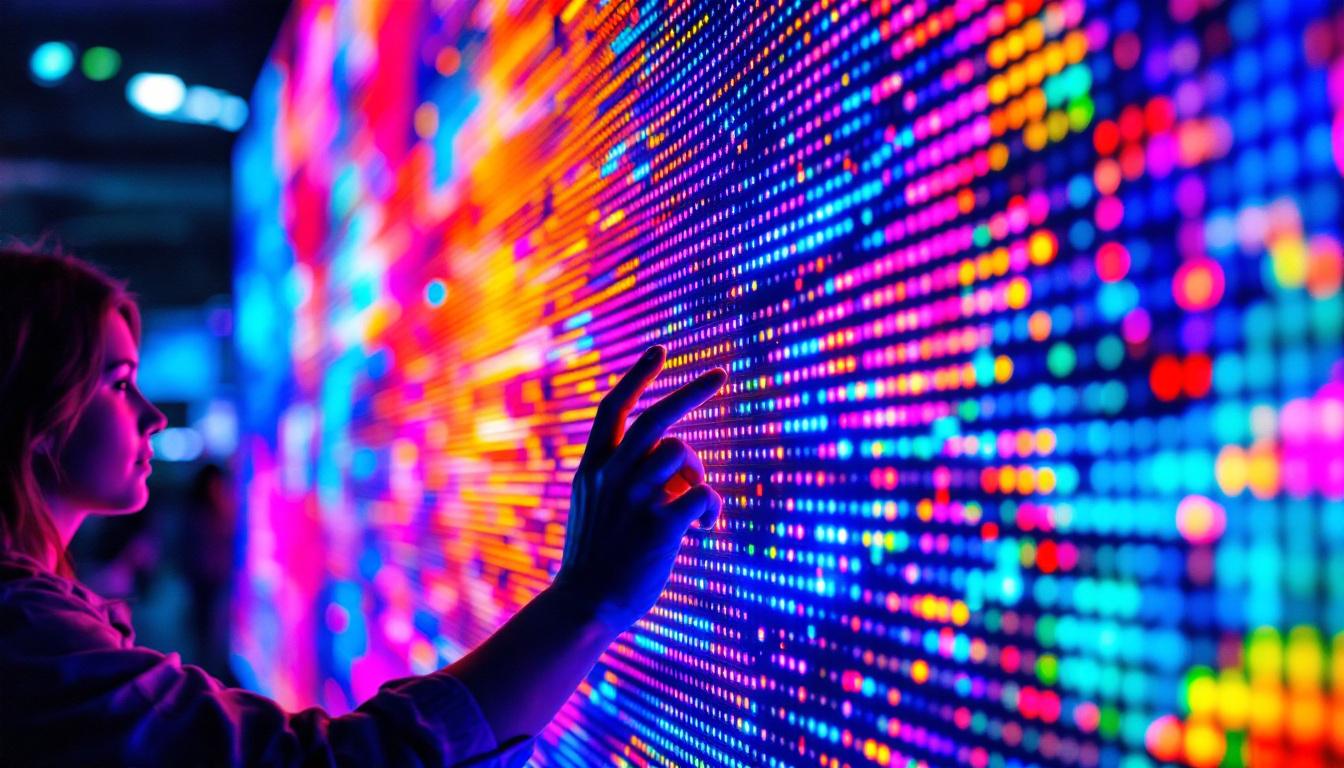
LED displays are composed of thousands to millions of tiny LEDs arranged in a matrix. Each LED acts as a single pixel or part of a pixel, and by controlling the intensity and color of each LED, the display can render vivid and dynamic visuals. This capability allows for a wide range of applications, from advertising to art installations, where vibrant colors and sharp images are essential for capturing attention and conveying messages effectively.
Types of LED Displays
LED displays come in various forms, primarily categorized by their construction and application:
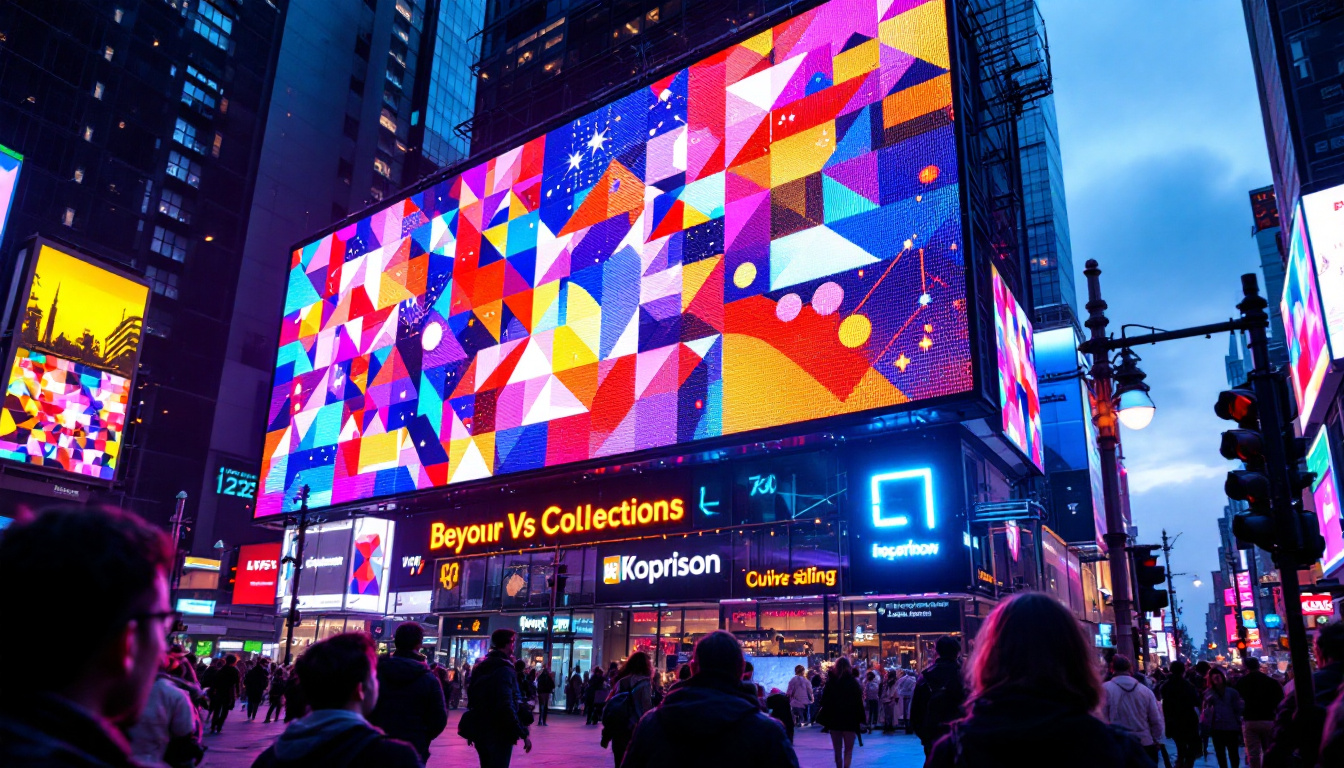
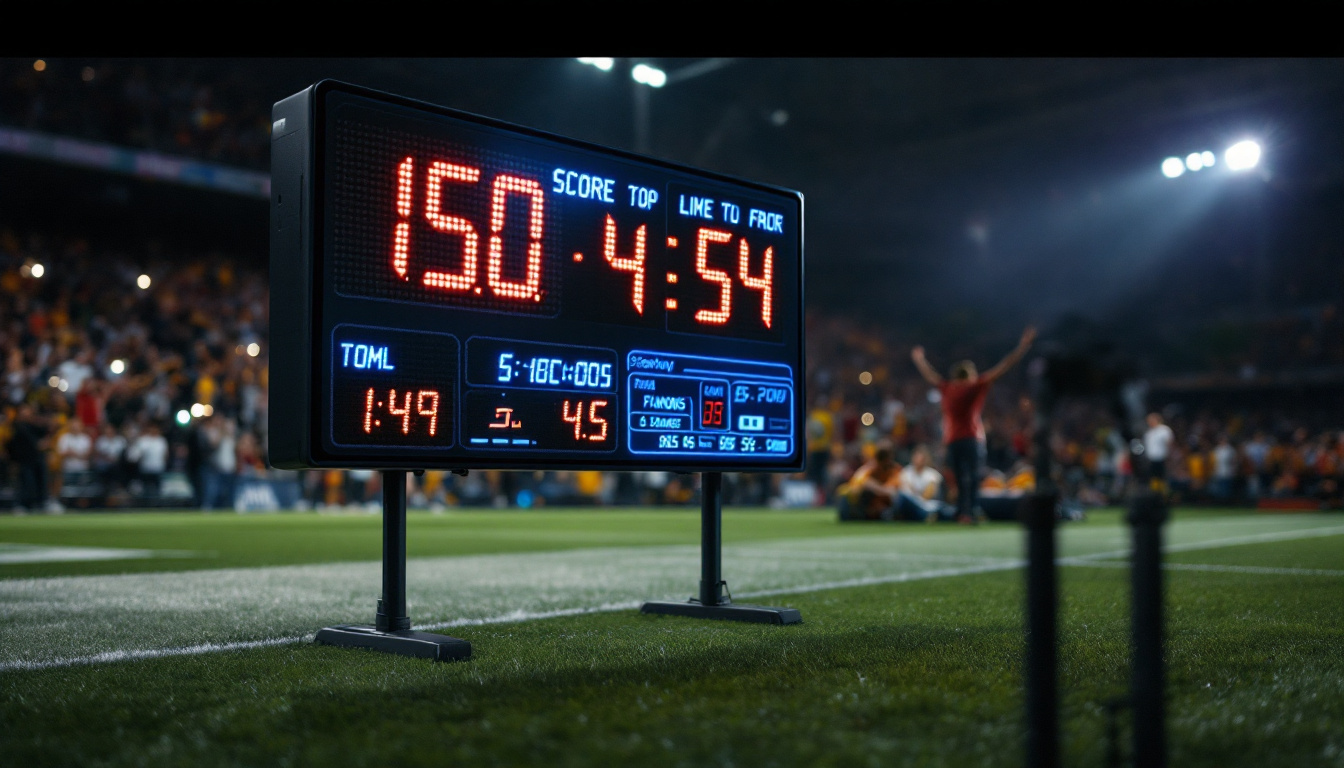
- Direct View LED Displays: These are large-scale displays where LEDs are directly visible to the viewer. They are commonly used in outdoor billboards, stadium screens, and large public displays. Their ability to maintain visibility even in bright sunlight makes them ideal for outdoor advertising.
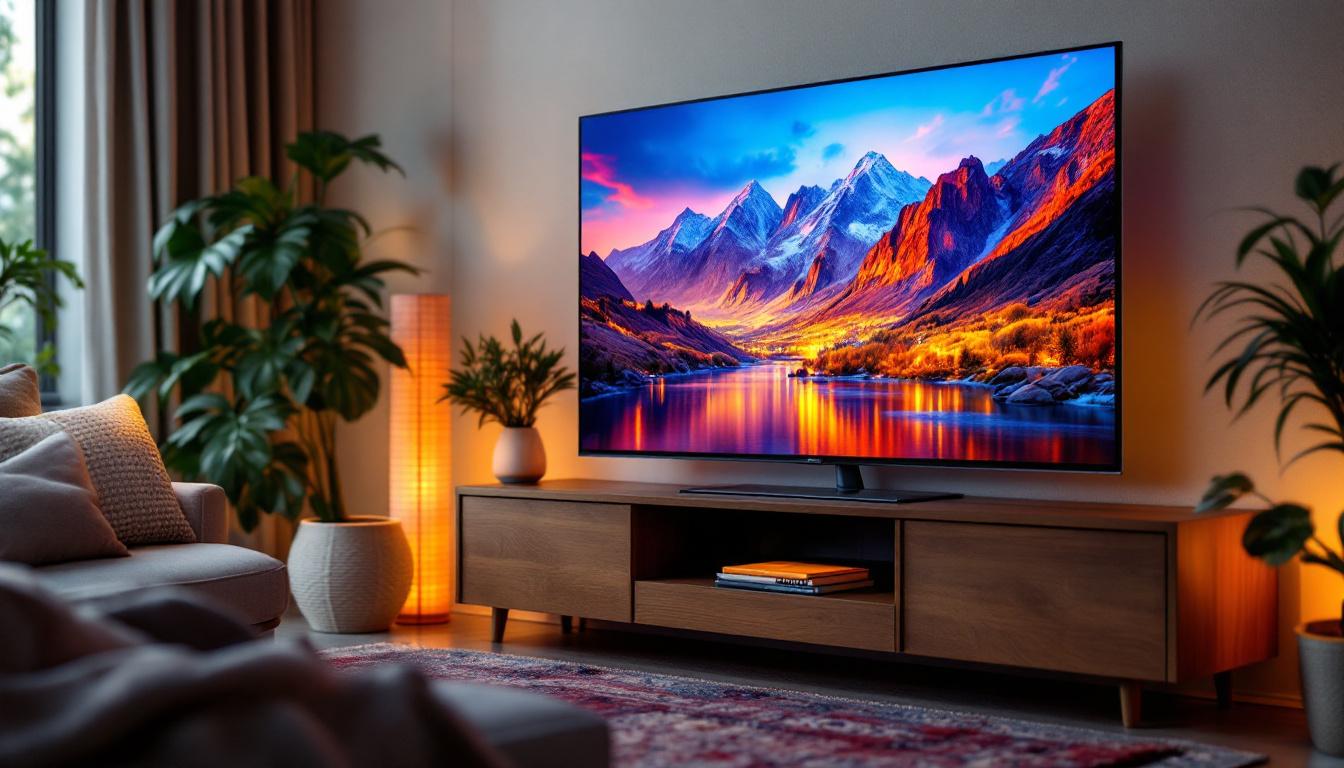
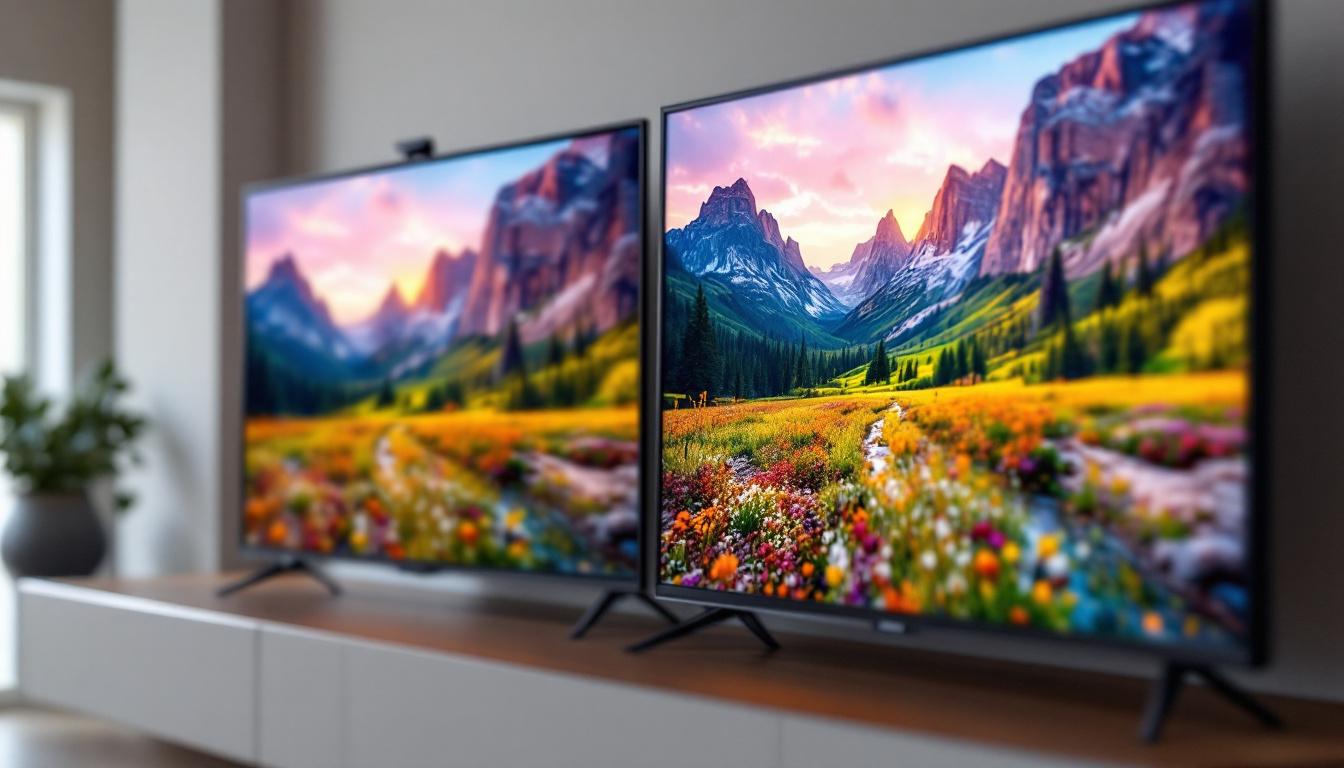
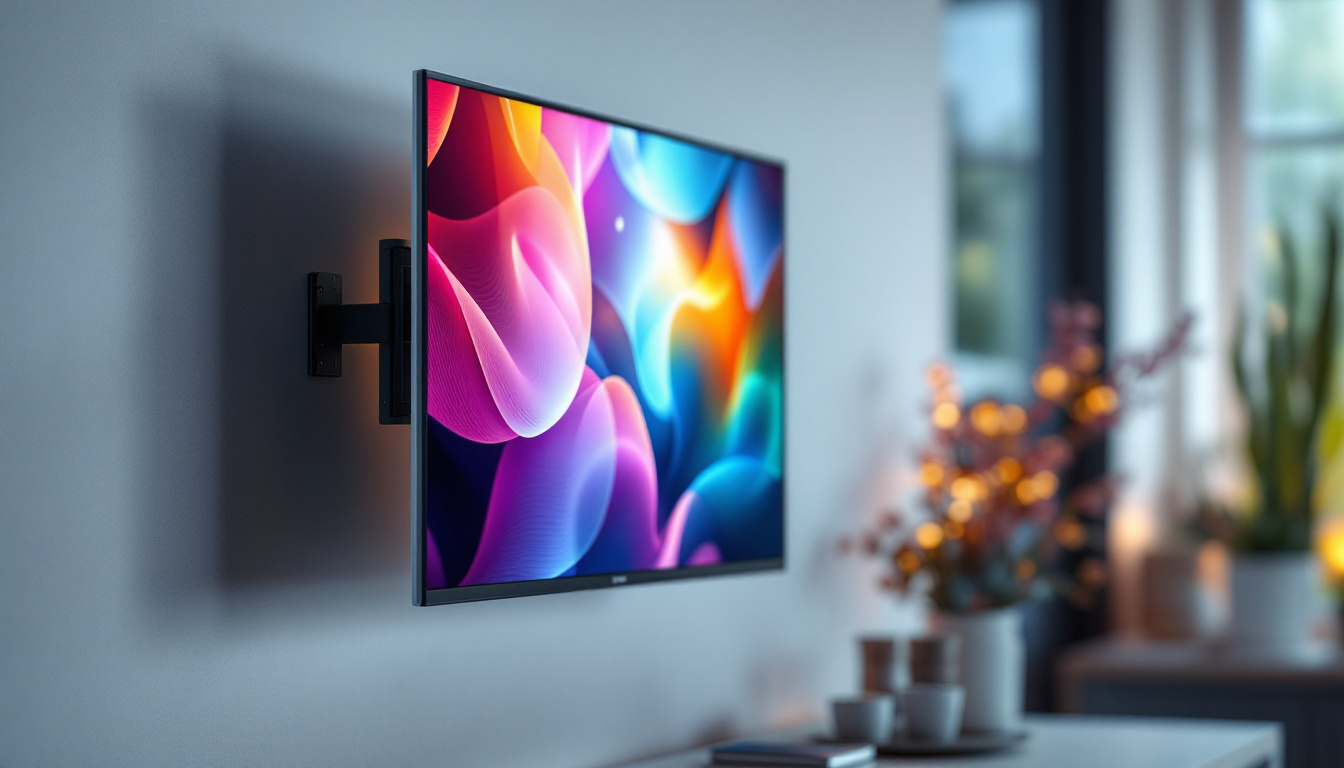
- LED-backlit LCD Displays: These use LEDs as a backlight source behind an LCD panel, improving brightness and energy efficiency compared to traditional fluorescent backlights. This technology is prevalent in televisions and computer monitors, providing enhanced color depth and contrast ratios.
- MicroLED Displays: An emerging technology featuring microscopic LEDs that offer higher resolution and better color accuracy, promising to revolutionize consumer electronics. MicroLEDs have the potential to provide a more immersive viewing experience, with faster refresh rates and lower power consumption, making them suitable for next-generation devices.
Each type has unique characteristics tailored to different monitoring and display needs. For instance, direct view LED displays are often modular, allowing for flexible configurations that can adapt to various environments and sizes. This modularity is particularly advantageous for events and installations where space and audience engagement are critical. On the other hand, microLED technology is still in its infancy but holds immense promise for future applications, including wearables and augmented reality devices, where compactness and efficiency are paramount.
Moreover, advancements in LED technology continue to evolve, with innovations such as flexible LED displays that can bend and curve, opening new avenues for creative design in architecture and advertising. These developments not only enhance the aesthetic appeal of displays but also provide opportunities for interactive and immersive experiences, further blurring the lines between digital content and the physical world. As the demand for high-quality visual experiences grows, the LED display market is poised for continued growth and transformation, driven by both consumer preferences and technological advancements.
Key Components of LED Displays
LED Modules and Pixels
The fundamental building block of an LED display is the LED module, which contains multiple LEDs arranged in a grid. Each LED within a module represents a pixel or part of a pixel. The resolution of an LED display depends on the number of pixels per unit area, often referred to as pixel pitch — the distance between the centers of two adjacent LEDs.
Smaller pixel pitches mean higher resolution and sharper images, making them ideal for close viewing distances such as indoor control rooms or retail displays. Larger pixel pitches are suitable for outdoor applications where viewers are farther away.
Driving Circuits and Controllers
LEDs require precise electrical control to display accurate colors and brightness levels. Driving circuits regulate the current supplied to each LED, while controllers manage the overall image rendering by processing input signals and coordinating LED activation.
Advanced controllers support real-time data processing, enabling dynamic content updates, synchronization across multiple panels, and integration with various digital monitoring systems.
Power Supply and Cooling Systems
LED displays consume electrical power, which varies depending on size, brightness, and usage. Efficient power supplies ensure stable operation and protect the components from voltage fluctuations. Additionally, heat generated by LEDs and electronic components must be dissipated effectively to maintain performance and longevity.
Modern LED displays incorporate passive and active cooling solutions, such as heat sinks and fans, to manage thermal conditions. Proper thermal management is essential, especially for large outdoor displays exposed to environmental extremes.
Advantages of LED Displays in Digital Monitoring
Exceptional Brightness and Visibility
One of the most significant benefits of LED displays is their high brightness levels. LEDs can achieve brightness levels exceeding 5,000 nits, making them clearly visible even in direct sunlight. This feature is critical for outdoor digital monitoring products, such as traffic information boards, public safety alerts, and advertising billboards.
Moreover, LED displays offer wide viewing angles, ensuring that content remains legible from various perspectives without color distortion.
Energy Efficiency and Longevity
Compared to traditional display technologies, LEDs consume less power while delivering superior performance. This energy efficiency translates into lower operating costs and reduced environmental impact, a crucial consideration for large-scale digital monitoring installations.
LEDs also boast impressive lifespans, often exceeding 100,000 hours of operation. This durability minimizes maintenance and replacement expenses, contributing to the total cost of ownership savings.
Flexibility and Scalability
LED displays are highly modular, allowing for customizable sizes and shapes. This flexibility enables tailored solutions for diverse environments, from small indoor panels to massive outdoor video walls.
Scalability is another advantage, as multiple LED modules can be seamlessly combined to create larger displays without compromising image quality. This adaptability is invaluable for digital monitoring systems that require expansion or reconfiguration over time.
Applications of LED Displays in Digital Monitoring
Traffic and Transportation Systems
LED displays play a pivotal role in traffic management and transportation monitoring. Variable message signs (VMS) equipped with LED technology provide real-time updates on road conditions, speed limits, and detours. Their high visibility ensures drivers receive critical information promptly, enhancing road safety.
Additionally, LED displays are used in public transit stations to show arrival times, service alerts, and route information, improving passenger experience and operational efficiency.
Industrial and Control Room Environments
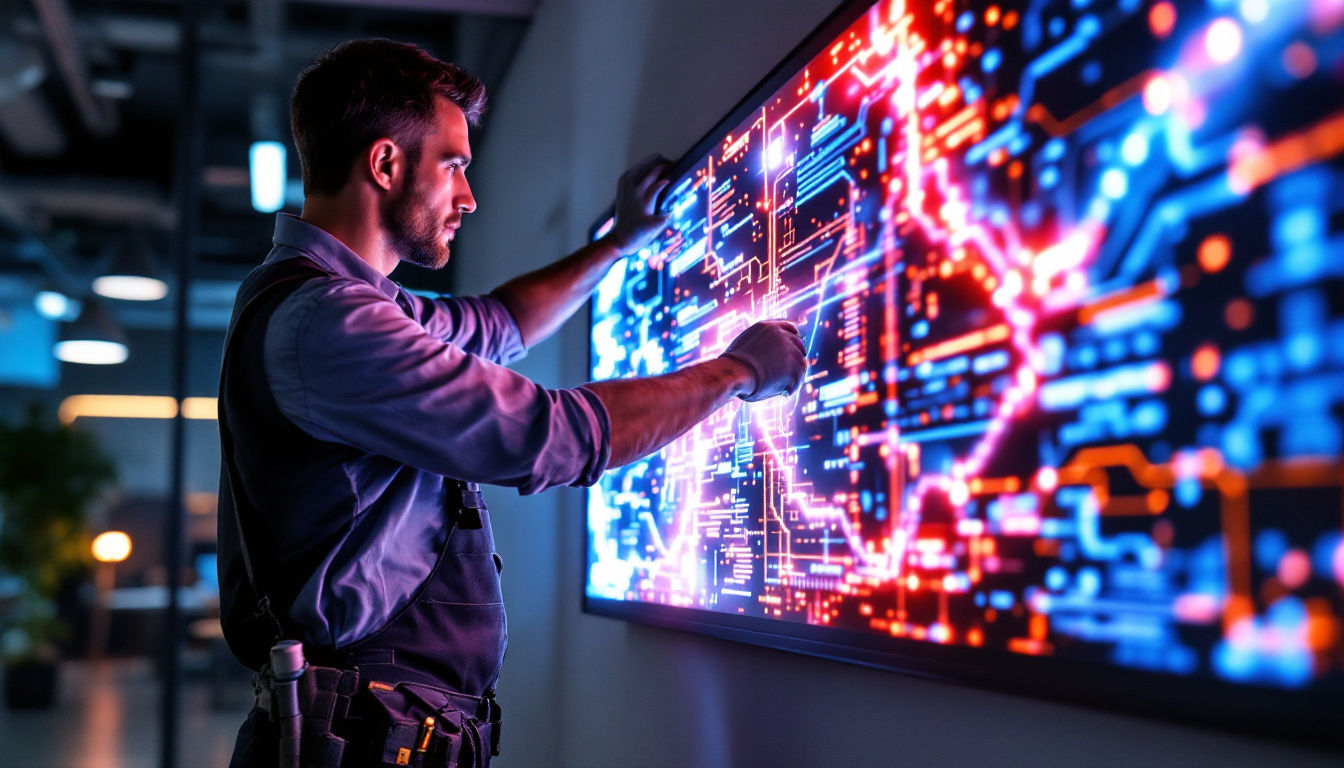
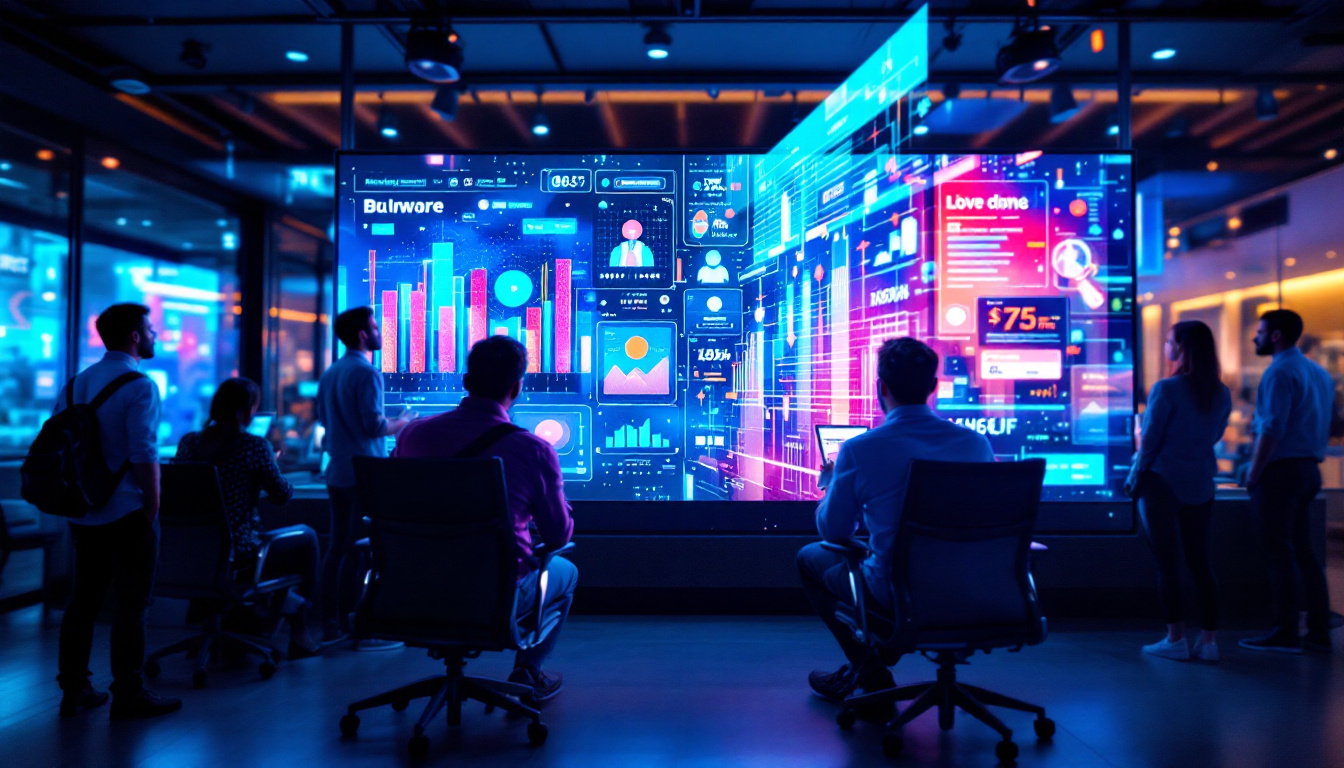
In industrial settings and control rooms, LED displays are integral for monitoring processes, system statuses, and security feeds. Their clarity and responsiveness enable operators to make informed decisions quickly, reducing downtime and preventing accidents.
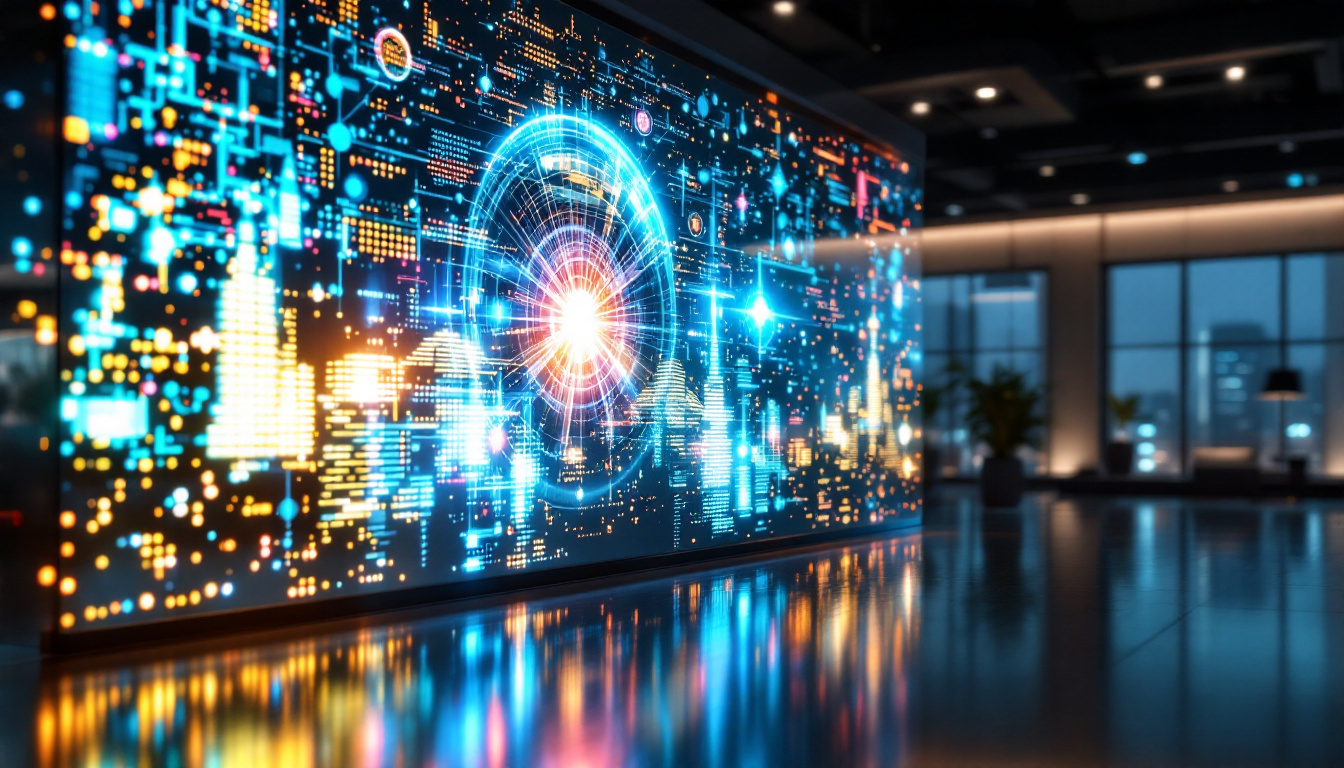
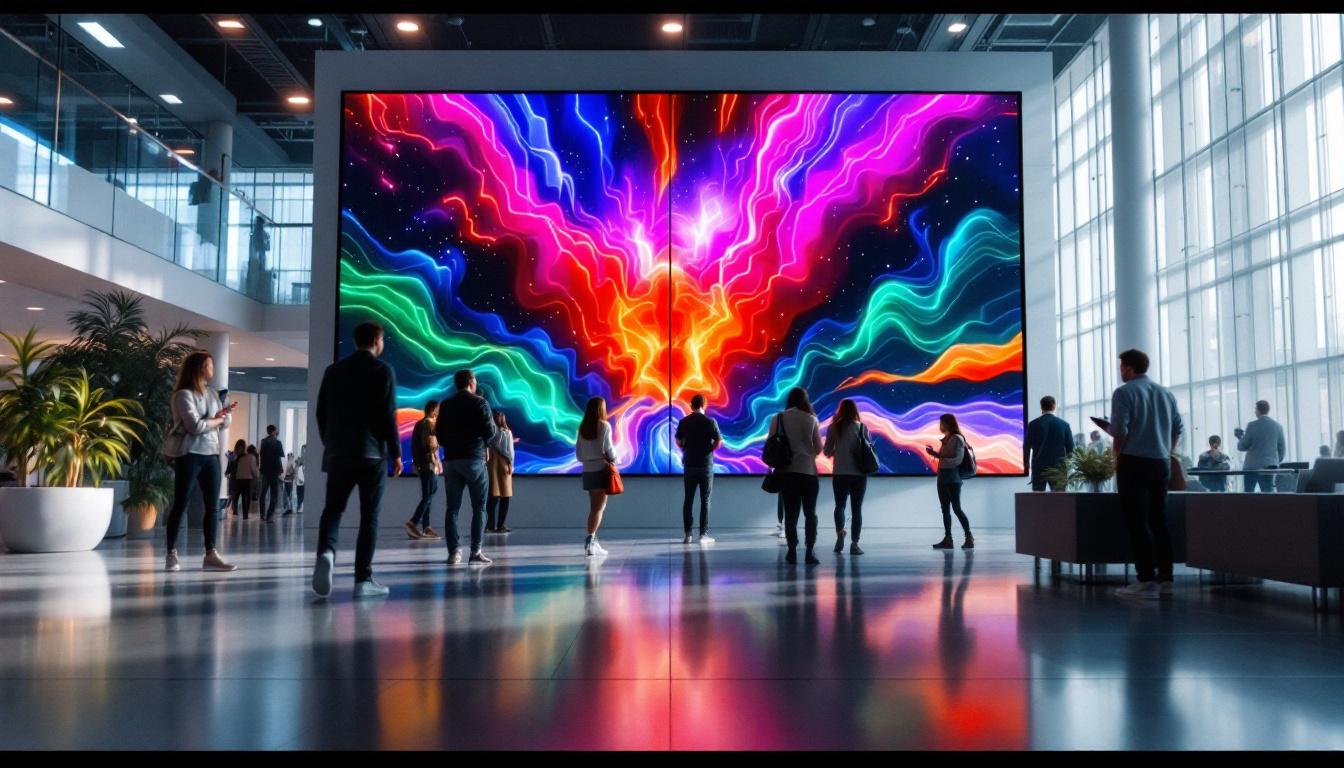
Large LED video walls facilitate the visualization of complex data from multiple sources, supporting comprehensive situational awareness in sectors such as utilities, manufacturing, and emergency response.
Advertising and Public Information
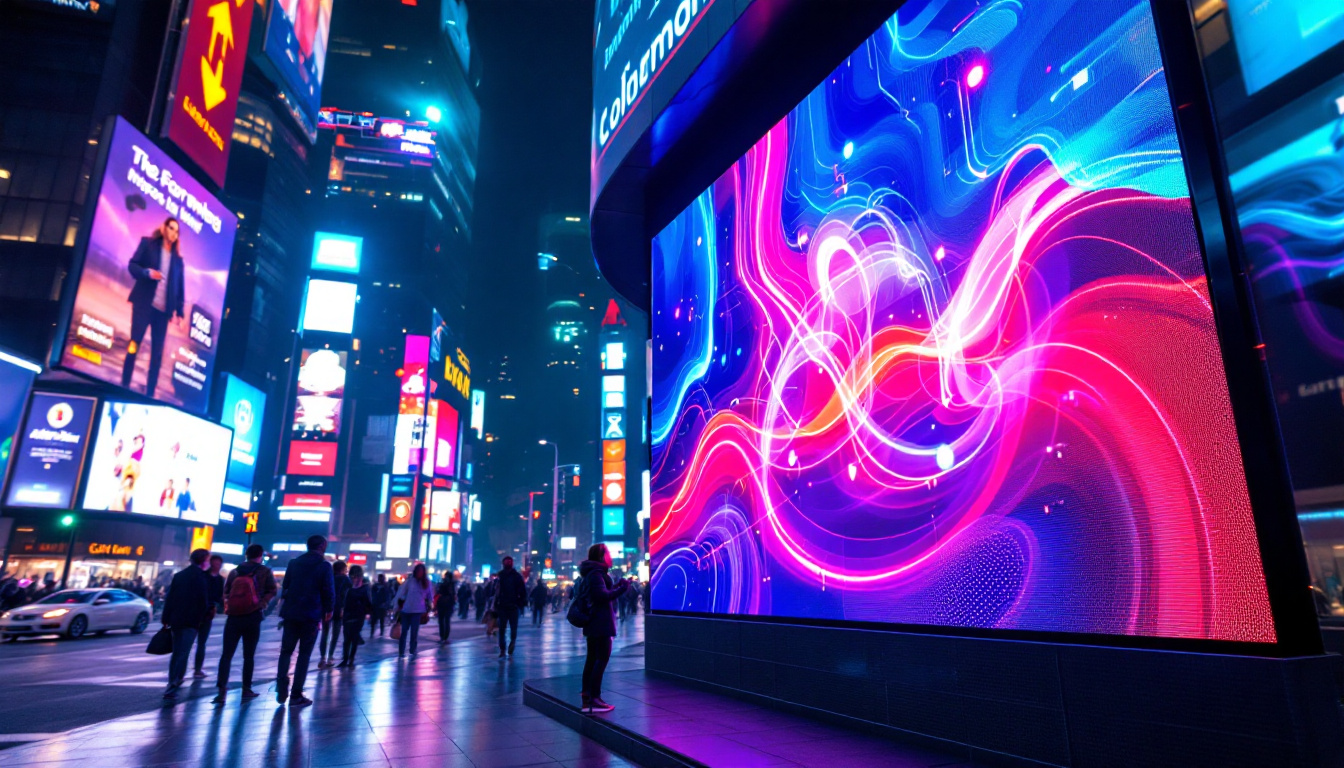
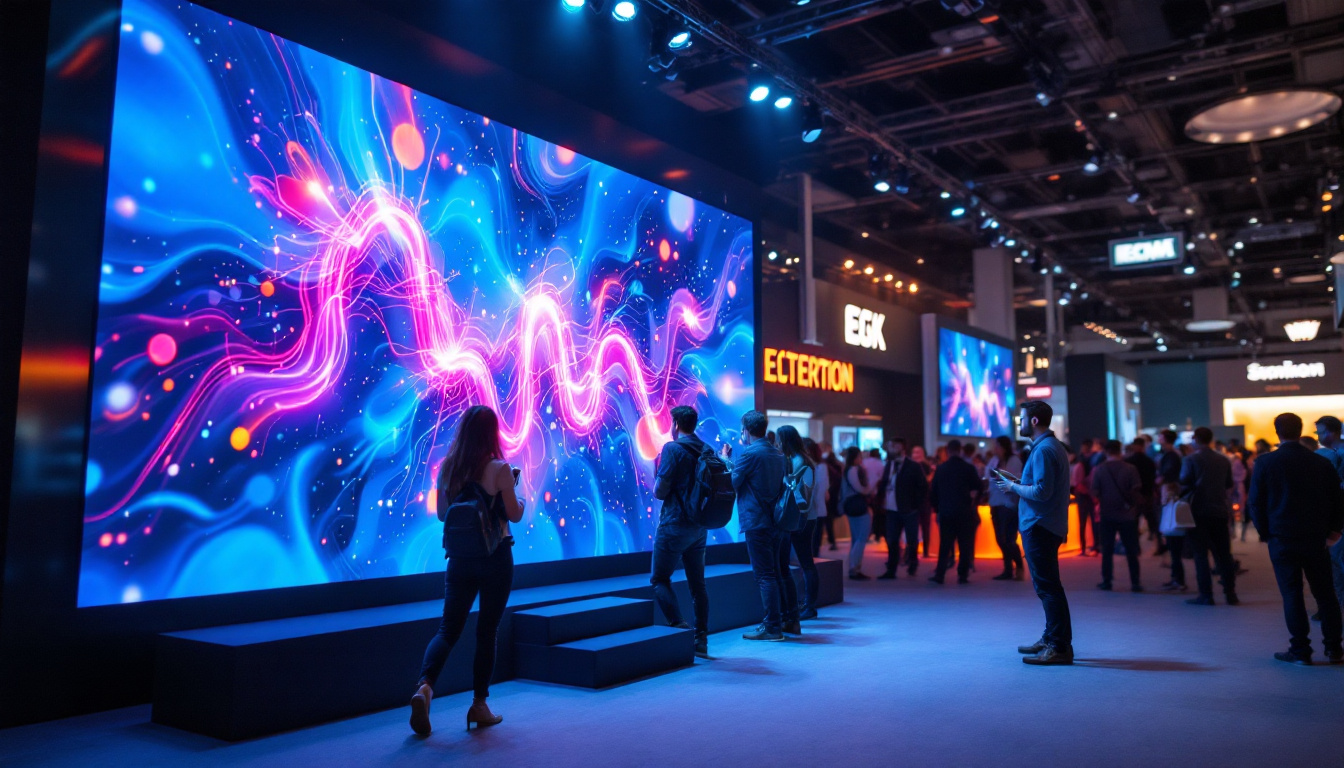
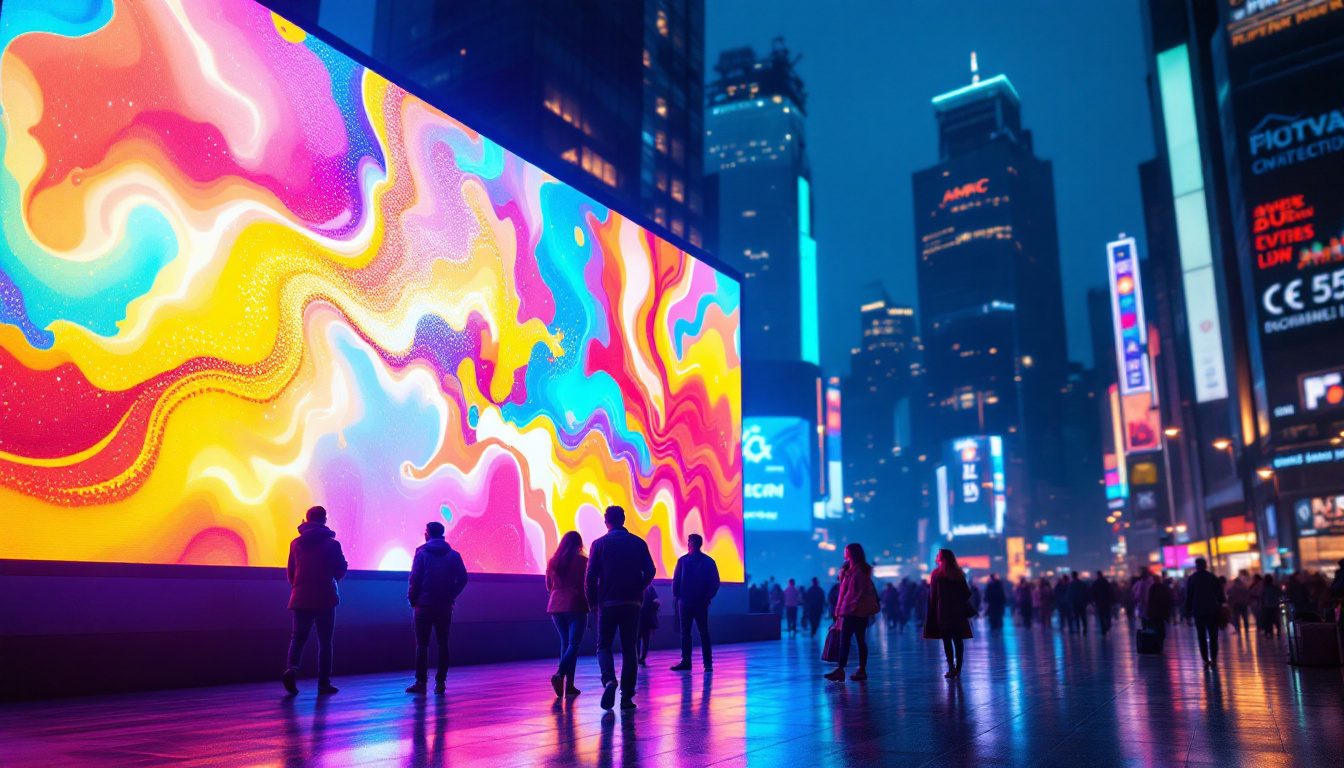
Outdoor advertising has been revolutionized by LED displays, which allow dynamic, eye-catching content that can be updated remotely and frequently. This capability increases engagement and advertising effectiveness compared to static billboards.
Public information systems in airports, shopping malls, and city centers utilize LED displays to disseminate announcements, news, and emergency alerts, ensuring timely communication with large audiences.
Future Trends and Innovations in LED Display Technology
MicroLED and MiniLED Advancements
Emerging MicroLED and MiniLED technologies promise to elevate display performance further. MicroLEDs, with their microscopic size, offer higher pixel density, improved color accuracy, and faster response times, making them ideal for next-generation digital monitoring products.
MiniLEDs, which use smaller LEDs for backlighting LCD panels, enhance contrast ratios and brightness, bridging the gap between traditional LED and OLED displays.
Integration with IoT and Smart Systems
The integration of LED displays with Internet of Things (IoT) platforms is transforming digital monitoring. Smart LED displays can collect and display real-time data from sensors, cameras, and other connected devices, enabling proactive monitoring and automated responses.
This connectivity enhances operational efficiency across industries, from smart cities managing traffic flows to industrial plants optimizing production lines.
Energy Harvesting and Sustainability
As sustainability becomes a priority, research into energy-harvesting LED displays is gaining momentum. Innovations include solar-powered LED panels and systems that recycle heat generated by LEDs to improve overall energy efficiency.
These advancements align with global efforts to reduce carbon footprints and promote environmentally responsible technology adoption.
Choosing the Right LED Display for Your Digital Monitoring Needs
Assessing Environmental Conditions
When selecting an LED display, understanding the installation environment is paramount. Outdoor displays must withstand weather elements such as rain, dust, and extreme temperatures. Look for displays with appropriate IP ratings and robust construction to ensure durability.
Determining Resolution and Pixel Pitch
The intended viewing distance dictates the required resolution and pixel pitch. For close-range monitoring, such as control rooms, a finer pixel pitch is necessary to ensure image clarity. Conversely, larger pixel pitches are acceptable for distant viewing, like highway billboards.
Evaluating Brightness and Contrast Requirements
Brightness levels should match ambient lighting conditions. High brightness is essential for outdoor and brightly lit indoor environments, while moderate brightness suffices for dimmer settings. Contrast ratio impacts readability and color vibrancy, influencing overall display effectiveness.
Considering Maintenance and Support
Reliable after-sales support and ease of maintenance are critical factors. Modular designs simplify repairs and upgrades, minimizing downtime. Additionally, consider the availability of technical support and warranty terms to safeguard your investment.
Conclusion
LED displays have become indispensable in digital monitoring products due to their superior brightness, energy efficiency, and adaptability. Their applications span numerous sectors, enhancing communication, safety, and operational efficiency. As technology advances, innovations like MicroLED and IoT integration will further expand the capabilities and impact of LED displays.
For organizations seeking effective digital monitoring solutions, understanding LED display technology and its nuances is essential. By carefully evaluating environmental factors, technical specifications, and future-proofing considerations, stakeholders can select the optimal LED display to meet their monitoring needs and drive successful outcomes.
Discover LumenMatrix LED Display Solutions
Ready to elevate your digital monitoring capabilities with top-tier LED technology? LumenMatrix is at the forefront of LED display innovation, offering a diverse range of products that cater to every need—from vibrant Indoor and Outdoor LED Wall Displays to dynamic Vehicle and Sports LED Displays, and beyond. Embrace the future of visual communication with our Custom, All-in-One, and Transparent LED solutions designed to captivate your audience and amplify your message. Check out LumenMatrix LED Display Solutions today and transform your space into a hub of engagement and information.