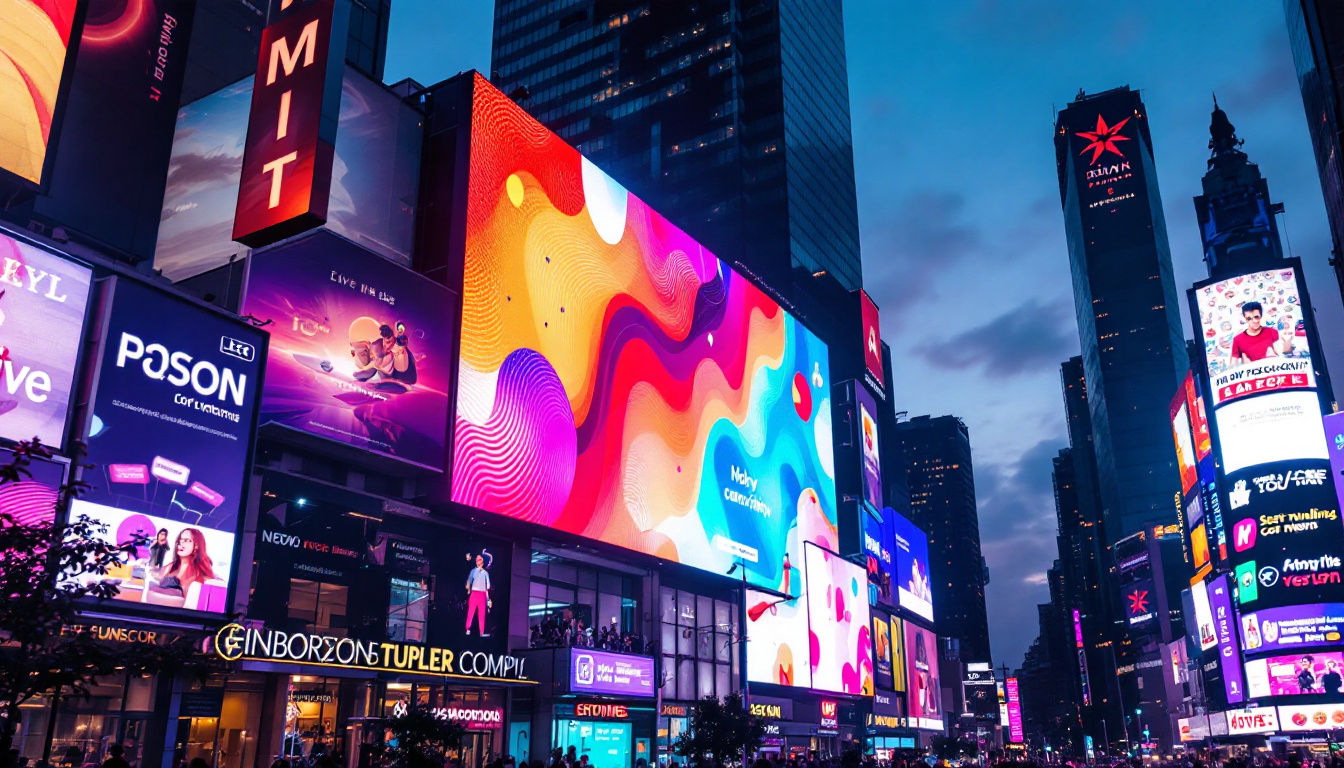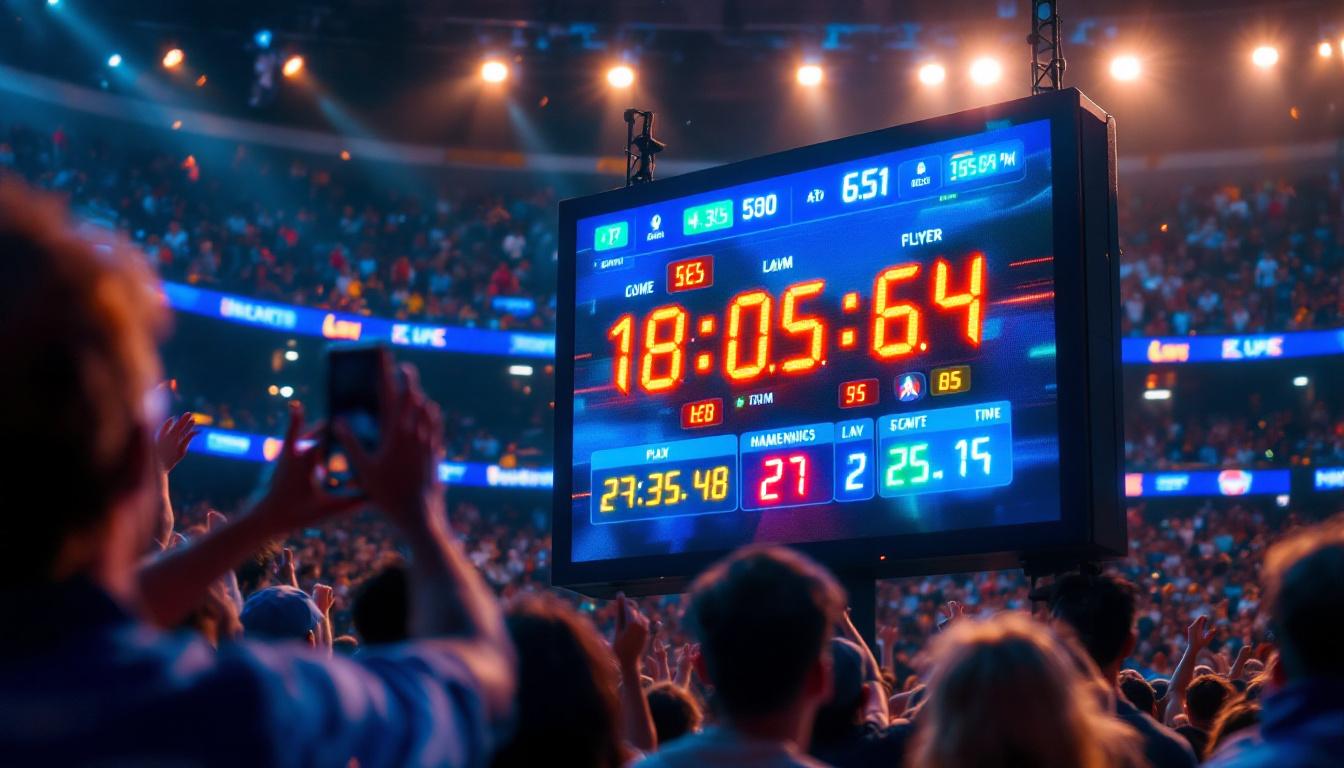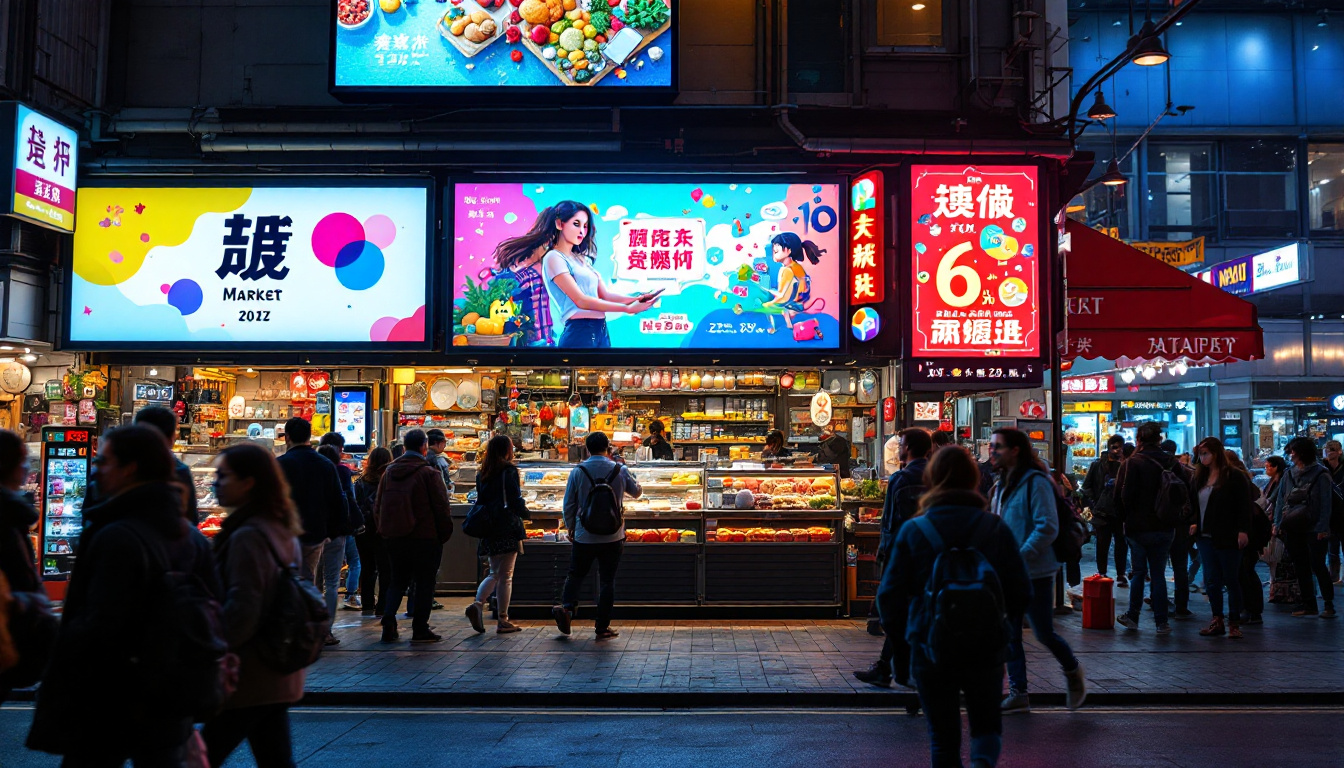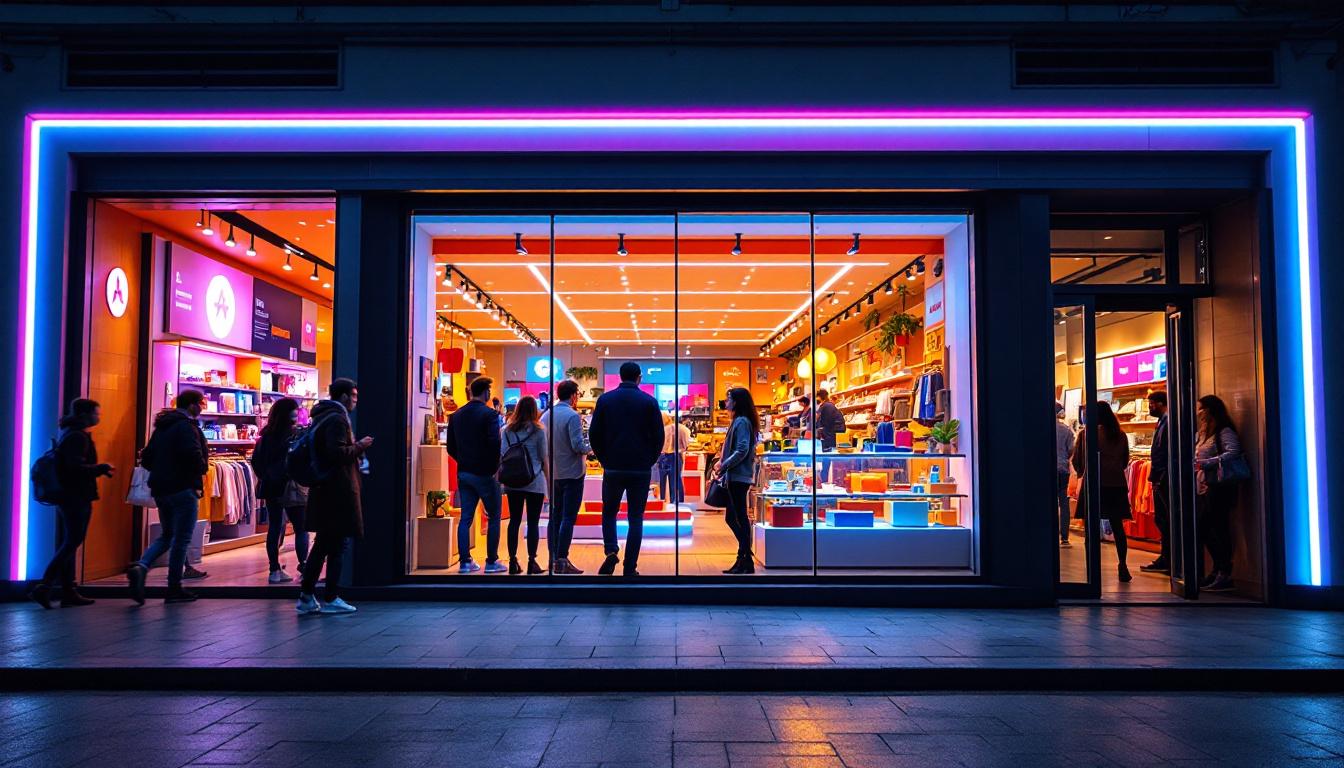
In today’s digital age, LED displays have become an integral part of how information and visuals are communicated across various industries. From the vibrant billboards that light up cityscapes to the dynamic screens in stadiums and retail environments, LED technology continues to evolve and captivate audiences worldwide. This article delves into the concept of the “Lit Sphere” in LED displays, exploring its technology, applications, and the reasons behind its growing popularity.
Understanding the Basics of LED Displays
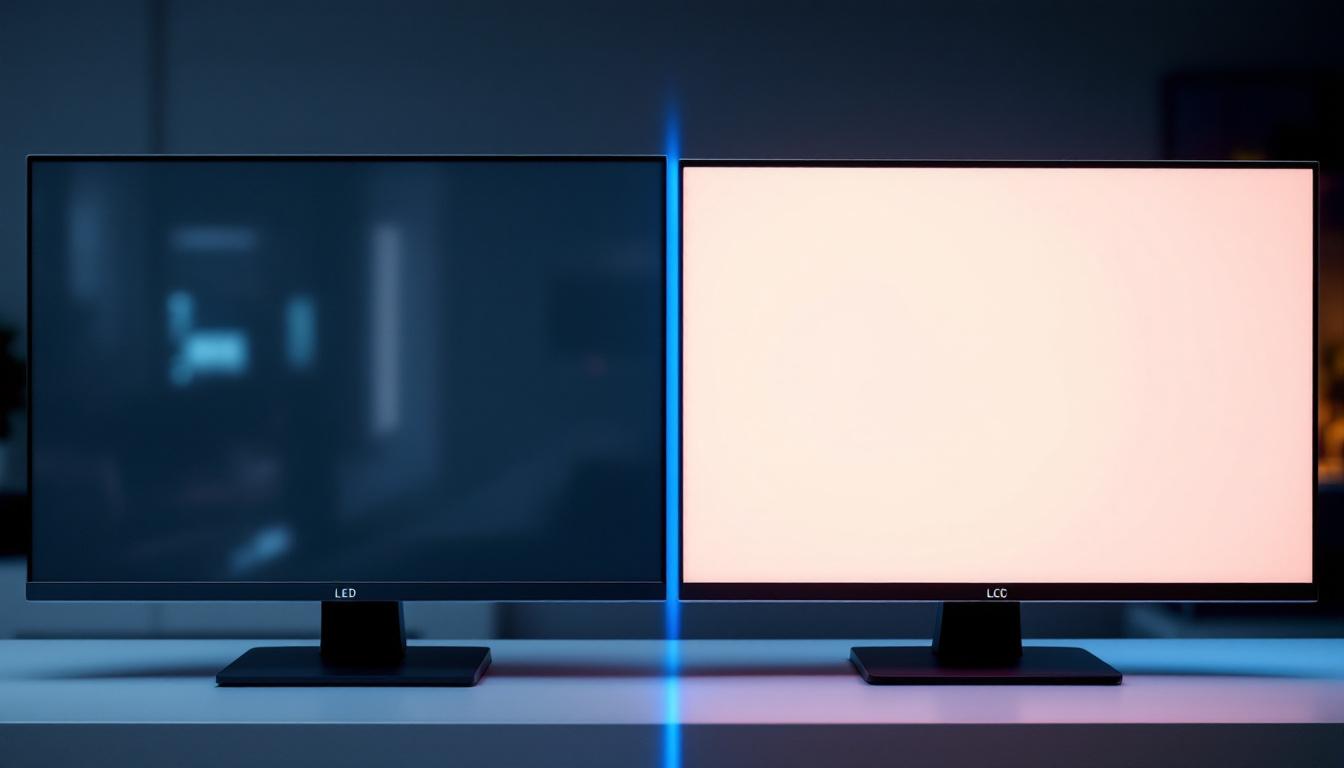
LED, or Light Emitting Diode, displays are a type of flat panel display that use an array of light-emitting diodes as pixels to create images. Unlike traditional LCD or plasma screens, LED displays offer superior brightness, energy efficiency, and durability, making them ideal for both indoor and outdoor use. The technology behind LED displays has evolved significantly over the years, leading to advancements such as OLED (Organic Light Emitting Diode) and MicroLED, which further enhance color accuracy and contrast ratios, providing even more stunning visuals.
The fundamental structure of an LED display consists of a matrix of tiny LEDs arranged in clusters known as pixels. Each pixel can emit different colors by combining red, green, and blue LEDs, allowing for a broad color spectrum and high-resolution images. This technology enables vibrant, sharp visuals that remain visible even under direct sunlight, a key advantage over many other display types. Furthermore, LED displays are increasingly being utilized in various applications, from large-scale billboards and sports arenas to smaller devices like smartphones and televisions, showcasing their versatility and adaptability in the modern digital landscape.
What is a Lit Sphere?
The term “Lit Sphere” refers to a specific method of representing lighting and shading on spherical objects using LED technology. Originally a concept in computer graphics and 3D rendering, a lit sphere is a 2D image that encodes the lighting information of a sphere under various lighting conditions. When applied to LED displays, this concept helps simulate realistic lighting effects on curved or spherical surfaces, enhancing the visual experience. This technique not only adds depth to the visuals but also allows for the creation of more engaging and interactive content that can captivate audiences.
In practical terms, a lit sphere in LED displays can be used to create dynamic lighting effects that respond to environmental changes or user interaction. This capability is particularly useful in architectural lighting, interactive art installations, and advanced visualization systems where immersive and realistic lighting is crucial. For instance, in a museum setting, a lit sphere can adapt its lighting based on the time of day or the presence of visitors, creating a more engaging atmosphere. Additionally, the use of lit spheres can enhance virtual reality experiences, where realistic lighting plays a vital role in creating believable environments, thus bridging the gap between the digital and physical worlds.
The Technology Behind Lit Sphere LED Displays
To appreciate how lit spheres function in LED displays, it’s important to understand the underlying technologies that make them possible. These include advanced LED modules, sophisticated control systems, and innovative software algorithms.
Advanced LED Modules and Pixel Control
Modern LED modules consist of densely packed LEDs with high pixel density, allowing for detailed and smooth images even on curved surfaces. These modules can be shaped and arranged to fit spherical or irregular geometries, providing flexibility in design and application.
Each LED pixel is individually controllable, enabling precise manipulation of brightness and color. This granular control is essential for rendering the subtle gradients and highlights characteristic of lit sphere lighting, which rely on simulating how light interacts with a spherical surface.
Software Algorithms and Real-Time Rendering
Software plays a crucial role in generating the lit sphere effect. Algorithms calculate the lighting direction, intensity, and color based on the viewer’s perspective and environmental factors. These calculations are then translated into pixel data that instructs the LEDs on how to illuminate.
Real-time rendering capabilities allow the display to adapt dynamically. For example, in an interactive exhibit, the lit sphere can change its lighting as a person moves around it, creating a lifelike and engaging experience. This requires powerful processors and optimized code to maintain smooth and responsive visuals.
Applications of Lit Sphere LED Displays
The versatility of lit sphere LED technology has led to its adoption in a variety of fields. Its ability to simulate realistic lighting on curved surfaces opens up new possibilities for designers, advertisers, and technologists alike.
Architectural and Environmental Lighting
In modern architecture, lighting is not just functional but also a design element. Lit sphere LED displays can be integrated into building facades, domes, and other curved structures to create dynamic lighting effects that enhance the aesthetic appeal. These installations can change colors and patterns throughout the day or in response to events, making buildings more interactive and visually striking.
For example, the exterior of sports arenas or cultural centers often features LED lighting that adjusts for special occasions or broadcasts team colors during games. The spherical lighting effect adds depth and realism, making the display more captivating from multiple angles.
Advertising and Digital Signage
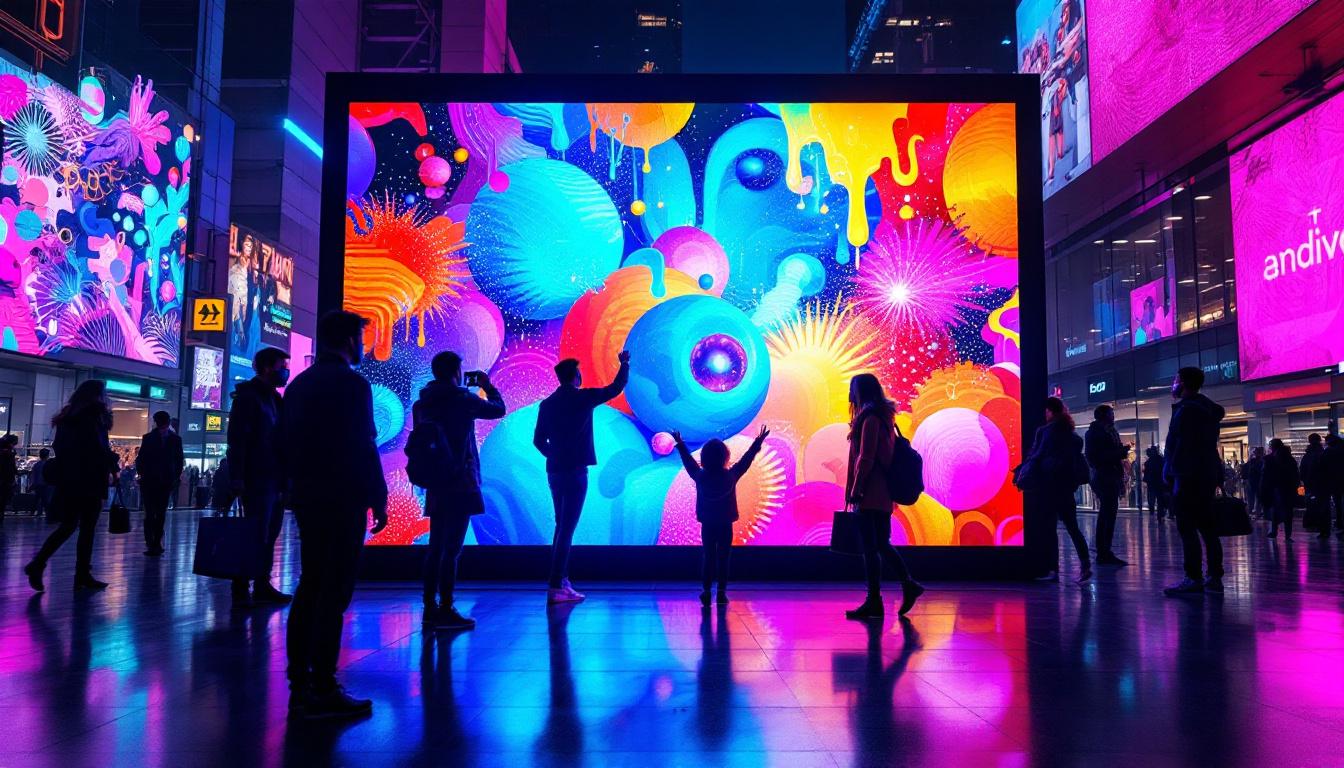
Advertising benefits greatly from the eye-catching qualities of lit sphere LED displays. Brands use these displays in shopping malls, airports, and urban centers to showcase products with vivid, lifelike imagery. The spherical lighting effect can highlight product features or create immersive brand experiences that stand out in crowded spaces.
With global digital signage spending projected to reach over $32 billion by 2025, according to industry reports, innovations like lit sphere technology provide advertisers with a competitive edge by enhancing visual impact and engagement.
Entertainment and Art Installations
Artists and event organizers leverage lit sphere LED displays to create immersive environments that blend light, color, and movement. Interactive sculptures, stage backdrops, and festival installations utilize this technology to captivate audiences and convey complex narratives through light.
For instance, music festivals often incorporate spherical LED displays that pulse and shift in sync with performances, elevating the sensory experience. The ability to simulate natural lighting conditions or fantastical effects adds a new dimension to creative expression.
Advantages of Lit Sphere LED Displays Over Traditional Displays
While many display technologies exist, lit sphere LED displays offer unique benefits that make them particularly appealing for certain applications.
Superior Brightness and Visibility
LED technology inherently provides higher brightness levels than LCD or plasma displays. When combined with the lit sphere approach, this brightness enhances the perception of depth and realism on spherical surfaces, ensuring visibility even in bright outdoor environments.
Energy Efficiency and Longevity
LEDs consume less power compared to traditional lighting and display technologies, which translates to lower operational costs and reduced environmental impact. Additionally, LEDs have longer lifespans, often exceeding 50,000 hours, reducing maintenance needs for installations that operate continuously.
Flexibility in Design and Form Factor
Unlike flat-panel displays, LED modules can be configured into various shapes, including spheres, curves, and irregular forms. This flexibility allows designers to create innovative, eye-catching installations that were previously impossible or cost-prohibitive.
Dynamic and Interactive Capabilities
With real-time control and sophisticated software, lit sphere LED displays can respond to environmental cues, user interactions, or programmed sequences. This interactivity enhances user engagement and provides opportunities for personalized experiences.
Challenges and Considerations in Implementing Lit Sphere LED Displays
Despite their advantages, deploying lit sphere LED displays involves certain challenges that must be addressed to maximize effectiveness and longevity.
Complexity and Cost
Creating a spherical LED display with high pixel density requires advanced manufacturing techniques and precise assembly, which can be costly. Additionally, the software development for real-time lighting simulation demands specialized expertise.
However, as technology advances and economies of scale improve, these costs are gradually decreasing, making lit sphere displays more accessible to a broader range of users.
Heat Management and Durability
LEDs generate heat during operation, and spherical configurations can complicate heat dissipation. Effective thermal management is essential to prevent damage and maintain performance. Durable materials and protective coatings are also necessary to withstand environmental exposure, especially for outdoor installations.
Calibration and Maintenance
Maintaining uniform brightness and color accuracy across a spherical surface requires regular calibration. Dust, moisture, and physical impacts can affect LED performance, necessitating routine inspection and maintenance protocols.
The Future of Lit Sphere LED Displays
As LED technology continues to evolve, the potential for lit sphere displays expands. Emerging trends indicate a promising future driven by innovation in materials, software, and integration techniques.
Integration with Augmented Reality and IoT
Combining lit sphere LED displays with augmented reality (AR) and Internet of Things (IoT) technologies could enable highly interactive environments. For example, smart city initiatives might use spherical LED installations that respond to real-time data such as weather, traffic, or social media trends, creating dynamic public art that reflects the community’s pulse.
Advances in MicroLED and Flexible Displays
MicroLED technology, which offers even smaller and more efficient LEDs, promises higher resolution and better color accuracy. Flexible microLED displays could further enhance the design possibilities for spherical and other complex shapes, making lit sphere displays thinner, lighter, and more versatile.
Sustainability and Eco-Friendly Innovations
With growing emphasis on sustainability, future lit sphere LED displays are likely to incorporate eco-friendly materials and energy-saving features. Innovations in recycling and modular design will facilitate easier upgrades and reduce electronic waste.
Conclusion
Lit sphere LED displays represent a fascinating intersection of lighting technology, digital imaging, and creative design. By simulating realistic lighting on spherical surfaces, they offer unique visual experiences that enhance architecture, advertising, entertainment, and art. While challenges remain in cost, complexity, and maintenance, ongoing technological advancements are making these displays more accessible and impactful.
For businesses and creators seeking to captivate audiences with immersive and dynamic visuals, understanding and leveraging lit sphere LED technology opens up exciting possibilities. As this field continues to grow, it will undoubtedly shape the future of digital display and interactive environments in compelling ways.
Explore the Future of LED Displays with LumenMatrix
Ready to elevate your visual storytelling and captivate your audience with the latest in LED display technology? Discover LumenMatrix’s innovative solutions, from Indoor and Outdoor LED Wall Displays to dynamic Vehicle and Sports LED Displays, and beyond. Our mission is to transform your visual communication, offering unparalleled engagement and clarity. Check out LumenMatrix LED Display Solutions today and join the revolution in digital signage.