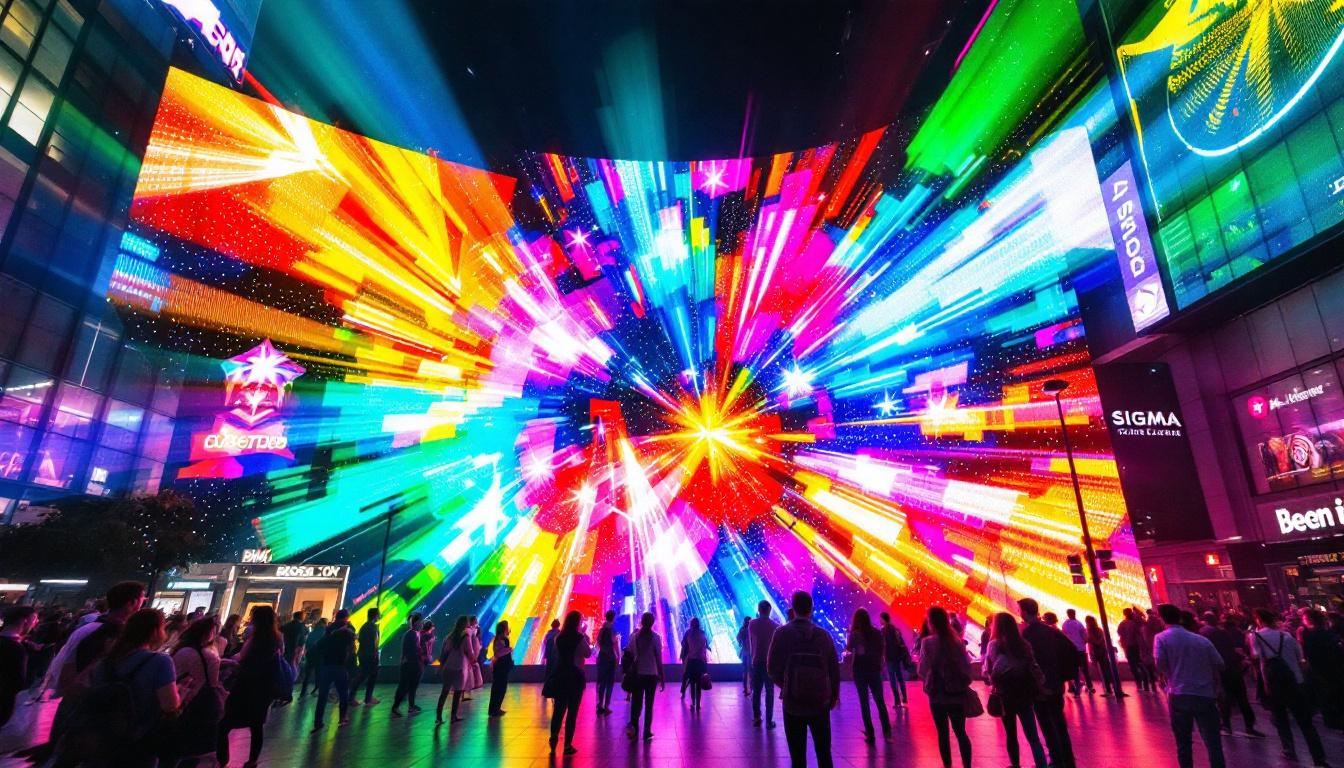
As the world of digital signage and display technology continues to evolve rapidly, LED displays have become a cornerstone of modern visual communication. The Cix 2024 event highlights some of the latest advancements and trends in LED display technology, offering valuable insights for businesses, event organizers, and technology enthusiasts alike. This article delves into the fundamentals of LED displays, explores the innovations showcased at Cix 2024, and explains why LED technology remains a dominant force in the display industry.
Understanding LED Display Technology
LED, or Light Emitting Diode, displays are a type of digital screen that uses tiny light-emitting diodes to create images and videos. Unlike traditional LCD or plasma screens, LED displays offer superior brightness, contrast, and energy efficiency, making them ideal for both indoor and outdoor applications.
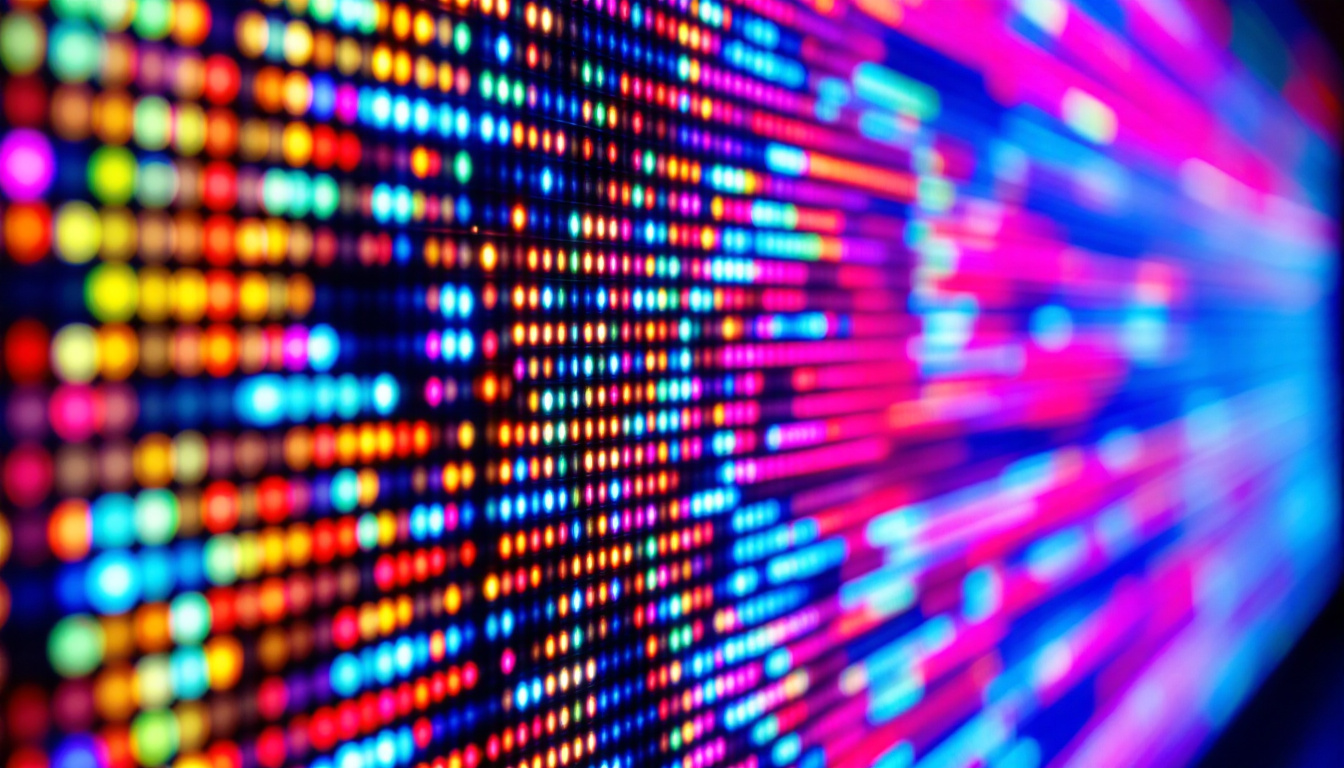
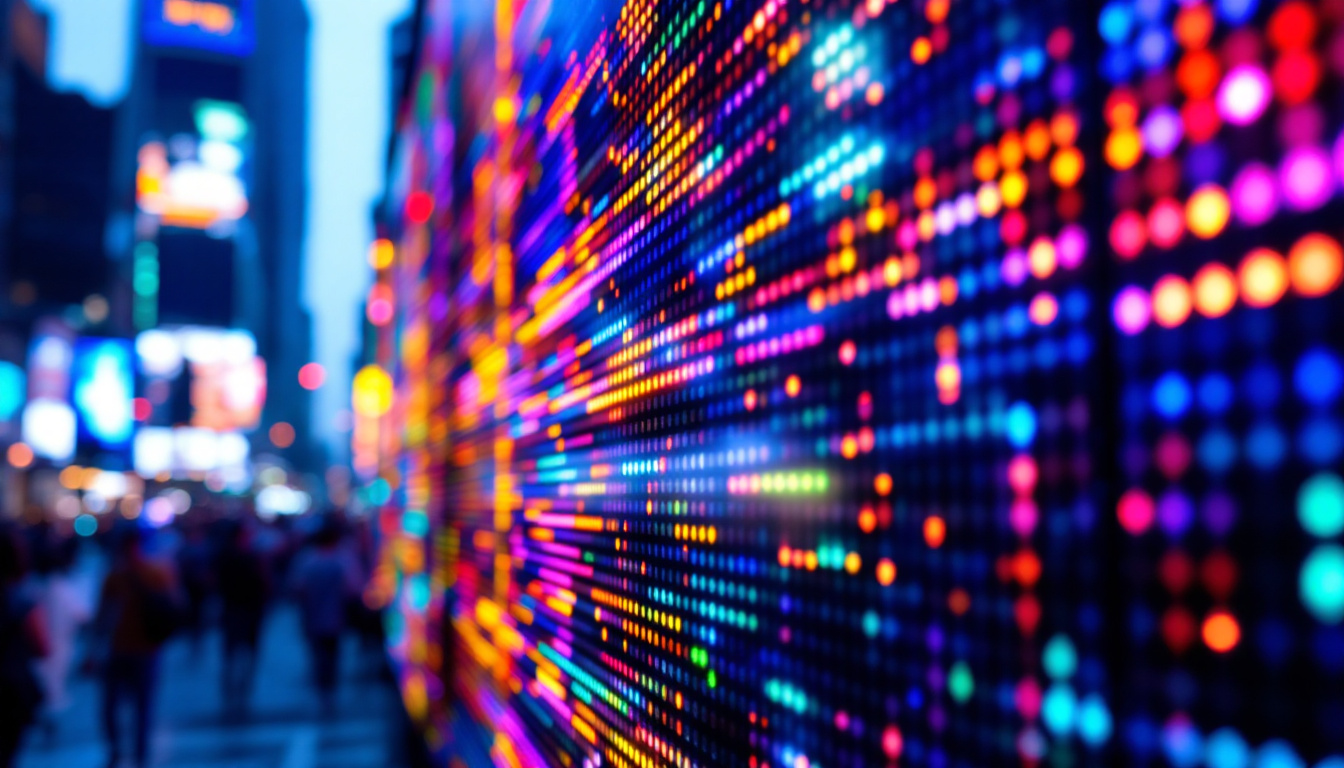
At the heart of an LED display are thousands to millions of individual LEDs arranged in a matrix. Each LED acts as a pixel, emitting light in specific colors—typically red, green, and blue—that combine to produce a full spectrum of colors. The precision and intensity of these LEDs enable vibrant visuals that remain visible even under direct sunlight, a critical advantage for outdoor advertising and public information displays. This capability not only enhances visibility but also allows for dynamic content that can be updated in real-time, making LED displays a powerful tool for communication and branding.
Types of LED Displays
LED displays come in several varieties, each suited to different use cases:
- Indoor LED Displays: Designed for environments with controlled lighting, these displays have a higher pixel density for sharper images and are commonly used in retail stores, conference rooms, and entertainment venues.
- Outdoor LED Displays: Built to withstand weather elements and provide high brightness levels, these are typically used for billboards, stadium screens, and public information boards.
- Transparent LED Displays: These innovative screens allow light to pass through, making them perfect for storefront windows and architectural installations where maintaining visibility is important.
- Flexible and Curved LED Displays: Emerging technologies now allow LED panels to bend or curve, enabling creative and immersive display designs.
In addition to these types, LED technology is rapidly evolving, with advancements such as MicroLED displays gaining traction. MicroLEDs consist of microscopic LEDs that can be individually controlled, offering even greater resolution and color accuracy. This technology promises to revolutionize the display industry by providing ultra-thin, lightweight screens that can be seamlessly integrated into various surfaces, from walls to wearable devices. Furthermore, the integration of smart technology with LED displays is paving the way for interactive experiences, where users can engage with content in real-time through touch or motion sensors, enhancing the overall impact of the display.
Moreover, the sustainability aspect of LED technology cannot be overlooked. Unlike traditional display technologies, LEDs consume significantly less power and have a longer lifespan, which reduces waste and energy consumption. As businesses and consumers become increasingly aware of their environmental footprint, the shift towards LED displays is not just a trend but a necessary evolution in the quest for greener technology solutions. This commitment to sustainability is further supported by the development of recyclable materials and energy-efficient manufacturing processes, ensuring that LED displays are not only effective but also environmentally responsible.
Key Innovations at Cix 2024
The Cix 2024 conference showcased several cutting-edge developments in LED display technology, reflecting the industry’s push towards higher resolution, smarter integration, and enhanced sustainability.
MicroLED and MiniLED Advancements
One of the most talked-about trends at Cix 2024 was the rise of MicroLED and MiniLED technologies. These displays feature significantly smaller diodes than traditional LEDs, allowing for higher pixel density and improved image quality.
MicroLED displays, in particular, offer near-perfect contrast ratios and exceptional color accuracy without the need for backlighting, unlike LCDs. This results in thinner, lighter screens with better energy efficiency. Companies demonstrated prototypes of MicroLED video walls that can be scaled to massive sizes without sacrificing image fidelity, making them ideal for large venues and high-end retail environments. Furthermore, the modular nature of MicroLED technology allows for easy repairs and upgrades, which can significantly reduce long-term costs for businesses investing in these displays.
AI-Driven Display Management
Artificial intelligence is increasingly being integrated into LED display systems to optimize content delivery and maintenance. At Cix 2024, several exhibitors presented AI-powered software capable of dynamically adjusting brightness and color temperature based on ambient conditions, thereby extending the lifespan of the LEDs and reducing power consumption.
Additionally, AI algorithms can analyze viewer engagement and tailor content in real time, enhancing marketing effectiveness. For example, digital billboards equipped with facial recognition and demographic analysis can display targeted advertisements, improving ROI for advertisers. This not only maximizes the impact of advertising campaigns but also creates a more personalized experience for consumers, who are increasingly drawn to tailored content. The ability to gather and analyze data on viewer interactions also opens up new avenues for advertisers to refine their strategies and measure success more accurately.
Sustainability and Energy Efficiency
With growing environmental concerns, sustainability has become a major focus in LED display development. New materials and manufacturing processes showcased at Cix 2024 aim to reduce the carbon footprint of LED panels. For instance, some manufacturers are now using recyclable components and lead-free soldering techniques.
Energy-efficient drivers and power management systems also contribute to lower electricity consumption. In some cases, solar-powered LED displays were demonstrated, highlighting the potential for off-grid digital signage solutions in remote locations. Moreover, the integration of smart sensors in these displays can monitor energy usage in real-time, allowing for further optimization and contributing to a more sustainable operational model. As the industry moves towards a circular economy, innovations in recycling processes for old LED displays are also being explored, ensuring that the lifecycle of these products is extended and their environmental impact is minimized.
Applications of LED Displays in 2024
LED displays have become ubiquitous across various sectors, and the innovations presented at Cix 2024 are expanding their potential uses even further.
Advertising and Marketing
Digital out-of-home (DOOH) advertising continues to grow, with LED displays playing a pivotal role. The ability to update content instantly and display high-impact visuals makes LED screens a preferred choice for advertisers. In 2024, the integration of programmatic advertising with LED displays allows marketers to buy and deliver ads in real time based on location, time, and audience data.
For example, major cities worldwide are deploying smart LED billboards that change messaging depending on traffic patterns or weather conditions, maximizing relevance and engagement.
Sports and Entertainment Venues
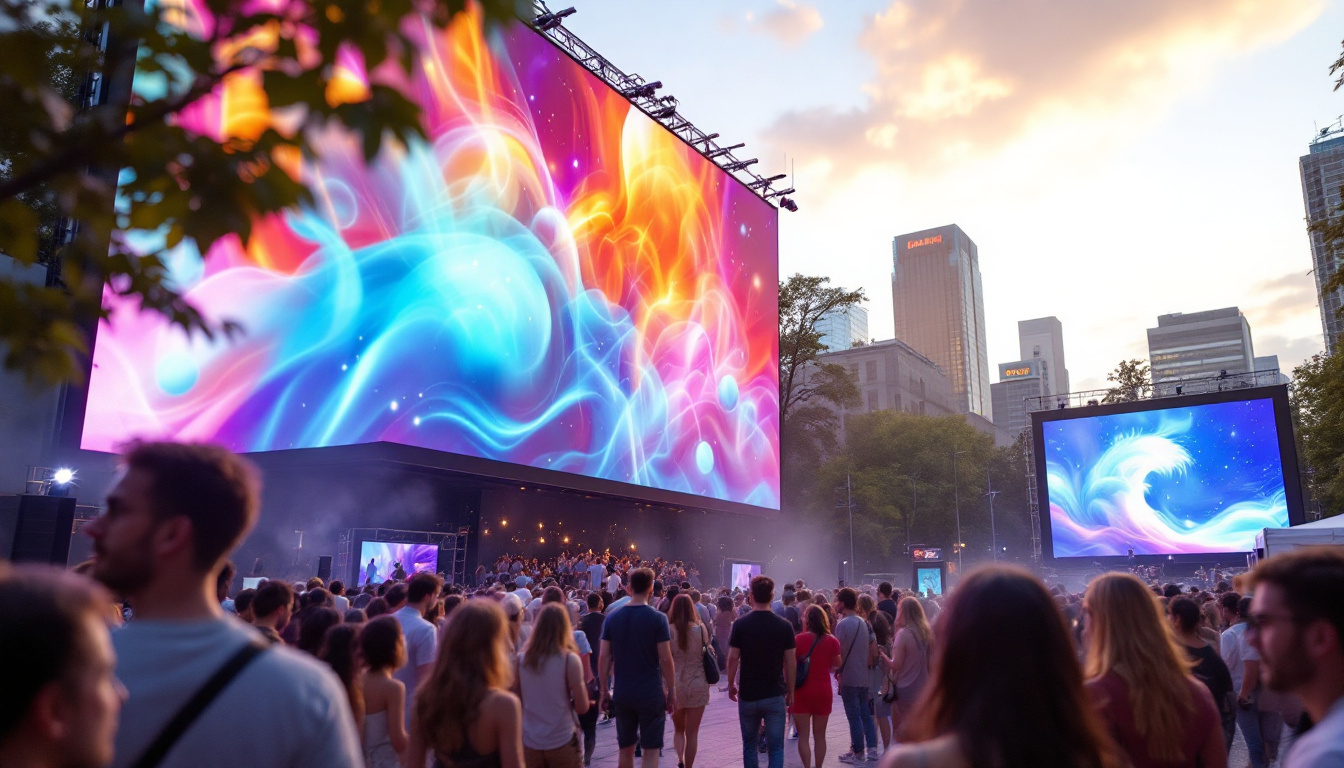
Stadiums and concert halls rely heavily on LED displays to enhance the spectator experience. The high brightness and wide viewing angles of modern LED screens ensure that every seat has a clear view of the action. Cix 2024 highlighted several projects where ultra-high-definition LED video walls are integrated with augmented reality (AR) and interactive elements, creating immersive environments for fans.
Corporate and Educational Environments
In corporate settings, LED displays are increasingly used for video conferencing, digital signage, and collaborative workspaces. The clarity and flexibility of LED panels facilitate better communication and engagement during meetings and presentations.
Similarly, educational institutions are adopting LED technology for interactive learning environments. Large LED walls can display dynamic content, from scientific visualizations to real-time data feeds, enriching the educational experience.
Choosing the Right LED Display: Factors to Consider
With so many options available, selecting the appropriate LED display for a specific application can be challenging. Several critical factors should guide the decision-making process.
Resolution and Pixel Pitch
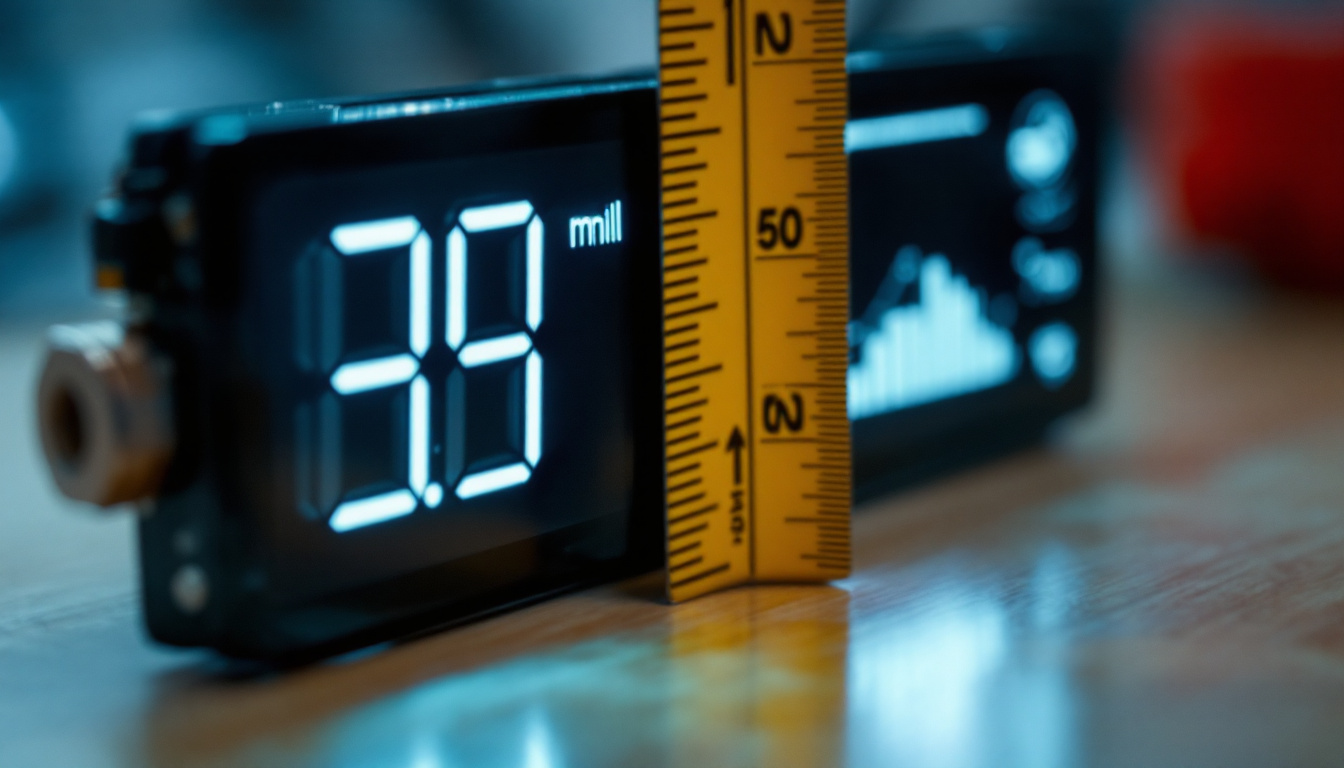
Resolution determines the sharpness of the image, while pixel pitch—the distance between individual LEDs—affects viewing distance and clarity. Indoor displays typically require a smaller pixel pitch (1-2 mm) for close viewing, whereas outdoor displays can use larger pixel pitches (up to 10 mm or more) since viewers are farther away.
Brightness and Contrast Ratio
Brightness is measured in nits, and higher values are essential for outdoor displays exposed to sunlight. Contrast ratio impacts the depth and richness of the image, with higher ratios delivering more vivid visuals. It is important to balance these parameters based on the environment and intended use.
Durability and Weather Resistance
For outdoor installations, LED displays must be rated for resistance to water, dust, and temperature extremes. IP65 or higher ratings are common standards ensuring long-term reliability.
Installation and Maintenance
Modular designs facilitate easier installation and maintenance. Some LED panels feature front-access servicing, allowing repairs without dismantling entire structures, which is particularly valuable for large-scale video walls.
Cost and Energy Consumption
While LED displays can represent a significant investment, energy-efficient models and longer lifespans contribute to lower total cost of ownership. Evaluating both upfront costs and ongoing operational expenses is crucial.
The Future of LED Displays Beyond 2024
Looking ahead, LED display technology is poised to continue its trajectory of innovation, driven by advances in materials science, electronics, and software integration.
Integration with Augmented and Virtual Reality
Future LED displays will increasingly blend with AR and VR technologies to create hybrid environments. For example, transparent LED panels combined with AR glasses could deliver contextual information layered over real-world views, revolutionizing retail, navigation, and entertainment.
Ultra-High-Resolution and Flexible Displays
As manufacturing techniques improve, expect to see LED displays with pixel pitches below 0.5 mm, enabling screen sizes rivaling traditional monitors and TVs in clarity. Flexible and foldable LED panels will open new possibilities for wearable technology and dynamic architectural installations.
Smart Cities and IoT Connectivity
LED displays will become integral components of smart city infrastructure, connected to Internet of Things (IoT) networks. This connectivity will enable real-time data visualization, emergency alerts, and interactive public services, enhancing urban living.
Conclusion
The Cix 2024 event has underscored the vital role LED displays play in modern communication and entertainment. With continuous advancements in resolution, energy efficiency, and intelligent content management, LED technology is set to remain at the forefront of digital display solutions.
For businesses and organizations looking to invest in LED displays, understanding the technology’s nuances and emerging trends is essential to making informed decisions. Whether for advertising, events, corporate use, or public information, LED displays offer unparalleled versatility and impact in 2024 and beyond.
Explore Cutting-Edge LED Displays with LumenMatrix
Ready to elevate your visual communication strategy with the latest LED display technology? LumenMatrix is at the forefront of innovation, offering a diverse range of LED display solutions tailored to your unique needs. From captivating Indoor LED Wall Displays to dynamic Outdoor LED Wall Displays, and from versatile Vehicle LED Displays to sleek LED Poster Displays, our products are designed to make your brand shine. Discover how our LED Sports Displays, Floor LED Displays, Custom LED Displays, All-in-One LED Displays, and LED Transparent Displays can transform your space and engage your audience. Embrace the future of digital signage with LumenMatrix and create visual experiences that resonate. Check out LumenMatrix LED Display Solutions today and start sharing your message with unparalleled impact and clarity.