In today’s home entertainment landscape, sound bars have become a staple for enhancing audio quality without the bulk of traditional speaker systems. Among the many features that modern sound bars offer, the LED display stands out as a crucial yet often overlooked component. This article delves into the specifics of 22 inch sound bars, focusing on their LED displays—explaining their purpose, functionality, and how they contribute to an improved user experience.
Understanding the 22 Inch Sound Bar
The 22 inch sound bar is a popular choice for consumers seeking a compact yet powerful audio solution. Its size makes it ideal for smaller living rooms, bedrooms, or office setups where space is limited but sound quality remains a priority.
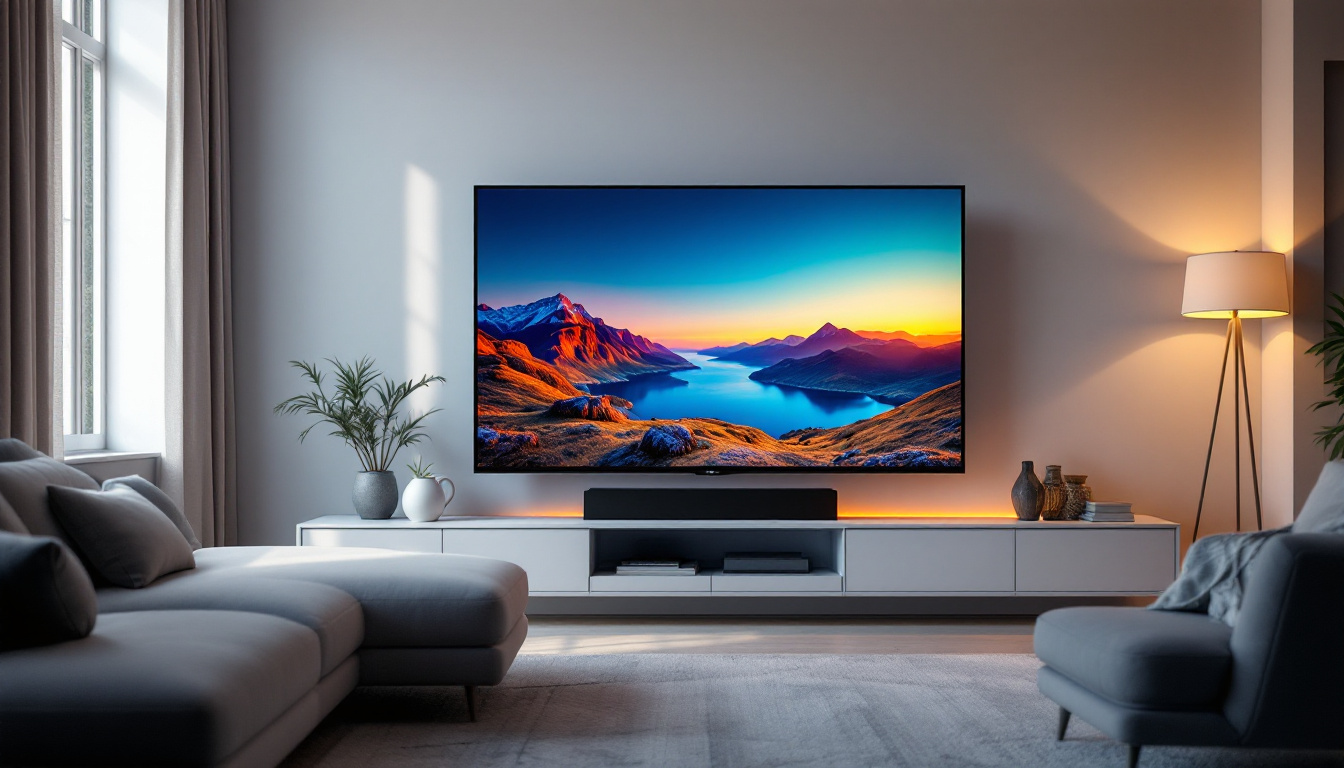
Typically, these sound bars range between 20 to 24 inches in length, with 22 inches being a common and versatile size. They are designed to fit neatly beneath most television sets, providing a seamless aesthetic while delivering enhanced audio performance compared to built-in TV speakers.
Despite their smaller size, many 22 inch sound bars come equipped with advanced audio technologies such as Dolby Atmos, DTS:X, or virtual surround sound, ensuring a rich and immersive listening experience. However, beyond audio capabilities, the LED display on these devices plays a pivotal role in user interaction and functionality.
In addition to their audio prowess, many models also feature Bluetooth connectivity, allowing users to stream music directly from their smartphones or tablets. This versatility makes the sound bar not just a tool for enhancing television audio, but also a powerful speaker system for music and podcasts. Some sound bars even include voice assistant integration, enabling users to control their audio experience hands-free, which is particularly convenient in a busy household or during multitasking.
Furthermore, the design of 22 inch sound bars often incorporates a sleek, modern aesthetic that complements contemporary home decor. Many manufacturers offer various finishes and styles, from minimalist black to elegant wood grain, allowing consumers to choose a model that best fits their personal taste and interior design. This attention to both form and function ensures that the sound bar not only enhances audio quality but also serves as a stylish addition to any room.
The Role of the LED Display on a 22 Inch Sound Bar
What is an LED Display?
An LED (Light Emitting Diode) display on a sound bar is a small screen or panel that visually communicates information to the user. Unlike larger LCD or OLED screens found on televisions, LED displays on sound bars are typically minimalistic, designed to show essential data such as volume levels, input sources, and operational modes.
The LED display is often integrated into the front panel of the sound bar, using bright, energy-efficient diodes to ensure visibility even in well-lit rooms. This feature allows users to quickly glance at the device and understand its current status without needing to rely solely on remote controls or connected devices.
Why the LED Display Matters
The LED display enhances usability by providing immediate feedback on the sound bar’s settings. For example, when adjusting the volume, the display shows the current level numerically or graphically, allowing precise control. Similarly, switching between Bluetooth, HDMI ARC, optical, or auxiliary inputs is visually confirmed via the LED readout.
In addition, many 22 inch sound bars incorporate LED indicators for sound modes such as movie, music, or dialogue enhancement. This helps users tailor the audio output to their preferences or the content they are consuming, improving overall satisfaction.
Common Features Displayed on LED Panels
Volume and Mute Status
One of the most fundamental functions of the LED display is to show the volume level. This is usually represented by a numeric value or a bar graph that increases or decreases as the volume is adjusted. When the sound bar is muted, the LED display often shows a mute icon or simply flashes to indicate the mute status.
This immediate visual feedback is crucial for users who want to avoid guessing the volume level, especially in environments where sound adjustments need to be subtle or precise.
Input Source Identification
Sound bars typically support multiple input sources, including Bluetooth, HDMI ARC, optical, USB, and auxiliary connections. The LED display helps users identify which source is currently active by showing abbreviations like “BT” for Bluetooth, “HDMI” for HDMI ARC, or “OPT” for optical input.
This feature eliminates confusion, particularly in setups with multiple devices connected to the sound bar, such as gaming consoles, streaming devices, or Blu-ray players.
Sound Modes and Equalizer Settings
Many sound bars offer preset sound modes designed to optimize audio for different types of content. The LED display indicates which mode is active—such as “Movie,” “Music,” “News,” or “Game.” Some advanced models also allow manual equalizer adjustments, with the display showing bass, treble, or balance settings.
These visual cues help users quickly switch between modes without needing to refer to manuals or smartphone apps, enhancing convenience and control.
Bluetooth Pairing and Connectivity Status
For wireless sound bars, the LED display often provides information about Bluetooth connectivity. When pairing a device, the display might flash or show a pairing icon. Once connected, it typically shows a steady symbol or the name of the connected device.
This functionality is essential for ensuring a smooth and intuitive wireless experience, preventing frustration during setup or use.
Technical Insights: How LED Displays Work on Sound Bars
The LED displays on 22 inch sound bars are usually based on either single-color or multi-color LED segments, such as seven-segment numeric displays or dot matrix arrays. These components are controlled by the sound bar’s internal microcontroller, which processes user inputs and system status to update the display accordingly.
Modern sound bars may also use OLED or LCD displays for richer information presentation, but LED remains popular due to its low power consumption, high brightness, and long lifespan. The display’s brightness is often adjustable to accommodate different lighting conditions, reducing glare during nighttime viewing.
Additionally, some sound bars incorporate ambient light sensors that automatically adjust the LED brightness, enhancing user comfort without manual intervention.
Benefits of Having an LED Display on a 22 Inch Sound Bar
Enhanced User Experience
The primary benefit of an LED display is improved user interaction. By providing clear, immediate feedback, users can operate the sound bar more intuitively and efficiently. This is particularly helpful for individuals who prefer tactile controls over smartphone apps or voice commands.
Moreover, the display reduces the need to consult external devices or manuals, making it easier to troubleshoot or customize settings on the fly.
Improved Accessibility
For users with hearing impairments or those in noisy environments, the LED display offers a visual alternative to audio cues. Instead of relying solely on sound prompts, users can see status changes, volume adjustments, and connectivity information clearly displayed.
Professional and Sleek Aesthetic
Beyond functionality, the LED display contributes to the sound bar’s overall design. A well-integrated display adds a modern, high-tech look that complements contemporary home entertainment setups. It signals to users that the device is sophisticated and user-friendly.
Considerations When Choosing a 22 Inch Sound Bar with LED Display
Display Visibility and Size
Not all LED displays are created equal. When selecting a 22 inch sound bar, consider the size and brightness of the display. A display that is too small or dim may be difficult to read from a distance or in bright rooms. Conversely, overly bright displays can be distracting in dark environments.
Information Displayed
Evaluate what information the LED display provides. Some sound bars offer only basic volume and input indicators, while others provide detailed data such as sound modes, equalizer settings, and Bluetooth device names. Choose a model that aligns with your preferences for control and feedback.
Integration with Other Controls
Consider how the LED display interacts with other control methods like remote controls, mobile apps, or voice assistants. A well-designed display complements these interfaces, providing consistent and clear feedback regardless of how the sound bar is operated.
Energy Efficiency
LED displays consume power, albeit minimal. For users concerned about energy consumption or those who leave their sound bars on standby for extended periods, it’s worth checking if the display features an auto-dim or sleep mode to conserve energy.
Future Trends in Sound Bar LED Displays
As technology advances, LED displays on sound bars are evolving beyond simple numeric or icon-based readouts. Some manufacturers are integrating full-color OLED panels capable of displaying album art, track information, and even notifications from connected smart home devices.
Additionally, touch-sensitive LED displays are emerging, allowing users to interact directly with the sound bar’s interface without a remote. This could simplify control and reduce the number of devices needed in a home theater setup.
Voice control integration is also becoming more sophisticated, with LED displays providing visual feedback for voice commands, making interactions more transparent and user-friendly.
Conclusion
The LED display on a 22 inch sound bar is a small yet significant feature that greatly enhances the overall user experience. By providing clear visual feedback on volume, input sources, sound modes, and connectivity status, it simplifies operation and adds a layer of accessibility and convenience.
When choosing a 22 inch sound bar, paying attention to the LED display’s quality, visibility, and information richness can make a meaningful difference in day-to-day use. As sound bar technology continues to evolve, LED displays are poised to become even more integral, blending functionality with sleek design and smart features.
For anyone looking to upgrade their audio setup with a compact, efficient sound bar, understanding the role and benefits of the LED display is essential to making an informed purchase that meets both aesthetic and functional needs.
Upgrade Your Audio Experience with LumenMatrix
Ready to elevate your home entertainment with a sound bar that boasts the latest in LED display technology? Look no further than LumenMatrix, a pioneer in crafting visually stunning and technologically advanced LED display solutions. Whether you’re in need of an Indoor LED Wall Display for your living room, an Outdoor LED Wall Display for your patio, or even a Custom LED Display tailored to your unique space, LumenMatrix has you covered. Embrace the future of visual communication and enhance your audio setup with a sound bar that integrates seamlessly with LumenMatrix’s cutting-edge displays. Check out LumenMatrix LED Display Solutions today and transform your audiovisual experience.