Projecting images onto walls has transformed the way we share information, entertain, and decorate spaces. From home theaters to corporate presentations and large-scale advertising, LED displays have become a cornerstone technology for vibrant, dynamic visual experiences. This article delves into the essentials of projecting images on walls using LED displays, explaining the technology, its applications, and how to optimize your setup for the best results.
Understanding LED Display Technology
LED, or Light Emitting Diode, technology has revolutionized visual displays by offering bright, energy-efficient, and long-lasting solutions. Unlike traditional projection methods that rely on bulbs and lenses, LED displays consist of an array of tiny light-emitting diodes that create images directly on the screen or surface.
When projecting an image onto a wall, LED displays can either be used as standalone panels mounted on the wall or as part of a projection system that casts images onto the surface. The key advantage of LED displays is their ability to produce vivid colors and high contrast ratios, making images appear sharp and lifelike even in well-lit environments. This capability is particularly beneficial in settings such as retail spaces, where capturing customer attention is crucial, and in corporate environments, where presentations need to convey information clearly and effectively.
How LED Displays Work
Each LED pixel emits light in red, green, and blue (RGB) wavelengths, which combine to form the full spectrum of colors. By controlling the intensity of each LED, the display can reproduce millions of colors with remarkable accuracy. This precise control allows for detailed images and smooth gradients, essential for high-quality projections. Furthermore, advancements in LED technology have led to the development of HDR (High Dynamic Range) displays, which enhance the contrast and color range even further, providing a more immersive viewing experience.
Modern LED displays utilize surface-mounted device (SMD) technology, where LEDs are mounted directly onto the circuit board. This arrangement enables higher pixel density and better viewing angles, crucial for projecting clear images on walls from various positions. Additionally, the flexibility of LED panels allows for creative installations, such as curved or irregularly shaped displays, which can transform any space into a dynamic visual environment.
Comparison with Other Projection Technologies
Compared to traditional LCD or DLP projectors, LED displays offer several benefits:
- Brightness: LEDs can achieve higher brightness levels, ensuring visibility even in ambient light.
- Durability: LED panels have longer lifespans, often exceeding 50,000 hours, reducing maintenance costs.
- Color Accuracy: Superior color reproduction enhances image quality.
- Energy Efficiency: LEDs consume less power than conventional bulbs.
- Instant On/Off: No warm-up time is needed, allowing immediate use.
However, LED displays can be more expensive upfront and may require specialized installation when used as wall-mounted panels. Despite this initial investment, many businesses find that the long-term savings on energy and maintenance, coupled with the enhanced visual experience, justify the cost. Moreover, as technology advances and competition increases, prices for LED displays are gradually becoming more accessible, making them a viable option for a broader range of applications, from home theaters to large-scale outdoor advertising.
Applications of Projecting Images on Walls with LED Displays
The versatility of LED display technology has led to its adoption across various industries and settings. Understanding these applications can help users select the right type of LED display for their needs.
Home Entertainment and Smart Living Spaces
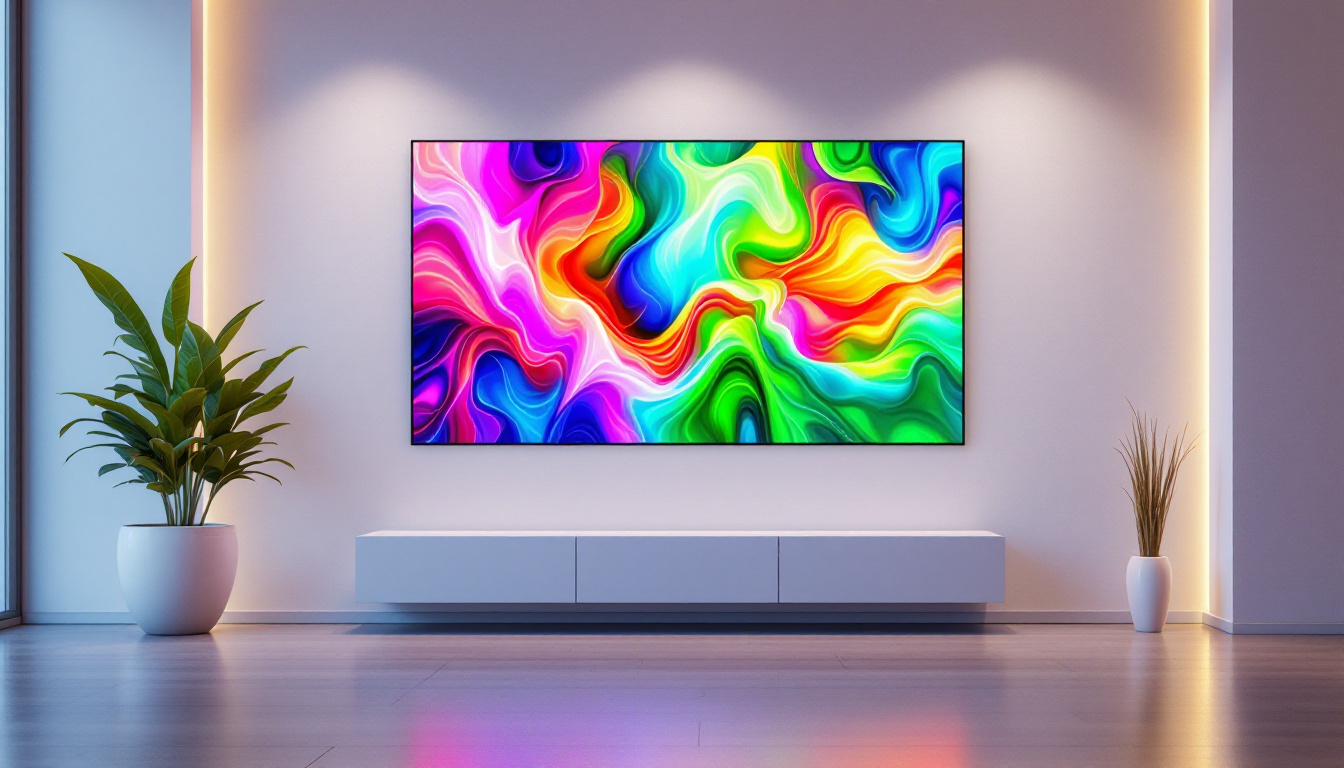
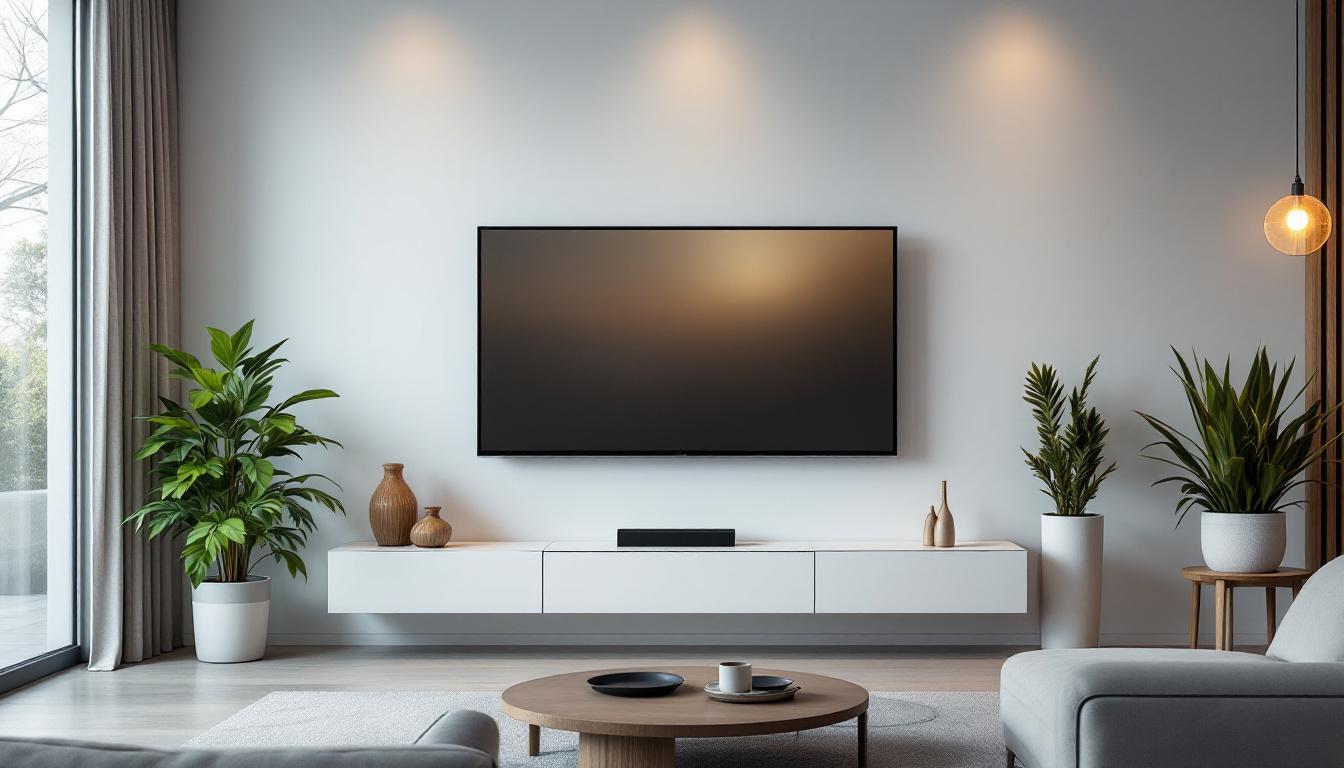
Home theaters and living rooms increasingly incorporate LED displays for immersive viewing experiences. Unlike traditional projectors that require dark rooms and screens, LED panels can display vibrant images directly on walls, offering flexibility in room design and lighting conditions.
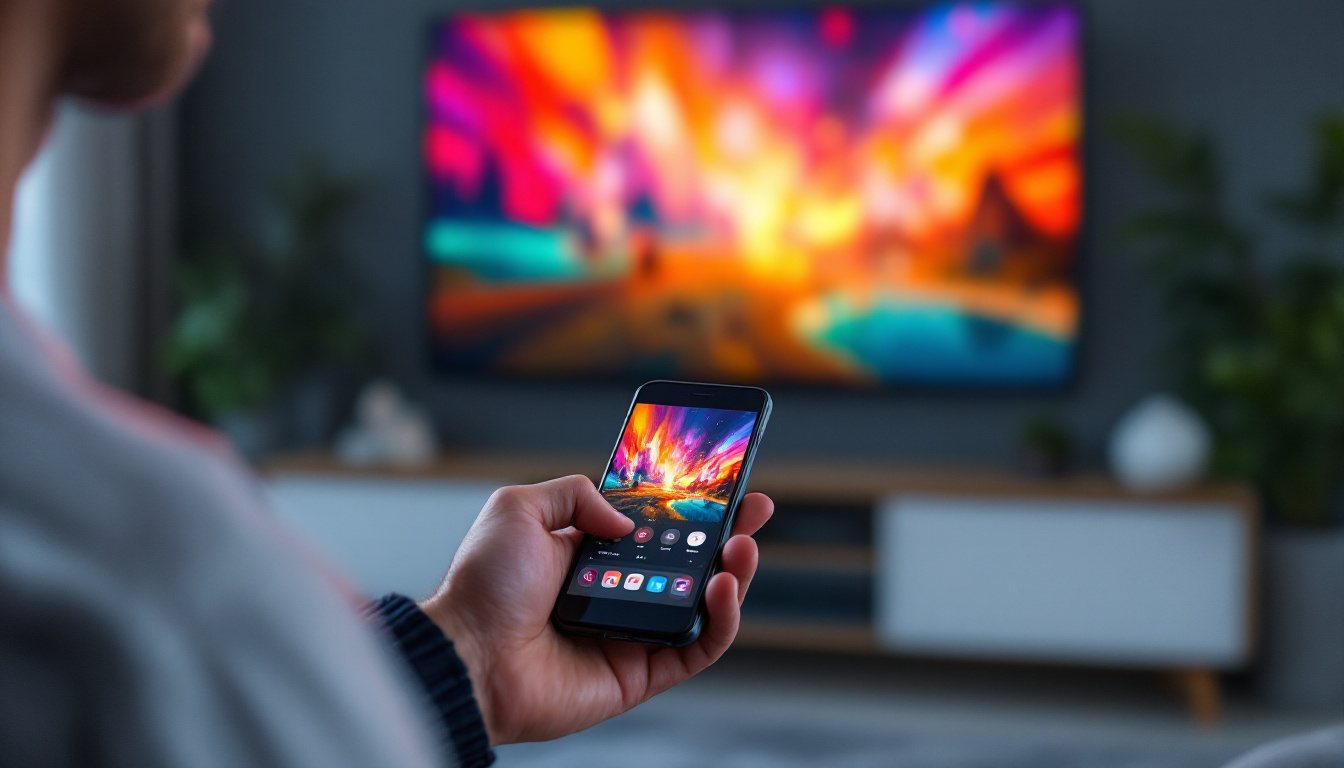
Smart homes also use LED wall displays for dynamic art, notifications, and interactive media. These displays can transform blank walls into engaging visual canvases, enhancing ambiance and functionality. For instance, homeowners can program their displays to showcase rotating pieces of digital artwork, creating a gallery-like atmosphere that can change with the seasons or even with their mood. Additionally, smart displays can integrate with home automation systems, allowing users to display personalized messages or reminders, such as family schedules or upcoming events, all while maintaining a stylish aesthetic.
Corporate and Educational Environments
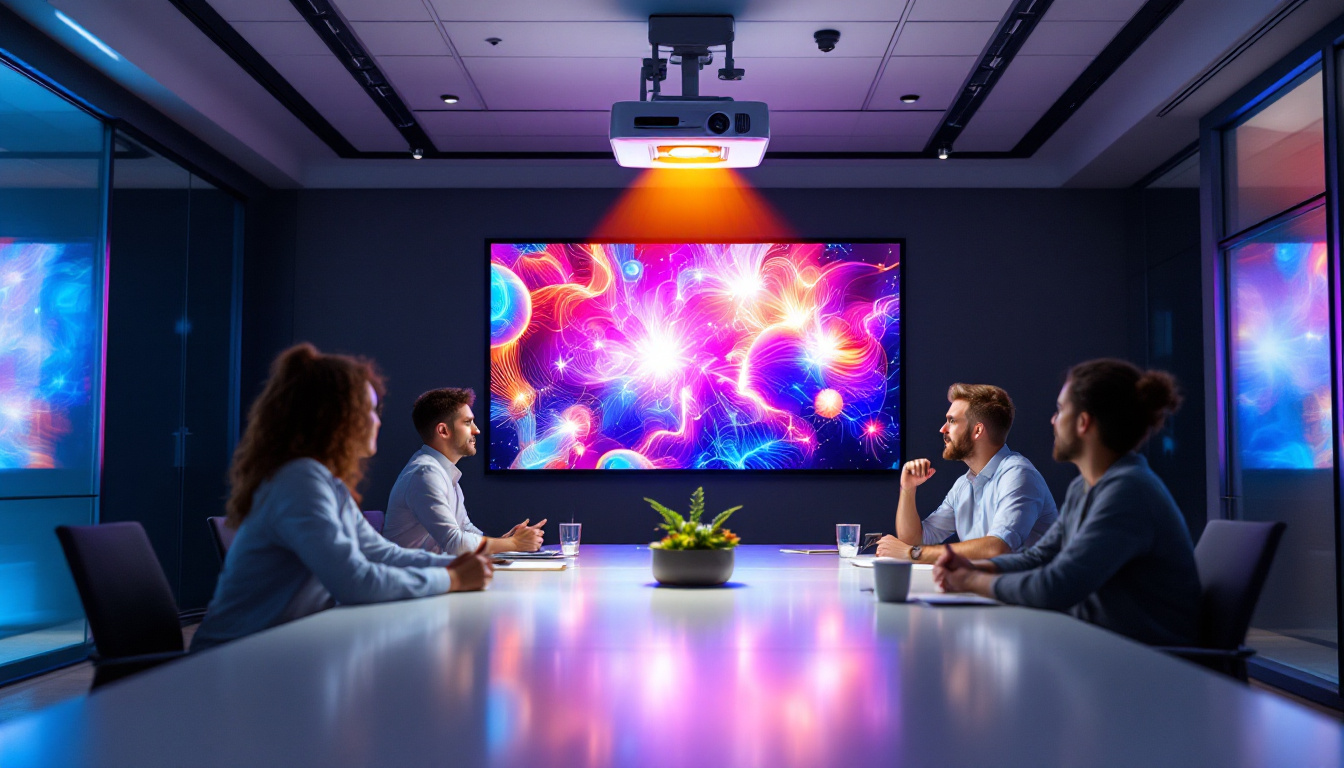
In offices and classrooms, LED wall displays facilitate presentations, video conferencing, and collaborative work. Their high brightness and clarity ensure that content is visible to large audiences, even in bright rooms.
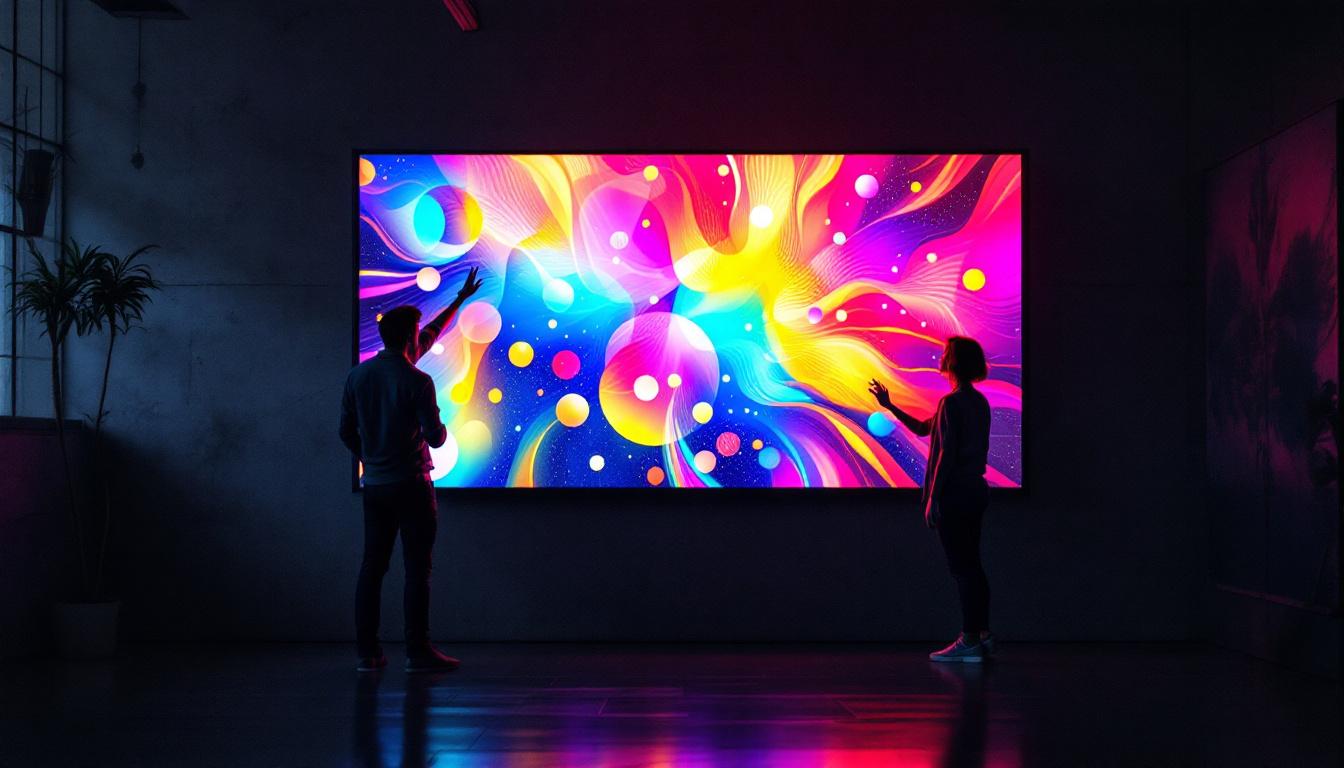
Interactive LED walls also support touchscreen capabilities, enabling dynamic engagement during meetings or lessons. This interactivity boosts participation and information retention. For example, educators can use these displays to create interactive lessons where students can participate directly on the screen, manipulating data or visualizing concepts in real time. In corporate settings, teams can brainstorm and visualize ideas on a large scale, making use of collaborative software that integrates seamlessly with the LED technology, thereby fostering a more innovative and inclusive work environment.
Advertising and Public Installations
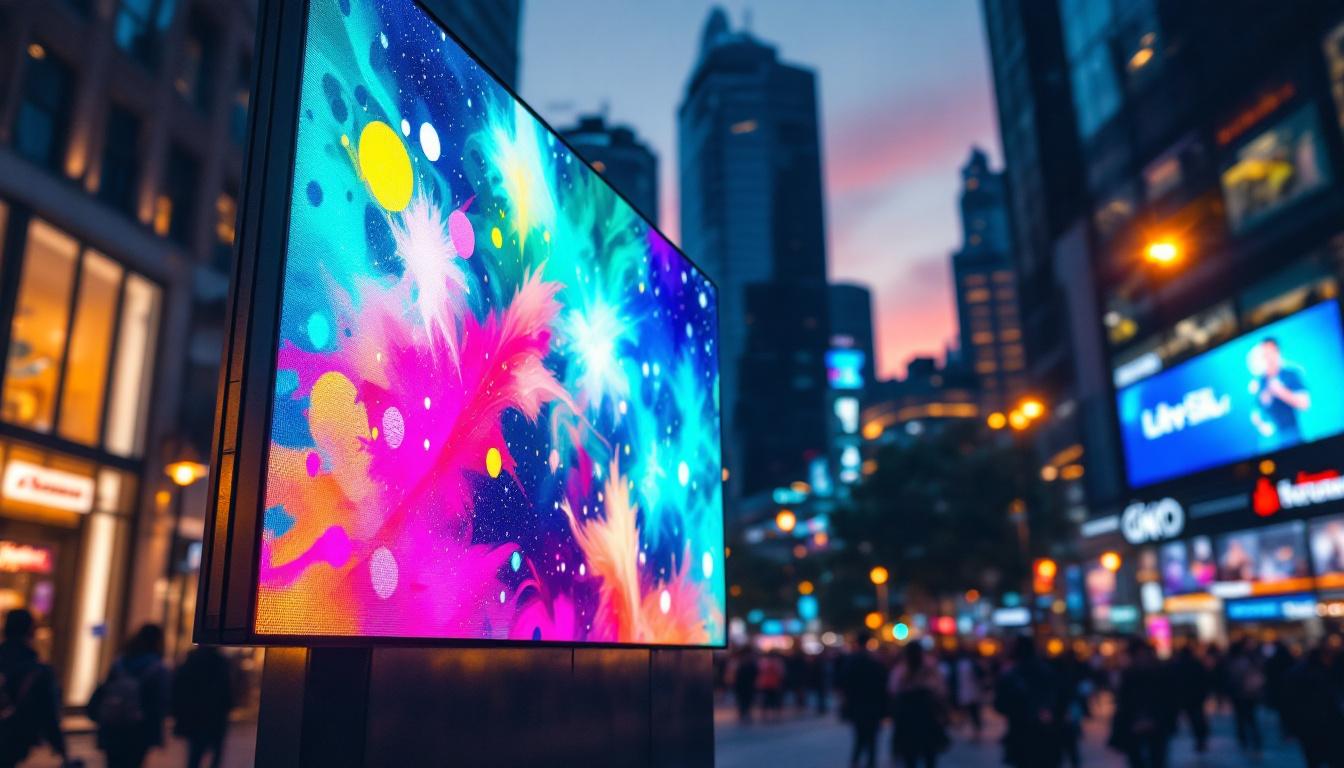
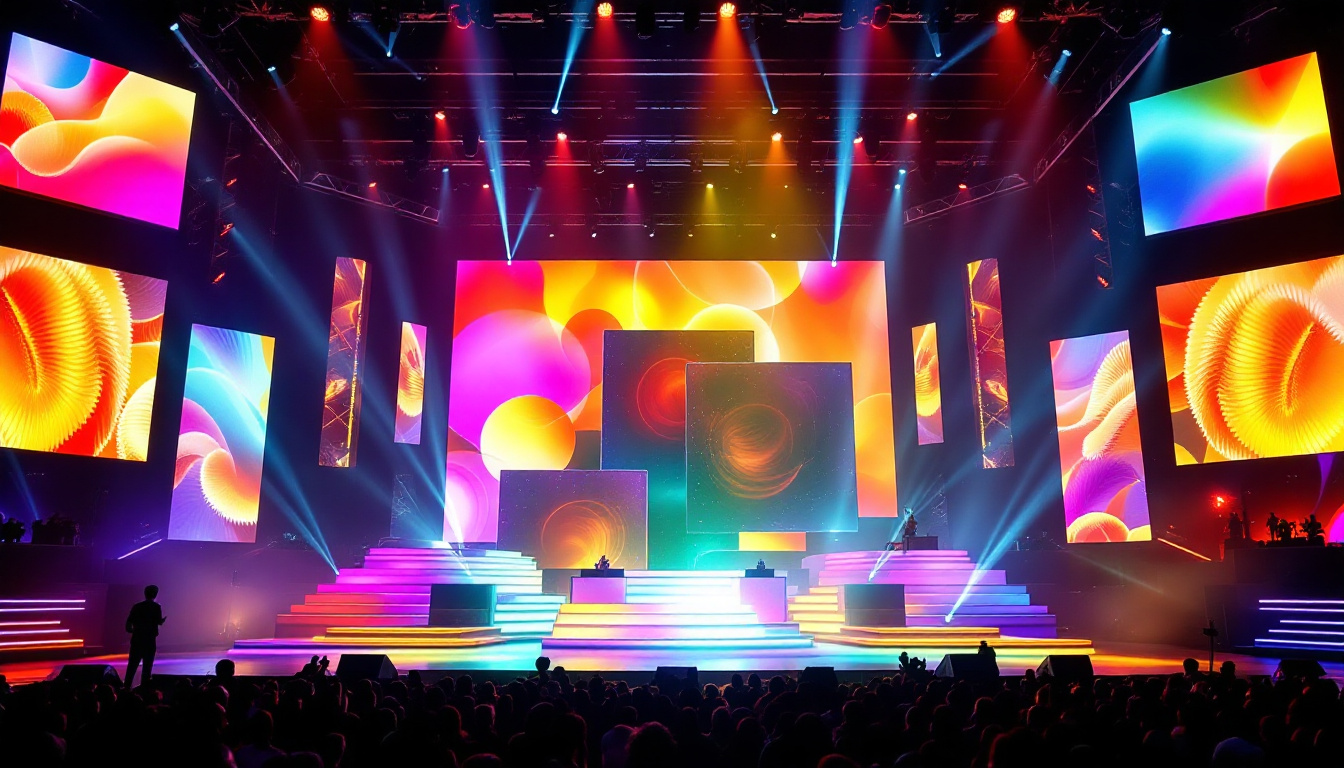
Outdoor and indoor advertising heavily relies on LED displays for their durability and eye-catching visuals. Billboards, storefronts, and event venues use large LED walls to project advertisements, announcements, and live content.
In public spaces, LED projections on walls can serve artistic or informational purposes, such as digital murals or wayfinding displays. The scalability of LED technology allows for both small and massive installations. Furthermore, these displays can be programmed to change content based on time of day or audience demographics, making them highly effective for targeted advertising. For instance, a shopping mall might display promotions for coffee shops in the morning and fashion retailers in the evening, ensuring that the content is relevant to the current foot traffic. Additionally, artists and designers are increasingly utilizing LED technology to create immersive installations that engage viewers in new and exciting ways, blurring the lines between art and technology in public spaces.
Choosing the Right LED Display for Wall Projection
Selecting an appropriate LED display depends on several factors including the intended use, environment, and budget. Here are key considerations to guide the decision-making process.
Resolution and Pixel Pitch
Resolution determines the clarity and detail of the projected image. Higher resolution displays are essential for close viewing distances or detailed content. Pixel pitch, measured in millimeters, refers to the distance between adjacent LEDs. Smaller pixel pitch means higher pixel density and finer image quality.
For wall projections where viewers are close, a pixel pitch of 1.5mm to 3mm is recommended. For larger, distant viewing, pixel pitches up to 6mm or more can be sufficient.
Brightness and Contrast Ratio
Brightness is measured in nits or candelas per square meter (cd/m²). For indoor environments, 800 to 1,500 nits typically provide excellent visibility. Outdoor installations may require 5,000 nits or higher to overcome sunlight glare.
Contrast ratio—the difference between the darkest black and brightest white—affects image depth and realism. LED displays generally offer superior contrast compared to traditional projectors, enhancing the viewing experience.
Size and Aspect Ratio
The physical size of the LED display should suit the wall dimensions and viewing distance. Common aspect ratios include 16:9 (widescreen) and 4:3 (standard). Choosing the correct aspect ratio prevents image distortion and ensures compatibility with content formats.
Installation and Maintenance
Wall-mounted LED displays require professional installation to ensure stability, proper ventilation, and optimal viewing angles. Modular LED panels allow for easier assembly and future upgrades.
Maintenance considerations include access for cleaning and repairs. LED displays are low maintenance but periodic checks can prolong lifespan and performance.
Optimizing Image Projection on Walls with LED Displays
To achieve the best image quality when projecting on walls using LED displays, several environmental and technical factors should be addressed.
Surface Preparation and Wall Characteristics
The wall surface plays a critical role in image clarity and color accuracy. Smooth, flat, and light-colored walls reflect LED light more evenly, enhancing image sharpness. Textured or dark walls can absorb light and distort colors.
For optimal results, consider painting the wall with a specialized projection paint designed to improve reflectivity and color fidelity. This investment can significantly boost image quality without the need for additional equipment.
Ambient Lighting Control
Although LED displays perform well in various lighting conditions, controlling ambient light can improve contrast and reduce glare. Using curtains, blinds, or dimmable lighting helps create an ideal viewing environment.
For outdoor or brightly lit spaces, choosing high-brightness LED displays and anti-reflective coatings can mitigate the effects of sunlight and artificial light sources.
Calibration and Color Management
Proper calibration ensures that colors are accurate and consistent across the display. Calibration tools and software adjust brightness, contrast, color temperature, and gamma settings to match the intended output.
Regular calibration is recommended, especially for professional applications such as digital signage or art installations, where color precision is paramount.
Content Optimization
Content should be created or adapted to suit the resolution and aspect ratio of the LED display. High-resolution images and videos prevent pixelation and maintain visual integrity.
Dynamic content with appropriate contrast and color balance can leverage the strengths of LED technology, making the projection more engaging and impactful.
Future Trends in LED Wall Projection
The LED display industry continues to evolve rapidly, driven by advances in materials, manufacturing, and digital technologies. Several emerging trends are shaping the future of projecting images on walls.
MicroLED and MiniLED Technologies
MicroLED and MiniLED represent the next generation of LED displays, offering even higher pixel densities, improved brightness, and better energy efficiency. MicroLEDs are particularly promising for ultra-high-resolution wall projections, enabling seamless, bezel-free displays.
Flexible and Transparent LED Panels
Flexible LED panels can conform to curved or irregular wall surfaces, expanding creative possibilities for interior design and advertising. Transparent LED displays allow for see-through projections, ideal for storefront windows and architectural applications.
Integration with Smart Technologies
Integration with IoT (Internet of Things) and AI (Artificial Intelligence) enables LED wall displays to become interactive and adaptive. Smart displays can adjust content based on audience demographics, environmental conditions, or user input, enhancing engagement and personalization.
Conclusion
Projecting images on walls using LED displays offers a versatile, high-quality solution for a wide range of applications—from home entertainment to large-scale advertising. Understanding the technology, selecting the right display, and optimizing the environment are key to achieving stunning visual results.
As LED technology advances, the possibilities for immersive, dynamic wall projections continue to expand, making it an exciting area for innovation and creative expression. Whether for personal enjoyment or professional use, LED wall displays represent a powerful tool for transforming spaces with vivid imagery.
Illuminate Your Space with LumenMatrix
Ready to elevate your visual experience with the latest in LED display technology? LumenMatrix is at the forefront of innovation, offering a diverse range of LED display solutions tailored to your needs. From vibrant Indoor and Outdoor LED Wall Displays to dynamic Vehicle and Sports LED Displays, our products are designed to captivate and engage. Discover the transformative power of LED displays and how LumenMatrix can help you communicate your message with unparalleled clarity and impact. Check out LumenMatrix LED Display Solutions today and start your journey towards a brighter, more visually stunning environment.