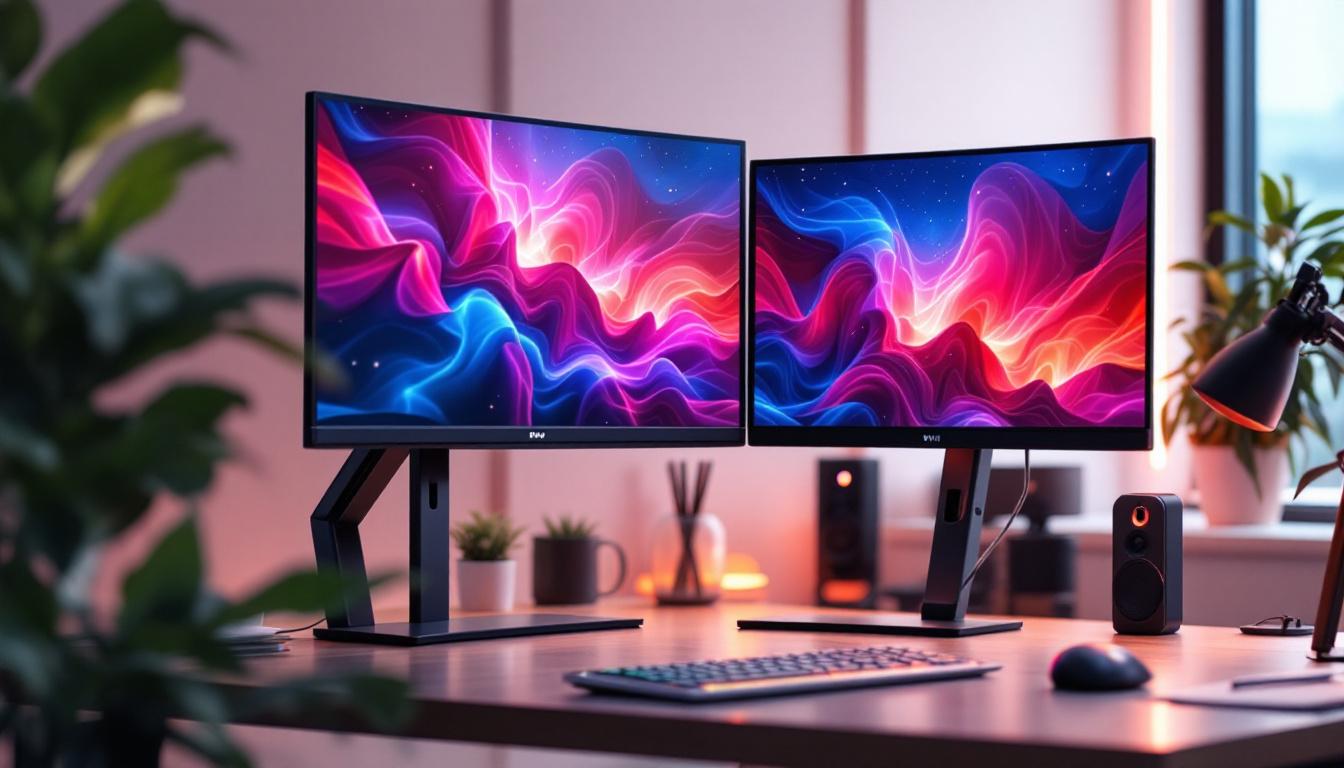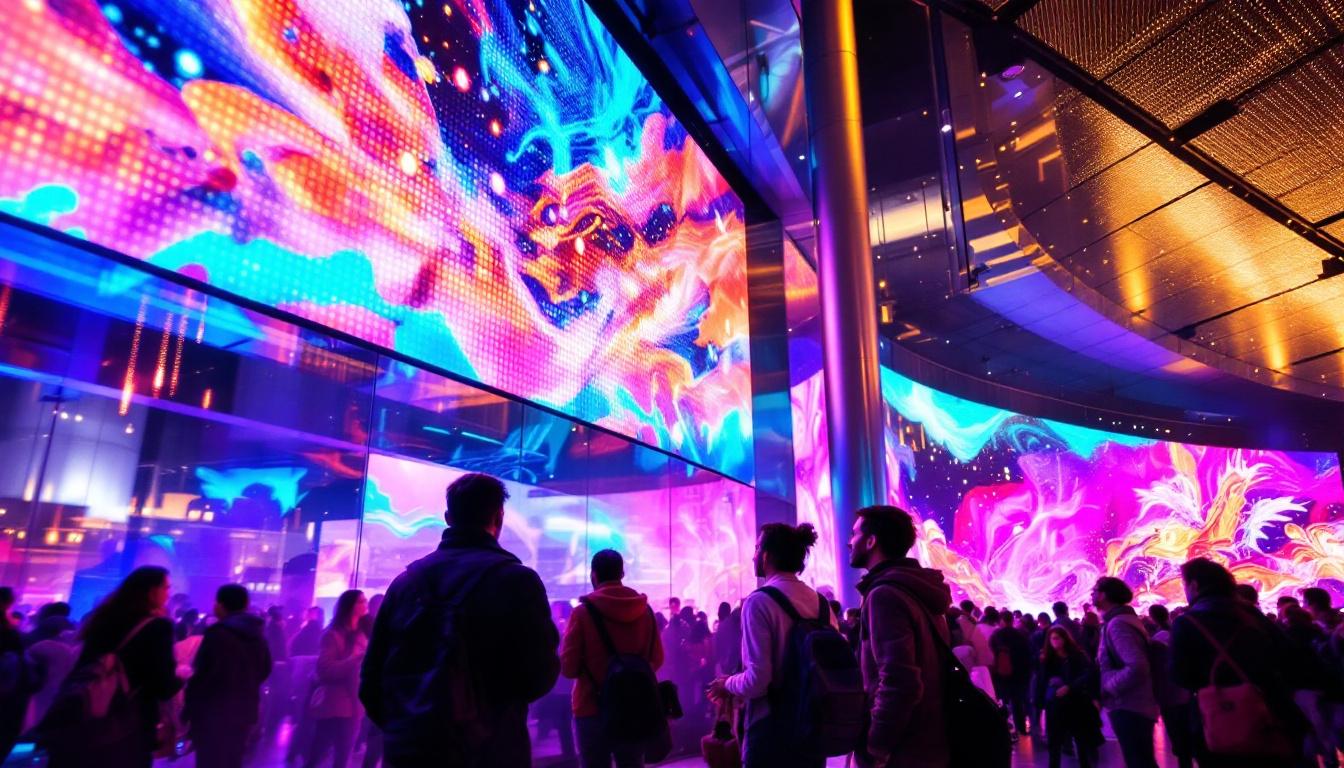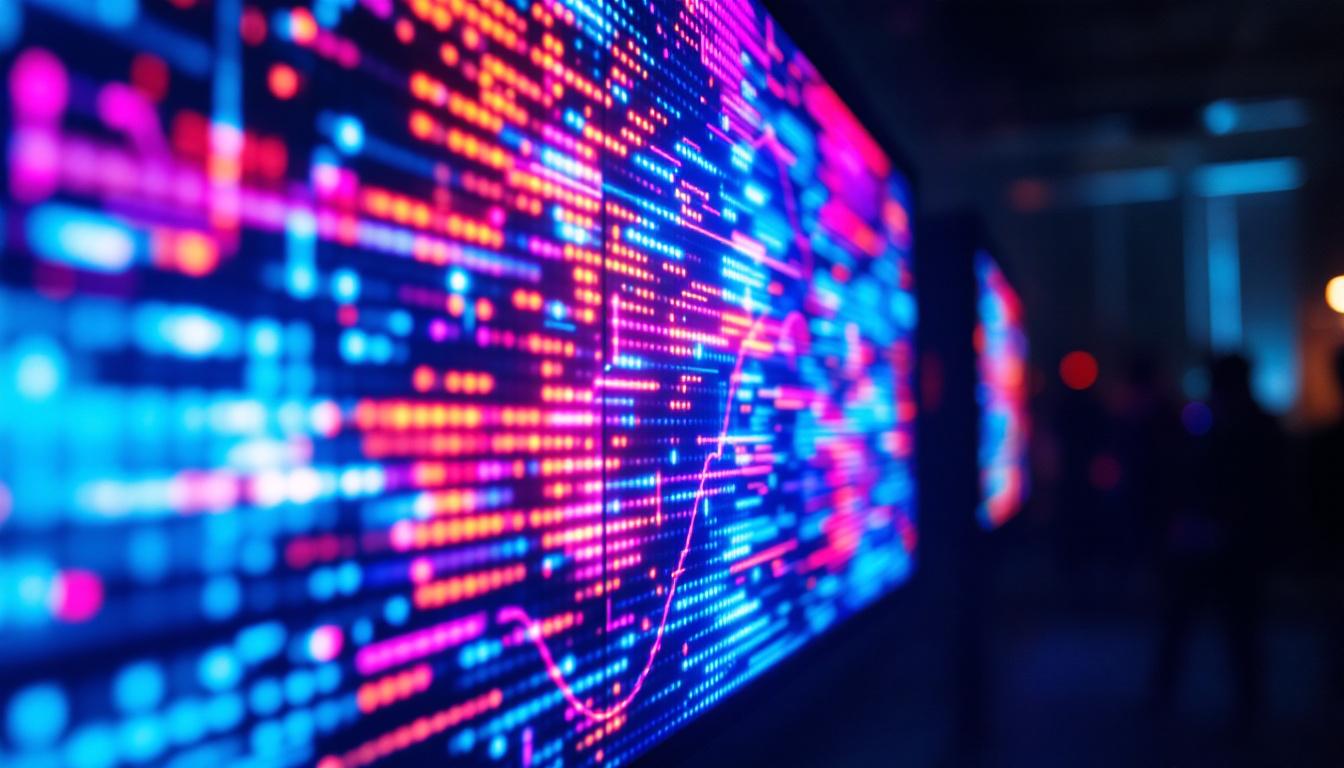
In an era where digital screens dominate our environments—from billboards and stadiums to smartphones and home theaters—understanding the technology behind these displays is more relevant than ever. Among the many display technologies available today, LED displays stand out for their brightness, energy efficiency, and versatility. This article delves into the fundamentals of LED displays, exploring how they work, their types, applications, and the future trends shaping this dynamic technology.
What Is an LED Display?
LED stands for Light Emitting Diode, a semiconductor device that emits light when an electric current passes through it. An LED display is essentially a flat panel or screen that uses an array of these tiny LEDs as pixels to create images, videos, or text. Each LED acts as a single point of light, and by controlling the intensity and color of each LED, the display can produce a wide range of visuals.
Compared to traditional display technologies like LCD (Liquid Crystal Display) or plasma, LED displays offer superior brightness and contrast. This makes them particularly effective in environments with high ambient light, such as outdoor advertising or sports arenas. Additionally, LEDs are known for their long lifespan and low power consumption, which contribute to their growing popularity across various industries.
How Do LED Displays Work?
The Basics of LED Pixels
Each pixel on an LED display is made up of one or more LEDs. In full-color displays, a pixel typically consists of three LEDs—red, green, and blue (RGB). By varying the brightness of each of these three LEDs, the pixel can produce millions of different colors through a process called additive color mixing.
The control system behind the display adjusts the voltage and current supplied to each LED, modulating its brightness. When millions of these pixels work in unison, they form coherent images and videos that can be viewed from various distances and angles.
Direct View vs. LED-Backlit LCD
It’s important to differentiate between direct view LED displays and LED-backlit LCDs, as both use LEDs but operate differently. Direct view LED displays use LEDs as the actual light source and pixel elements, making them self-emissive. This means each LED emits its own light, resulting in high brightness and contrast.
On the other hand, LED-backlit LCDs use LEDs only as a backlight behind an LCD panel. The LCD controls light passage but does not emit light itself. While LED-backlit LCDs have improved over traditional CCFL-backlit LCDs in terms of brightness and energy efficiency, they cannot match the contrast levels or viewing angles of direct view LED displays.
Types of LED Displays
Indoor LED Displays
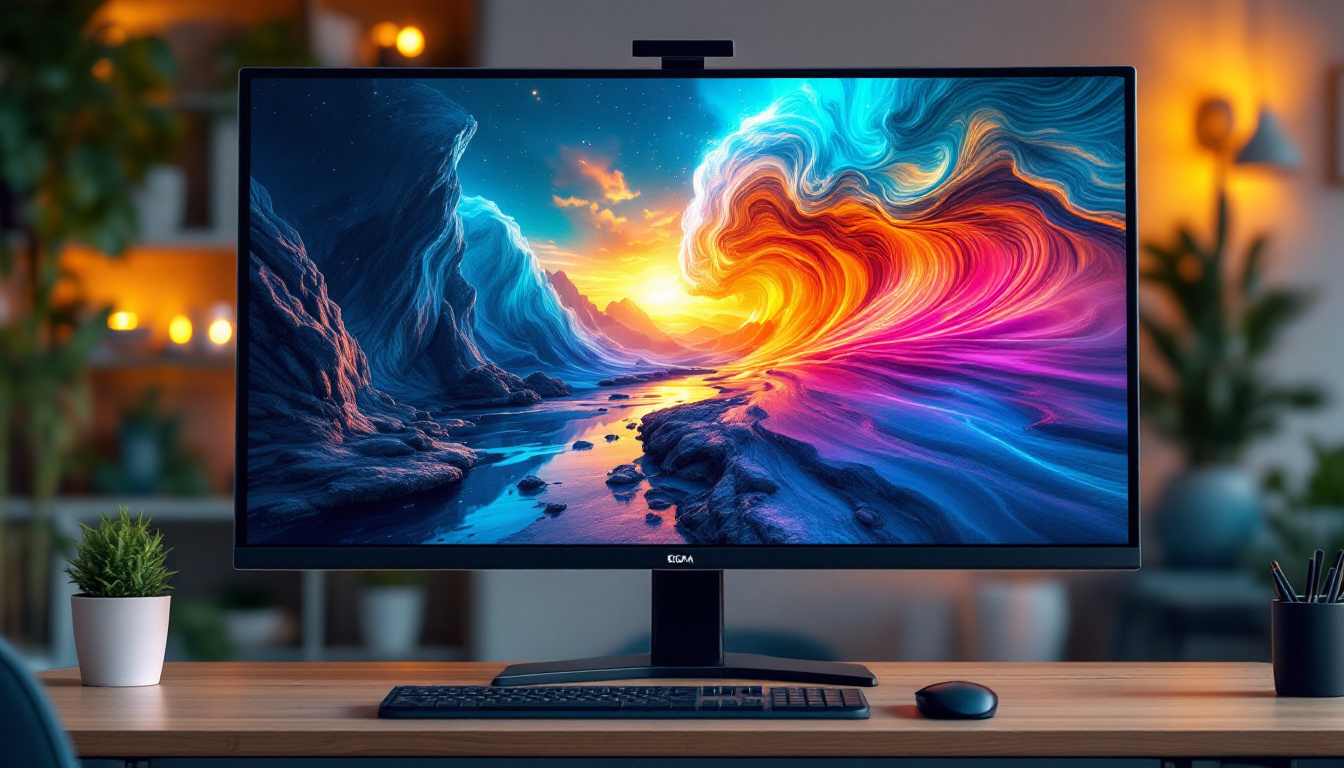
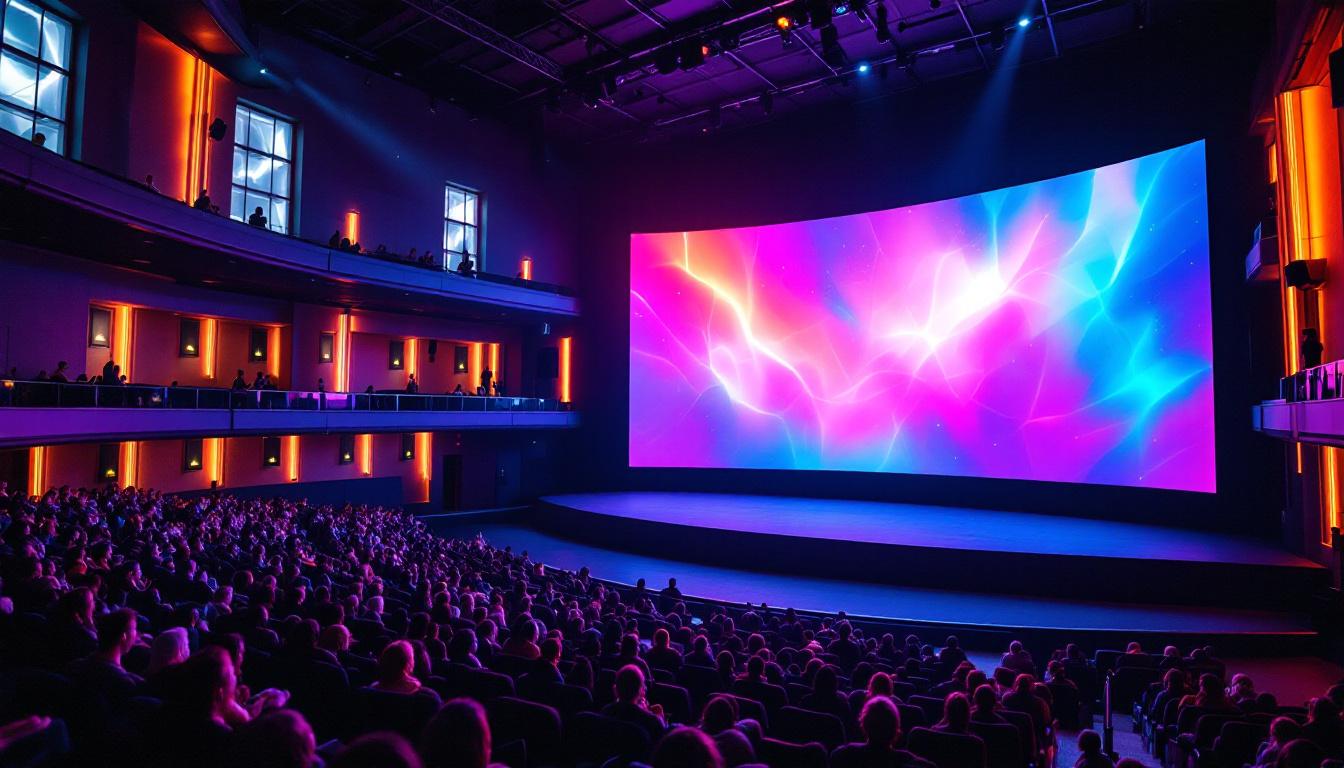
Indoor LED displays are designed for environments with controlled lighting, such as shopping malls, conference rooms, and concert halls. These displays typically have a smaller pixel pitch—the distance between the centers of two adjacent pixels—ranging from 0.9mm to 4mm. A smaller pixel pitch means higher resolution and sharper images, which is crucial for close viewing distances.
Because indoor environments are less exposed to harsh weather or direct sunlight, these displays do not require the same level of brightness as outdoor models. However, they still offer excellent color accuracy and refresh rates, making them suitable for dynamic content like videos, presentations, and interactive installations.
Outdoor LED Displays
Outdoor LED displays are engineered to withstand environmental challenges such as rain, dust, and extreme temperatures. Their pixel pitch is generally larger, often ranging from 4mm to 20mm, since viewers typically observe these screens from greater distances. The larger pitch allows for brighter LEDs, which can reach up to 8,000 nits or more, ensuring visibility even in direct sunlight.
Durability is a key consideration for outdoor displays. They are housed in weatherproof enclosures with high IP (Ingress Protection) ratings, often IP65 or above, to prevent damage from moisture and debris. Additionally, these displays incorporate advanced heat dissipation systems to maintain performance and longevity under continuous operation.
Flexible and Transparent LED Displays
Recent advancements have introduced flexible and transparent LED displays, expanding the possibilities for creative and architectural applications. Flexible LED displays use bendable substrates, allowing screens to curve around surfaces or be rolled up for transport. This innovation is popular in stage design, retail environments, and immersive experiences.
Transparent LED displays, meanwhile, integrate LEDs into see-through panels, enabling screens to be placed on glass windows or partitions without obstructing the view. These displays are gaining traction in retail storefronts and vehicle windows, where they provide advertising or information while maintaining transparency.
Applications of LED Displays
Advertising and Digital Signage
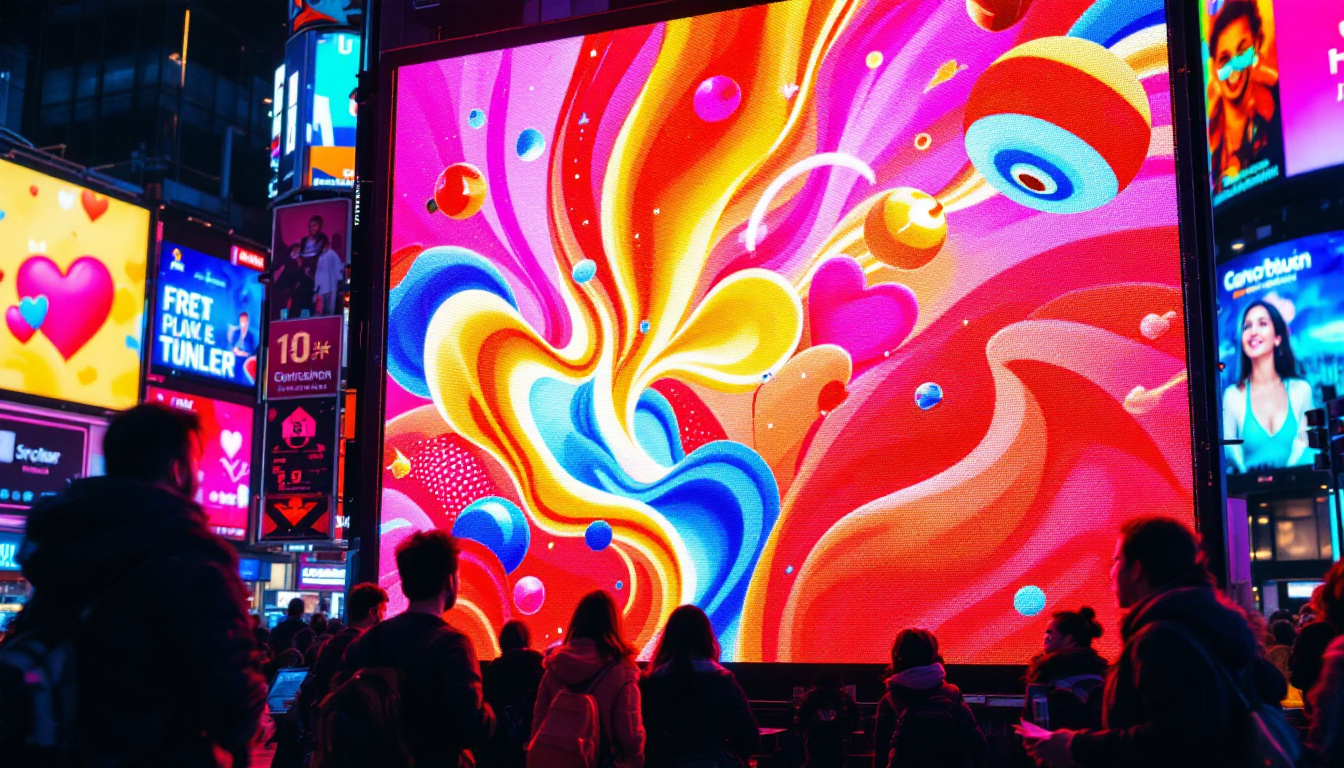
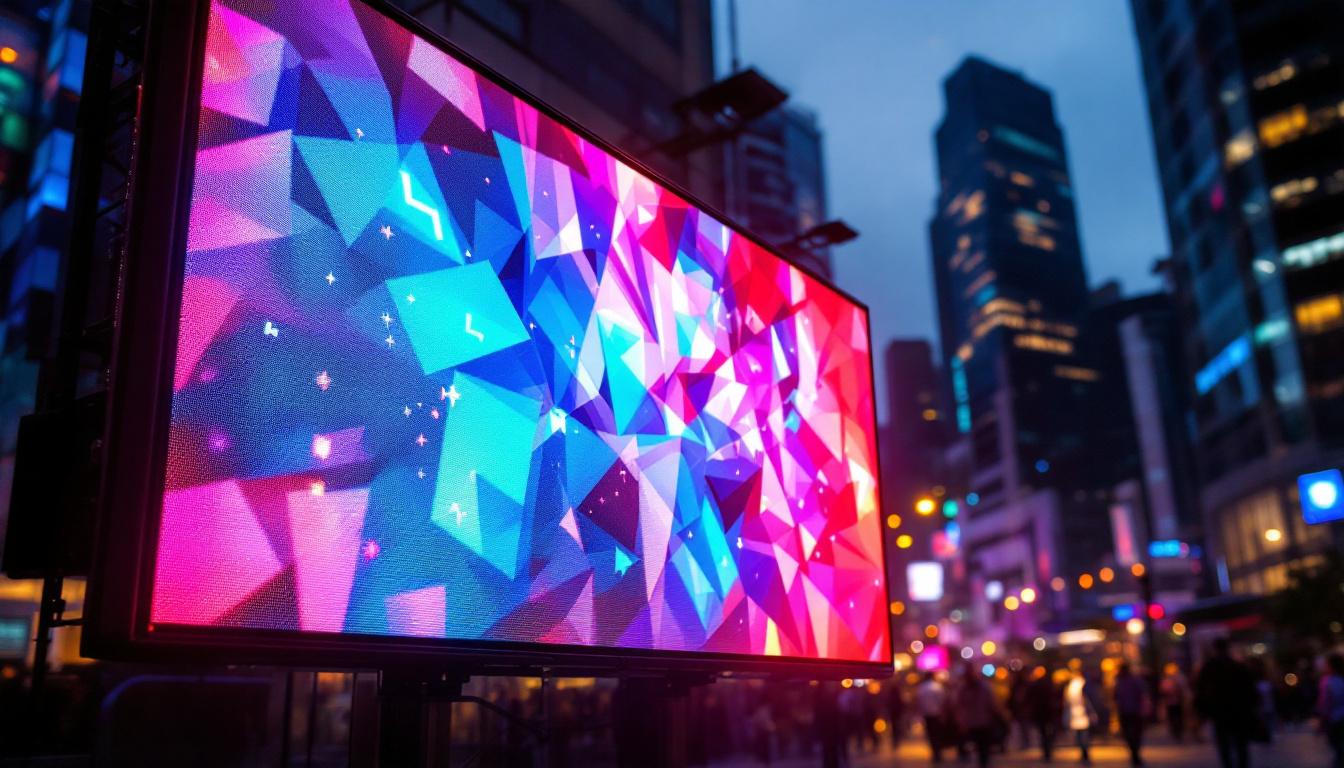
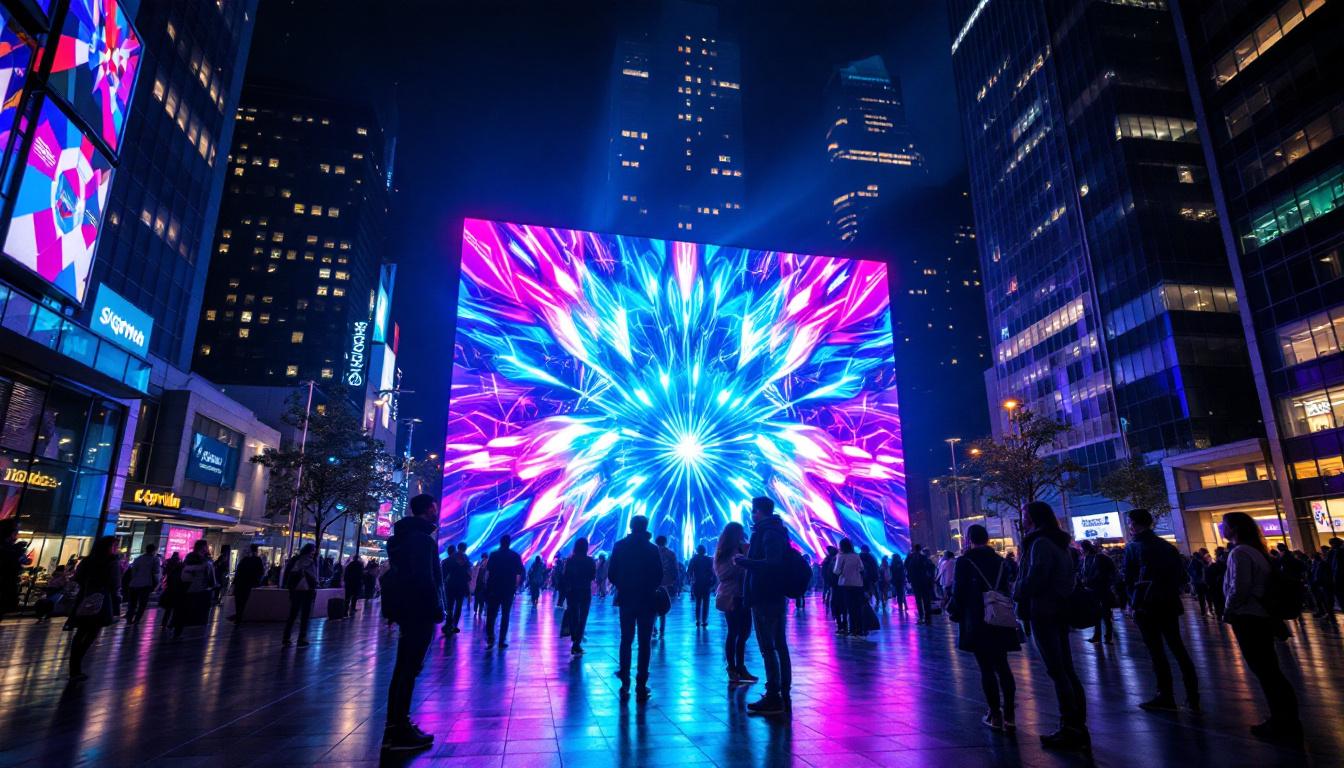
LED displays have revolutionized advertising by enabling dynamic, eye-catching content that can be updated remotely and in real time. Digital billboards in cities like Times Square and Shibuya Crossing showcase vibrant, high-resolution ads that capture the attention of millions daily. According to the Digital Signage Federation, the global digital signage market is expected to reach $32 billion by 2028, driven largely by LED technology.
Beyond billboards, LED displays are used in retail stores, airports, and malls to provide promotional content, wayfinding information, and interactive experiences. Their brightness and flexibility make them ideal for both indoor and outdoor environments.
Sports and Entertainment Venues
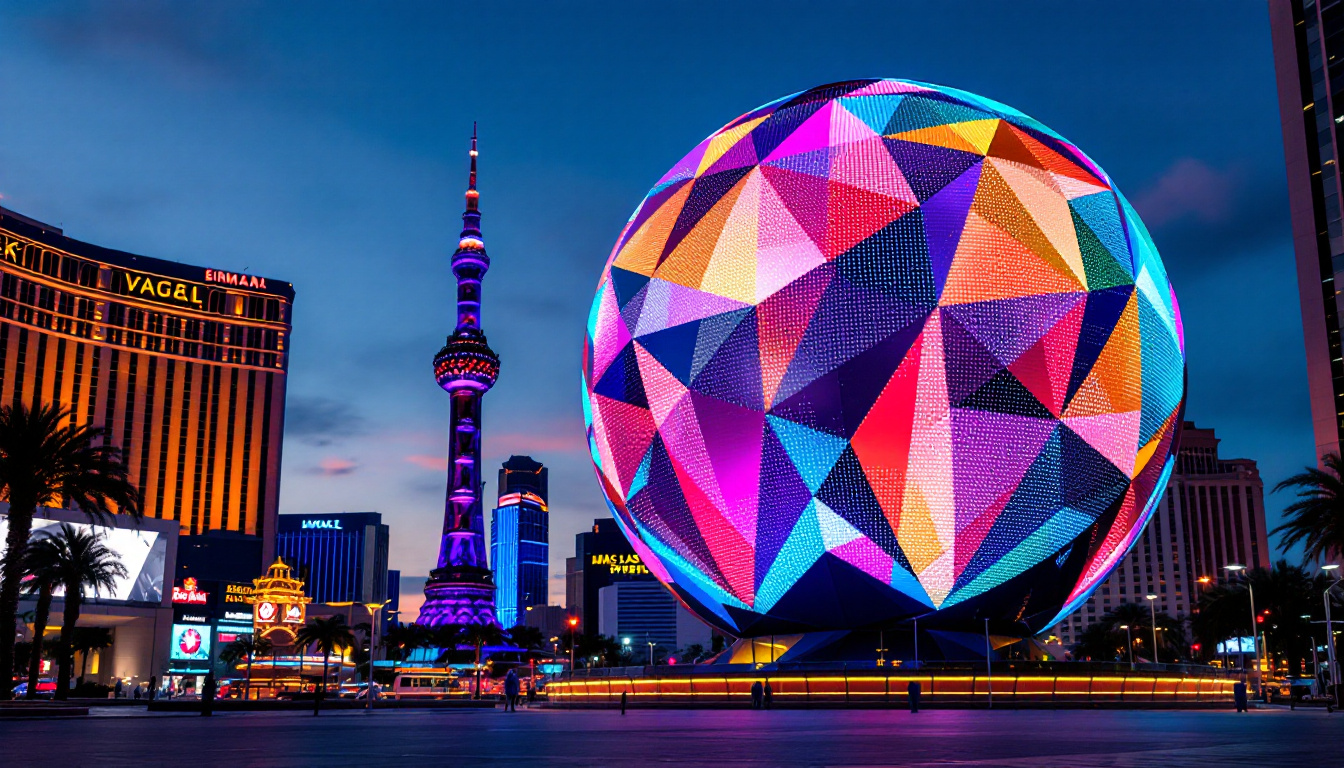
Stadiums and arenas rely heavily on large LED displays to enhance the spectator experience. From giant scoreboards to ribbon displays and immersive video walls, LEDs provide clear visibility from every seat. For example, the AT&T Stadium in Texas features one of the largest high-definition LED screens globally, measuring 160 feet wide and 72 feet tall.
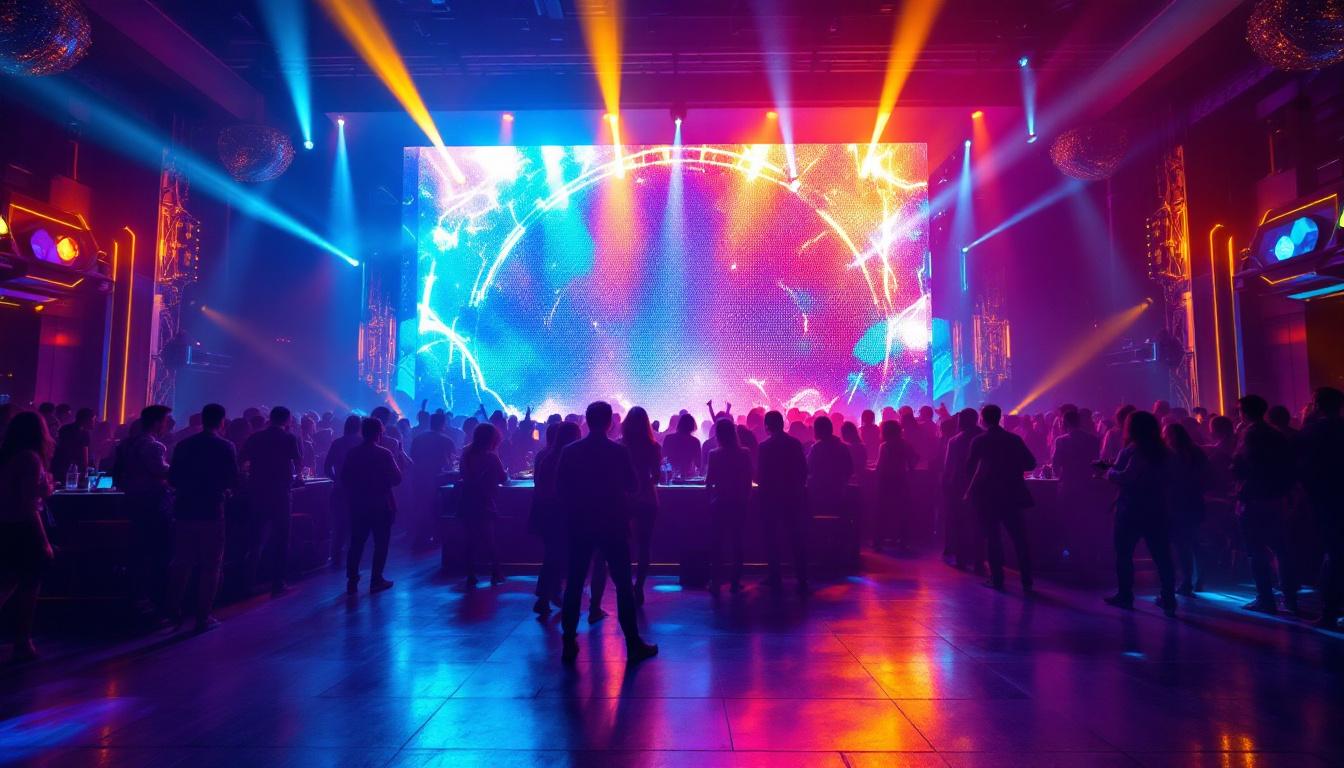
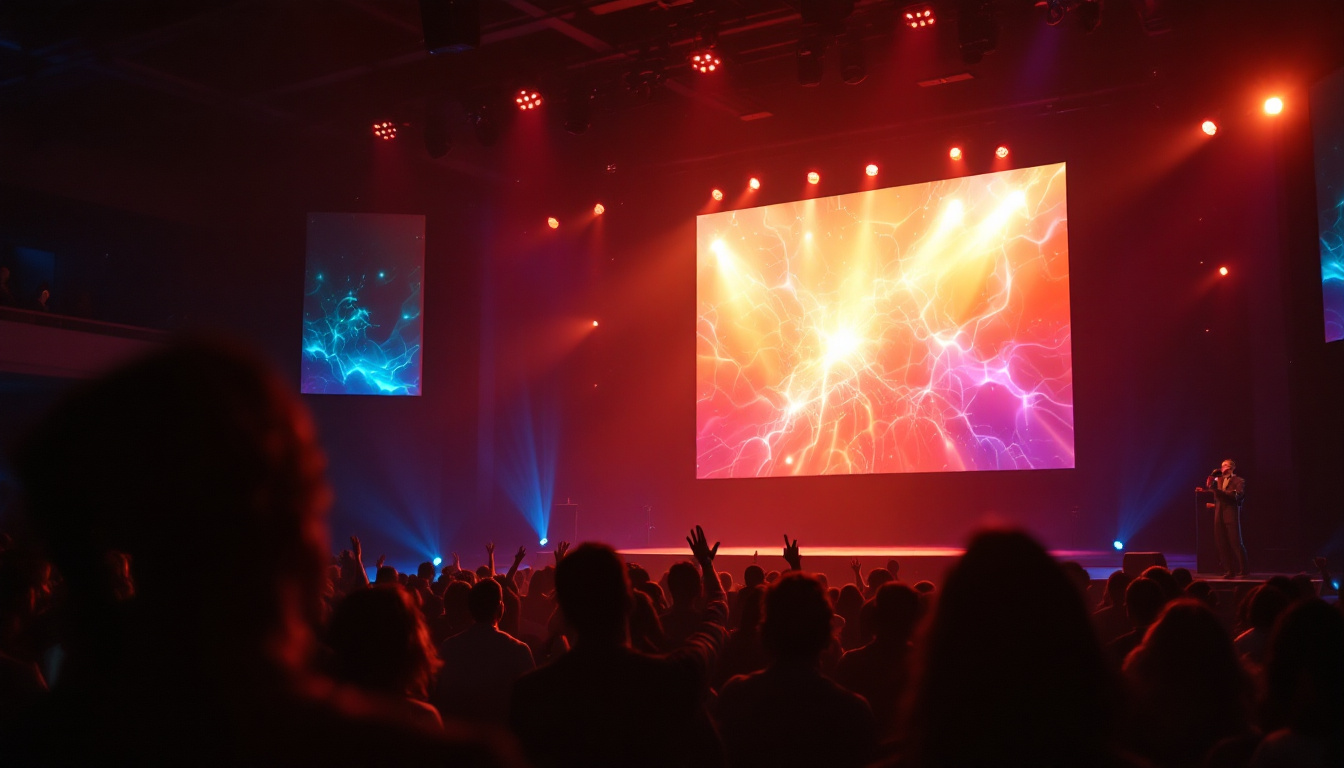
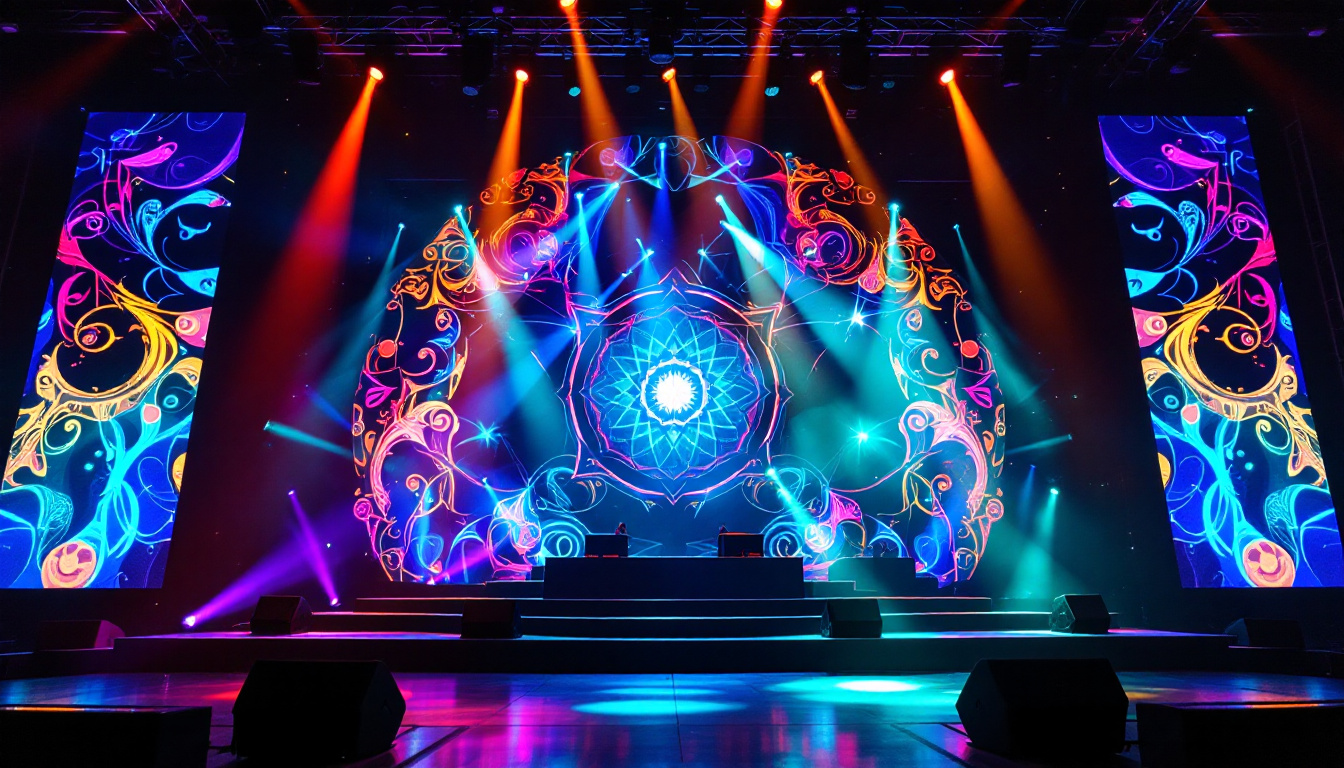
LED technology also plays a crucial role in concerts and live events, where flexible and high-resolution displays create stunning visual effects that synchronize with performances. The ability to customize shapes and sizes allows designers to push creative boundaries.
Transportation and Public Information
LED displays are widely used in transportation hubs such as airports, train stations, and bus terminals to provide real-time schedules, alerts, and wayfinding assistance. Their reliability and visibility under various lighting conditions make them indispensable for passenger communication.
Additionally, LED screens are increasingly integrated into vehicle dashboards and exterior signage, including buses and taxis, to display route information and advertisements.
Advantages of LED Displays
Brightness and Visibility
One of the most significant advantages of LED displays is their exceptional brightness. With peak brightness levels often exceeding 5,000 nits for outdoor screens, LEDs outperform many other display technologies, ensuring clear visibility even in direct sunlight. This attribute is critical for outdoor advertising and public information systems.
Energy Efficiency and Longevity
LEDs consume significantly less power compared to traditional incandescent or fluorescent lighting. This energy efficiency translates into lower operating costs and a reduced environmental footprint. Additionally, LEDs have a long operational life, often rated between 50,000 to 100,000 hours, minimizing maintenance and replacement needs.
Color Accuracy and Refresh Rates
Modern LED displays offer excellent color reproduction with wide color gamuts, making images vivid and lifelike. High refresh rates, often above 3,000Hz, reduce flicker and motion blur, which is especially important for video content and fast-moving visuals.
Scalability and Customization
LED displays can be built in virtually any size or shape by assembling multiple panels or modules. This scalability allows for customized solutions tailored to specific applications, from small retail signs to massive stadium screens. The modular nature also facilitates easier repairs and upgrades.
Challenges and Considerations
Cost Factors
While LED displays offer many benefits, their initial investment can be significant, especially for high-resolution indoor models with small pixel pitches. The cost includes not only the display panels but also installation, control systems, and ongoing maintenance. However, the total cost of ownership often balances out due to energy savings and durability.
Pixel Pitch and Viewing Distance
Choosing the appropriate pixel pitch is crucial to ensure optimal image quality. A pixel pitch too large for close viewing distances results in a pixelated or blurry image, while an unnecessarily small pitch for distant viewing increases costs without visible benefits. Understanding the typical viewing environment helps in selecting the right display.
Environmental Impact and Disposal
Although LEDs are more environmentally friendly than many alternatives, their manufacturing and disposal still pose challenges. Proper recycling and responsible sourcing of materials are essential to minimize environmental impact. Many manufacturers now offer take-back programs and design products with sustainability in mind.
The Future of LED Displays
MicroLED and MiniLED Technologies
Emerging technologies like MicroLED and MiniLED promise to further enhance LED display performance. MicroLEDs are tiny LEDs, often less than 100 micrometers in size, enabling ultra-high resolution and contrast comparable to OLED displays but with greater brightness and durability. MiniLEDs, slightly larger, are used primarily as backlighting for LCDs, improving contrast and HDR capabilities.
These technologies are expected to revolutionize consumer electronics, including TVs, smartphones, and augmented reality devices, by combining the best features of existing display types.
Integration with Interactive and Smart Systems
LED displays are increasingly integrated with touch sensors, cameras, and AI-driven content management systems to create interactive experiences. Smart LED walls can adapt content based on audience demographics, time of day, or environmental conditions, enhancing engagement and effectiveness.
Sustainability and Energy Innovations
Future LED displays will likely incorporate advanced materials and designs to further reduce energy consumption and environmental impact. Innovations such as organic LEDs (OLEDs) and quantum dot LEDs (QLEDs) are already influencing the broader display market, pushing LED technology toward more sustainable and versatile solutions.
Conclusion
LED displays have transformed the way information and entertainment are delivered across multiple sectors. Their brightness, energy efficiency, and adaptability make them a preferred choice for everything from advertising and sports venues to transportation and public information. As technology advances, LED displays will continue to evolve, offering higher resolutions, greater interactivity, and improved sustainability.
Understanding the fundamentals of LED technology, its types, applications, and challenges equips businesses and consumers to make informed decisions when selecting display solutions. With a market projected to grow exponentially in the coming years, LED displays remain at the forefront of digital visual communication.
Explore Cutting-Edge LED Display Solutions with LumenMatrix
Ready to elevate your visual experience with the latest in LED display technology? LumenMatrix is at the forefront of innovation, offering a comprehensive range of LED display solutions tailored to your needs. From captivating Indoor LED Wall Displays to robust Outdoor LED Wall Displays, and from dynamic Vehicle LED Displays to sleek LED Poster Displays, our products are designed to make your brand shine. Discover the transformative power of LED Sports Displays, interactive Floor LED Displays, and the versatility of Custom LED Displays and All-in-One LED Display solutions. Embrace transparency with our LED Transparent Display and revolutionize your visual communication. Don’t miss out on the opportunity to engage and captivate your audience. Check out LumenMatrix LED Display Solutions today and share your message with unparalleled impact and clarity.