In today’s fast-paced digital world, capturing consumer attention is more challenging than ever. Businesses and advertisers continuously seek innovative ways to stand out, and LED displays have emerged as a powerful solution. From bustling city centers to retail storefronts, LED displays are transforming the advertising landscape with their vibrant visuals and dynamic content capabilities. This article delves into the technology behind LED displays, explores their advantages, and examines their growing role in advertising strategies worldwide.
Understanding LED Display Technology
What is an LED Display?
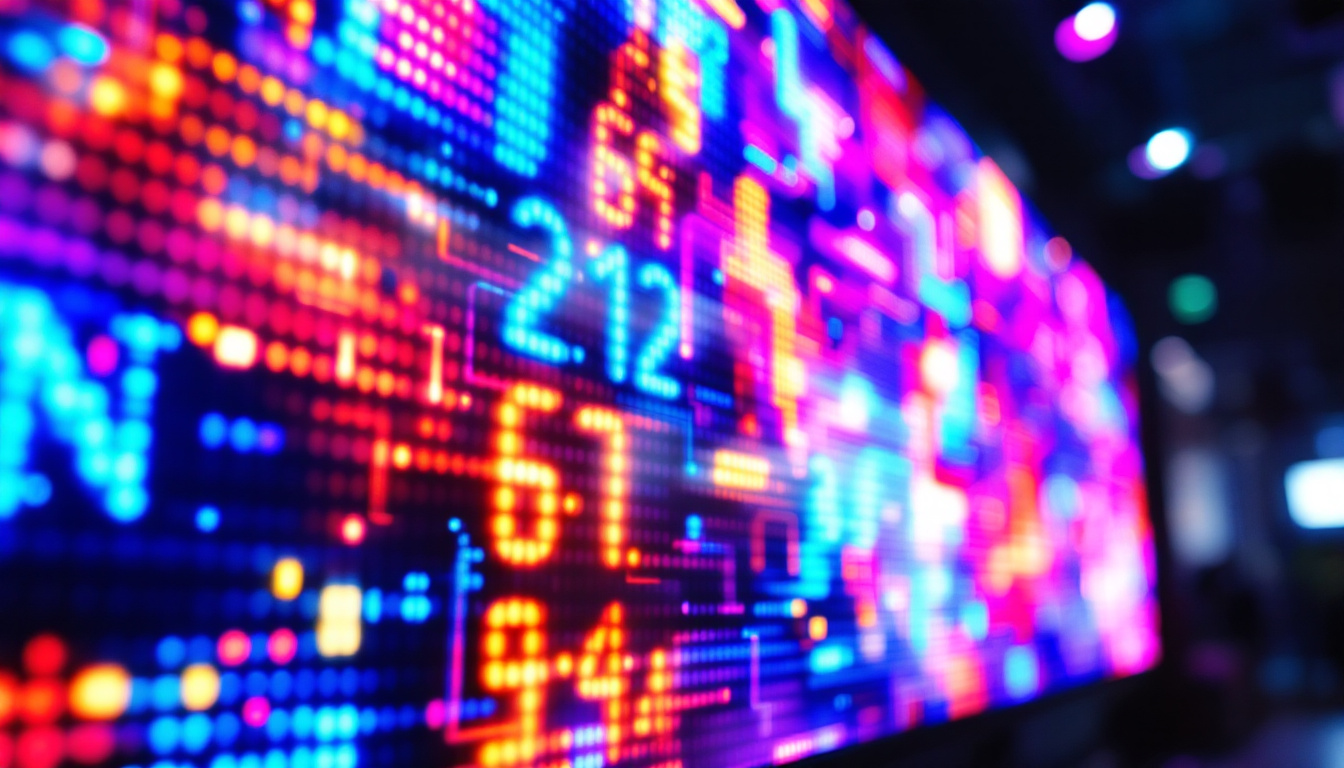
LED stands for Light Emitting Diode, a semiconductor device that emits light when an electric current passes through it. An LED display is essentially a screen made up of numerous tiny LEDs arranged in a grid. Each LED functions as a pixel, capable of producing various colors by combining red, green, and blue diodes. When controlled collectively, these LEDs form images, videos, and text that can be viewed from a distance.
Unlike traditional LCD or plasma screens, LED displays use direct light emission, which results in brighter images and better contrast ratios. This makes them particularly effective for outdoor advertising where sunlight can wash out less luminous screens. Additionally, LED technology is energy-efficient, consuming less power compared to other display technologies, which not only reduces operational costs but also contributes to a lower carbon footprint. This efficiency is increasingly important as businesses strive to adopt more sustainable practices in their advertising strategies.
Types of LED Displays Used in Advertising
LED displays come in various forms, each suited to different advertising needs and environments:
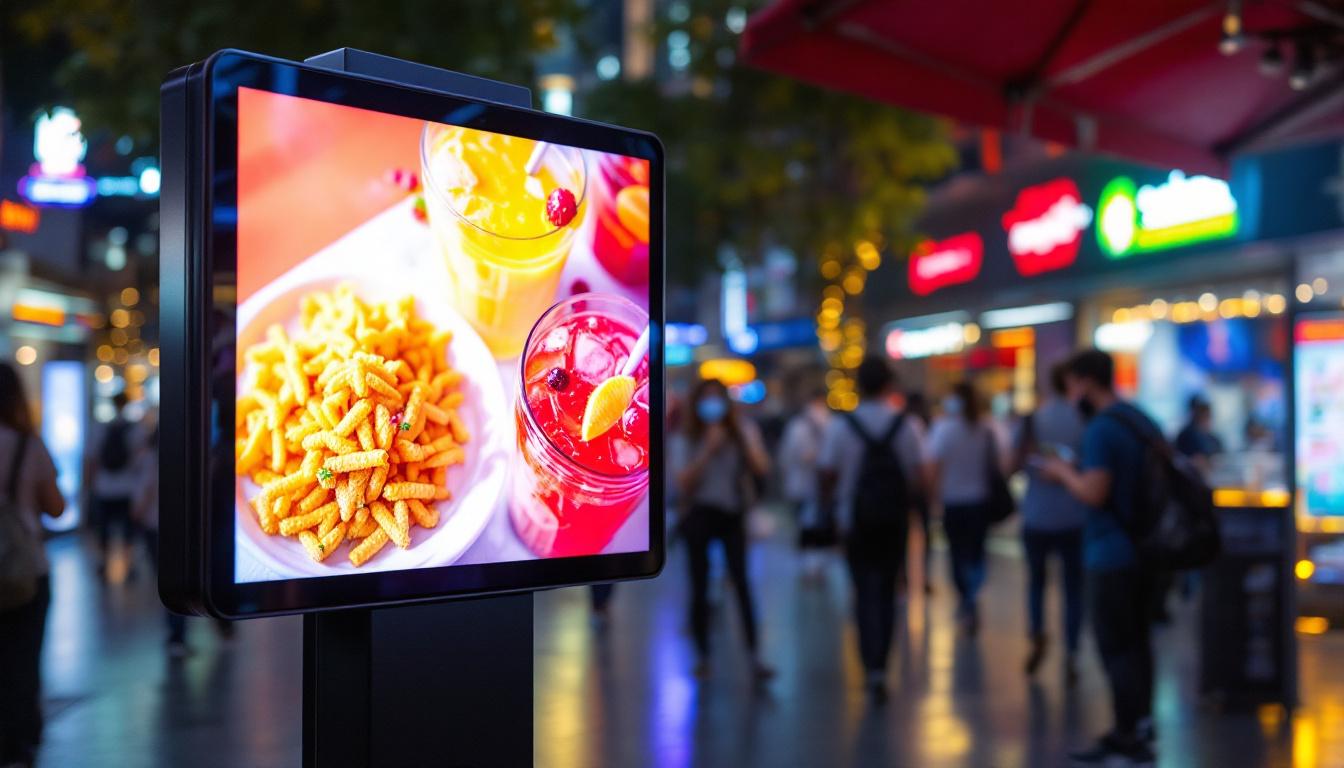
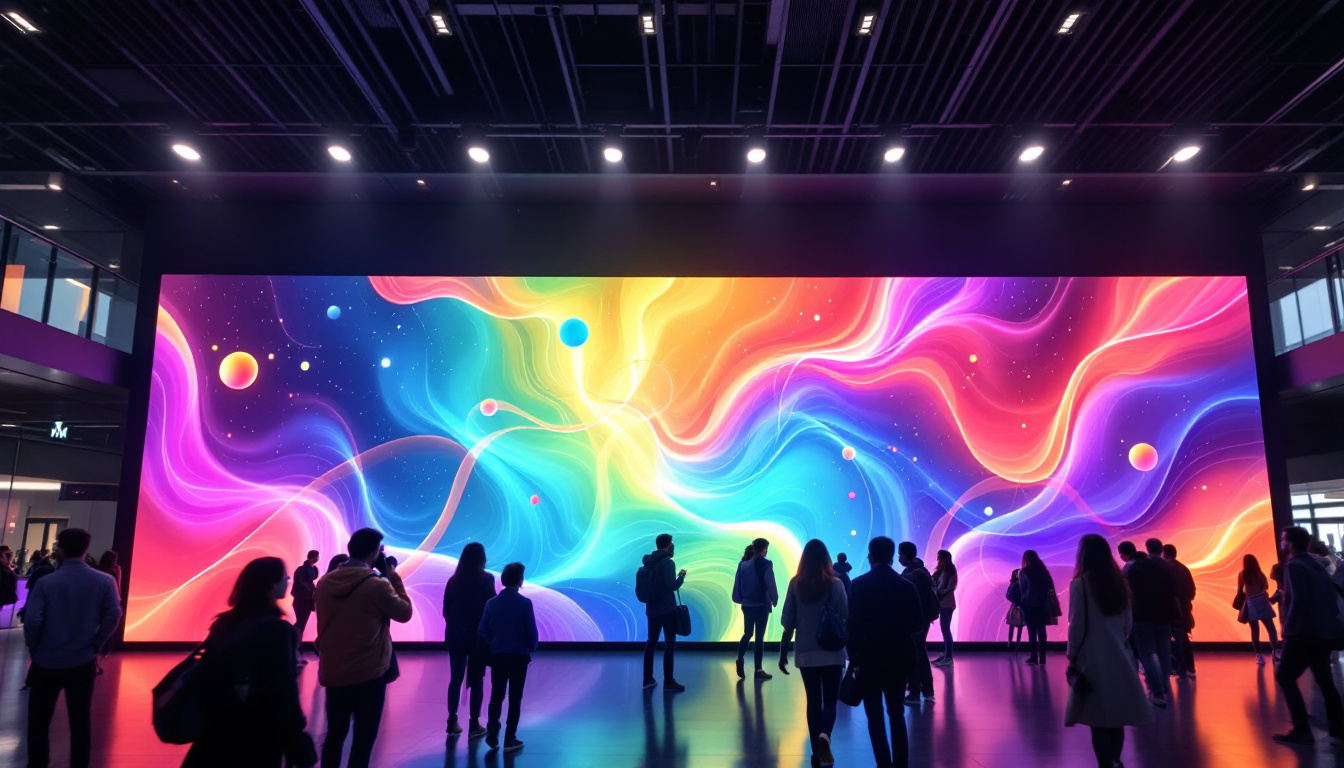
- Indoor LED Displays: Designed for close viewing distances, these displays have a higher pixel density and finer pitch (the distance between LEDs). They are commonly found in shopping malls, airports, and conference venues. Their vibrant colors and high resolution make them ideal for showcasing detailed graphics and dynamic content that can capture the attention of passersby.
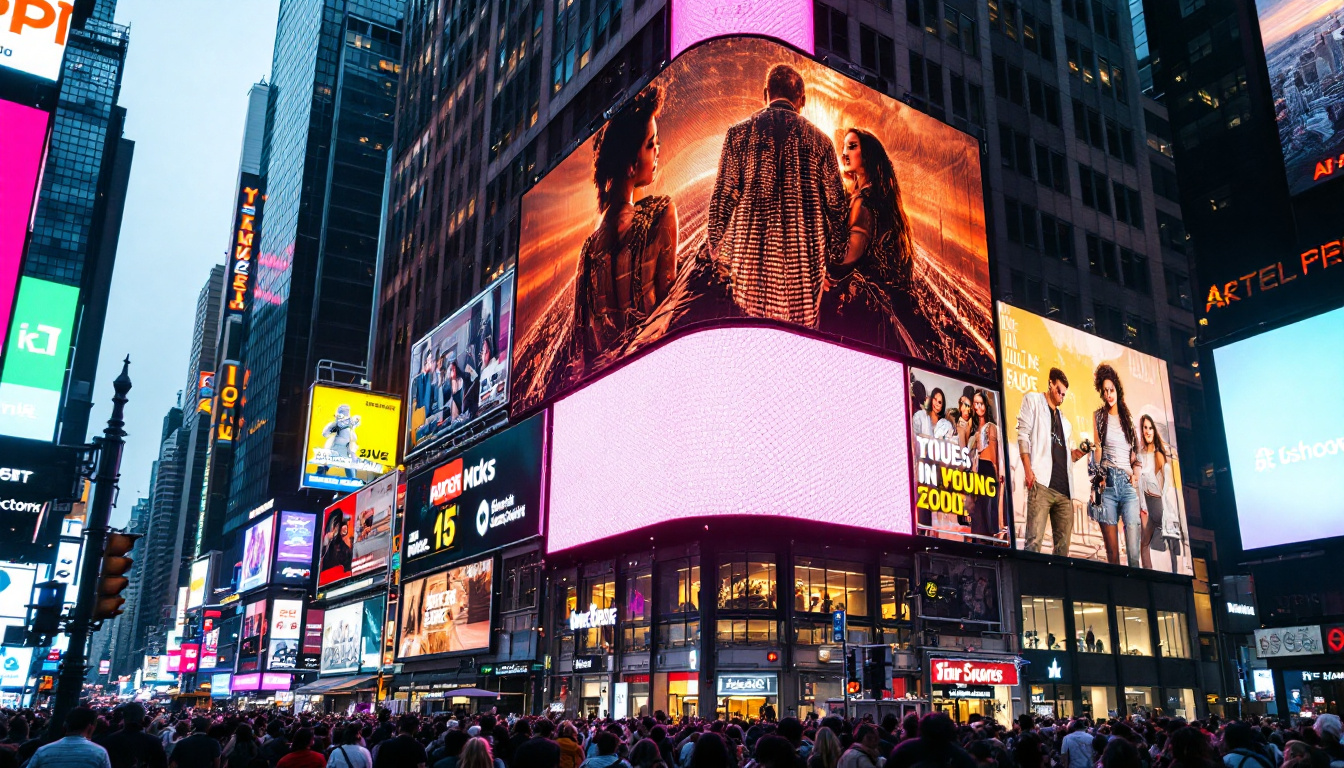
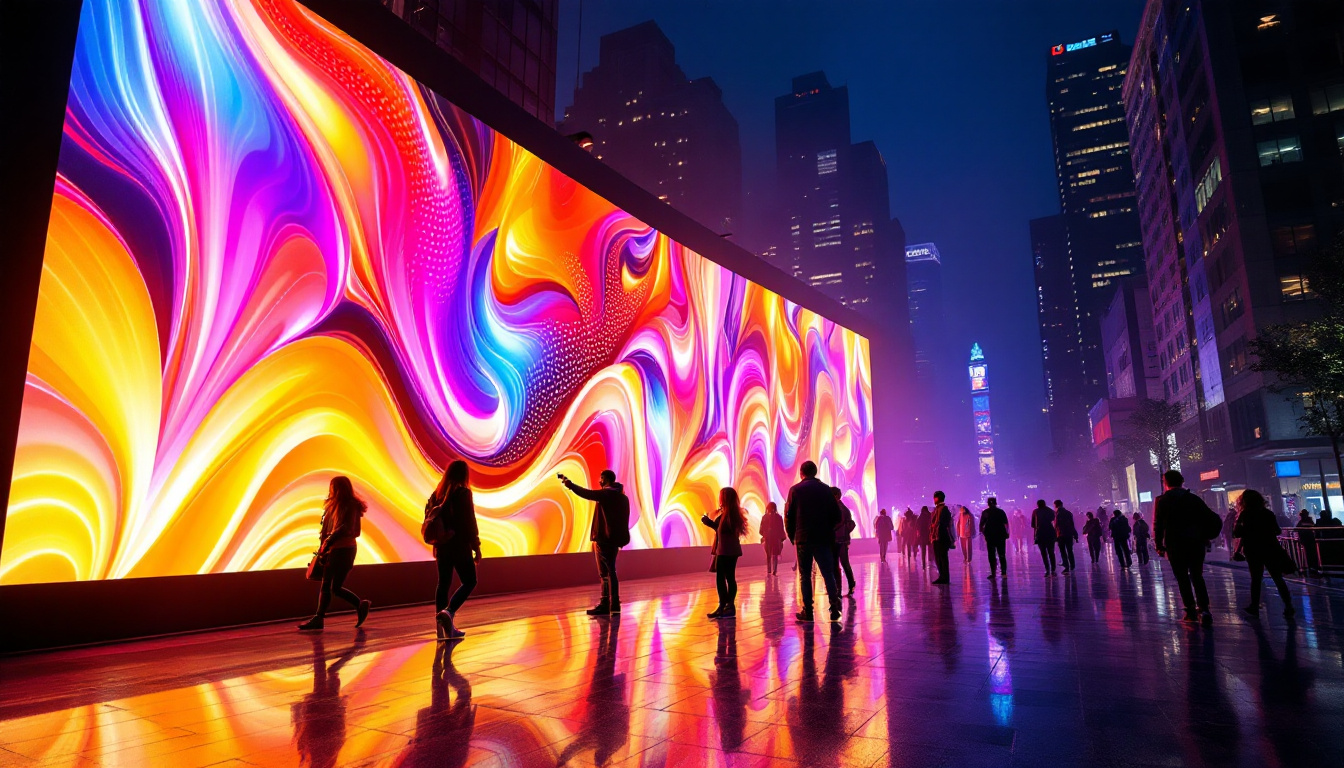
- Outdoor LED Displays: Built to withstand weather conditions, these displays are brighter and have a wider pitch to maintain visibility from longer distances. Examples include billboards, stadium screens, and building wraps. The ability to display high-definition video content and animations allows advertisers to create engaging campaigns that resonate with larger audiences, making outdoor LED displays a powerful tool for brand visibility.
- Transparent LED Displays: These innovative displays allow light to pass through, making them ideal for storefront windows where advertisers want to maintain natural light while showcasing digital content. This unique feature not only enhances the aesthetic appeal of retail spaces but also enables businesses to create interactive experiences that draw customers in without obstructing their view of the products inside.
- Flexible LED Displays: Utilizing bendable circuits, these displays can conform to curved surfaces, opening creative possibilities for advertising on non-traditional structures. Their adaptability allows for unique installations that can fit into unconventional spaces, transforming ordinary environments into captivating advertising platforms that challenge the norms of traditional advertising.
As technology continues to evolve, the capabilities of LED displays are expanding, enabling advertisers to push the boundaries of creativity and engagement. The integration of smart technology, such as sensors and connectivity features, allows for real-time content updates and personalized messaging, enhancing the effectiveness of advertising campaigns. This adaptability not only helps brands stay relevant but also fosters a more interactive relationship with their audience, making LED displays a cornerstone of modern advertising strategies.
Advantages of LED Displays in Advertising
High Visibility and Impact
One of the primary reasons LED displays are favored in advertising is their exceptional brightness and visibility. Outdoor LED billboards can reach luminance levels of up to 8,000 nits, far surpassing conventional screens. This ensures that advertisements remain vivid and legible even under direct sunlight or adverse weather conditions.
Moreover, the ability to display dynamic content such as videos, animations, and real-time updates makes LED advertising more engaging than static posters or banners. Studies have shown that dynamic digital signage can increase viewer retention and recall by up to 47%, significantly boosting the effectiveness of advertising campaigns.
Energy Efficiency and Longevity
Modern LED technology is remarkably energy-efficient compared to older lighting and display technologies. LEDs consume less power while providing superior brightness, which translates to lower operating costs for advertisers and businesses. Additionally, LED displays have a long lifespan, often exceeding 100,000 hours of operation before significant brightness degradation occurs.
This durability reduces maintenance expenses and downtime, making LED displays a cost-effective investment over time. For example, a major retail chain reported saving approximately 30% on advertising display energy costs after switching from traditional lightboxes to LED screens.
Flexibility and Real-Time Content Updates
Unlike printed advertisements, LED displays allow for instant content changes, enabling advertisers to tailor messages to specific times, events, or audiences. This flexibility is invaluable for promotions, seasonal campaigns, or emergency announcements.
With the integration of software platforms, advertisers can schedule content remotely, automate updates, and even incorporate interactive elements such as QR codes or social media feeds. This adaptability enhances customer engagement and allows for more targeted marketing strategies.
Applications of LED Displays in Advertising
Outdoor Advertising and Digital Billboards
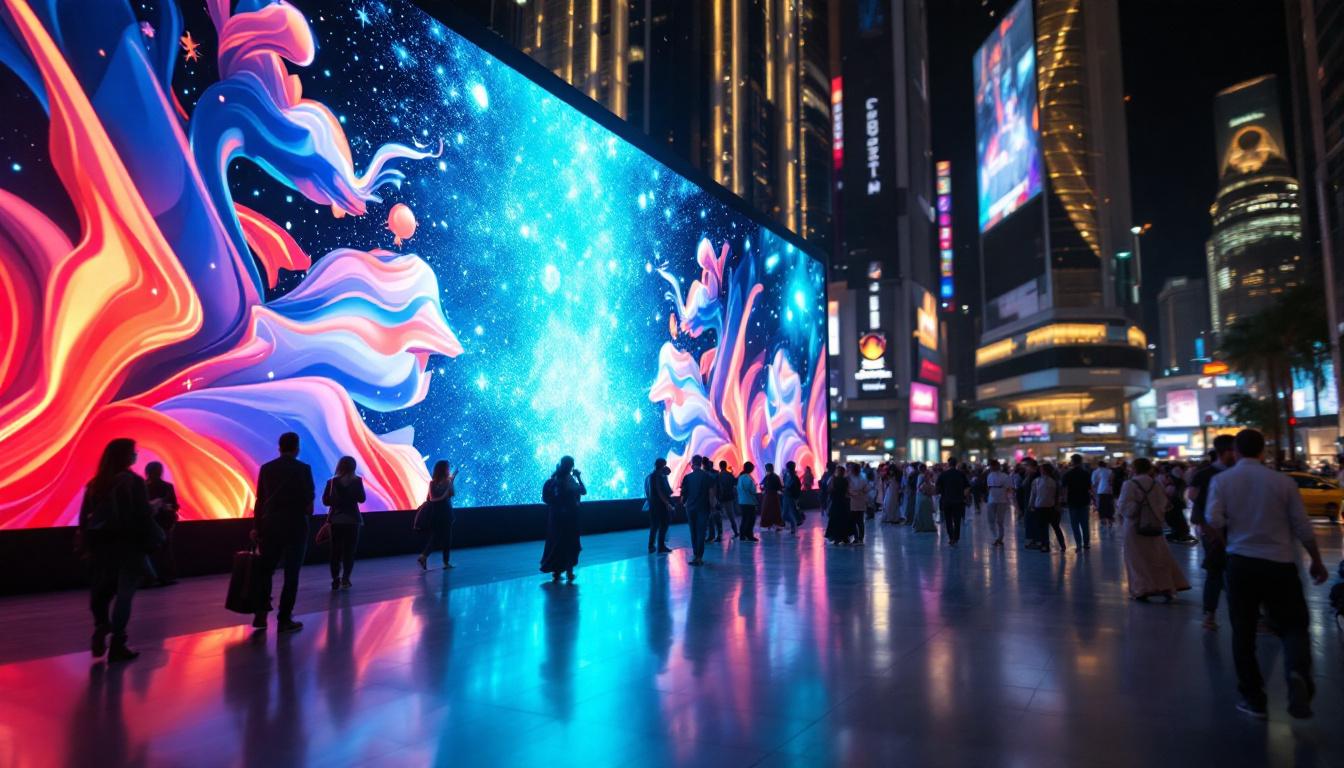
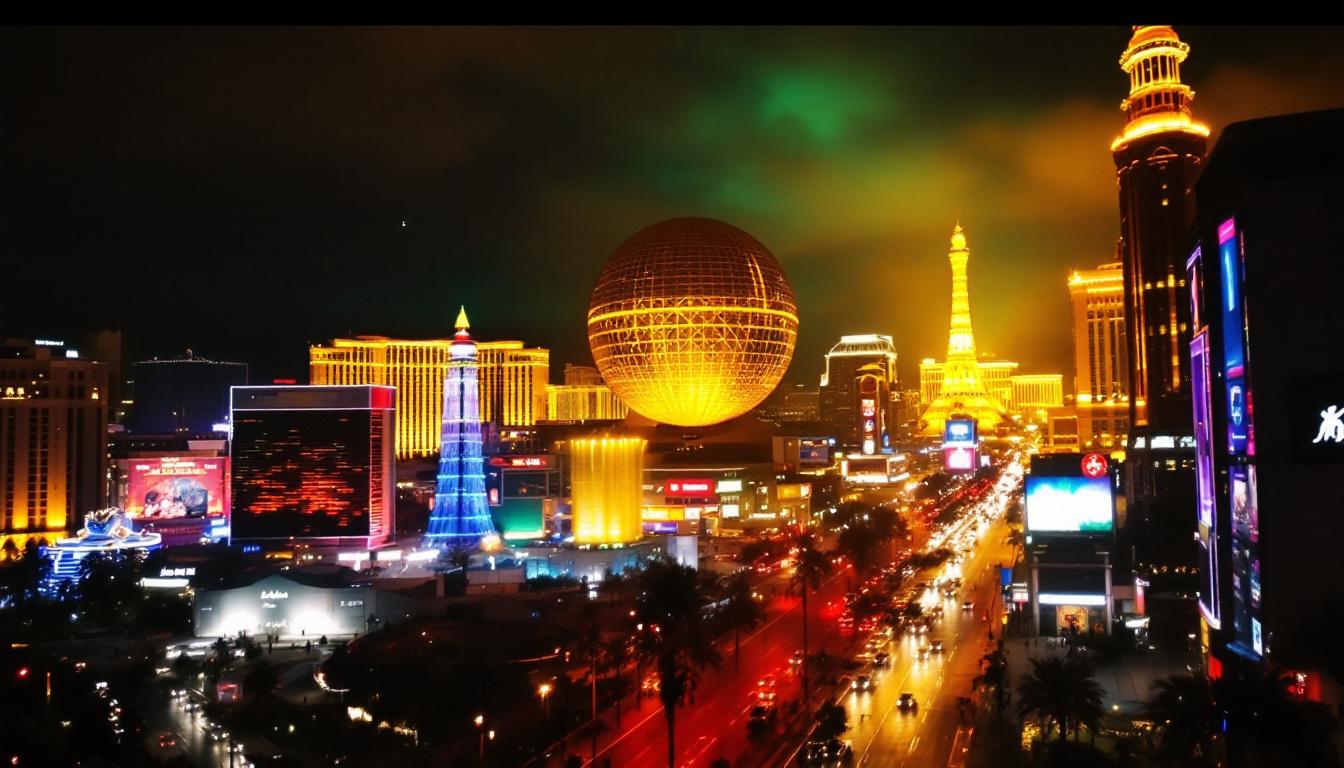
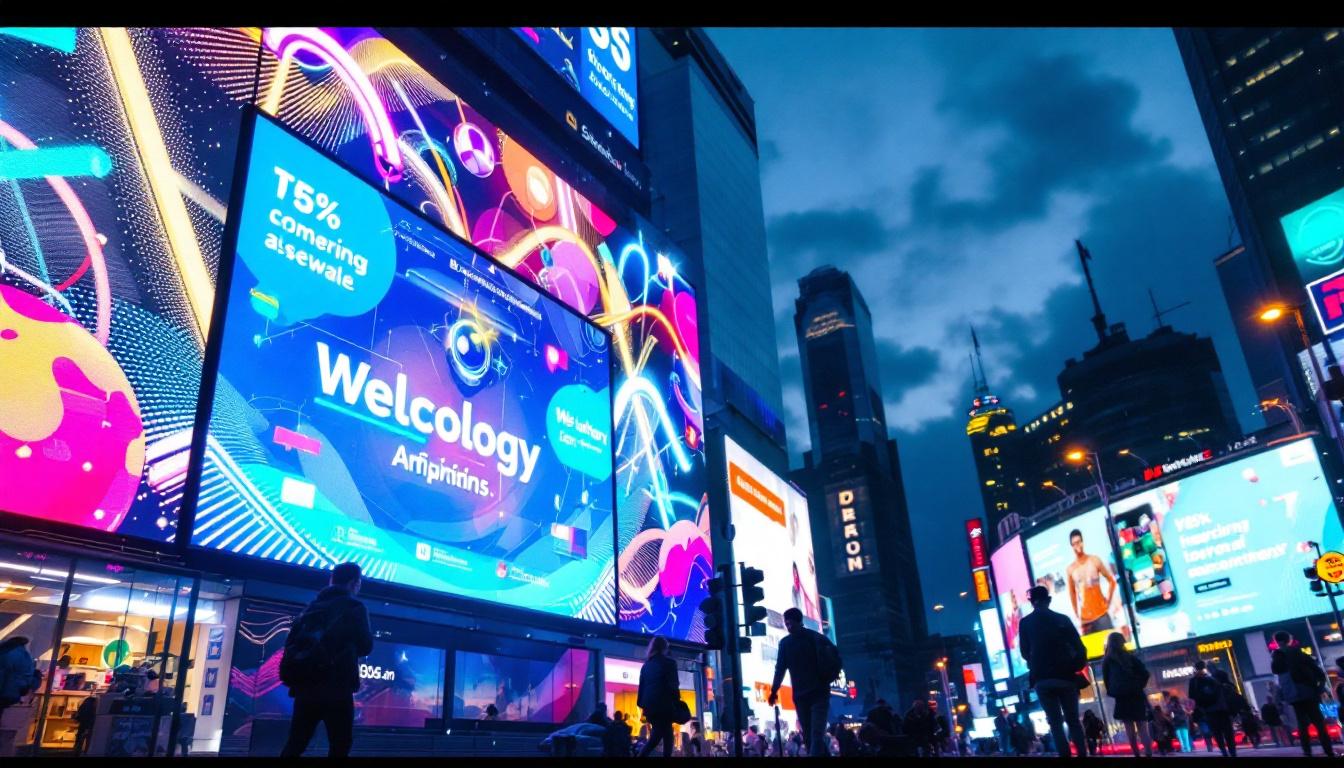
Digital billboards equipped with LED technology have revolutionized outdoor advertising. Major cities worldwide now feature towering LED billboards in high-traffic areas, such as Times Square in New York City and Piccadilly Circus in London. These displays attract millions of viewers daily, providing advertisers with unparalleled reach.
According to the Outdoor Advertising Association of America, digital out-of-home advertising revenue grew by 20% annually over the past five years, driven largely by LED display adoption. The ability to deliver dynamic content and real-time messaging makes LED billboards particularly effective for brands seeking to create memorable impressions.
Retail and Point-of-Sale Displays
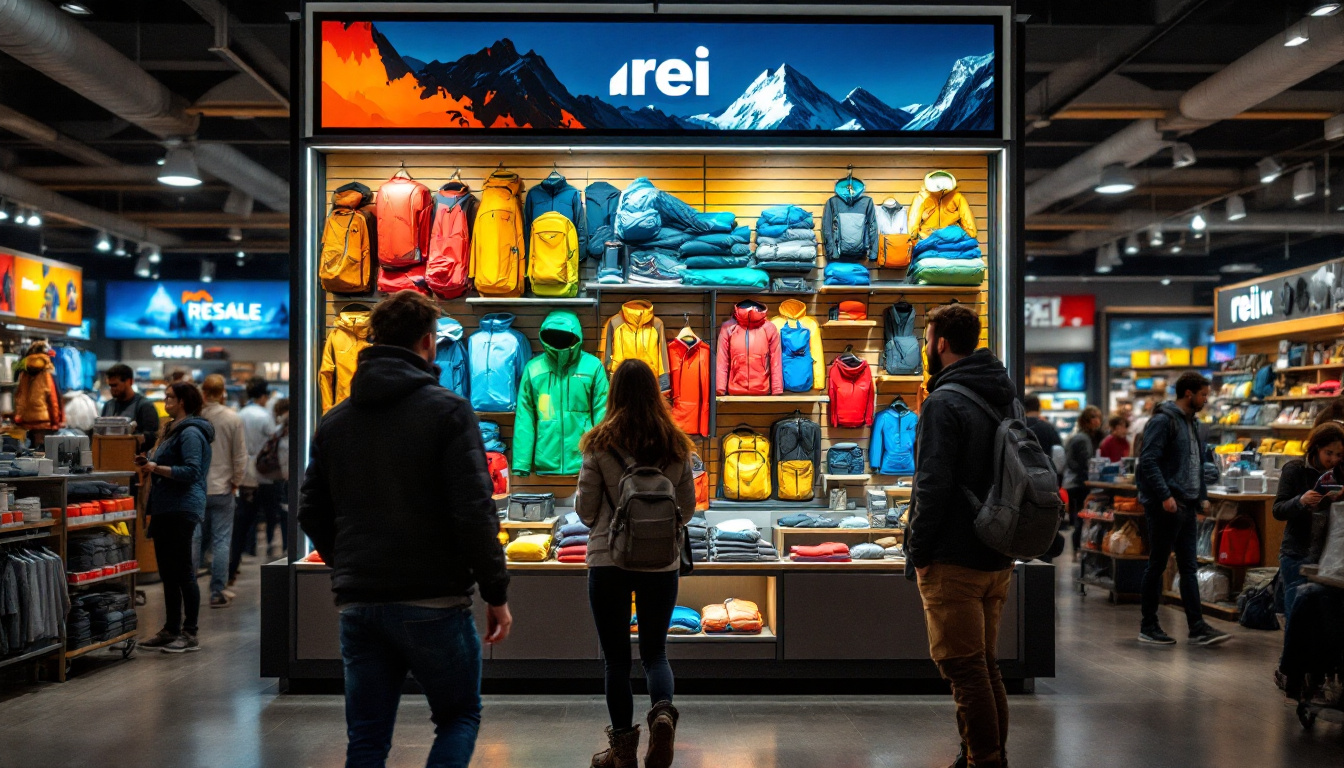
In retail environments, LED displays are increasingly used to enhance customer experience and drive sales. From digital shelf labels to large video walls showcasing product demos, LED technology helps retailers communicate promotions and brand stories more effectively.
For instance, a global electronics retailer implemented LED video walls in flagship stores, resulting in a 15% increase in foot traffic and a 10% boost in sales for featured products. The bright, eye-catching displays draw customers’ attention and create a modern, tech-savvy brand image.
Events, Exhibitions, and Public Spaces
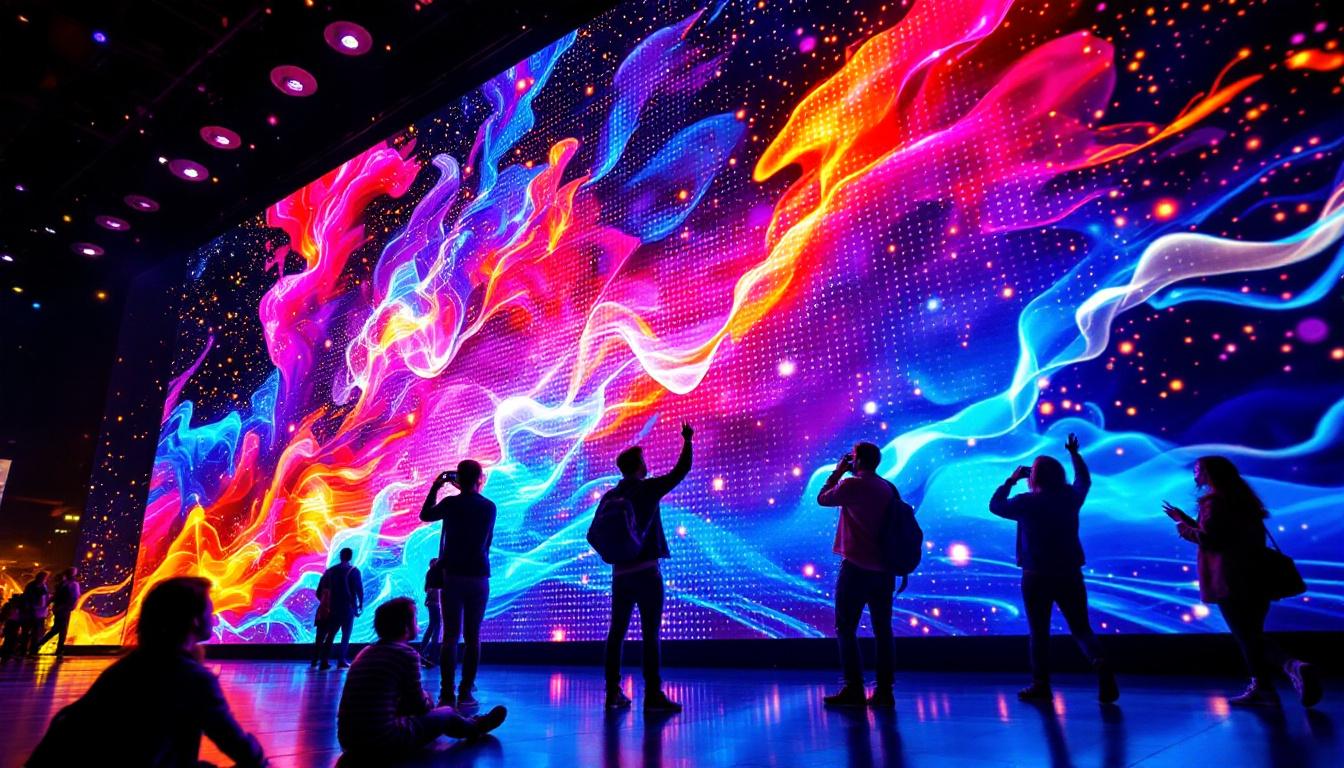
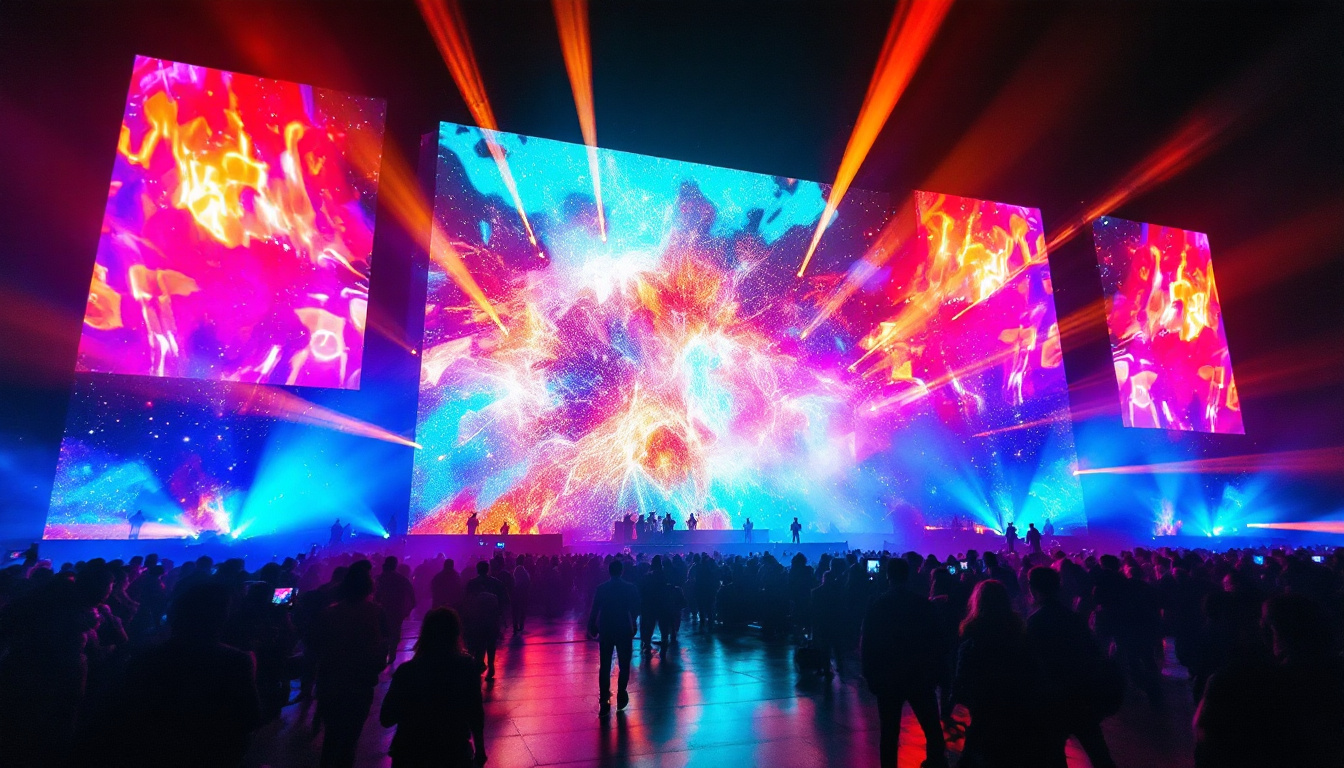
LED displays are also popular in event marketing and public installations. Concerts, sports arenas, and trade shows utilize large LED screens to broadcast live footage, sponsor advertisements, and interactive content. Their scalability allows for custom configurations, from small panels to massive video walls.
Public spaces such as airports and transportation hubs use LED displays for wayfinding and advertising, capitalizing on high foot traffic. The versatility and durability of LED technology make it ideal for these demanding environments.
Considerations When Choosing LED Displays for Advertising
Pixel Pitch and Viewing Distance
Pixel pitch, the distance between individual LEDs, is a critical factor in determining display clarity. Smaller pixel pitches provide higher resolution but are more expensive and typically used for indoor or close-range viewing. Larger pixel pitches are suitable for outdoor displays viewed from greater distances.
Advertisers must carefully assess the intended viewing distance to select an LED display that balances cost and visual quality. For example, a billboard visible from 100 meters may require a pixel pitch of 10-20 millimeters, whereas a retail display viewed from 2 meters might need a pitch under 2 millimeters.
Brightness and Environmental Durability
Outdoor LED displays must meet stringent brightness requirements to remain visible in daylight. Additionally, they need to be weatherproof, resistant to dust, moisture, and temperature fluctuations. Certifications such as IP65 or higher indicate suitable protection levels.
Indoor displays have more relaxed environmental demands but still require careful consideration of ambient lighting conditions to optimize brightness and contrast.
Content Management and Software Integration
The effectiveness of an LED advertising display depends heavily on the quality and management of its content. Robust content management systems (CMS) allow advertisers to schedule, update, and monitor campaigns efficiently. Integration with data sources and analytics tools can further enhance targeting and performance measurement.
Choosing an LED display provider that offers comprehensive software solutions can streamline operations and maximize return on investment.
The Future of LED Displays in Advertising
Advancements in LED Technology
Ongoing innovations continue to improve LED display performance. MicroLED technology, which uses microscopic LEDs, promises even higher resolution, better energy efficiency, and thinner form factors. This could lead to more immersive and flexible advertising formats.
Additionally, developments in transparent and flexible LED displays are expanding creative possibilities, enabling advertisers to integrate digital content seamlessly into architectural elements and unconventional surfaces.
Integration with Smart and Interactive Technologies
As consumer expectations evolve, LED displays are increasingly integrated with interactive technologies such as touchscreens, augmented reality (AR), and artificial intelligence (AI). These features enable personalized advertising experiences, real-time engagement, and data-driven insights.
For example, AI-powered LED displays can adapt content based on audience demographics detected by cameras, optimizing message relevance and impact.
Environmental and Sustainability Considerations
With growing emphasis on sustainability, LED displays are being designed with eco-friendly materials and energy-saving features. Some companies are exploring solar-powered LED billboards and recyclable components to reduce environmental impact.
Advertisers and municipalities alike are prioritizing green technologies, making energy-efficient LED displays a responsible choice for future campaigns.
Conclusion
LED displays have firmly established themselves as a cornerstone of modern advertising, offering unmatched brightness, flexibility, and engagement potential. Their ability to deliver dynamic, high-impact content in diverse environments makes them invaluable for brands seeking to connect with audiences effectively.
As technology advances and integration with smart systems grows, LED advertising will continue to evolve, providing even more innovative and sustainable solutions. For businesses aiming to stay competitive in an increasingly digital marketplace, investing in LED display advertising is not just advantageous—it’s essential.
Illuminate Your Brand with LumenMatrix
Ready to elevate your advertising strategy with the brilliance of LED technology? LumenMatrix is at the forefront of LED display innovation, offering a diverse range of solutions tailored to your unique needs. From the vibrant Indoor LED Wall Display to the dynamic Outdoor LED Wall Display, and from the mobile versatility of Vehicle LED Displays to the interactive allure of Floor LED Displays, our mission is to transform your visual communication. Engage and captivate your audience with our cutting-edge digital signage and LED display solutions. Check out LumenMatrix LED Display Solutions today and let your message shine with clarity and impact.