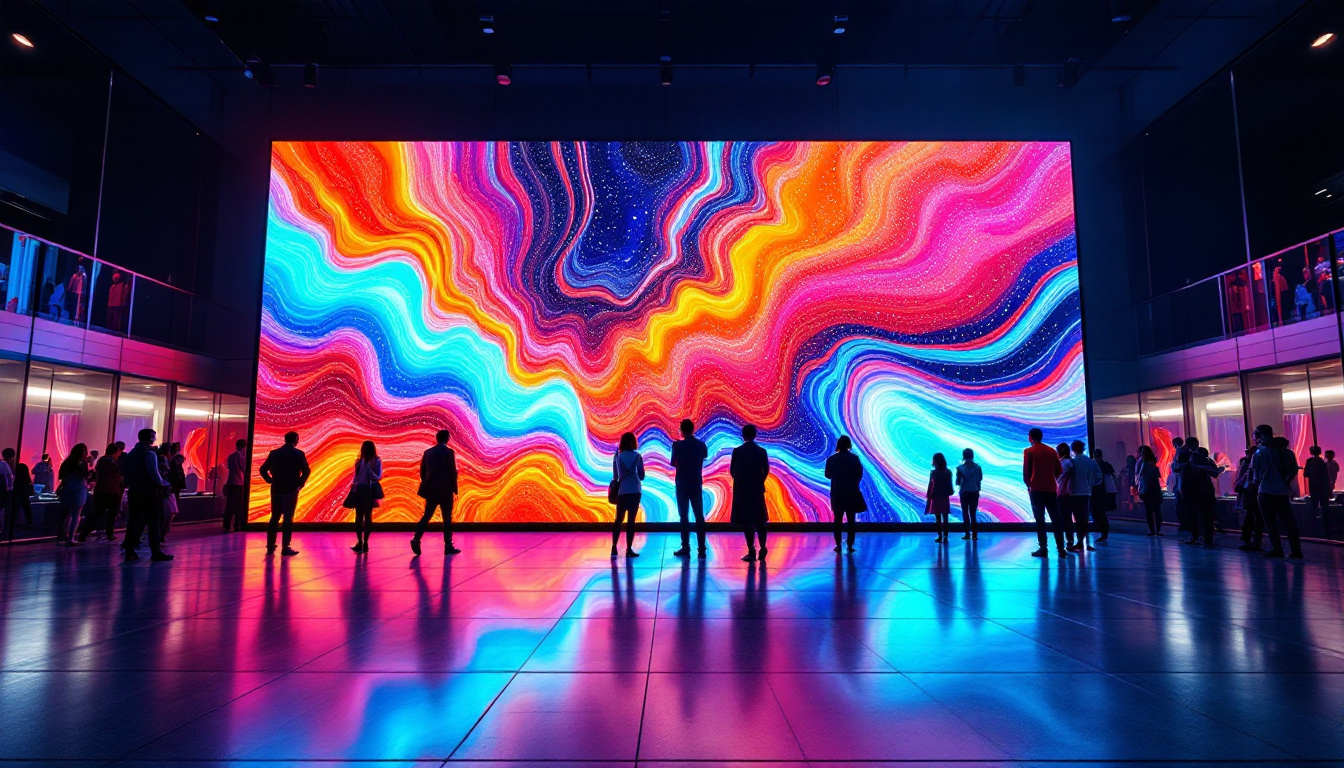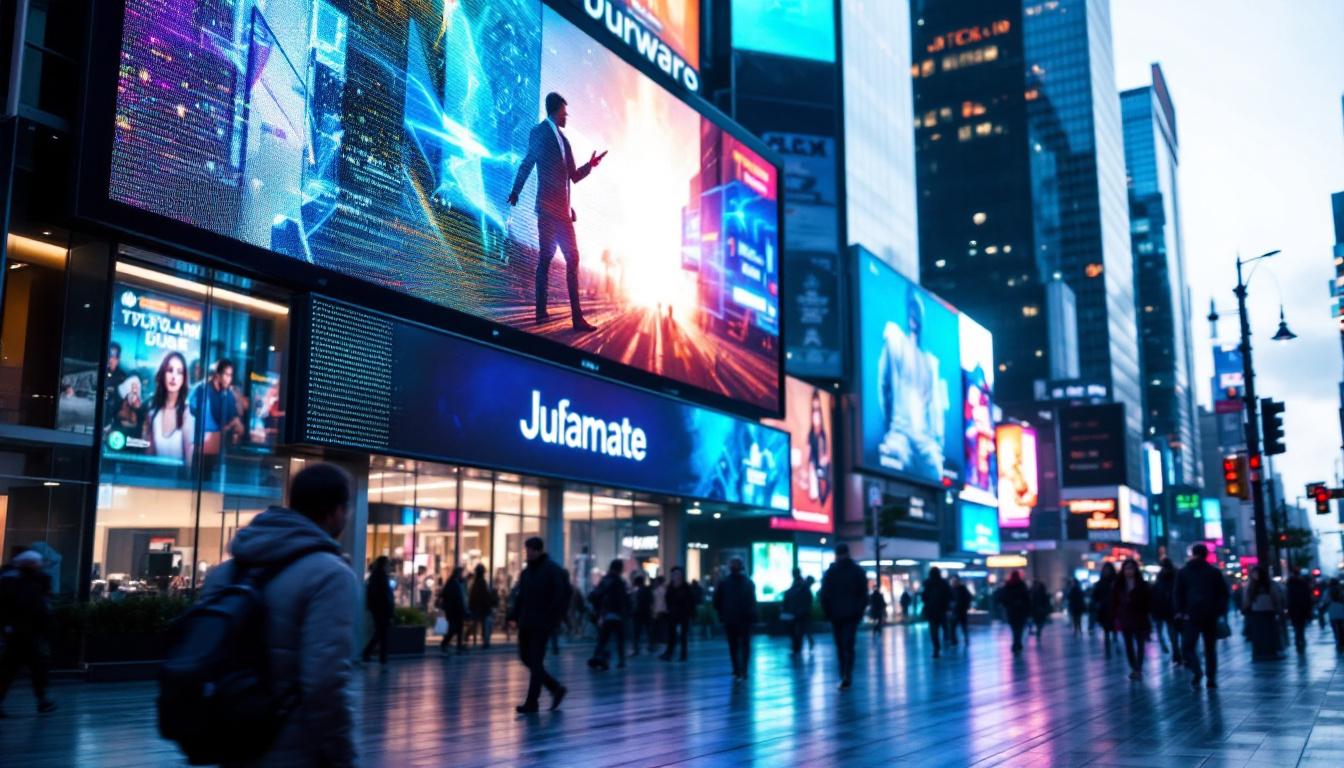
In today’s fast-paced and visually-driven world, digital advertising screens have become a cornerstone of marketing strategies worldwide. Among the various technologies available, LED displays stand out for their brightness, versatility, and ability to captivate audiences in a variety of environments. This article delves into the essentials of LED digital advertising screens, explaining their technology, benefits, applications, and future trends to help businesses and marketers make informed decisions.
Understanding LED Display Technology
What is an LED Display?
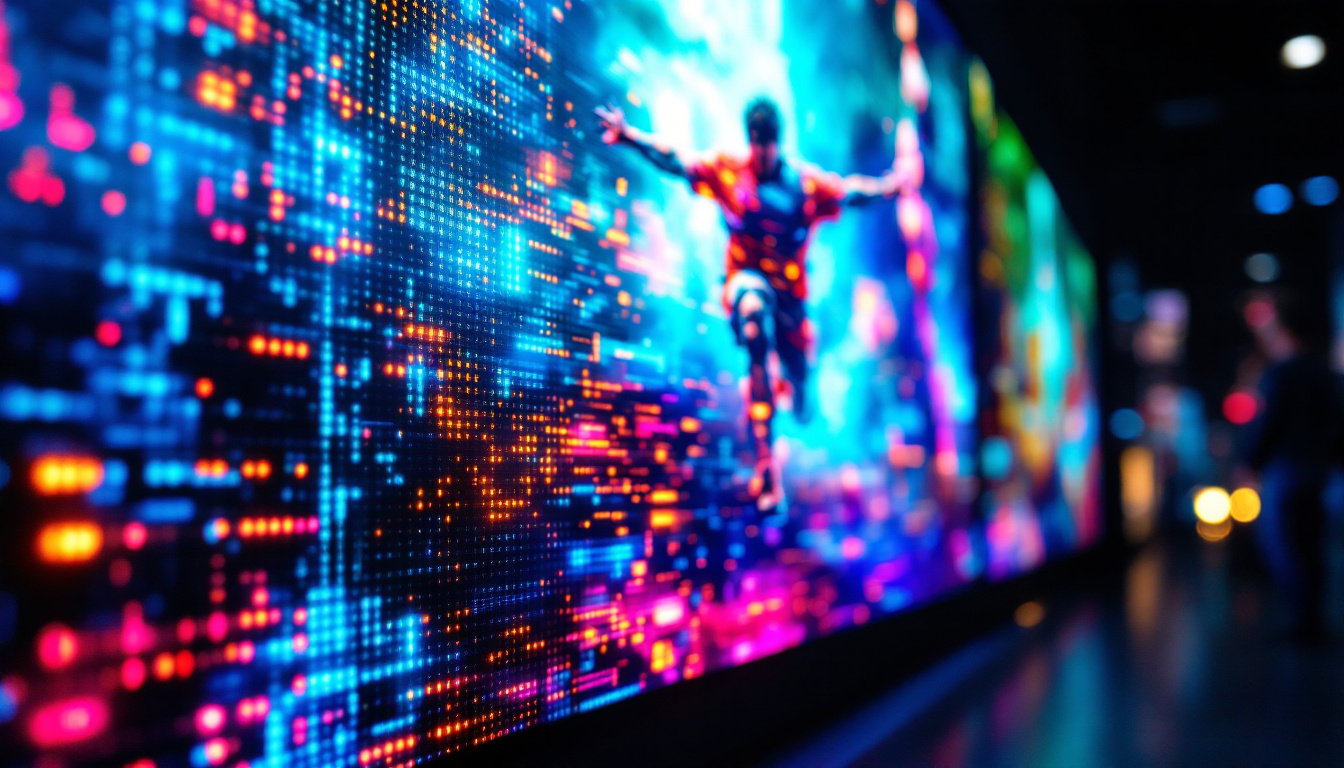
LED stands for Light Emitting Diode, a semiconductor device that emits light when an electric current passes through it. An LED display is a flat panel display that uses an array of these tiny LEDs to create images, videos, or text. Unlike traditional LCD or plasma screens, LED displays produce their own light, which enables them to deliver brighter and more vivid visuals.
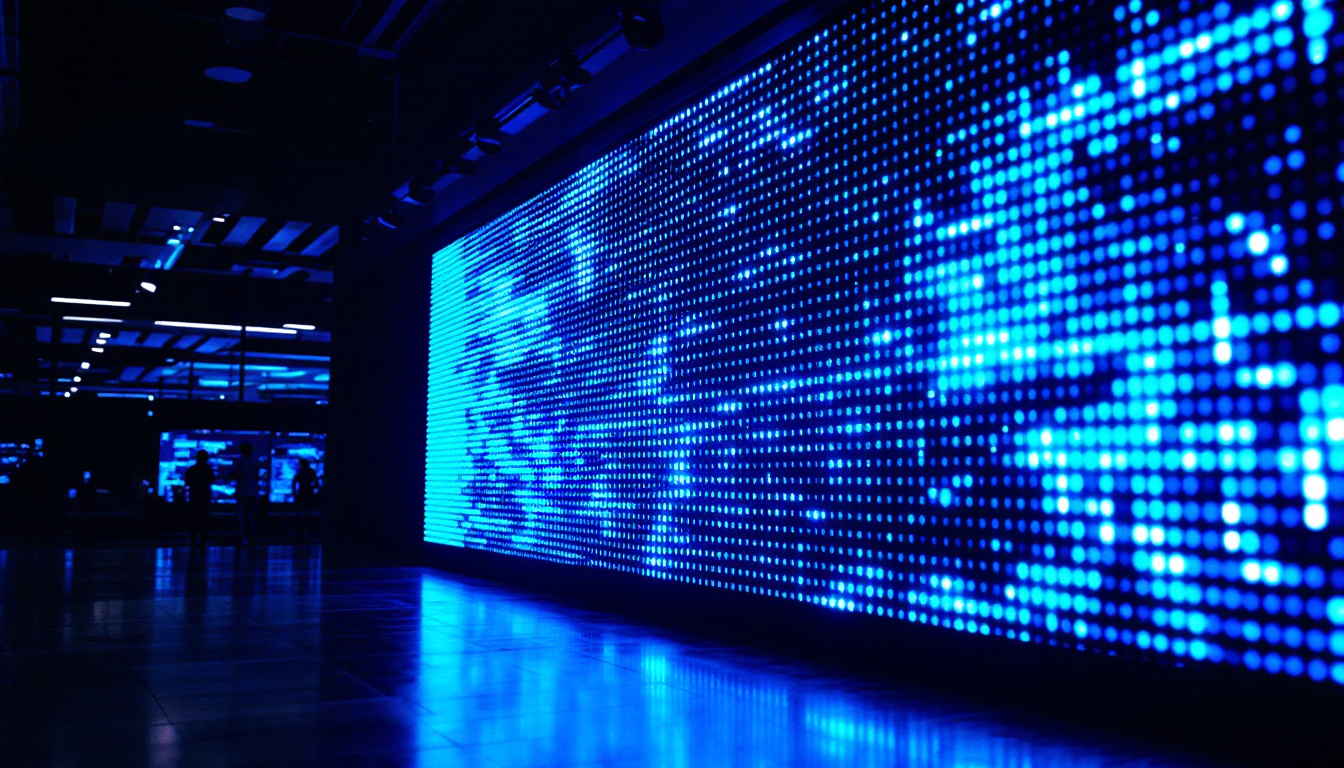
LED displays are composed of thousands to millions of individual LEDs arranged in a grid. These LEDs can be red, green, or blue, and by varying their intensity, the display can produce a full spectrum of colors. This technology allows for dynamic and eye-catching content that is easily visible even in direct sunlight. Furthermore, the longevity of LED technology means that these displays can last for tens of thousands of hours, significantly reducing maintenance costs and the need for frequent replacements compared to older display technologies.
Additionally, the energy efficiency of LED displays is noteworthy. They consume less power than traditional display technologies, which not only translates to lower electricity bills but also makes them a more environmentally friendly option. This efficiency is particularly beneficial for large-scale installations, such as billboards and stadium screens, where energy consumption can be substantial. As a result, businesses are increasingly adopting LED technology as part of their sustainability initiatives.
Types of LED Displays Used in Advertising
There are primarily two types of LED displays used for digital advertising: indoor and outdoor LED screens. Indoor LED displays typically have a higher pixel density, meaning the LEDs are closer together, which results in sharper images suitable for close viewing distances. Outdoor LED displays, on the other hand, are designed to withstand harsh weather conditions and have higher brightness levels to remain visible in daylight. These outdoor displays often feature protective coatings and rugged enclosures to shield against rain, wind, and UV exposure, ensuring they maintain performance and clarity over time.
Another important classification is based on the LED packaging: surface-mounted device (SMD) LEDs and through-hole LEDs. SMD LEDs are smaller, more energy-efficient, and capable of producing finer resolutions, making them the preferred choice for modern advertising screens. They allow for more creative designs and can be easily integrated into various shapes and sizes, enabling advertisers to craft unique visual experiences that capture attention. Moreover, advancements in technology have led to the development of flexible LED displays, which can be curved or bent to fit unconventional spaces, further expanding the possibilities for innovative advertising solutions.
Advantages of LED Digital Advertising Screens
Unmatched Brightness and Visibility
One of the most significant advantages of LED displays is their exceptional brightness. Outdoor LED screens can reach brightness levels of up to 5,000 nits or more, ensuring that advertisements remain visible even under direct sunlight. This is a crucial factor for businesses aiming to attract attention in busy urban environments or during daytime hours.
Furthermore, LED displays offer wide viewing angles, allowing content to be seen clearly from multiple directions. This feature maximizes the reach of advertising campaigns by engaging passersby from different vantage points. Whether someone is walking, driving, or simply standing nearby, the vibrant colors and sharp images of LED screens capture attention effectively, making them an indispensable tool for modern advertising strategies.
Energy Efficiency and Longevity
Compared to traditional lighting and display technologies, LEDs consume significantly less power, making digital advertising screens more sustainable and cost-effective over time. Modern LED panels can operate continuously for tens of thousands of hours, reducing maintenance costs and the need for frequent replacements.
Energy efficiency not only benefits the environment but also lowers operational expenses, which is a key consideration for businesses managing large-scale advertising installations. Additionally, the reduced heat output of LED screens means that they can operate in a wider range of temperatures without the risk of overheating, further extending their lifespan and reliability in various settings.
Dynamic and Flexible Content
Unlike static billboards, LED screens allow for dynamic content that can be updated in real-time. Advertisers can display multiple ads, videos, animations, and even interactive content, tailoring messages to specific audiences or times of day. This flexibility enhances engagement and allows for targeted marketing strategies that can adapt quickly to market trends or consumer behavior.
Moreover, the ability to integrate social media feeds or live updates into advertisements creates a more immersive experience for viewers. Brands can leverage real-time data to showcase promotions, events, or user-generated content, fostering a sense of community and interaction. This not only increases the relevance of the advertisements but also encourages consumers to engage with the brand on a deeper level, ultimately driving higher conversion rates and customer loyalty.
Applications of LED Advertising Screens
Urban and Outdoor Advertising
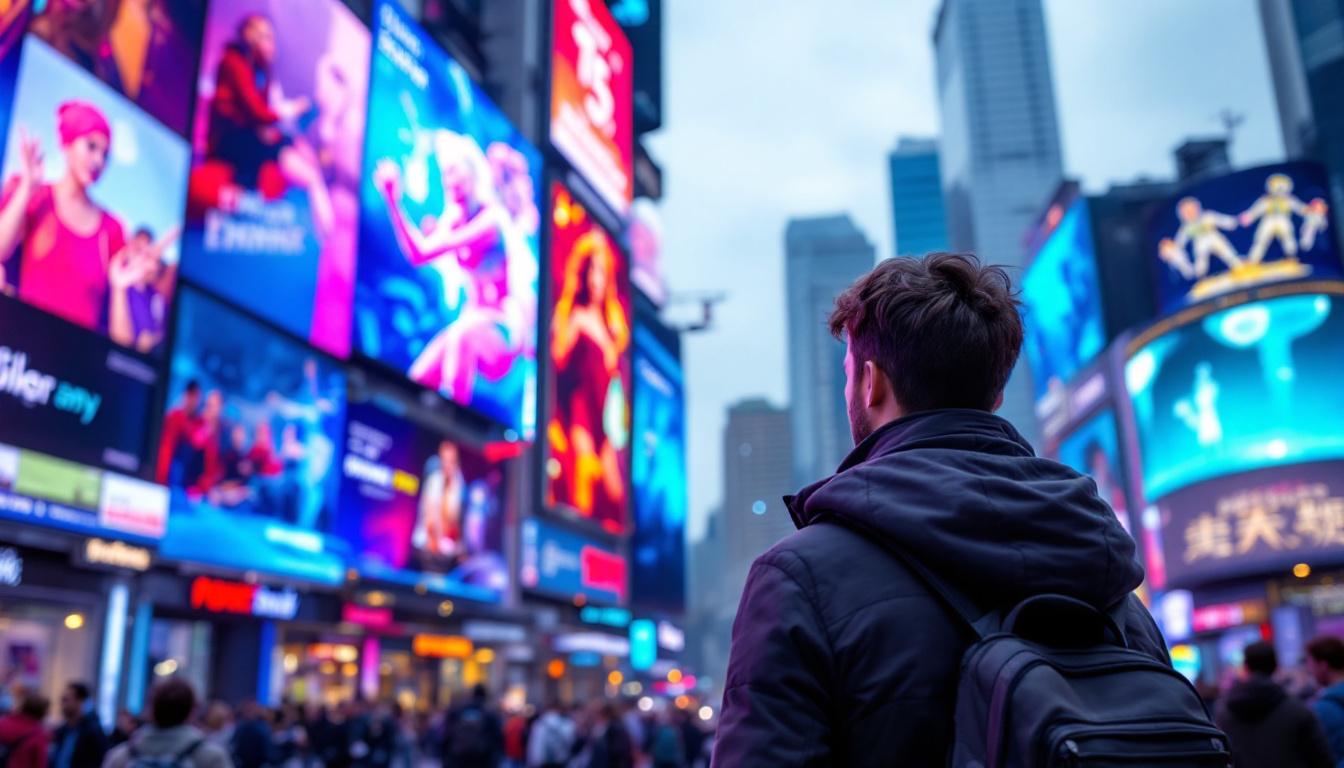
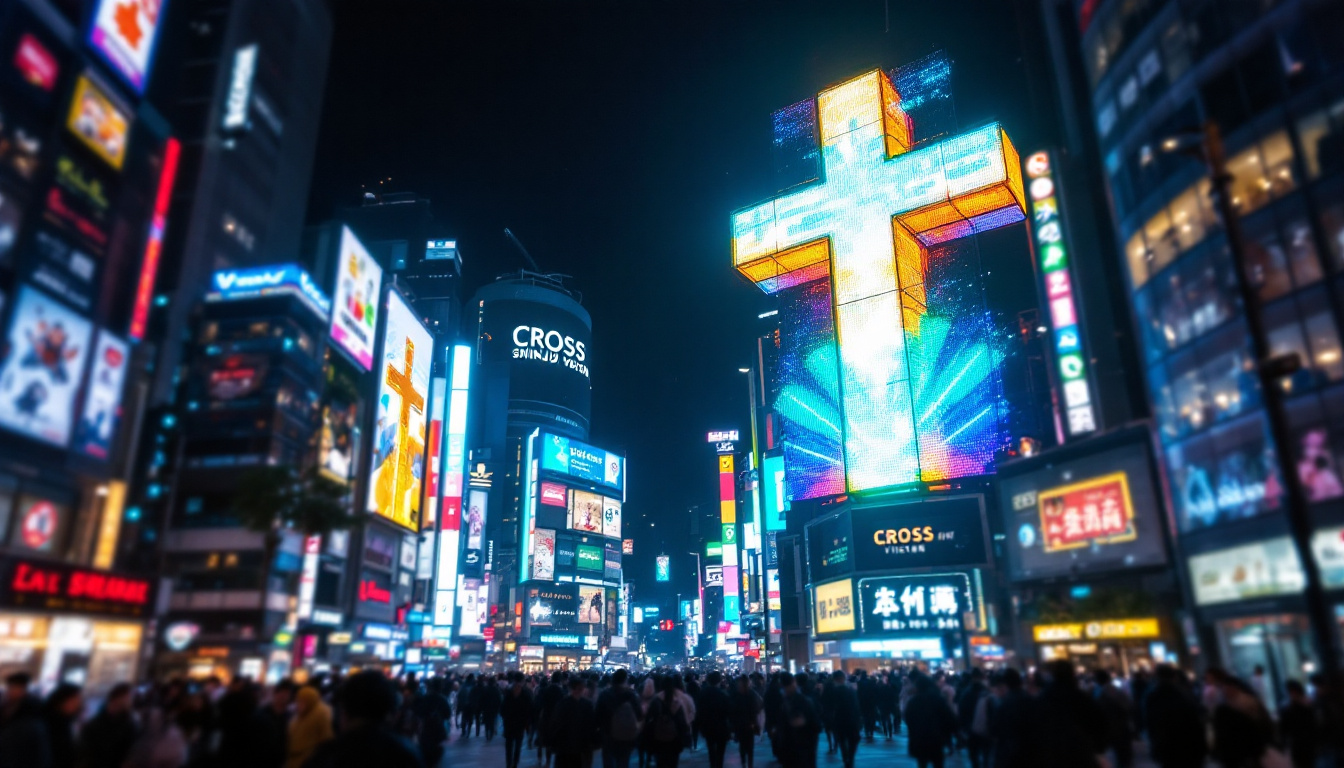
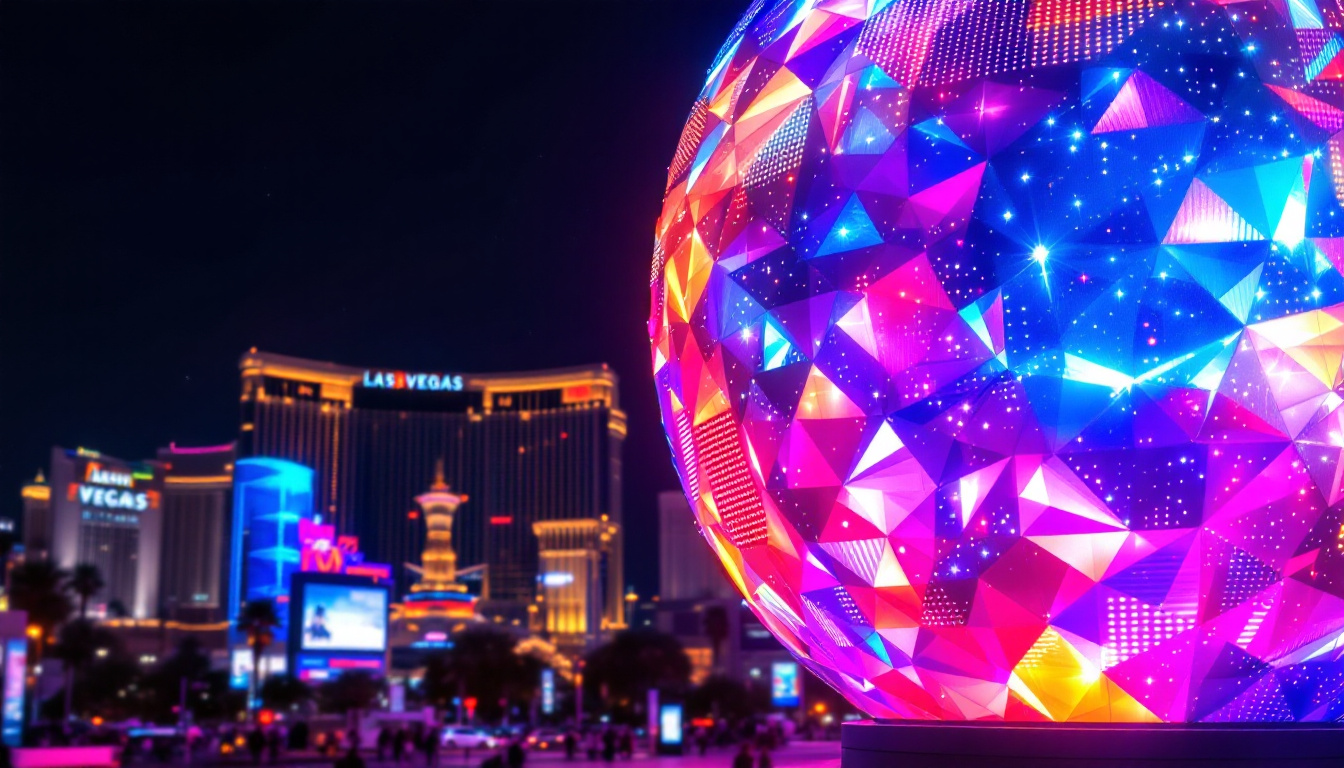
LED displays have become iconic fixtures in major cities around the world, from Times Square in New York to Shibuya Crossing in Tokyo. These large-scale outdoor screens serve as powerful advertising platforms that capture the attention of millions daily. Their ability to display vibrant, moving images makes them ideal for brand awareness campaigns, product launches, and event promotions.
Additionally, LED billboards along highways and in shopping districts provide high-impact advertising opportunities, often commanding premium rates due to their visibility and effectiveness.
Retail and Indoor Environments
Within retail stores, LED screens enhance the shopping experience by showcasing promotions, product information, and interactive content. Digital signage helps retailers create immersive environments that influence purchasing decisions and increase customer engagement.
Indoor LED displays are also prevalent in airports, malls, and corporate lobbies, where they serve both informational and advertising purposes. Their ability to deliver crisp, bright images in controlled lighting conditions makes them highly effective in these settings.
Events and Exhibitions
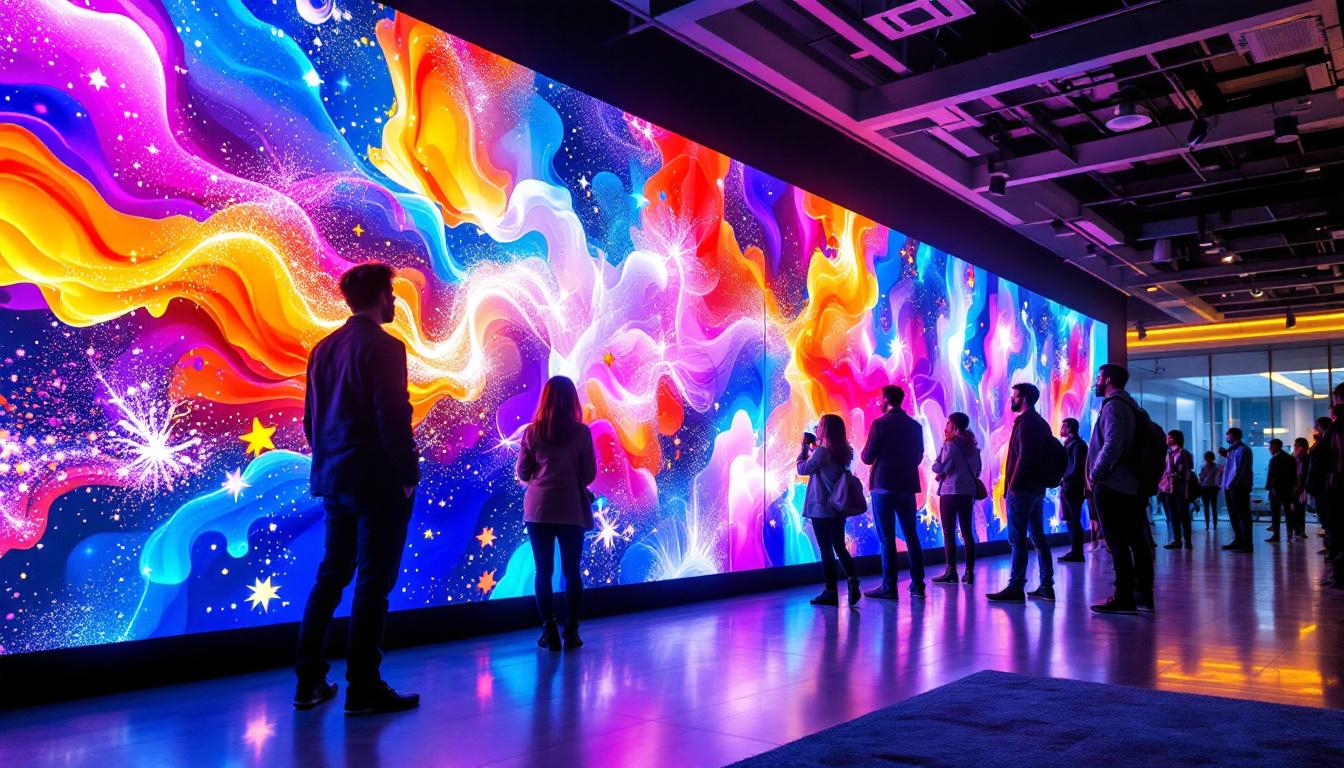
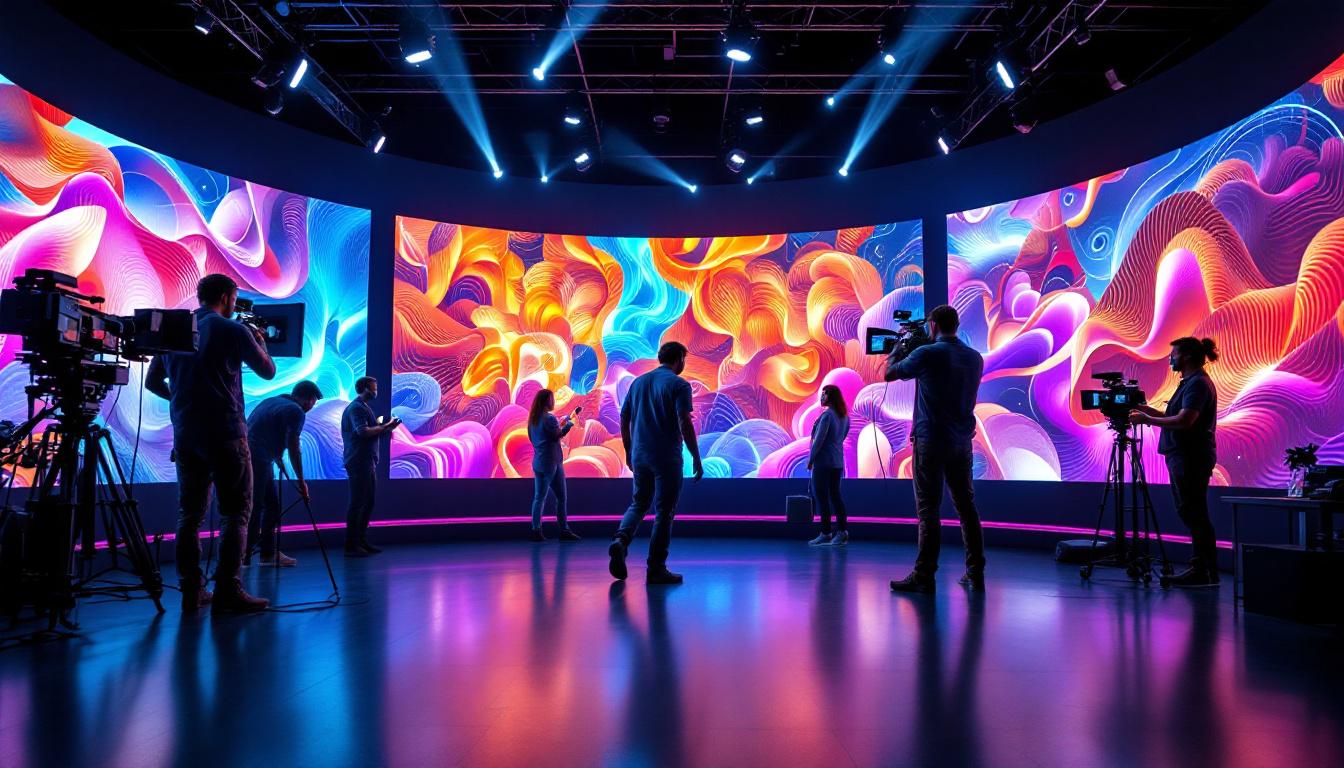
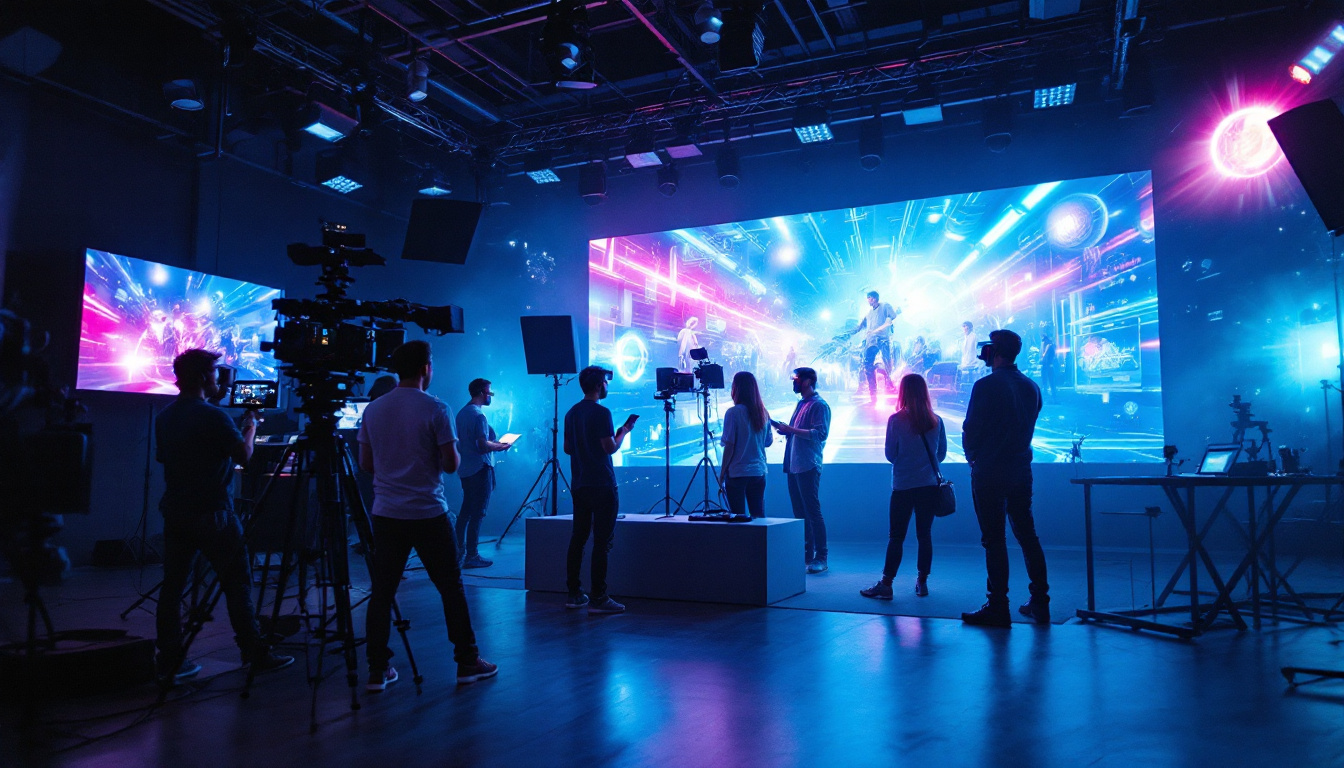
LED screens are widely used in trade shows, concerts, sports arenas, and conferences to provide high-quality visuals to large audiences. Their scalability allows event organizers to customize screen sizes and shapes to fit venues and enhance the overall experience.
For advertisers, event-based LED advertising offers a unique opportunity to reach highly engaged audiences in a memorable context, boosting brand recall and affinity.
Key Considerations When Choosing an LED Advertising Screen
Resolution and Pixel Pitch
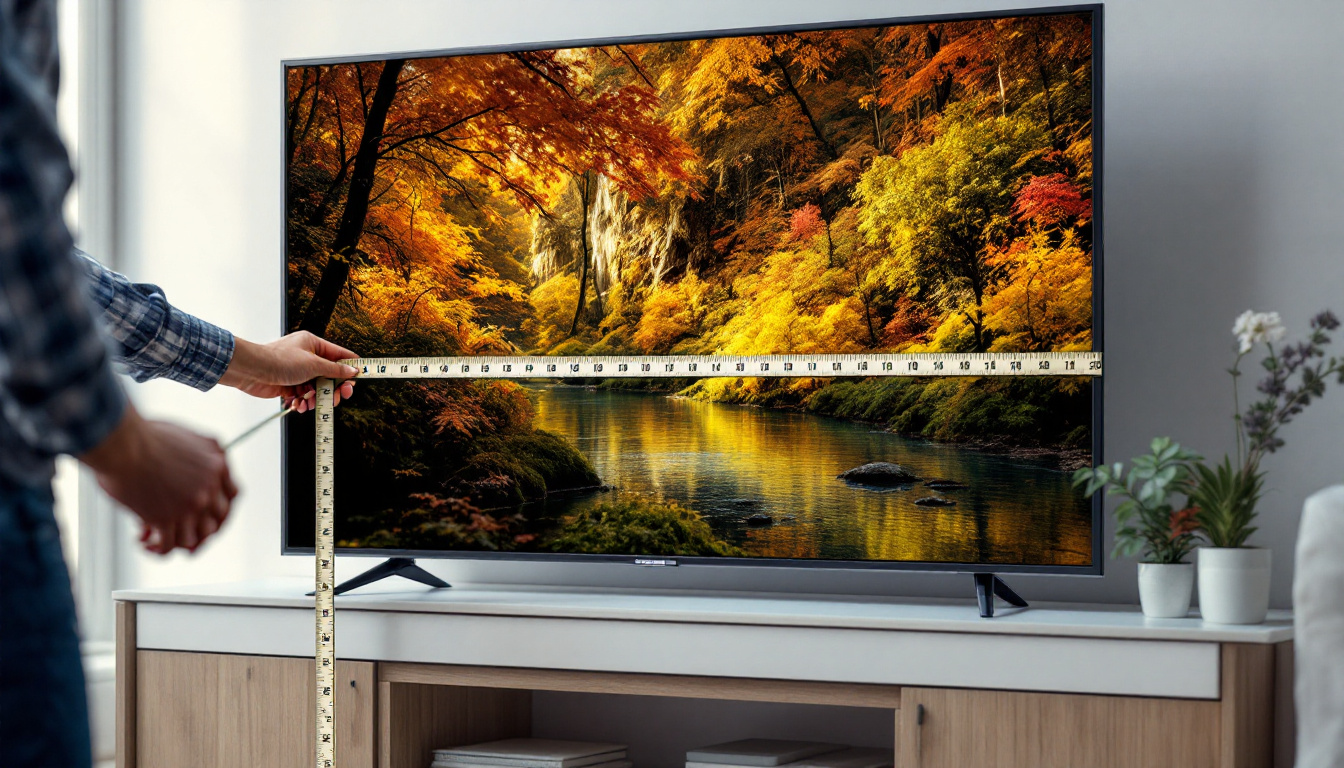
Resolution is a critical factor that determines the clarity and detail of the displayed content. Pixel pitch, the distance between individual LEDs, directly affects resolution. A smaller pixel pitch means higher resolution and sharper images, which is especially important for indoor screens viewed at close range.
For outdoor screens, a larger pixel pitch is acceptable since viewers are typically farther away. Selecting the appropriate resolution ensures that advertisements appear crisp and professional, enhancing the brand’s image.
Brightness and Contrast Ratio
Brightness must be sufficient to overcome ambient light, particularly for outdoor displays. Contrast ratio, the difference between the darkest and brightest parts of an image, also impacts visual quality. High contrast ratios contribute to more vivid and engaging content.
When evaluating LED screens, understanding these specifications helps ensure optimal performance in the intended environment.
Durability and Weather Resistance
Outdoor LED displays must be robust enough to endure rain, wind, dust, and temperature fluctuations. Look for screens with high ingress protection (IP) ratings, which indicate resistance to water and dust. Proper ventilation and cooling systems also extend the lifespan of the display.
Indoor screens require less ruggedness but should still be designed for ease of maintenance and reliability.
Control Systems and Software
The effectiveness of an LED advertising screen depends not only on hardware but also on the control system and content management software. Modern solutions offer remote control, scheduling, and real-time content updates, enabling marketers to manage campaigns efficiently across multiple locations.
Integration with analytics tools can provide valuable insights into audience engagement and campaign performance, allowing for data-driven marketing decisions.
Future Trends in LED Digital Advertising
Mini-LED and Micro-LED Technologies
Emerging technologies like Mini-LED and Micro-LED promise even higher resolution, better color accuracy, and improved energy efficiency. These advancements will enable ultra-thin, flexible, and more immersive displays that can be integrated into a wider range of environments and products.
As costs decrease, these technologies are expected to become mainstream in digital advertising, offering new creative possibilities for marketers.
Interactive and AI-Driven Displays
Interactivity is becoming a key feature of digital advertising. Touch-sensitive LED screens and integration with mobile devices allow consumers to engage directly with content, providing personalized experiences.
Artificial intelligence (AI) is also being leveraged to tailor advertisements based on real-time data such as demographics, weather, and traffic patterns, increasing relevance and effectiveness.
Sustainability and Eco-Friendly Solutions
With growing environmental awareness, LED manufacturers and advertisers are focusing on sustainable practices. This includes using recyclable materials, reducing energy consumption, and implementing smart power management systems.
Eco-friendly digital advertising not only meets regulatory requirements but also resonates with increasingly conscious consumers, enhancing brand reputation.
Conclusion
LED digital advertising screens represent a powerful and versatile medium that continues to transform how brands communicate with audiences. Their superior brightness, energy efficiency, and dynamic content capabilities make them ideal for a wide range of applications, from bustling city centers to intimate retail environments.
By understanding the technology, benefits, and key considerations outlined in this article, businesses can harness the full potential of LED displays to create impactful advertising campaigns that engage, inform, and inspire.
As the technology evolves, embracing innovations such as Mini-LED, interactive features, and sustainable designs will be essential for staying ahead in the competitive digital advertising landscape.
Discover LumenMatrix’s Innovative LED Display Solutions
Ready to elevate your brand’s presence and captivate your audience with the most advanced LED technology? LumenMatrix is at the forefront of LED display innovation, offering a diverse range of solutions tailored to your unique needs. From the vibrant Indoor LED Wall Display to the robust Outdoor LED Wall Display, and from the dynamic Vehicle LED Display to the sleek LED Poster Display, our products are designed to make your message shine. Experience the future of visual communication with our LED Sports Display, Floor LED Display, Custom LED Display, All-in-One LED Display, and LED Transparent Display. Embrace the power of LED and transform your advertising strategy with LumenMatrix. Check out LumenMatrix LED Display Solutions and start your journey towards unparalleled brand visibility and audience engagement today.