In the rapidly evolving world of digital displays, understanding the differences between LCD and LED technologies is crucial for manufacturers, businesses, and consumers alike. As LED displays become increasingly prevalent, it’s important to explore what LED displays truly are, how they differ from traditional LCDs, and why manufacturers are shifting towards LED technology. This comprehensive article delves into the fundamentals of LCD and LED displays, examines the manufacturing landscape, and highlights key trends shaping the future of display technology.
Understanding LCD and LED Technologies
What is an LCD Display?
Liquid Crystal Display (LCD) technology has been a cornerstone of digital screens for decades. LCDs function by manipulating liquid crystals that do not emit light themselves but instead modulate light passing through them. These displays rely on a backlight, traditionally cold cathode fluorescent lamps (CCFLs), to illuminate the screen.
LCDs are widely used in everything from smartphones and laptops to televisions and industrial monitors due to their relatively low power consumption and ability to produce sharp images. However, the reliance on backlighting means that LCDs can sometimes suffer from lower contrast ratios and less vibrant colors compared to newer technologies. The development of advanced technologies, such as in-plane switching (IPS) and twisted nematic (TN) panels, has helped to mitigate some of these issues, offering better color reproduction and wider viewing angles. Nonetheless, the fundamental design of LCDs still limits their performance in high dynamic range (HDR) content, where deeper blacks and brighter whites are essential for an immersive viewing experience.
What Does LED Display Mean?
LED stands for Light Emitting Diode, a semiconductor device that emits light when an electric current passes through it. In the context of displays, LED technology can refer to two main categories: LED-backlit LCDs and true LED displays.
Most modern LCD screens use LED backlighting instead of CCFLs, which improves brightness, energy efficiency, and color accuracy. These are often marketed as “LED displays,” though they are technically still LCDs with LED backlighting. The introduction of edge-lit LED technology has further slimmed down the profile of these displays, allowing for sleeker designs that are more aesthetically pleasing and easier to mount on walls. Additionally, local dimming features in some LED-backlit LCDs enhance contrast by selectively dimming the backlight in darker areas of the screen, providing a more dynamic range of light and shadow.
True LED displays, on the other hand, use an array of tiny LEDs as individual pixels that emit their own light. This category includes OLED (Organic LED) and microLED displays, which offer superior contrast, faster response times, and wider viewing angles compared to traditional LCDs. OLED technology, in particular, has gained popularity in high-end televisions and smartphones due to its ability to produce true blacks by turning off individual pixels completely. This capability not only enhances the overall picture quality but also contributes to thinner and lighter screen designs. MicroLED, a newer innovation, promises even greater advancements by combining the benefits of OLED with improved brightness and longevity, making it an exciting prospect for the future of display technology.
The Manufacturing Landscape of LCD and LED Displays
Key Players in LCD Display Manufacturing
The LCD manufacturing industry is dominated by a handful of global corporations, many based in East Asia. Companies like Samsung Display, LG Display, BOE Technology Group, and Innolux are leaders in producing high-quality LCD panels for a variety of applications. These manufacturers have invested heavily in large-scale production facilities capable of producing LCD panels ranging from small smartphone screens to large television panels.
BOE Technology, for example, has rapidly expanded its market share in recent years, becoming one of the largest suppliers of LCD panels worldwide. Their advancements in LCD technology have enabled them to produce panels with higher resolutions and better energy efficiency, keeping LCDs competitive in many sectors.
Emergence of LED Display Manufacturers
LED display manufacturing is more diverse due to the different types of LED technologies available. For LED-backlit LCDs, the same companies that produce LCD panels often supply LED backlighting components. However, true LED display manufacturing, especially for microLED and OLED, involves specialized firms.
Companies like Samsung, Sony, and LG have been pioneers in OLED technology, which is a subset of LED displays. Meanwhile, microLED technology is gaining traction with manufacturers such as Samsung and Apple investing heavily in research and development. MicroLED displays promise the advantages of OLED—such as perfect blacks and high brightness—while offering greater durability and longer lifespan.
Manufacturing Challenges and Innovations
Producing high-quality LED displays involves overcoming significant technical challenges. For instance, manufacturing microLED displays requires precise placement of millions of microscopic LEDs, which is a complex and costly process. Innovations in automation and materials science are gradually reducing these costs, making microLED more commercially viable.
On the LCD side, manufacturers continue to improve the quality of LED backlighting by developing technologies such as local dimming and quantum dot enhancement. These innovations help LCD panels achieve better color accuracy and contrast, narrowing the gap with OLED displays.
Comparing LCD and LED Displays: What Manufacturers and Consumers Should Know
Image Quality and Performance
True LED displays, especially OLED and microLED, offer superior image quality compared to traditional LCDs. Because each pixel emits its own light, these displays can achieve perfect black levels and infinite contrast ratios. This results in more vibrant colors and better performance in dark scenes.
LCDs with LED backlighting have improved significantly, particularly with the introduction of quantum dot technology, which enhances color reproduction. However, they still rely on a backlight, which can lead to light bleed and lower contrast compared to self-emissive LED displays.
Energy Efficiency and Lifespan
LED-backlit LCDs are generally more energy-efficient than older CCFL-backlit LCDs, consuming less power and generating less heat. OLED displays, while offering excellent image quality, can consume more power when displaying bright images due to their self-emissive nature. MicroLED displays are expected to combine the best of both worlds, providing high energy efficiency and long lifespan.
In terms of durability, LCDs tend to have longer lifespans without the risk of burn-in, a phenomenon where static images can permanently mark OLED screens. However, ongoing advancements in OLED technology are mitigating these issues.
Cost Considerations
From a manufacturing perspective, LCD panels remain less expensive to produce at scale, which translates to lower prices for consumers. LED-backlit LCDs dominate the market due to their balance of cost, performance, and availability.
True LED displays, particularly OLED and microLED, are more costly due to complex manufacturing processes and higher material costs. However, prices are gradually decreasing as production techniques improve and economies of scale are realized.
Applications and Industry Trends
Consumer Electronics
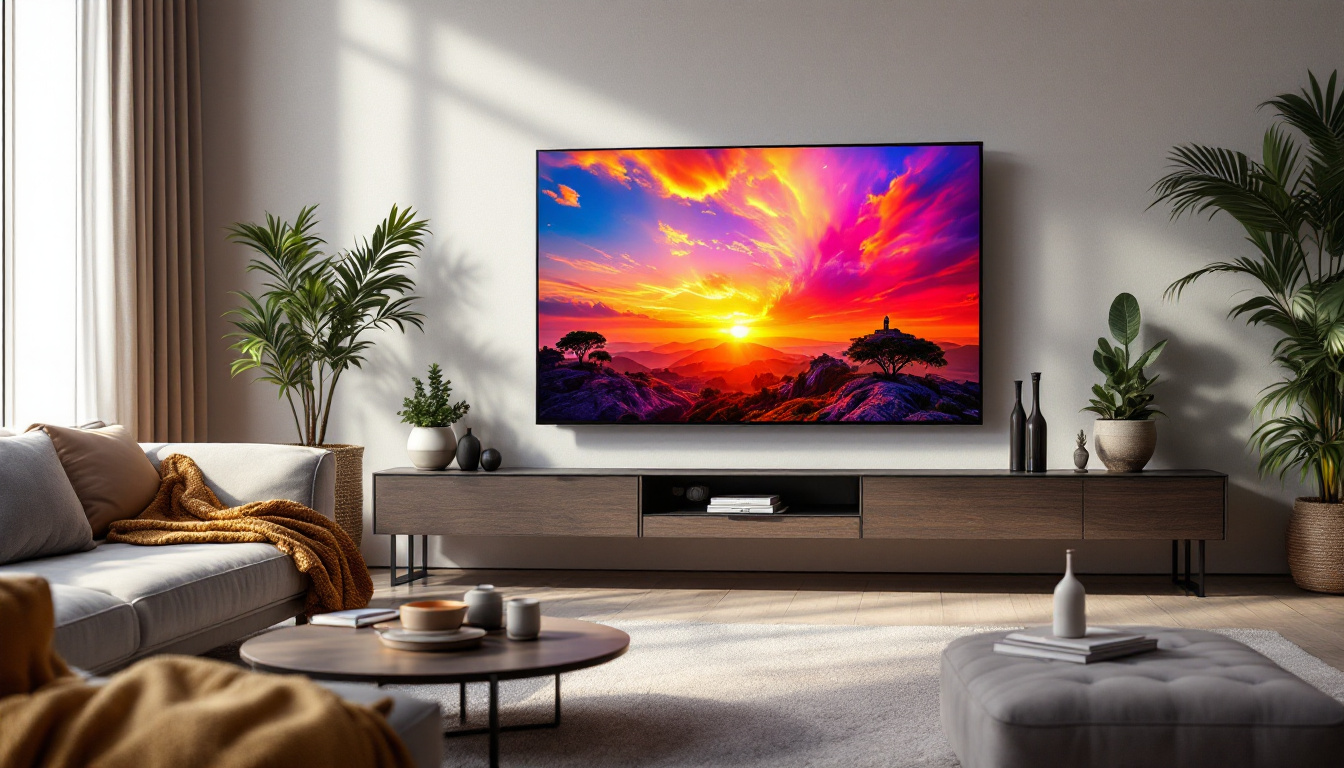
In consumer electronics, LCD displays with LED backlighting remain the standard for televisions, monitors, and mobile devices due to their affordability and solid performance. However, premium smartphones and high-end televisions increasingly feature OLED displays to deliver superior image quality.
MicroLED technology is poised to revolutionize the market with its promise of combining OLED’s visual advantages with enhanced durability and brightness. Companies like Apple are rumored to be incorporating microLED into future devices, signaling a shift towards this next-generation technology.
Commercial and Industrial Uses
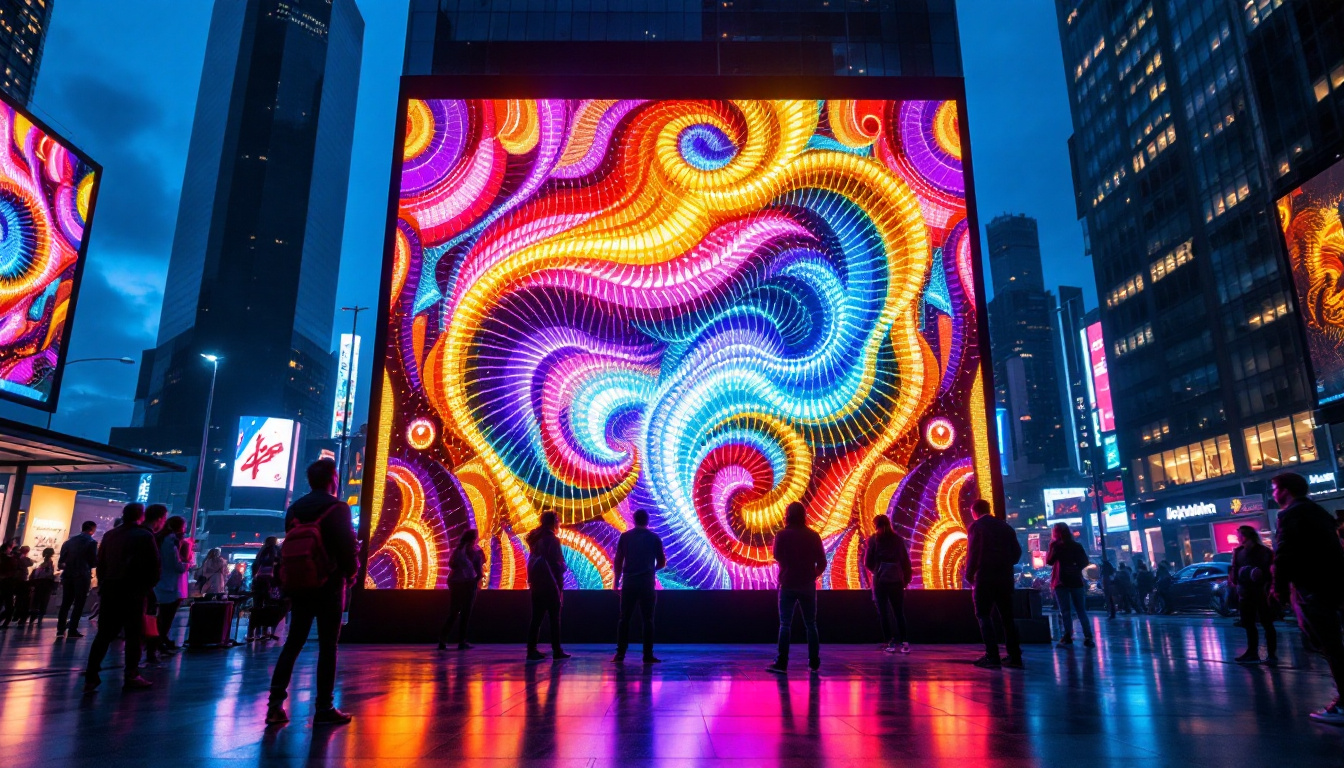
LED displays are widely used in commercial applications such as digital signage, advertising billboards, and large-scale video walls. These displays benefit from the high brightness and scalability of LED technology, making them ideal for outdoor and large-format installations.
Manufacturers specializing in LED video walls, such as Leyard and Unilumin, have developed modular LED panels that can be assembled into virtually any size or shape, offering unparalleled flexibility for commercial use.
Emerging Markets and Future Outlook
The global display market is expected to grow significantly, driven by demand for higher resolution, better energy efficiency, and innovative form factors such as foldable and transparent displays. According to industry reports, the global LED display market alone is projected to reach over $30 billion by 2027, reflecting strong growth in both consumer and commercial sectors.
Manufacturers are investing heavily in research and development to push the boundaries of display technology. Quantum dot enhancements, flexible OLEDs, and microLED advancements are all shaping the future landscape, promising more immersive and energy-efficient displays.
Choosing the Right Display Technology: Guidance for Manufacturers and Buyers
Factors to Consider
When selecting a display technology, manufacturers and buyers should consider several factors including application requirements, budget constraints, and desired image quality. For instance, a retail store looking for bright, durable digital signage might prioritize LED video walls, while a smartphone manufacturer might focus on OLED or microLED for premium displays.
Environmental considerations such as energy consumption and recyclability are also increasingly important. LED-backlit LCDs offer a good balance for many applications, but emerging LED technologies provide opportunities for more sustainable and efficient solutions.
Partnering with Reliable Manufacturers
Choosing the right manufacturing partner is critical to ensure product quality and supply chain reliability. Leading manufacturers with strong R&D capabilities and proven track records can provide valuable support in customizing displays to specific needs.
Collaboration between display manufacturers and end-users often results in innovations tailored to niche markets, such as ultra-high brightness displays for outdoor use or flexible screens for wearable devices.
Conclusion
The distinction between LCD and LED displays is more nuanced than it might initially appear. While many modern LCDs utilize LED backlighting, true LED displays such as OLED and microLED offer distinct advantages in image quality and performance. The manufacturing landscape is dynamic, with established players and emerging innovators driving advancements that benefit a wide range of industries.
For manufacturers and buyers, understanding these technologies and their applications is essential for making informed decisions. As LED display technology continues to evolve, it promises to deliver more immersive, efficient, and versatile visual experiences across consumer electronics, commercial signage, and beyond.
Discover Cutting-Edge LED Display Solutions with LumenMatrix
As you consider the future of display technology for your business or personal needs, LumenMatrix stands at the forefront of innovation, ready to illuminate your world with our comprehensive range of LED display modules. From captivating Indoor and Outdoor LED Wall Displays to dynamic Vehicle and Sports LED Displays, our solutions are designed to revolutionize visual communication and engagement. Whether you’re looking to create immersive environments with our Floor and Custom LED Displays or seeking the sleek design of our All-in-One and Transparent LED Displays, LumenMatrix is your partner in crafting unforgettable visual experiences. Check out LumenMatrix LED Display Solutions today and see how we can help you share your message with impact and clarity.