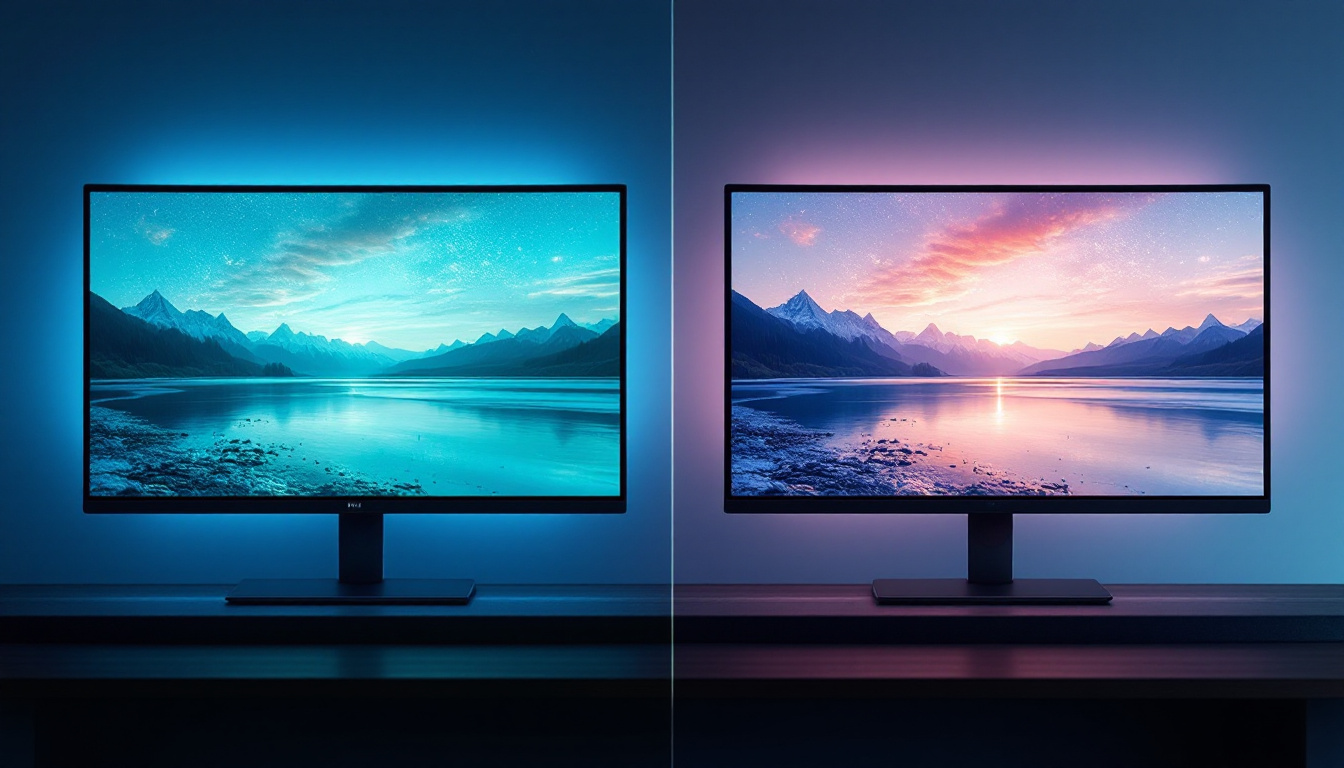
In today’s fast-paced world, grabbing attention quickly and effectively is crucial for businesses, advertisers, and event organizers. Digital banners, particularly those utilizing LED display technology, have revolutionized the way messages are communicated in public spaces. From vibrant storefront signs to massive stadium screens, LED digital banners combine brightness, flexibility, and durability to deliver compelling visual content that stands out.
This article explores the fundamentals of LED digital banners, their advantages, types, and practical applications. Whether you’re considering investing in digital signage or simply curious about how these eye-catching displays work, this comprehensive guide will provide valuable insights.
Understanding LED Display Technology
What is an LED Display?
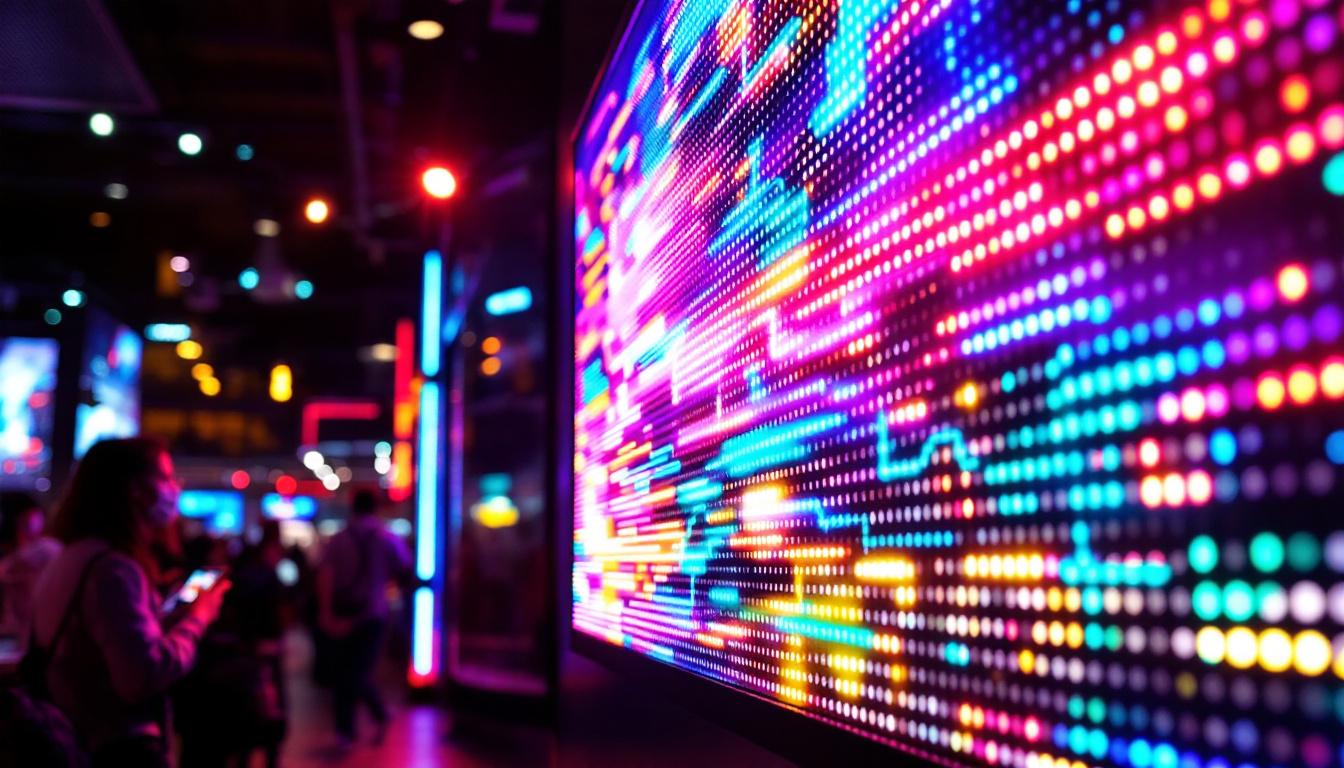
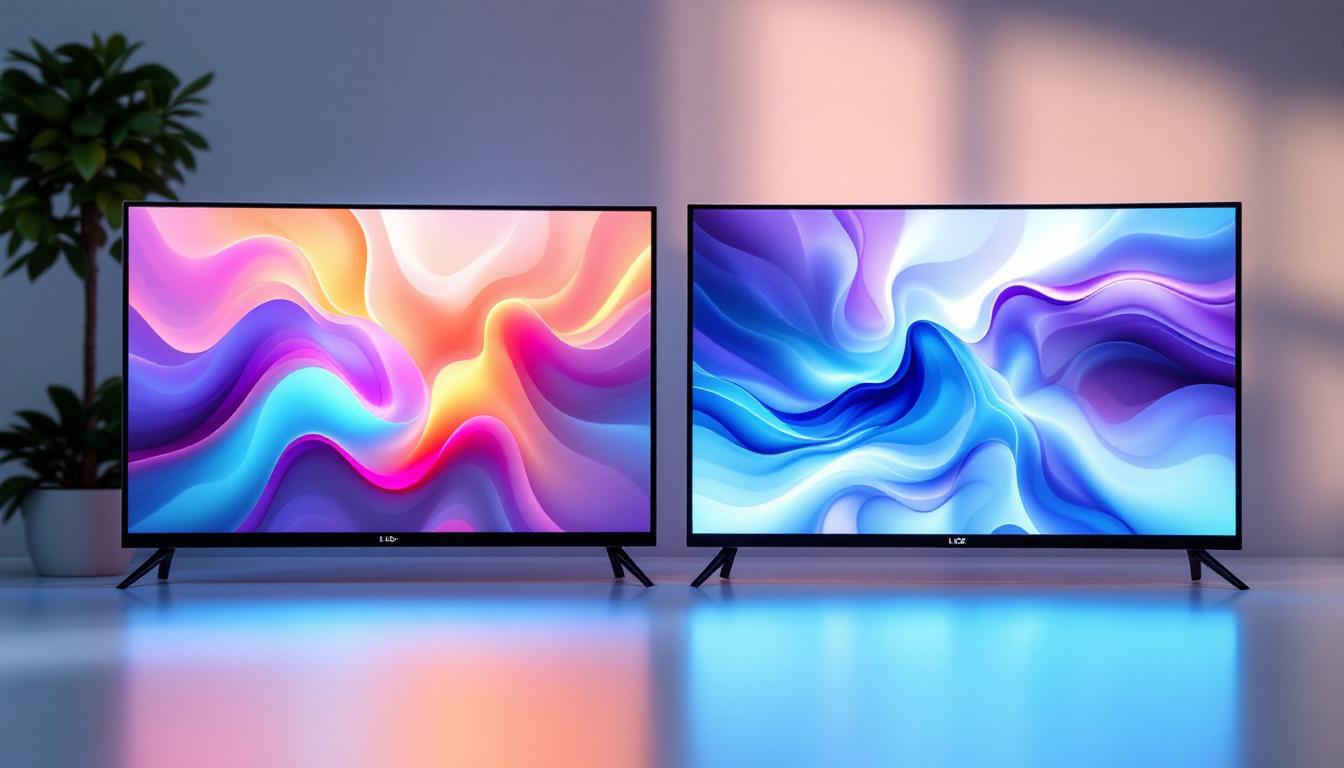
LED stands for Light Emitting Diode, a semiconductor device that emits light when an electric current passes through it. LED displays are screens made up of thousands or even millions of tiny LEDs arranged in a grid to form pixels. Each pixel can emit light in different colors and intensities, allowing the display to show images, videos, and text with remarkable clarity and brightness.
Unlike traditional LCD or plasma screens, LED displays use these tiny diodes as the light source, which offers several benefits such as higher brightness, better energy efficiency, and longer lifespan. This technology is the backbone of most modern digital banners, especially those used outdoors or in large venues. The ability to operate effectively in various lighting conditions makes LED displays particularly appealing for advertising and information dissemination in public spaces, where visibility is crucial. Furthermore, the rapid response time of LEDs allows for dynamic content, enabling businesses to update their messages in real-time, which is a significant advantage over static signage.
Types of LEDs Used in Digital Banners
There are primarily two types of LEDs used in digital banners: surface-mounted device (SMD) LEDs and through-hole LEDs. SMD LEDs are compact and capable of producing a wide range of colors from a single diode package, making them ideal for high-resolution indoor displays. Through-hole LEDs, on the other hand, are larger and more robust, often used in outdoor displays where durability and brightness are paramount.
The choice between these types depends on the intended application, viewing distance, and environmental factors. For example, a retail store might opt for SMD LED banners for crisp visuals at close range, while a highway billboard would use through-hole LEDs to ensure visibility from afar. Additionally, advancements in technology have led to the development of RGB (Red, Green, Blue) LEDs, which can blend these primary colors to create a vast spectrum of hues. This capability allows for stunning visual effects and animations that can capture the attention of passersby, making LED displays an increasingly popular choice for events, concerts, and promotional campaigns. As the market continues to evolve, innovations such as flexible LED screens and transparent displays are also emerging, further expanding the possibilities for creative applications in advertising and design.
Advantages of LED Digital Banners
Exceptional Brightness and Visibility
One of the most significant advantages of LED digital banners is their superior brightness. LEDs can produce intense light that remains visible even under direct sunlight, a critical factor for outdoor advertising. According to industry reports, LED displays can achieve brightness levels exceeding 5,000 nits, compared to around 300-500 nits for typical LCD screens.
This high brightness ensures that messages are clear and eye-catching regardless of weather conditions or ambient lighting. For businesses, this translates into higher engagement rates and better return on investment for advertising campaigns. Furthermore, the vibrant colors produced by LED technology enhance the visual appeal of advertisements, making them more attractive to passersby. This is particularly important in high-traffic areas where competition for attention is fierce, as a well-lit and colorful display can draw in potential customers more effectively than traditional signage.
Energy Efficiency and Longevity
LED technology is renowned for its energy efficiency. Compared to other display technologies, LEDs consume less power while delivering brighter images. This efficiency reduces operational costs, especially for large-scale digital banners that run continuously.
Moreover, LEDs have a long operational lifespan, often exceeding 100,000 hours. This durability minimizes maintenance and replacement costs, making LED digital banners a cost-effective solution over time. In addition to financial savings, this longevity contributes to sustainability efforts, as fewer resources are consumed in manufacturing and disposing of displays. Businesses can promote their commitment to eco-friendliness by opting for LED technology, which aligns with the growing consumer preference for environmentally responsible practices.
Flexibility and Customization
Digital banners powered by LED technology offer unmatched flexibility in content display. Unlike static banners, digital displays can rotate through multiple advertisements, display dynamic animations, or even interact with viewers using sensors and cameras.
Customization options extend to the size and shape of the display. LED modules can be assembled into various configurations, from small rectangular signs to massive curved or irregularly shaped banners. This adaptability allows businesses to tailor their digital signage to specific branding and spatial requirements. Additionally, the ability to update content remotely and in real-time means that businesses can respond quickly to market trends, seasonal promotions, or special events, ensuring that their advertising remains relevant and engaging. This level of responsiveness not only enhances customer interaction but also allows for targeted marketing strategies that can significantly boost sales and brand loyalty.
Applications of LED Digital Banners
Outdoor Advertising and Billboards
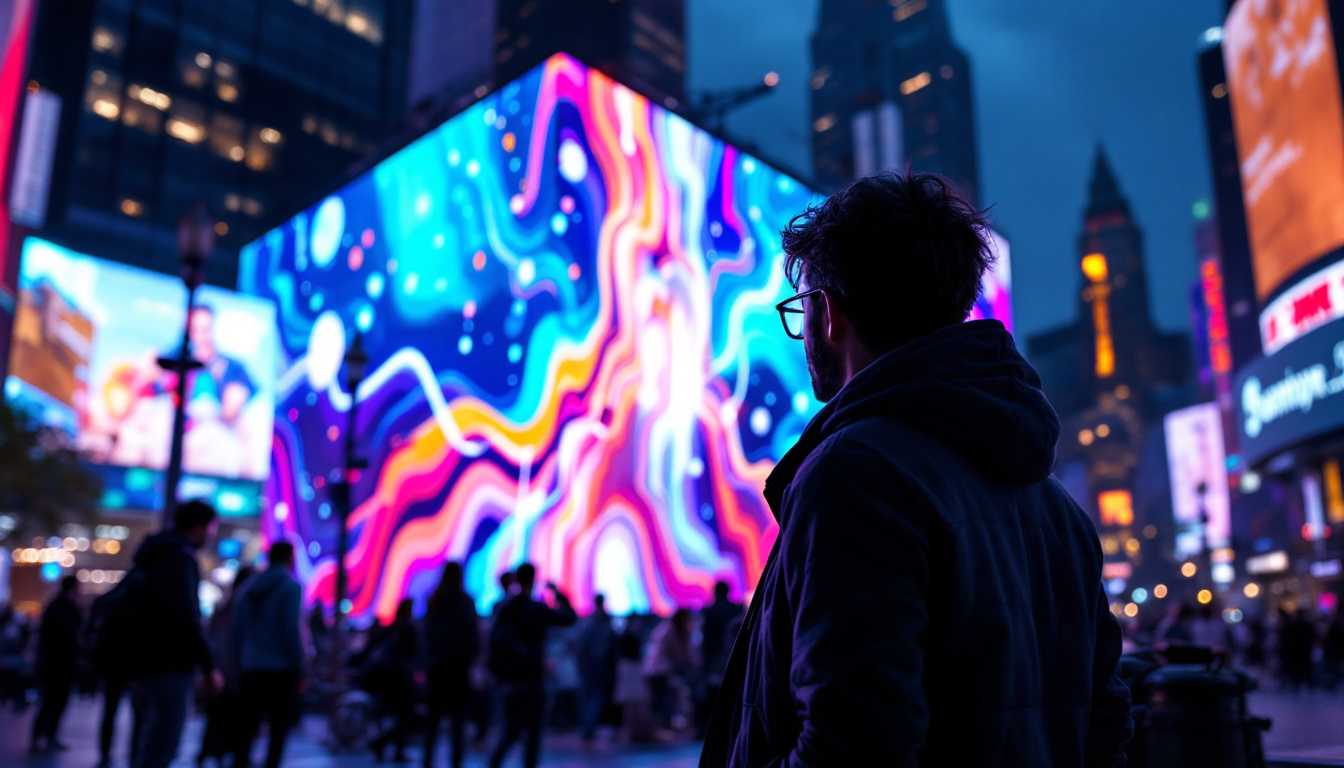
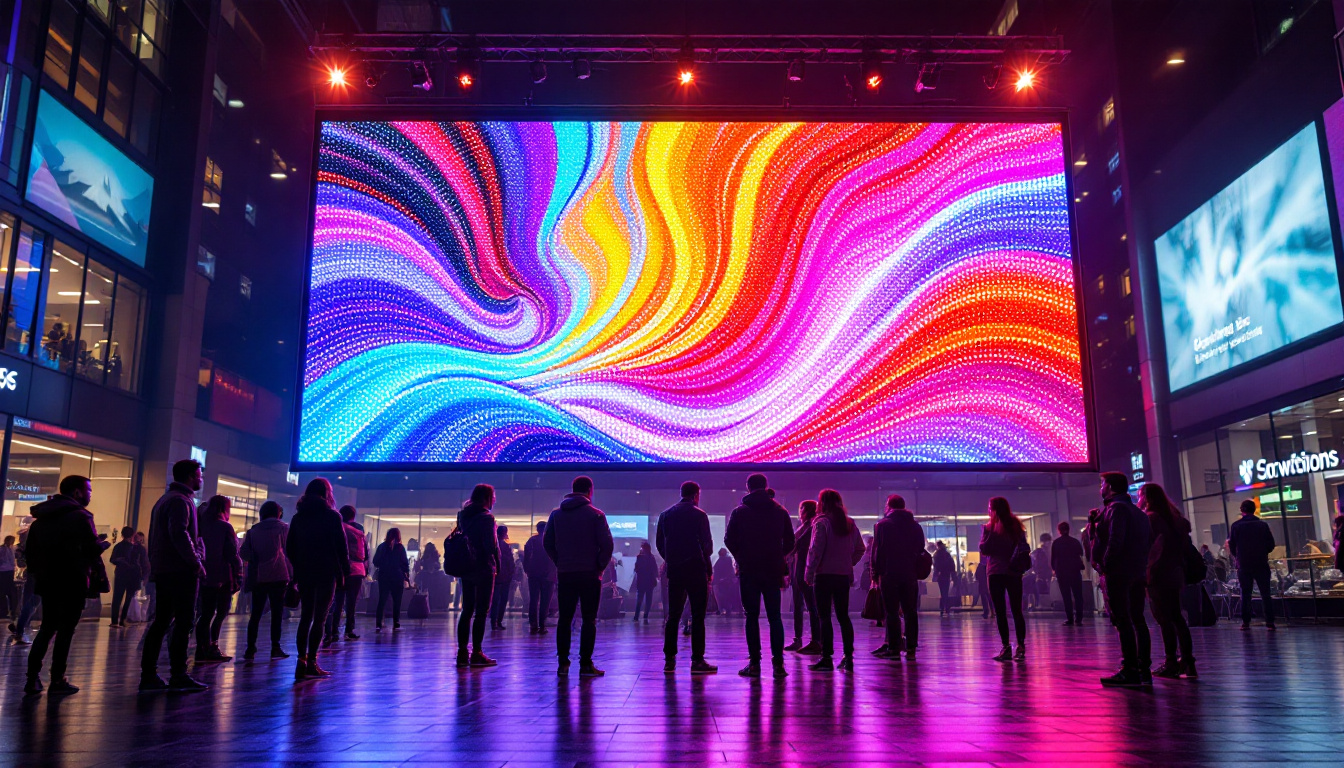
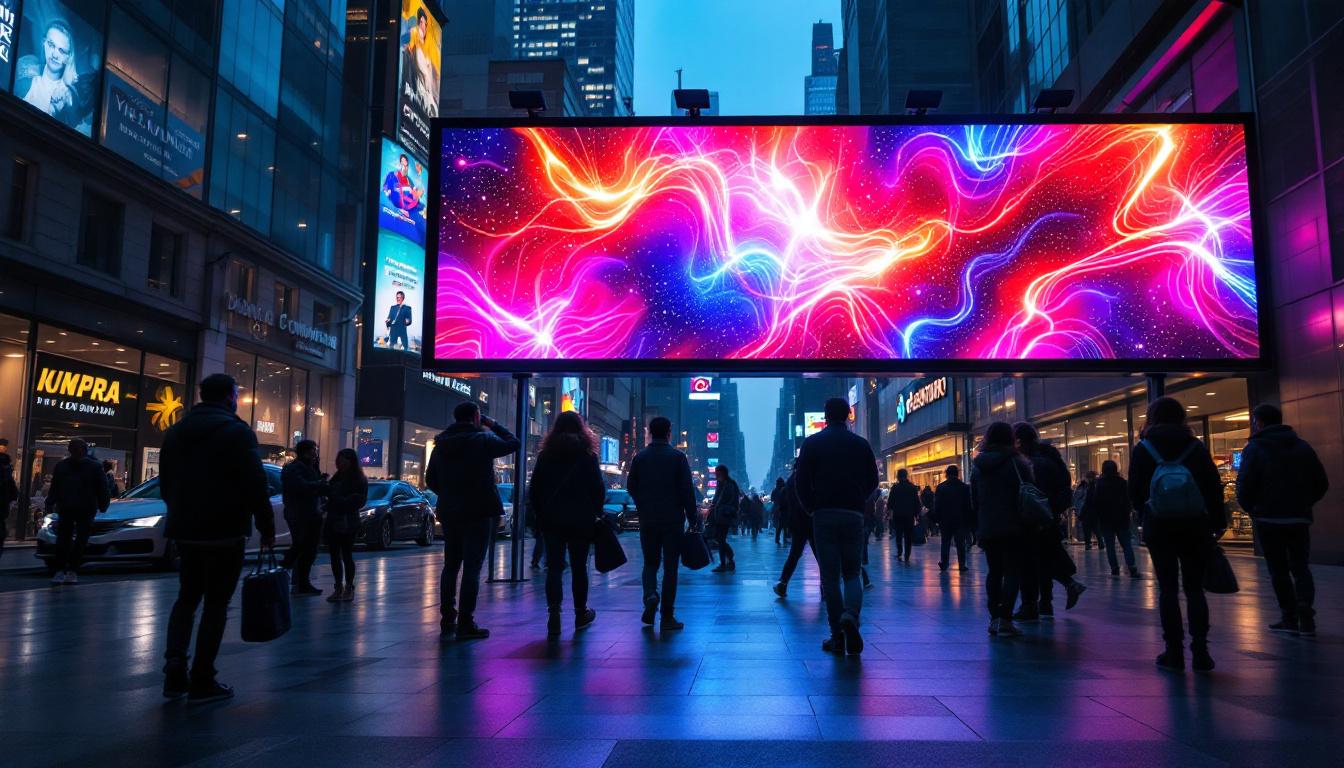
Outdoor advertising is one of the most prominent uses of LED digital banners. Billboards equipped with LED displays can showcase vibrant, dynamic advertisements that capture the attention of drivers and pedestrians alike. The ability to update content remotely and instantly means advertisers can tailor messages based on time of day, weather, or special events.
For example, a sportswear brand might display different promotions during a marathon event versus regular weekdays, maximizing relevance and impact. This dynamic approach is impossible with traditional printed banners.
Retail and Shopping Centers
Retailers leverage LED digital banners to enhance customer experience and promote products within stores and shopping malls. Bright, high-resolution displays can highlight sales, new arrivals, or brand stories, creating an engaging environment that encourages purchases.
Interactive LED banners equipped with touchscreens or motion sensors further elevate engagement by allowing customers to browse catalogs, check prices, or participate in promotions directly through the display.
Events and Entertainment Venues
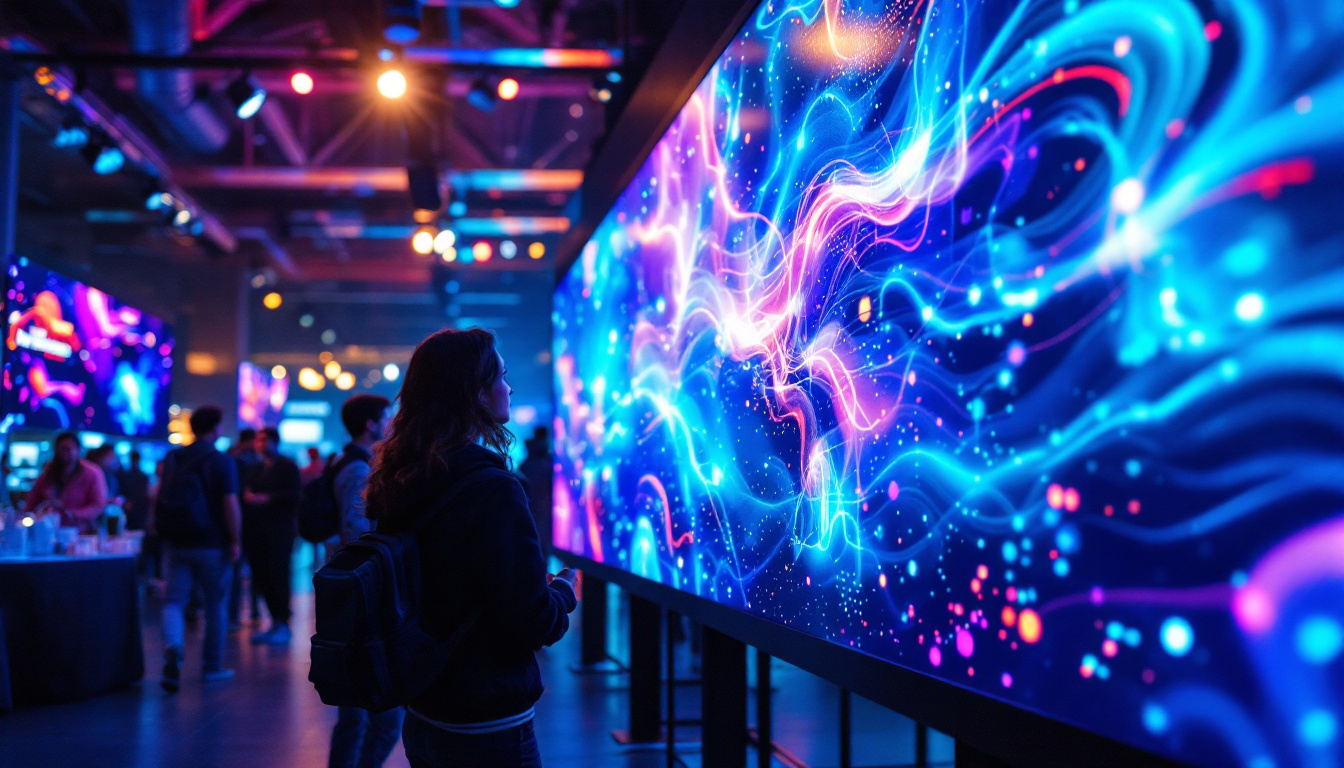
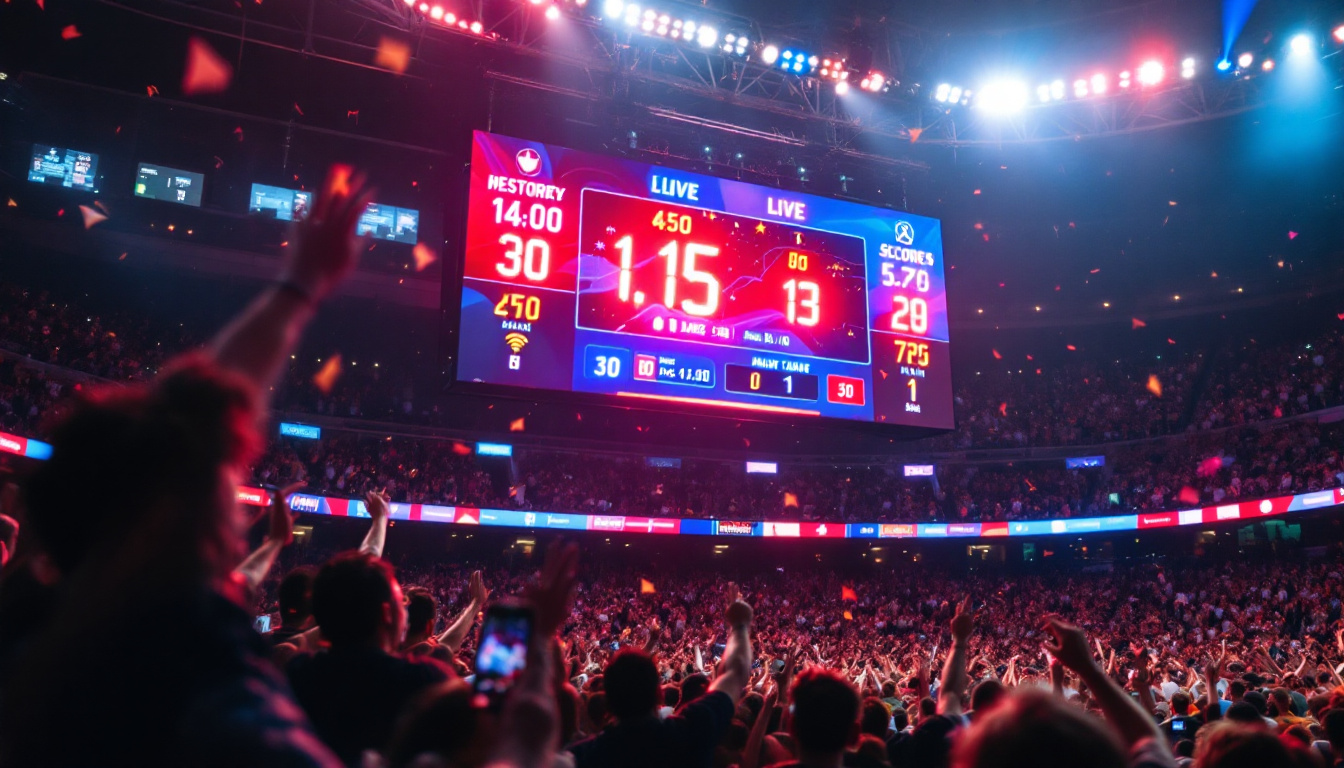
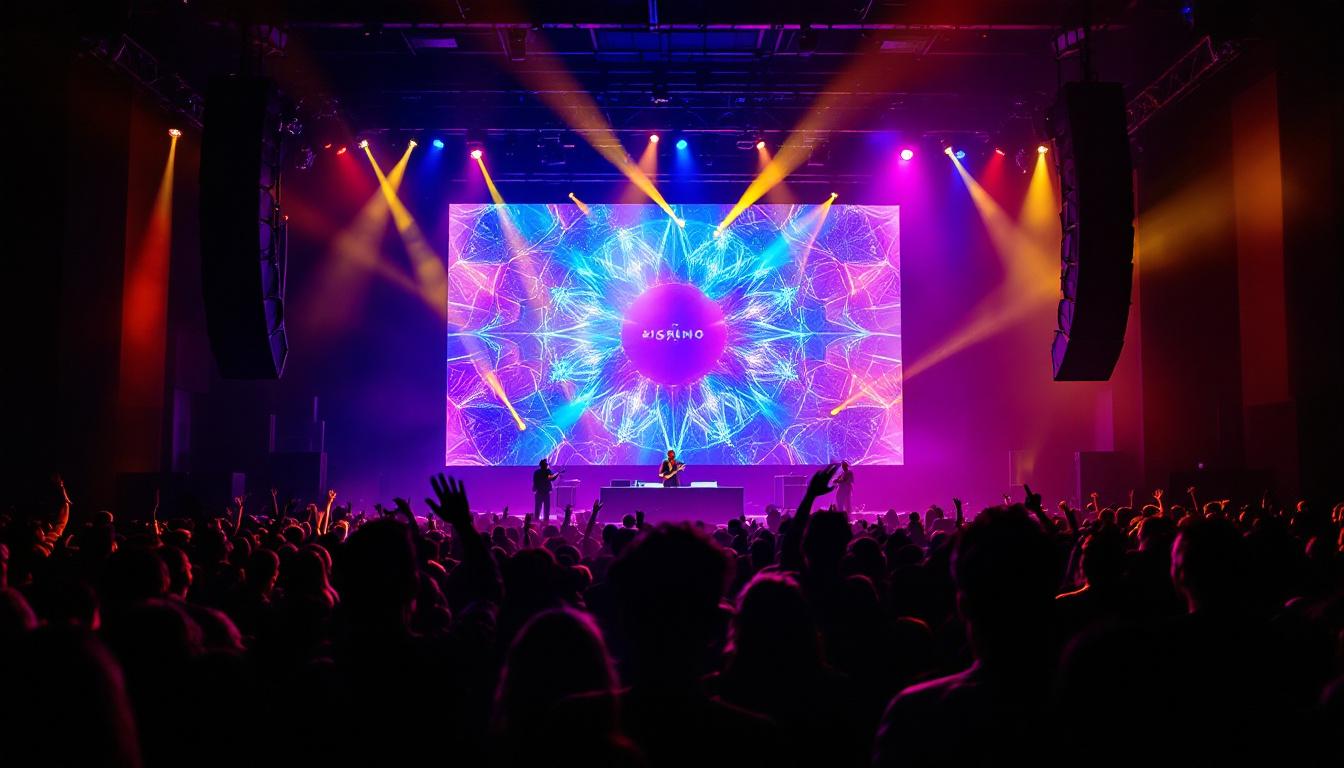
Concerts, sports arenas, and exhibition centers use LED digital banners extensively for both informational and entertainment purposes. Large LED screens provide live video feeds, replays, and advertisements, ensuring that all attendees have a clear view regardless of their seat location.
Additionally, LED banners can be synchronized with lighting and sound systems to create immersive experiences, enhancing the overall atmosphere of events.
Transportation Hubs and Public Spaces
Airports, train stations, and bus terminals utilize LED digital banners for real-time information dissemination. Flight schedules, delays, gate changes, and safety announcements are displayed clearly and updated instantly, improving passenger experience and operational efficiency.
Public spaces also use LED banners for community announcements, emergency alerts, and public service messages, leveraging their visibility and reliability.
Key Considerations When Choosing LED Digital Banners
Resolution and Pixel Pitch
The resolution of an LED display is determined by the number of pixels it contains, while pixel pitch refers to the distance between the centers of adjacent pixels. A smaller pixel pitch means higher resolution and sharper images, which is essential for close viewing distances.
For example, indoor LED banners typically have a pixel pitch ranging from 1.2mm to 4mm, providing crisp visuals for viewers standing nearby. Outdoor banners, viewed from greater distances, can have pixel pitches of 10mm or more without compromising image quality.
Brightness and Contrast Ratio
Brightness is measured in nits and directly impacts visibility in various lighting conditions. Contrast ratio, the difference between the darkest black and brightest white the display can produce, affects image depth and color vibrancy.
When selecting an LED banner, it’s important to balance these factors based on the environment. Outdoor displays require high brightness and contrast to combat sunlight, while indoor displays benefit from higher contrast for detailed images.
Durability and Weather Resistance
Outdoor LED banners must withstand harsh weather conditions including rain, wind, dust, and extreme temperatures. Look for displays with appropriate IP (Ingress Protection) ratings, such as IP65 or higher, which indicate resistance to water and dust ingress.
Robust construction and protective coatings also enhance longevity and reduce maintenance needs, ensuring reliable performance over time.
Control Systems and Content Management
Modern LED digital banners come with sophisticated control systems that allow remote content management. This capability enables users to schedule content, update advertisements, and monitor display health from anywhere via internet-connected devices.
Choosing a banner with user-friendly software and compatibility with various media formats simplifies operation and maximizes the effectiveness of digital signage campaigns.
Future Trends in LED Digital Banners
Integration with Artificial Intelligence
Artificial intelligence (AI) is beginning to transform digital signage by enabling displays to adapt content based on real-time data such as audience demographics, weather conditions, and social media trends. AI-powered LED banners can optimize advertising effectiveness by showing the most relevant messages to viewers at any given moment.
Flexible and Transparent LED Displays
Advancements in LED technology are making flexible and transparent displays increasingly viable. These innovations allow digital banners to be integrated into unconventional surfaces like curved walls, windows, or even clothing, opening new creative possibilities for advertisers and designers.
Energy Harvesting and Sustainability
With growing emphasis on sustainability, future LED digital banners may incorporate energy-harvesting technologies such as solar panels or kinetic energy converters. Combined with the inherent energy efficiency of LEDs, these developments could lead to self-sustaining digital signage solutions with minimal environmental impact.
Conclusion
LED digital banners represent a powerful tool for communication in the modern visual landscape. Their brightness, versatility, and durability make them ideal for a wide range of applications, from advertising and retail to public information and entertainment. By understanding the technology behind LED displays and considering key factors such as resolution, brightness, and environmental resistance, businesses can make informed decisions that maximize the impact of their digital signage investments.
As technology continues to evolve, LED digital banners will become even more dynamic, intelligent, and sustainable, further solidifying their role as a cornerstone of effective visual communication.
Illuminate Your Message with LumenMatrix
Ready to elevate your visual communication with unparalleled brightness, versatility, and durability? LumenMatrix is at the forefront of LED display innovation, offering a wide array of solutions tailored to your needs. From Indoor and Outdoor LED Wall Displays to specialized options like Vehicle, Sports, and Floor LED Displays, we have the technology to bring your brand to life. Embrace the future of advertising and create immersive experiences with our Custom, All-in-One, and Transparent LED Displays. Check out LumenMatrix LED Display Solutions today and transform how you connect with your audience.