In the ever-evolving world of digital displays, understanding the distinctions between various technologies is crucial for consumers, designers, and engineers alike. Among these, LED displays and LCDs often come up in conversation, sometimes interchangeably, sometimes as competitors. This article delves into the concept of “Lcd Of 4,” a term that can be interpreted in multiple ways but is often linked to LED display technology, and provides a comprehensive explanation of LED displays in general. By exploring the fundamentals, applications, and recent advancements, readers will gain a clearer understanding of how LED displays function and why they are so prevalent in modern electronics.
Understanding the Basics: What Is an LED Display?
LED stands for Light Emitting Diode, a semiconductor device that emits light when an electric current passes through it. An LED display is essentially a flat panel display that uses an array of LEDs as pixels for displaying images, videos, or data. These displays have become ubiquitous in everything from smartphones and televisions to billboards and traffic signals.
LED displays can be categorized into two main types: direct-view LED displays and LED-backlit LCDs. Direct-view LED displays use LEDs as the actual light source and image pixels, while LED-backlit LCDs use LEDs to illuminate an LCD panel. This distinction is important because it affects brightness, contrast, energy efficiency, and viewing angles.
The Role of “Lcd Of 4” in LED Displays
The phrase “Lcd Of 4” is not a standard industry term but can be interpreted as referring to a specific configuration or generation of LCD technology, possibly indicating a 4-segment or 4-digit LCD module often used in digital clocks, calculators, or simple display devices. These LCDs typically use liquid crystals to modulate light and create visible characters or numbers, illuminated by an LED backlight.
In this context, “Lcd Of 4” might describe a small-scale LCD display with four digits or segments, commonly found in consumer electronics. While these are technically LCDs, the integration of LED backlighting is what enhances their visibility and energy efficiency. Understanding this hybrid approach is key to appreciating modern display technology. Moreover, the use of LED backlighting allows for thinner designs and improved color accuracy, making these displays more versatile for various applications, from industrial machinery to consumer gadgets.
Furthermore, the evolution of display technology has led to the emergence of advanced features in these LCDs, such as touch sensitivity and high refresh rates. This has opened up new possibilities for interactive applications, where users can engage directly with the display. The combination of LED technology with LCDs has not only improved the aesthetic appeal of devices but has also paved the way for innovations in augmented reality and virtual reality, where clarity and responsiveness are paramount. As technology continues to advance, the integration of LED and LCD technologies is likely to play a crucial role in shaping the future of visual displays.
How LED Displays Work: The Science Behind the Glow
At the heart of every LED display lies the principle of electroluminescence. When a voltage is applied to the semiconductor material inside an LED, electrons recombine with holes, releasing energy in the form of photons—visible light. The color of the light depends on the materials used in the LED. For instance, using different semiconductor compounds can yield various colors; gallium nitride produces blue light, while indium gallium phosphide can produce green and red hues. This versatility in color production is one reason why LED technology has become so popular in various applications, from televisions to digital signage.
In direct-view LED displays, each pixel is composed of one or more LEDs, typically red, green, and blue (RGB), which combine to produce a full spectrum of colors. By adjusting the intensity of each LED, the display can render images with high brightness and vivid color accuracy. Moreover, advancements in technology have led to the development of microLEDs, which are even smaller and offer enhanced resolution and energy efficiency. These innovations are paving the way for ultra-high-definition displays that can be used in everything from smartphones to massive outdoor billboards.
LCD vs. LED: Clarifying the Confusion
Liquid Crystal Displays (LCDs) and Light Emitting Diode (LED) displays are often confused due to marketing terminology. An LCD uses liquid crystals to control light passage and requires a backlight to be visible. Traditionally, this backlight was a cold cathode fluorescent lamp (CCFL), but modern LCDs use LED backlights for better efficiency and color performance. The use of LED backlighting has significantly improved the brightness and contrast of LCD screens, making them more competitive with direct-view LED displays.
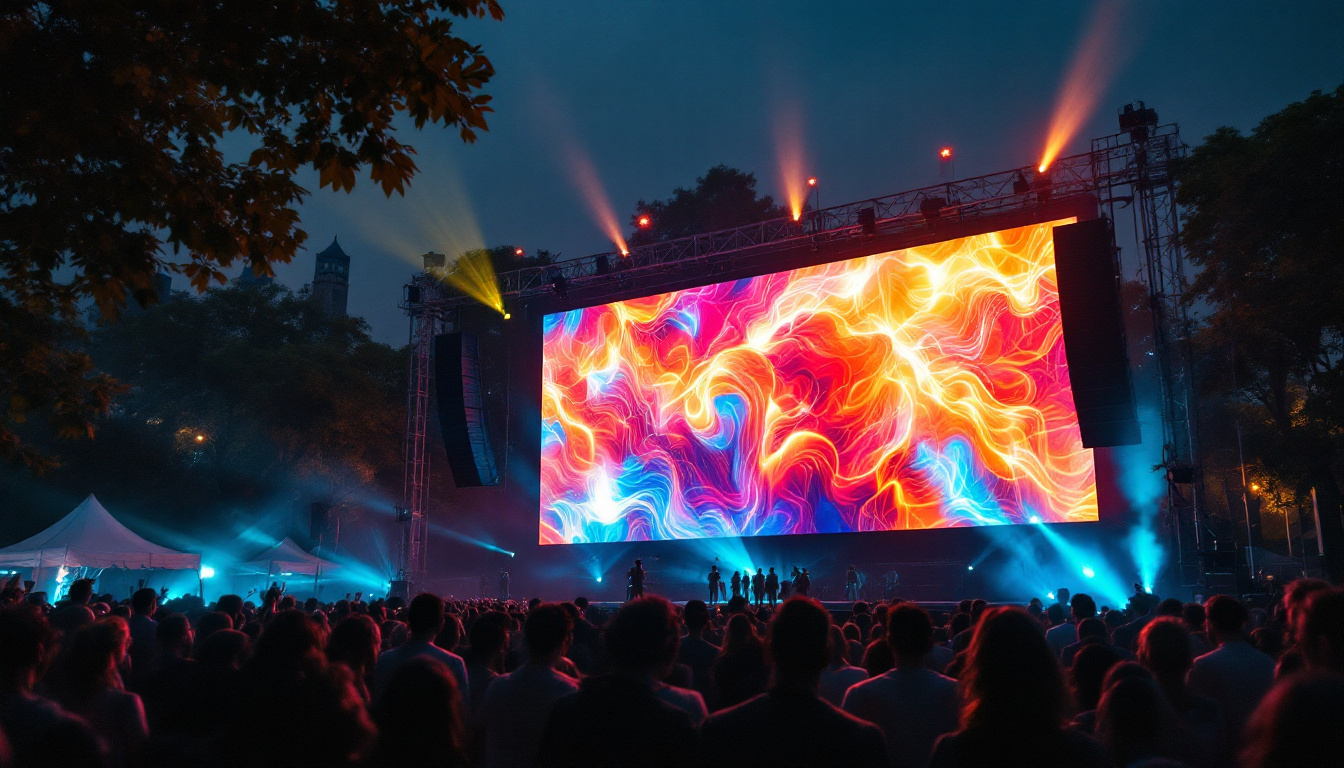
In contrast, direct-view LED displays do not require a backlight because the LEDs themselves emit light. This fundamental difference results in LED displays having superior contrast ratios, faster refresh rates, and better visibility in bright environments compared to LCDs. Additionally, LED displays are more energy-efficient and have a longer lifespan, making them a more sustainable option in the long run. As technology continues to evolve, the gap between these two types of displays is narrowing, but the unique advantages of LED technology ensure its continued dominance in high-performance applications, such as sports arenas and concert venues, where vibrant visuals are paramount.
Applications of LED Displays: From Small Screens to Giant Billboards
LED displays have revolutionized how information and entertainment are presented across various platforms. Their versatility and performance make them suitable for a wide range of applications, from compact devices to large-scale installations.
Consumer Electronics
In smartphones, tablets, and televisions, LED technology is prevalent. OLED (Organic LED) displays, a variant of LED technology, offer even better contrast and flexibility, enabling curved and foldable screens. LED-backlit LCDs remain popular due to their balance of cost and performance.
Public Displays and Advertising
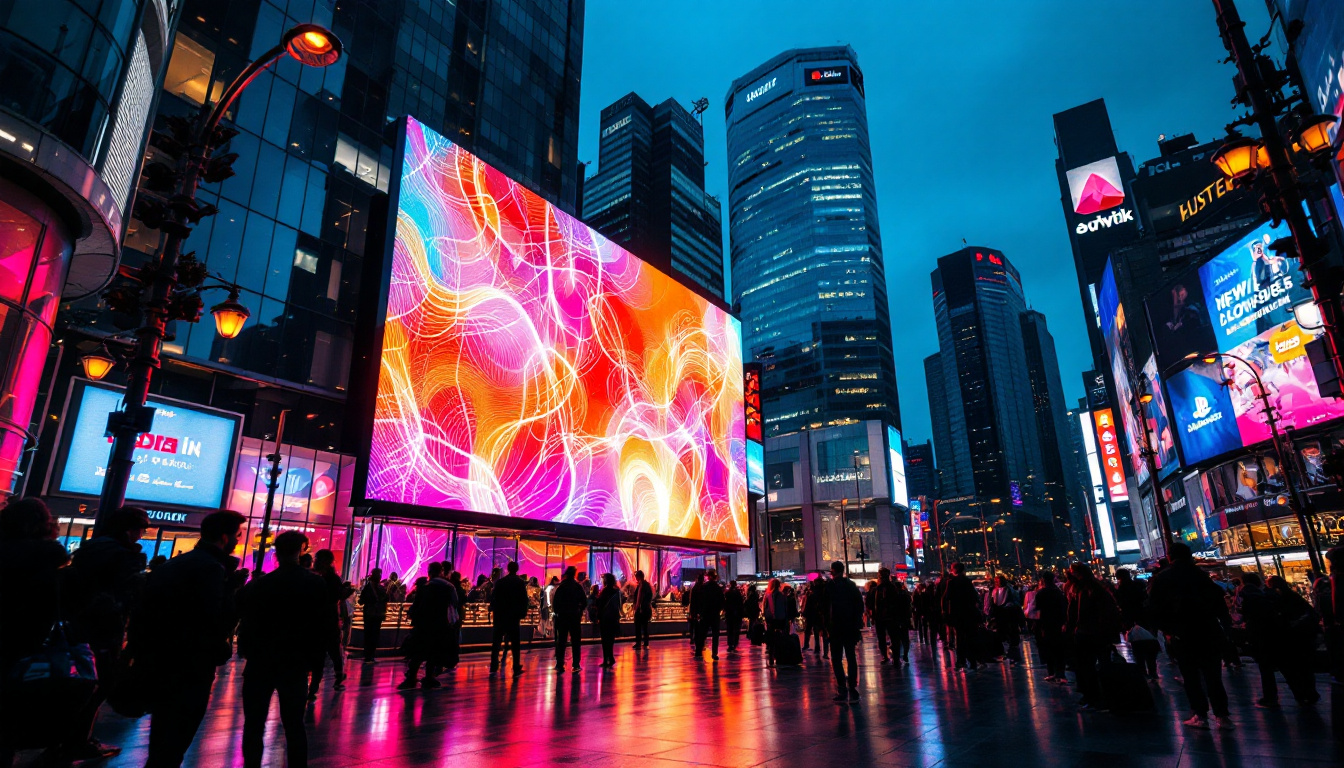
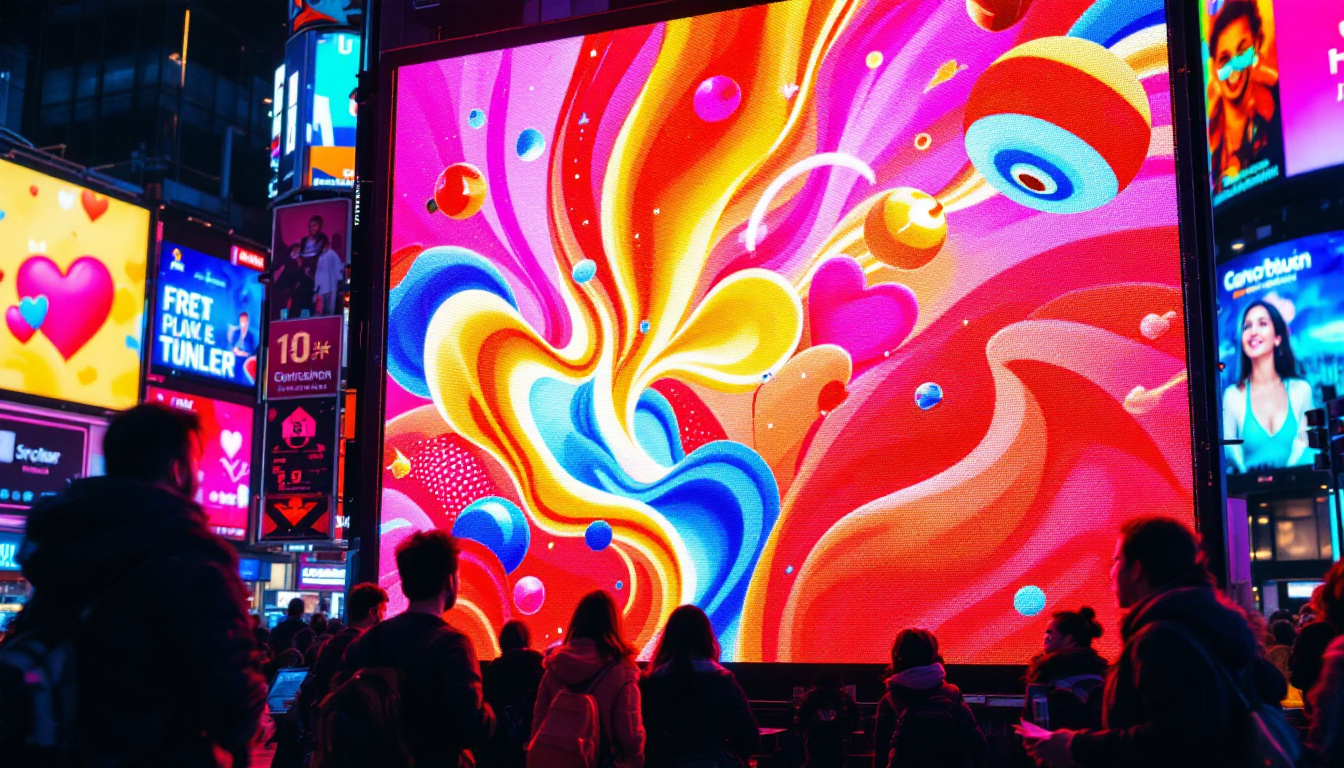
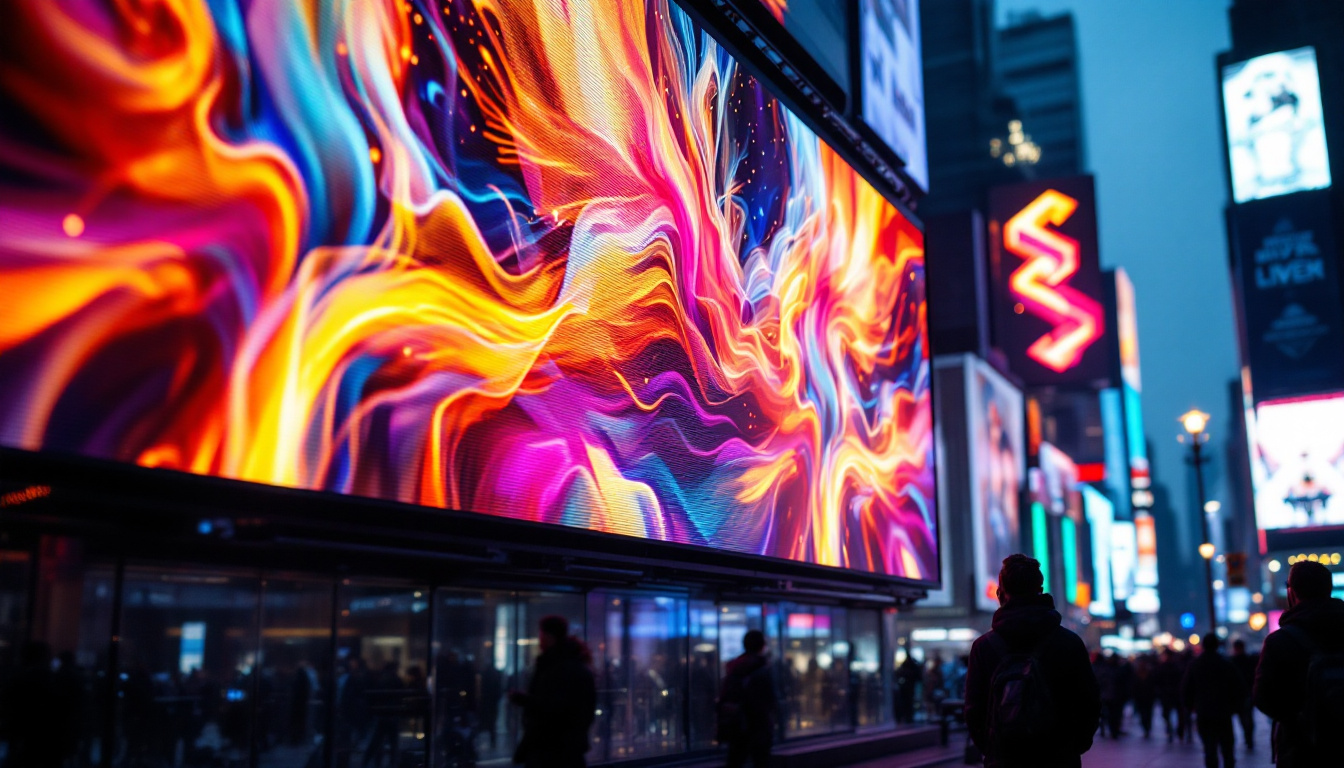
Outdoor LED billboards and digital signage benefit from the high brightness and durability of LED displays. These screens can be seen clearly even in direct sunlight and can display dynamic content that captures attention effectively. For example, Times Square in New York City is renowned for its massive LED advertising screens that light up the area day and night.
Industrial and Medical Uses
LED displays are also critical in industrial control panels, medical monitors, and instrumentation. Their reliability, clarity, and energy efficiency make them ideal for environments where accurate data display is essential.
Advantages of LED Displays Over Other Technologies
LED displays offer several benefits that have driven their widespread adoption across industries:
Energy Efficiency
LEDs consume significantly less power compared to traditional lighting and display technologies. This efficiency translates into longer battery life for portable devices and lower operating costs for large installations.
Brightness and Visibility
LED displays can achieve very high brightness levels, making them easily readable in various lighting conditions, including direct sunlight. This is a crucial advantage for outdoor applications.
Durability and Longevity
LEDs are solid-state devices with no fragile components like filaments or glass tubes. This robustness results in longer lifespans and greater resistance to shock and vibration.
Color Accuracy and Contrast
Direct-view LED displays offer excellent color reproduction and deep blacks, enhancing the viewing experience. This is especially true for OLED variants, which can turn off individual pixels completely.
Challenges and Limitations of LED Displays
Despite their many advantages, LED displays also face certain challenges that manufacturers and users must consider.
Cost Considerations
High-quality LED displays, especially large or high-resolution models, can be expensive to produce. The cost of materials, manufacturing complexity, and integration with other technologies contribute to this.
Heat Management
LEDs generate heat during operation, which must be managed to maintain performance and longevity. Effective heat dissipation solutions add to the design complexity and cost.
Viewing Angle Limitations
While LED displays generally have good viewing angles, some configurations, especially older or lower-quality panels, may exhibit color shifts or reduced brightness when viewed off-axis.
Recent Innovations and Future Trends in LED Display Technology
The LED display industry continues to innovate, pushing the boundaries of what these technologies can achieve. Several emerging trends promise to shape the future landscape of digital displays.
MicroLED and MiniLED Technologies
MicroLED displays use microscopic LEDs to create pixels, offering superior brightness, contrast, and energy efficiency compared to traditional LED or OLED displays. MiniLED technology, which uses smaller LEDs for backlighting, improves local dimming and contrast in LCD panels.
Flexible and Transparent Displays
Advances in materials and manufacturing have enabled the development of flexible LED displays that can bend or fold without damage. Transparent LED displays allow images to be displayed on glass surfaces, opening new possibilities for retail and architectural applications.
Integration with IoT and Smart Technologies
LED displays are increasingly integrated with Internet of Things (IoT) devices, enabling dynamic content updates, remote management, and interactive features. Smart displays can adapt to environmental conditions and user preferences in real-time.
Conclusion: The Importance of Understanding LED and LCD Technologies
As digital displays become ever more integral to daily life, understanding the differences and capabilities of LED and LCD technologies is essential. Whether considering a simple “Lcd Of 4” module in a household device or investing in a large-scale LED billboard, knowledge of how these displays work and their respective advantages empowers informed decisions.
LED displays, with their brightness, efficiency, and versatility, continue to dominate many sectors while evolving through innovations like MicroLED and flexible screens. Meanwhile, LCDs enhanced with LED backlighting remain a cost-effective and reliable choice for many applications. Together, these technologies form the backbone of modern visual communication, illuminating the way forward in an increasingly digital world.
Illuminate Your Space with LumenMatrix
Ready to elevate your visual communication with cutting-edge LED display technology? Explore LumenMatrix’s comprehensive range of solutions, from vibrant Indoor and Outdoor LED Wall Displays to dynamic Vehicle and Sports LED Displays. Our innovative LED Poster, Floor, and Custom LED Displays, along with All-in-One and Transparent LED options, are designed to captivate your audience and amplify your message. Discover how LumenMatrix is redefining the digital landscape and find the perfect LED display solution for your needs. Check out LumenMatrix LED Display Solutions today and transform your brand’s visibility.