In an era where digital communication dominates, LED displays have become an essential medium for advertising, information dissemination, and entertainment. From towering billboards in Times Square to the vibrant screens on smartphones, LED technology is everywhere. This article delves into the world of LED displays, explaining what they are, how they work, their types, applications, and the future trends shaping this dynamic industry.
What is an LED Display?
LED stands for Light Emitting Diode, a semiconductor device that emits light when an electric current passes through it. An LED display is a flat panel display that uses an array of these tiny LEDs as pixels to produce images, videos, and text. Unlike traditional LCD or plasma displays, LED displays are known for their brightness, energy efficiency, and durability. This technology has revolutionized the way we interact with visual media, making it possible to create large-scale displays that captivate audiences in various environments.
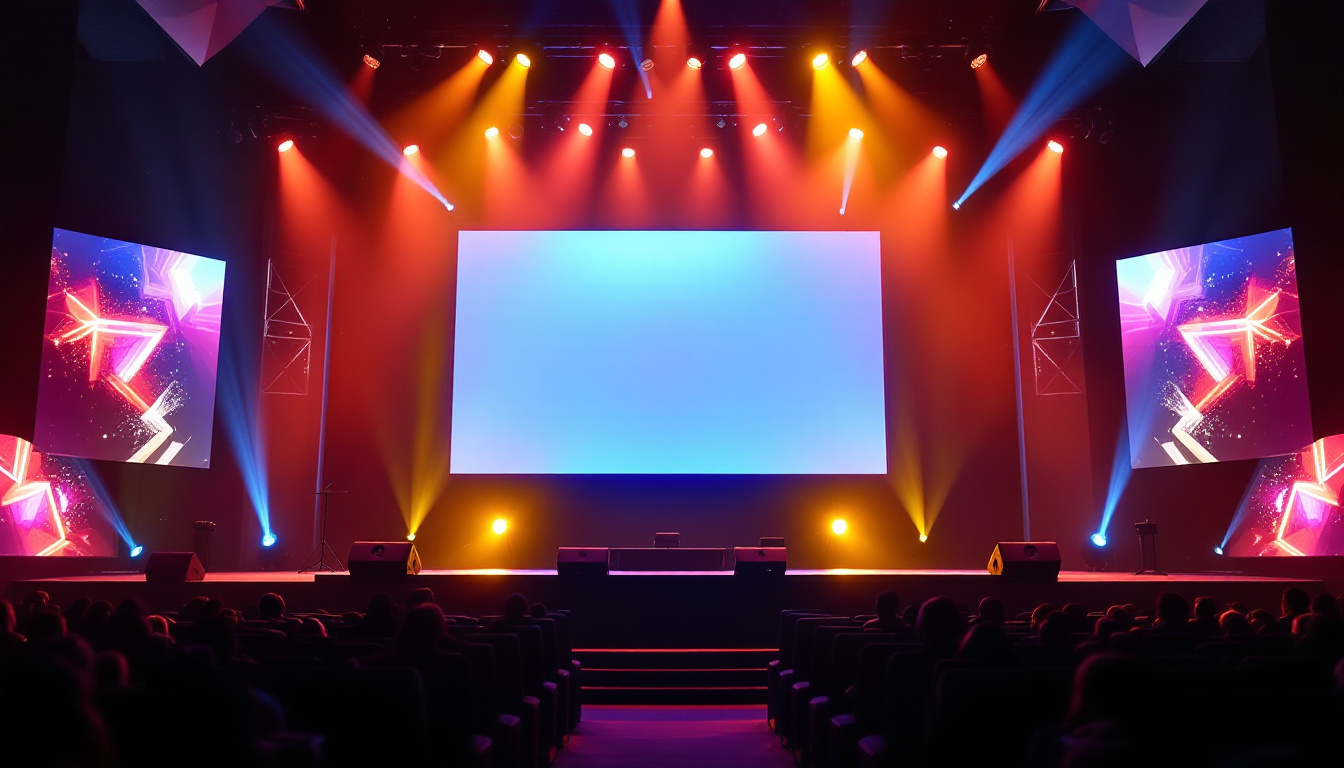
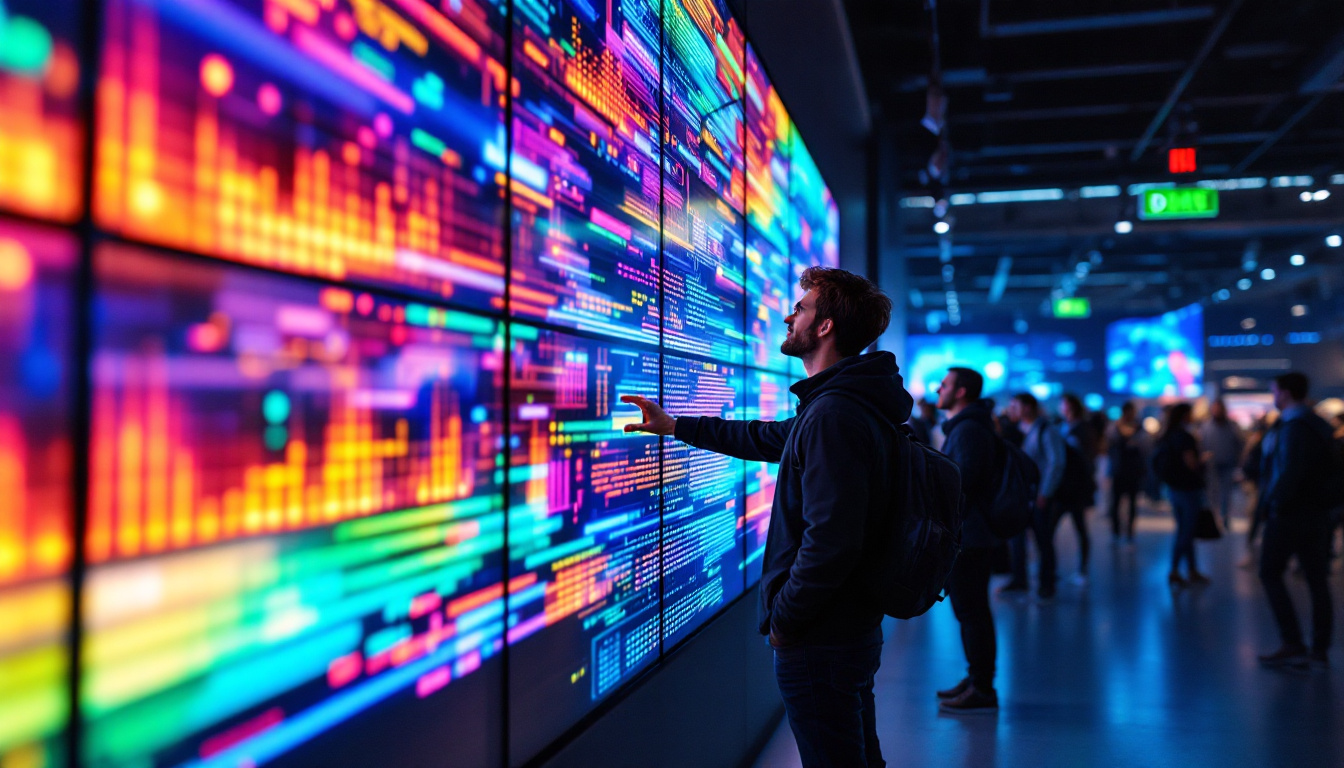
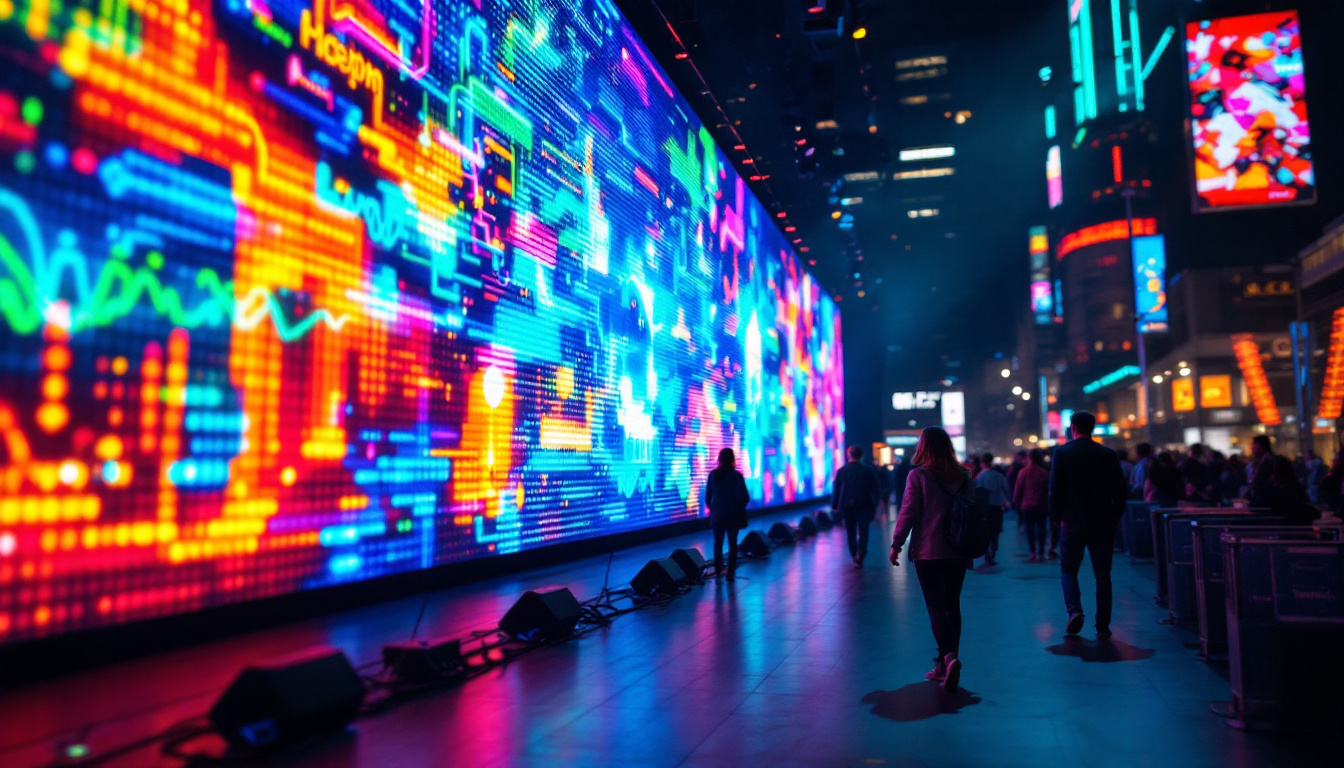
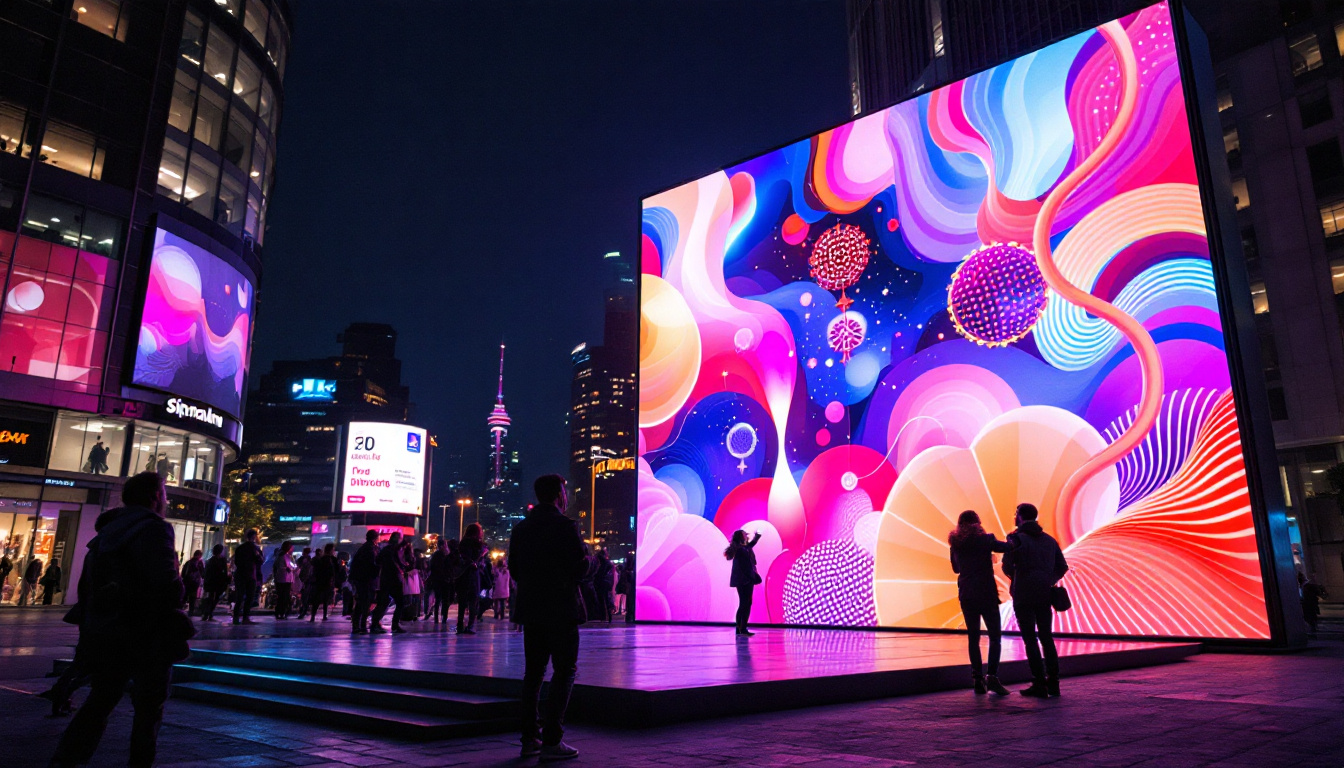
The technology behind LED displays enables them to produce vivid colors and high contrast ratios, making them highly visible even in direct sunlight. This characteristic has made LED displays particularly popular for outdoor advertising and public information systems. In addition to outdoor applications, LED displays are increasingly being used in indoor settings, such as concert venues and sports arenas, where their ability to deliver sharp images and vibrant colors enhances the overall experience for viewers.
How LED Displays Work
At the core of an LED display are thousands to millions of individual LEDs arranged in a grid. Each LED acts as a pixel, and by varying the intensity of red, green, and blue LEDs, the display can render a full spectrum of colors. The control system manages the electrical current to each LED, allowing for dynamic and precise image reproduction. This precision is crucial for applications such as digital signage, where clear and accurate representation of information is essential for effective communication.
The LEDs can be either surface-mounted or embedded into the display panel, depending on the design. The brightness and refresh rate are controlled to ensure smooth motion and clear images, even in challenging lighting conditions. Moreover, advancements in LED technology have led to the development of flexible and transparent displays, opening up new possibilities for innovative design in architecture and advertising. These cutting-edge displays can be integrated into windows or curved surfaces, allowing for creative applications that blend seamlessly into their surroundings, further enhancing the visual landscape of urban environments.
Types of LED Displays
LED displays come in various forms, each suited for different environments and purposes. Understanding these types helps businesses and consumers choose the right solution for their needs.
1. Indoor LED Displays
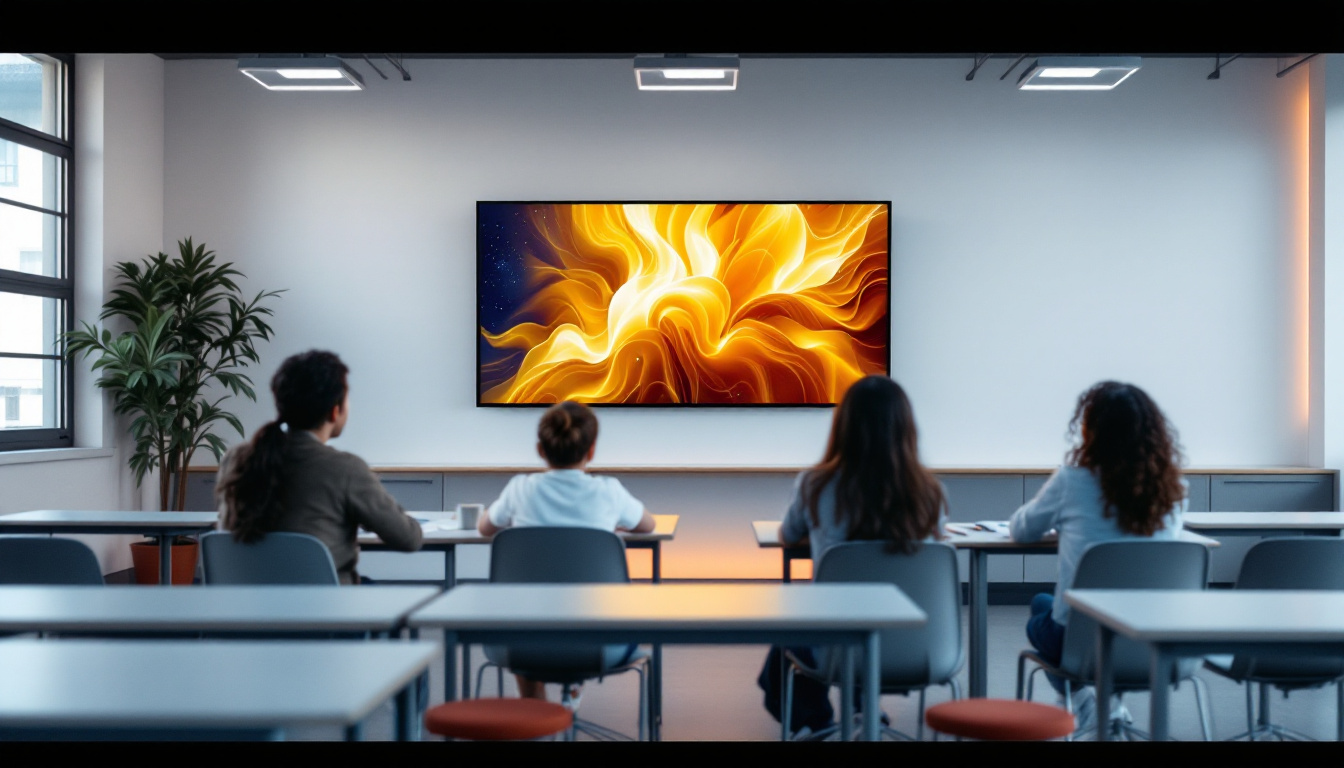
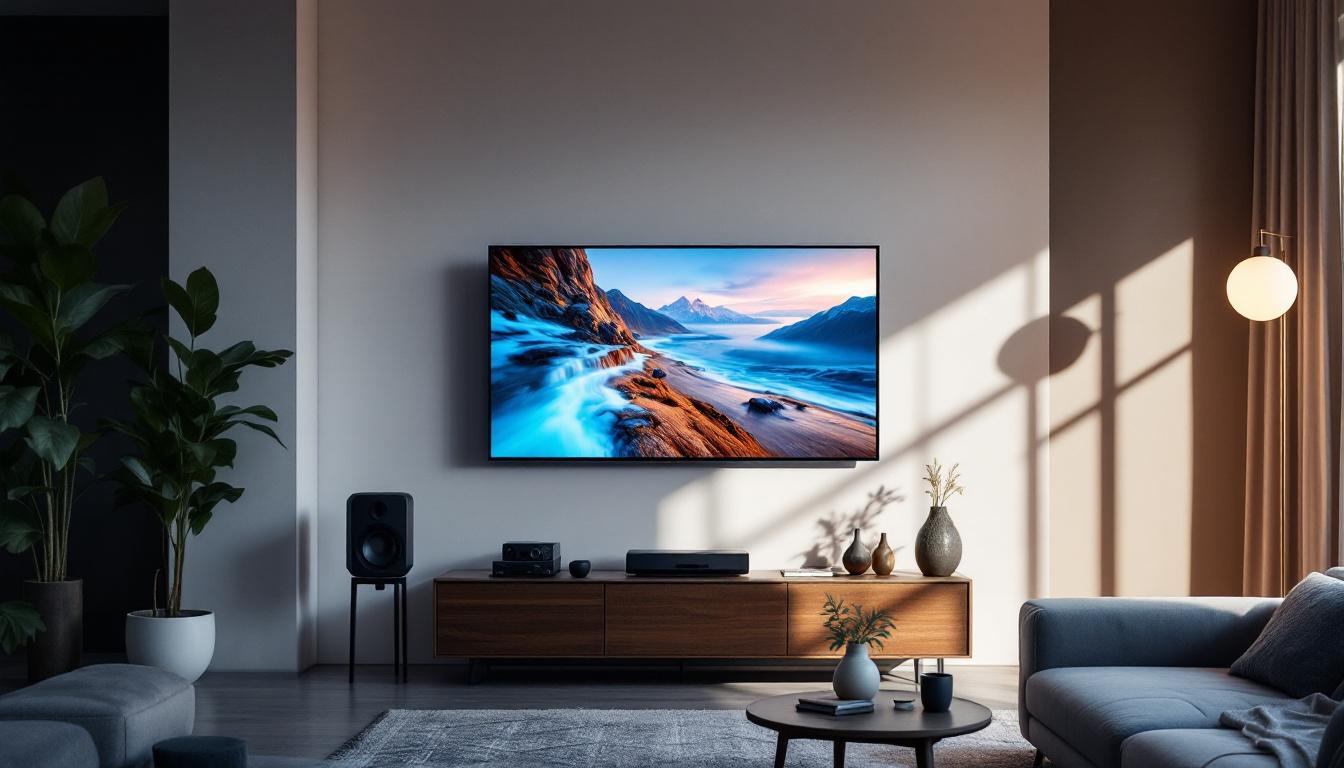
Indoor LED displays are designed for use inside buildings, such as shopping malls, conference rooms, and stadiums. They typically have a higher pixel density, meaning the LEDs are packed closer together to provide sharper images at close viewing distances. The brightness levels are moderate, optimized for indoor lighting conditions.
These displays are often used for digital signage, presentations, and entertainment screens. Their ability to display vibrant colors and detailed images makes them ideal for engaging audiences in enclosed spaces. Additionally, many indoor LED displays come equipped with advanced features like touch sensitivity, allowing for interactive experiences that can enhance customer engagement and provide valuable information in real-time.
2. Outdoor LED Displays
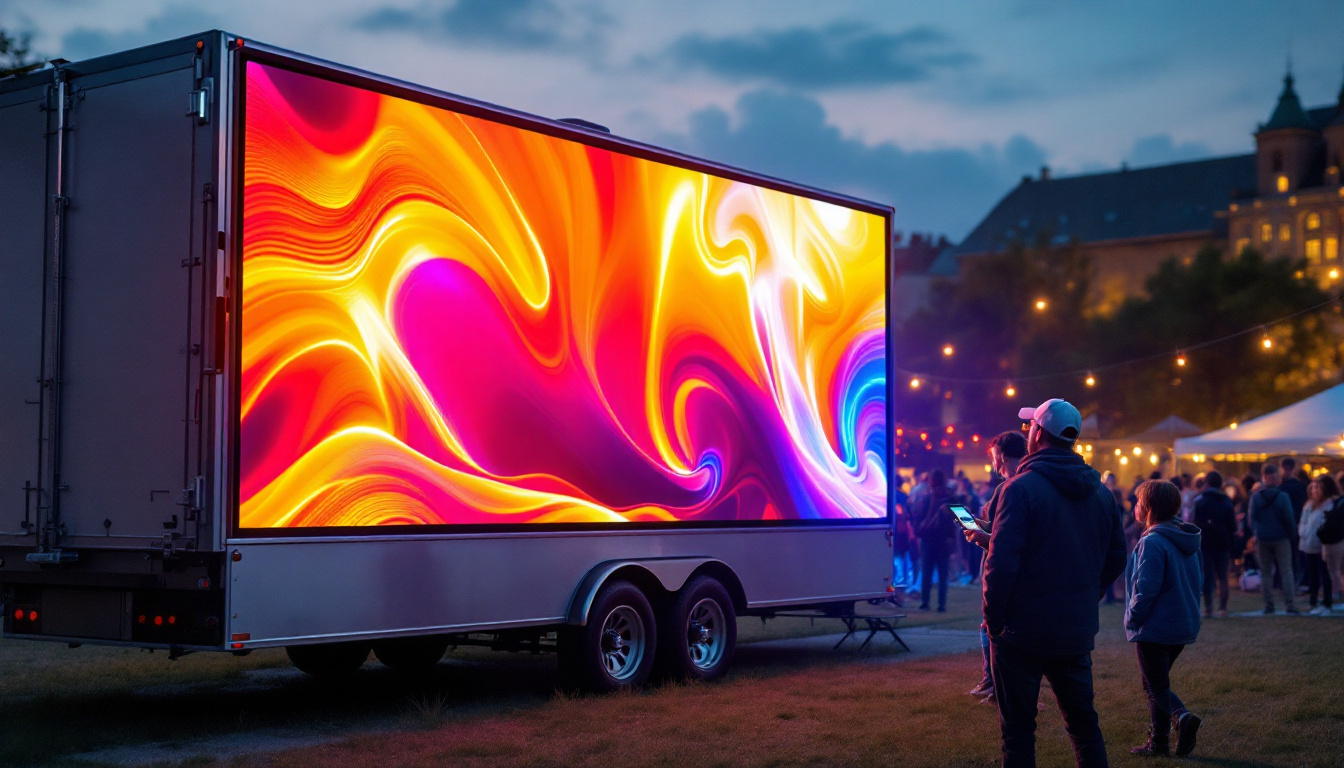
Outdoor LED displays are built to withstand harsh weather conditions, including rain, wind, and extreme temperatures. They feature higher brightness levels—often exceeding 5,000 nits—to remain visible under direct sunlight. The pixel pitch, or distance between LEDs, is usually larger than indoor displays, as viewers tend to be farther away.
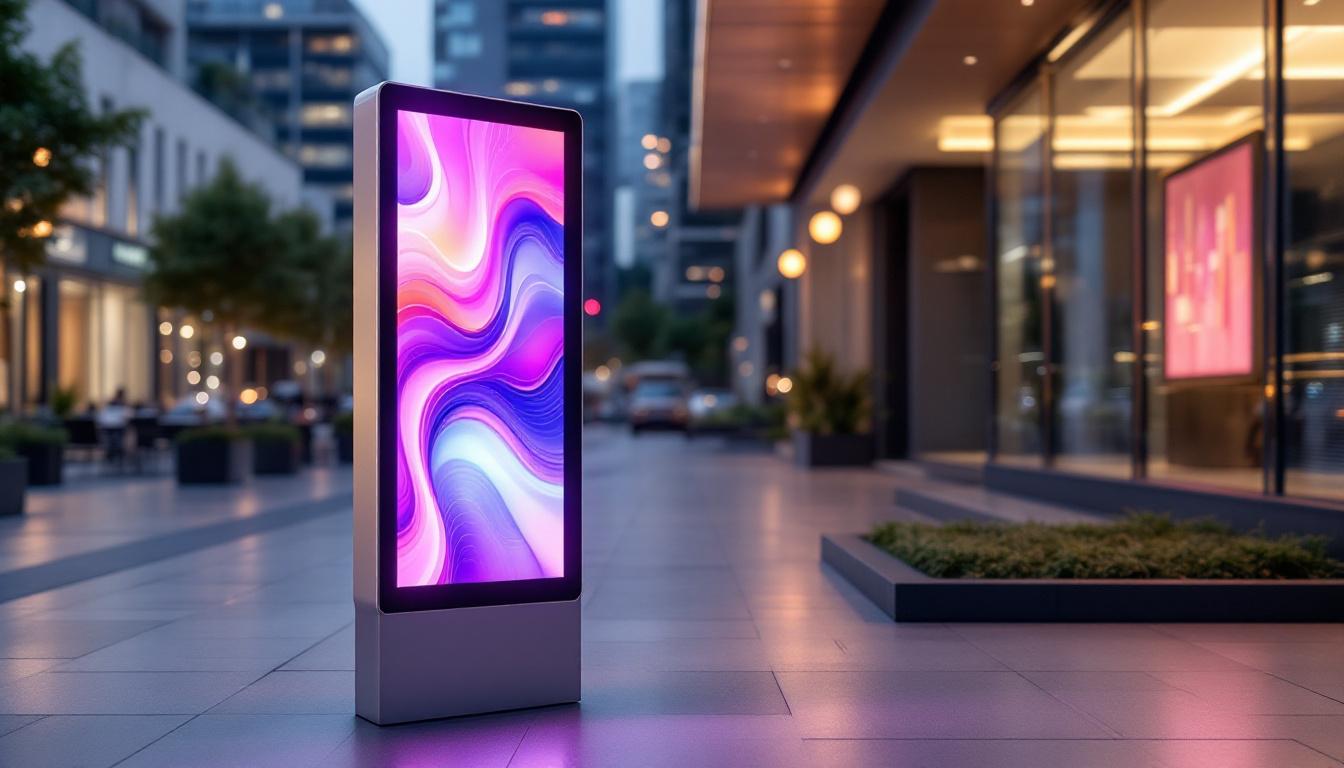
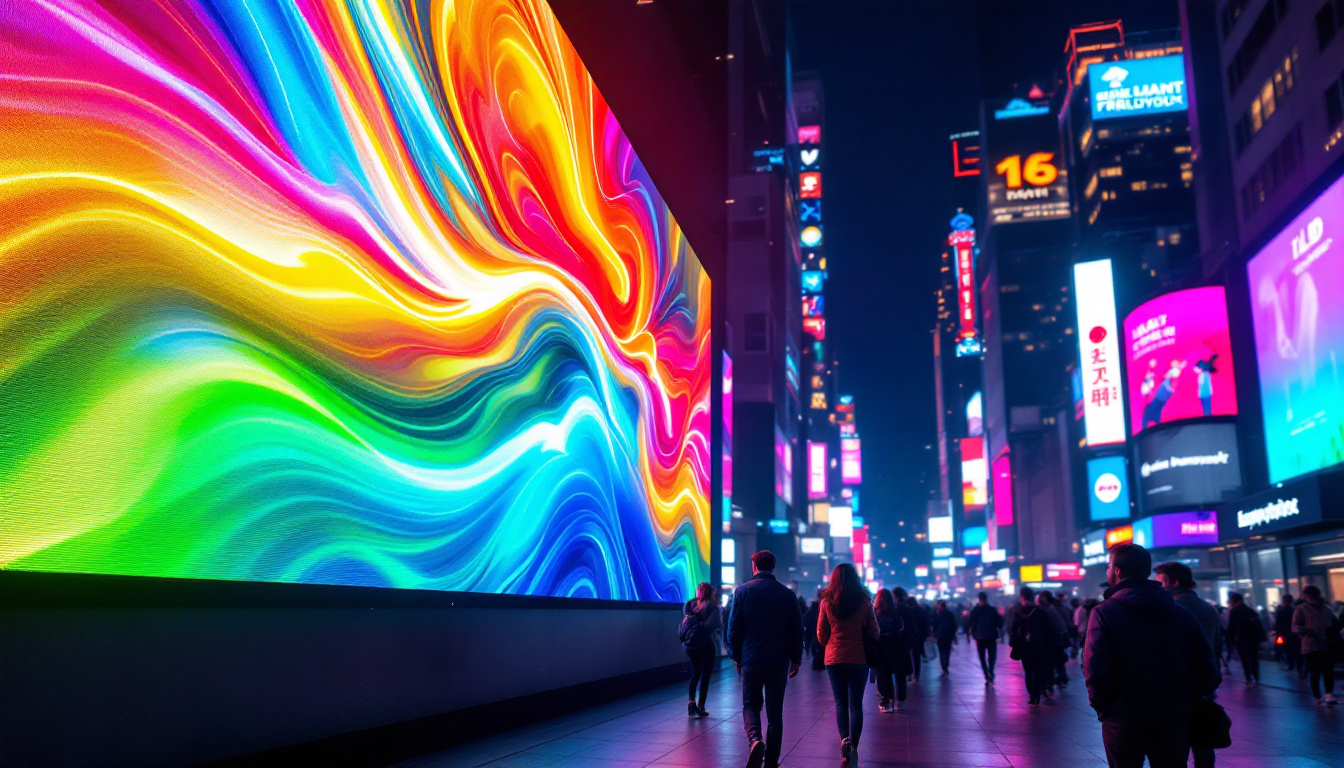
Common applications include billboards, stadium screens, and public information boards. Their robust construction and weatherproofing ensure longevity and consistent performance in outdoor environments. Moreover, outdoor LED displays often incorporate energy-efficient technologies, reducing power consumption while maintaining high visibility, making them a sustainable choice for businesses looking to minimize their environmental impact.
3. Transparent LED Displays
Transparent LED displays are an innovative variant that allows light to pass through the screen, making them suitable for glass walls and windows. These displays combine aesthetics with functionality, enabling businesses to showcase digital content without obstructing natural light or views.
Retail stores and corporate offices often use transparent LED displays for advertising and branding, creating an eye-catching effect that blends seamlessly with the architecture. The ability to display dynamic content while maintaining visibility of the surroundings can transform storefronts into interactive experiences, drawing in customers and enhancing brand visibility in a crowded marketplace.
4. Flexible LED Displays
Flexible LED displays use bendable materials to create screens that can curve, fold, or wrap around surfaces. This adaptability opens up creative possibilities in design and installation, from curved advertising panels to wearable technology.
Though still emerging, flexible LED displays are gaining traction in events, exhibitions, and innovative marketing campaigns, where unique visual experiences are paramount. As technology advances, these displays are becoming lighter and more efficient, allowing for even more imaginative applications, such as integrating them into furniture or fashion items, thus pushing the boundaries of traditional display technology and creating immersive environments that captivate audiences in new ways.
Key Advantages of LED Displays
LED displays have revolutionized visual communication due to their distinct advantages over other display technologies. These benefits explain why LEDs dominate both commercial and consumer markets.
Brightness and Visibility
One of the most significant advantages of LED displays is their superior brightness. LEDs can achieve brightness levels that far exceed LCDs and other display types, ensuring clear visibility in various lighting conditions, including direct sunlight. This makes LED displays ideal for outdoor advertising and public information systems.
Energy Efficiency
LED technology is inherently energy-efficient. LEDs consume less power than traditional lighting and display technologies, which translates into lower operational costs and a reduced environmental footprint. For businesses running large-scale displays 24/7, energy savings can be substantial.
Longevity and Durability
LEDs have a long operational lifespan, often exceeding 50,000 hours. Additionally, LED displays are robust and resistant to shock and vibration, making them suitable for both indoor and outdoor installations. Their durability reduces maintenance costs and downtime.
Color Accuracy and Contrast
LED displays offer excellent color reproduction and high contrast ratios. The ability to produce deep blacks and vibrant colors enhances the viewing experience, making content more engaging and impactful.
Applications of LED Displays
The versatility of LED displays has led to their widespread adoption across various industries and use cases. Below are some of the most prominent applications.
Advertising and Marketing
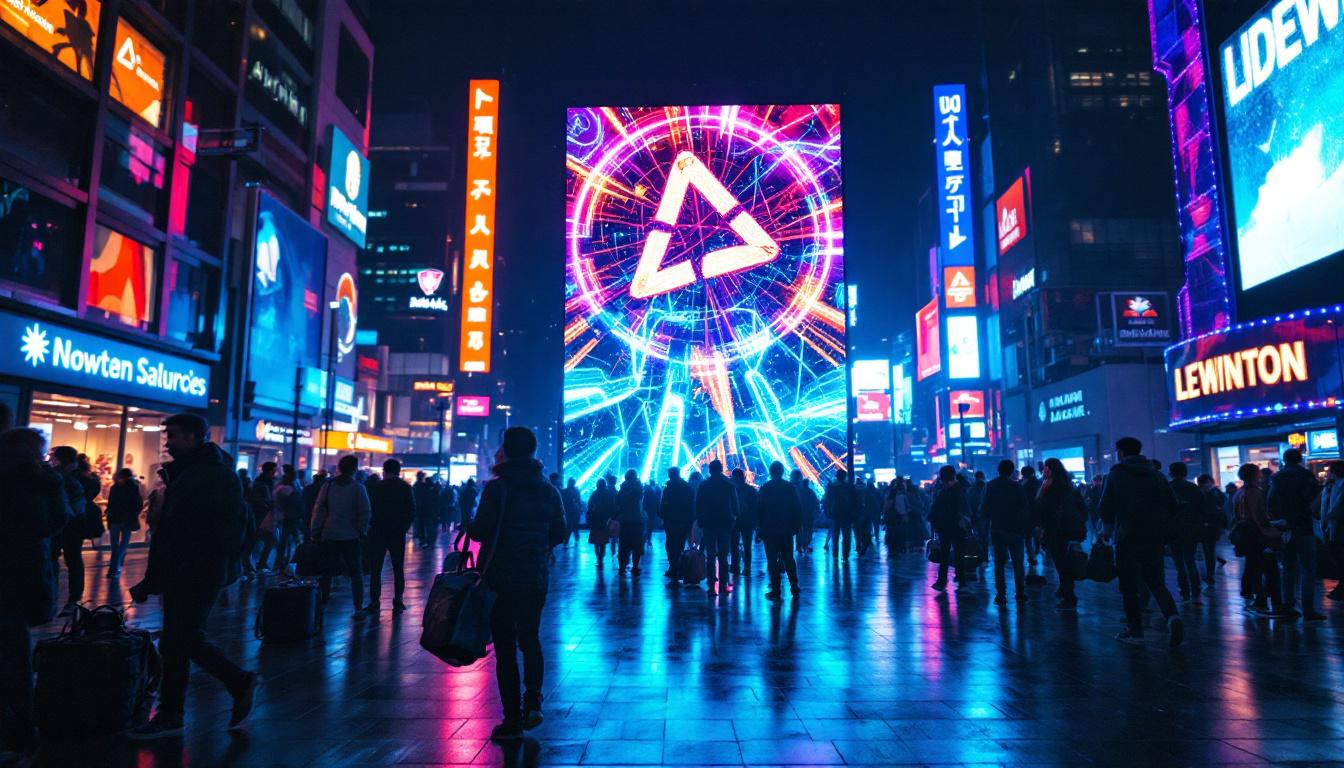
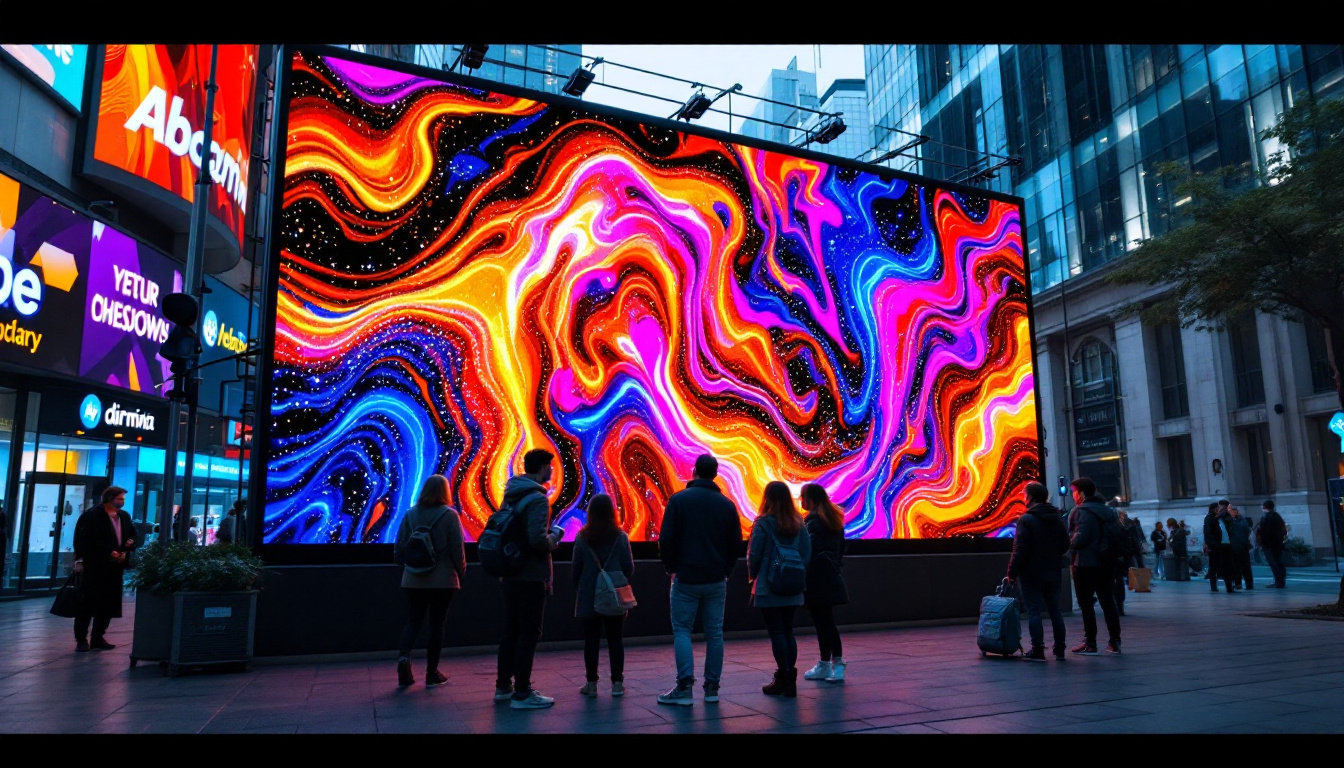
Digital billboards and signage are among the most common applications of LED displays. Their brightness and dynamic content capabilities allow advertisers to capture attention effectively. According to a report by Grand View Research, the global digital signage market is expected to reach $32.84 billion by 2028, driven largely by LED technology advancements.
LED displays enable real-time content updates, targeted messaging, and interactive experiences, which traditional static billboards cannot offer.
Sports and Entertainment Venues
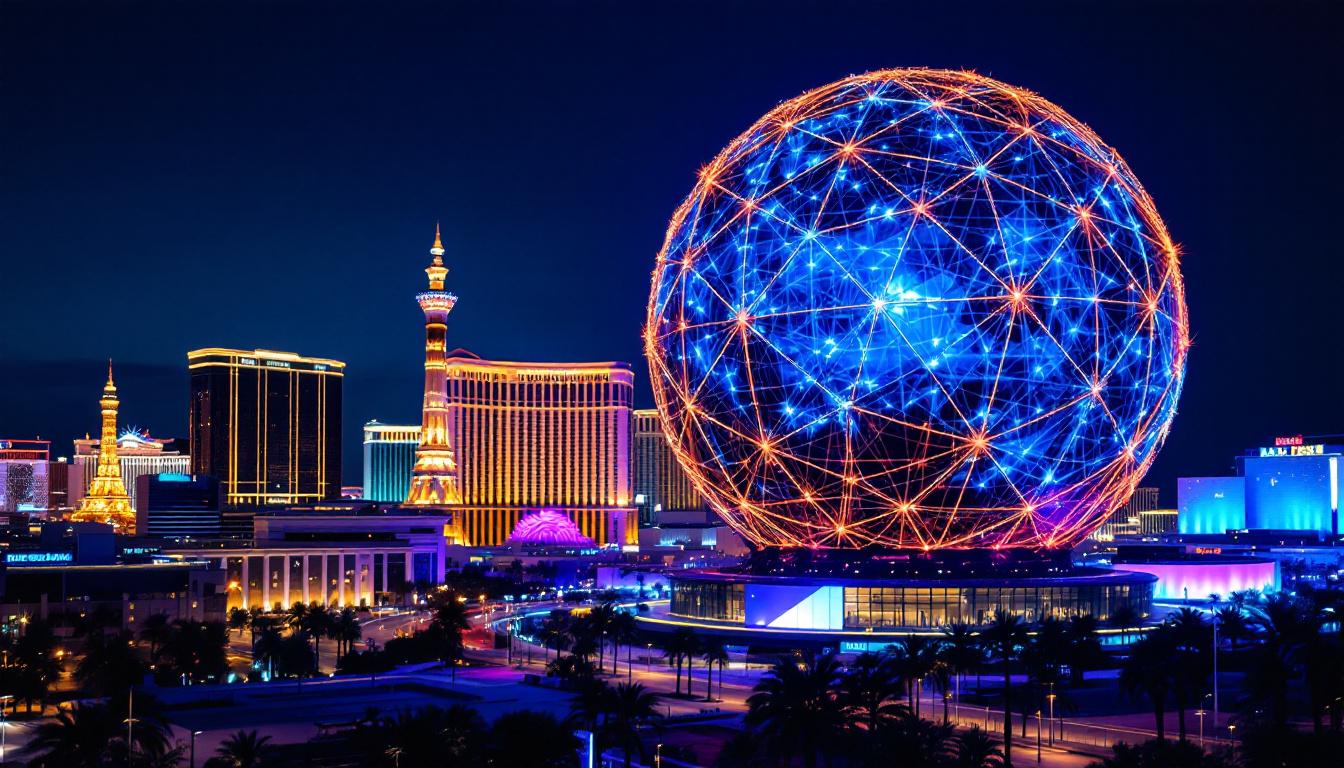
Stadiums and arenas use massive LED screens to display live action, replays, and advertisements. These displays enhance the spectator experience by providing clear visuals regardless of seating location. For example, the AT&T Stadium in Texas features one of the world’s largest LED video boards, measuring 160 feet wide and 72 feet high.
Retail and Corporate Environments
Retailers utilize LED displays for in-store promotions, product launches, and branding. Corporate offices use them for presentations, video conferencing, and digital signage. The flexibility of LED technology allows for customized solutions that fit unique spatial and aesthetic requirements.
Transportation and Public Information
LED displays are widely used in airports, train stations, and bus terminals to provide real-time schedules, alerts, and wayfinding information. Their reliability and visibility are critical in these high-traffic environments.
Choosing the Right LED Display
Selecting an appropriate LED display involves considering several factors to ensure the solution meets specific needs and budget constraints.
Pixel Pitch and Resolution
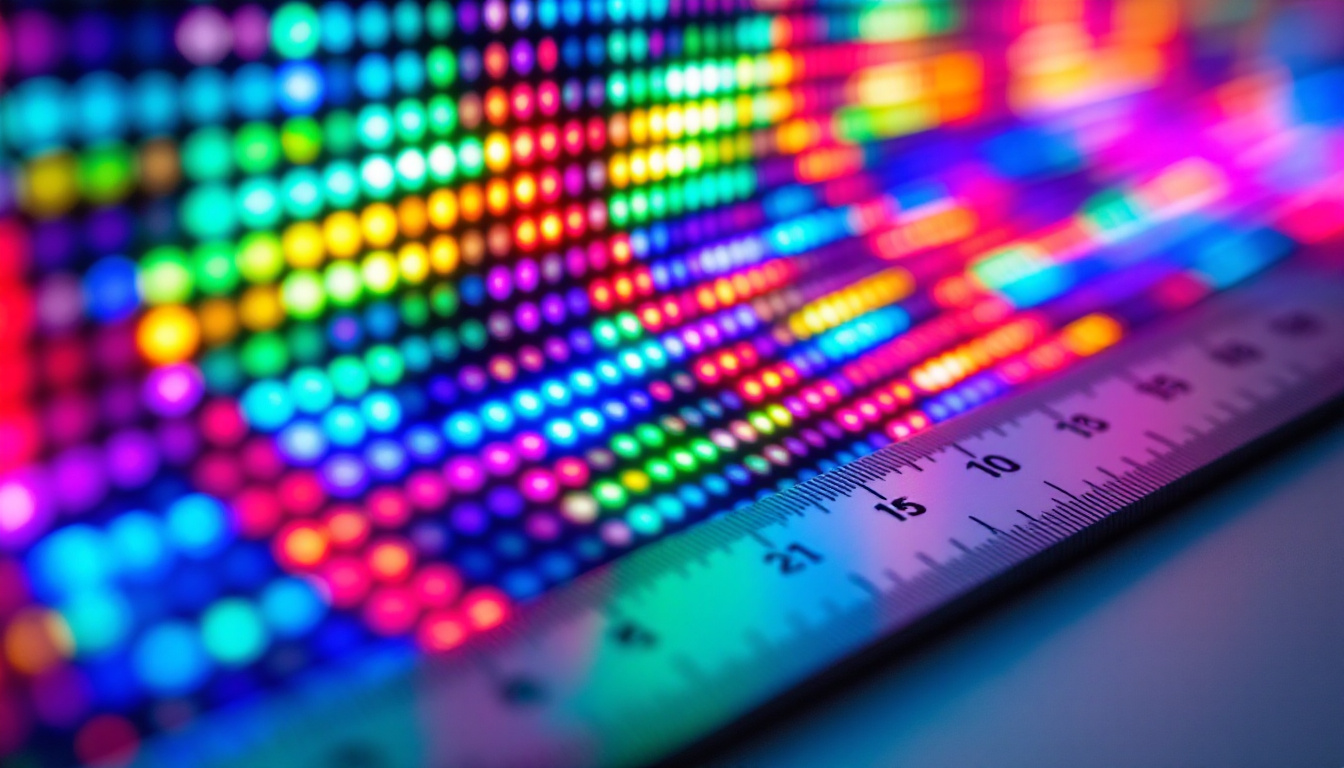
Pixel pitch refers to the distance between the centers of two adjacent LEDs. A smaller pixel pitch means higher resolution and sharper images, suitable for close viewing distances. Conversely, larger pixel pitches are acceptable for displays viewed from afar, such as outdoor billboards.
Brightness and Viewing Environment
Understanding the ambient lighting conditions is crucial. Outdoor displays require higher brightness levels to combat sunlight, while indoor displays can operate at lower brightness, reducing power consumption and glare.
Size and Installation Location
The physical size of the display and its installation environment impact the choice of LED technology. Structural support, accessibility for maintenance, and environmental protection must be factored into the decision-making process.
Budget and Total Cost of Ownership
While initial purchase price is important, total cost of ownership—including installation, maintenance, and energy consumption—should guide the selection. Investing in quality LED displays can yield long-term savings and better performance.
The Future of LED Display Technology
LED display technology continues to evolve rapidly, driven by advancements in materials, manufacturing, and digital integration. Several trends are shaping the future landscape.
MicroLED and MiniLED Innovations
MicroLED and MiniLED technologies represent the next generation of LED displays, offering even higher resolution, improved brightness, and better energy efficiency. MicroLEDs, in particular, enable ultra-thin, flexible, and highly durable displays with exceptional image quality.
Integration with IoT and AI
Smart LED displays integrated with Internet of Things (IoT) devices and artificial intelligence (AI) are enabling dynamic content personalization and interactive experiences. For example, AI-powered analytics can adjust advertising content based on audience demographics and behavior in real time.
Sustainability and Eco-Friendly Designs
As environmental concerns grow, manufacturers are focusing on sustainable materials and energy-saving designs. LED displays are becoming more recyclable, and innovations aim to reduce electronic waste and carbon footprints.
Conclusion
LED displays have transformed the way information and advertising are presented, offering unparalleled brightness, versatility, and efficiency. Whether for indoor digital signage, outdoor billboards, or innovative transparent and flexible screens, LED technology continues to push the boundaries of visual communication.
Understanding the types, advantages, and applications of LED displays empowers businesses and consumers to make informed decisions that maximize impact and return on investment. As technology advances, the future promises even more exciting possibilities for LED display solutions.
Discover LumenMatrix’s Innovative LED Display Solutions
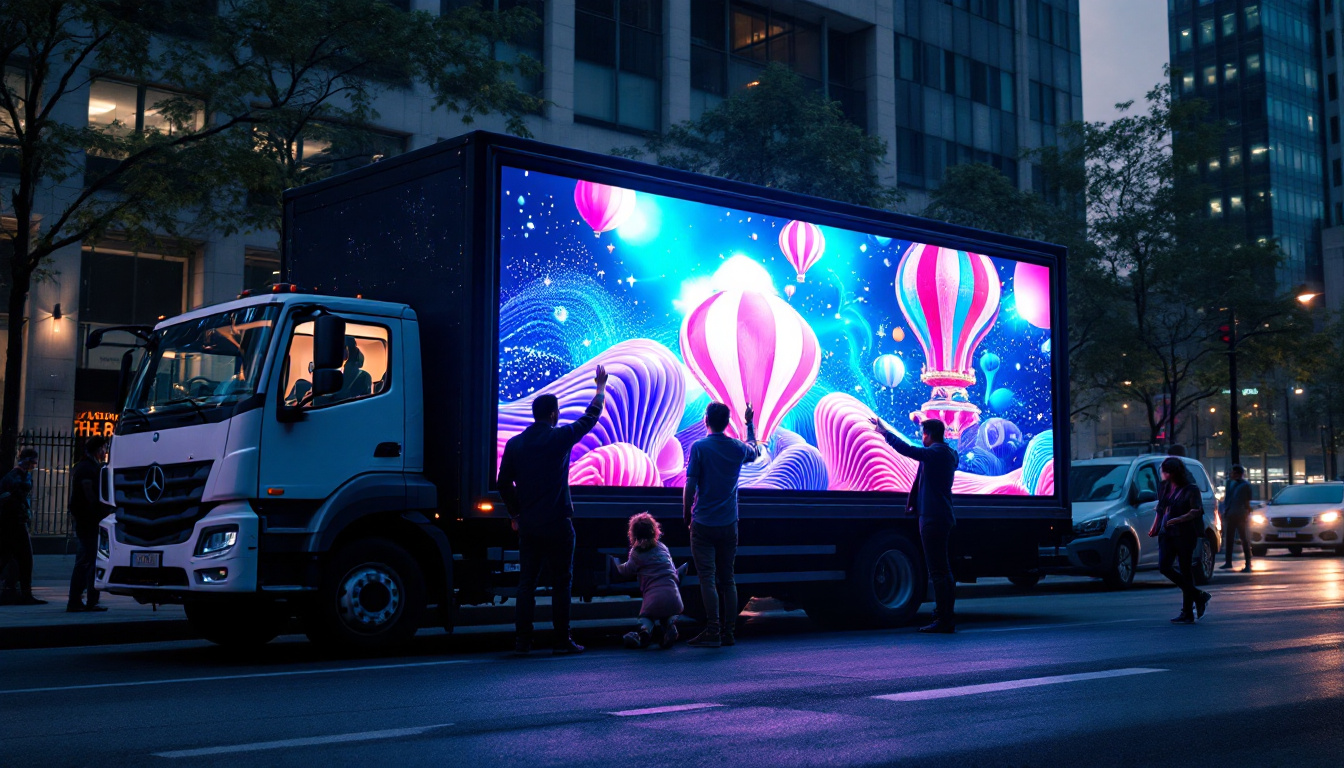
Ready to elevate your visual communication with the latest in LED technology? Look no further than LumenMatrix, a pioneer in crafting LED display modules that bring your brand to life. Whether you’re in need of an Indoor LED Wall Display, a vibrant Outdoor LED Wall Display, or specialized solutions like Vehicle LED Displays, LED Sports Displays, or even Custom LED Displays, LumenMatrix has the expertise to transform your space. Experience the future of digital signage with our All-in-One LED Display and LED Transparent Display options. Check out LumenMatrix LED Display Solutions today and start creating unforgettable visual experiences that captivate and engage.