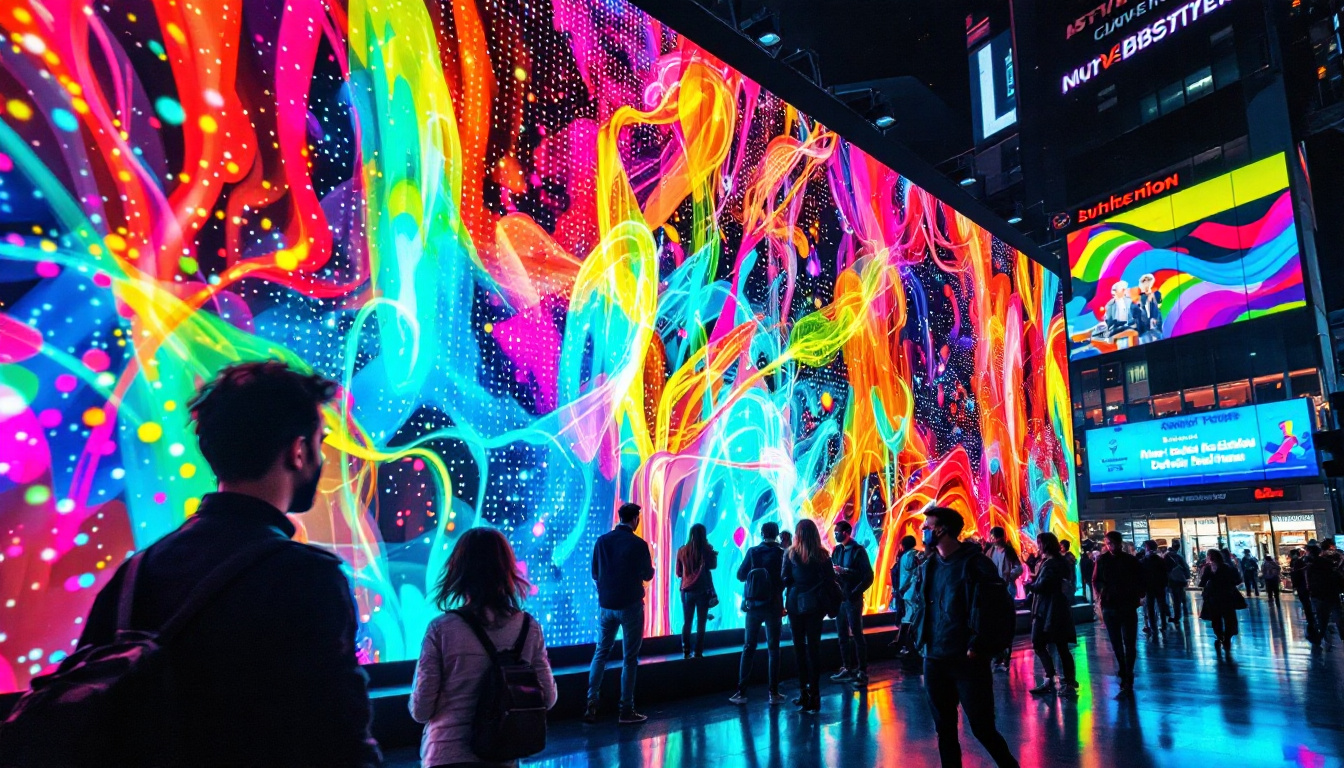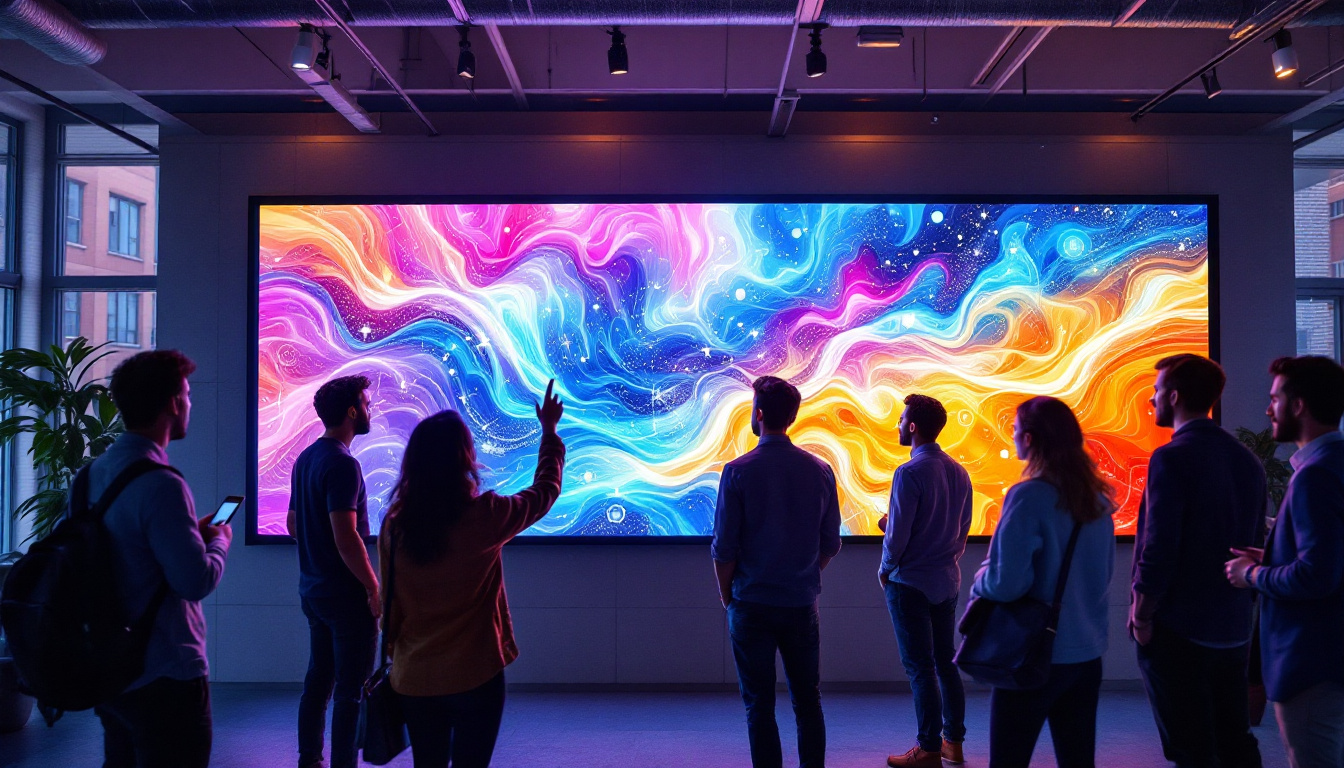
In the rapidly evolving world of digital signage and display technology, LED displays have emerged as a dominant force, transforming how information and visuals are presented in both commercial and public spaces. Among the innovative advancements in this field, the concept of “Cloud LED Light” has gained significant traction, combining the power of LED technology with cloud computing to deliver dynamic, scalable, and remotely managed display solutions.
This article delves into the fundamentals of LED displays, explores the integration of cloud technology with LED lighting systems, and highlights the benefits, applications, and future trends of Cloud LED Light solutions. Whether you are a business owner, technology enthusiast, or industry professional, understanding this fusion of technologies is crucial to leveraging its full potential.
Understanding LED Display Technology
What is an LED Display?
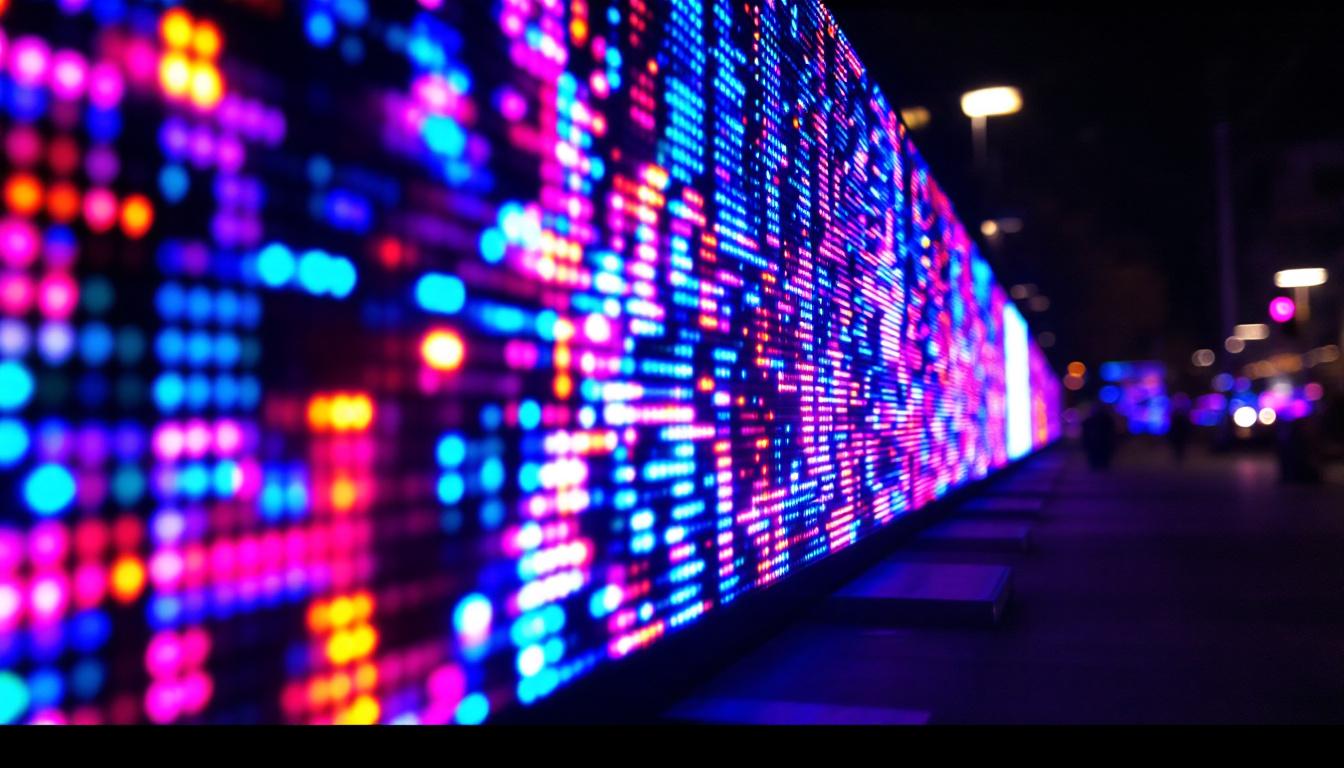
LED stands for Light Emitting Diode, a semiconductor device that emits light when an electric current passes through it. An LED display is a flat panel display that uses an array of light-emitting diodes as pixels to create images, videos, and text. These displays are widely used for advertising, information dissemination, entertainment, and architectural lighting due to their brightness, energy efficiency, and long lifespan.
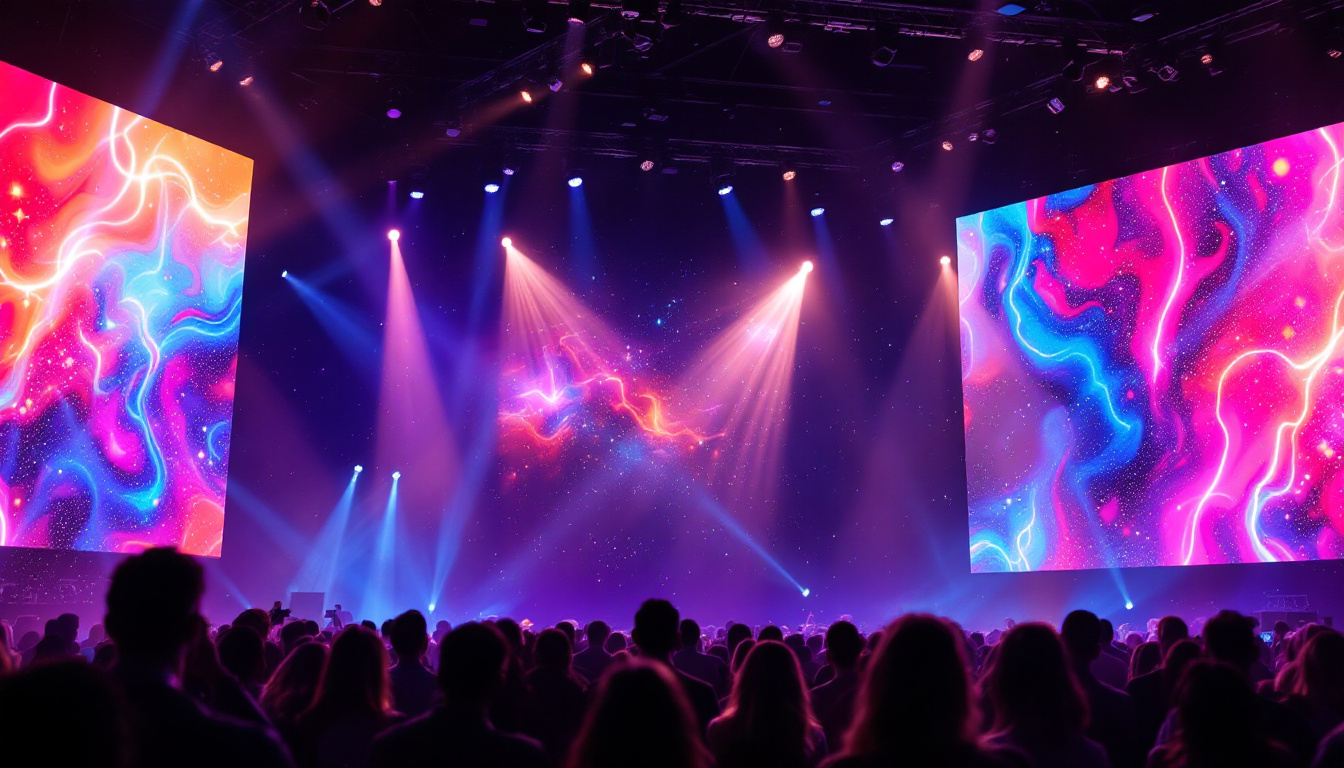
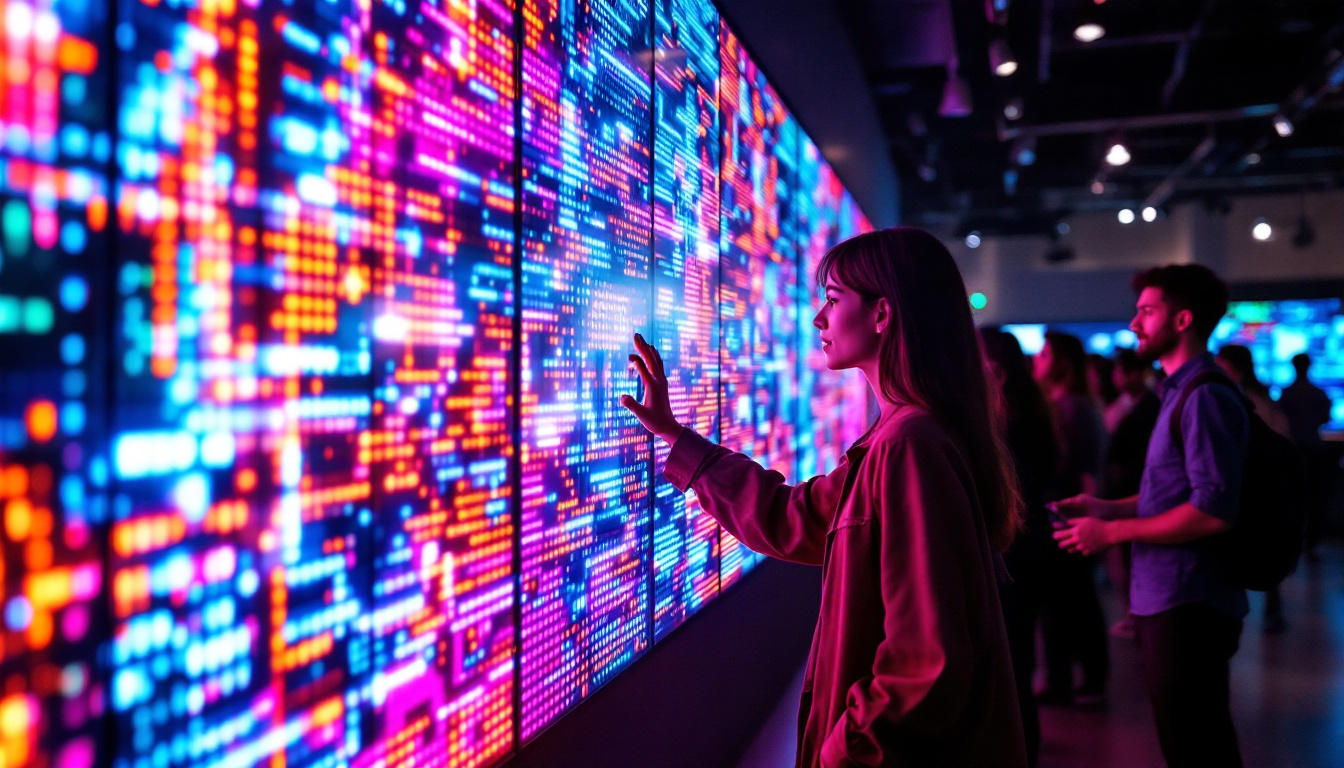
Unlike traditional LCD or plasma displays, LED displays can produce vibrant colors and high contrast ratios, making them highly visible even in direct sunlight. They come in various formats, including indoor and outdoor screens, flexible panels, and transparent displays. The versatility of LED technology allows for creative applications, such as immersive video walls in entertainment venues or dynamic signage in urban environments, where they can capture the attention of passersby and enhance the overall aesthetic of the space.
Types of LED Displays
LED displays can be broadly categorized based on their pixel pitch, size, and intended use:
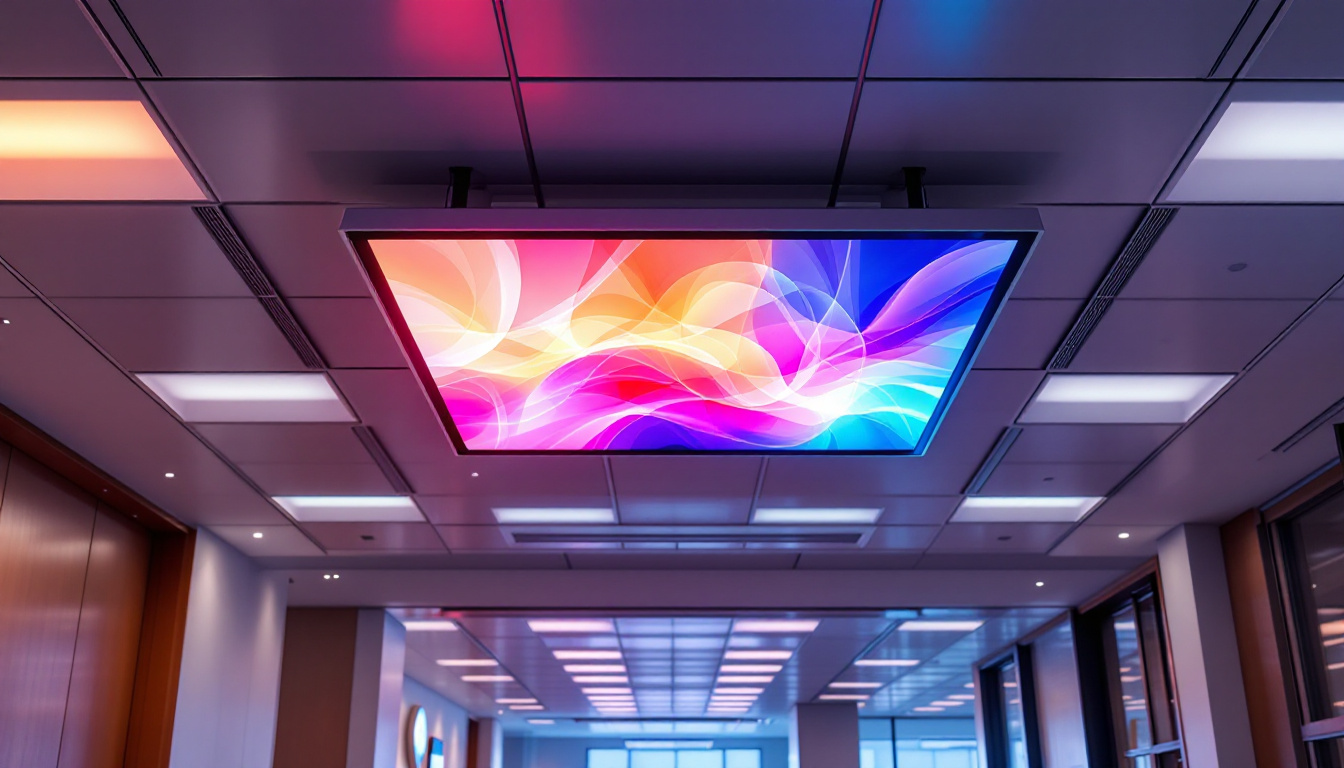
- Indoor LED Displays: Designed for close viewing distances, these displays have a smaller pixel pitch (typically between 1mm to 4mm), offering high resolution and detailed images. They are commonly found in retail stores, conference rooms, and broadcast studios. The high pixel density allows for crisp visuals that are essential for presentations and advertising, making them an ideal choice for environments where clarity is paramount.
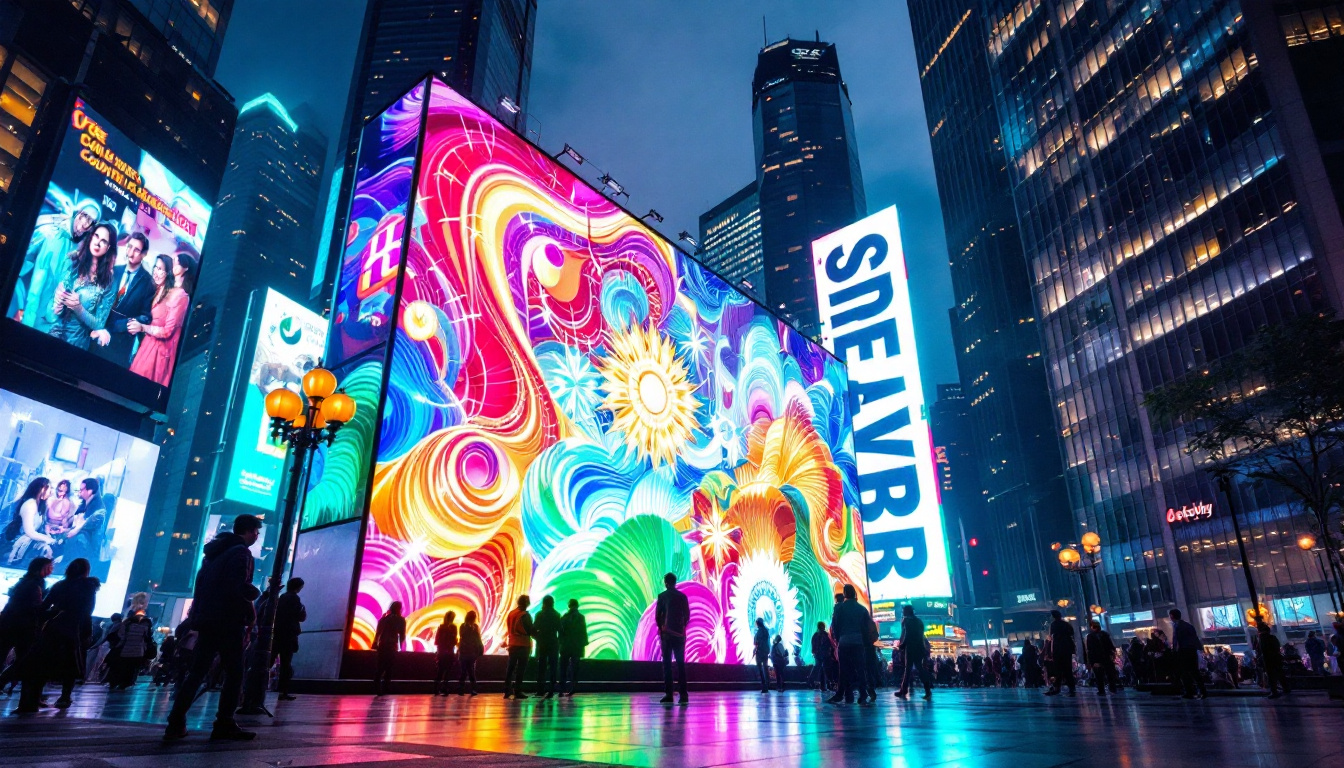
- Outdoor LED Displays: Built to withstand harsh environmental conditions, these have a larger pixel pitch (from 4mm to 20mm or more) to ensure visibility from a distance. Applications include billboards, stadium screens, and public information boards. These displays are engineered to be weather-resistant, often featuring protective coatings that guard against rain, dust, and UV exposure, ensuring they remain operational and visually striking in all conditions.
- Flexible and Transparent LED Displays: These innovative forms allow for creative installations on curved surfaces or glass facades, enabling new possibilities in architectural and artistic displays. Their adaptability opens up new avenues for designers and architects, allowing for seamless integration into modern buildings and public spaces without compromising the aesthetic appeal.
Key Advantages of LED Displays
LED displays offer several advantages over other display technologies:
- Brightness and Visibility: LEDs can achieve brightness levels exceeding 5,000 nits, making them visible in direct sunlight and various lighting conditions. This feature is particularly beneficial for outdoor applications, where visibility can be a challenge due to ambient light interference.
- Energy Efficiency: LEDs consume less power compared to traditional lighting and display technologies, reducing operational costs and environmental impact. This energy efficiency not only translates to lower electricity bills but also contributes to sustainability efforts, making LED displays a greener choice for businesses and organizations.
- Durability and Longevity: With lifespans often exceeding 50,000 hours, LED displays require less maintenance and replacement. This durability is a significant advantage for businesses that rely on continuous operation, as it minimizes downtime and associated costs.
- Color Accuracy and Contrast: LED technology enables vibrant colors and deep blacks, enhancing the viewer’s experience. The ability to display a wider color gamut allows for more lifelike images, making LED displays ideal for applications such as digital art exhibitions and high-definition video presentations.
The Emergence of Cloud LED Light Solutions
What is Cloud LED Light?
Cloud LED Light refers to LED display systems that are integrated with cloud computing platforms, enabling remote management, content distribution, and real-time data processing. This integration allows users to control LED displays from anywhere in the world via internet-connected devices, streamlining operations and enhancing flexibility.
Cloud LED Light systems typically include cloud-based software for content scheduling, monitoring, and analytics, paired with LED hardware capable of receiving and displaying dynamic content. This combination transforms static signage into interactive, data-driven communication tools. The ability to customize content in real-time not only captivates audiences but also allows businesses to tailor messages based on specific demographics or current events, making advertising more effective and engaging.
How Cloud Technology Enhances LED Displays
Cloud integration brings several transformative benefits to LED display technology:
- Remote Content Management: Users can update and schedule content remotely without the need for on-site intervention, reducing labor costs and downtime.
- Scalability: Cloud platforms can manage multiple displays across different locations from a single dashboard, ideal for businesses with widespread operations.
- Real-Time Updates: Content can be changed instantly to reflect breaking news, promotions, or emergency alerts, improving responsiveness.
- Data Analytics: Cloud systems can collect usage data and audience engagement metrics, enabling data-driven decision-making for marketing and communication strategies.
Furthermore, the integration of artificial intelligence with cloud LED systems is paving the way for even more sophisticated applications. AI can analyze viewer behavior and preferences, allowing for hyper-targeted content delivery that resonates with specific audiences. This not only enhances customer engagement but also maximizes the return on investment for advertisers and businesses utilizing these displays.
Security and Reliability Considerations
With cloud-based systems, security and reliability become paramount. Modern Cloud LED Light solutions employ robust encryption protocols, secure user authentication, and redundant server architectures to ensure data integrity and system uptime.
Additionally, many providers offer service level agreements (SLAs) guaranteeing high availability and support, which is critical for mission-critical applications such as public safety displays and transportation information systems. The importance of these measures cannot be overstated; as more businesses adopt cloud technologies, the potential risks associated with data breaches and system failures necessitate a proactive approach to cybersecurity. Regular updates and maintenance protocols are essential in safeguarding sensitive information and maintaining operational continuity.
Moreover, the evolution of edge computing is also influencing the landscape of Cloud LED Light solutions. By processing data closer to the source, edge computing can reduce latency and enhance the performance of LED displays, particularly in environments where real-time interaction is crucial. This advancement allows for seamless integration with IoT devices, creating a more interconnected ecosystem that can respond to user inputs and environmental changes instantaneously.
Applications of Cloud LED Light Displays
Retail and Advertising
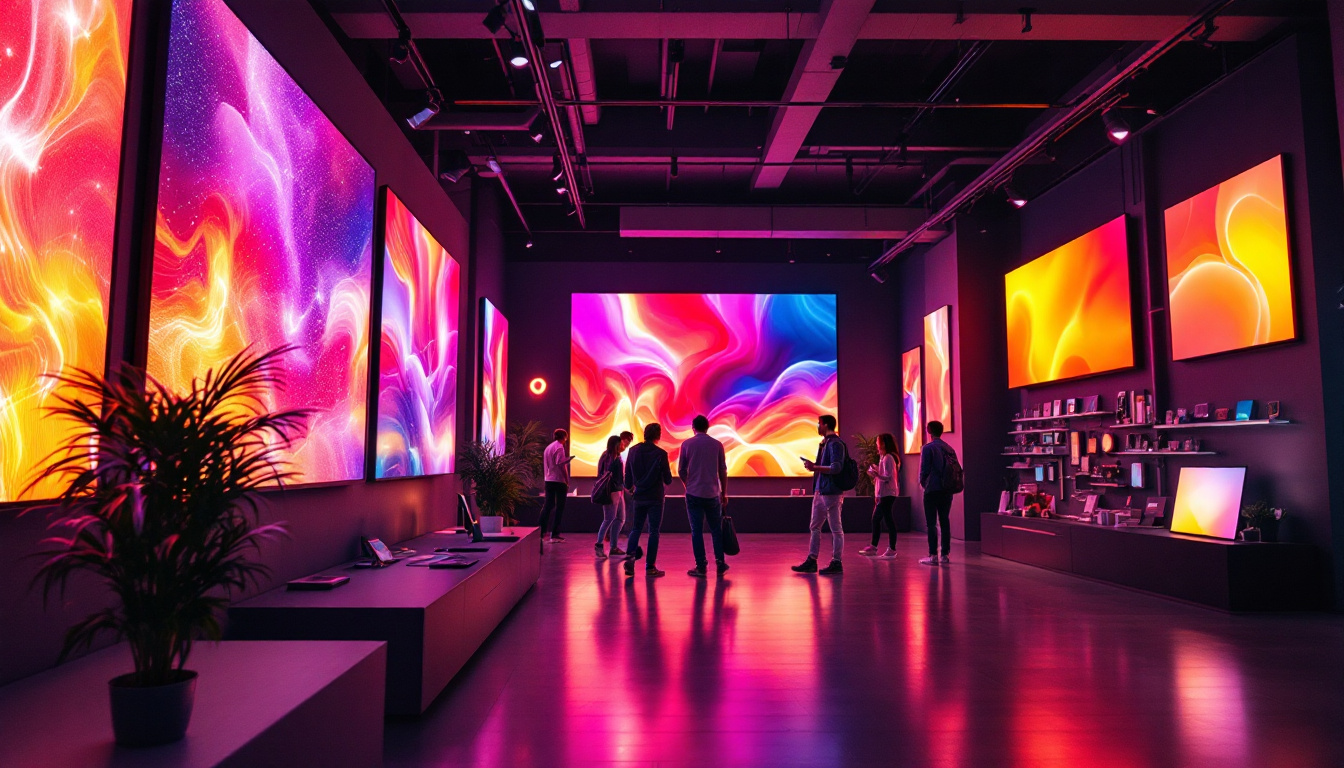
Retailers leverage Cloud LED Light displays to create engaging, dynamic storefronts that attract customers and promote products. The ability to update promotions in real time across multiple locations ensures consistent branding and timely messaging.
For example, a global retail chain can push localized content to stores in different regions, adjusting for language, cultural preferences, and seasonal campaigns without manual intervention.
Smart Cities and Public Information
Municipalities use Cloud LED Light displays to provide real-time information such as traffic updates, weather alerts, and public service announcements. The cloud platform enables centralized control over multiple displays scattered throughout a city, facilitating coordinated communication during emergencies or events.
Smart city initiatives increasingly rely on such technology to enhance urban living, improve safety, and engage citizens effectively.
Transportation and Airports
Airports, train stations, and bus terminals utilize Cloud LED Light displays for dynamic scheduling, gate information, and wayfinding. The cloud-based management allows for instant updates in response to delays, cancellations, or changes in routes, improving passenger experience and operational efficiency.
Corporate and Educational Environments
In corporate settings, Cloud LED Light displays serve as digital notice boards, conference room schedulers, and branding tools. Educational institutions use them for campus announcements, event promotions, and interactive learning aids.
Future Trends in Cloud LED Light Technology
Integration with Artificial Intelligence and IoT
The convergence of Cloud LED Light with Artificial Intelligence (AI) and the Internet of Things (IoT) is set to revolutionize display technology. AI algorithms can analyze audience behavior and environmental factors to optimize content delivery, while IoT sensors can trigger context-aware displays.
For instance, a retail display could adjust its content based on the demographics of nearby shoppers detected via IoT devices, or a public display could change brightness and messaging according to weather conditions.
Advancements in Display Resolution and Form Factor
As LED manufacturing techniques improve, displays are becoming thinner, more flexible, and higher in resolution. MicroLED technology, which uses microscopic LEDs, promises even greater brightness, color accuracy, and energy efficiency.
These advancements will expand the possibilities for Cloud LED Light applications, from wearable displays to large-scale immersive environments.
Enhanced Interactivity and User Engagement
Future Cloud LED Light systems will likely incorporate more interactive features such as touch sensitivity, gesture recognition, and integration with mobile devices. This will enable personalized experiences and deeper engagement with audiences.
Conclusion
Cloud LED Light represents a significant evolution in display technology, merging the proven benefits of LED displays with the flexibility and power of cloud computing. This synergy enables dynamic, scalable, and remotely manageable display solutions that cater to a wide range of industries and applications.
As technology continues to advance, the integration of AI, IoT, and next-generation LED materials will further enhance the capabilities and impact of Cloud LED Light systems. For businesses and organizations looking to modernize their communication strategies, understanding and adopting these technologies will be key to staying competitive and engaging effectively with their audiences.
Discover the Future of Visual Communication with LumenMatrix
Ready to elevate your brand’s presence and captivate your audience with cutting-edge LED display technology? Look no further than LumenMatrix, a pioneer in crafting immersive visual experiences through innovative LED solutions. From vibrant Indoor LED Walls to dynamic Outdoor Displays and beyond, LumenMatrix offers a diverse range of products designed to make your message shine. Embrace the future of digital signage and join the visual revolution today. Check out LumenMatrix LED Display Solutions and see how we can transform your visual communication strategy.