In today’s digital age, display technologies play a pivotal role in how we interact with information. From smartphones and televisions to industrial equipment and wearable devices, the clarity and efficiency of displays directly influence user experience. Among the most common display technologies are LCD (Liquid Crystal Display) and LED (Light Emitting Diode) displays. While often mentioned together or interchangeably, these technologies have distinct characteristics and applications. This article delves into the concept of “LCD Clear” and provides a comprehensive explanation of LED displays, helping readers understand their differences, advantages, and practical uses.
Understanding LCD Technology: What Does “LCD Clear” Mean?
Liquid Crystal Displays have been a staple in the electronics industry for decades. The term “LCD Clear” often refers to the clarity and sharpness of the display, which is a critical factor for readability and visual comfort. But what exactly is an LCD, and how does it achieve this clarity?
The Basics of LCD
LCDs operate by manipulating liquid crystals sandwiched between two layers of polarized glass or plastic. These crystals do not emit light themselves; instead, they control the passage of light from a backlight source. When an electric current passes through, the crystals align to either block or allow light to pass, creating images on the screen.
The clarity of an LCD depends on several factors, including the quality of the liquid crystals, the precision of the alignment layers, and the effectiveness of the backlighting system. “LCD Clear” typically denotes a display that offers high contrast, sharp images, and minimal glare, making it easier to read text and view images even under challenging lighting conditions. Additionally, advancements in technology have led to the development of features like anti-glare coatings and enhanced backlighting techniques, which further contribute to the overall clarity and usability of LCD screens in various environments.
Types of LCDs Affecting Clarity
There are various types of LCD panels, such as Twisted Nematic (TN), In-Plane Switching (IPS), and Vertical Alignment (VA). Each type has different strengths in terms of color accuracy, viewing angles, and response times.
IPS panels, for example, are renowned for their superior color reproduction and wide viewing angles, contributing to a clearer and more consistent image. This is why many high-end monitors and smartphones use IPS technology to achieve “LCD Clear” quality. Furthermore, the evolution of LCD technology has introduced innovations such as Quantum Dot displays, which enhance color vibrancy and brightness, pushing the boundaries of what is possible with traditional LCDs. These advancements not only improve the visual experience but also cater to specific needs, such as gaming or professional graphic design, where precise color and clarity are paramount.
LED Displays: Illuminating Modern Screens
While LCDs rely on liquid crystals to modulate light, LED displays incorporate light-emitting diodes as the primary source of illumination. Understanding LED technology is essential to grasp how modern displays achieve brightness, efficiency, and vibrant colors.
What Is an LED Display?
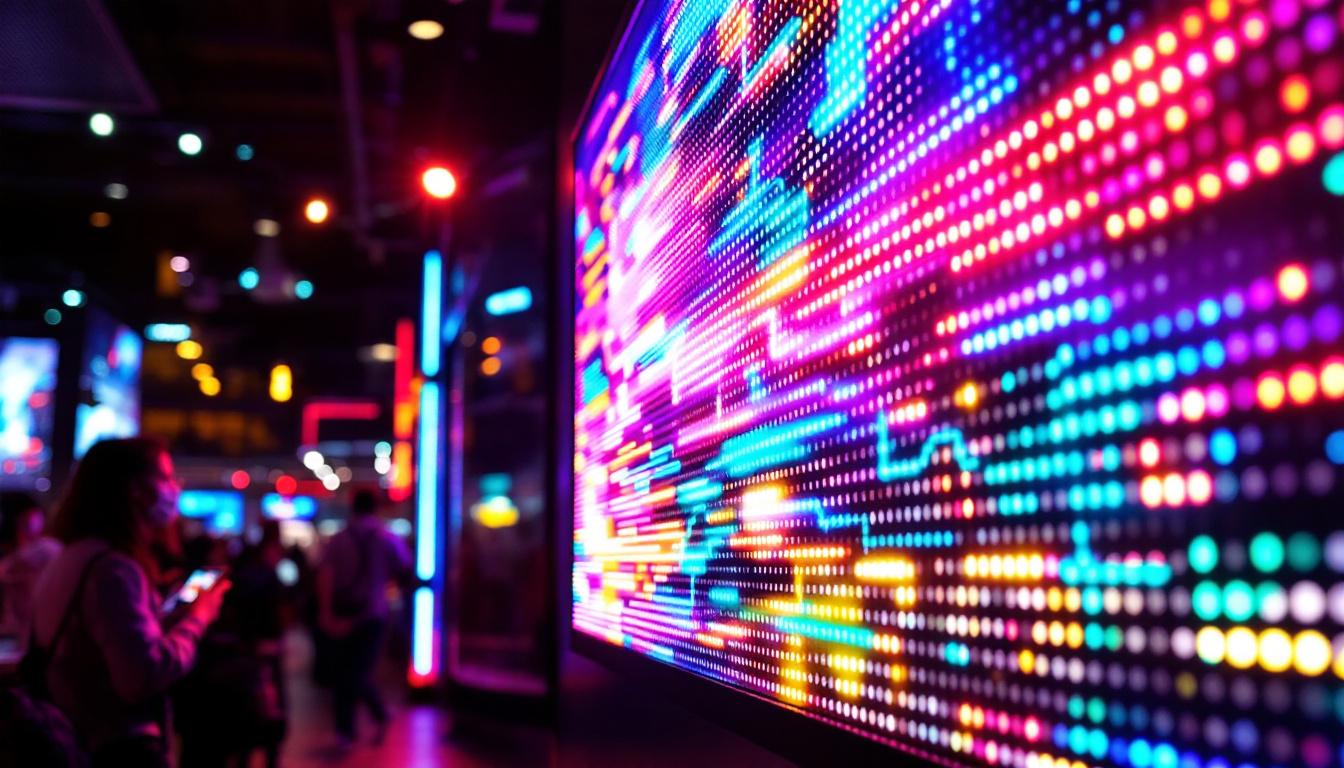
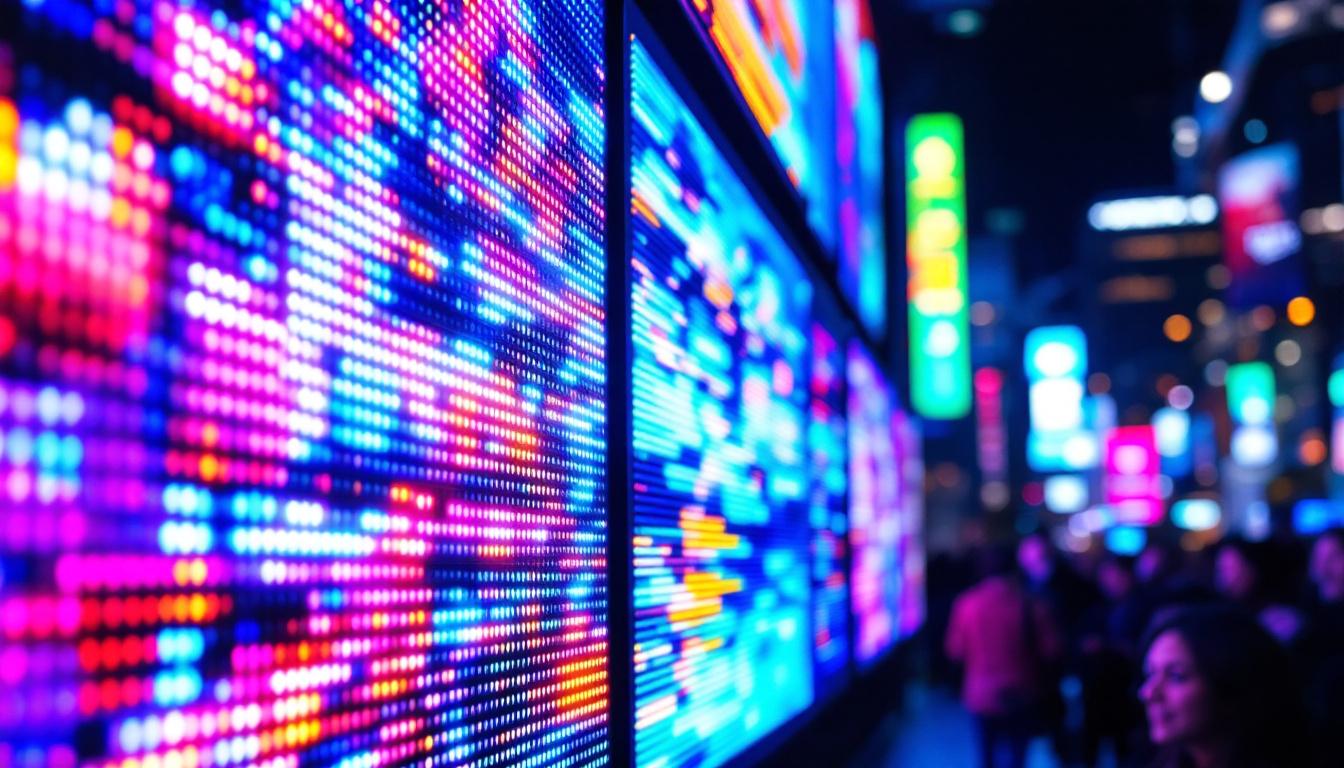
LED displays use arrays of tiny light-emitting diodes to produce images. These diodes emit light when an electric current passes through them, allowing for direct illumination without the need for a separate backlight. This fundamental difference gives LED displays several advantages over traditional LCDs.
It’s important to note that many so-called “LED TVs” are actually LCD panels with LED backlighting. True LED displays, such as OLED (Organic LED) or microLED, use LEDs as both the light source and the image-forming element.
Types of LED Displays
LED technology encompasses several types of displays:
- LED-backlit LCDs: These are LCD screens illuminated by LED backlights instead of older CCFL (Cold Cathode Fluorescent Lamp) backlights. This combination improves brightness, energy efficiency, and color range.
- OLED (Organic LED): OLED displays use organic compounds that emit light when electrically stimulated. Each pixel emits its own light, enabling true blacks and exceptional contrast ratios.
- MicroLED: An emerging technology where microscopic LEDs form each pixel. MicroLEDs promise higher brightness, longer lifespan, and better energy efficiency than OLEDs.
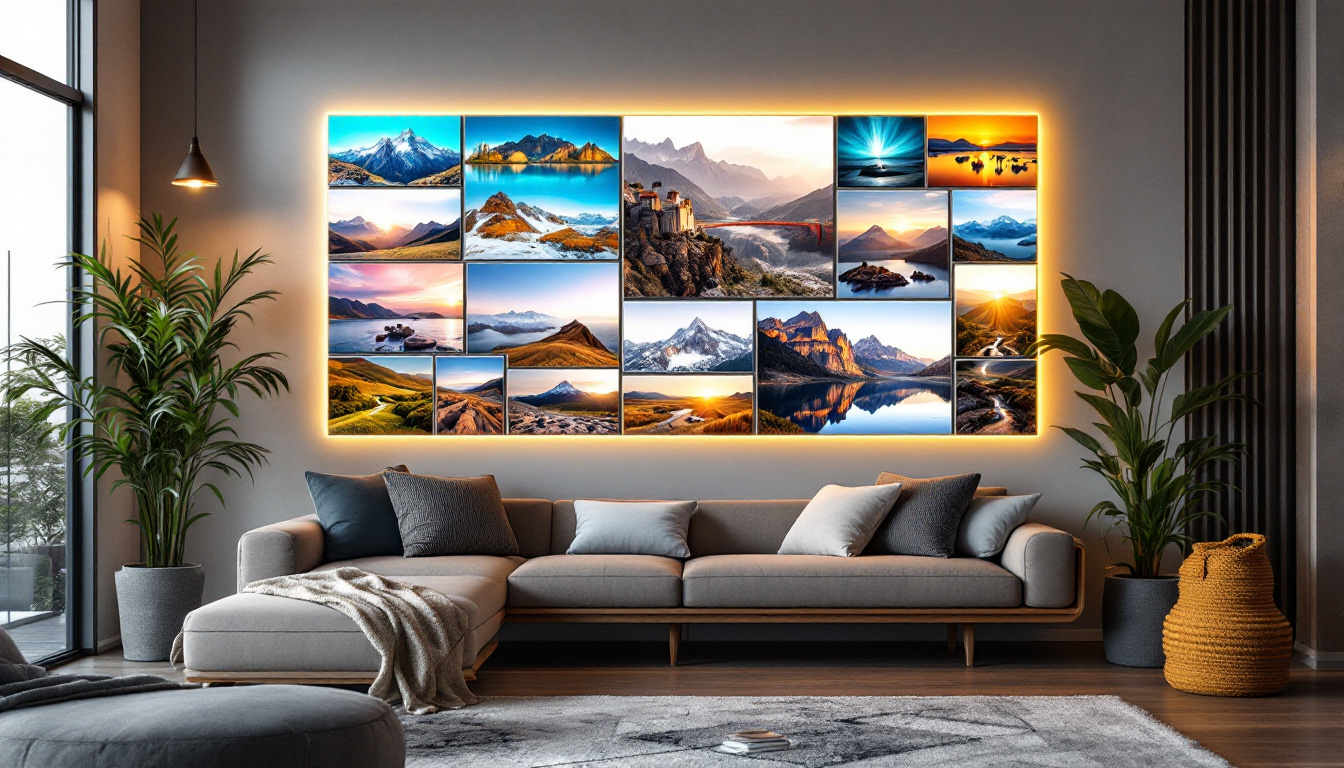
In addition to these types, LED displays are also categorized based on their application and configuration. For instance, outdoor LED displays are designed to withstand harsh weather conditions and are often used for billboards and large-scale advertising. These displays utilize robust materials and enhanced brightness to ensure visibility even in direct sunlight. On the other hand, indoor LED displays are typically used in settings like theaters, sports arenas, and conference rooms, where high resolution and color accuracy are paramount.
Furthermore, the evolution of LED technology has led to innovative applications beyond traditional screens. For example, flexible LED displays are now being developed, allowing for curved or even foldable screens that can fit into unique spaces and designs. This flexibility opens up new possibilities for architects and designers, enabling them to create immersive environments that were previously unimaginable. As the technology continues to advance, we can expect to see even more creative uses of LED displays in various fields, from art installations to interactive advertising.
Comparing LCD and LED Displays: What Sets Them Apart?
Understanding the differences between LCD and LED displays is crucial for consumers, manufacturers, and designers when selecting the right technology for a specific application. Each display type has its unique characteristics that cater to different needs, whether for home entertainment, professional graphic design, or mobile devices. As technology continues to evolve, knowing these distinctions can help users make informed decisions that best suit their specific requirements.
Brightness and Contrast
LED displays, particularly OLED and microLED, generally offer superior brightness and contrast compared to traditional LCDs. Since each pixel in an OLED display emits its own light, it can be turned off completely to produce true black, resulting in an infinite contrast ratio. In contrast, LCDs rely on backlighting that can cause light bleed, reducing contrast. This difference is especially noticeable in dark scenes, where OLEDs can deliver a more dramatic and lifelike image. Furthermore, advancements in HDR (High Dynamic Range) technology have enhanced the capabilities of both display types, allowing for a broader range of brightness levels and more vivid colors, further blurring the lines between them.
Energy Efficiency
LED technology is more energy-efficient, especially when compared to older LCDs with CCFL backlighting. LED-backlit LCDs consume less power and generate less heat, which is beneficial for portable devices and reduces environmental impact. OLEDs also consume less power when displaying darker images but may use more energy with bright, white backgrounds. This energy efficiency is increasingly important in a world that prioritizes sustainability, as consumers look for devices that not only meet their performance needs but also minimize their ecological footprint. As manufacturers continue to innovate, we may see even more energy-efficient solutions that leverage the strengths of both LCD and LED technologies.
Color Accuracy and Viewing Angles
IPS LCDs provide excellent color accuracy and wide viewing angles, which is why they remain popular for professional use. OLEDs surpass LCDs in color vibrancy and viewing angles, offering a more immersive visual experience without color shifts when viewed from the side. This characteristic makes OLEDs particularly appealing for applications where color fidelity is paramount, such as photography, video editing, and graphic design. Additionally, the ability of OLEDs to produce deeper colors can enhance the viewing experience for movies and gaming, where visual impact is crucial. As display technology continues to advance, we can expect even more improvements in color reproduction and viewing angles across both LCD and LED displays.
Lifespan and Durability
Traditional LCDs tend to have longer lifespans and are less susceptible to burn-in compared to OLEDs, which can suffer from image retention over time. However, advancements in OLED technology have significantly improved durability. MicroLED, still in development, aims to combine the best properties of both technologies. With its self-emissive capabilities similar to OLED and the durability of traditional LEDs, MicroLED holds the promise of a display that can withstand prolonged use without the risk of burn-in. As this technology matures, it could redefine the standards for display longevity and performance, making it an exciting area to watch in the coming years. Moreover, as consumers become more aware of these factors, the demand for displays that balance performance with durability will likely influence future innovations in the industry.
Applications of LCD Clear and LED Displays in Everyday Life
The practical applications of LCD and LED displays are vast and varied. Their unique properties make them suitable for different environments and user needs.
Consumer Electronics
Smartphones, tablets, laptops, and televisions commonly use LED-backlit LCDs or OLED displays. The choice depends on factors like cost, desired image quality, and power consumption. For example, flagship smartphones often feature OLED screens for their superior color and contrast, while budget devices may use LCDs to keep costs down.
Industrial and Medical Equipment
In industrial settings, “LCD Clear” displays are valued for their readability under bright or harsh lighting conditions. Medical monitors require high color accuracy and clarity to ensure precise diagnostics, often relying on high-quality IPS LCDs or specialized LED displays.
Outdoor and Public Displays
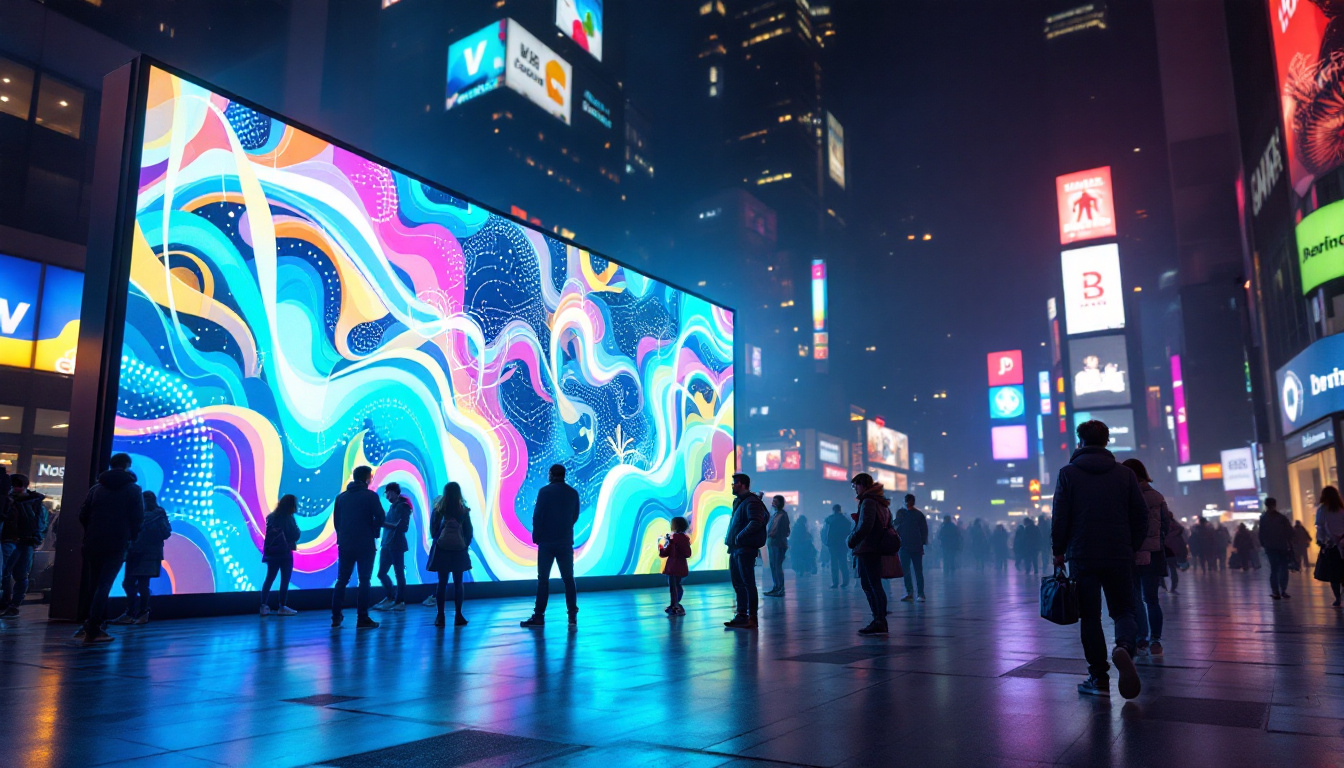
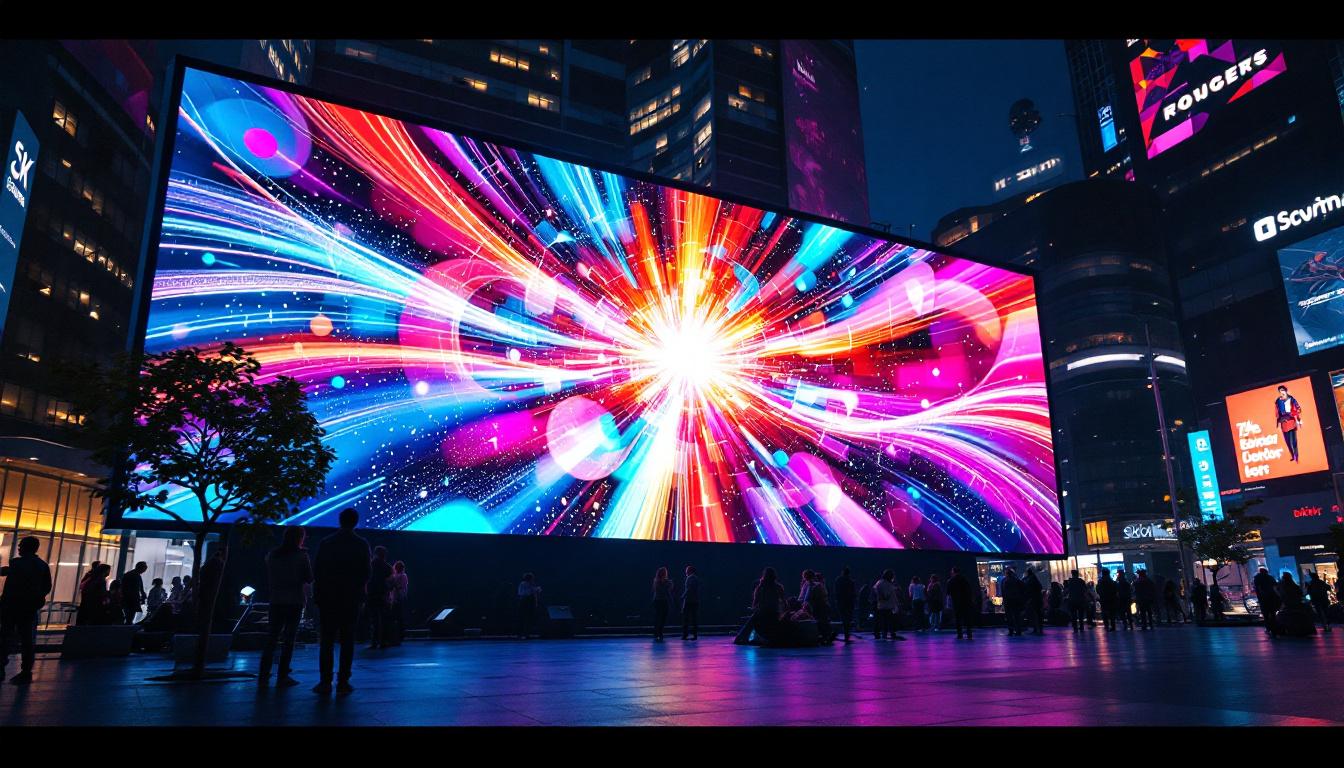
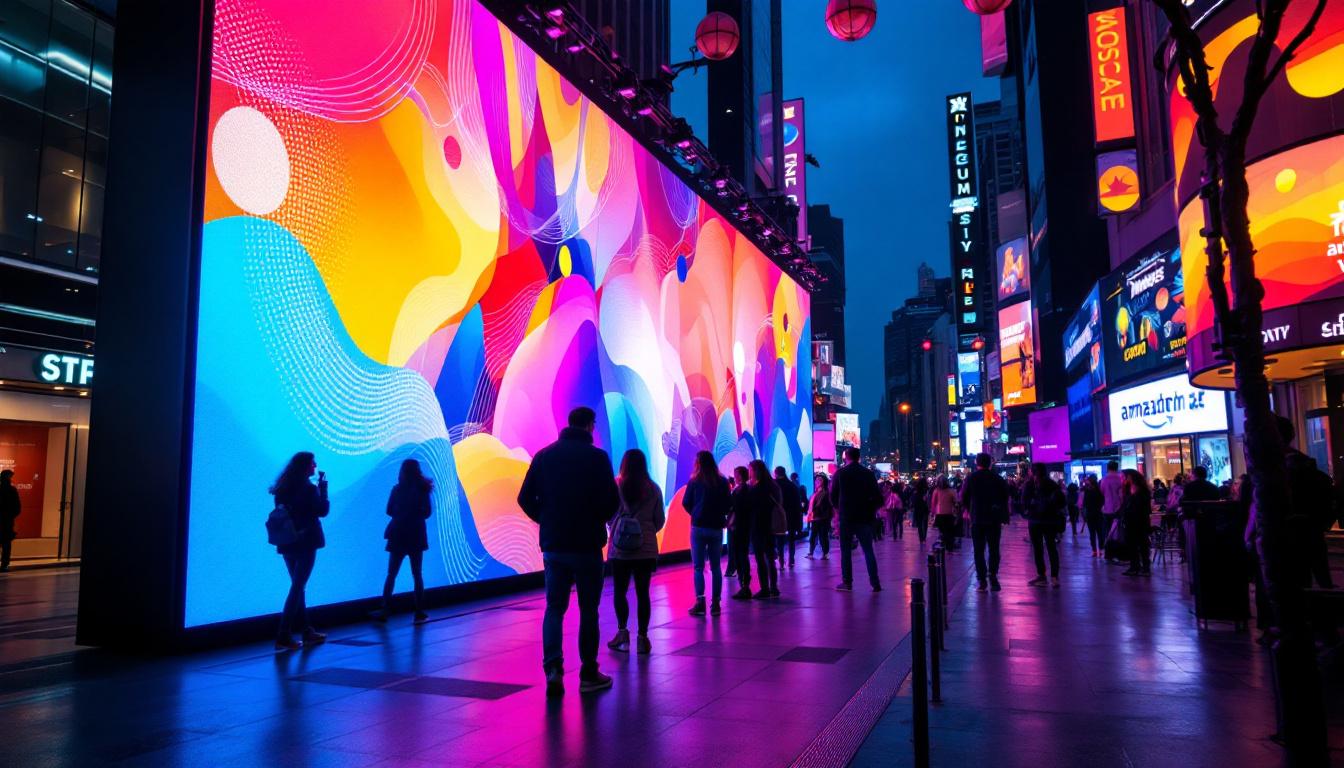
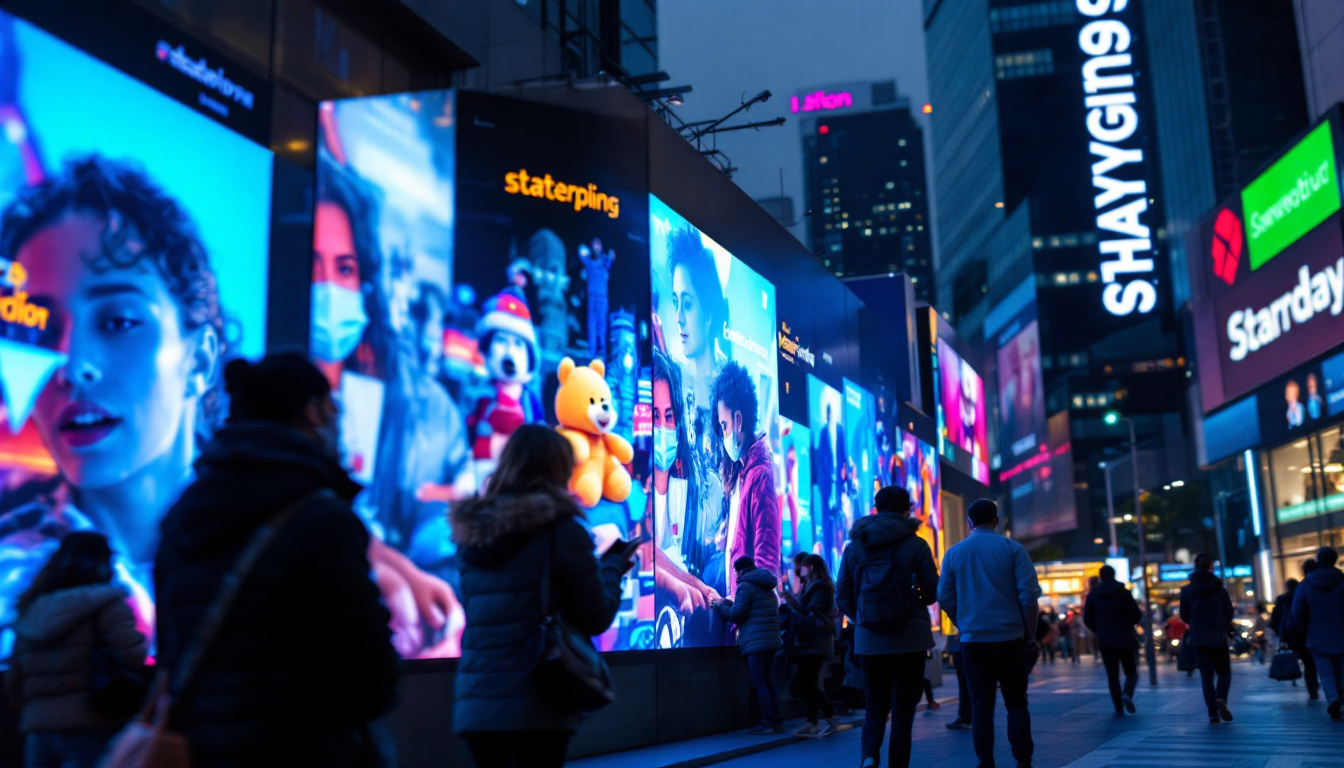
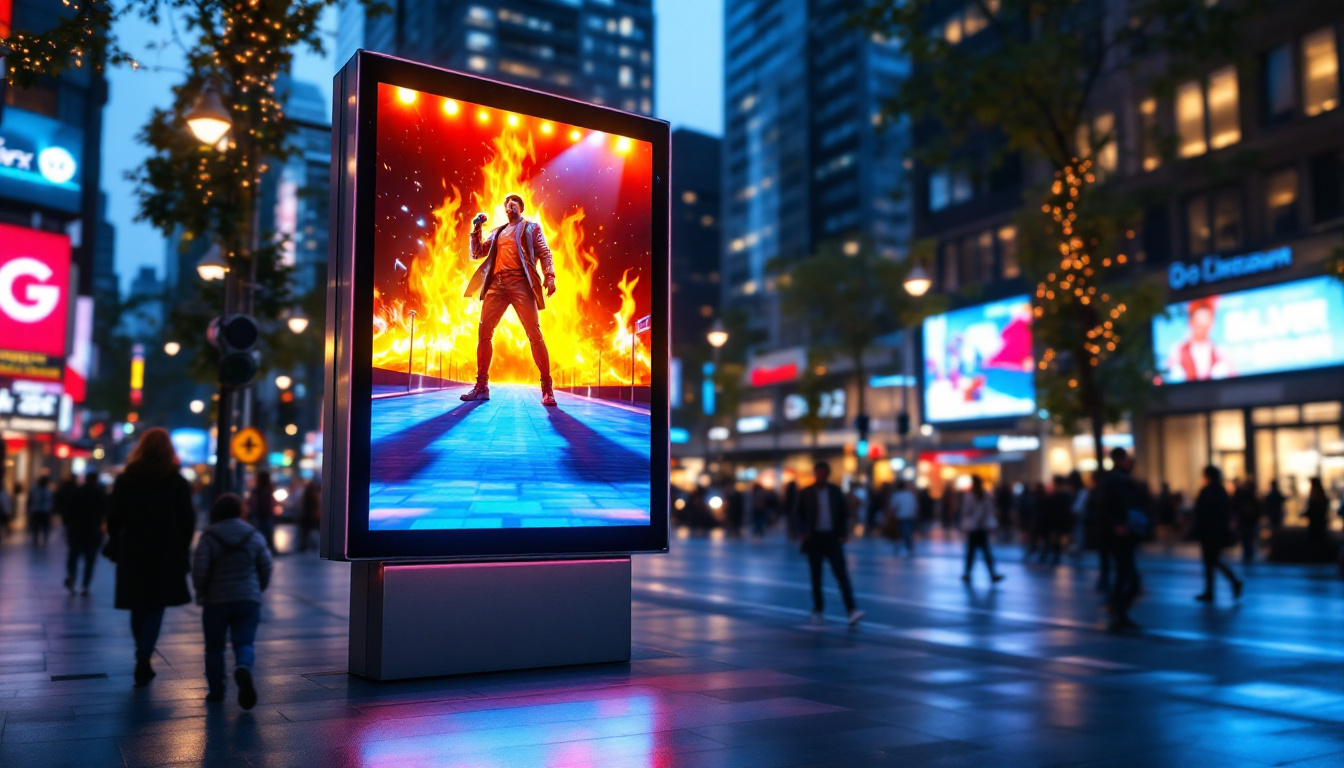
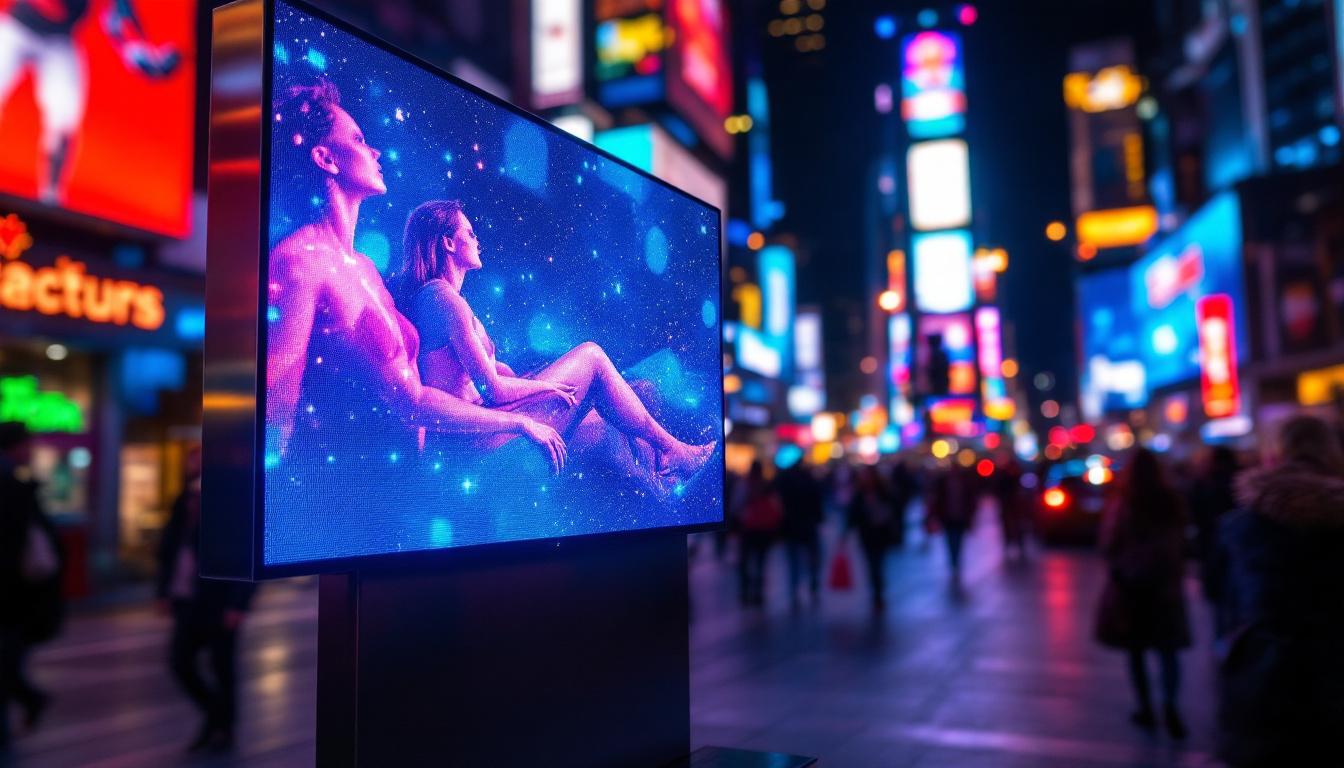
LED displays dominate outdoor advertising and public information systems due to their brightness, visibility in daylight, and durability. Large-scale LED billboards and stadium screens use arrays of powerful LEDs to deliver vibrant images visible from great distances.
The Future of Display Technology: Trends and Innovations
Display technology continues to evolve rapidly, driven by consumer demand for better image quality, energy efficiency, and new form factors.
Advancements in MicroLED Technology
MicroLED is poised to revolutionize the display industry by combining the best features of LCD and OLED technologies. With self-emissive pixels, high brightness, and long lifespan, microLED could become the standard for everything from smartphones to large TVs within the next decade.
Flexible and Transparent Displays
Innovations in materials and manufacturing are enabling flexible and transparent LED and LCD displays. These technologies open new possibilities for wearable devices, augmented reality glasses, and innovative advertising solutions.
Energy-Efficient and Sustainable Displays
As environmental concerns grow, manufacturers are focusing on reducing the energy consumption and environmental impact of displays. LED technology’s inherent efficiency makes it a cornerstone of sustainable design, with ongoing research into recyclable materials and low-power operation.
Conclusion
Understanding the nuances of “LCD Clear” and LED display technologies is essential for making informed decisions in today’s technology-driven world. While LCDs offer reliable clarity and cost-effective solutions, LED displays bring enhanced brightness, contrast, and energy efficiency. The convergence of these technologies, along with emerging innovations like microLED, promises a future of displays that are clearer, more vibrant, and more adaptable than ever before.
Whether choosing a new smartphone, designing industrial equipment, or planning a public advertising campaign, knowing the strengths and limitations of LCD and LED displays ensures the best possible outcome for both users and creators.
Discover the Future of Visual Displays with LumenMatrix
Ready to experience the ultimate in display clarity and innovation? LumenMatrix is at the forefront of LED display technology, offering a wide array of solutions that bring your visual communications to life. From vibrant Indoor LED Walls to dynamic Outdoor LED Displays, and from sleek LED Posters to immersive LED Sports Displays, LumenMatrix has the perfect solution to elevate your brand and captivate your audience. Embrace the future of display technology and check out LumenMatrix LED Display Solutions today to transform your visual storytelling and make a lasting impression.