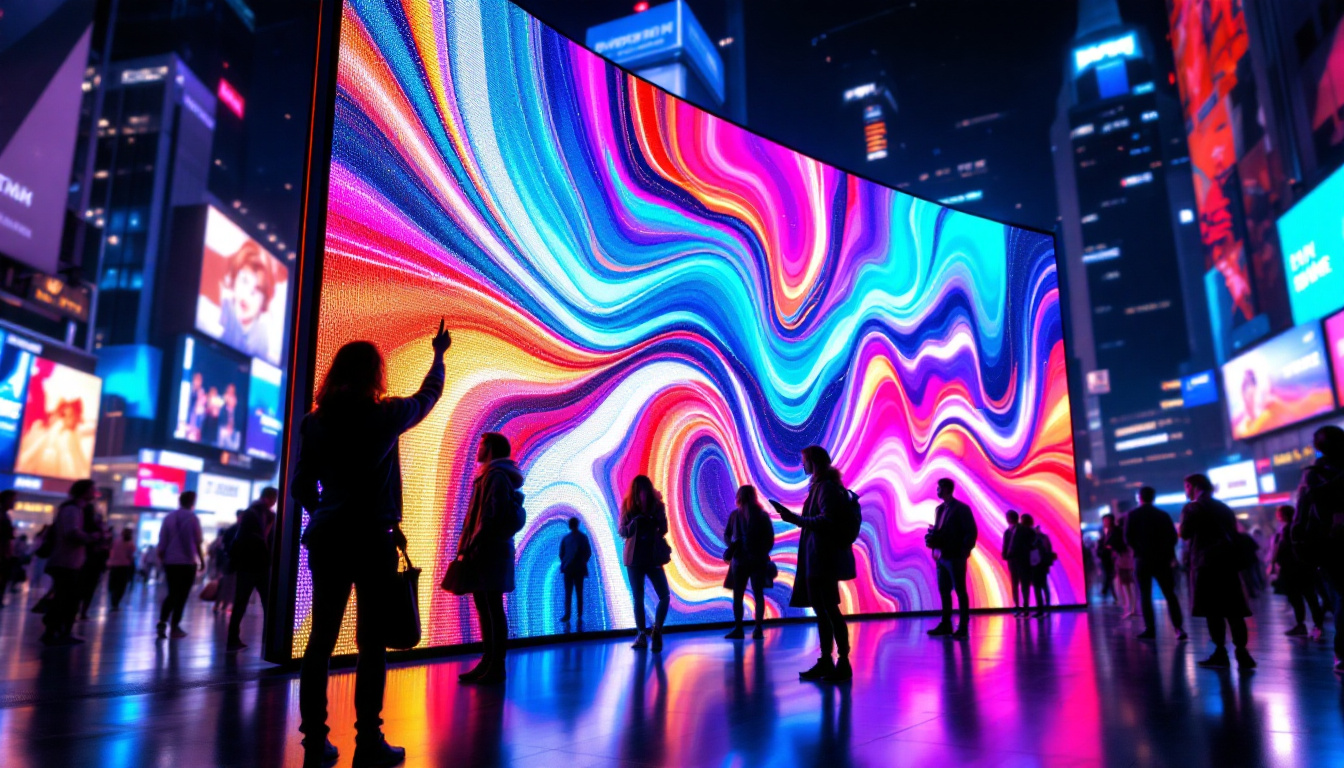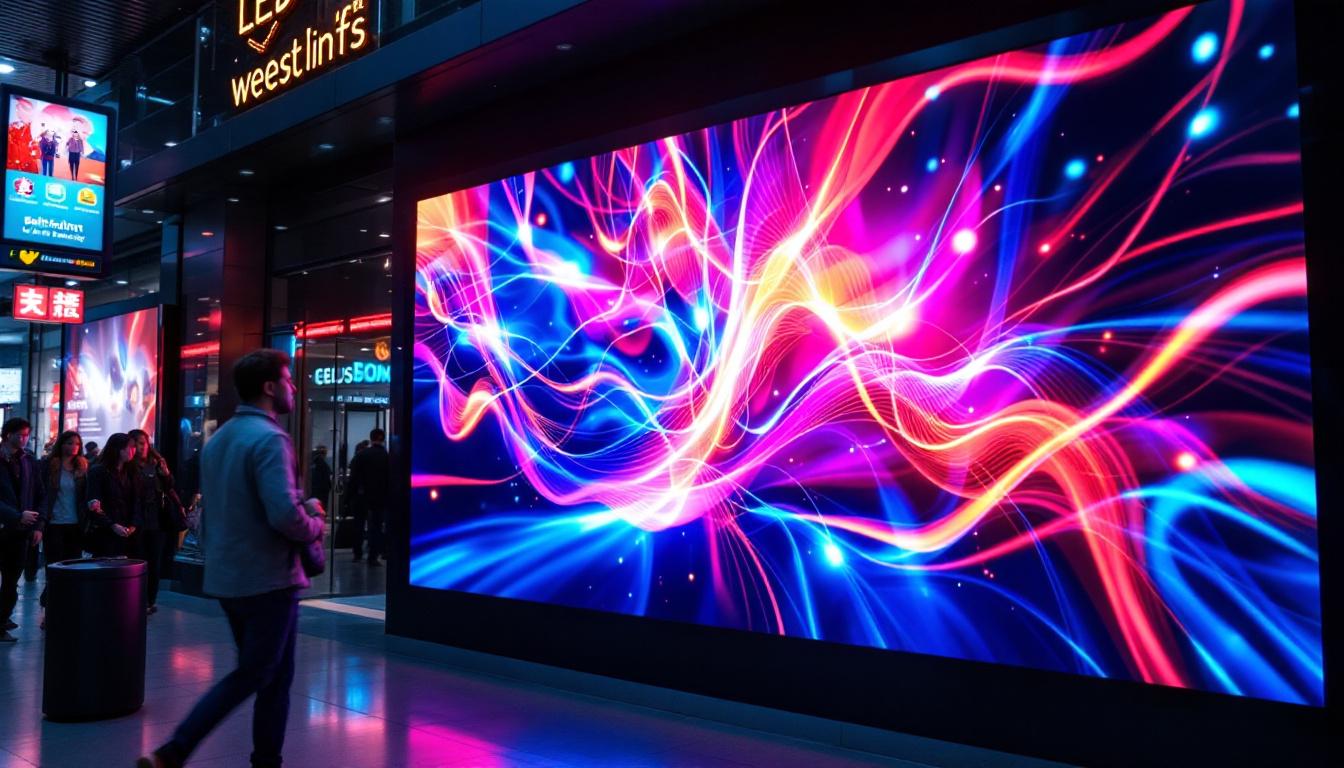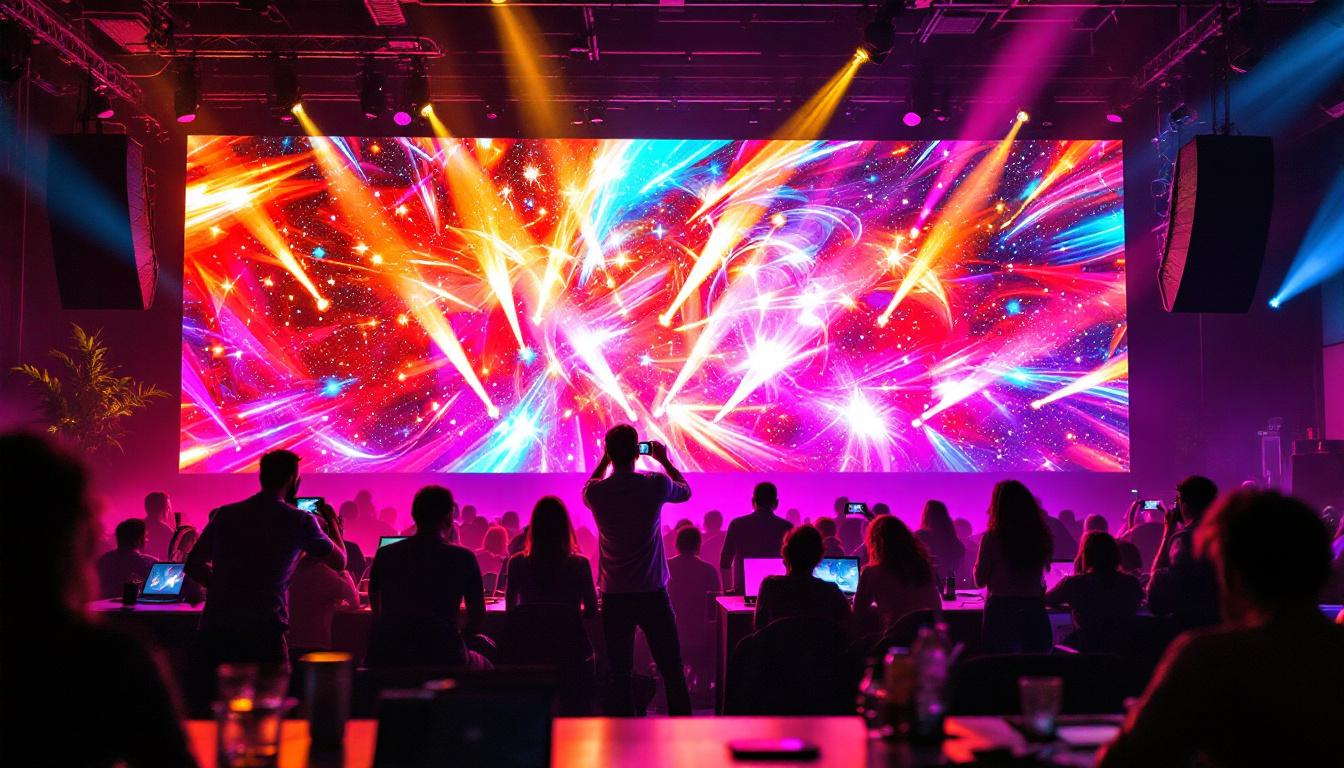
In an era where digital signage and large-format displays dominate advertising, entertainment, and information dissemination, understanding LED display technology is essential. Eboard TVs, a popular form of LED display, have revolutionized the way businesses and venues communicate visually with their audiences. This article delves into the intricacies of Eboard TVs, exploring what LED displays are, how they work, their advantages, and why they are becoming the preferred choice across various industries.
What is an Eboard TV?
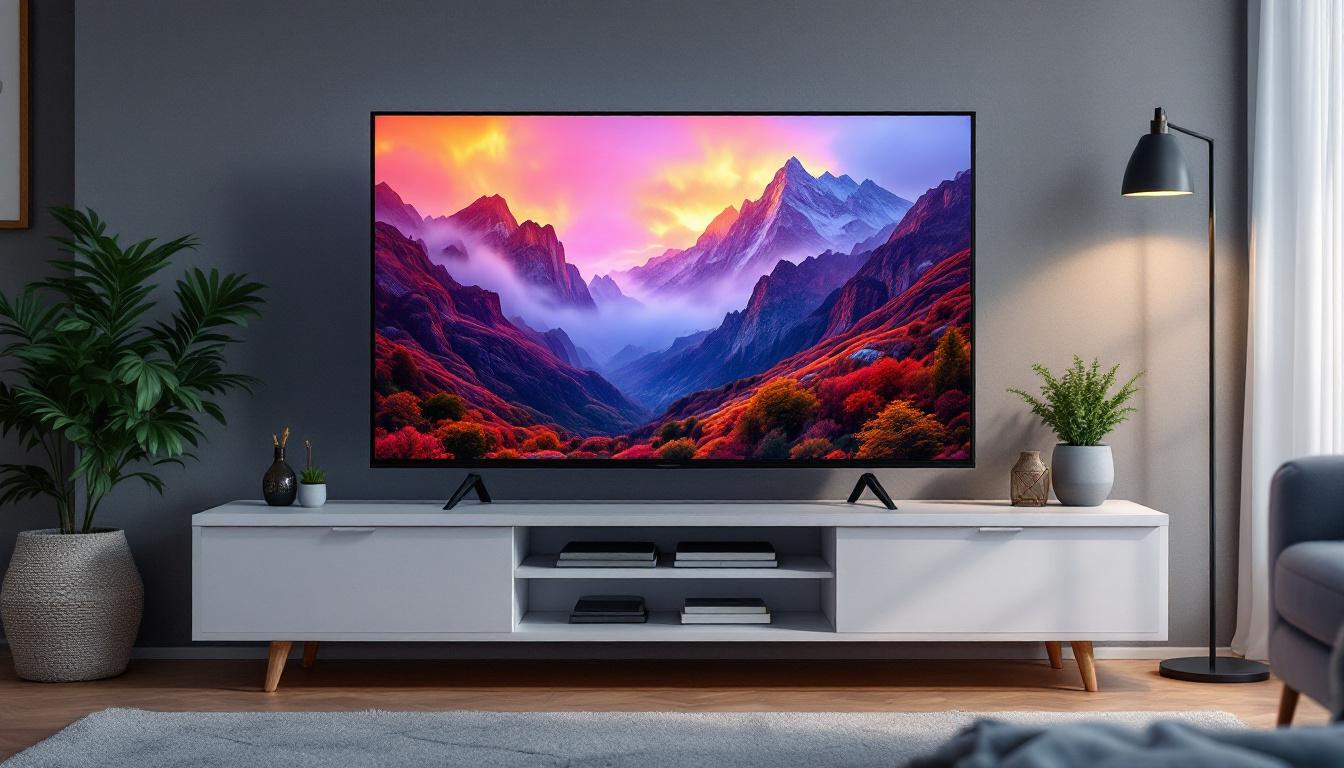
An Eboard TV is essentially a large-scale LED display panel designed for dynamic visual content presentation. Unlike traditional LCD or plasma screens, Eboard TVs utilize a matrix of light-emitting diodes (LEDs) to create vivid images and videos. These displays are commonly used in outdoor advertising, stadiums, retail environments, and corporate settings due to their brightness, durability, and scalability.
The term “Eboard” often refers to electronic billboards or electronic boards that leverage LED technology to deliver high-impact visuals. They can range from small indoor units to massive outdoor installations spanning hundreds of square meters. The flexibility in size and resolution makes Eboard TVs suitable for a wide array of applications, from simple message boards to complex video walls.
How Eboard TVs Differ from Other Display Technologies
Traditional display technologies, such as LCD and plasma, rely on backlighting or gas plasma cells to produce images. While these technologies offer good color reproduction and resolution, they often fall short in brightness and energy efficiency when compared to LED displays. Eboard TVs, built on LED technology, emit light directly from each diode, resulting in superior brightness and contrast ratios.
Additionally, LED displays have a longer lifespan and are more robust against environmental factors like temperature fluctuations and moisture, making them ideal for outdoor use. The modular nature of Eboard TVs also allows for easier maintenance and customization compared to fixed-panel displays.
Understanding LED Display Technology
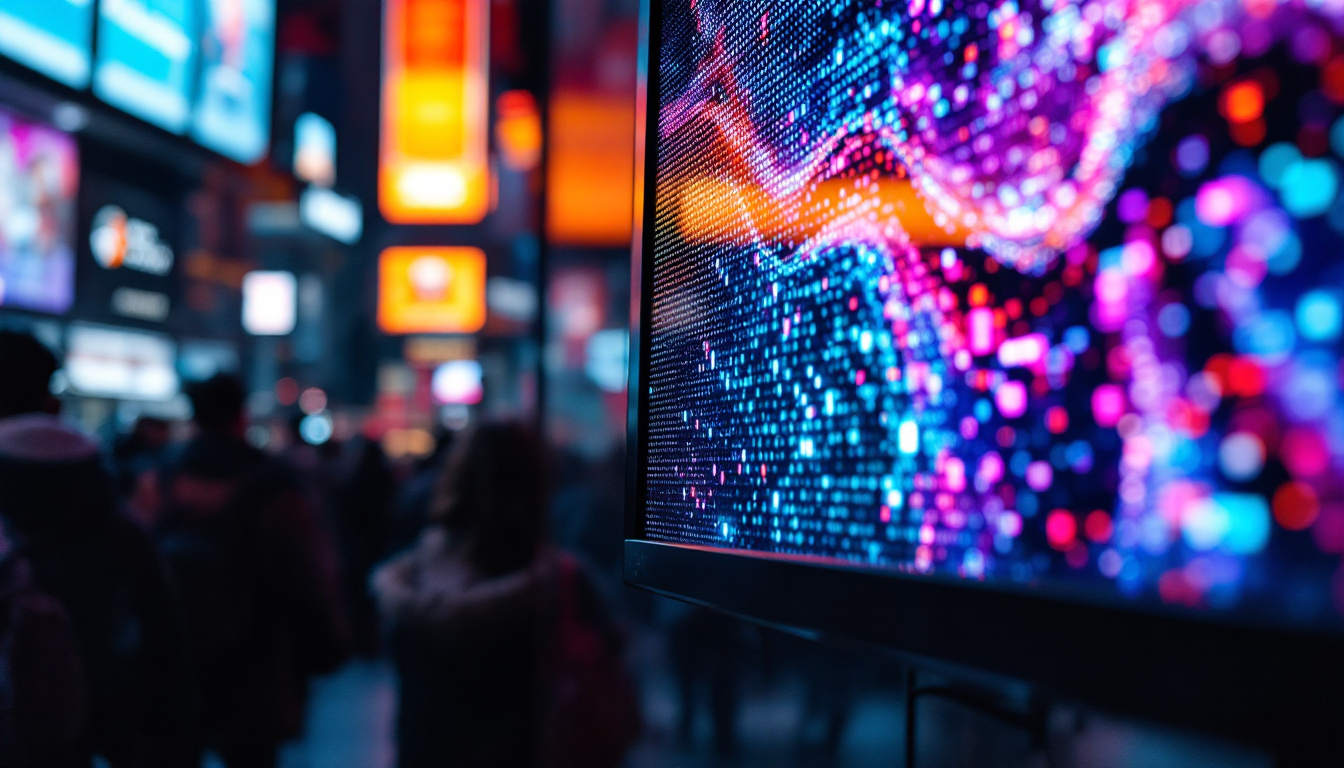
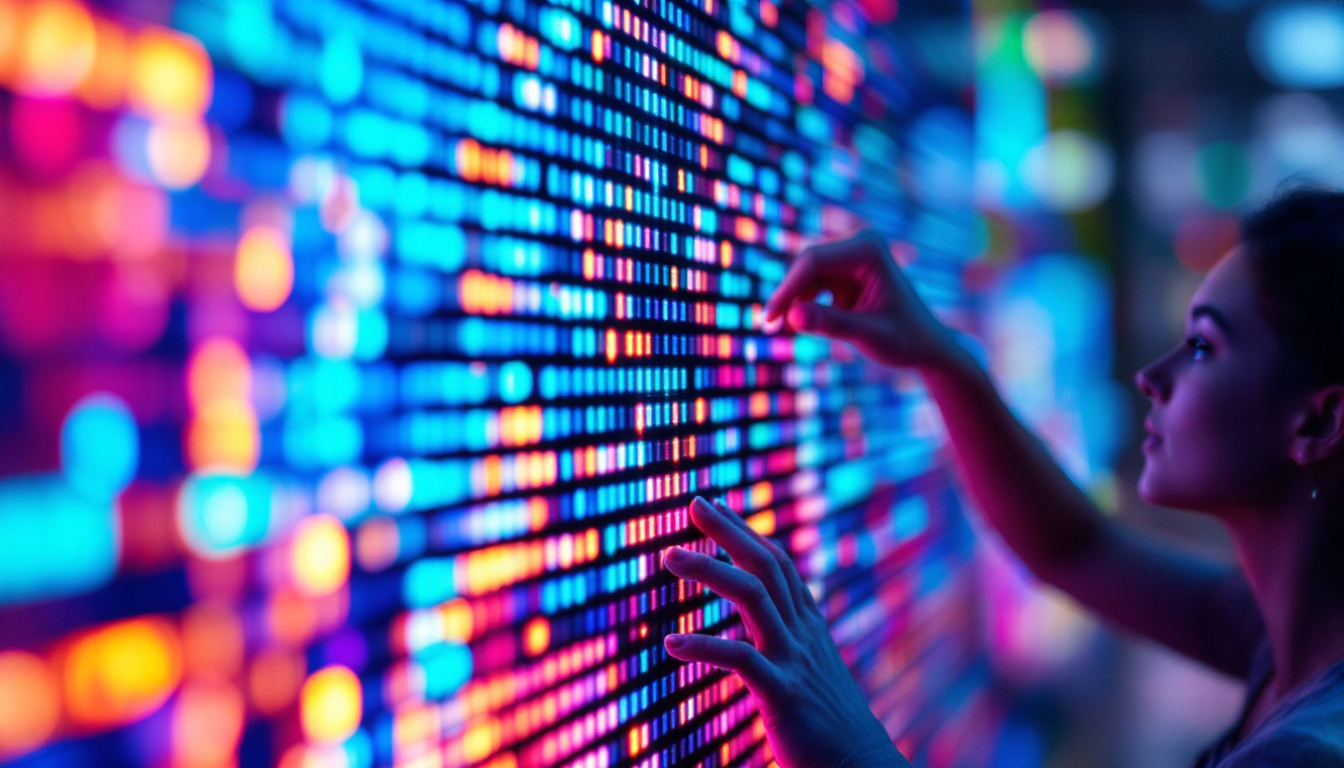
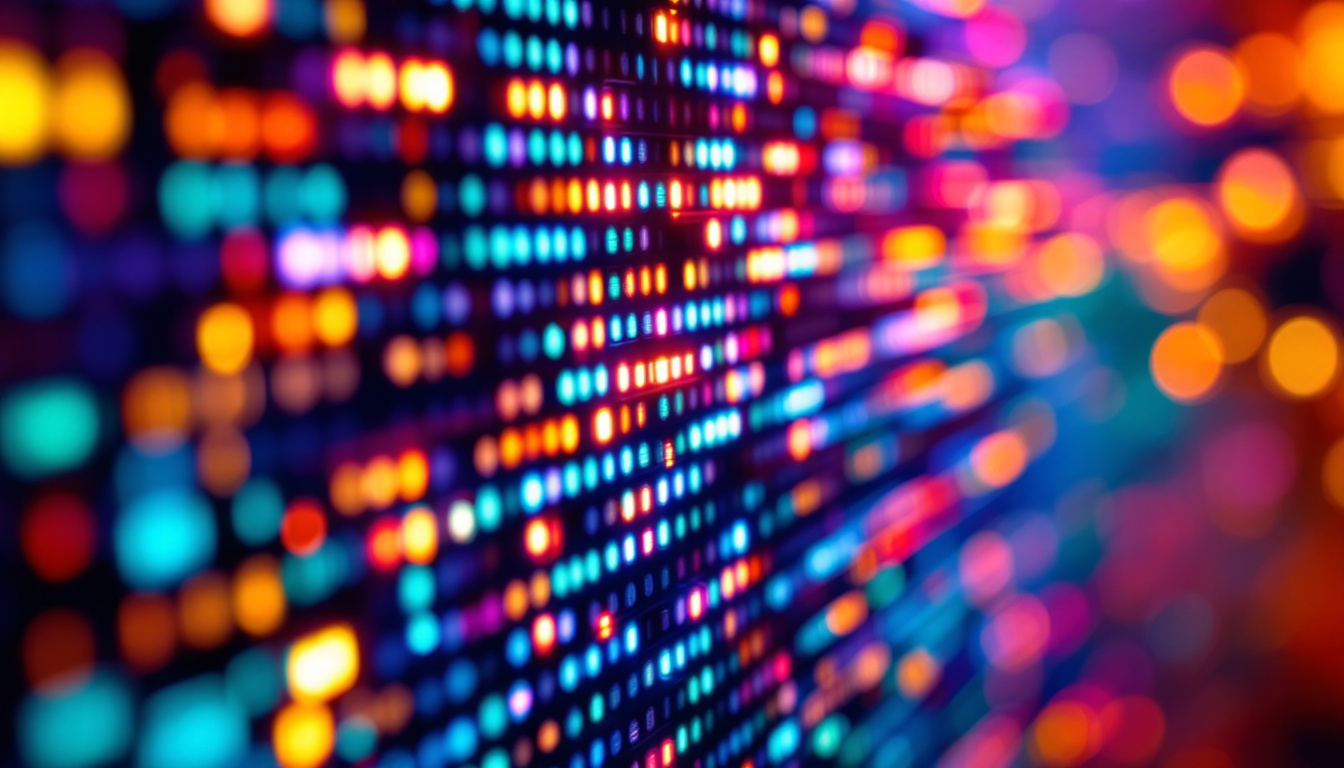
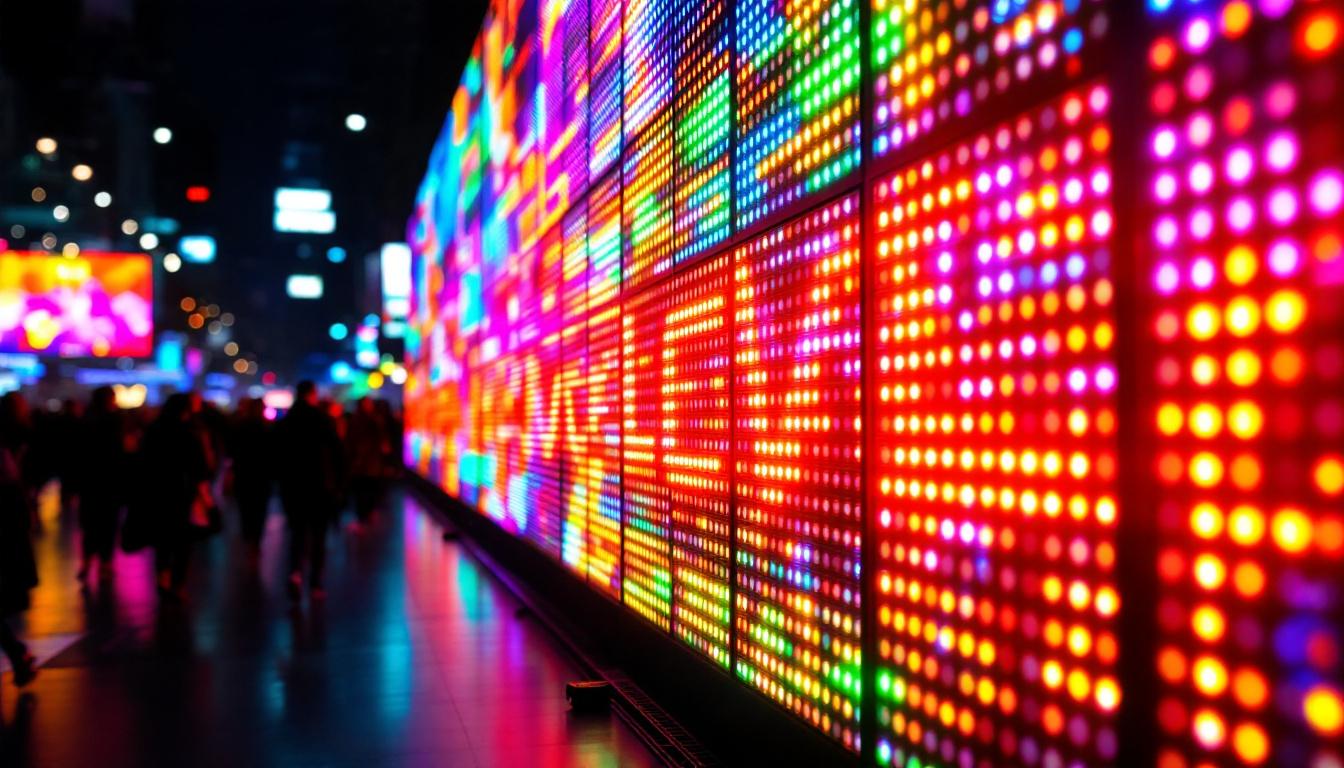
To appreciate the capabilities of Eboard TVs, it is important to understand the fundamentals of LED display technology. At its core, an LED display consists of thousands to millions of tiny LEDs arranged in a grid. Each LED functions as a single pixel or part of a pixel, emitting light in red, green, and blue (RGB) to produce a full spectrum of colors.
Types of LEDs Used in Displays
There are primarily two types of LEDs used in display technology: surface-mounted device (SMD) LEDs and through-hole LEDs. SMD LEDs are compact and capable of producing fine pixel pitches, making them ideal for high-resolution indoor displays. Through-hole LEDs, on the other hand, are larger and typically used for outdoor displays where viewing distances are greater.
The choice between SMD and through-hole LEDs affects the display’s pixel pitch—the distance between the centers of two adjacent pixels—which in turn influences image clarity and viewing distance. Eboard TVs often employ a combination of these technologies depending on their intended use.
Pixel Pitch and Resolution
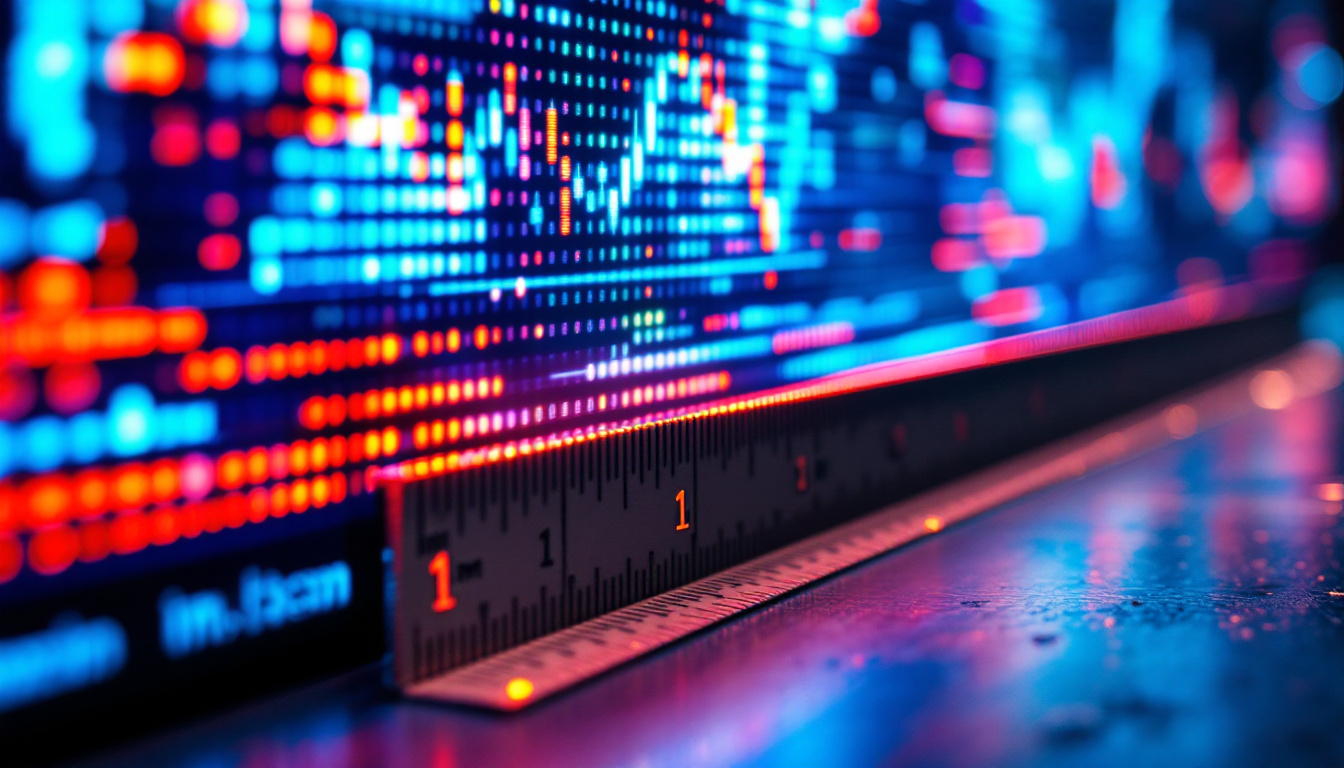
Pixel pitch is a critical factor in LED display performance. A smaller pixel pitch means more LEDs per square meter, resulting in higher resolution and sharper images. For example, an indoor Eboard TV might have a pixel pitch as low as 1.2mm, delivering crisp visuals even at close range. Outdoor models generally have larger pixel pitches, such as 10mm or more, optimized for visibility from a distance.
Resolution, expressed in pixels (width x height), depends on the total number of LEDs in the display. Higher resolution Eboard TVs can display detailed graphics, videos, and even live feeds with excellent clarity, making them versatile for various content types.
Advantages of Eboard TVs
Eboard TVs offer numerous benefits that make them a compelling choice for businesses and organizations looking to enhance their visual communication strategies. These advantages extend beyond just image quality and include operational and economic factors.
Exceptional Brightness and Visibility
One of the standout features of Eboard TVs is their exceptional brightness. Unlike LCD screens that rely on backlighting, LEDs emit light directly, allowing Eboard TVs to achieve brightness levels exceeding 5,000 nits in some models. This high brightness ensures content remains visible even under direct sunlight, a crucial factor for outdoor advertising and public displays.
Moreover, the wide viewing angles of LED displays ensure that images and videos are clear and vibrant from almost any perspective, enhancing audience engagement regardless of their position relative to the screen.
Energy Efficiency and Longevity
LED technology is inherently energy-efficient compared to other display types. Eboard TVs consume less power while delivering brighter images, which translates into lower operational costs over time. This energy efficiency is particularly important for large-scale installations that run continuously.
In terms of lifespan, LEDs typically last between 50,000 to 100,000 hours, significantly longer than LCD or plasma displays. This durability reduces the need for frequent replacements and maintenance, providing better return on investment.
Customization and Scalability
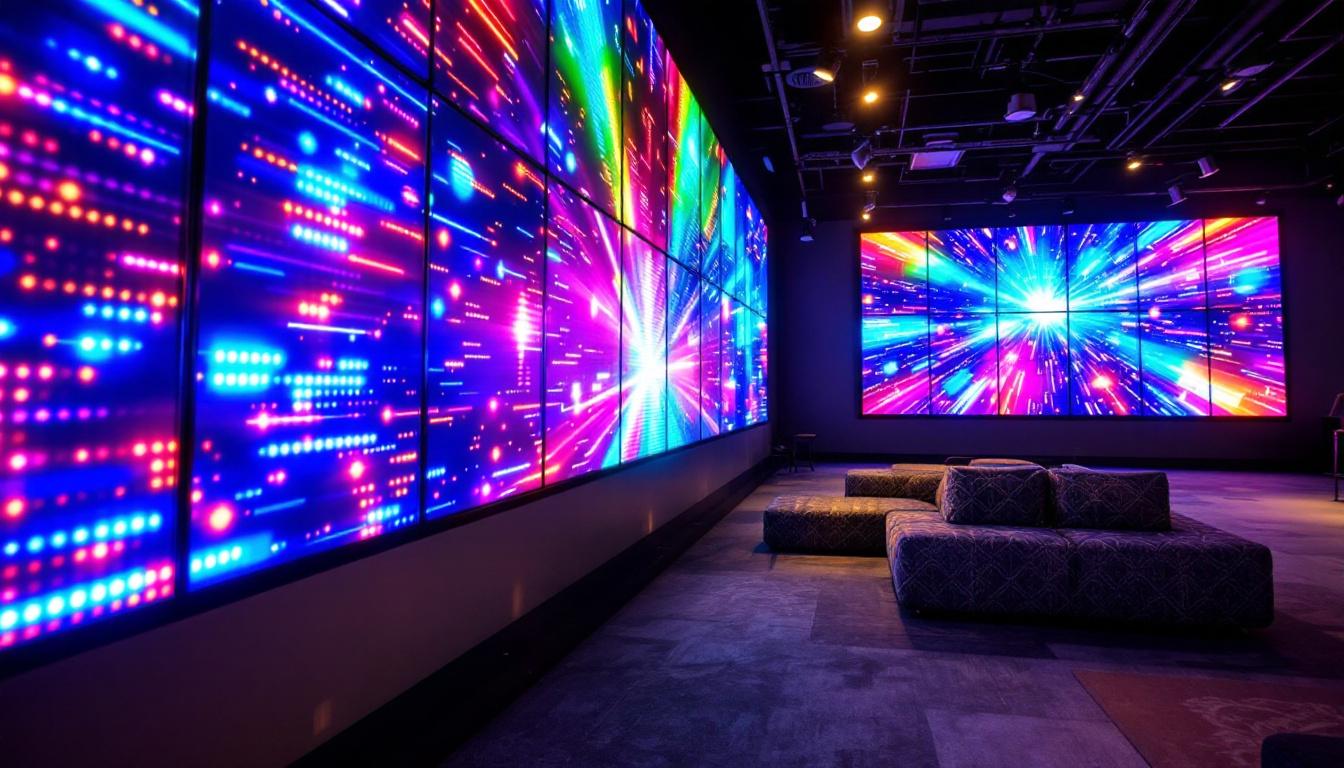
Eboard TVs are highly modular, allowing for customized sizes and shapes to fit specific spaces and design requirements. Whether it’s a curved display wrapping around a building facade or a multi-panel video wall inside a conference center, Eboard TVs can be tailored to suit diverse environments.
Scalability is another key advantage. Additional panels can be added to expand the display area without compromising image quality or performance. This flexibility makes Eboard TVs adaptable to evolving business needs and technological advancements.
Applications of Eboard TVs Across Industries
The versatility of Eboard TVs has led to their adoption in a wide range of sectors. Their ability to deliver dynamic, eye-catching content makes them invaluable tools for communication, marketing, and entertainment.
Advertising and Outdoor Signage
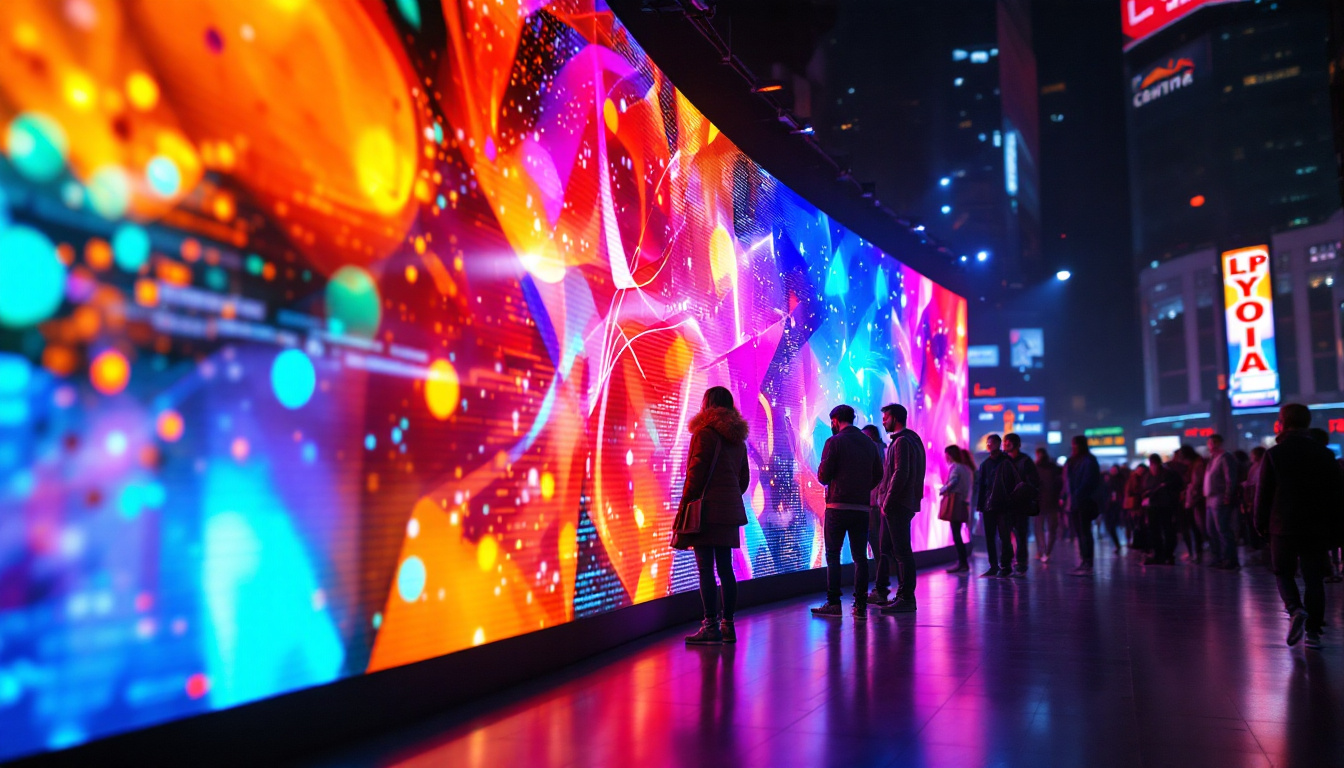
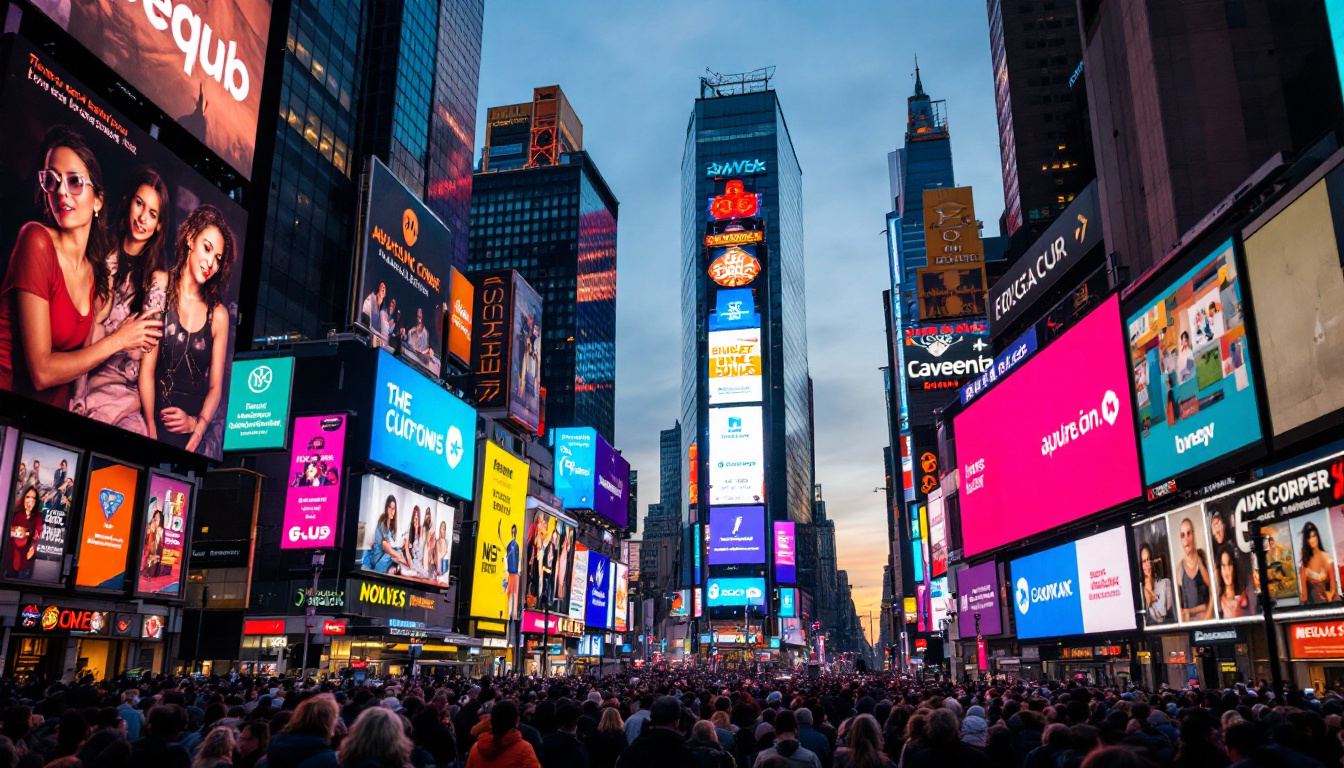
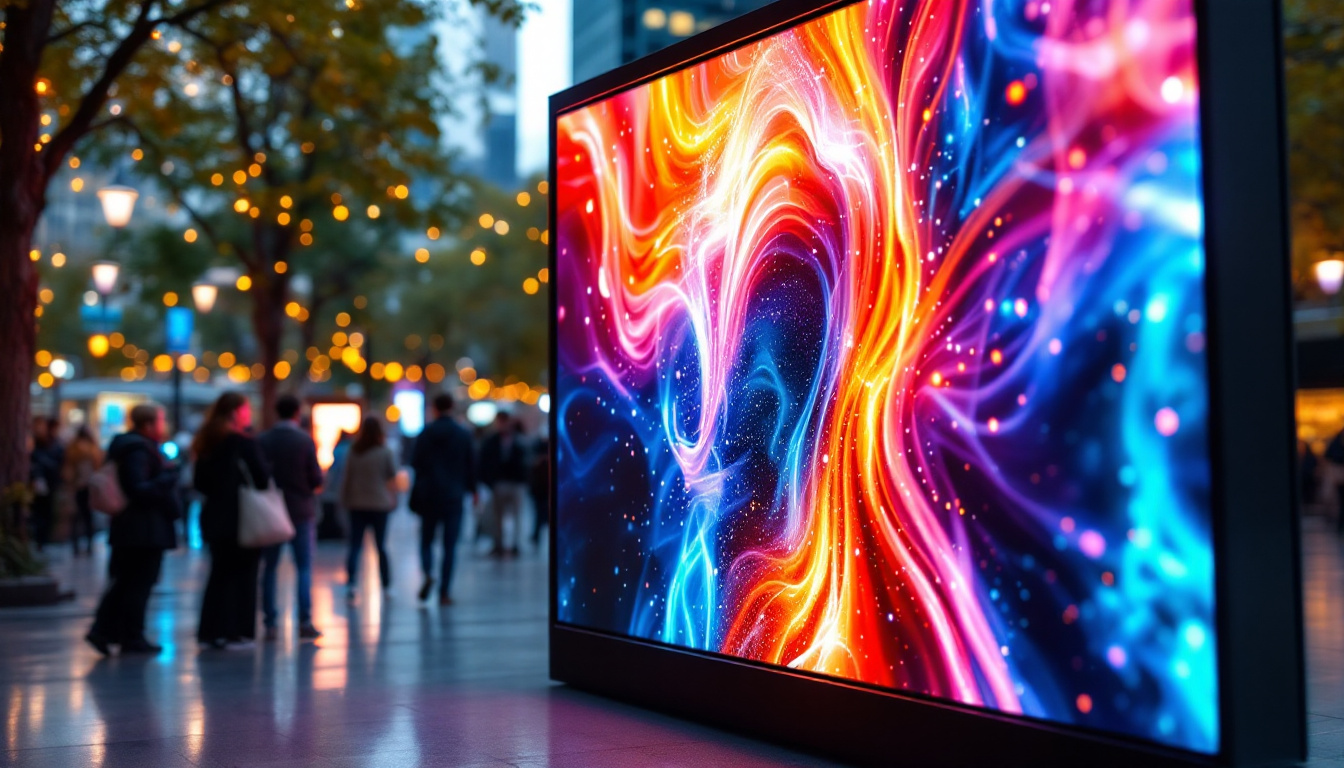
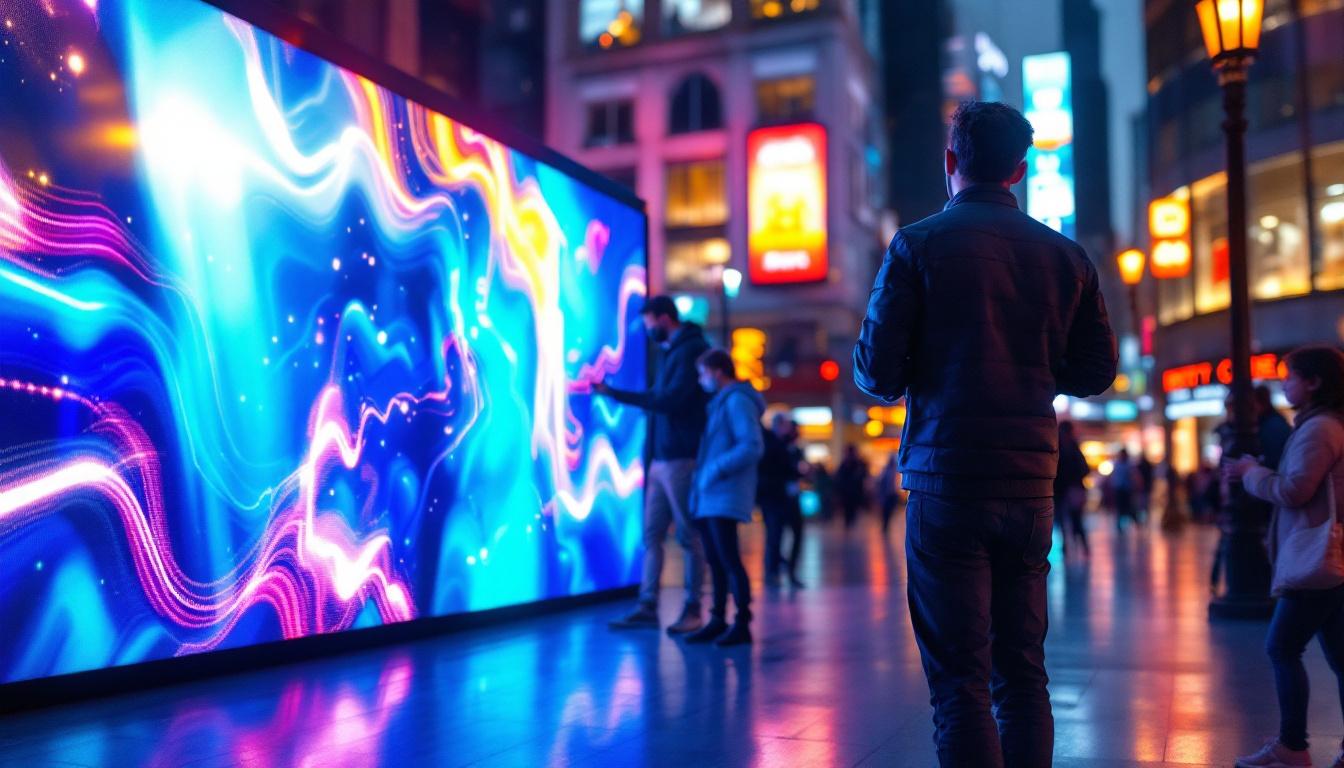
Outdoor advertising is one of the most prominent uses of Eboard TVs. Digital billboards equipped with LED displays offer advertisers the ability to change content instantly, schedule advertisements, and incorporate interactive elements. According to recent industry reports, digital out-of-home (DOOH) advertising is expected to grow at a compound annual growth rate (CAGR) of over 10% through 2027, driven largely by LED display adoption.
Eboard TVs’ resilience to weather and high brightness levels make them ideal for busy urban environments, highways, and shopping centers, ensuring messages reach large audiences effectively.
Sports and Entertainment Venues
In stadiums and arenas, Eboard TVs are used for scoreboards, instant replays, and promotional content. Their large size and high resolution enhance the spectator experience by providing clear visuals from any seat. Many modern sports venues have integrated Eboard TVs into their infrastructure to deliver immersive content, including live feeds, advertisements, and fan engagement activities.
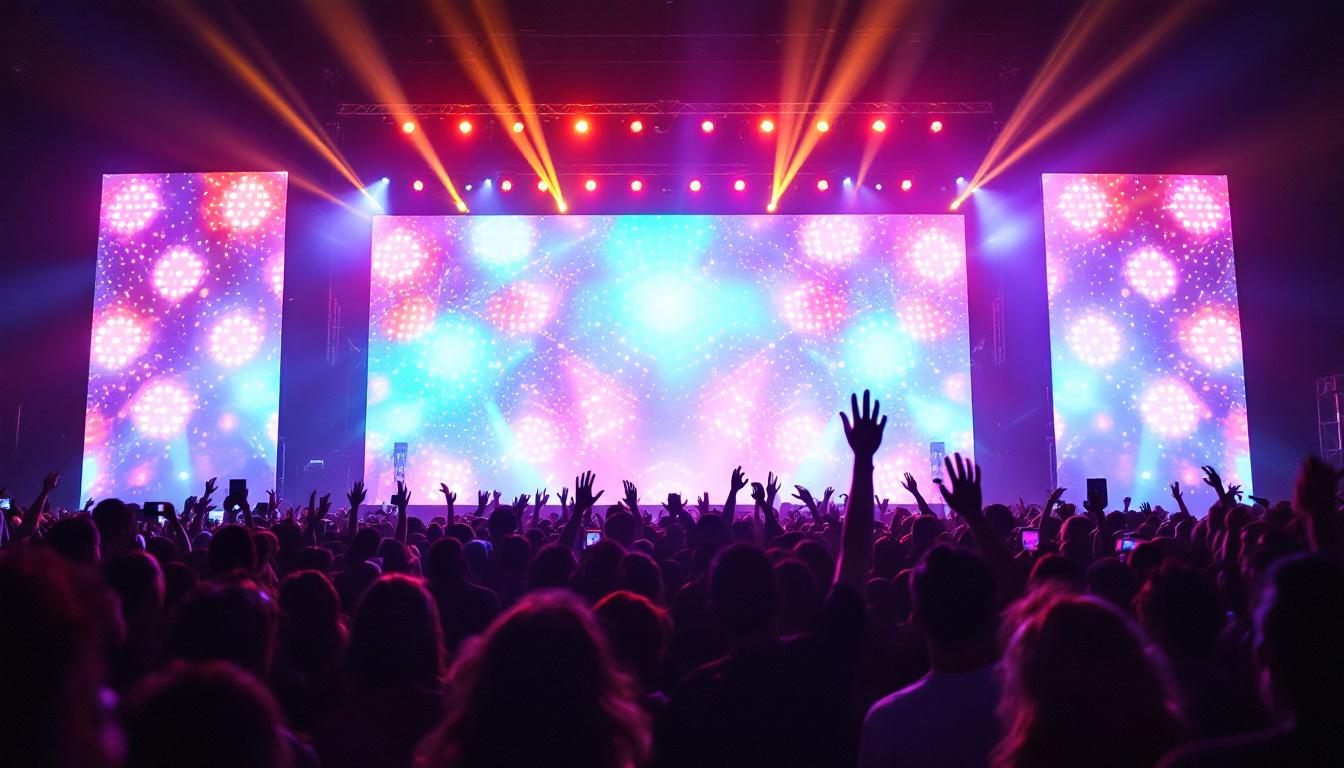
Concerts and festivals also leverage LED displays for stage backdrops and visual effects, creating memorable experiences that blend audio and visual elements seamlessly.
Corporate and Educational Settings
Within corporate environments, Eboard TVs serve as digital notice boards, presentation screens, and video conferencing displays. Their ability to display real-time data and multimedia content supports efficient communication and collaboration.
Educational institutions utilize Eboard TVs to enhance learning through interactive displays, digital signage, and event broadcasting. The adaptability and clarity of LED displays contribute to more engaging and accessible educational content delivery.
Key Considerations When Choosing an Eboard TV
Selecting the right Eboard TV involves evaluating several factors to ensure the display meets specific needs and maximizes value. Understanding these considerations can help businesses make informed decisions.
Viewing Distance and Environment
The intended viewing distance is crucial in determining the appropriate pixel pitch and resolution. For example, a display intended for close-range indoor viewing requires a finer pixel pitch to maintain image sharpness, whereas outdoor displays viewed from afar can have larger pixel pitches.
Environmental conditions such as exposure to sunlight, temperature extremes, and moisture also influence the choice of LED technology and protective features. Outdoor Eboard TVs often include weatherproof enclosures and brightness sensors to adapt to changing light conditions.
Content Type and Usage
The nature of the content to be displayed—whether static images, videos, animations, or live feeds—affects the technical specifications needed. High-motion video content demands higher refresh rates and color accuracy, while static signage may prioritize brightness and contrast.
Frequency of use and operational hours should also be considered, as continuous operation requires displays with robust cooling systems and energy-efficient components.
Budget and Total Cost of Ownership
While initial investment in Eboard TVs can be significant, it is important to consider total cost of ownership, including installation, maintenance, energy consumption, and potential upgrades. Investing in higher-quality components and reputable manufacturers often results in better performance and lower long-term costs.
Leasing options and service contracts may also be viable for organizations looking to manage upfront expenses while ensuring ongoing support and maintenance.
The Future of Eboard TVs and LED Displays
The LED display industry continues to evolve rapidly, driven by advancements in technology and growing demand for immersive visual experiences. Innovations such as microLED technology, flexible displays, and enhanced color rendering are poised to redefine the capabilities of Eboard TVs.
MicroLED and Beyond
MicroLED technology, which uses microscopic LEDs to create displays, promises even higher resolution, brightness, and energy efficiency. This advancement could lead to thinner, lighter, and more versatile Eboard TVs capable of delivering unprecedented image quality.
Flexible and transparent LED displays are also emerging, enabling creative applications such as curved screens, wearable displays, and augmented reality interfaces, expanding the potential uses of Eboard TVs beyond traditional formats.
Integration with Smart Technologies
Integration with Internet of Things (IoT) and artificial intelligence (AI) is enhancing the functionality of Eboard TVs. Smart displays can adapt content based on audience demographics, environmental conditions, and real-time data analytics, providing personalized and context-aware messaging.
These capabilities are particularly valuable in retail, transportation hubs, and public spaces where targeted communication can improve customer engagement and operational efficiency.
Conclusion
Eboard TVs represent a powerful convergence of technology and communication, offering bright, durable, and versatile LED displays that meet the demands of modern visual media. Their widespread adoption across advertising, entertainment, corporate, and educational sectors underscores their effectiveness and adaptability.
Understanding the technical aspects of LED displays, such as pixel pitch, resolution, and LED types, alongside practical considerations like environment and content, equips organizations to select the right Eboard TV solutions. As LED technology continues to advance, the future holds exciting possibilities for even more dynamic and immersive display experiences.
For businesses and institutions aiming to captivate audiences and convey messages with impact, investing in Eboard TVs is a forward-thinking decision that aligns with the evolving landscape of digital communication.
Discover LumenMatrix’s Innovative LED Solutions
Ready to elevate your visual communication with the latest in LED display technology? Look no further than LumenMatrix, a pioneer in crafting LED display modules that bring your brand to life. From Indoor and Outdoor LED Wall Displays to specialized solutions like Vehicle, Sports, and Floor LED Displays, LumenMatrix offers a comprehensive range of products designed to captivate and engage your audience. Embrace the future of digital signage with our Custom, All-in-One, and Transparent LED Displays. Check out LumenMatrix LED Display Solutions and transform your visual storytelling today.