In the rapidly evolving landscape of healthcare technology, the integration of advanced digital solutions has become essential for enhancing patient experience, streamlining communication, and improving operational efficiency. One such technology gaining prominence in medical facilities is the LED display system. At Adc North Austin Medical Center, LED displays play a crucial role in delivering timely information, guiding patients, and supporting staff workflows. This article delves into the specifics of LED display technology at Adc North Austin Medical Center, exploring its applications, benefits, and the technology behind it.
Understanding LED Display Technology
What is an LED Display?
LED, or Light Emitting Diode, displays are digital screens composed of numerous tiny light-emitting diodes that produce bright, vibrant images and text. Unlike traditional LCD or plasma screens, LED displays offer superior brightness levels, energy efficiency, and durability. These characteristics make them especially suitable for environments like medical centers where visibility and reliability are paramount.
The technology behind LED displays involves arranging diodes in a grid to form pixels, which can be individually controlled to display a wide range of colors and dynamic content. This flexibility allows for real-time updates, animations, and high-resolution visuals that can capture attention effectively. Additionally, the low power consumption of LED technology contributes to sustainability efforts within healthcare facilities, reducing operational costs while maintaining high-quality visual communication.
Types of LED Displays Used in Healthcare Settings
Healthcare facilities typically use several types of LED displays, including:
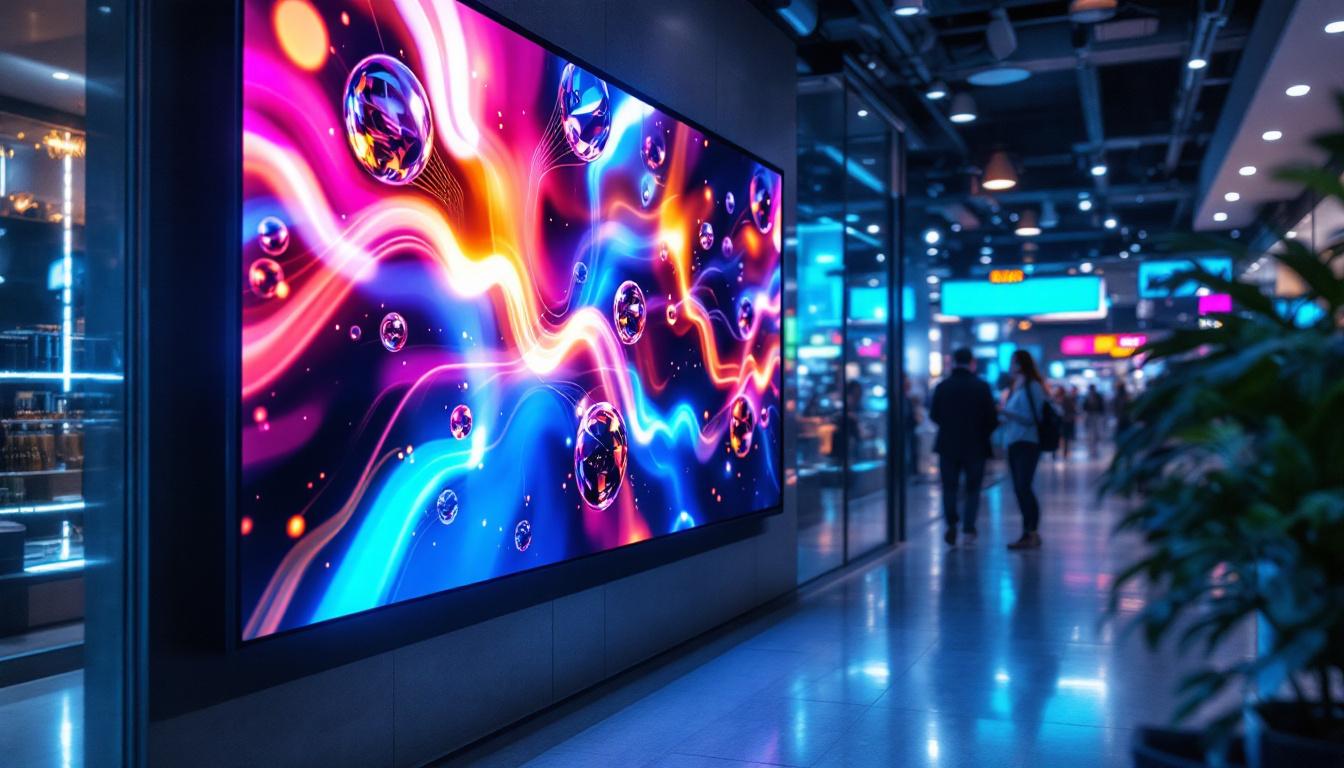
- Indoor LED Displays: These are designed for controlled lighting environments such as lobbies, waiting rooms, and hallways. They offer high resolution and clarity for close-range viewing.
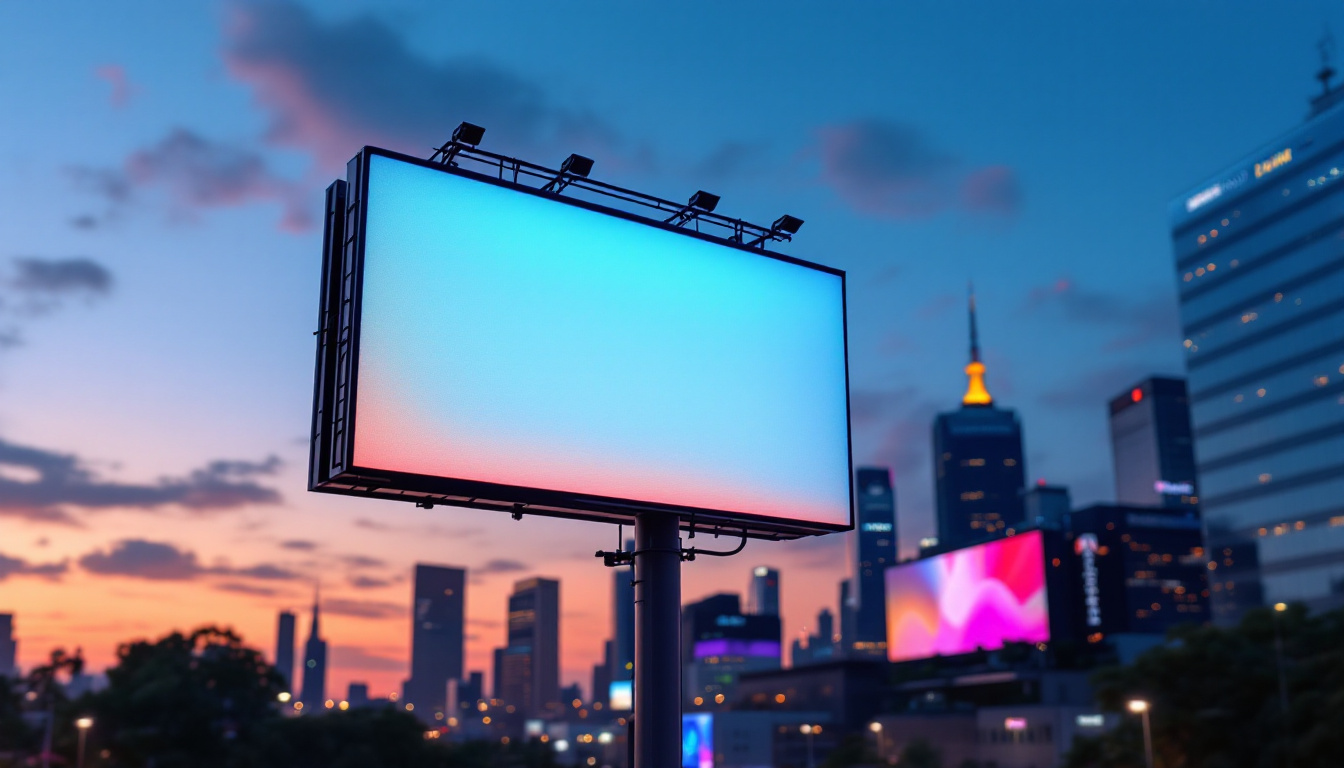
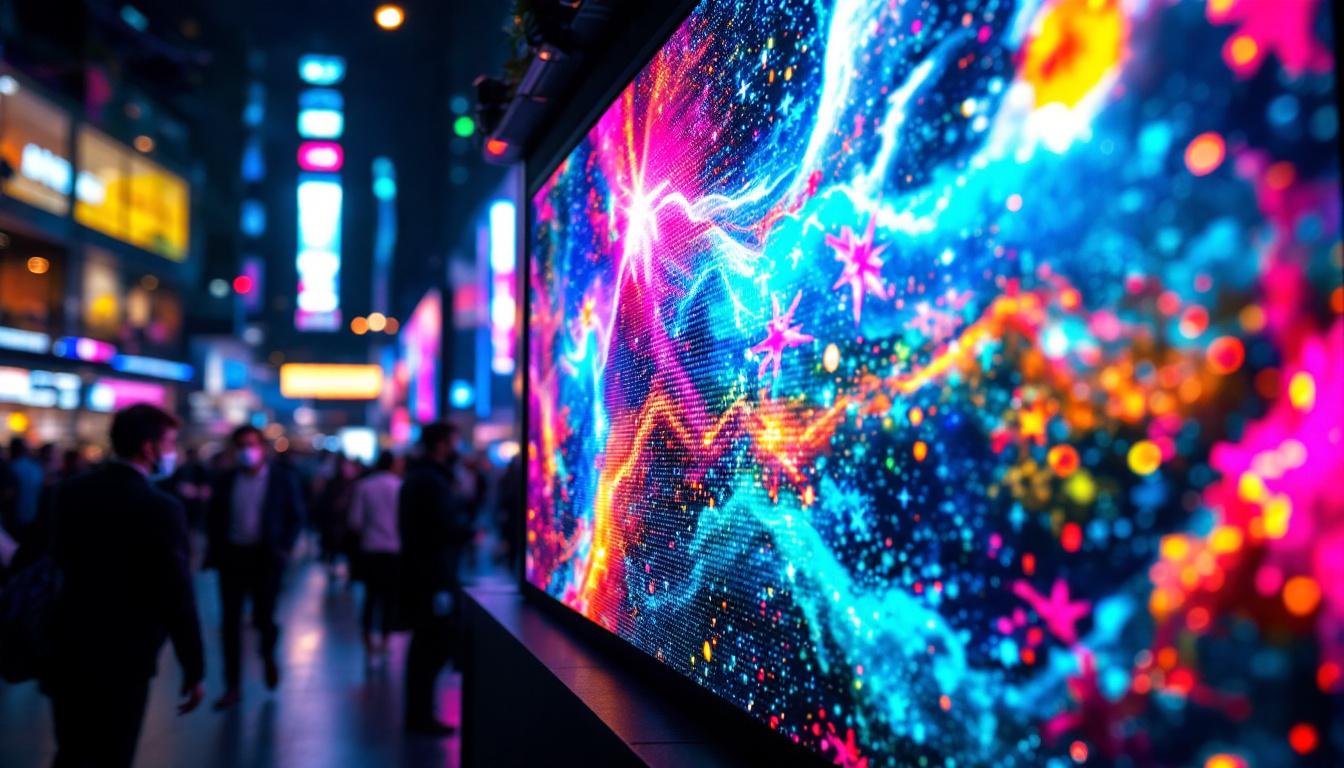
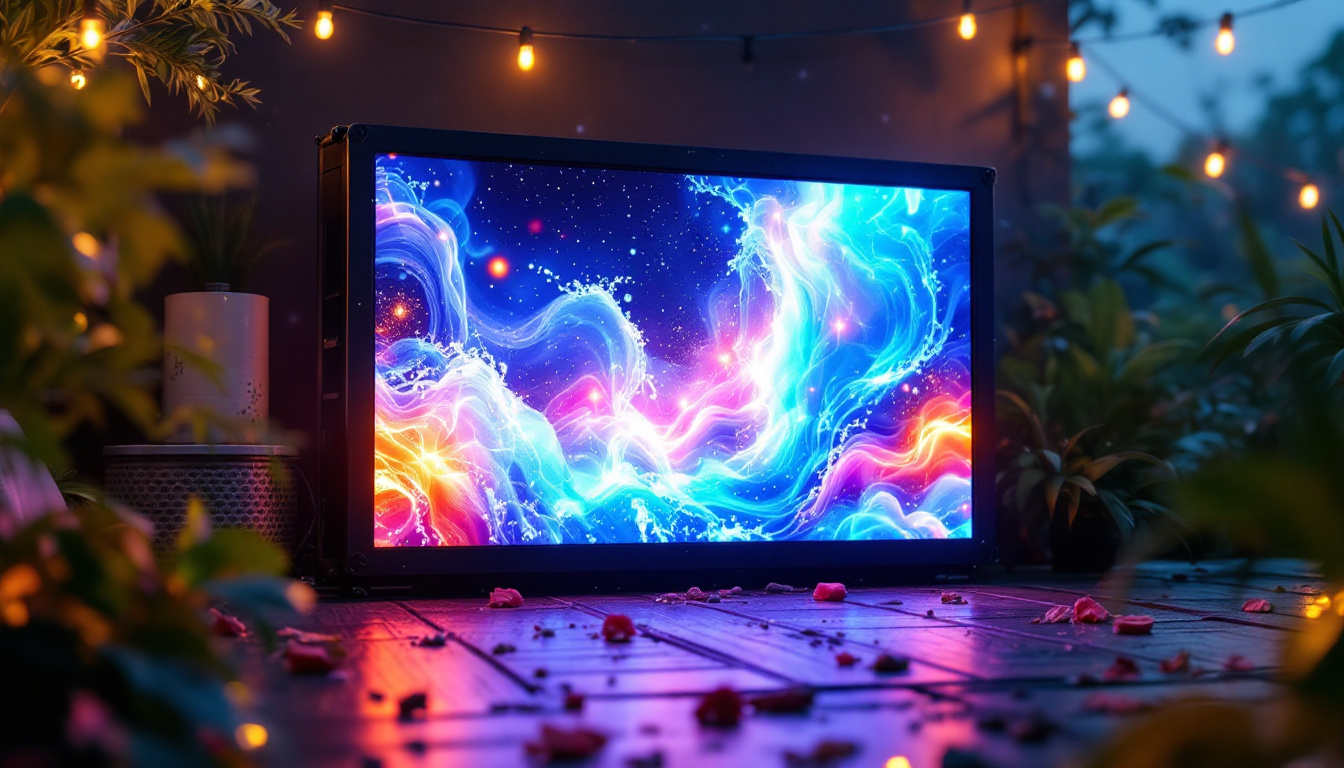
- Outdoor LED Displays: Built to withstand weather conditions, these displays are used for external signage, parking guidance, or announcements visible from a distance.
- Transparent LED Displays: Innovative and space-saving, these displays can be integrated into glass walls or windows, providing information without obstructing views.
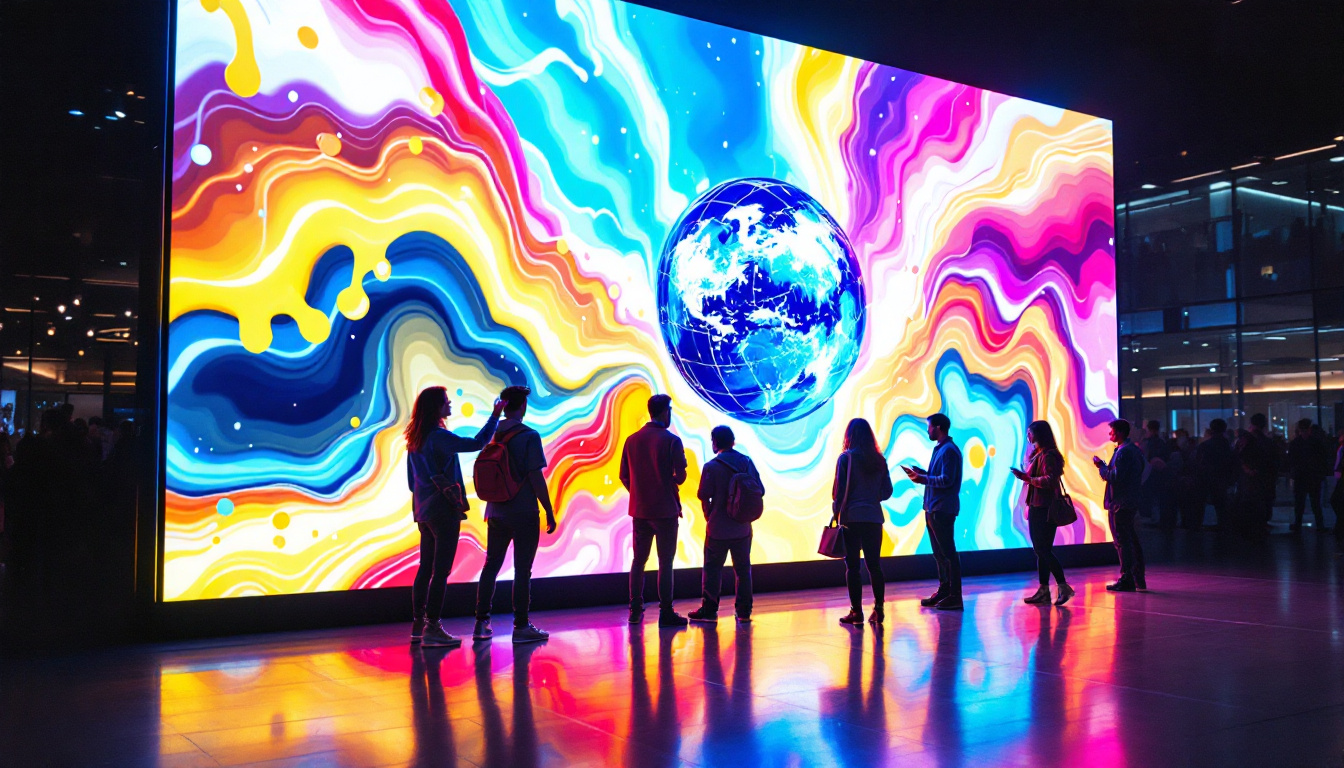
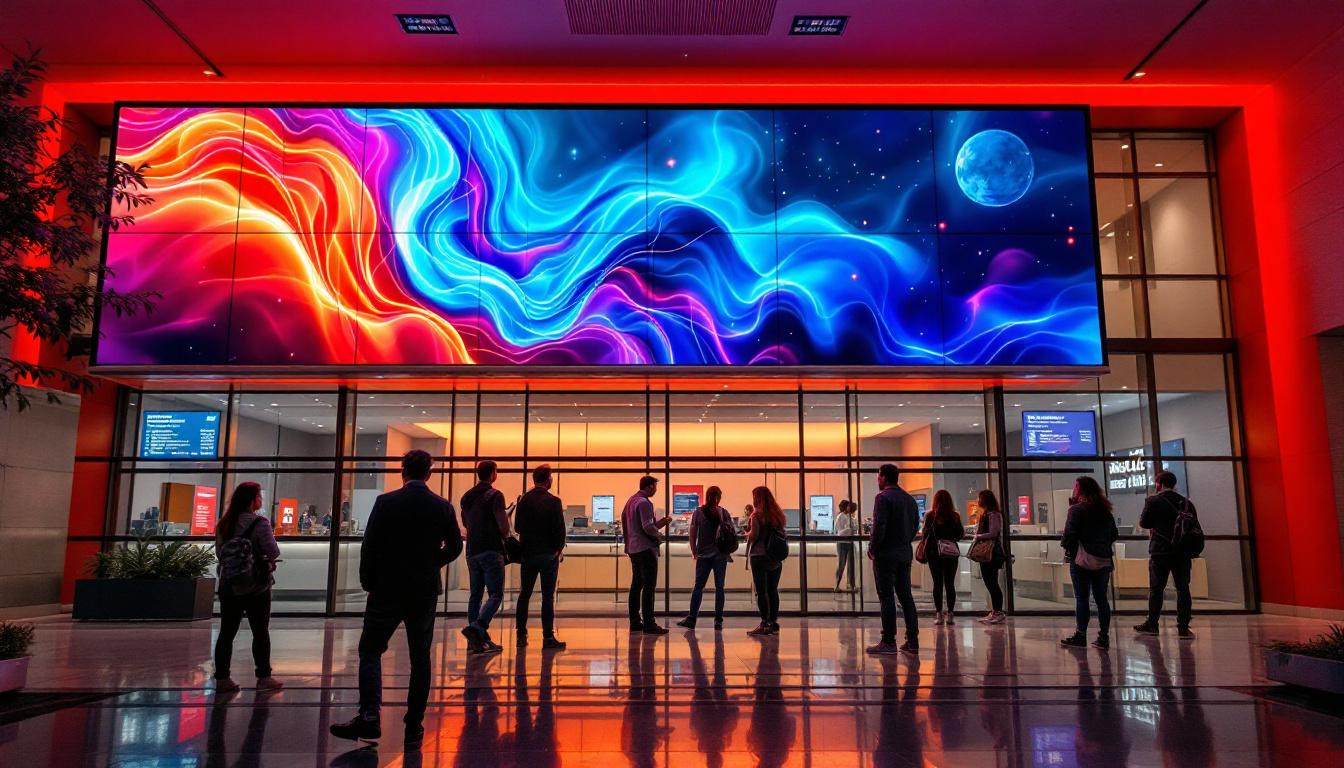
At Adc North Austin Medical Center, a combination of indoor and outdoor LED displays is utilized to optimize communication both inside the facility and in surrounding areas. The indoor displays serve not only to inform patients and visitors about wait times and health tips but also to enhance the ambiance of the space with soothing visuals and calming messages. Meanwhile, the outdoor displays play a crucial role in directing traffic and providing essential information, such as emergency alerts or health advisories, to the community at large.
Moreover, the integration of LED technology in healthcare settings extends beyond mere information dissemination. Many facilities are now leveraging interactive LED displays that allow patients to engage with content directly, such as accessing their medical records or learning about available services. This interactivity not only empowers patients but also streamlines administrative processes, making healthcare more efficient and patient-centered. As technology continues to evolve, the potential applications of LED displays in healthcare are bound to expand, paving the way for more innovative solutions that enhance patient experience and operational efficiency.
“`html
Applications of LED Displays at Adc North Austin Medical Center
Enhancing Patient Communication
One of the primary uses of LED displays at the medical center is to improve patient communication. Waiting rooms and reception areas feature LED screens that provide real-time updates on appointment schedules, estimated wait times, and important health advisories. This transparency helps reduce patient anxiety and keeps visitors informed about their care process.
Moreover, LED displays are used to broadcast educational content related to health and wellness. For example, during flu season, the screens might show vaccination information, preventive measures, and symptoms to watch for. This proactive communication supports public health efforts and empowers patients with knowledge. In addition to seasonal health tips, the displays also feature success stories from patients who have undergone various treatments, showcasing the positive outcomes and reinforcing the importance of following medical advice.
Wayfinding and Navigation
Large medical centers can be complex to navigate, especially for first-time visitors. Adc North Austin Medical Center employs LED displays strategically placed at key junctions to provide clear wayfinding information. Interactive kiosks with LED screens allow patients and visitors to search for departments, physicians, and amenities, significantly reducing confusion and improving overall experience. These kiosks are designed with user-friendly interfaces, allowing individuals of all ages to easily access the information they need.
Additionally, the LED wayfinding displays can be updated in real-time to reflect any changes in room assignments or department relocations, ensuring that visitors have the most current information at their fingertips. This adaptability not only enhances the patient experience but also aids in streamlining the flow of foot traffic within the facility, making it easier for everyone to reach their destinations efficiently.
Staff Coordination and Alerts
Behind the scenes, LED displays contribute to operational efficiency by facilitating staff communication. In high-traffic areas such as nurse stations and staff lounges, LED screens display shift schedules, emergency alerts, and important announcements. This real-time information sharing supports a coordinated approach to patient care and ensures staff remain informed about critical updates. The ability to quickly disseminate information helps in managing emergencies effectively, allowing healthcare professionals to respond promptly to any situation that may arise.
Furthermore, these displays can also highlight staff achievements and recognize exceptional performance, fostering a positive work environment and encouraging teamwork. By celebrating milestones and contributions, the medical center not only boosts morale but also reinforces a culture of excellence among its staff.
Promoting Events and Community Engagement
Adc North Austin Medical Center also leverages LED displays to promote upcoming health fairs, vaccination drives, and community outreach programs. By showcasing these events prominently, the center fosters stronger community ties and encourages participation in preventive health initiatives. The displays often feature testimonials from community members who have benefited from these programs, illustrating the tangible impact of the center’s outreach efforts.
In addition to health-related events, the LED displays also serve as a platform for local artists and health advocates to share their work and messages, further enriching the cultural fabric of the community. This initiative not only beautifies the medical environment but also creates a sense of belonging and engagement among patients and visitors, reinforcing the center’s commitment to holistic health and well-being.
“`
Benefits of LED Displays in Medical Environments
Improved Visibility and Accessibility
LED displays offer exceptional brightness and contrast, making them easily readable under various lighting conditions. This is particularly important in medical settings where clear communication can impact patient safety and satisfaction. Additionally, the ability to display content in multiple languages or formats supports accessibility for diverse patient populations.
Energy Efficiency and Sustainability
Compared to traditional lighting and display technologies, LED displays consume significantly less energy. This aligns with the growing emphasis on sustainable practices within healthcare institutions. By reducing energy consumption, Adc North Austin Medical Center not only lowers operational costs but also minimizes its environmental footprint.
Durability and Low Maintenance
Medical centers require reliable technology that can operate continuously without frequent breakdowns. LED displays are known for their long lifespan and resistance to damage, which translates to lower maintenance costs and less downtime. This reliability ensures that critical information remains accessible at all times.
Dynamic Content and Real-Time Updates
The flexibility of LED displays allows for dynamic content management, enabling the center to update messages instantly as situations evolve. Whether it’s an emergency announcement, a change in visiting hours, or a new health guideline, LED screens can be quickly reprogrammed to reflect the latest information.
Technical Considerations and Implementation at Adc North Austin Medical Center
Integration with Existing Systems
Implementing LED displays in a medical environment requires seamless integration with existing digital infrastructure. At Adc North Austin Medical Center, the LED systems are connected to the hospital’s central information network, allowing for synchronized updates across multiple screens. This integration ensures consistency and accuracy of information displayed throughout the facility.
Content Management Systems (CMS)
A sophisticated content management system underpins the operation of LED displays. The CMS enables authorized personnel to schedule, customize, and monitor content remotely. This centralized control is essential for maintaining up-to-date and relevant messaging without the need for manual intervention at each display location.
Compliance and Privacy Considerations
In healthcare settings, patient privacy and regulatory compliance are paramount. LED displays at Adc North Austin Medical Center are carefully managed to avoid displaying sensitive patient information publicly. The content strategy adheres to HIPAA guidelines and institutional policies to protect patient confidentiality while still providing valuable information.
Design and Placement Strategy
The effectiveness of LED displays depends heavily on their placement and design. The medical center’s design team collaborates with technology providers to position screens at optimal viewing angles and heights, ensuring maximum visibility without causing obstructions. Additionally, the visual design of content incorporates clear fonts, contrasting colors, and intuitive layouts to enhance readability.
Future Trends and Innovations in LED Displays for Healthcare
Interactive and Touch-Enabled Displays
Interactive LED displays are becoming more prevalent in healthcare environments, offering patients and visitors the ability to engage directly with information. Touch-enabled screens can facilitate appointment check-ins, wayfinding, and access to personalized health resources, enhancing the overall patient experience.
Integration with Artificial Intelligence
Emerging AI technologies are being integrated with LED display systems to provide smarter, context-aware content. For instance, AI can analyze foot traffic patterns and adjust messaging dynamically to target specific audiences or times of day. This level of personalization can improve communication effectiveness and operational efficiency.
Augmented Reality and Transparent Displays
Innovations like transparent LED displays and augmented reality (AR) overlays offer exciting possibilities for medical centers. These technologies can provide immersive educational experiences, assist in complex wayfinding, or display critical information without disrupting the physical environment.
Conclusion
LED displays at Adc North Austin Medical Center exemplify how modern technology can enhance healthcare delivery beyond clinical treatment. By improving communication, supporting staff coordination, and engaging patients and visitors, LED display systems contribute significantly to the center’s mission of providing high-quality care. As technology continues to advance, the integration of LED displays with interactive features and AI-driven content promises to further transform the healthcare environment into a more responsive, efficient, and patient-friendly space.
For medical centers considering the adoption of LED display technology, the experience of Adc North Austin Medical Center offers valuable insights into best practices, technical considerations, and the tangible benefits such systems can deliver.
“`html
Discover Cutting-Edge LED Display Solutions
Ready to elevate your medical facility’s communication and patient engagement to the next level? Explore LumenMatrix’s innovative LED display technologies, designed to create immersive and informative environments that resonate with patients and staff alike. From Indoor and Outdoor LED Wall Displays to specialized solutions like Vehicle LED Displays and Transparent LED Displays, LumenMatrix is at the forefront of revolutionizing visual communication in healthcare. Check out LumenMatrix LED Display Solutions today and see how we can help you transform your space with clarity, impact, and energy efficiency.
“`