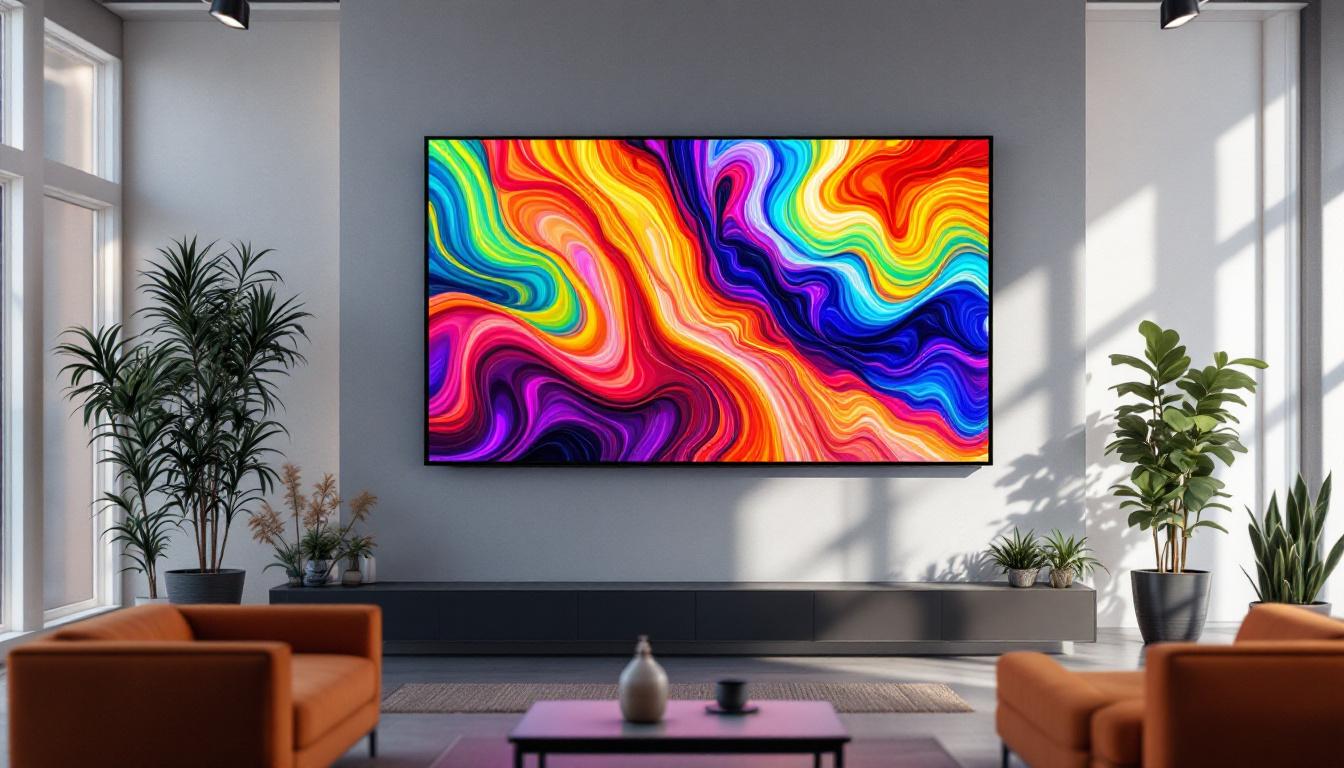
In the rapidly evolving world of digital signage and large-scale visual displays, video wall technology has become a cornerstone for businesses, event organizers, and public venues. Central to this technology is the video wall controller software, which orchestrates the seamless display of content across multiple LED panels. This article delves into the intricacies of video wall controller software, explaining how it works with LED displays, its key features, and why it is essential for creating impactful visual experiences.
Understanding Video Wall Technology and LED Displays
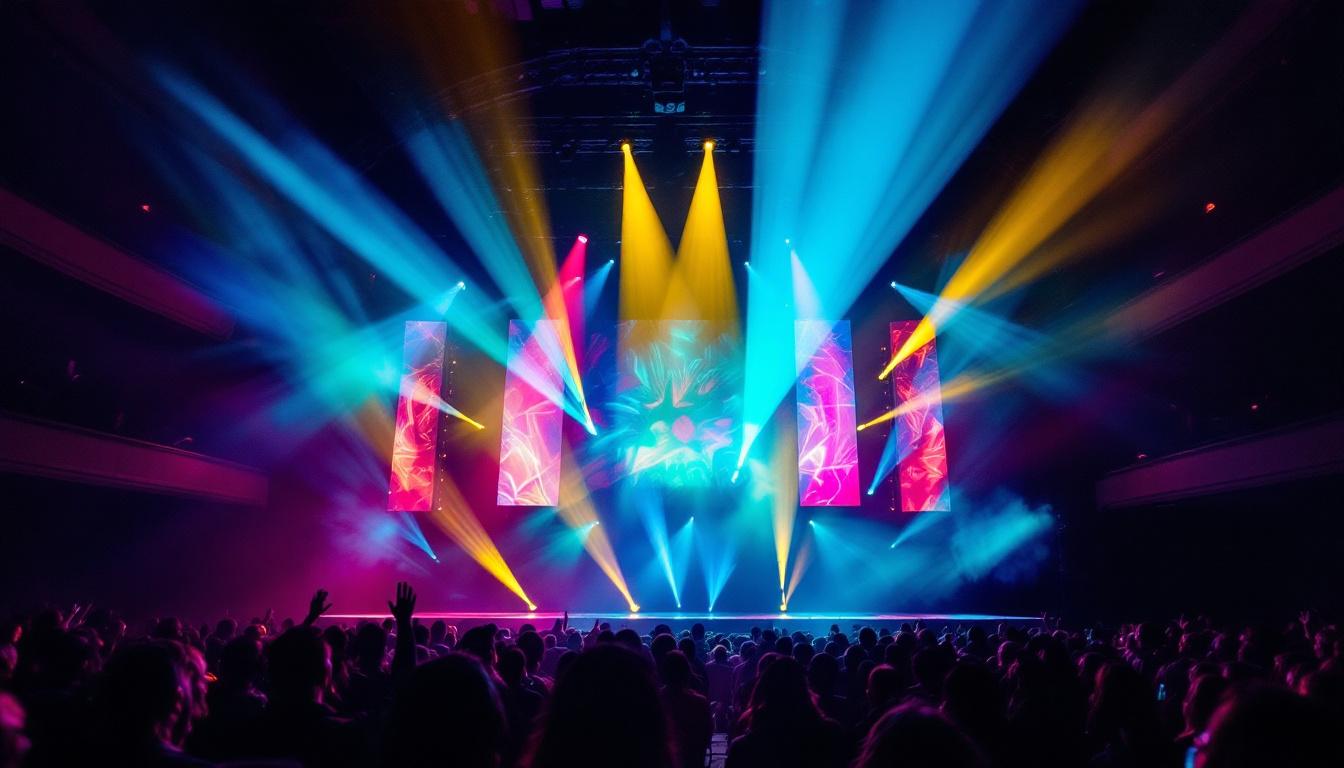
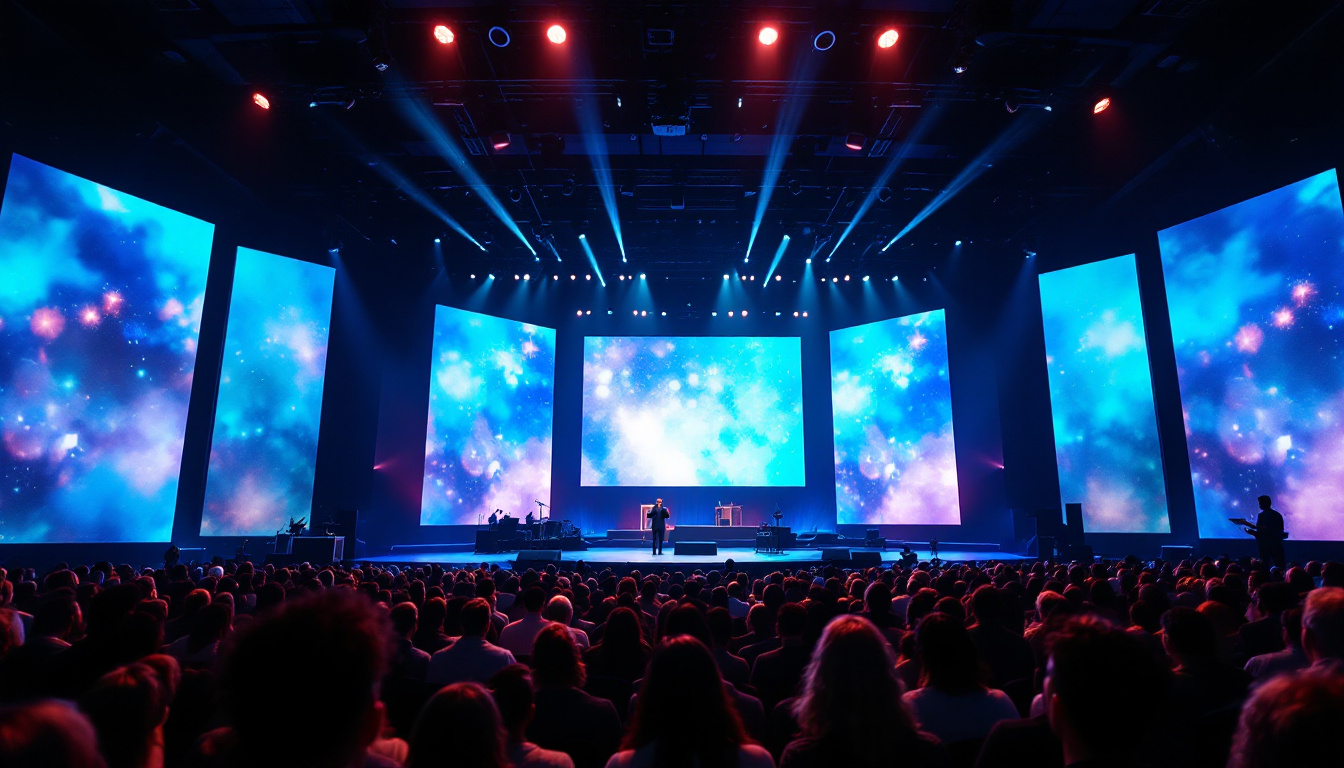
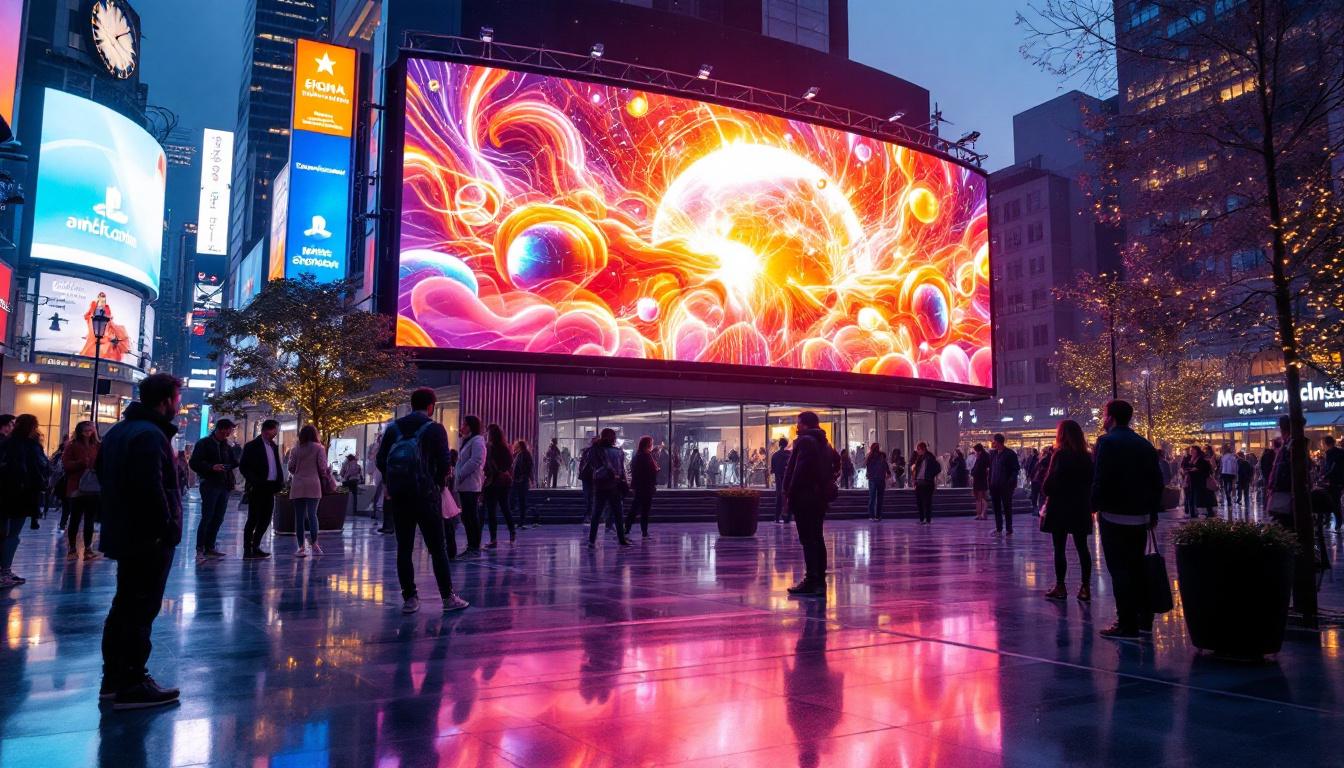
Video walls are large-scale displays composed of multiple individual screens tiled together to form one continuous image or a series of images. These walls are commonly used in control rooms, retail environments, transportation hubs, and entertainment venues. Among the various display technologies available, LED (Light Emitting Diode) displays have emerged as the preferred choice for video walls due to their brightness, durability, and scalability. The versatility of LED technology allows it to cater to a wide range of applications, from broadcasting live events to creating immersive experiences in art installations.
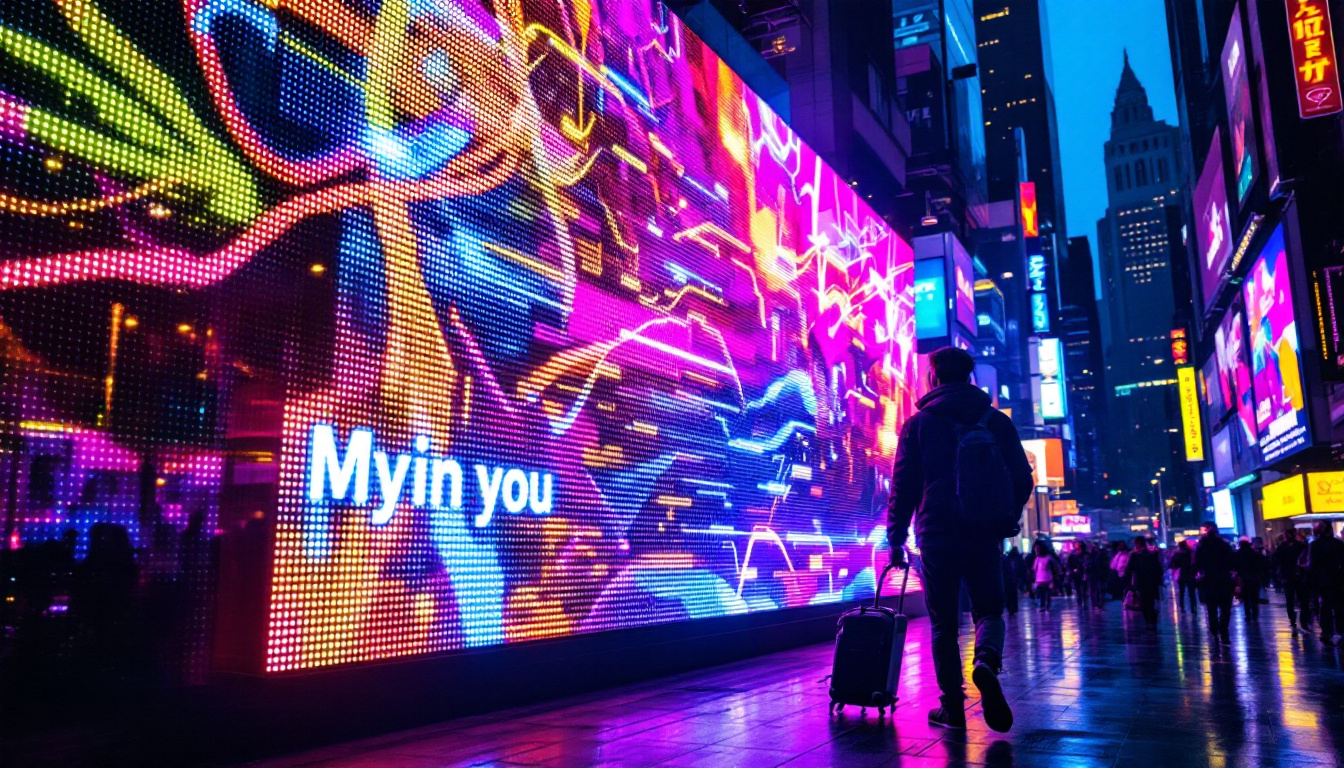
LED displays consist of thousands of tiny LEDs that emit light when an electrical current passes through them. Unlike LCD or projection-based systems, LED panels provide superior brightness and contrast, making them ideal for environments with high ambient light. Additionally, LED modules can be manufactured in various sizes and pixel pitches, allowing for flexible configurations that suit different viewing distances and resolutions. This adaptability has made LED technology a favorite among businesses looking to enhance their visual communication strategies, as it can be tailored to meet specific needs, whether for a small retail display or a massive stadium screen.
The Role of Video Wall Controller Software
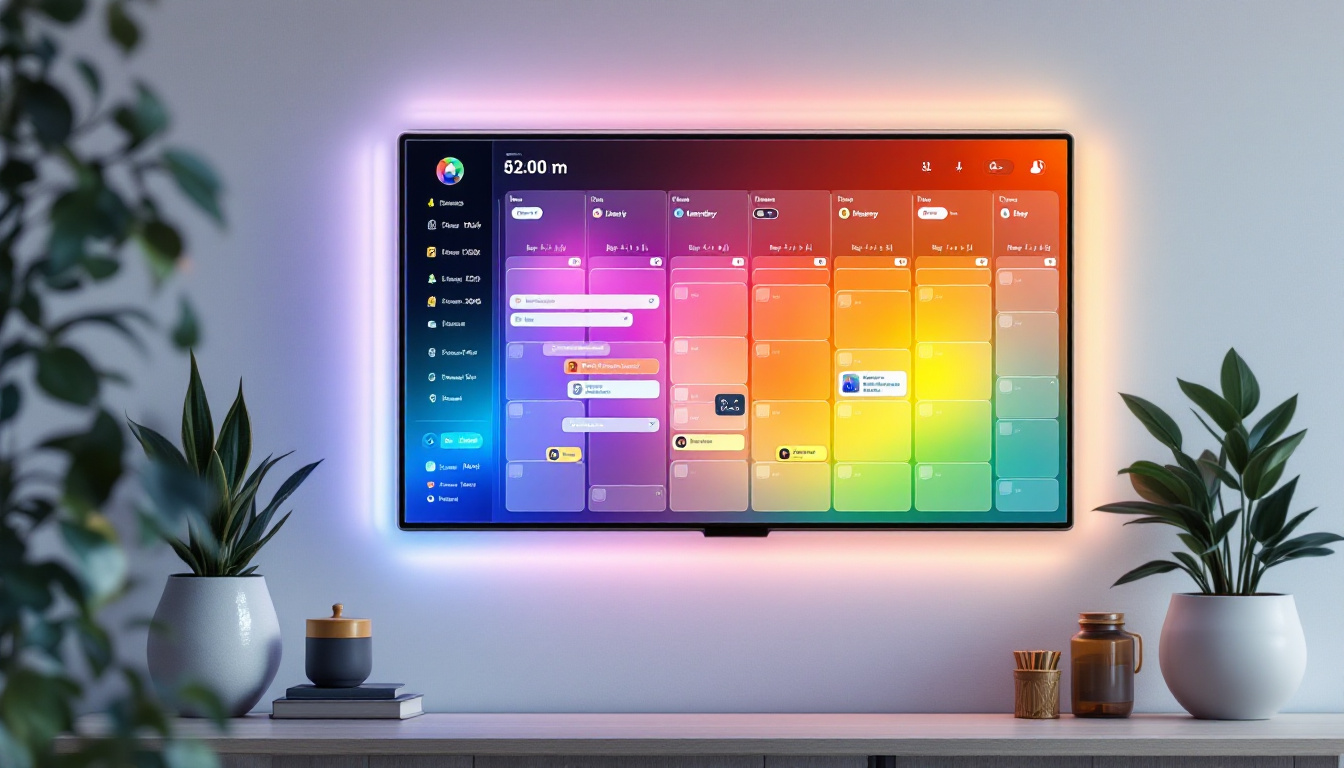
While the physical LED panels form the foundation of a video wall, the video wall controller software is the brain behind the operation. This software manages how content is distributed and displayed across the multiple panels, ensuring that images and videos are synchronized and rendered correctly. Without sophisticated controller software, the video wall would simply be a collection of disconnected screens showing disparate content. The importance of this software cannot be overstated, as it transforms a static display into a dynamic storytelling medium that captivates audiences and conveys messages effectively.
Video wall controller software performs several critical functions:
- Content Management: Uploading, scheduling, and organizing multimedia content.
- Signal Processing: Scaling and splitting video signals to fit the layout of the video wall.
- Real-time Control: Adjusting brightness, contrast, and color calibration across all panels.
- Multi-source Integration: Displaying content from various input sources simultaneously.
Moreover, advanced video wall controller software often includes features for remote monitoring and diagnostics, allowing operators to troubleshoot issues without needing to be physically present at the installation site. This capability is particularly valuable in critical environments such as command centers, where real-time data visualization is essential for decision-making. Additionally, many software solutions offer user-friendly interfaces that enable non-technical staff to manage content effortlessly, democratizing the use of video wall technology across different departments and applications.
As technology continues to evolve, the integration of artificial intelligence and machine learning into video wall controller software is becoming increasingly common. These innovations can enhance content personalization, optimize display settings based on environmental conditions, and even analyze viewer engagement metrics. Such advancements not only improve the overall effectiveness of video walls but also open new avenues for interactive and immersive experiences, making them an indispensable tool in modern communication and marketing strategies.
Key Features of Video Wall Controller Software
Modern video wall controller software is designed to handle complex display requirements with ease. Below are some of the most important features that make these solutions indispensable for LED video walls.
1. Flexible Layout Configuration
One of the standout capabilities of video wall controller software is the ability to create custom layouts. Users can arrange content in different sizes and shapes across the video wall, enabling creative presentations that go beyond a simple grid. For example, a retail store might display a large promotional video on one half of the wall while showing live social media feeds or news tickers on the other half.
2. Multi-Window and Multi-Source Support
Video walls often need to display content from multiple sources simultaneously. Controller software allows for multiple windows to be opened on the video wall, each showing different content streams. This is particularly useful in control rooms where operators monitor various data feeds, or in sports arenas where live game footage, advertisements, and statistics are displayed concurrently.
3. Real-Time Content Updates
In dynamic environments such as newsrooms or event venues, content needs to be updated in real time. Video wall controller software supports live streaming and instant content changes without interrupting the display. This capability ensures that the video wall remains relevant and engaging at all times.
4. Remote Management and Monitoring
Many video wall controller solutions offer remote access features, allowing administrators to manage and troubleshoot the video wall from any location. This is especially beneficial for large-scale deployments spread across multiple sites or for venues that require 24/7 uptime.
5. Advanced Image Processing and Calibration
To maintain visual consistency across all LED panels, controller software includes tools for color calibration, brightness adjustment, and image correction. These features help eliminate issues like color mismatches or uneven brightness, resulting in a seamless and professional-looking display.
How Video Wall Controller Software Works with LED Displays
Integrating video wall controller software with LED displays involves several technical processes that ensure the content is displayed accurately and efficiently. Understanding these processes helps clarify why sophisticated software is necessary for optimal performance.
Signal Input and Processing
The process begins with the input of video signals from various sources such as computers, cameras, media players, or streaming devices. The controller software receives these signals and processes them to match the resolution and layout of the LED video wall. This includes scaling the content to fit the dimensions of the wall and splitting the video feed into segments that correspond to individual LED panels.
Synchronization and Timing
Synchronization is crucial for video walls to avoid visual artifacts like tearing or lag between panels. The controller software ensures that all LED modules refresh their images simultaneously, creating a smooth and cohesive viewing experience. Advanced controllers use frame-locking and genlock technologies to maintain perfect timing across the entire wall.
Content Distribution and Display
Once processed and synchronized, the video signals are distributed to the LED panels via data cables or wireless connections, depending on the system architecture. The controller software continuously monitors the display status, adjusting parameters as needed to compensate for environmental changes or hardware inconsistencies.
Applications of Video Wall Controller Software in LED Displays
The versatility of video wall controller software combined with LED display technology has unlocked numerous applications across various industries. Here are some of the most prominent use cases:
Control Rooms and Command Centers
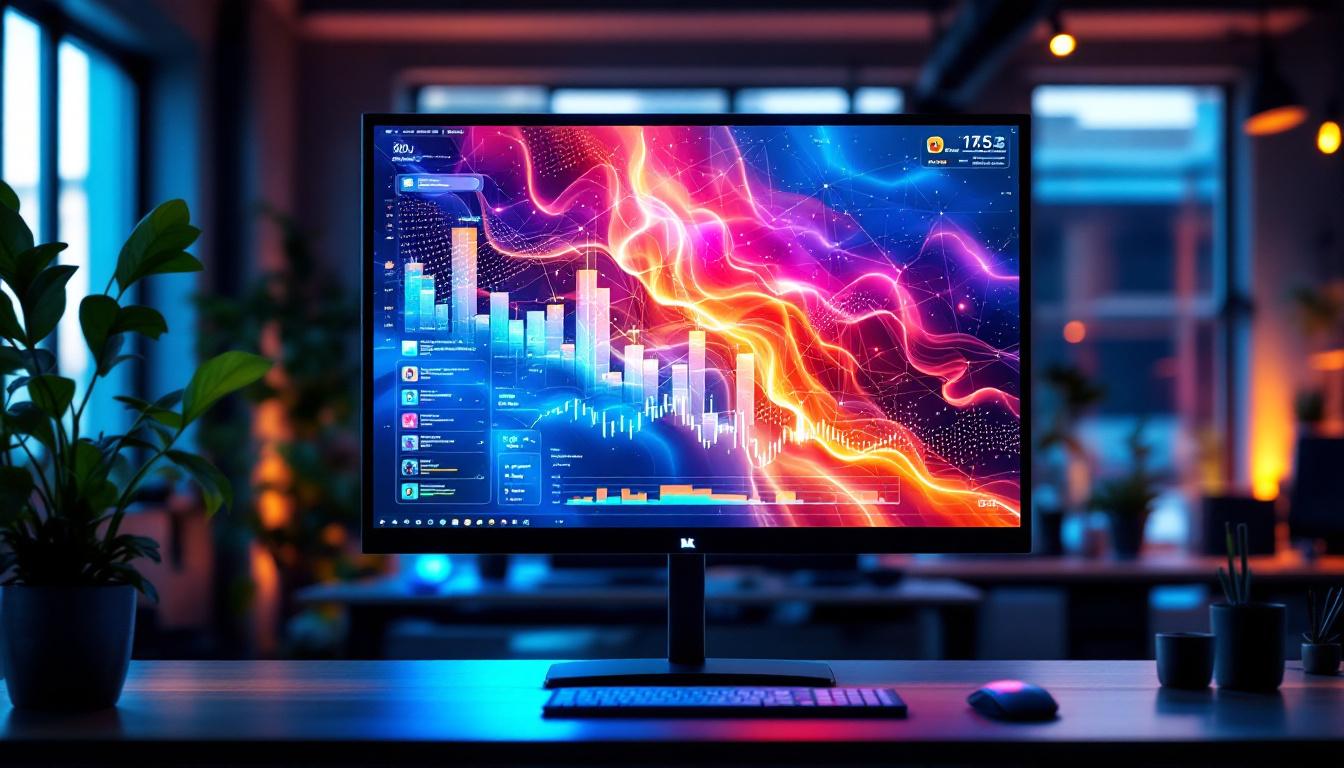
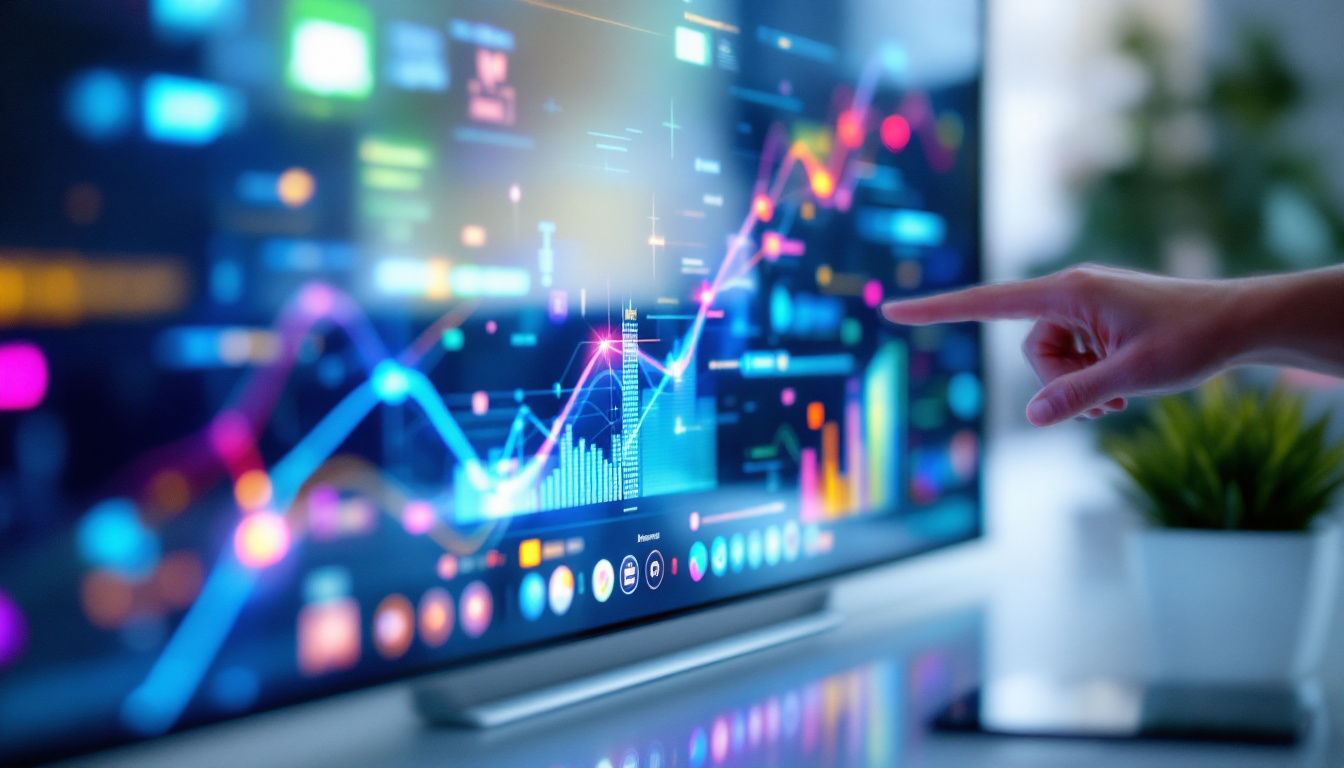
In sectors such as transportation, utilities, and emergency services, control rooms rely heavily on video walls to monitor critical information in real time. Video wall controller software enables operators to manage multiple data streams, visualize complex scenarios, and respond quickly to incidents.
Retail and Advertising
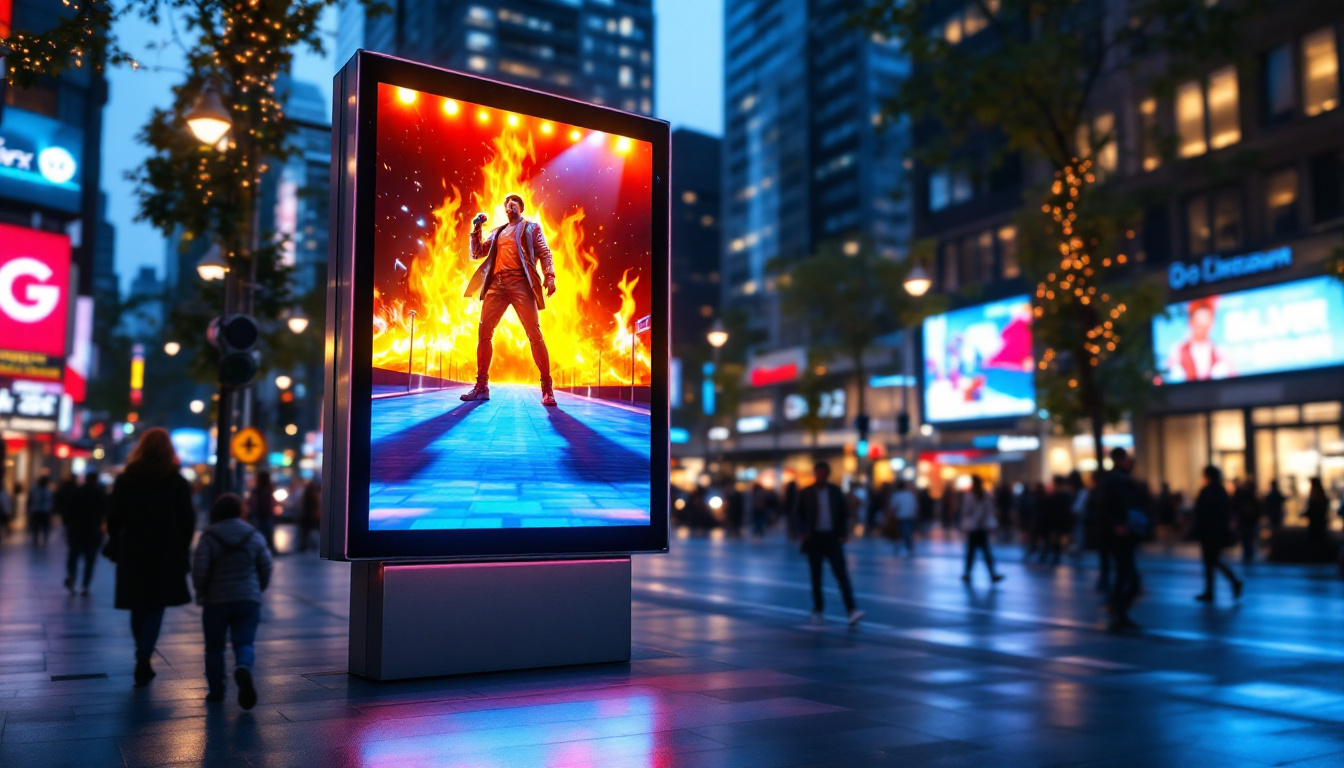
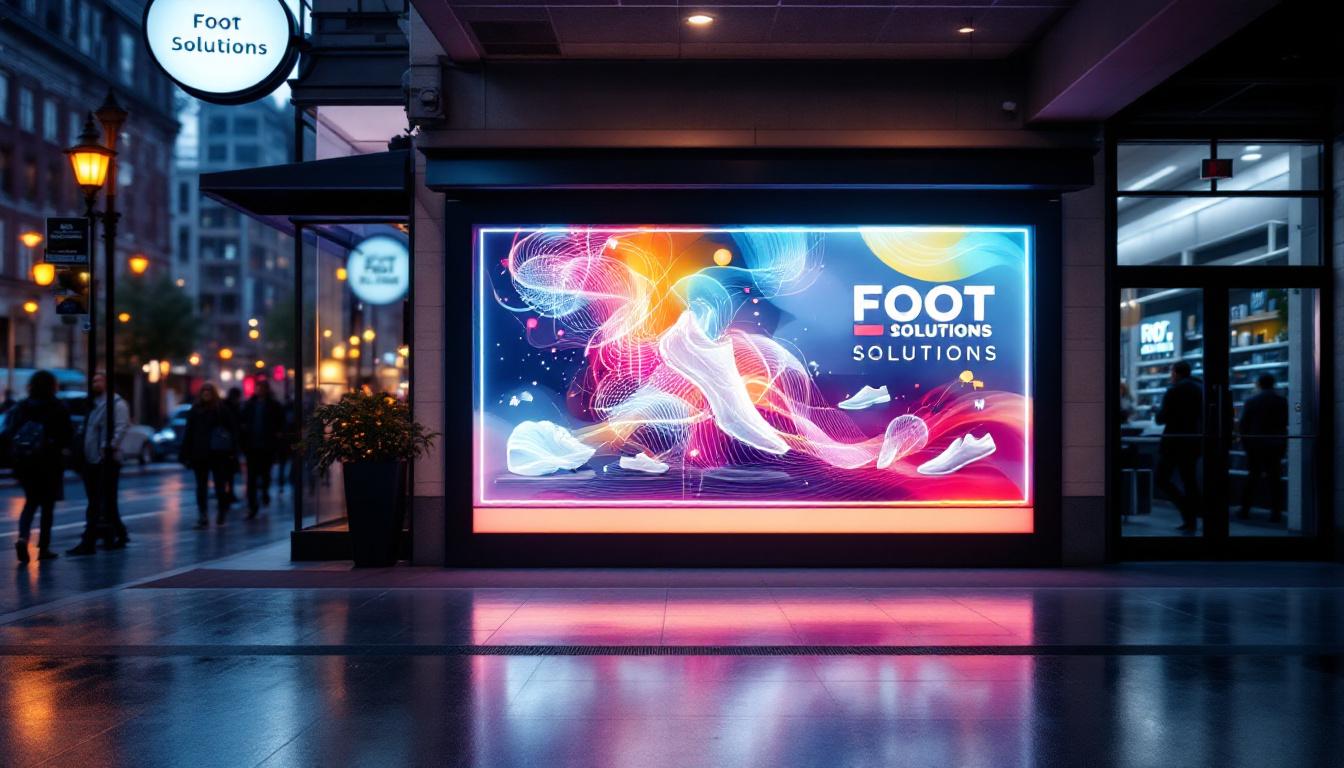
Retailers use LED video walls to create eye-catching displays that attract customers and promote products. Controller software allows for dynamic content scheduling and multi-window layouts, enabling stores to combine advertisements, promotions, and interactive content effectively.
Broadcast and Media Production
Television studios and live event producers utilize video walls to enhance visual storytelling. The ability to integrate live feeds, graphics, and pre-recorded content seamlessly is made possible by advanced video wall controller software.
Corporate and Educational Environments
Businesses and educational institutions use video walls for presentations, training sessions, and collaborative workspaces. The flexibility of controller software supports diverse content formats and interactive applications, improving communication and engagement.
Choosing the Right Video Wall Controller Software
Selecting the appropriate video wall controller software depends on several factors including the size of the video wall, the complexity of content, budget, and specific use cases. Here are some considerations to guide the decision-making process:
Compatibility with LED Hardware
Ensure the software supports the specific LED panels and hardware controllers in use. Some software vendors specialize in certain brands or types of LED modules, which can affect performance and integration ease.
User Interface and Ease of Use
A user-friendly interface reduces the learning curve and allows operators to manage content efficiently. Features like drag-and-drop layout design, intuitive scheduling, and real-time monitoring enhance usability.
Scalability and Flexibility
Consider whether the software can scale with future expansions of the video wall or adapt to changing content requirements. Flexible licensing models and modular architectures are beneficial in this regard.
Support and Updates
Reliable customer support and regular software updates are critical for maintaining system stability and accessing new features. Evaluate the vendor’s reputation and service offerings before making a purchase.
The Future of Video Wall Controller Software and LED Displays
As technology advances, video wall controller software continues to evolve, integrating artificial intelligence, cloud computing, and enhanced interactivity. AI-driven content optimization can automatically adjust visuals based on audience behavior or environmental conditions. Cloud-based solutions enable centralized management of multiple video walls across different locations, streamlining operations for large enterprises.
Moreover, improvements in LED technology, such as microLED and flexible panels, will demand even more sophisticated software to harness their potential fully. The convergence of hardware and software innovations promises to make video walls more immersive, responsive, and impactful than ever before.
Conclusion
Video wall controller software is an indispensable component of LED display systems, transforming a collection of individual screens into a unified, dynamic visual canvas. Its ability to manage content, synchronize signals, and provide real-time control enables a wide range of applications across industries. By understanding the capabilities and functions of this software, organizations can maximize the effectiveness of their video walls, delivering compelling visual experiences that captivate audiences and drive engagement.
Investing in the right video wall controller software, tailored to specific needs and hardware configurations, is essential for achieving seamless and professional LED video wall installations. As both software and LED technologies continue to advance, the future holds exciting possibilities for even more innovative and versatile video wall solutions.
Discover LumenMatrix LED Display Solutions
Ready to elevate your visual communication with a state-of-the-art LED display? LumenMatrix offers a comprehensive range of LED display modules designed to create immersive and dynamic visual experiences. Whether you need an Indoor LED Wall Display for your corporate headquarters, an Outdoor LED Wall Display for high-impact advertising, or any of our specialized solutions like Vehicle LED Displays and Custom LED Displays, LumenMatrix has the technology to bring your vision to life. Check out LumenMatrix LED Display Solutions today and see how we can help you captivate your audience and enhance your brand visibility.