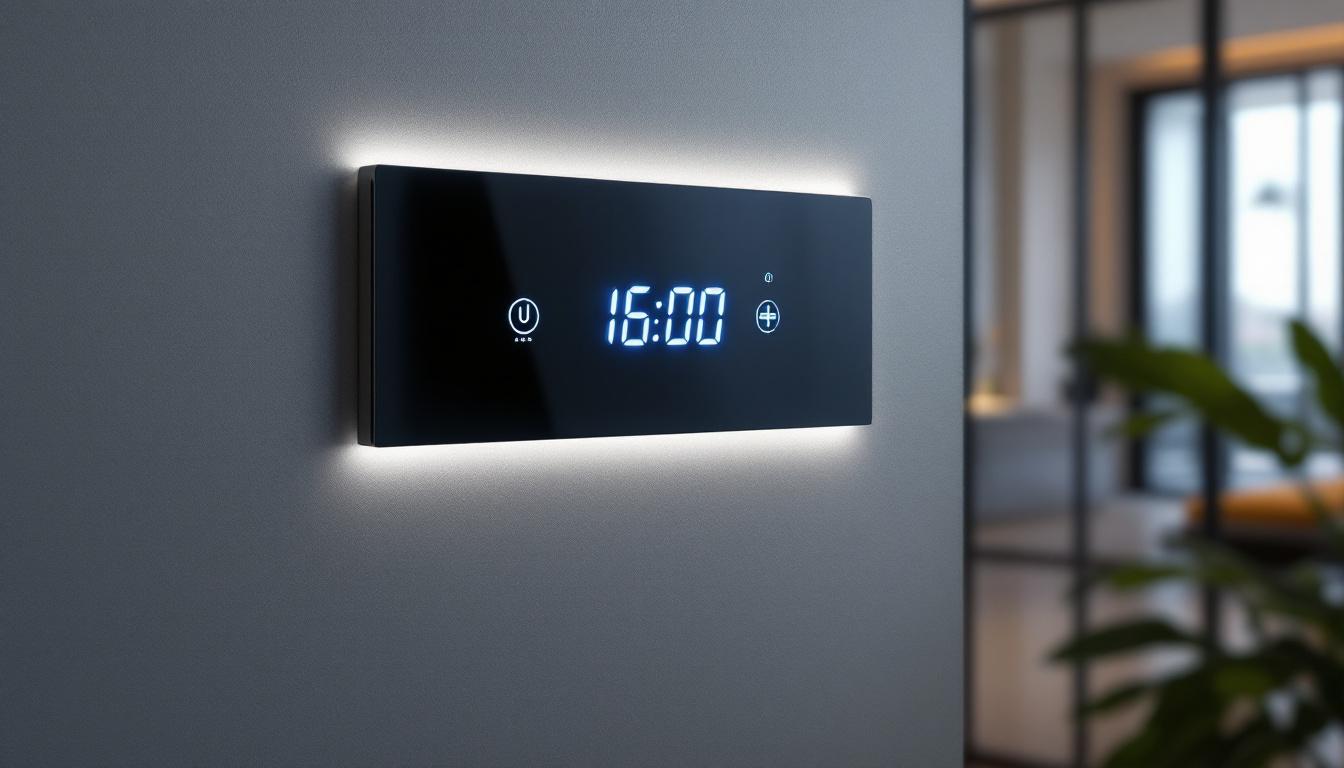
In the digital age, visual communication plays a crucial role in how information is shared and understood. Among the many graphic elements used in design and technology, electric plug clip art and LED displays stand out for their practical applications and symbolic significance. This article delves into the world of electric plug clip art, exploring its connection to LED displays, and explains how these elements are represented, used, and understood in various contexts.
Understanding Electric Plug Clip Art
Electric plug clip art is a popular graphic element used to symbolize electricity, power connections, and energy-related concepts. It is commonly found in user manuals, websites, educational materials, and design projects that require a visual representation of electrical connectivity. This type of clip art serves not only as a functional element but also as a visual cue that can enhance the user experience by providing immediate recognition of electrical themes.
The clip art typically features a simplified image of an electric plug, often stylized to enhance clarity and recognizability. These images can range from very basic line drawings to more detailed, colorful icons. The versatility of electric plug clip art makes it a valuable tool for designers and communicators alike. In fact, the use of such imagery can evoke a sense of familiarity and trust, particularly in contexts where safety and reliability are paramount, such as in electrical engineering or home improvement projects.
Common Uses of Electric Plug Clip Art
Electric plug clip art is widely used in various industries and contexts. For instance, in the technology sector, it often appears in product guides to indicate power connections or charging points. In educational materials, it helps illustrate concepts related to electricity and energy. Additionally, marketing and advertising campaigns use electric plug imagery to emphasize themes of power, energy efficiency, or electrical safety. This is particularly relevant in campaigns promoting renewable energy solutions, where the plug symbolizes the connection between consumers and sustainable energy sources.
Moreover, with the rise of digital platforms, electric plug clip art has become a staple in user interface design, especially in apps and websites related to electrical devices, smart home systems, and energy management. The integration of such icons can streamline navigation and improve user engagement by providing intuitive visual cues that guide users through complex information. As technology evolves, the design of electric plug clip art continues to adapt, reflecting trends in minimalism and flat design that prioritize user-friendliness and aesthetic appeal.
Design Considerations for Electric Plug Clip Art
When creating or selecting electric plug clip art, several design factors should be considered to ensure effectiveness and clarity. The icon must be easily recognizable at various sizes, from small app icons to larger print materials. Simplicity is key; overly complex designs can confuse viewers or lose detail when scaled down. Designers often experiment with different styles, such as flat design or 3D effects, to find the right balance between visual interest and clarity.
Color choice also plays a significant role. While black and white or monochrome designs are common for their versatility, using colors like green or blue can convey messages related to eco-friendliness or technology. Additionally, designers often incorporate universal symbols, such as the grounding pin or prongs, to maintain consistency and avoid ambiguity. Furthermore, considering cultural differences in iconography is crucial; what is recognizable in one region may not be in another, so designers must ensure that their clip art communicates effectively across diverse audiences. This attention to detail not only enhances the visual impact but also reinforces the intended message, making the clip art a powerful tool in visual communication.
LED Displays: A Brief Overview
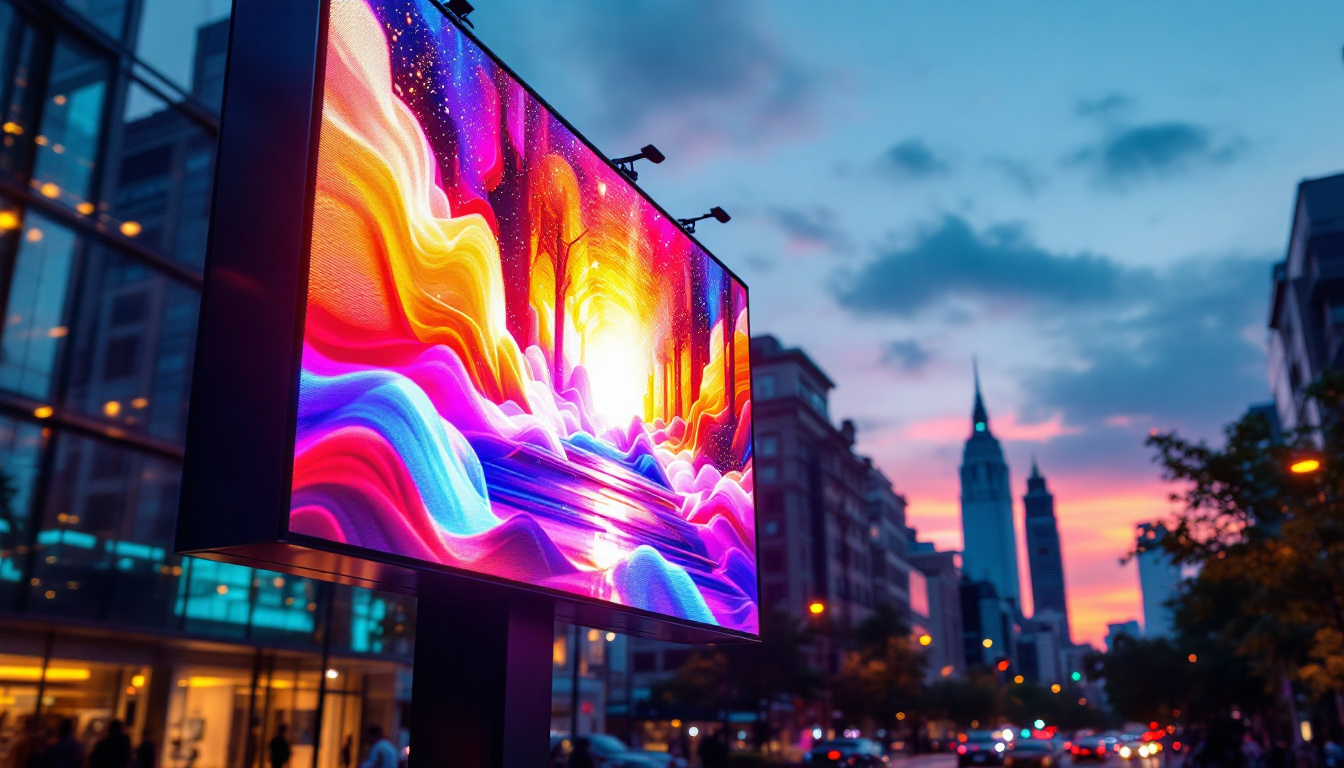
LED (Light Emitting Diode) displays have revolutionized the way information is presented visually. From billboards and digital clocks to smartphone screens and television sets, LED technology offers bright, energy-efficient, and durable display solutions.
At its core, an LED display consists of numerous tiny light-emitting diodes arranged in a grid or matrix. Each diode can emit light independently, allowing the display to produce images, text, and videos with vibrant colors and high contrast.
Types of LED Displays
There are several types of LED displays, each suited for different applications:
- Segment Displays: Commonly used in digital clocks and calculators, these displays use segments to form numbers and basic characters.
- Dot Matrix Displays: Composed of a grid of LEDs, these displays can show more complex characters and simple graphics.
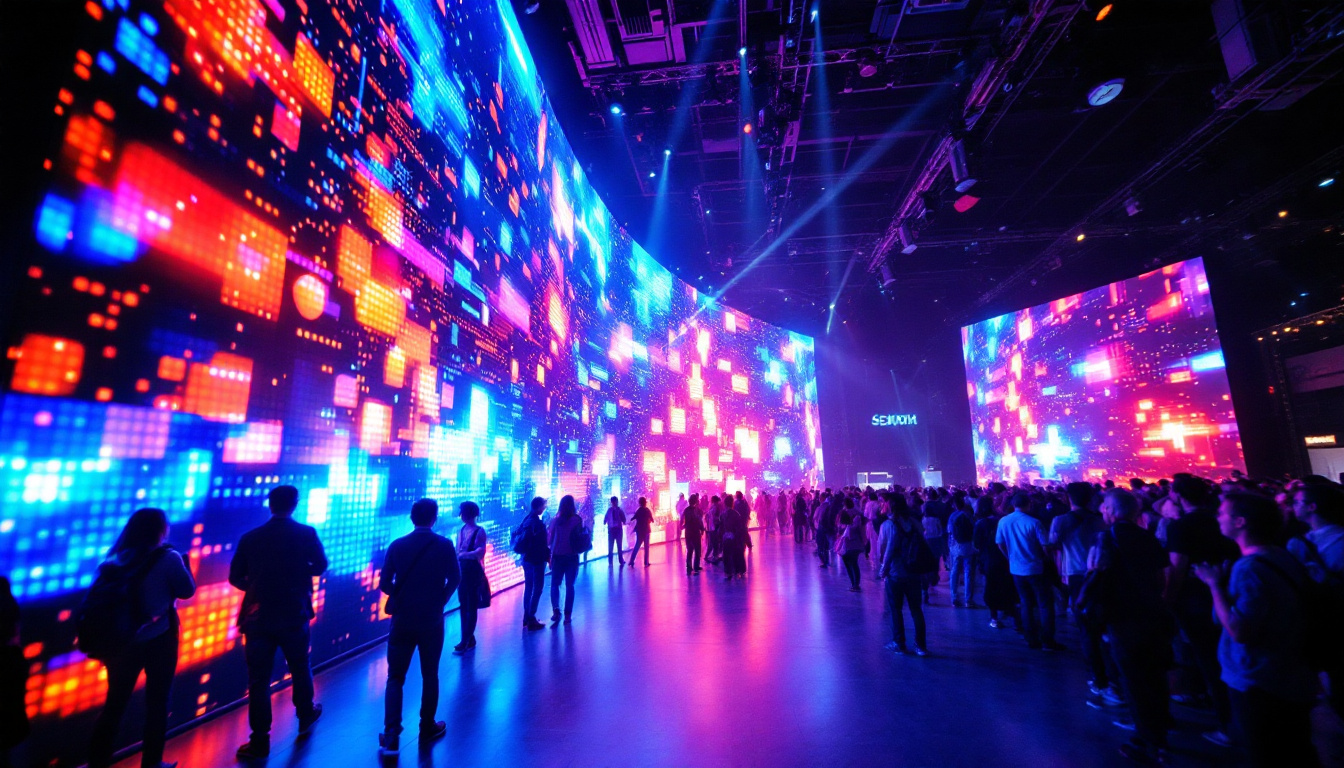
- Full-Color LED Displays: Utilized in large screens and advertising billboards, these displays combine red, green, and blue LEDs to produce a wide color spectrum.
- MicroLED Displays: An emerging technology promising higher brightness and efficiency, microLEDs are being integrated into next-generation devices.
Advantages of LED Displays
LED displays offer numerous benefits over traditional display technologies:
- Energy Efficiency: LEDs consume less power compared to incandescent and fluorescent lighting, making them ideal for continuous use.
- Brightness and Visibility: LED displays provide high brightness levels, ensuring readability even in direct sunlight.
- Durability: LEDs have a longer lifespan and are more resistant to shock and vibration.
- Color Accuracy: Advanced LED displays can render vivid and accurate colors, enhancing visual appeal.
The Intersection of Electric Plug Clip Art and LED Displays
Electric plug clip art and LED displays intersect in both practical and symbolic ways. The electric plug icon often represents the power source necessary to operate LED displays, while LED technology itself embodies the efficient use of electrical energy.
Symbolism and Communication
In user interfaces and technical documentation, electric plug clip art is frequently used to indicate power-related functions such as plugging in a device, charging, or connecting to an energy source. When paired with LED display elements, this iconography helps users quickly understand the operational status or requirements of electronic devices.
For example, a smart home app might use an electric plug icon alongside LED indicators to show which devices are powered on or connected. Similarly, instructional materials for LED display installations often include electric plug clip art to emphasize the importance of proper electrical connections.
Design Integration in LED Devices
Manufacturers of LED devices often incorporate electric plug icons in their product branding and user manuals to highlight power-related features. This integration helps bridge the gap between technical complexity and user comprehension, making technology more accessible.
Furthermore, designers creating digital content for LED displays use electric plug clip art to visually represent energy consumption, power management, or connectivity. This practice enhances user experience by providing intuitive visual cues.
Practical Applications and Examples
To better understand the relevance of electric plug clip art and LED displays, it is helpful to explore some real-world applications and examples.
Smart Home Systems
Smart home systems rely heavily on LED displays for user interaction and electric plug clip art for intuitive control interfaces. For instance, smart plugs—devices that allow users to control power remotely—often feature LED indicators to show status and electric plug icons in their apps to represent connectivity.
These visual elements simplify complex electrical functions, enabling users to manage their home energy consumption efficiently and safely.
Educational Tools
In educational settings, electric plug clip art combined with LED display demonstrations helps students grasp fundamental concepts of electricity and electronics. Interactive lessons might use clip art to illustrate circuit connections while LED displays show real-time responses to electrical inputs.
This approach enhances engagement and understanding, making abstract concepts tangible.
Advertising and Signage
Large-scale LED billboards and signs frequently incorporate electric plug imagery to promote electrical products or services. For example, advertisements for energy-efficient appliances might use electric plug clip art alongside LED visuals to emphasize power savings and modern technology.
Such combinations create compelling marketing messages that resonate with environmentally conscious consumers.
Future Trends and Innovations
The fields of electric plug iconography and LED display technology continue to evolve, driven by advancements in design, materials, and user expectations.
Interactive and Animated Clip Art
With the rise of digital media, static clip art is increasingly being replaced by interactive and animated graphics. Electric plug clip art now often includes subtle animations to indicate power flow or connectivity status, enhancing user engagement and clarity.
These dynamic visuals are particularly effective in apps and websites where real-time feedback is essential.
Integration with IoT and Smart Devices
The Internet of Things (IoT) ecosystem is expanding the role of electric plug clip art and LED displays. Smart devices equipped with LED indicators and controlled via apps use electric plug icons to signify power states, connectivity, and energy usage.
This integration supports smarter energy management and user-friendly interfaces, contributing to sustainable living practices.
Advancements in LED Technology
Emerging LED technologies, such as microLED and flexible LED displays, promise new possibilities for design and functionality. These innovations will likely influence how electric plug clip art is used and represented, enabling more immersive and adaptable visual communication.
Conclusion
Electric plug clip art and LED displays are integral components of modern visual communication, especially in technology and energy-related fields. Understanding their design, applications, and interplay helps professionals create clearer, more effective messages and interfaces.
As technology advances, the synergy between these elements will continue to grow, offering exciting opportunities for innovation and enhanced user experiences. Whether in smart homes, education, or advertising, the combination of electric plug imagery and LED displays remains a powerful tool for conveying information about power, connectivity, and energy efficiency.
Illuminate Your Space with LumenMatrix
Ready to elevate your visual communication with cutting-edge LED technology? Discover how LumenMatrix can transform your space with our extensive range of LED display solutions. From vibrant Indoor LED Walls to dynamic Vehicle Displays and beyond, our products are designed to captivate and engage your audience. Embrace the future of digital signage with LumenMatrix and make a lasting impression. Check out LumenMatrix LED Display Solutions today and see your message come to life in brilliant clarity.