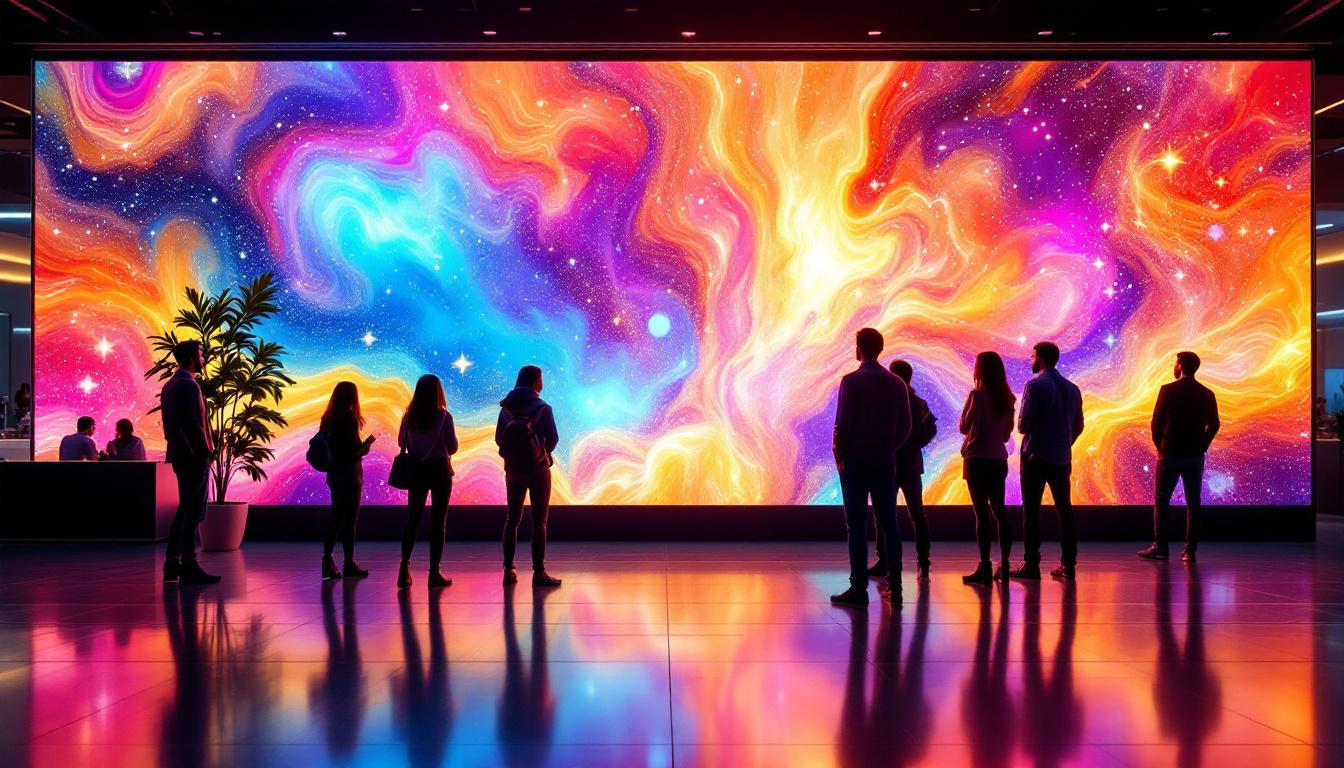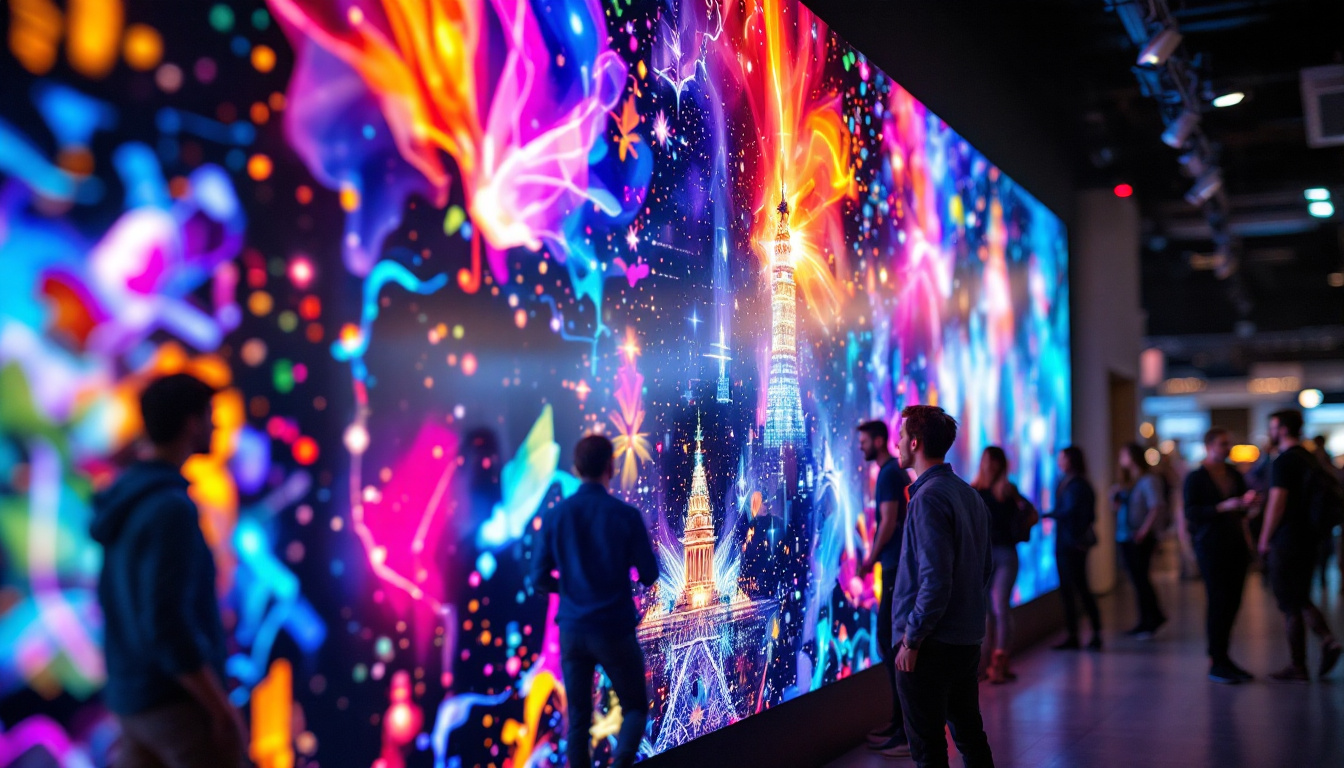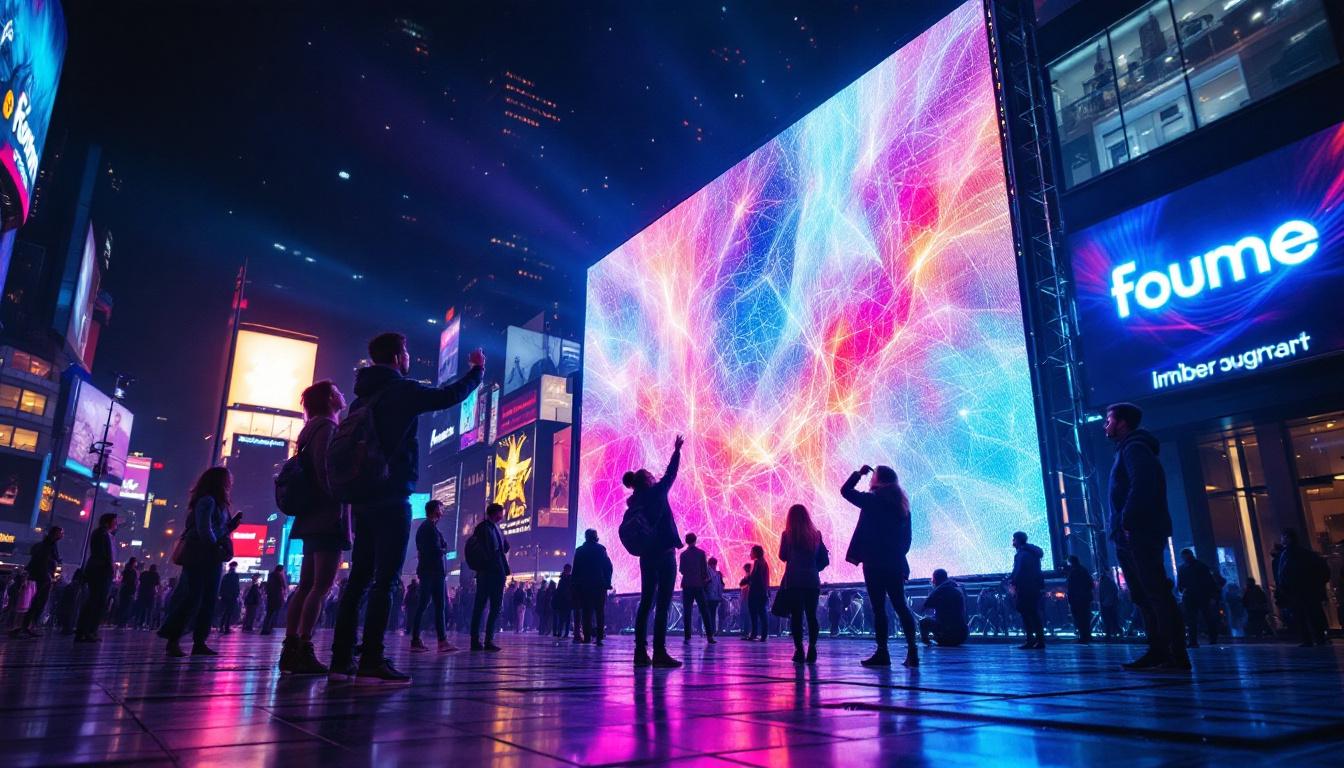
In today’s digital age, the demand for high-definition visual technology has skyrocketed, influencing everything from advertising and entertainment to corporate communications and public information systems. Among the many display technologies available, LED displays stand out for their brightness, clarity, and versatility. This article delves into the world of LED displays, exploring their technology, applications, advantages, and future trends, providing a comprehensive understanding for professionals, enthusiasts, and curious readers alike.
Understanding LED Display Technology
What is an LED Display?
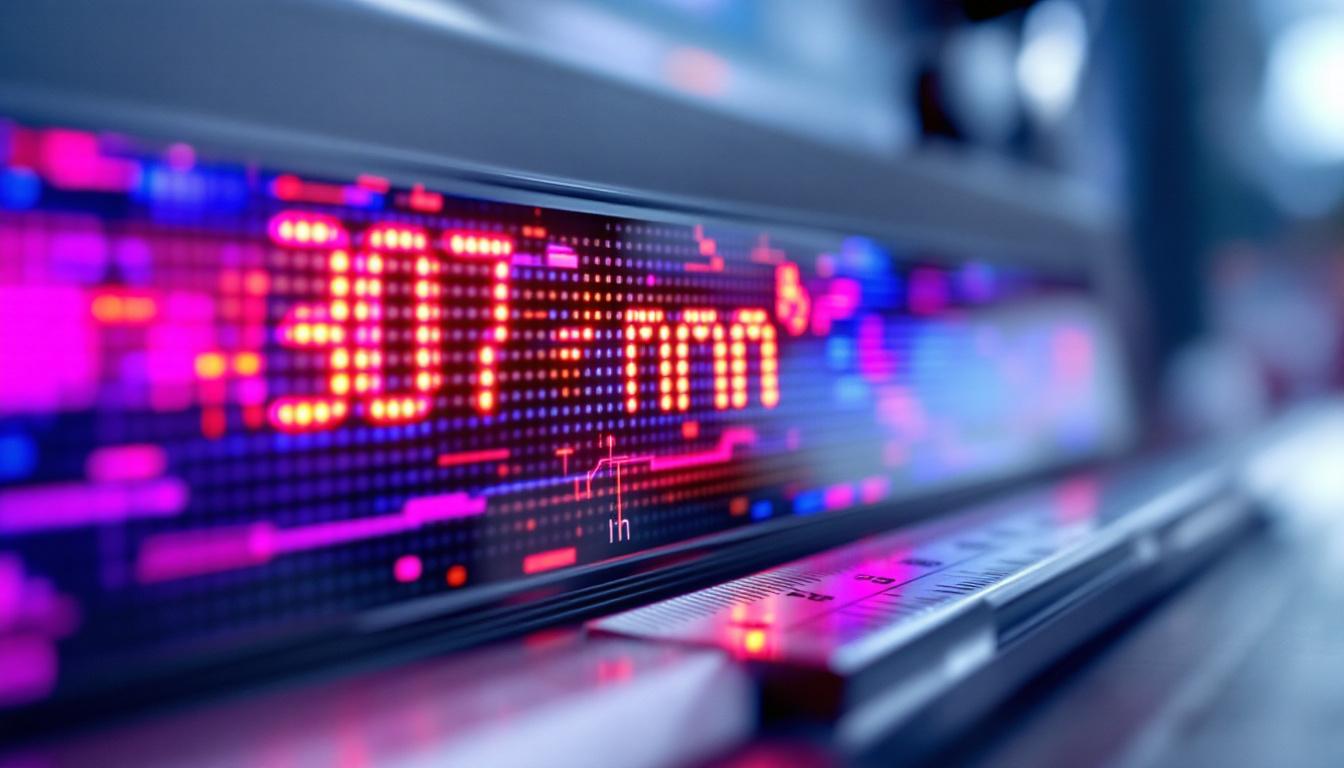
LED stands for Light Emitting Diode, a semiconductor device that emits light when an electric current passes through it. An LED display is a flat panel display that uses an array of LEDs as pixels to create images, videos, or text. These displays can vary in size from small indicator lights to massive outdoor billboards, making them highly adaptable for different uses.
Unlike traditional LCD screens that rely on backlighting, LED displays produce their own light, which contributes to their superior brightness and contrast. This self-illumination allows LED displays to perform exceptionally well in various lighting conditions, including direct sunlight. Additionally, the energy efficiency of LED technology means that these displays consume less power than their predecessors, making them a more sustainable option for consumers and businesses alike. The longevity of LED displays, often exceeding 50,000 hours, further enhances their appeal, reducing the need for frequent replacements and minimizing waste.
Types of LED Displays
LED displays come in several types, primarily categorized based on their construction and application:
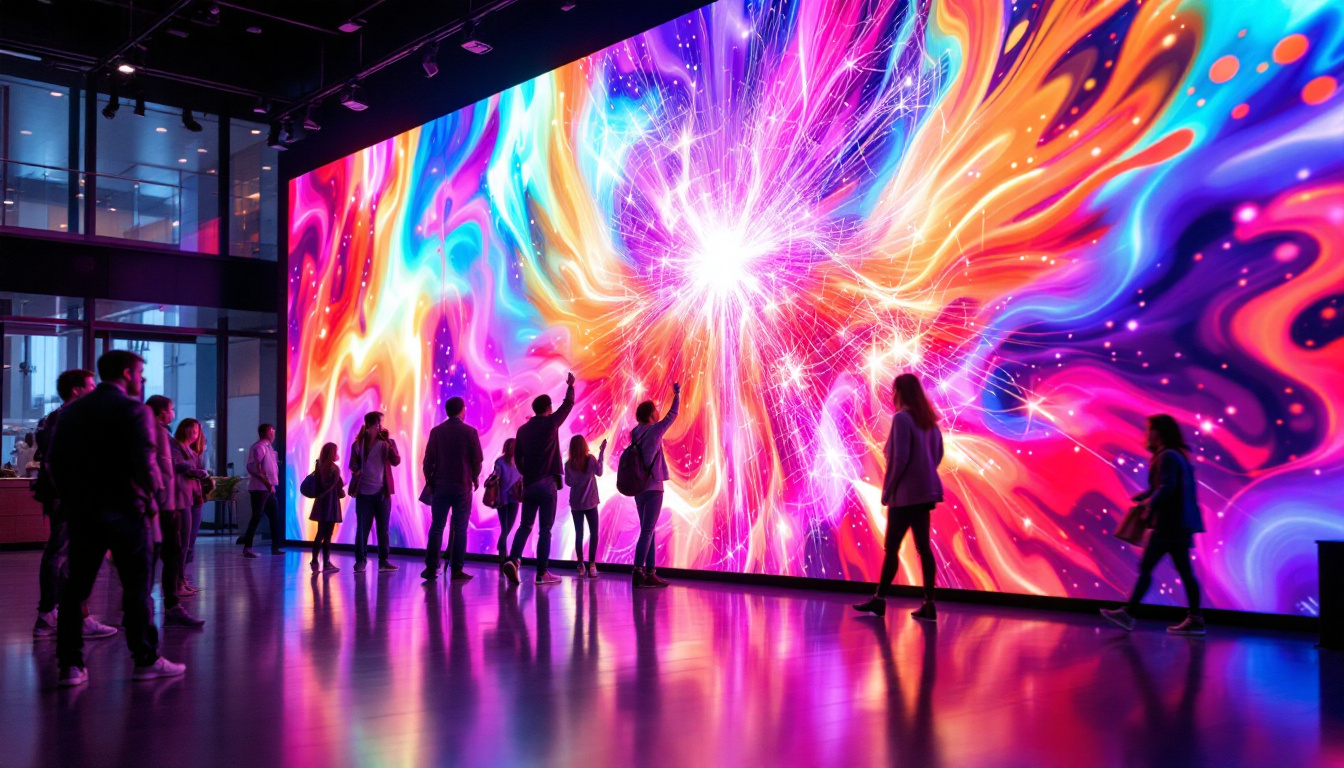
- Direct View LED Displays: These are composed of individual LEDs arranged in a matrix to form the image directly. They are commonly used for large outdoor screens, stadium displays, and digital billboards. Their modular design allows for easy scaling and customization, making them ideal for events or advertising campaigns that require dynamic content changes.
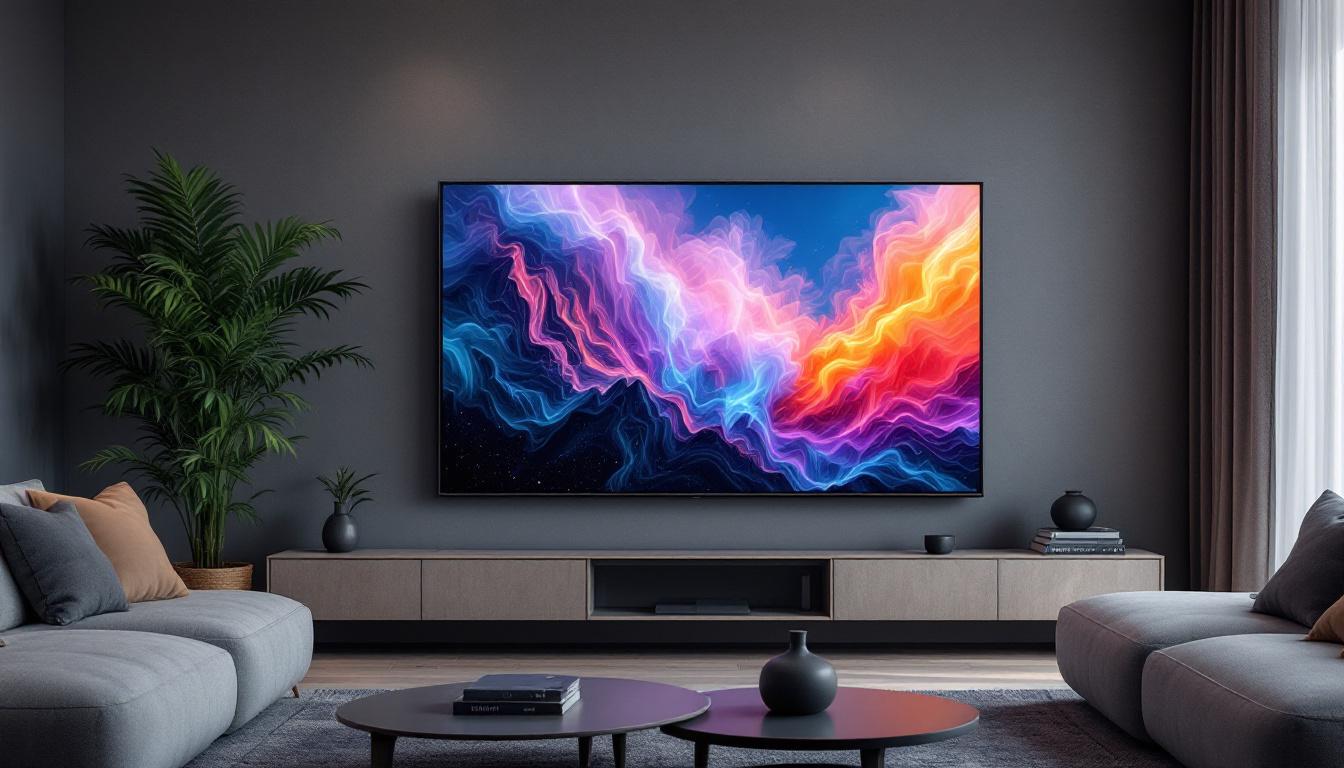
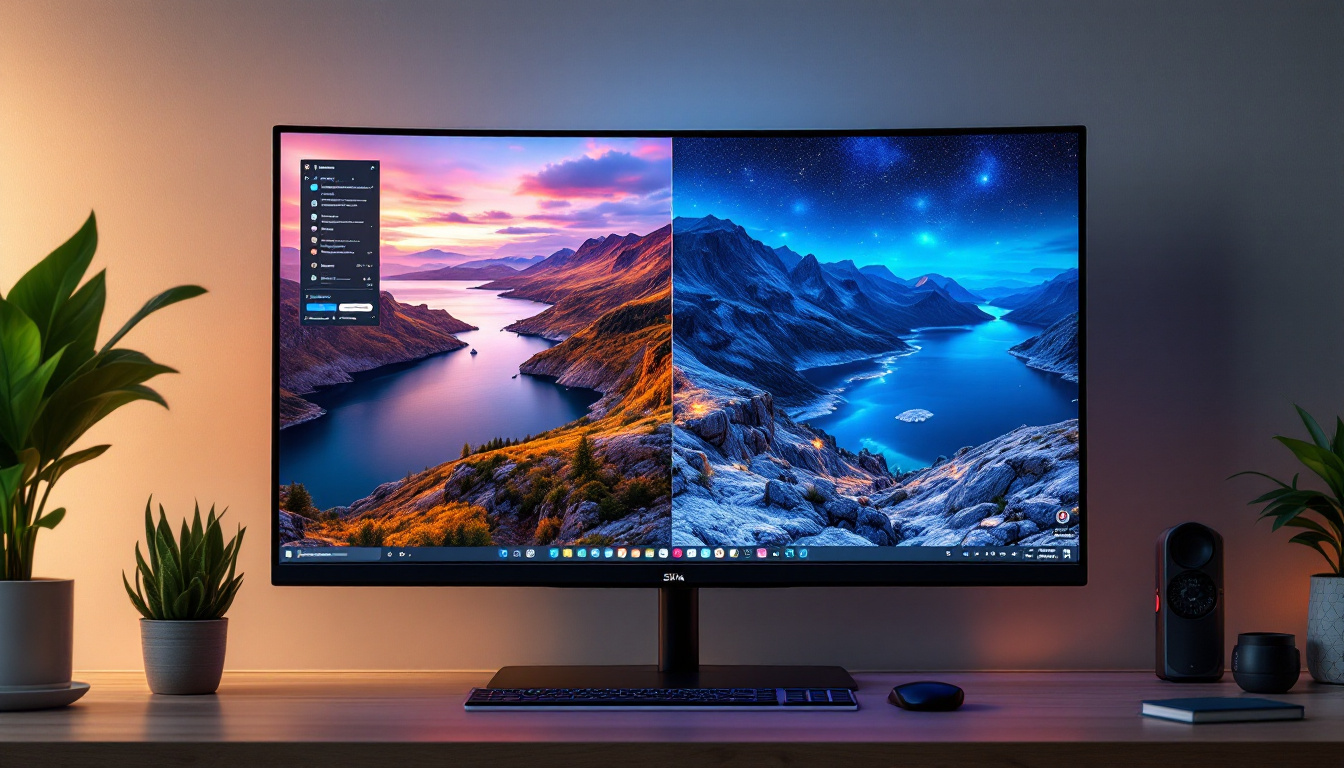
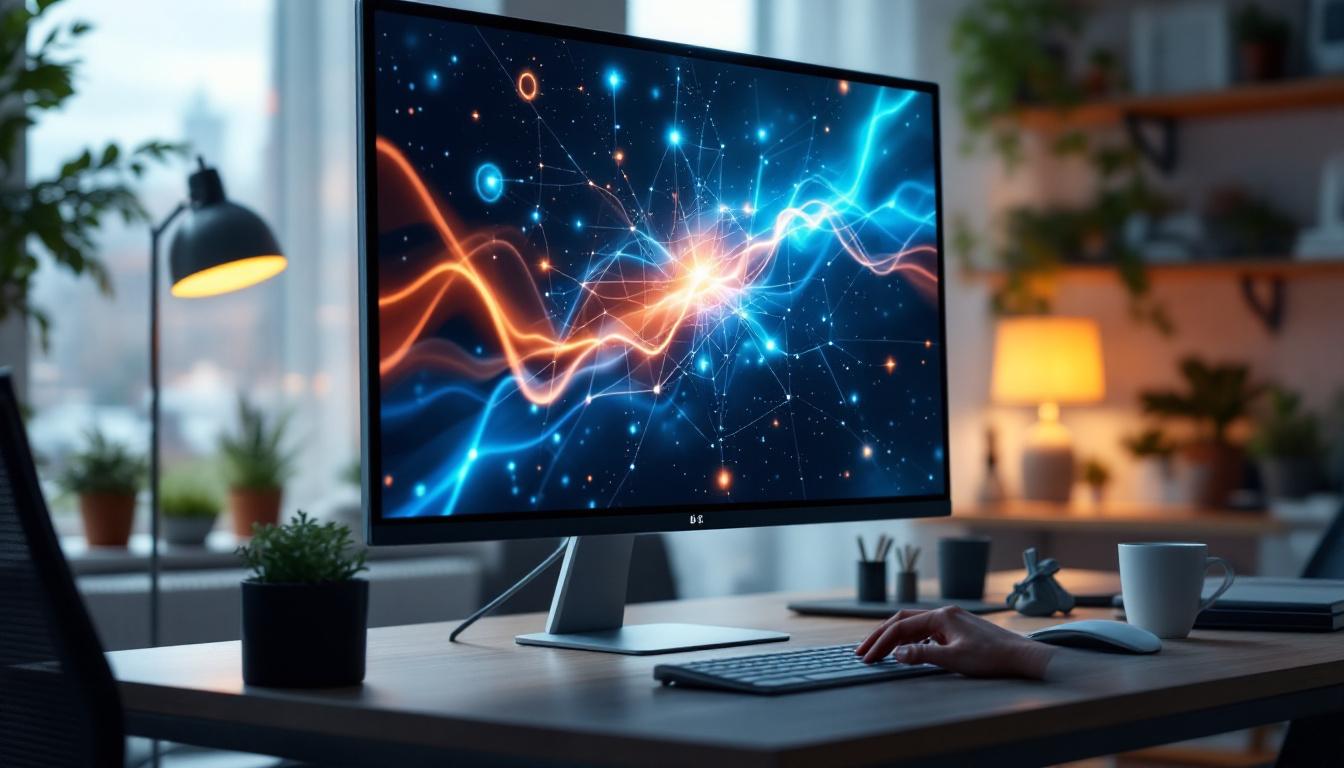
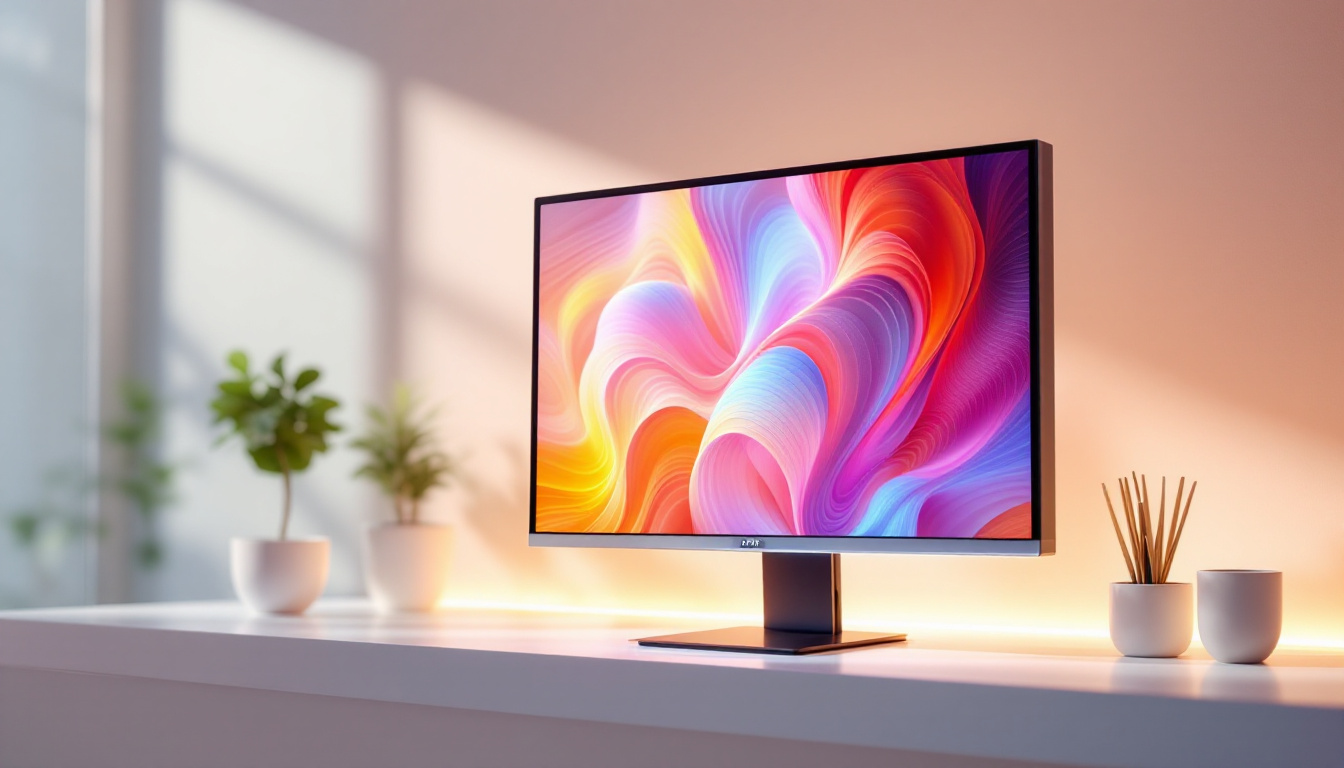
- LED-backlit LCD Displays: These use LEDs as a backlight source behind an LCD panel. This technology is prevalent in televisions, computer monitors, and mobile devices, offering improved energy efficiency and color accuracy compared to older CCFL backlighting. The combination of LED technology with LCD panels has revolutionized the consumer electronics market, providing users with thinner, lighter devices that do not compromise on display quality.
- MicroLED Displays: An emerging technology where microscopic LEDs form each pixel. MicroLEDs promise higher brightness, better color range, and longer lifespan than OLED and traditional LED-backlit LCDs, though they are currently expensive and complex to manufacture. As research and development in this area continue, MicroLED displays are expected to penetrate the market for high-end televisions and commercial displays, offering unparalleled viewing experiences with vibrant colors and deep blacks.
In addition to these primary types, there are also specialized LED displays designed for specific applications, such as transparent LED displays that allow for visibility through the screen, and flexible LED displays that can be bent or shaped to fit unique environments. These innovations open up new avenues for creative advertising, art installations, and architectural designs, pushing the boundaries of how we interact with visual media. The versatility of LED technology not only enhances aesthetic appeal but also offers practical solutions for various industries, from retail to entertainment.
How LED Displays Work
The Science Behind Light Emission
LEDs function based on electroluminescence, a process where a material emits light in response to an electric current or a strong electric field. Inside an LED, electrons recombine with holes in a semiconductor material, releasing energy in the form of photons—the basic units of light.
The color of the light depends on the semiconductor material’s composition, allowing LEDs to emit a variety of colors, including red, green, and blue. By combining these primary colors in different intensities, LED displays can produce a full spectrum of colors, enabling vibrant and accurate image reproduction.
Pixel Configuration and Resolution
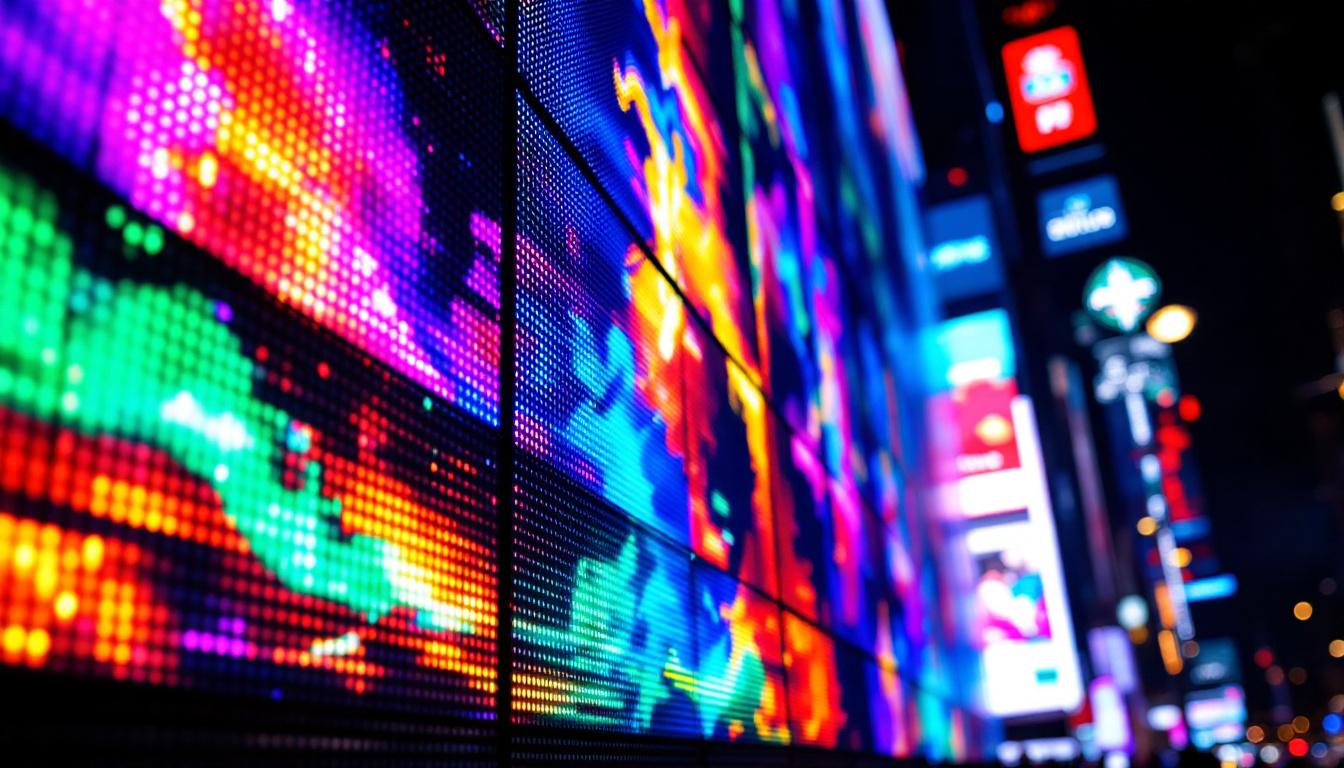
Each pixel on an LED display typically consists of three sub-pixels: red, green, and blue LEDs. By adjusting the brightness of each sub-pixel, the display can render millions of colors. The resolution of an LED display is determined by the number of pixels per unit area, often described in terms of pixel pitch—the distance between the centers of two adjacent pixels.
A smaller pixel pitch means higher resolution and sharper images, which is crucial for applications requiring close viewing distances, such as indoor displays or high-definition television screens. Conversely, larger pixel pitches are suitable for outdoor displays viewed from afar, where ultra-high resolution is less critical.
Applications of LED Displays
Outdoor Advertising and Digital Billboards
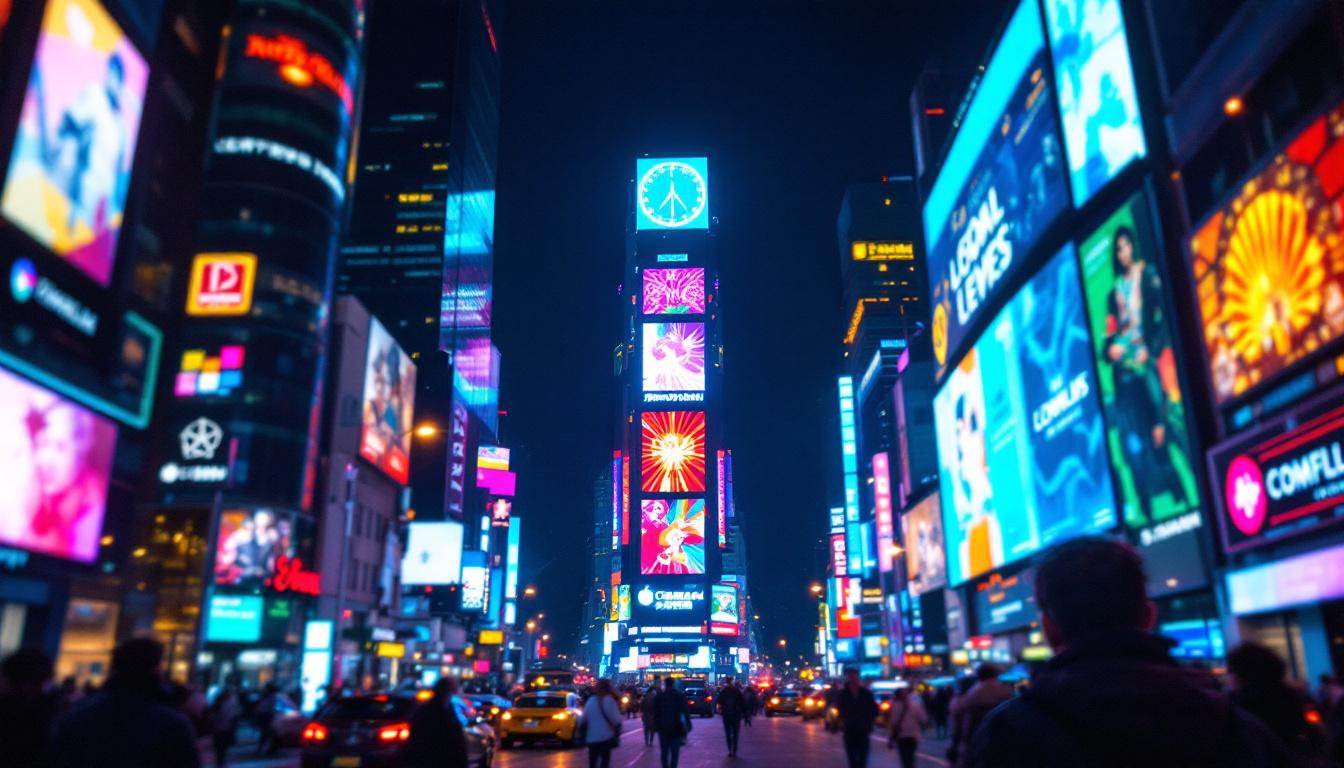
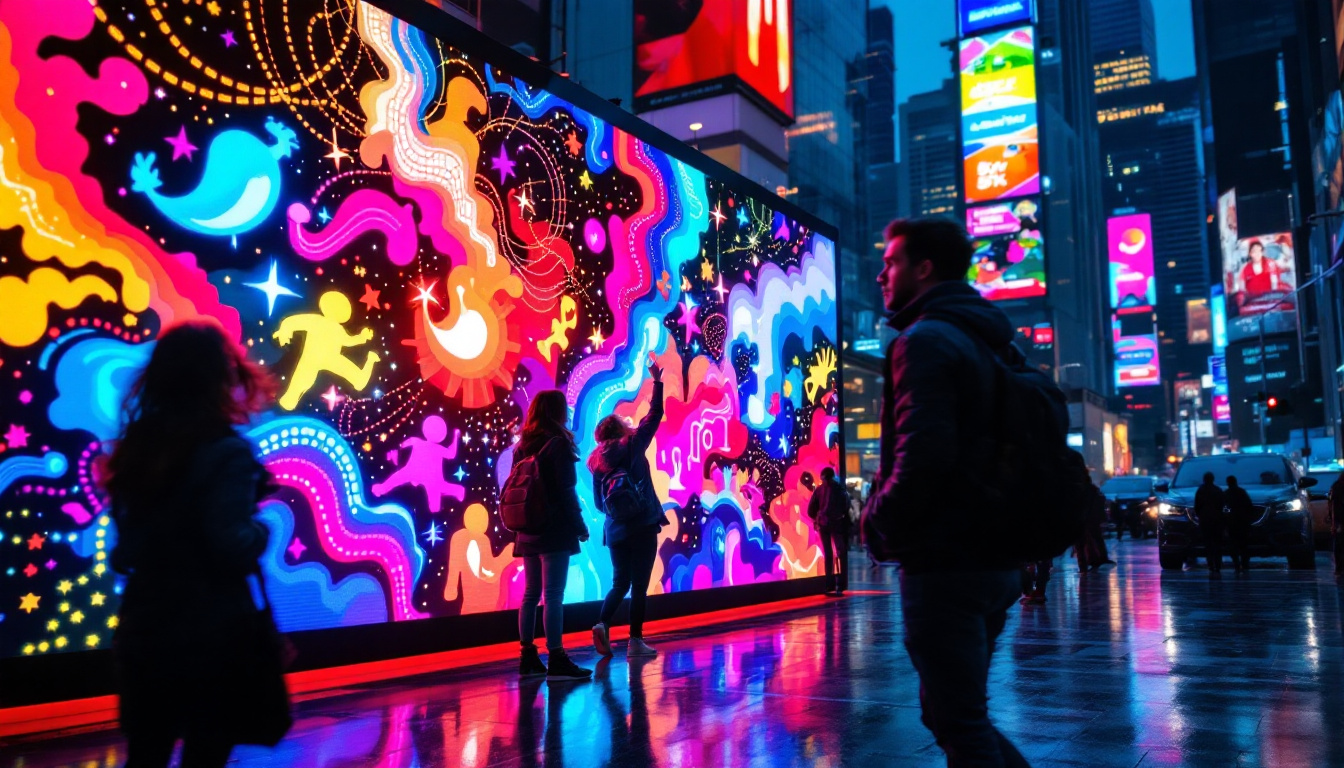
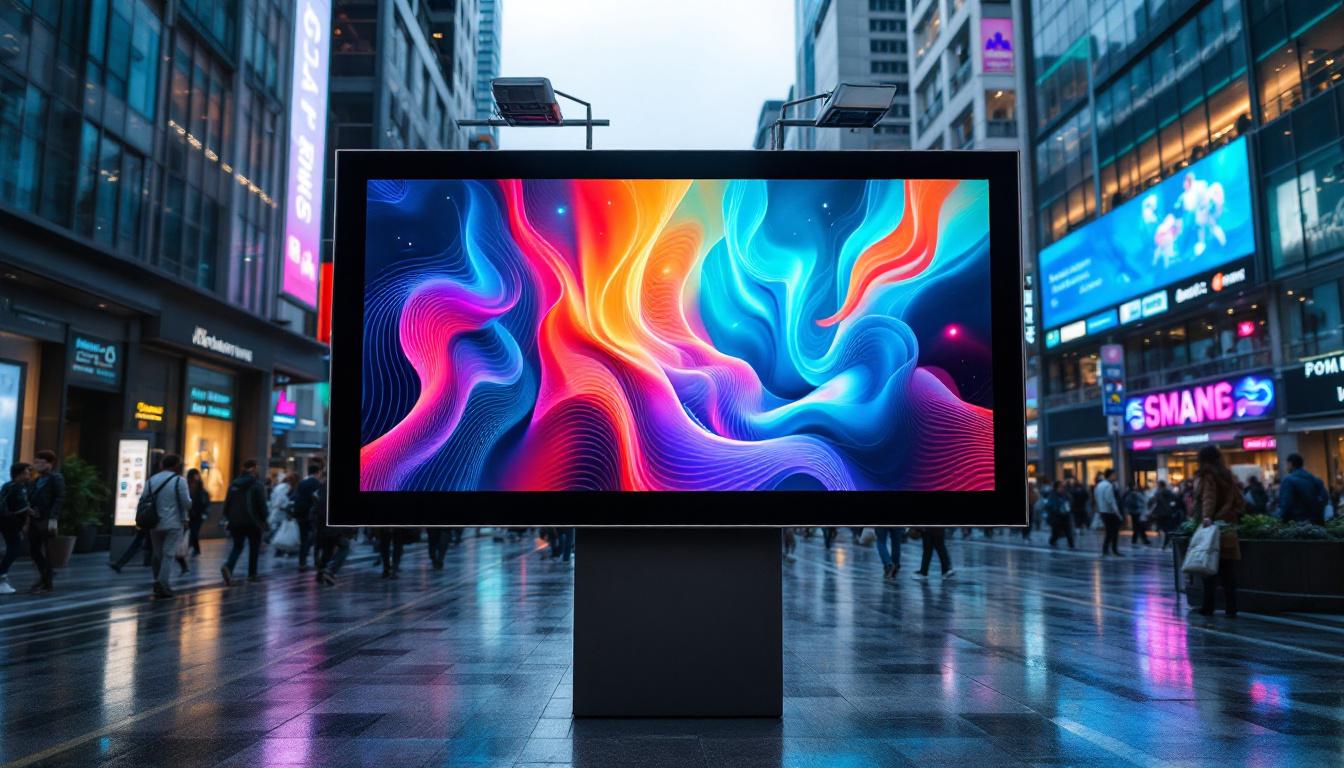
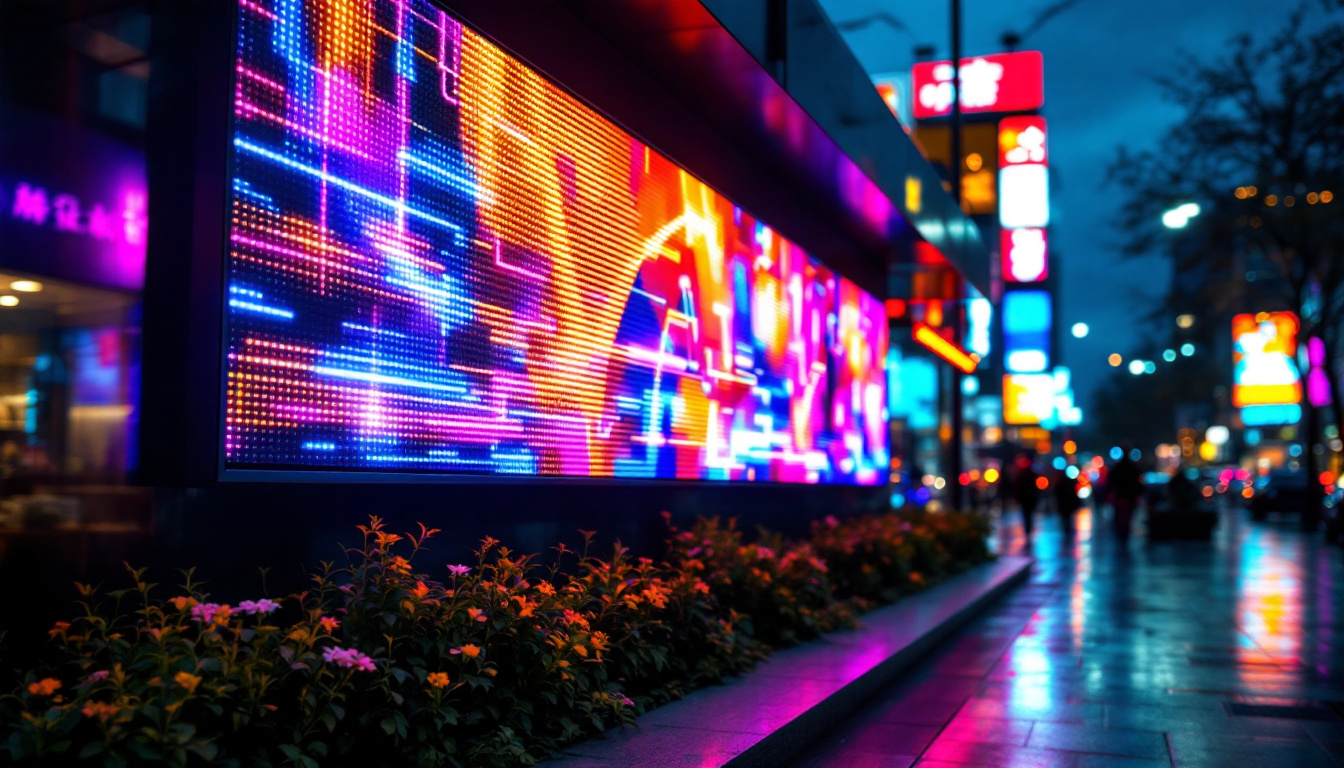
One of the most visible uses of LED displays is in outdoor advertising. LED billboards have revolutionized the marketing industry by enabling dynamic, eye-catching content that can be updated in real-time. According to a report by Grand View Research, the global digital signage market, heavily driven by LED technology, is expected to grow at a compound annual growth rate (CAGR) of over 7% from 2023 to 2030.
LED displays’ high brightness and weather resistance make them ideal for outdoor environments, ensuring visibility even under direct sunlight or adverse weather conditions. This adaptability has made LED billboards a staple in urban landscapes worldwide.
Entertainment and Event Displays
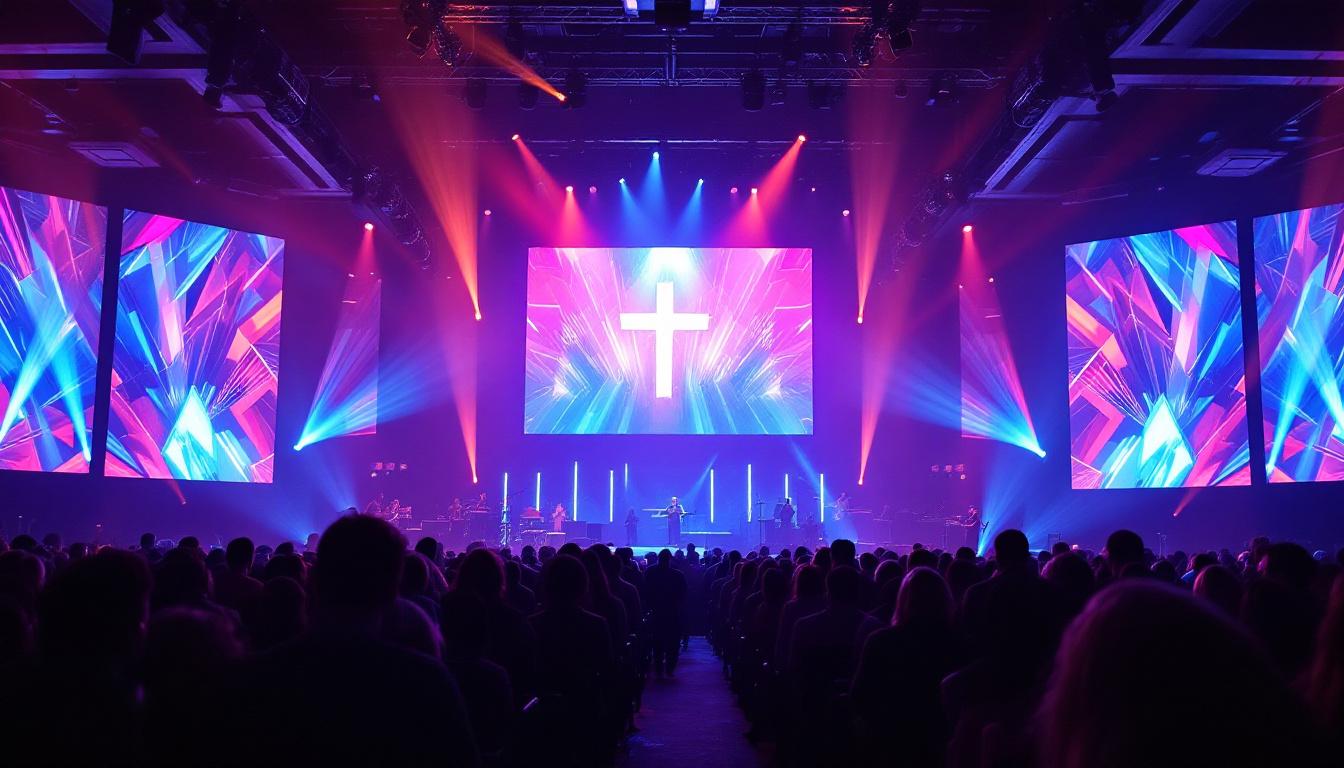
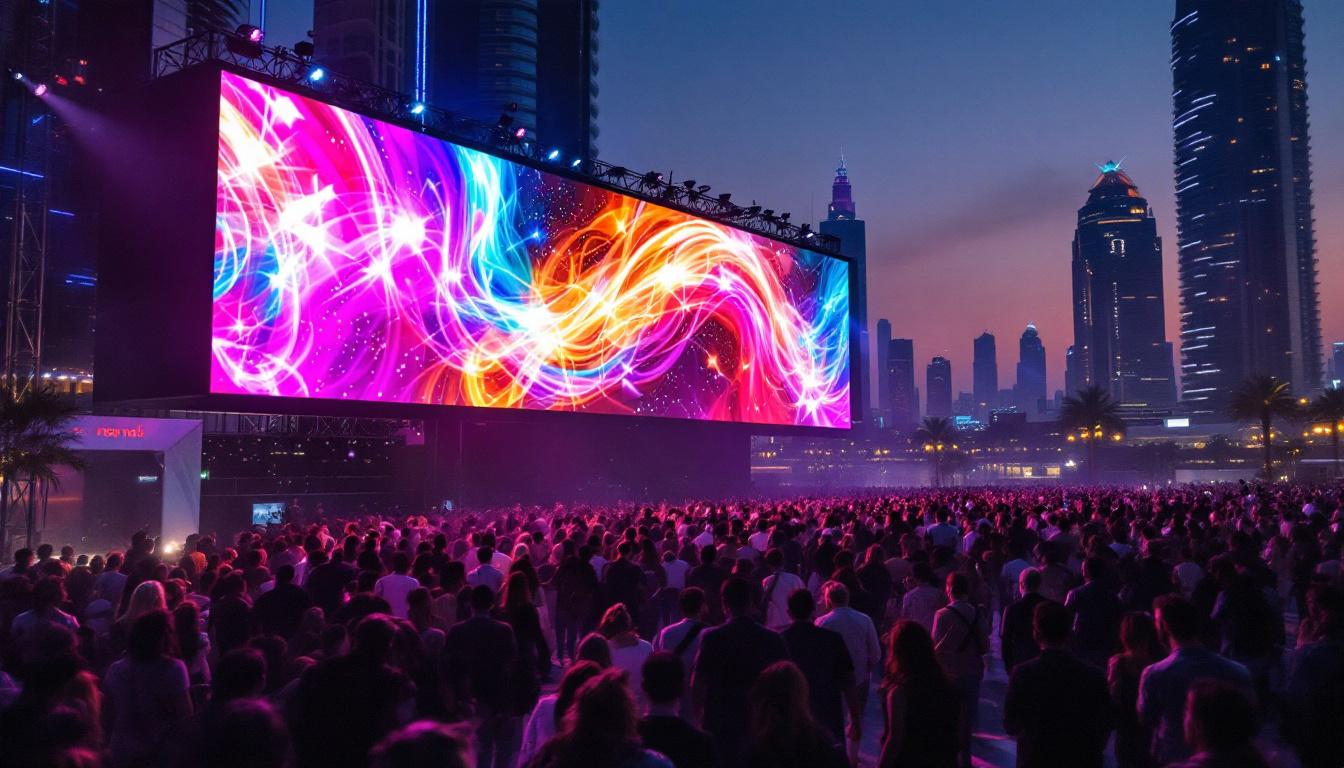
From concert stages to sports arenas, LED displays play a critical role in enhancing audience experience. Large-format LED screens provide clear visuals and live feeds, ensuring even spectators far from the stage or field can enjoy the event. The ability to create curved or flexible LED panels also allows for innovative stage designs and immersive environments.
Moreover, the fast refresh rates and high color accuracy of LED displays make them suitable for broadcasting and video production, where image quality is paramount.
Corporate and Retail Environments
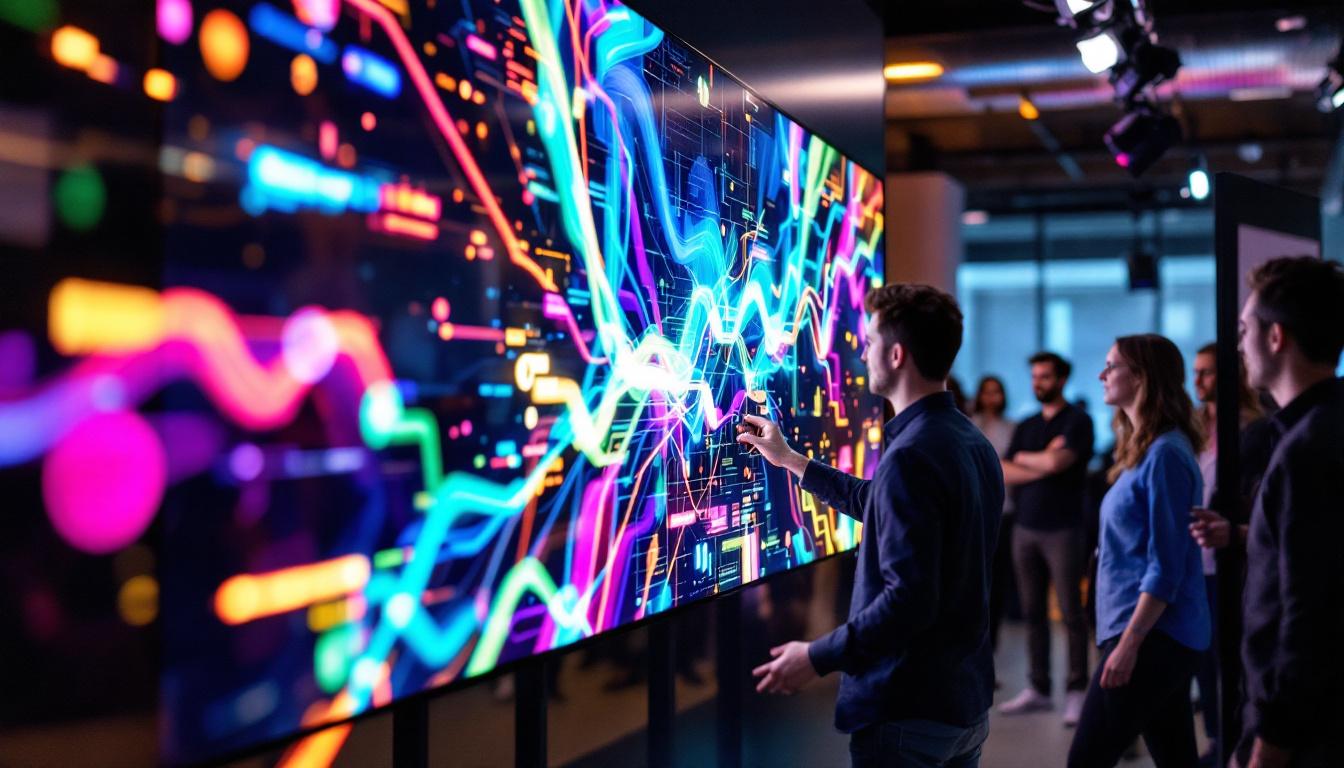
In corporate settings, LED displays are used for presentations, video conferencing, and digital signage in lobbies and meeting rooms. Retailers leverage LED screens to attract customers with dynamic advertisements and interactive content, boosting engagement and sales.
The versatility of LED displays extends to transportation hubs, educational institutions, and healthcare facilities, where clear, reliable information dissemination is essential.
Advantages of LED Displays Over Other Technologies
Brightness and Visibility
LED displays excel in brightness, often reaching levels of 1,000 to 5,000 nits or more, compared to typical LCD screens that max out around 300 to 500 nits. This high luminance ensures excellent visibility in bright environments, such as outdoor settings or well-lit indoor spaces.
Energy Efficiency and Longevity
LEDs are more energy-efficient than traditional lighting technologies, consuming less power while delivering superior brightness. This efficiency translates into lower operating costs, especially important for large-scale displays that run continuously.
Additionally, LED displays have longer lifespans, often exceeding 100,000 hours of operation before significant brightness degradation occurs. This durability reduces maintenance and replacement costs over time.
Design Flexibility
The small size and modular nature of LEDs allow for creative display designs, including curved, flexible, transparent, and even wearable screens. This flexibility opens new possibilities for advertising, architecture, and user interfaces that were previously unattainable with conventional display technologies.
Challenges and Considerations in LED Display Deployment
Cost Factors
While LED technology has become more affordable over the years, high-resolution and large-format LED displays can still represent a significant investment. Installation, calibration, and maintenance costs also add to the total expenditure, which organizations must consider during budgeting.
Pixel Pitch and Viewing Distance
Choosing the appropriate pixel pitch is critical to ensuring optimal image quality. A mismatch between pixel pitch and viewing distance can result in pixelation or blurred images, detracting from the viewer’s experience. Professionals often use guidelines and calculations to balance resolution needs with budget constraints.
Environmental and Regulatory Factors
Outdoor LED displays must comply with local regulations regarding brightness levels, light pollution, and energy consumption. Additionally, environmental factors such as temperature extremes, humidity, and exposure to dust or water require robust enclosure designs to ensure reliable operation.
The Future of LED Display Technology
MicroLED and Beyond
MicroLED technology is poised to redefine display quality by combining the best attributes of LEDs and OLEDs—offering exceptional brightness, color accuracy, and energy efficiency without the burn-in issues associated with OLEDs. Although still in the early stages of commercialization, MicroLED displays are expected to become mainstream in the next five to ten years, especially in premium televisions, smartphones, and augmented reality devices.
Integration with Smart Technologies
Advancements in artificial intelligence and the Internet of Things (IoT) are driving smarter LED displays capable of adapting content based on audience demographics, environmental conditions, and real-time analytics. These intelligent displays enhance user engagement and provide valuable data insights for businesses and public services.
Sustainability and Eco-Friendly Innovations
As sustainability becomes a global priority, LED display manufacturers are focusing on eco-friendly materials, energy-saving designs, and recyclability. Innovations such as biodegradable components and solar-powered LED installations are emerging trends that align with environmental goals.
Conclusion
LED display technology has transformed the way information and entertainment are delivered across multiple sectors. Its combination of brightness, efficiency, versatility, and durability makes it a preferred choice for applications ranging from massive outdoor billboards to intricate indoor video walls. As innovations like MicroLED and smart integration continue to evolve, LED displays will maintain their pivotal role in shaping the future of visual communication.
Understanding the fundamentals, advantages, and challenges of LED displays empowers businesses, designers, and consumers to make informed decisions and leverage this technology’s full potential. Whether for advertising, entertainment, or information dissemination, LED displays offer a dynamic and impactful medium in the digital landscape.
Discover LumenMatrix’s LED Display Innovations
Ready to elevate your visual communication with the latest in LED display technology? LumenMatrix is at the forefront of creating immersive and vibrant visual experiences that captivate and engage. From Indoor and Outdoor LED Wall Displays to specialized solutions like Vehicle LED Displays and LED Sports Displays, our extensive range caters to every need. Embrace the future with our innovative LED Transparent Displays and All-in-One LED solutions designed to make a lasting impression. Check out LumenMatrix LED Display Solutions today and transform your space into a dynamic canvas.